Plizio Visual Lab

Upo Wetland
Plizio editorial teamData Sources
Lake
—°4
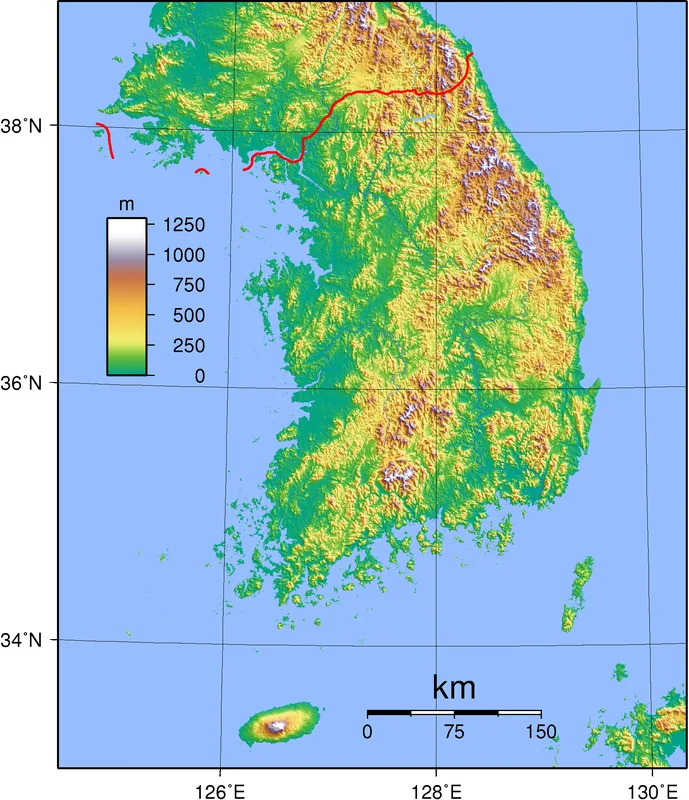
Upo Wetland (South Korea)

Weather…

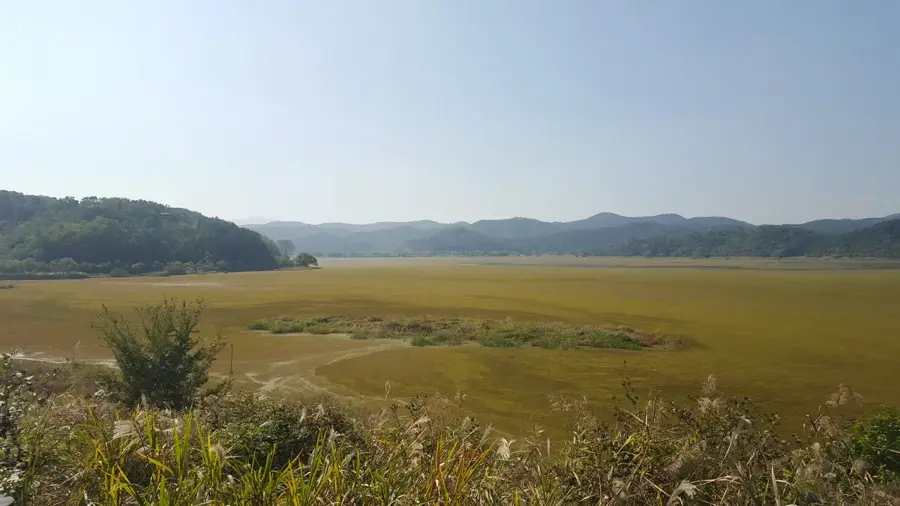
Upo Wetland (Woopo) is South Korea's largest natural inland wetland, located in Changnyeong County. Covering an area of approximately 2.13 square kilometers, it is estimated to have formed about 140 million years ago during the Cretaceous Period. The site consists of four main marshes: Upo, Mokpo, Sajapo, and Jjokji-beol. In 1998, it was designated as a Ramsar site, highlighting its international importance for conservation. The wetland hosts over 1,500 species of flora and fauna, including the endangered crested ibis, which was successfully reintroduced here. Geologically, the wetland is a remnant of the prehistoric Nakdong River course. Its water levels fluctuate seasonally, providing a dynamic environment for numerous migratory birds. Today, Upo serves as a critical center for ecological research and environmental education in East Asia.

Best time to visit & climate

The most pleasant time to visit is May, Jun, Sep.

JanFebMarAprMayJunJulAugSepOctNovDec
Avg °C-2151117212425201470
Rain mm274364110114151285252161694027

📋 Practical info

🧭
Getting there
Upo Wetland is located in Changnyeong County and is most conveniently reached by car or intercity buses from nearby cities like Daegu or Busan. Once at the main entrance, visitors can explore the vast area via several well-maintained boardwalks and ecological trails.
📅
Best season
Each season provides a unique experience; summer brings lush green flora, while winter is famous for migratory birds. Spring and autumn provide the most comfortable temperatures for walking and are well-suited for spotting various rare plants and local wildlife in their peak states.
⛰️
Terrain & paths
The terrain is exceptionally flat and easy to navigate, consisting of gravel paths and elevated wooden walkways designed to protect the fragile ecosystem. It is accessible for strollers and people with limited mobility, though some sections can become muddy after heavy rain.
🎒
What to bring
Binoculars are highly recommended for birdwatching enthusiasts to get a better view of the many rare species. Wear comfortable walking shoes, a sun hat, and bring insect repellent, as the wetland environment typically has a significant population of small flying insects.
🅿️
Parking
There is a designated parking area located at the main visitor center and the Upo Wetland Ecological Museum. Parking is generally ample, but on weekends and during peak birdwatching seasons, it is advisable to arrive early to secure a convenient spot near the trailheads.
⚠️
Safety
Stay on the designated paths to protect the environment and avoid stepping into soft, muddy areas that can be surprisingly deep. Be mindful of the local wildlife and avoid feeding the birds or leaving any trash behind, ensuring that this pristine natural site remains undisturbed.
⏱️
Time needed
A thorough exploration of the main trails and a visit to the ecological museum typically takes about 3 to 4 hours. Dedicated birdwatchers or photographers often spend an entire day here, especially during the migration periods when bird activity is at its highest.

Geography

Coordinates
35.55000, 128.41000

Facts

  • Largest natural inland wetland in Korea
  • Formed approx. 140 million years ago
  • Designated Ramsar site in 1998
  • Home to over 1,500 species
  • Reintroduction site for crested ibis
  • Consists of 4 main marsh areas

Explore nearby

Notable places around
Route planner — Car & Motorhome

Where do you start? We build the route here, with stops and country notes along the way.

Vehicle
Only stops with (optional):

© OpenStreetMap contributors · OpenRouteService

Sights in the town Upo Wetland (4)

Changnyeong Museum🏛 museum

The museum preserves archaeological finds from the Gaya Confederacy found in the Changnyeong region.

Upo Marsh📍 landmark

South Korea’s largest natural inland wetland is a Ramsar site and a sanctuary for rare migratory birds.

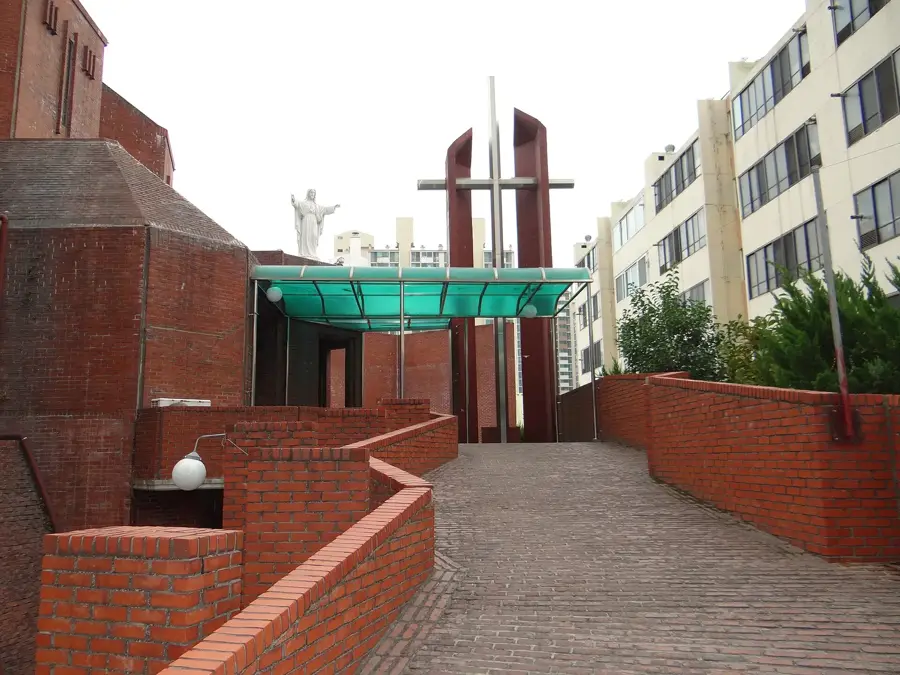
Changnyeong Catholic Church📍 landmark

A historical Catholic building featuring rounded stone walls and traditional Korean roof elements.

Gwallyongsa📍 landmark

This ancient Buddhist temple at the foot of Hwawangsan Mountain is famous for its Yaksa statue.

Sights nearby

Frequently asked questions

What is Upo Wetland?
It is Korea's largest natural inland wetland and a major ecological conservation area for many endangered species.
When can you see migratory birds there?
Winter (December to February) is the best time to see thousands of migratory birds like swans and spoonbills.
Can you explore the area by bicycle?
Yes, there is bicycle rental at the entrance. Cycling is a great way to explore the extensive paths around the swamps.
Is there a visitor center there?
Yes, the Upo Wetland Eco-Center provides exhibitions and information about the ecosystem and the importance of the wetland.
What is the best time of day for photography?
Early morning at sunrise is spectacular, when mist often sits over the water and fishermen are active.
Upo Wetland: where is it located?
Upo Wetland is located in South Korea.
Upo Wetland: what is there to see?
Highlights include Changnyeong Museum, Upo Marsh, Changnyeong Catholic Church.
Upo Wetland: when is the best time to visit?
The most pleasant time to visit is May, Jun, Sep.
Upo Wetland: why is it worth visiting?

Upo Wetland (Woopo) is South Korea's largest natural inland wetland, located in Changnyeong County.
View on map → The Top 50 Attractions → OpenStreetMap →
Asia
Explore with Plizio Discover more places in Asia
More places in South Korea →

Nearby cities

History & landmarks
Nature
More places