Plizio Visual Lab

Jeonju Hanok Village
Plizio editorial teamData Sources
Landmark
—°16
Jeonju Hanok Village (South Korea)

Weather…

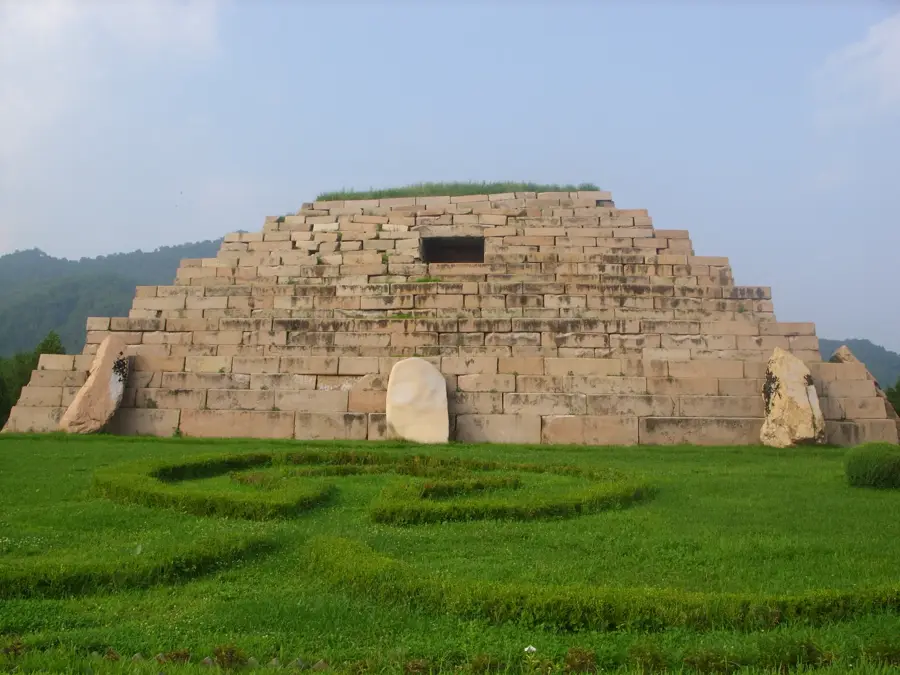
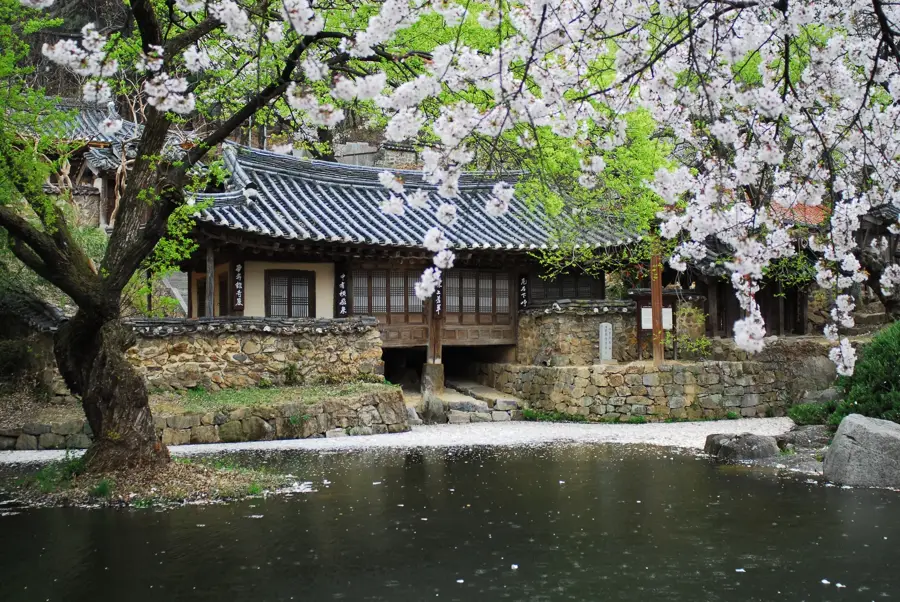
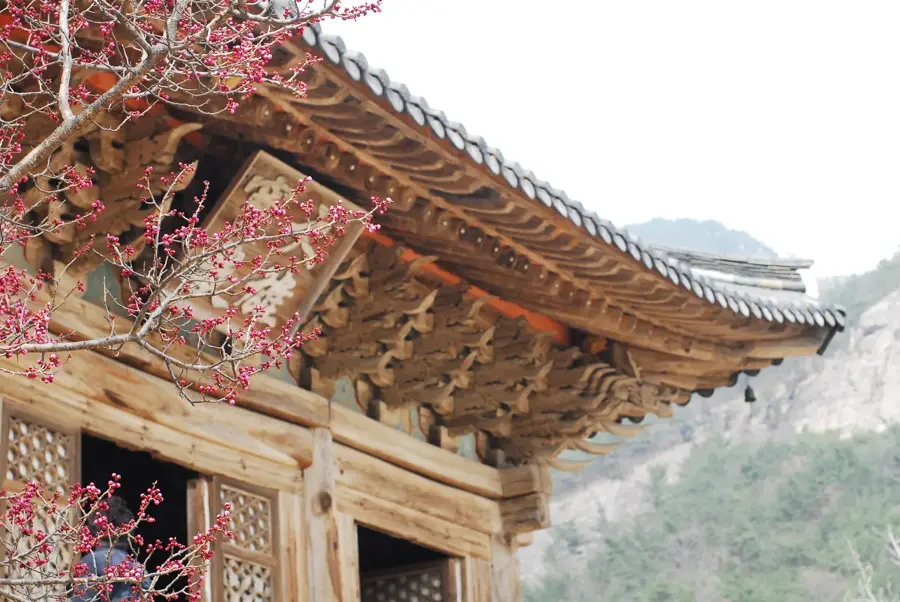
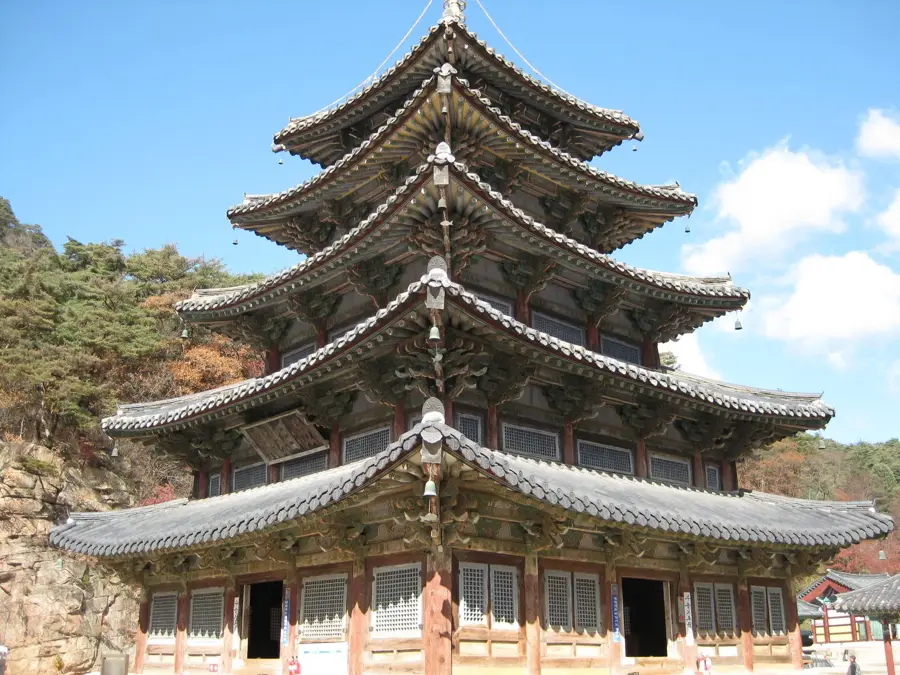
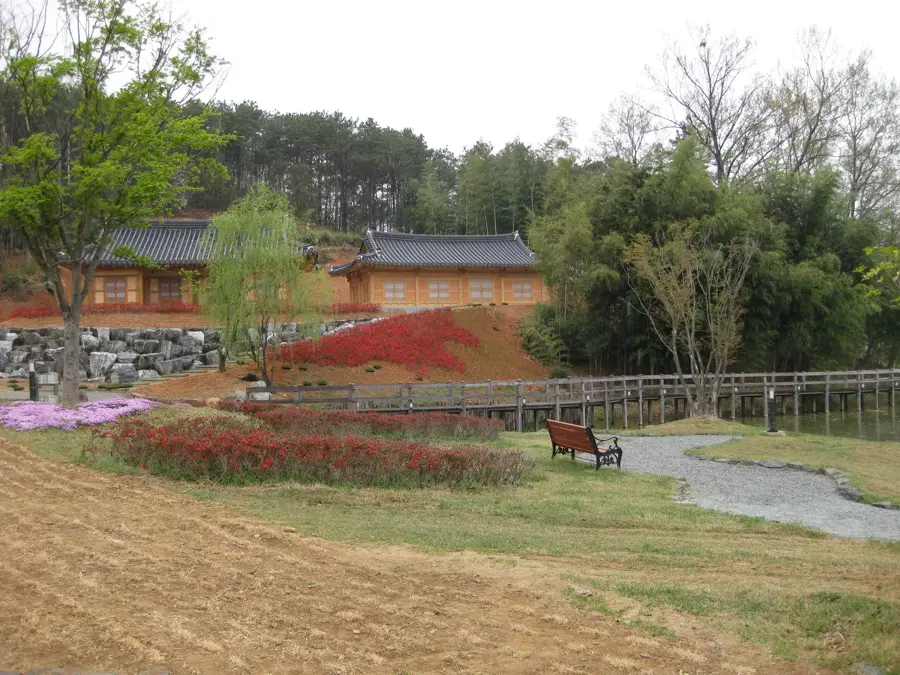
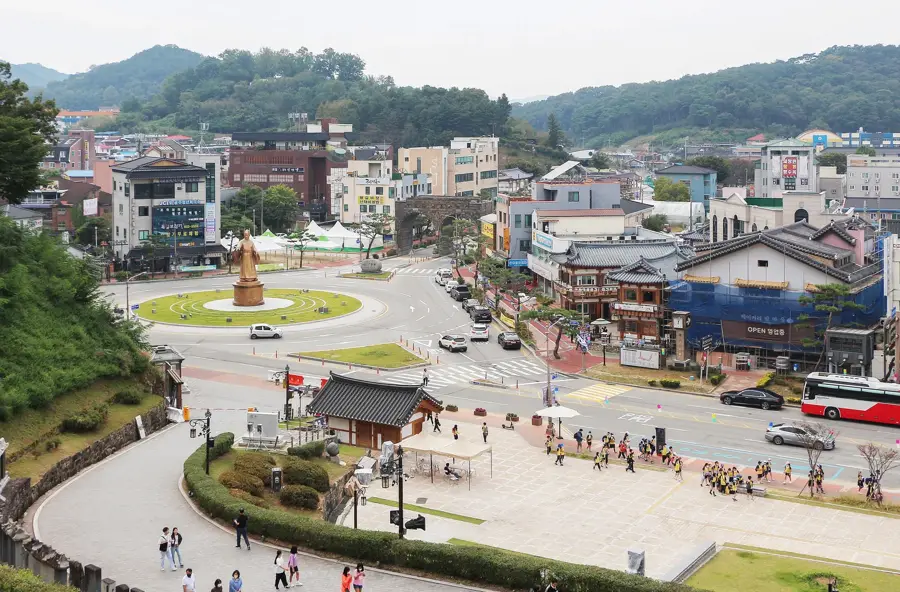
Jeonju Hanok Village is one of South Korea's largest concentrations of traditional Korean houses (hanok), located in the heart of the modern city of Jeonju. It contains over 800 historic buildings that have been carefully preserved amidst surrounding urban development. The village is renowned for its architectural integrity, featuring the iconic curved rooflines and the traditional ondol floor-heating systems. Jeonju holds significant historical weight as the ancestral home of the Yi family, who founded the Joseon Dynasty. Today, the village serves as a thriving hub for Korean culture, traditional crafts, and gastronomy, most notably as the birthplace of the world-famous dish Bibimbap. Visitors can stay in authentic hanok guesthouses, participate in tea ceremonies, and experience traditional lifestyles firsthand. Designated by Lonely Planet as a top Asian destination in 2010, the village remains a central site for experiencing and preserving South Korea's rich intangible cultural heritage.

Best time to visit & climate

The most pleasant time to visit is May, Jun, Sep.

JanFebMarAprMayJunJulAugSepOctNovDec
Avg °C-1151117222526211581
Rain mm2739508585136317261134564532

📋 Practical info

🚪
Visiting
Jeonju Hanok Village is a publicly accessible residential and cultural heritage district. Most hanok houses are lived in or converted into shops, but some are open for viewing.
🕒
Typical hours
The village is walkable at any time, but most shops and museums have fixed hours - typically 9 am to 6 pm. In the evening, many restaurants are open.
📷
Photography
Photography of traditional hanok architecture is allowed everywhere and very popular. Respect residents' privacy and do not photograph into private courtyards.
⏱️
Time needed
A stroll through the village takes about two to three hours if you visit the main streets and a few sights. For a thorough exploration with museum visits, allow half a day.
Combine with
Combine the visit with Jeonju National Museum or Deokjin Park. The traditional paper village (Hanji) is also nearby and worth a visit.
🧭
Getting there
The village is in central Jeonju, walkable from the station or bus terminal. Parking is limited; public transport or taxis are recommended.
💡
Insider tip
Rent a traditional hanbok costume to immerse yourself and take authentic photos. Be sure to try bibimbap at one of the local restaurants.

Geography

Coordinates
35.81430, 127.15190

Facts

  • The village contains a total of over 800 traditional hanok houses.
  • Jeonju was recognized as a UNESCO City of Gastronomy in 2012.
  • The settlement of Jeonju has a history dating back over 1,200 years.
  • Jeonju Bibimbap is considered the most authentic version of the dish.
  • The village area covers approximately 250,000 square meters.
  • The Gyeonggijeon Shrine houses the portrait of King Taejo, founder of Joseon.

Explore nearby

Notable places around

Route planner — Car & Motorhome

Where do you start? We build the route here, with stops and country notes along the way.

Vehicle
Only stops with (optional):

© OpenStreetMap contributors · OpenRouteService

Sights in the town Jeonju Hanok Village (16)

Pungnammun🏰 castle

Pungnammun is a historic castle gate serving as a landmark in the Jeonju Hanok Village area.

Gyeonggijeon Hall📍 landmark

Gyeonggijeon Hall is a famous attraction in the Jeonju Hanok Village that preserves historic royal portraits.

💶

Jeonju Hyanggyo📍 landmark

Jeonju Hyanggyo is a traditional Confucian school and historic attraction located in the Jeonju Hanok Village.

🕒 10:00-19:00

Jeondong Catholic Church⛪ religious

Jeondong Catholic Church is a prominent place of worship situated in the Jeonju Hanok Village.

Jongi Museum🏛 museum

The Jongi Museum is a cultural institution operating within the Jeonju Hanok Village.

Gogagu Exhibition Hall🏛 museum

The Gogagu Exhibition Hall is a museum open for visitation in the Jeonju Hanok Village.

Jeonjugongyepum Exhibition Hall🏛 museum

Jeonjugongyepum Exhibition Hall is a museum dedicated to local crafts in the Jeonju Hanok Village.

🆓

Imokdae🏺 historical

Imokdae is a historical monument that can be visited in the Jeonju Hanok Village area.

Miraculous rock on The Martyrs' Mountain "St. Mary"🏺 historical

The Miraculous rock on The Martyrs' Mountain "St. Mary" is a religious monument near the Jeonju Hanok Village.

A Flight object Exhibition🏺 historical

A Flight object Exhibition is a notable monument located in the Jeonju Hanok Village area.

Jeonjusideokjin Art Hall🎭 culture

Jeonjusideokjin Art Hall is an active arts centre located near the Jeonju Hanok Village.

Jeollabuk-do Arts Center🎭 culture

The Jeollabuk-do Arts Center is a major cultural arts centre near the Jeonju Hanok Village.

Gwanseongmyo⛪ religious

Gwanseongmyo is a traditional shrine and spiritual site located within the Jeonju Hanok Village.

Woojin Culture Center🎭 culture

The Woojin Culture Center is a community arts centre located near the Jeonju Hanok Village.

Martyrs tombs⛪ religious

The Martyrs tombs in Jeonju serve as a place of worship.

Deokjin park📍 landmark

Deokjin Park is a popular tourist attraction in Jeonju.

🕒 Mo-Su 06:00-00:00

Sights nearby

Frequently asked questions

How many Hanok houses are here?
There are over 800 traditional Korean houses (Hanoks) in this district.
What is the most famous food in Jeonju?
Jeonju is the birthplace of Bibimbap, a popular rice dish with vegetables.
Can you rent Hanbok there?
Yes, there are many rental shops, and visitors in Hanbok often receive discounts at sights.
Can you stay overnight in a Hanok?
Yes, many houses operate as guesthouses and offer an authentic overnight experience.
When is the village most crowded?
It is very crowded on weekends and holidays; a weekday visit is more relaxed.
Jeonju Hanok Village: where is it located?
Jeonju Hanok Village is located in South Korea.
Jeonju Hanok Village: what is there to see?
Highlights include Pungnammun, Gyeonggijeon Hall, Jeonju Hyanggyo.
Jeonju Hanok Village: when is the best time to visit?
The most pleasant time to visit is May, Jun, Sep.
Jeonju Hanok Village: why is it worth visiting?

Jeonju Hanok Village is one of South Korea's largest concentrations of traditional Korean houses (hanok), located in the heart of the modern city of Jeonju.
View on map → The Top 50 Attractions → OpenStreetMap →
Asia
Explore with Plizio Discover more places in Asia
More places in South Korea →

Nearby cities

History & landmarks
Nature
More places