Plizio Visual Lab
Tongdosa Area (Yangsan)
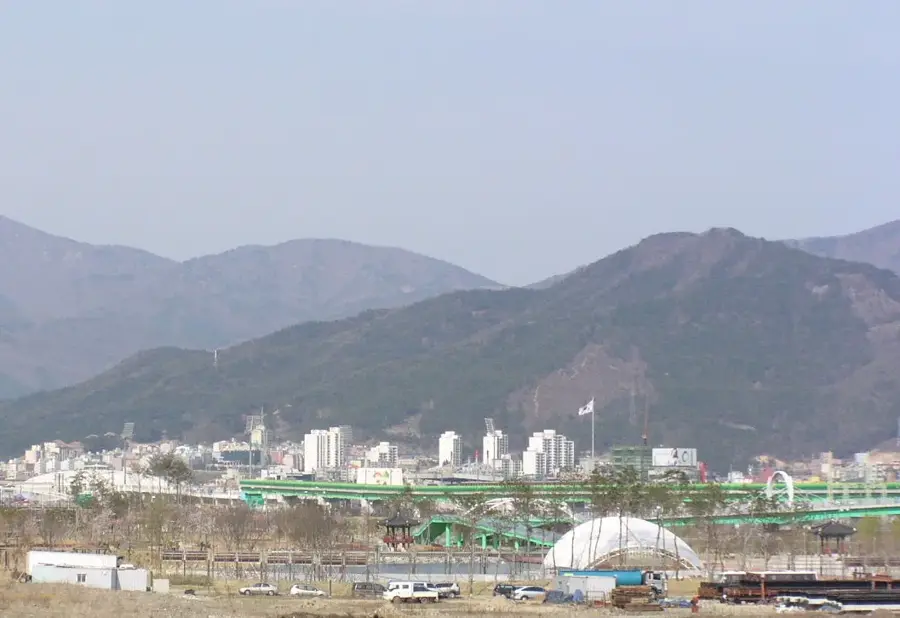
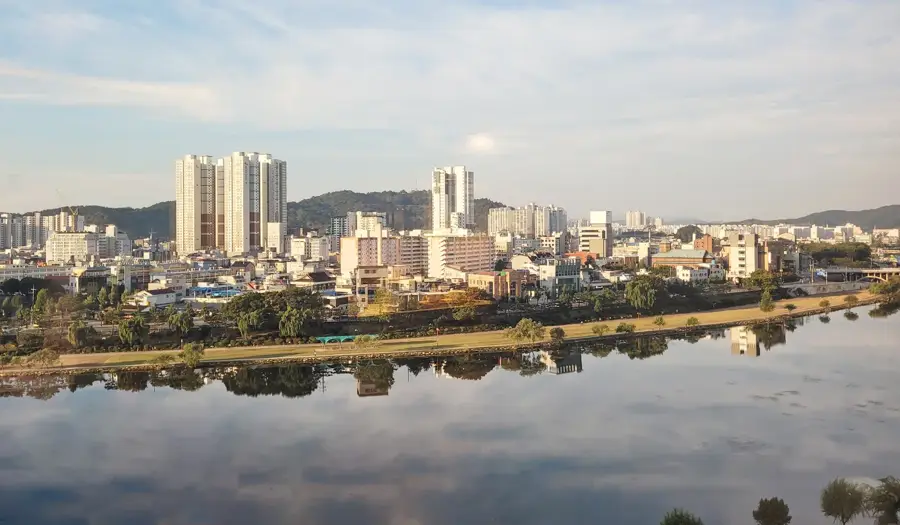
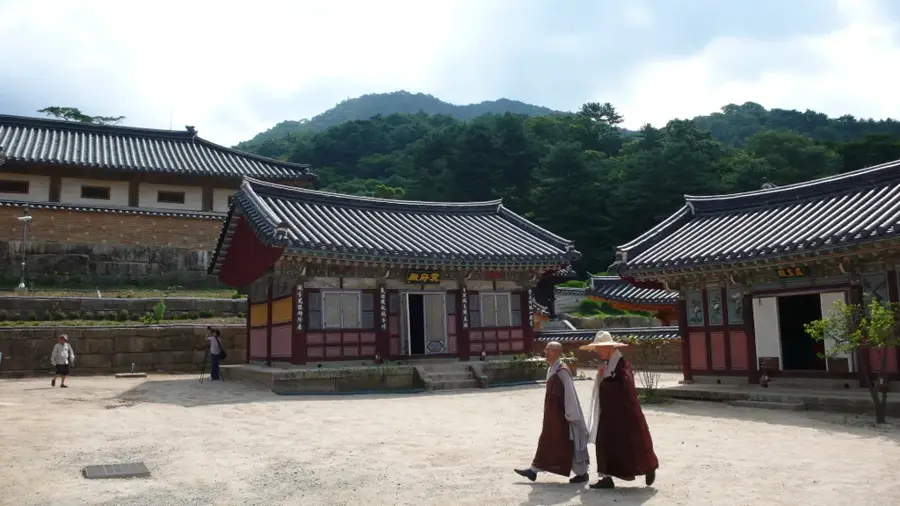
The Tongdosa area in Yangsan is home to one of Korea's three 'Jewel Temples', representing the 'Dharma' (the teachings). Tongdosa is unique among major temples because its main hall contains no Buddha statues; instead, it houses authentic relics of the historical Buddha brought from China by the monk Jajang. The vast temple complex is positioned in the scenic landscape of Mt. Yeongchuksan, offering a deep spiritual experience with its numerous hermitages, stone pagodas, and ancient bridges. It is part of the UNESCO World Heritage site 'Sansa', Buddhist Mountain Monasteries in Korea. However, the Yangsan area has much more than just spiritual reflection. The Mt. Yeongchuksan region is a hiker's paradise, with well-marked trails leading through dense pine forests to wide-open viewpoints. Nearby, the Eden Valley Resort provides skiing in winter and luge racing on one of the world's longest tracks during the summer. The Hongryongsa Waterfall, cascading down behind a small, serene temple, is another popular spot for nature lovers and photographers alike. Accessibility is excellent due to its proximity to Busan and Ulsan, with frequent bus services and easy road access. The best time to visit is in early spring when the plum blossoms in the temple grounds signal the end of winter, or in autumn for the remarkable fall colors. Visitors cherish Tongdosa for its authentic atmosphere and the chance to join temple-stay programs to experience monastic life firsthand. The region is also famous for traditional tea houses serving local brews in a tranquil natural setting.
- Location: South Korea
- Top sights: Heulg Folk Village · JAEYAKSAN · WATERFALL
- Nearby: Yangsan (11 km)
Best time to visit & climate
The most pleasant time to visit is May, Jun, Sep.
| Jan | Feb | Mar | Apr | May | Jun | Jul | Aug | Sep | Oct | Nov | Dec | |
|---|---|---|---|---|---|---|---|---|---|---|---|---|
| Avg °C | -2 | 1 | 5 | 11 | 17 | 21 | 24 | 25 | 20 | 14 | 7 | 0 |
| Rain mm | 27 | 43 | 64 | 110 | 114 | 151 | 285 | 252 | 161 | 69 | 40 | 27 |
📋 Practical info
Geography
Facts
- One of the three 'Jewel Temples' of Korea
- Member of the UNESCO World Heritage 'Sansa' list
- Unique for having no Buddha statue in the main hall
- Houses authentic relics of the historical Buddha
- Situated at the base of the scenic Mt. Yeongchuksan
- Famous for early plum blossoms in the spring
- Offers popular temple-stay programs for visitors
- Located near the Eden Valley ski and luge resort
Explore nearby
Notable places around
Route planner — Car & Motorhome
Where do you start? We build the route here, with stops and country notes along the way.
© OpenStreetMap contributors · OpenRouteService
Sights in the town Tongdosa Area (Yangsan) (14)
Sights nearby
Frequently asked questions
Tongdosa Area (Yangsan): where is it located?
Tongdosa Area (Yangsan): what is there to see?
Tongdosa Area (Yangsan): when is the best time to visit?
Tongdosa Area (Yangsan): why is it worth visiting?
Nearby cities
History & landmarks
Nature
More places