Plizio Visual Lab

Sobaek Mountains
Plizio editorial teamData Sources
Mountain
—°6
Sobaek Mountains (South Korea)

Weather…

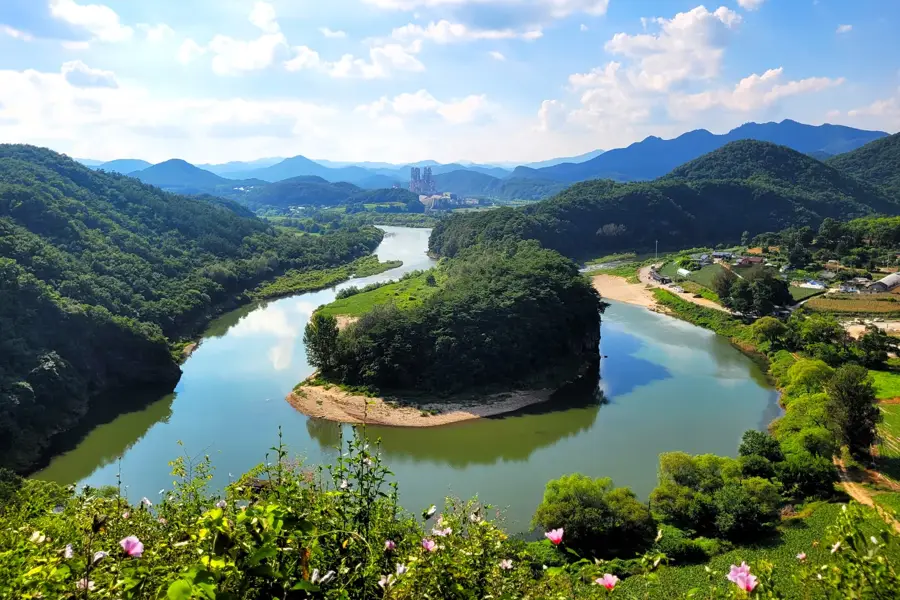
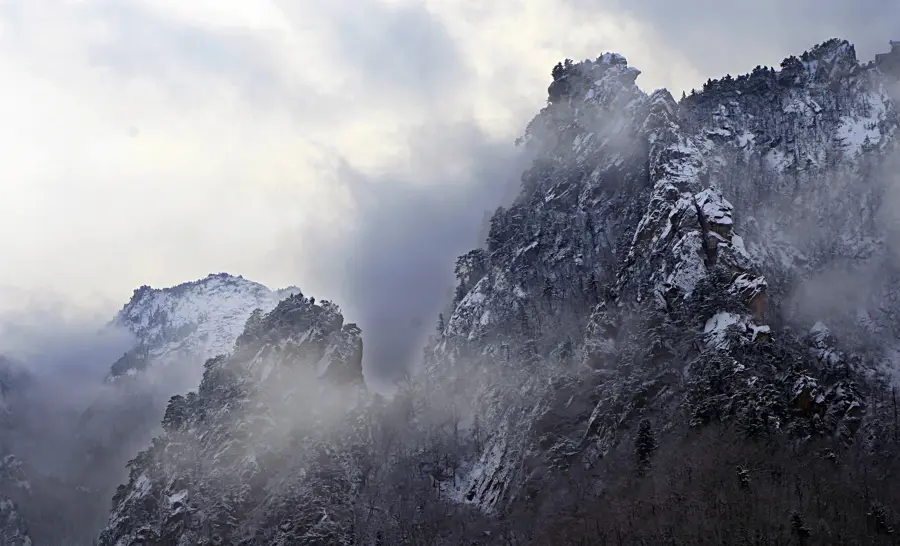
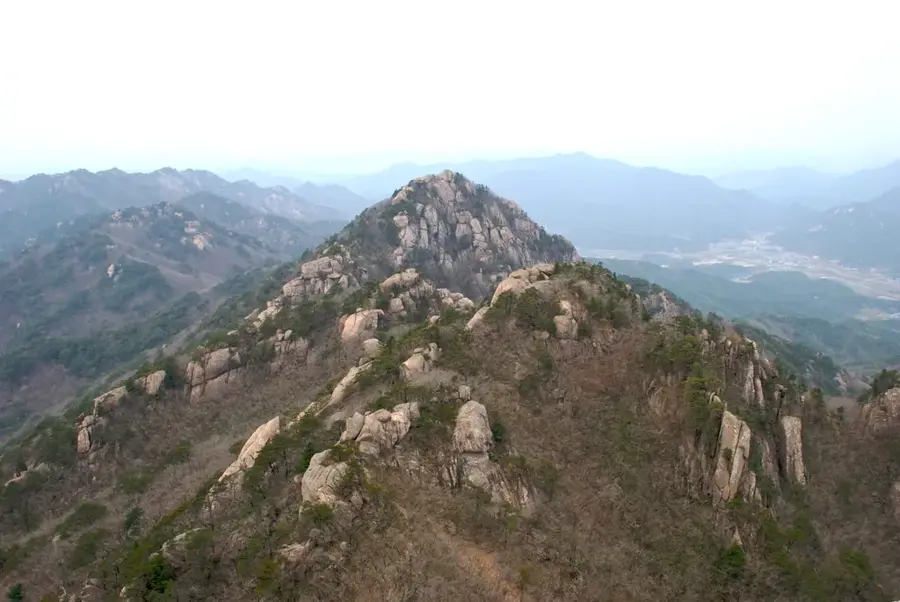
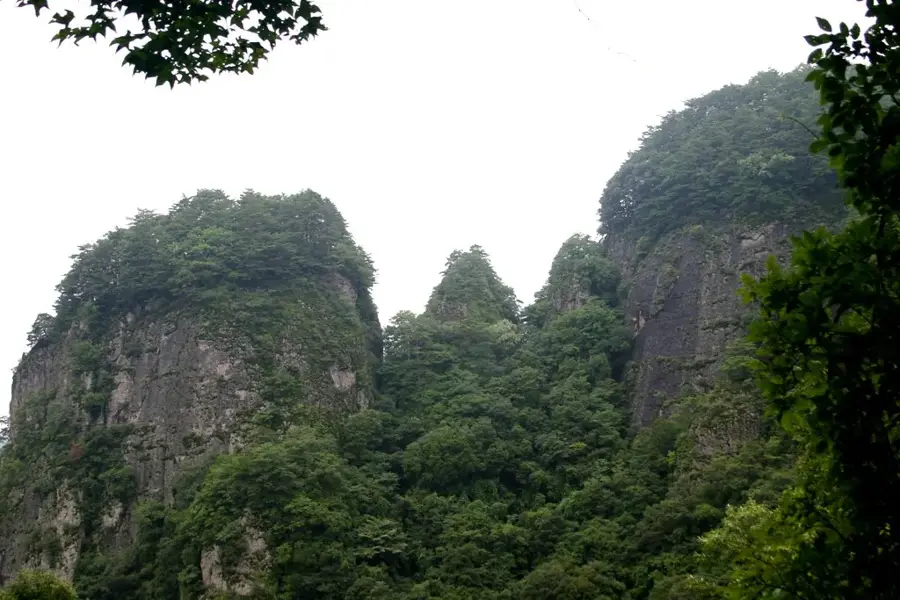
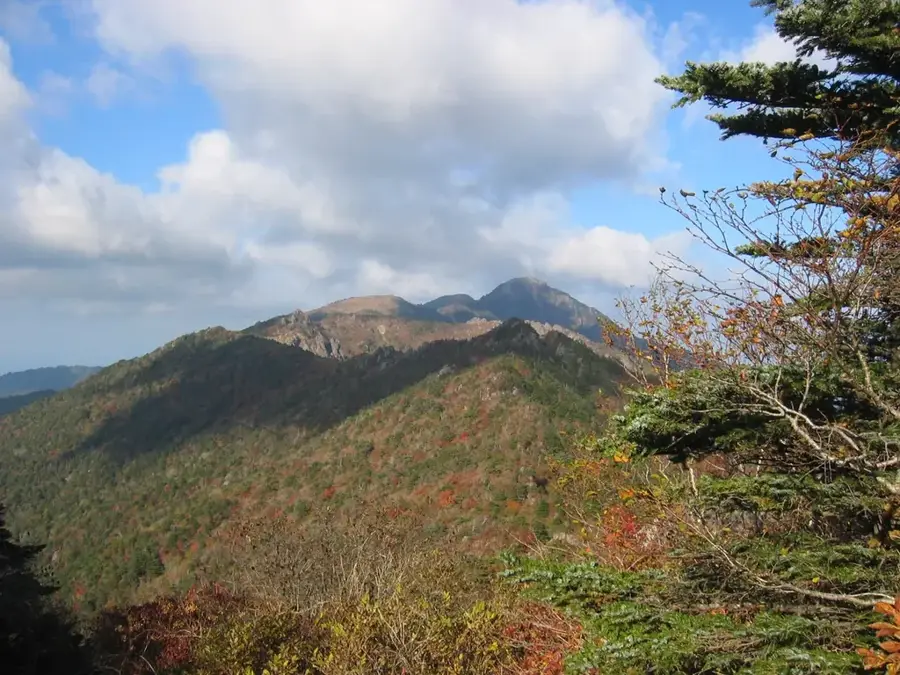
The Sobaek Mountains form a central segment of the Baekdudaegan range, the backbone of the Korean Peninsula, stretching approximately 170 kilometers. The highest peak, Birobong, reaches an elevation of 1,439 meters and features a landscape characterized by subalpine meadows and distinctive rock formations. Sobaeksan National Park, established in 1987, covers an area exceeding 320 square kilometers on the border between Chungcheongbuk-do and Gyeongsangbuk-do provinces. the mountains are famous for their vast colonies of royal azaleas that bloom spectacularly in late spring, as well as centuries-old stands of Japanese yew trees. Historically, these mountains served as a natural boundary between the ancient kingdoms of Silla and Goguryeo, preserving numerous cultural sites and Buddhist temples. Additionally, the Birobong peak hosts the Sobaeksan Optical Astronomy Observatory, taking advantage of the minimal light pollution and altitude favorable for scientific research.

Best time to visit & climate

The most pleasant time to visit is May, Jun, Sep.

JanFebMarAprMayJunJulAugSepOctNovDec
Avg °C-6-4281419222217113-4
Rain mm2735488275124286242161704525

📋 Practical info

🧭
Getting there
Access points for this major mountain range are scattered across several national parks, often reachable by highway from regional hubs. Extensive bus networks reliably ferry hikers to the most popular trailhead starting points.
📅
Best season
The dazzling autumn foliage makes October and November exceptionally beautiful and intensely popular for high-altitude trekking. Spring is celebrated for its blooming flora, while winter demands serious alpine experience due to snow.
⛰️
Terrain & paths
The trails traversing these rugged peaks feature numerous steep, rocky ascents often aided by built-in wooden stairs or ropes. While lower valleys offer gentler paths, reaching the prominent ridges is distinctly strenuous.
🎒
What to bring
Specialized trekking poles are tremendously helpful for navigating the persistent and punishing elevation changes. Properly fitted, sturdy hiking boots and breathable, moisture-wicking layers are essential for endurance.
🅿️
Parking
Well-organized, massive parking complexes are routinely maintained at the principal national park entry portals. These vast lots are necessary because they can fill up astonishingly fast during peak autumn foliage weekends.
⚠️
Safety
Hikers must realistically assess their physical stamina before attempting the long, steep routes to the highest summits. Paying close attention to official trail closure signs indicating dangerous conditions is strictly enforced.
⏱️
Time needed
Successfully summiting the prominent peaks and safely descending generally requires dedicating a long, strenuous full day. Casual visitors seeking gentler experiences can easily enjoy two to three hours in the lower valleys.

Geography

Coordinates
36.93000, 128.45000

Facts

  • The Sobaek mountain range spans a length of approximately 170 kilometers.
  • The highest peak, Birobong, stands at an elevation of 1,439.5 meters.
  • Sobaeksan National Park was officially established in 1987.
  • The total area of the national park is roughly 320.5 square kilometers.
  • It is home to Korea's first optical astronomy observatory, built in 1978.
  • The region contains approximately 14% of the natural royal azalea habitat in Korea.

Explore nearby

Notable places around
Route planner — Car & Motorhome

Where do you start? We build the route here, with stops and country notes along the way.

Vehicle
Only stops with (optional):

© OpenStreetMap contributors · OpenRouteService

Sights in the town Sobaek Mountains (6)

Sobaeksan🌿 nature

A prominent peak in the Sobaek Mountains, famous for royal azaleas during spring.

Cheondong Cave🌿 nature

A limestone cave featuring a variety of stalactites and stalagmites.

Je 1 Yeonhwabong🌿 nature

A mountain peak in Sobaeksan National Park with wide views over the massif.

Huibangsa📍 landmark

An ancient Buddhist temple situated near the Huibang Waterfall.

Choamsa📍 landmark

A secluded Buddhist temple at the foot of the Gukmangbong peak.

Birosa📍 landmark

A historical temple known for its stone-carved Buddha statues.

Sights nearby

Frequently asked questions

What is the Sobaek Mountains known for?
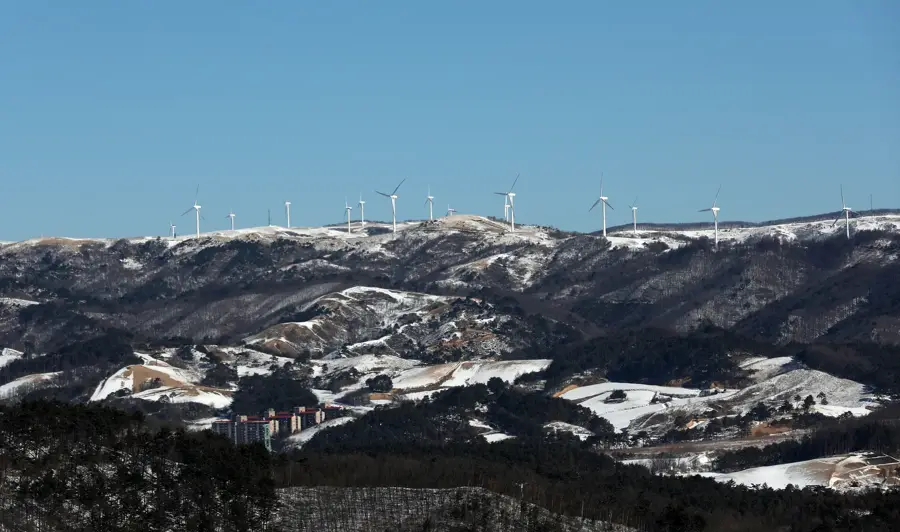
It is famous for royal azalea blossoms in spring and wide-open snow-covered peaks in winter.
What is the highest peak in Sobaeksan?
Birobong peak is the highest point at 1,439 meters, offering a vast view of the surrounding landscape.
How long does a hike to Birobong take?
A typical hike takes about 4 to 6 hours round trip, depending on the route chosen.
Are there historical sites in the park?
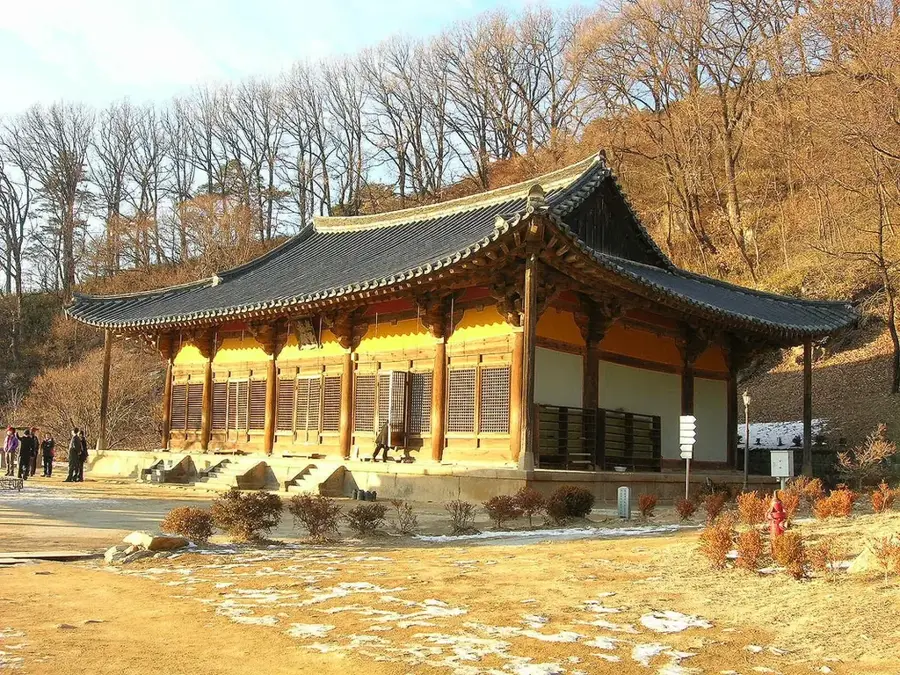
Yes, Buseoksa Temple, one of Korea's oldest wooden buildings, is located on the slopes of the mountains.
Is winter hiking safe there?
It is possible, but crampons and warm gear are essential, as it can be very windy and icy.
Sobaek Mountains: where is it located?
Sobaek Mountains is located in South Korea.
Sobaek Mountains: what is there to see?
Highlights include Sobaeksan, Cheondong Cave, Je 1 Yeonhwabong.
Sobaek Mountains: when is the best time to visit?
The most pleasant time to visit is May, Jun, Sep.
Sobaek Mountains: why is it worth visiting?

The Sobaek Mountains form a central segment of the Baekdudaegan range, the backbone of the Korean Peninsula, stretching approximately 170 kilometers.
View on map → The Top 50 Attractions → OpenStreetMap →
Asia
Explore with Plizio Discover more places in Asia
More places in South Korea →

Nearby cities

History & landmarks

Nature
More places