Plizio Visual Lab

Jongmyo Shrine
Plizio editorial teamData Sources
historical-site
—°13
Jongmyo Shrine (South Korea)

Weather…

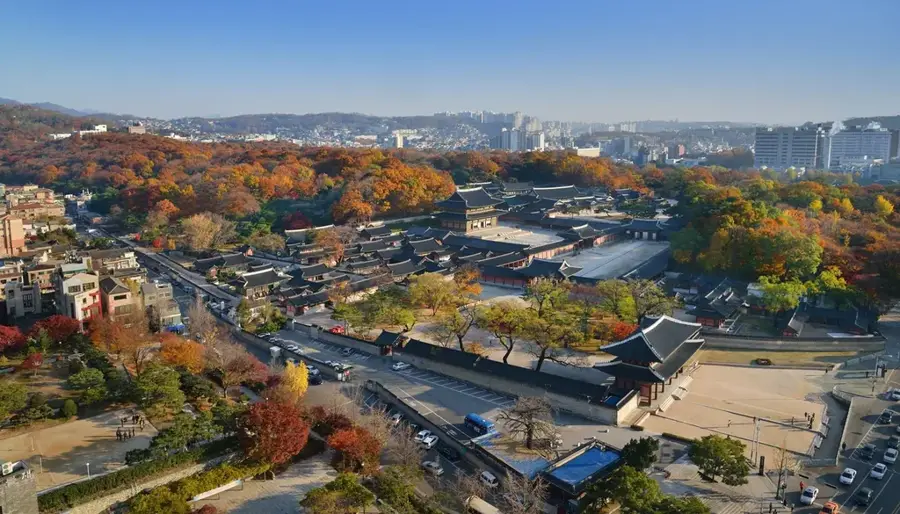
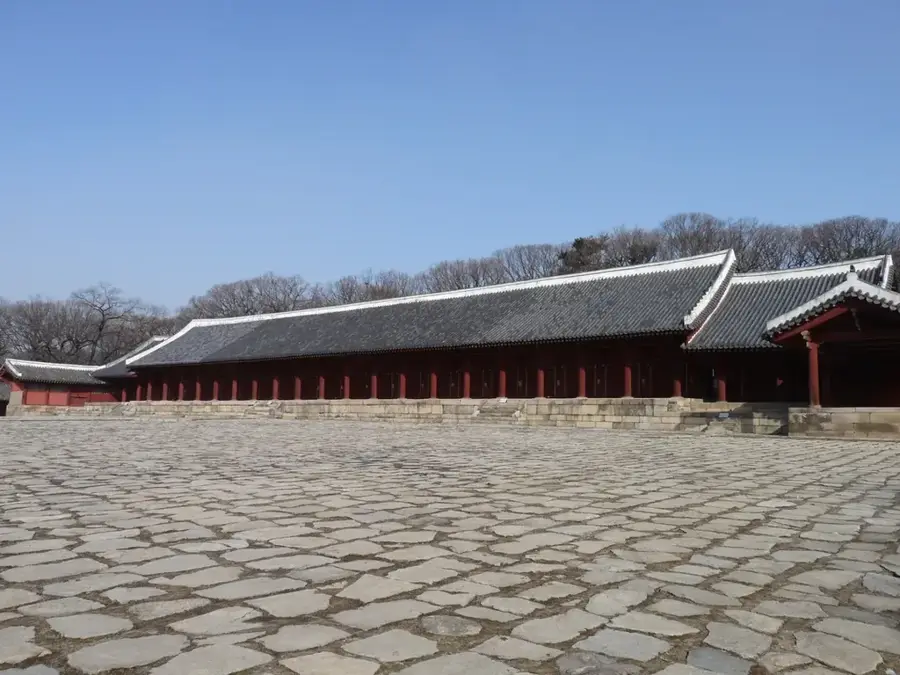
Jongmyo Shrine in Seoul is the oldest and most authentic Confucian royal shrine, dedicated to the ancestral worship of the Joseon Dynasty kings and queens. Originally established in 1394, the complex was destroyed during the Japanese invasions in the late 16th century and meticulously rebuilt in 1608. The main hall, Jeongjeon, spans over 100 meters in length, making it one of the longest wooden structures in the world, housing the spirit tablets of 19 kings. Its architecture is characterized by a somber, minimalist aesthetic that reflects Confucian values of humility and filial piety, deliberately avoiding ornate decorations. Each year on the first Sunday of May, the Jongmyo Jerye ceremony is performed here, a ritual involving ancient music and dance that has remained largely unchanged since the 14th century. UNESCO designated the shrine a World Heritage Site in 1995, highlighting it as an exceptional example of a living tradition maintained in a major modern metropolis. The spiritual ambiance and the harmonious integration of the buildings with the natural landscape make Jongmyo a cornerstone of Korean cultural identity.

Best time to visit & climate

The most pleasant time to visit is May, Jun, Sep.

JanFebMarAprMayJunJulAugSepOctNovDec
Avg °C-3-14101621242520147-1
Rain mm2031377284116361260138534722

📋 Practical info

🚪
Visiting
Jongmyo Shrine in Seoul can be visited, but entry is only with a guided tour at set times. The interior of the shrine is accessible during tours, the outdoor area any time.
🕒
Typical hours
The shrine has regular opening hours for guided tours, usually between 9 am and 6 pm. On holidays and during the traditional ancestral rites, different times may apply.
📷
Photography
Photography is allowed throughout the grounds, but no flash inside the main hall. Please respect the quiet and dignity of the shrine while taking pictures.
⏱️
Time needed
The guided tour of the shrine lasts about 1 to 1.5 hours. An additional walk through the surrounding park can extend the visit by 30 minutes.
Combine with
Combine the visit to Jongmyo Shrine with the nearby Changdeokgung Palace and the Secret Garden. The traditional Insadong district is also within walking distance.
🧭
Getting there
The shrine is centrally located in Seoul, easily accessible by subway (Lines 1, 3, 5 - Jongno 3-ga station). From the exit, it is about a 10-minute walk. Parking is scarce.
💡
Insider tip
English guided tours run daily at set times - arrive early to secure a spot. The grounds are especially atmospheric during the ancestral rites in May.

Geography

Coordinates
37.57400, 126.99400

Facts

  • Jongmyo was built in 1394, at the same time as the Gyeongbokgung Palace.
  • The main hall, Jeongjeon, houses spirit tablets for 19 kings and 30 queens.
  • It was designated as a UNESCO World Heritage Site in 1995.
  • The Jongmyo Jerye ritual is part of the UNESCO Intangible Cultural Heritage since 2001.
  • At 101 meters long, Jeongjeon is Korea's longest traditional wooden building.
  • The shrine's layout follows strict Confucian principles regarding ritual orientation.

Explore nearby

Notable places around

Route planner — Car & Motorhome

Where do you start? We build the route here, with stops and country notes along the way.

Vehicle
Only stops with (optional):

© OpenStreetMap contributors · OpenRouteService

Sights in the town Jongmyo Shrine (13)

Site of the Heroic Deed of the Martyr Yi Jaemyeong🏺 historical

This monument marks the site of independence activist Yi Jaemyeong's 1909 assassination attempt on a pro-Japanese collaborator.

Palgakjeong Pavilion📍 landmark

Built in 1902, this octagonal wooden pavilion in Tapgol Park was where the Korean Declaration of Independence was read in 1919.

Jongmyo Shrine📍 landmark

A UNESCO World Heritage site, this serene Confucian shrine is dedicated to ancestral rituals for Joseon Dynasty kings and queens.

💶

Cheonggyecheon Stream Park📍 landmark

This 11-kilometer restored urban stream features sunken walking paths and public art installations amidst the downtown skyscrapers.

Ddeok Museum🏛 museum

This museum is dedicated to the history of rice cakes, displaying over 2,000 traditional Korean kitchen utensils and recipes.

Youngnak Presbyterian Church⛪ religious

Founded in 1945 by refugees, this landmark Presbyterian church features a massive sanctuary built from grey natural stone.

Gwangjang Market🎭 culture

One of Korea's oldest traditional markets, it is world-renowned for its textiles and street food stalls serving mung bean pancakes.

Samil-ro Space🏛 museum

This alternative art space is located in a converted industrial building and promotes experimental local contemporary artists.

Hyangrin Church Memory Space🏛 museum

This memorial space documents the Hyangrin Church's active role in Korea's democratization and human rights movements.

Wooraeok🏺 historical

Established in 1946, this legendary culinary landmark is famous for its authentic North Korean-style cold buckwheat noodles.

Site of the birthplace of Jeoheon Lee Seok-hyeong🏺 historical

This memorial marks the birthplace of Jeoheon Lee Seok-hyeong, a prominent 15th-century Joseon scholar and civil servant.

Urim Gallery🎭 culture

Located in central Insadong, this gallery specializes in antique Korean artworks and high-quality traditional ceramics.

Jump Theathre🎭 culture

This theater is home to 'Jump', a high-energy comedy show that blends traditional taekwondo and martial arts with acrobatics.

Sights nearby

Frequently asked questions

What is the Jongmyo Shrine used for?
It is a Confucian shrine dedicated to ancestral rituals for the kings and queens of the Joseon Dynasty.
Can you visit the shrine at any time?
Access is mostly restricted to guided tours on specific schedules during the week.
When does the main ritual take place?
The Jongmyo Jerye ritual takes place annually on the first Sunday of May with traditional music.
Is there a dress code?
There is no strict rule, but respectful clothing is appropriate for this sacred location.
How long does a visit take?
Plan for about 1 to 1.5 hours to explore the entire shrine complex.
Jongmyo Shrine: where is it located?
Jongmyo Shrine is located in South Korea.
Jongmyo Shrine: what is there to see?
Highlights include Site of the Heroic Deed of the Martyr Yi Jaemyeong, Palgakjeong Pavilion, Jongmyo Shrine.
Jongmyo Shrine: when is the best time to visit?
The most pleasant time to visit is May, Jun, Sep.
Jongmyo Shrine: why is it worth visiting?

Jongmyo Shrine in Seoul is the oldest and most authentic Confucian royal shrine, dedicated to the ancestral worship of the Joseon Dynasty kings and queens.
View on map → The Top 50 Attractions → OpenStreetMap →
Asia
Explore with Plizio Discover more places in Asia
More places in South Korea →

History & landmarks

More places