Plizio Visual Lab
Gratkorn
ℹ️Practical info — Gratkorn
▾
🌤 Weather — 5 days
📍 Nearby
Sights nearby
💡 Tips
- Try the Mur cycle path (R2), which is well-suited for a scenic ride straight into Graz city center.
- Use the 'flux' on-demand shared taxi for flexible travel around the outskirts.
- Visit the Saturday market at Andreas Leykam-Platz for a taste of authentic local life.
- Look out for the massive Sappi paper mill, it is the industrial landmark of the town.
- The train station gives frequent S-Bahn connections, making it a great base for Styrian day trips.
🍽 Food
A regional classic of fried chicken, best enjoyed in the traditional inns in the Kirchenviertel area.
Styria's 'black gold' is available fresh at the farmers' markets held on Thursdays.
Fresh fish from local waters, often featured on the menus of riverside restaurants.
🛍 Shopping · 🧘 Quiet spots
Held every Thursday afternoon for regional delicacies and local crafts.
The main hub for the weekly Saturday market with a wide selection of vendors.
A lookout point above the town offering peace and a great view of the Mur Valley.
A relaxed walking path along the river, handy for clearing your mind.
Water temperature…
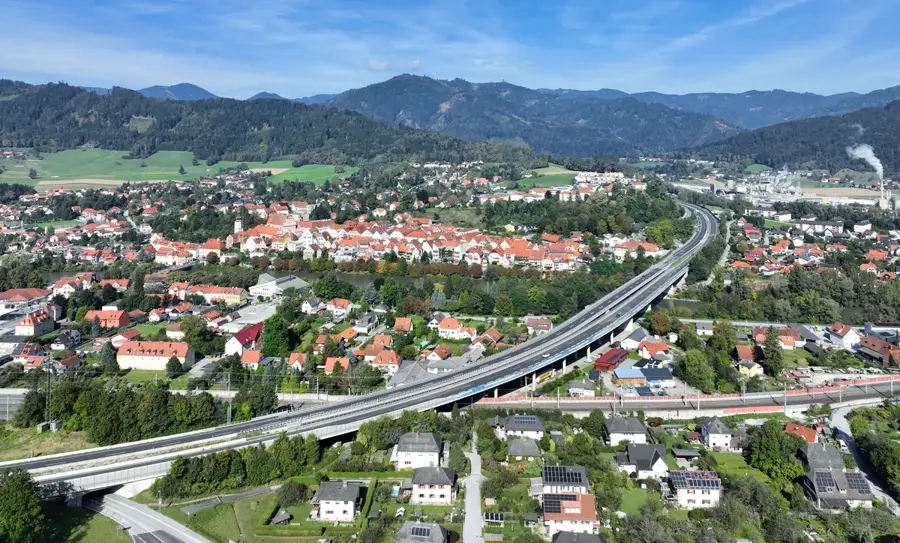
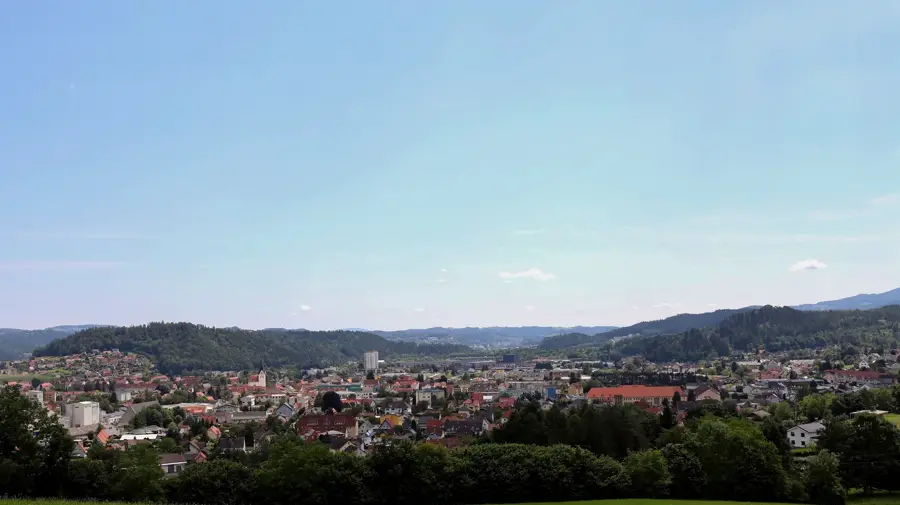
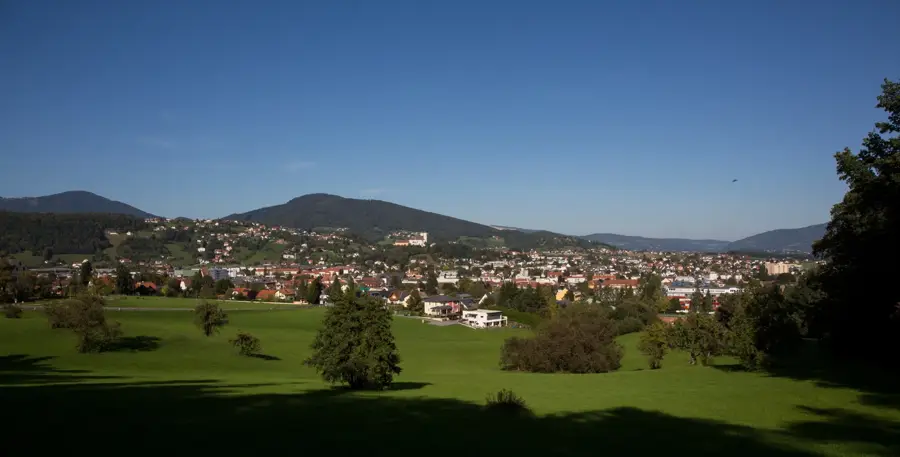
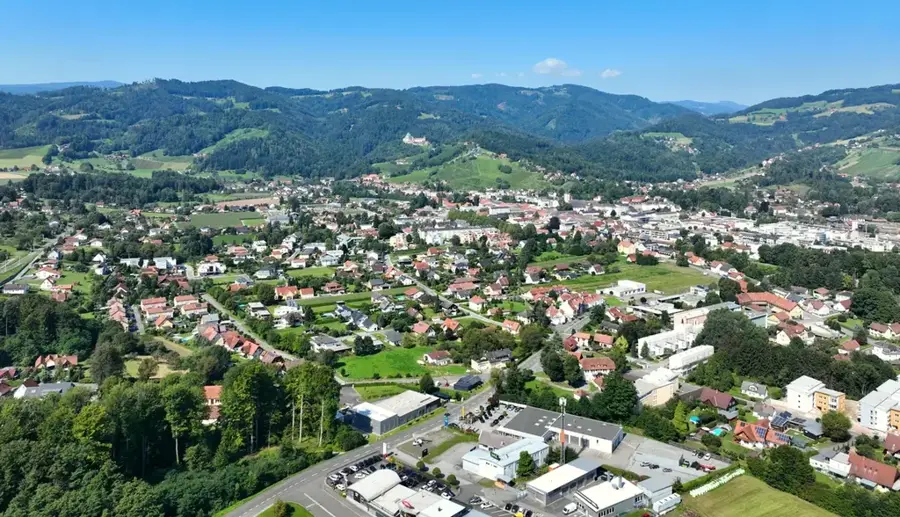
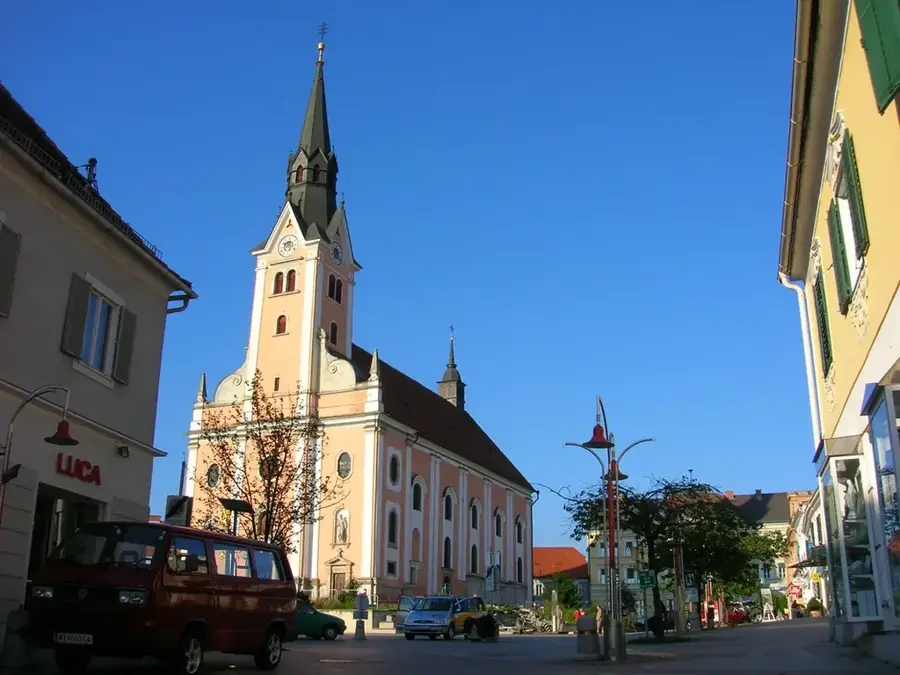
Gratkorn is a market town in Styria, located in the Graz-Umgebung district. It lies on the northern edge of the Graz Basin in the middle Mur Valley, about 10 kilometers from the Graz city center. The geographical location is characterized by the plains of the Mur Valley and the surrounding wooded hills of the Graz Highlands. Historically, the settlement dates back far, with the place being first mentioned in documents in 860. Industrial development began massively in the 19th century, when the water power of the Mur River was used for industrial production. The most prominent feature of the municipality today is the Sappi company plant, one of the world's largest and most modern paper mills, which dominates the townscape and the economy. Gratkorn's architecture is functionally shaped, but it possesses a historical gem in the Parish Church of Saint Stefan, whose origins date back to the Romanesque period. Demographically, the municipality is characterized by influx from the Graz surrounding areas, leading to a continuous expansion of residential areas. Despite heavy industrialization, Gratkorn gives diverse leisure opportunities due to its location on the Mur River and proximity to the Schöckl massif. The municipality serves as an important transport hub on the Pyhrn Autobahn A9 and is closely intertwined with the state capital Graz.
- Location: Styria, Austria
- Top sights: Österreichisches Freilichtmuseum Stübing · Naturschutzgebiet Pfaffenkogel-Gsollerkogel · Weißegg
- Nearby: Graz (12 km)
- Population: ~8.147
Best time to visit & climate
The most pleasant time to visit is Jun–Aug.
| Jan | Feb | Mar | Apr | May | Jun | Jul | Aug | Sep | Oct | Nov | Dec | |
|---|---|---|---|---|---|---|---|---|---|---|---|---|
| Avg °C | -1 | 0 | 5 | 10 | 15 | 19 | 21 | 21 | 15 | 10 | 5 | 0 |
| Rain mm | 32 | 40 | 43 | 52 | 90 | 104 | 107 | 110 | 96 | 61 | 56 | 42 |
Geography
Facts
- 860 first documentary mention
- Sappi paper mill as the main plant
- Location on the Mur River
- Part of the Graz metropolitan area
- St. Stefan Parish Church (Romanesque)
- 8147 inhabitants in Gratkorn
Explore nearby
Notable places around
Route planner — Car & Motorhome
Where do you start? We build the route here, with stops and country notes along the way.
© OpenStreetMap contributors · OpenRouteService
Sights in the town Gratkorn (10)
Frequently asked questions
What is the economic importance of Gratkorn?
What sights are there in Gratkorn?
How close is Gratkorn to Graz?
Can you hike in the area?
Are there leisure facilities?
Gratkorn: where is it located?
Gratkorn: what is there to see?
Gratkorn: when is the best time to visit?
Gratkorn: why is it worth visiting?

Nearby cities
History & landmarks
Nature
More places