Plizio Visual Lab
Graz Botanical Garden
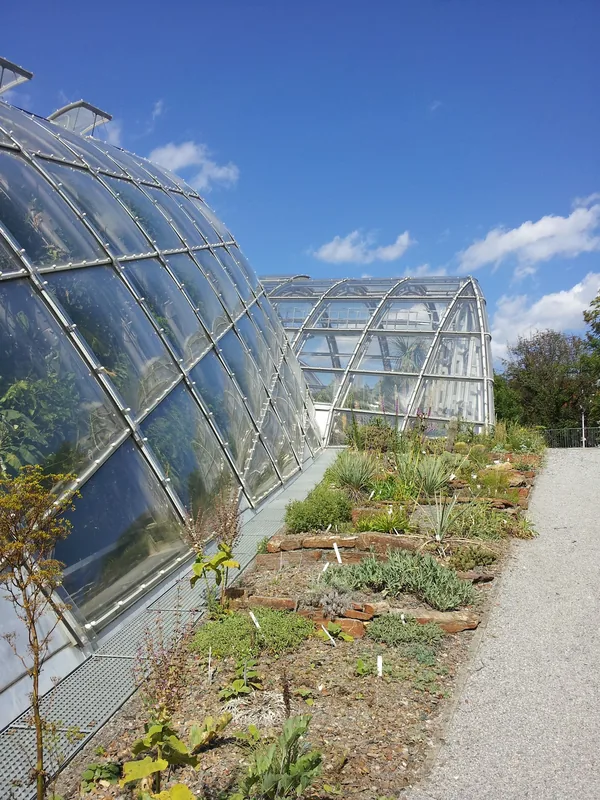
The Botanical Garden of the University of Graz, located in the Geidorf district, is a prominent scientific institution with a history at its current site dating back to 1888. The facility is celebrated for its architecturally striking greenhouses, constructed between 1989 and 1995 based on designs by architect Volker Giencke. These modern glass structures house flora from four distinct climatic zones: tropical, subtropical, temperate, and desert. In total, approximately 5,800 plant species from around the globe are cultivated across a two-hectare area. Primarily serving the research and teaching needs of the Karl Franzens University, the garden is also open to the public as an educational and recreational venue. Notable highlights include the collections of succulents, orchids, and alpine plants. The outdoor grounds feature an alpinum, an arboretum, and systematic departments that demonstrate botanical relationships. As a green oasis within the urban environment, the Botanical Garden plays a crucial role in preserving plant biodiversity and fostering environmental awareness.
- Location: Styria, Austria
- Top sights: Terrasse · Tegetthoffplatz · Meerscheinschlössl
- Nearby: Seiersberg-Pirka (8 km)
Best time to visit & climate
The most pleasant time to visit is Jun–Aug.
| Jan | Feb | Mar | Apr | May | Jun | Jul | Aug | Sep | Oct | Nov | Dec | |
|---|---|---|---|---|---|---|---|---|---|---|---|---|
| Avg °C | -1 | 0 | 5 | 10 | 15 | 19 | 21 | 21 | 15 | 10 | 5 | 0 |
| Rain mm | 32 | 40 | 43 | 52 | 90 | 104 | 107 | 110 | 96 | 61 | 56 | 42 |
📋 Practical info
Geography
Facts
- Houses approximately 5,800 different plant species.
- Founded at its current location in 1888.
- The modern greenhouses were completed in 1995.
- Features four climatic zones (ranging from 8°C to 24°C).
- Part of the Karl Franzens University of Graz.
- The garden covers a total area of about 2 hectares.
Explore nearby
Notable places around
Route planner — Car & Motorhome
Where do you start? We build the route here, with stops and country notes along the way.
© OpenStreetMap contributors · OpenRouteService
Sights in the town Graz Botanical Garden (10)
Hans Gross Kriminalmuseum🏛 museum
Museum in Graz, dedicated to the history of criminology and forensic science.
Waldschule
Forest school offering environmental education and nature-based programs for visitors.
Leechkirche
Gothic church in Graz, a historic place of worship with centuries of history.
Steiermärkischer Kunstverein Werkbund
Contemporary art gallery in Graz, featuring rotating exhibitions.
MUMUTH
Theater building in Graz, known for its modern architecture and musical performances.
Galerie Centrum
Gallery in Graz, presenting works by regional and international artists.
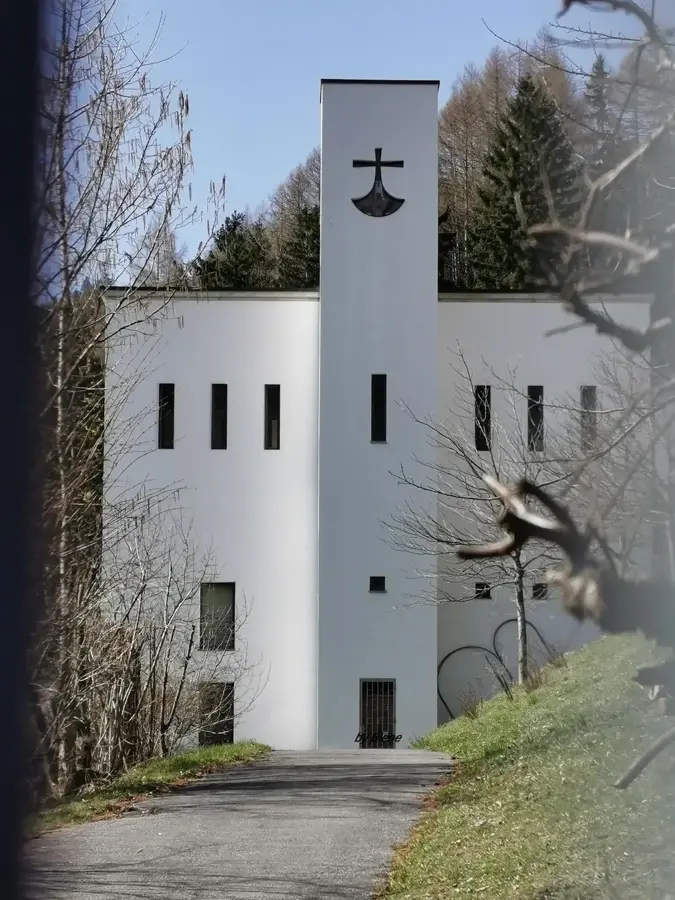
Ottilia-Kapelle
Chapel at the Odilien Institute for the Blind in Graz-St. Leonhard, a quiet space.
Sights nearby
Frequently asked questions
What is the architectural highlight in Graz?
Do I have to pay admission for the garden?
Are there different climate zones?
When are the greenhouses open?
How do you get to the garden?
Graz Botanical Garden: where is it located?
Graz Botanical Garden: what is there to see?
Graz Botanical Garden: when is the best time to visit?
Graz Botanical Garden: why is it worth visiting?

Nearby cities
History & landmarks
Nature
More places