Plizio Visual Lab
Fürstenfeld
ℹ️Practical info — Fürstenfeld
▾
🌤 Weather — 5 days
📍 Nearby
Sights nearby
💡 Tips
- Visit Europe's largest outdoor pool early in the morning to secure the best shady spots on the massive lawn.
- Explore the city's history on the Fortress Path (Festungsweg); the markers guide you to the most impressive remains of the old walls.
- Take advantage of short-term parking zones in the center for quick errands, but check the signs carefully for time limits.
- A trip to the nearby Loipersdorf thermal spa is best on weekdays to avoid the heavy weekend crowds.
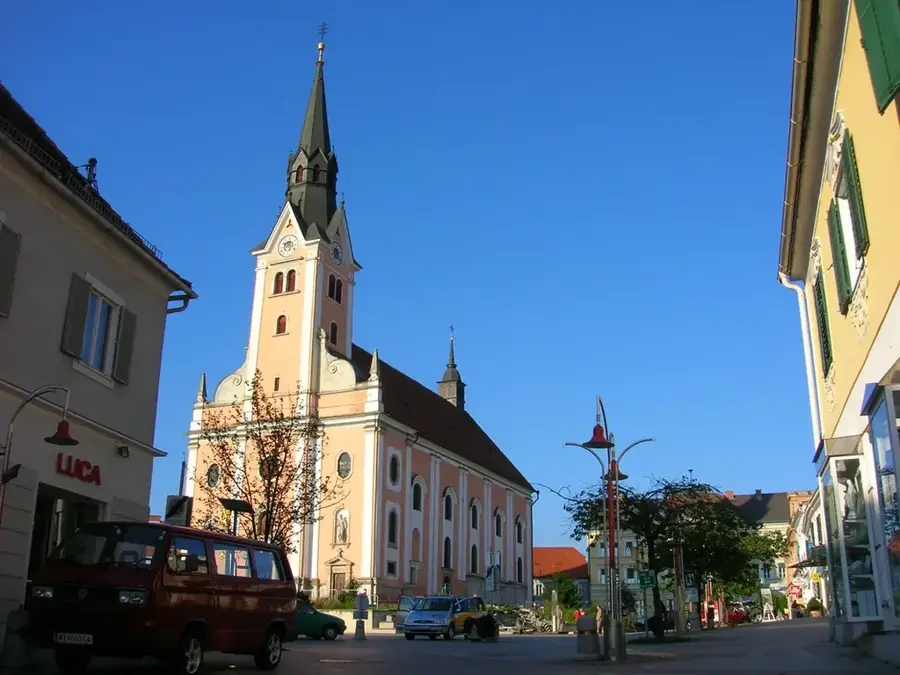
- The parish church regularly hosts organ concerts, which are a treat due to the building's excellent acoustics.
🍽 Food
Buy the 'green gold' directly from small vendors at the main square or in regional specialty shops.
This traditional Styrian dish is served at excellent quality in almost every guesthouse in the city center.
Visit one of the wineries in the surrounding hills for a 'Brettljause' (cold cuts platter) with local ham and cheese.
🛍 Shopping · 🧘 Quiet spots
Every Saturday morning, local farmers offer fresh fruit, vegetables, and homemade delicacies here.
In the alleys around the main square, you will find independent shops for fashion and handicrafts.
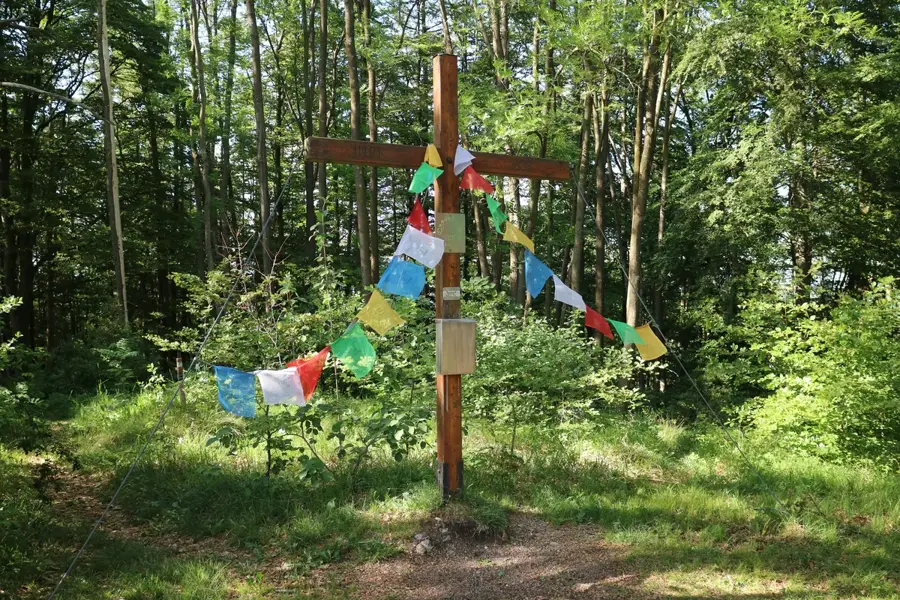
This forested area on the outskirts has shady hiking trails and a peaceful atmosphere away from the crowds.
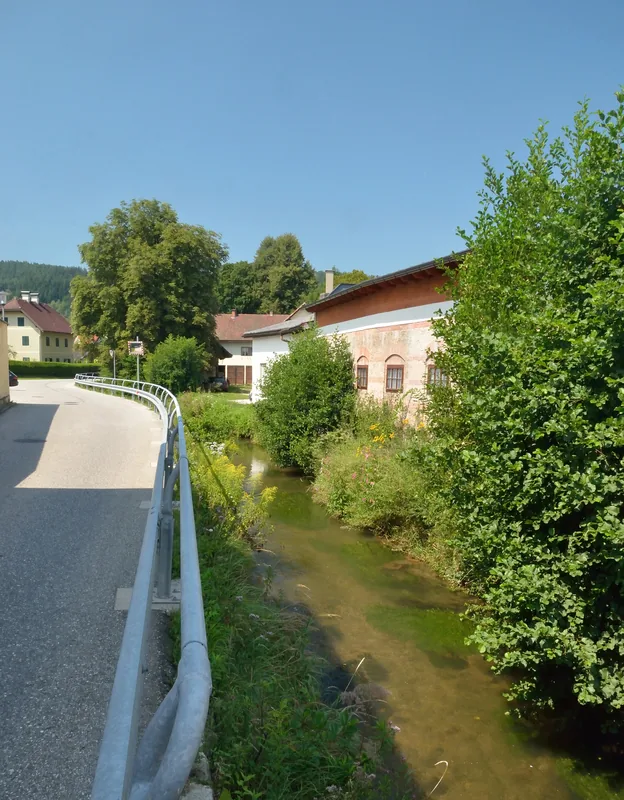
Walk along the Feistritz river, where many small spots invite you to linger and enjoy nature.
Water temperature…
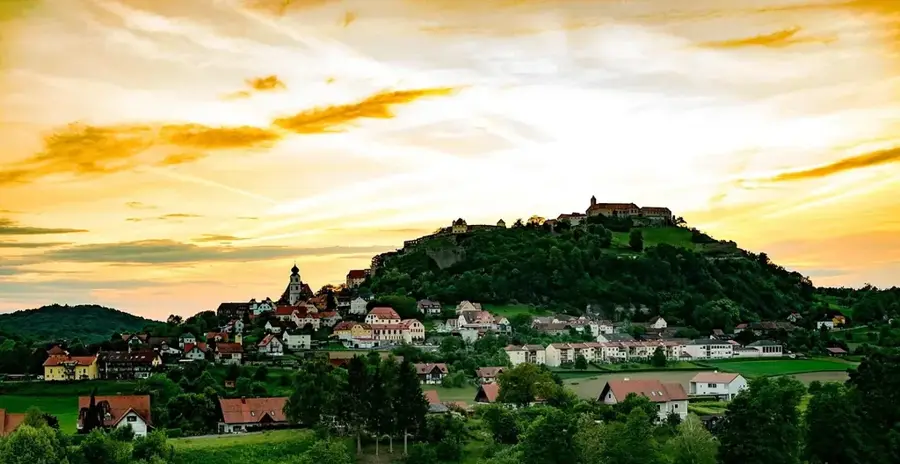
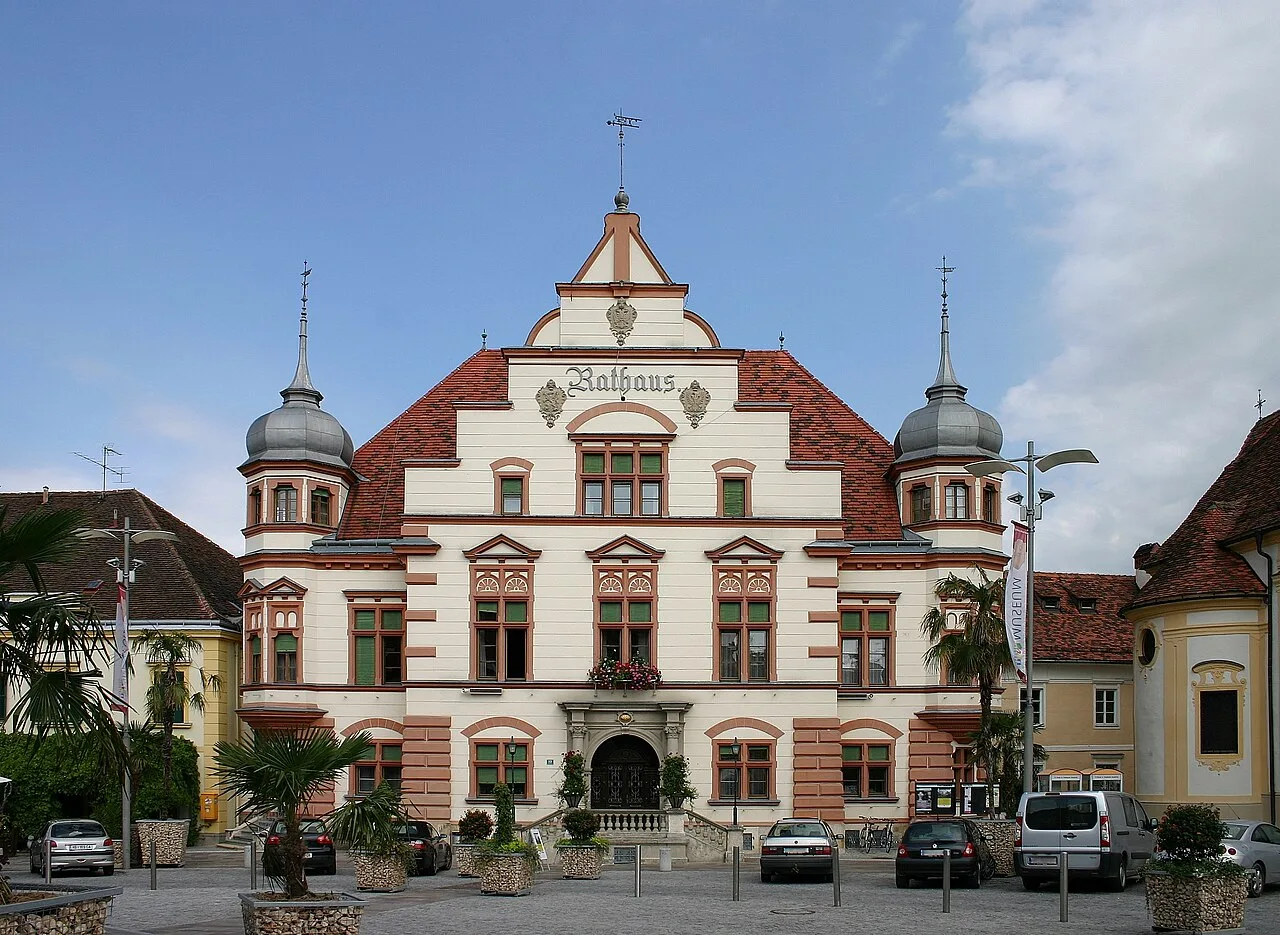
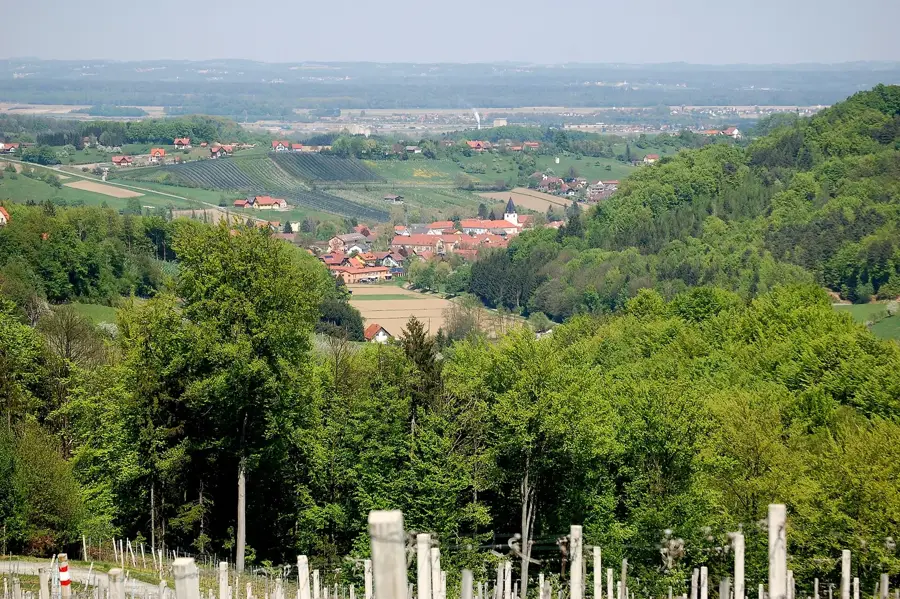
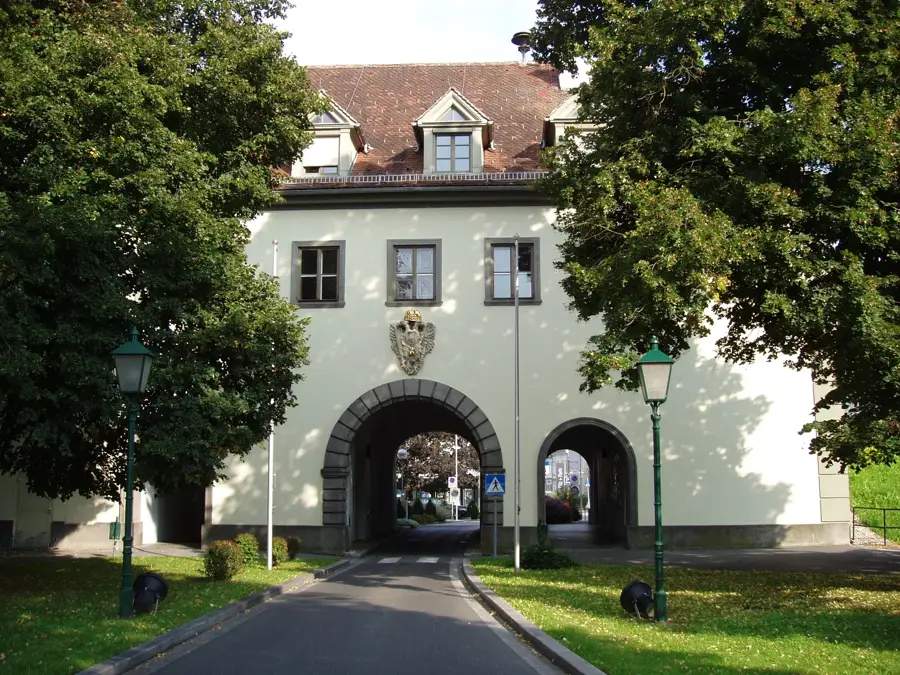
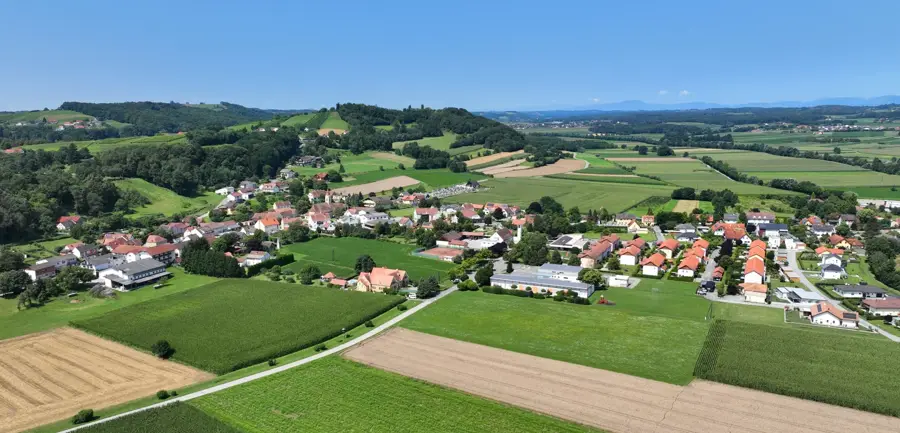
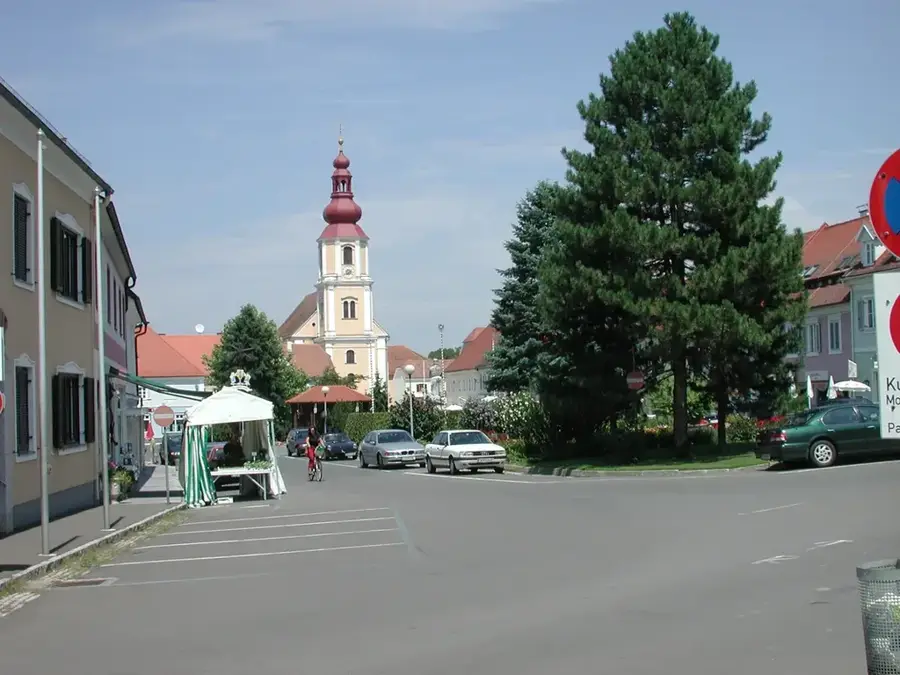
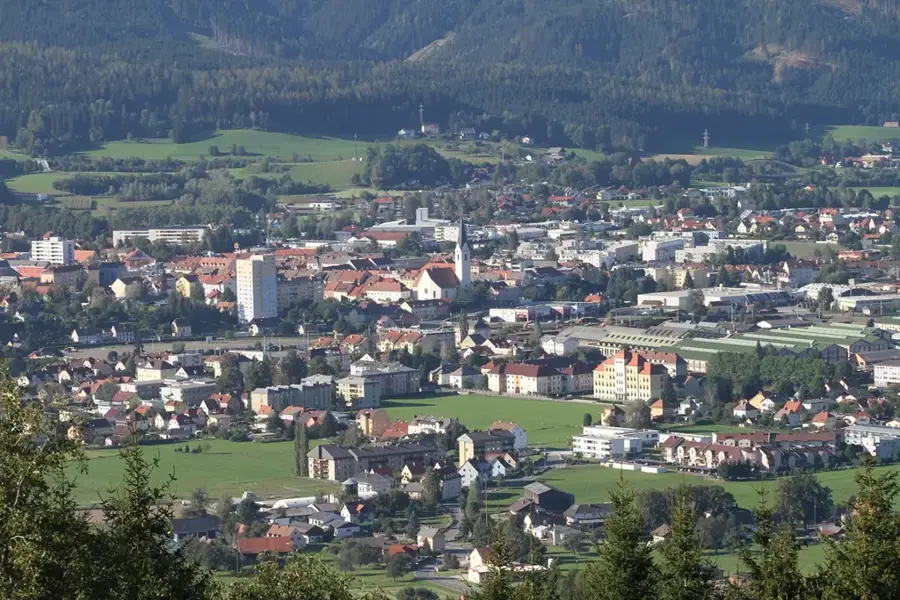
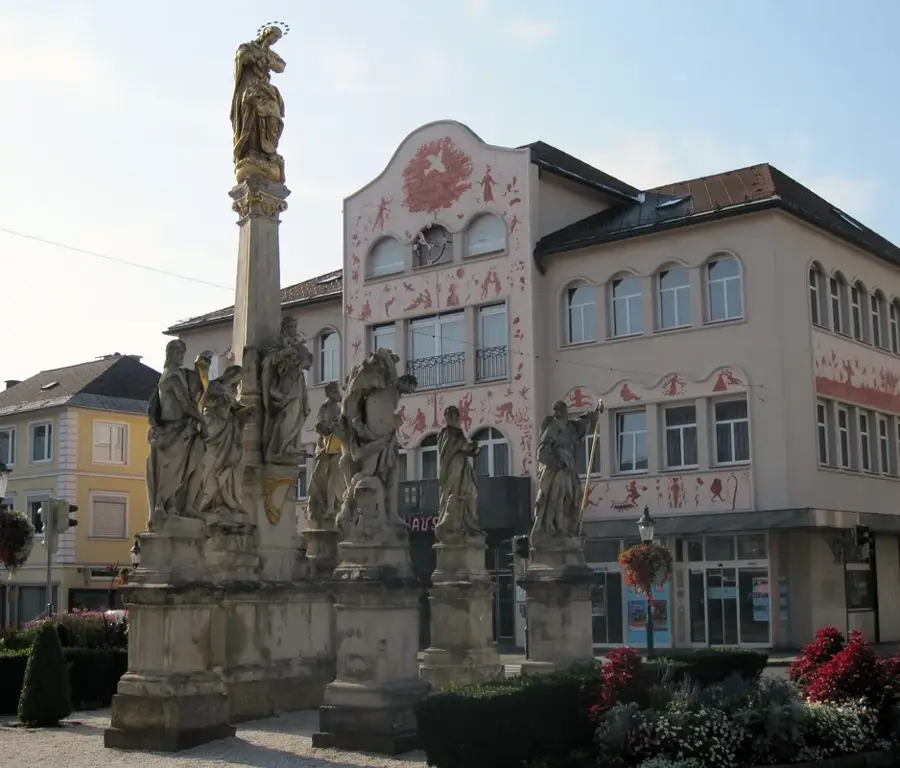
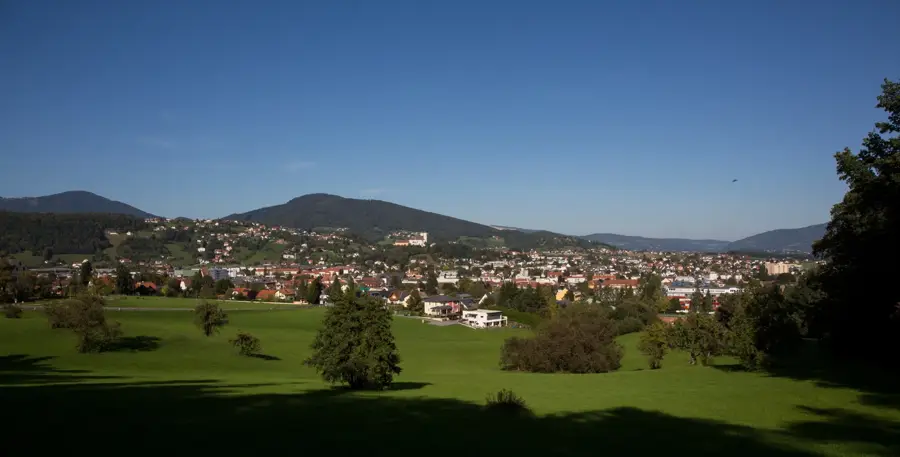
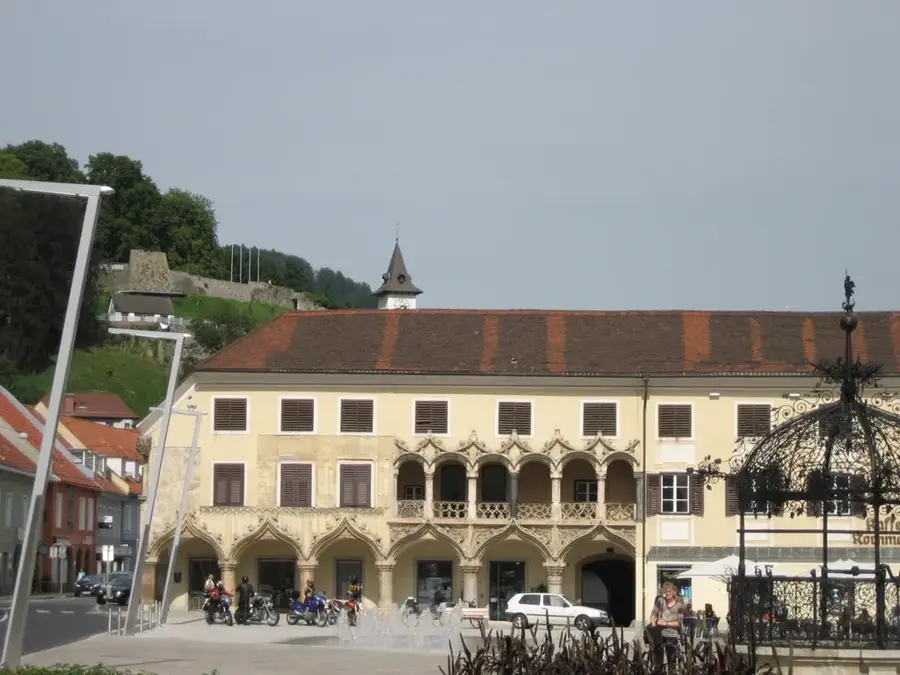
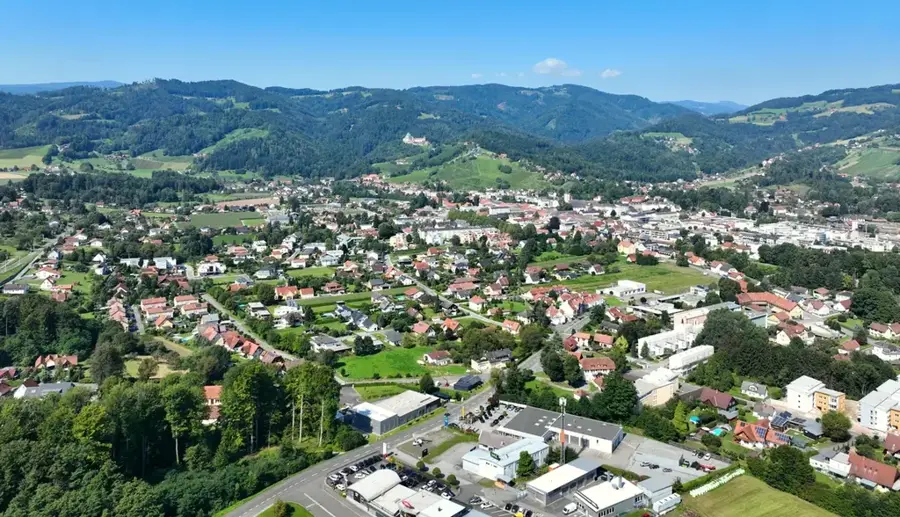
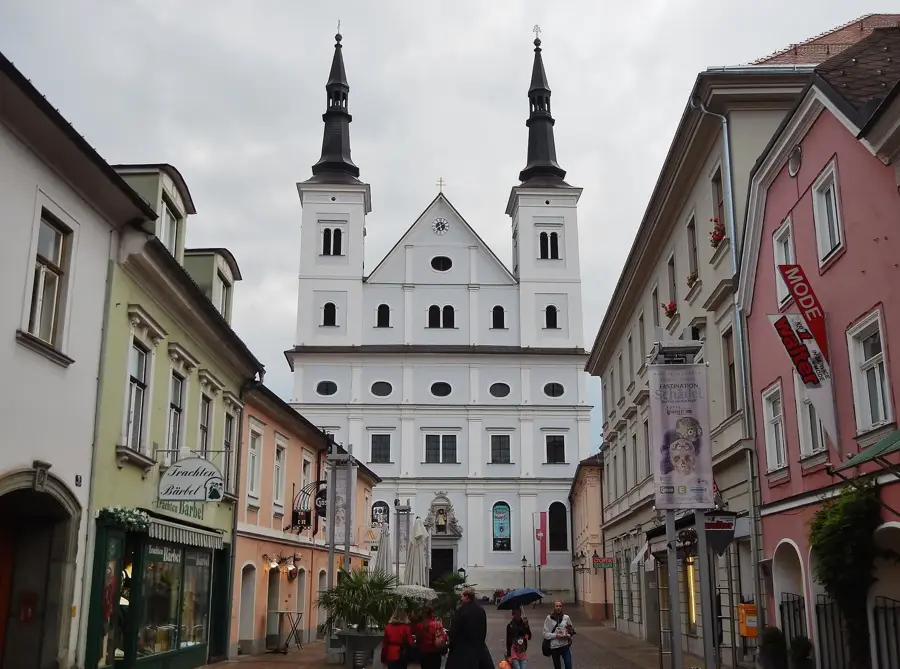
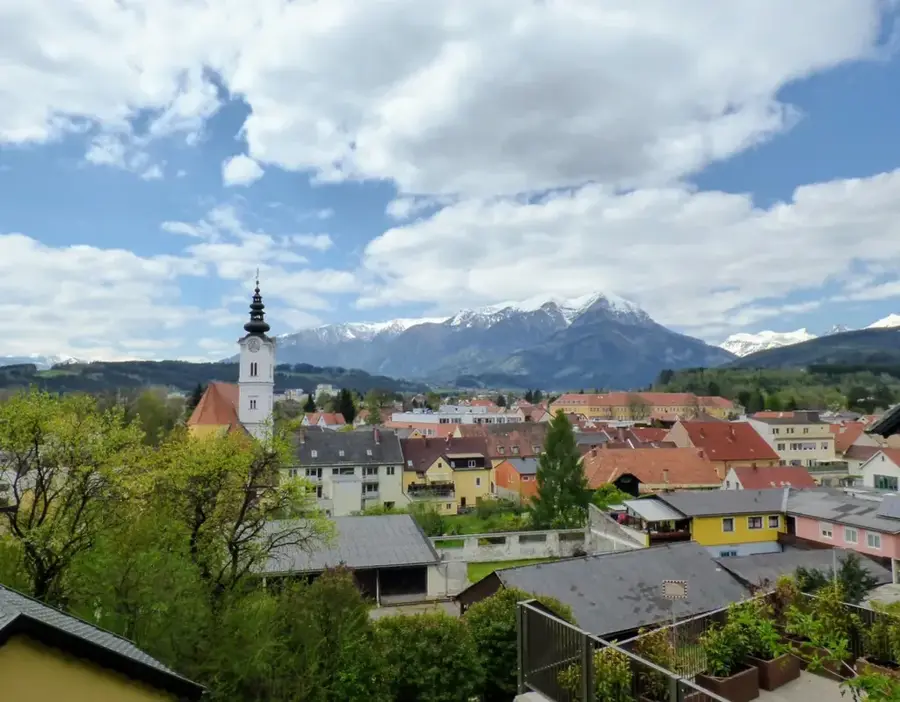
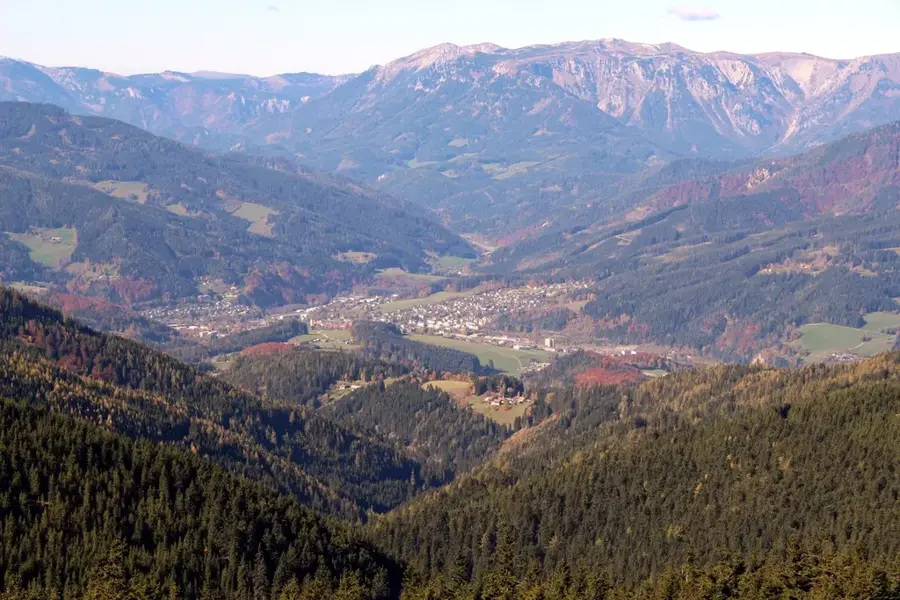
Fürstenfeld is located in the rolling hills of Eastern Styria, near the Hungarian border, and has an animated history as a frontier fortress. Founded around 1170 by Margrave Ottokar IV, the town served for centuries as a bulwark against invasions from the east. The well-preserved remains of the town walls and the Pfeilburg, the city's oldest secular building, still bear witness to this fortified past. Today, the Pfeilburg houses the Museum of Contemporary History, which also details the history of tobacco processing that long defined Fürstenfeld's economy. In modern times, the city has established itself as the thermal capital, situated at the heart of the Styrian Spa Country. A primary attraction is the Fürstenfeld outdoor pool, which, with a water surface area of 23,000 square meters, is the largest basin-based outdoor pool in Europe. The bustling city center, lined with Baroque townhouses, is excellent for strolling. Economically, Fürstenfeld is a regional hub featuring a mix of trade, craftsmanship, and modern industry. The city harmoniously combines its strategic historical significance with high living standards and a broad cultural program, such as the annual Fürstenfeld Cultural Summer.
- Location: Styria, Austria
- Top sights: Pfeilburg · Schloss Welsdorf · Lahnbach
- Nearby: Loipersdorf (4 km)
- Population: ~8.838
Best time to visit & climate
The most pleasant time to visit is Jun–Aug.
| Jan | Feb | Mar | Apr | May | Jun | Jul | Aug | Sep | Oct | Nov | Dec | |
|---|---|---|---|---|---|---|---|---|---|---|---|---|
| Avg °C | -1 | 1 | 5 | 11 | 15 | 20 | 22 | 22 | 16 | 11 | 5 | 0 |
| Rain mm | 35 | 42 | 43 | 46 | 81 | 91 | 87 | 87 | 86 | 59 | 55 | 44 |
Geography
Facts
- Founded by Ottokar IV around 1170
- Significant location for tobacco industry until 2005
- Outdoor pool water surface: 23,000 m²
- Pfeilburg as a major architectural monument
- Located in the center of the Thermal Region
- Population is around 8,800 inhabitants
Explore nearby
Notable places around

Route planner — Car & Motorhome
Where do you start? We build the route here, with stops and country notes along the way.
© OpenStreetMap contributors · OpenRouteService
Sights in the town Fürstenfeld (8)
Frequently asked questions
Why is Fürstenfeld called the 'Thermal Capital'?
What is special about the Fürstenfeld outdoor pool?
What sights are in the city?
Are there cycle paths in the region?
What is culinarily typical for the area?
Fürstenfeld: where is it located?
Fürstenfeld: what is there to see?
Fürstenfeld: when is the best time to visit?
Fürstenfeld: why is it worth visiting?

Nearby cities
History & landmarks
Nature
More places