Attractions in Bhutan
The finest attractions in Bhutan at a glance: castles, natural wonders, historic old towns and more. Each place links to a detailed page with map, tips and photos.
Culture & History
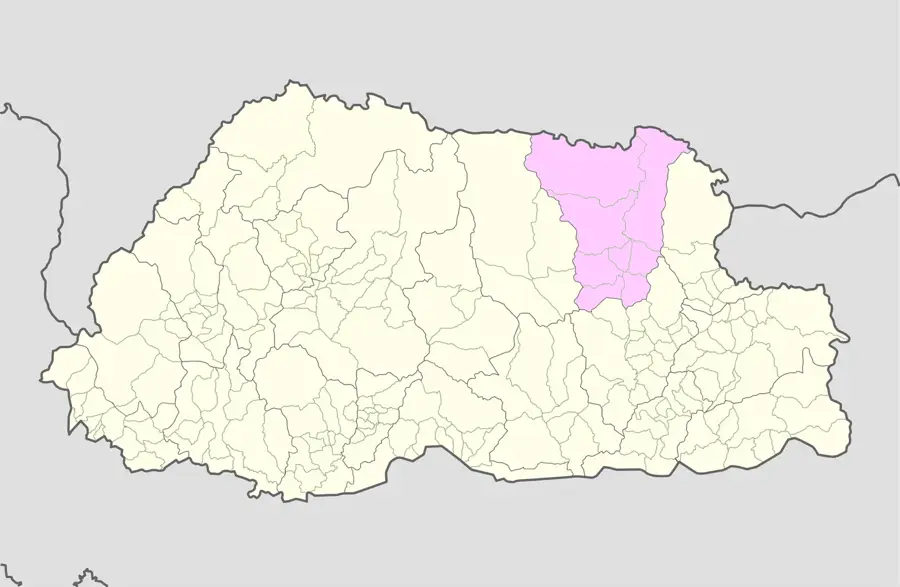
Lhuentse (Khoma)
Khoma is a famous textile village in eastern Bhutan, renowned for its intricate Kishuthara silk weaving.
Learn more →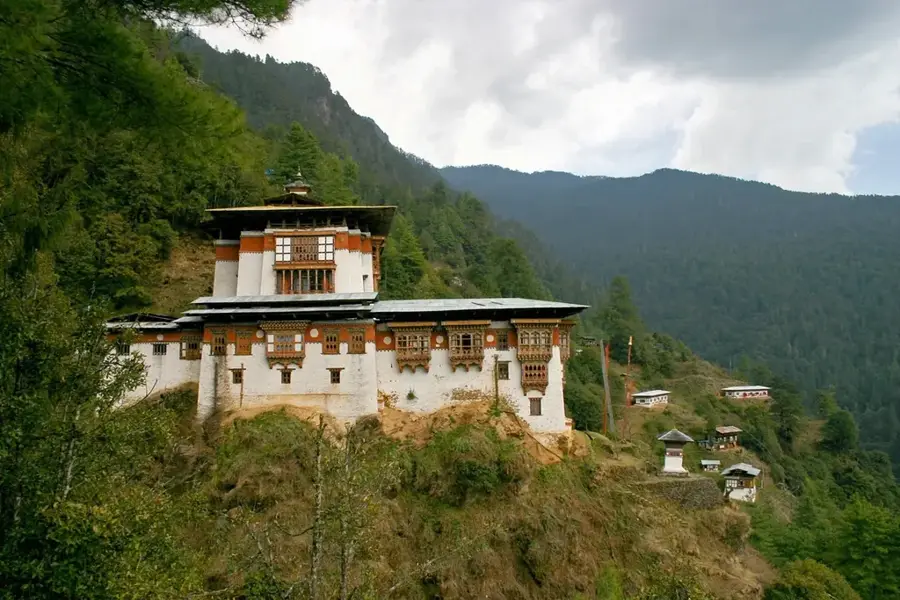
Tango Monastery
A high-altitude Buddhist center founded in the 15th century.
Learn more →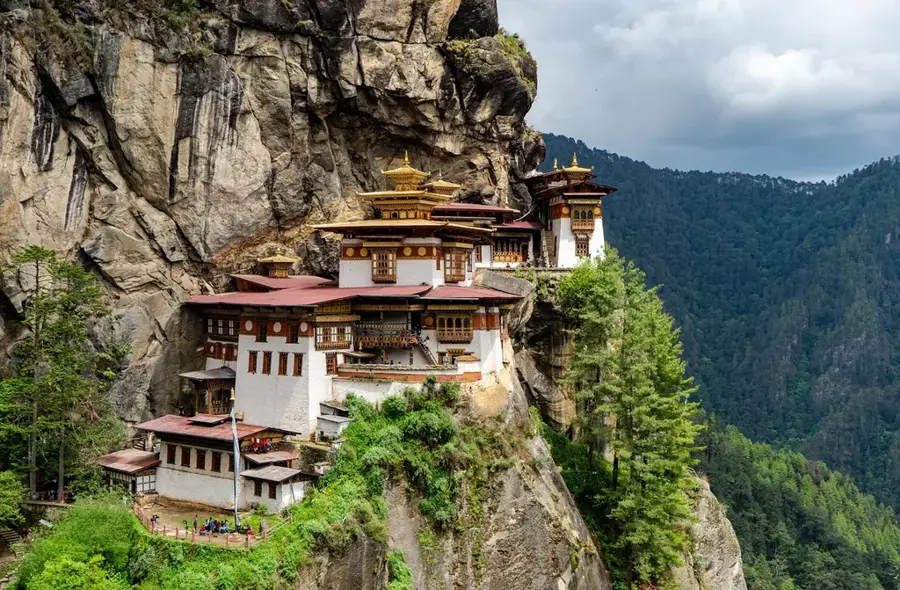
Taktsang Monastery
Known as the Tiger's Nest, the monastery clings to a steep cliff above the Paro Valley.
Learn more →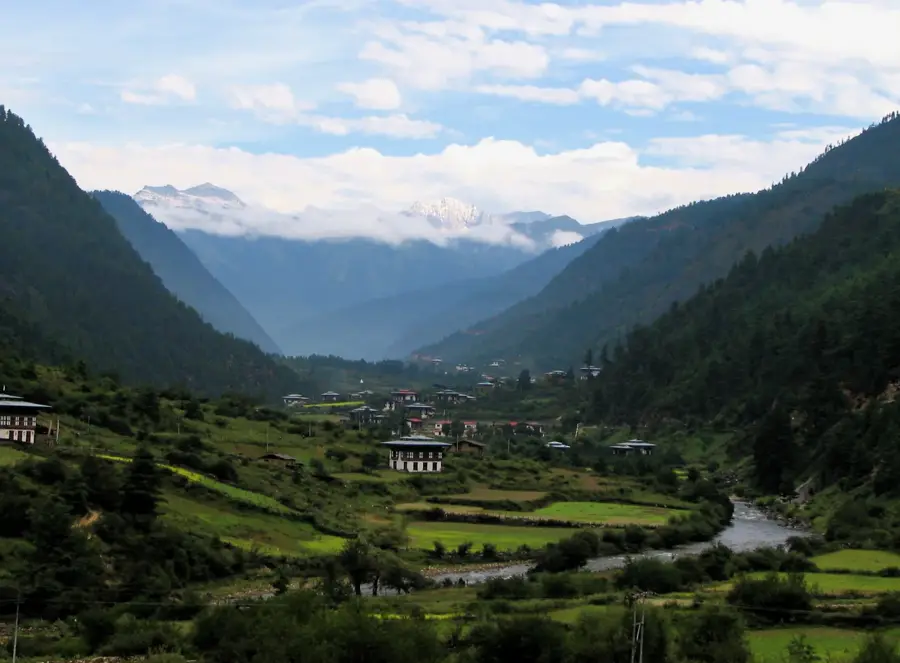
Tang Valley
The most remote of Bumthang's four valleys, characterized by sheep breeding, high-altitude farming, and the historic Ogyen Choling Palace.
Learn more →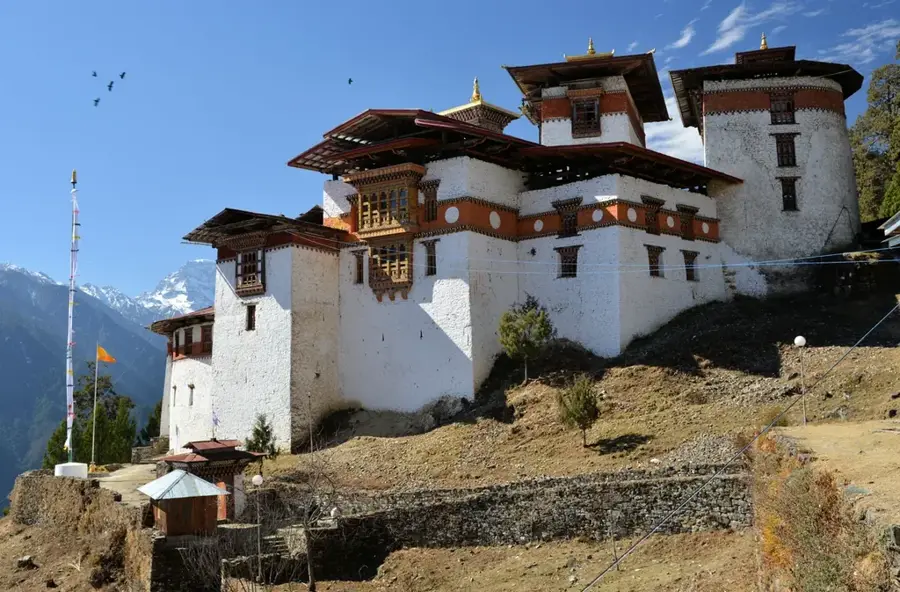
Gasa Dzong
A historic mountain fortress built in the 17th century to protect against attacks from the north.
Learn more →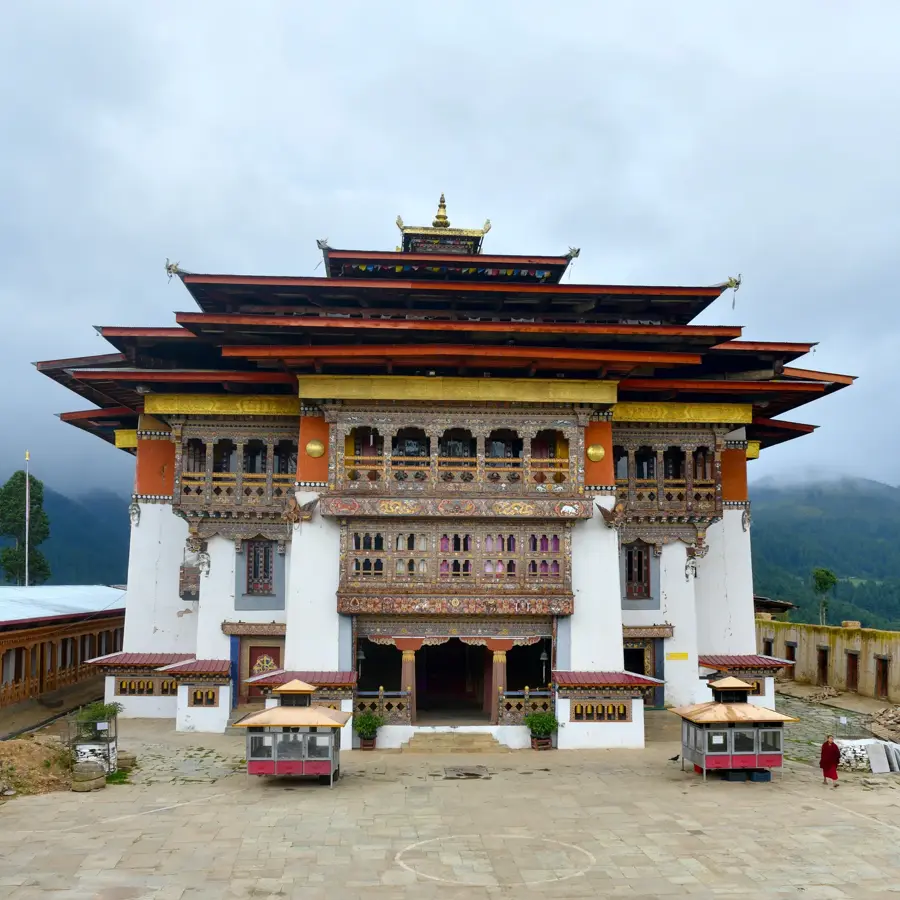
Gangtey Monastery
The largest Nyingma monastery in Bhutan overlooks the picturesque Phobjikha Valley.
Learn more →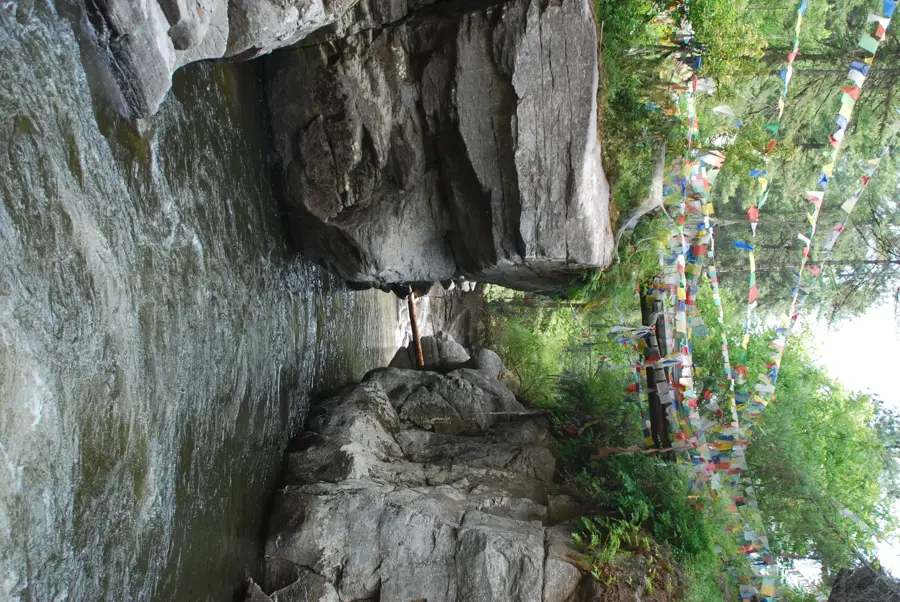
Mebar Tsho (Burning Lake)
A sacred site that is actually a gorge on the Tang Chhu river.
Learn more →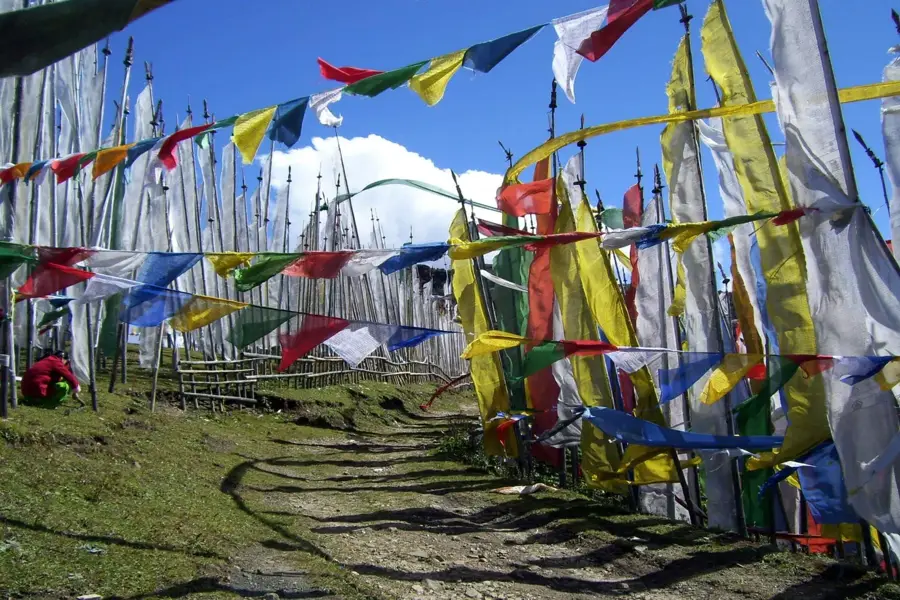
Chele La Pass
The highest motorable pass in Bhutan.
Learn more →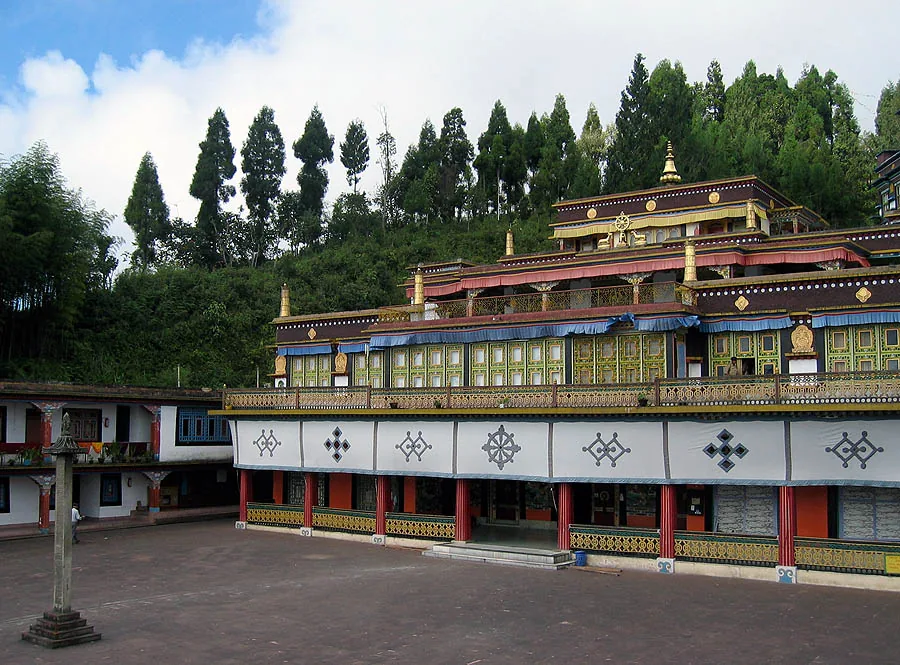
Ogyen Choling Palace
A historic manor in the Tang Valley turned into a fascinating museum.
Learn more →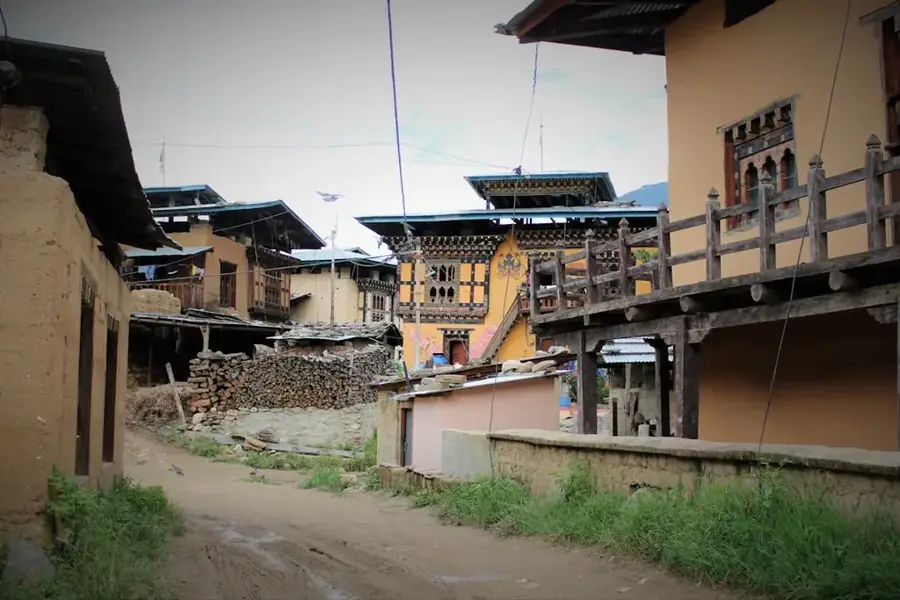
Zangto Pelri Lhakhang
A small temple in the heart of Phuntsholing representing the celestial abode of Guru Rinpoche.
Learn more →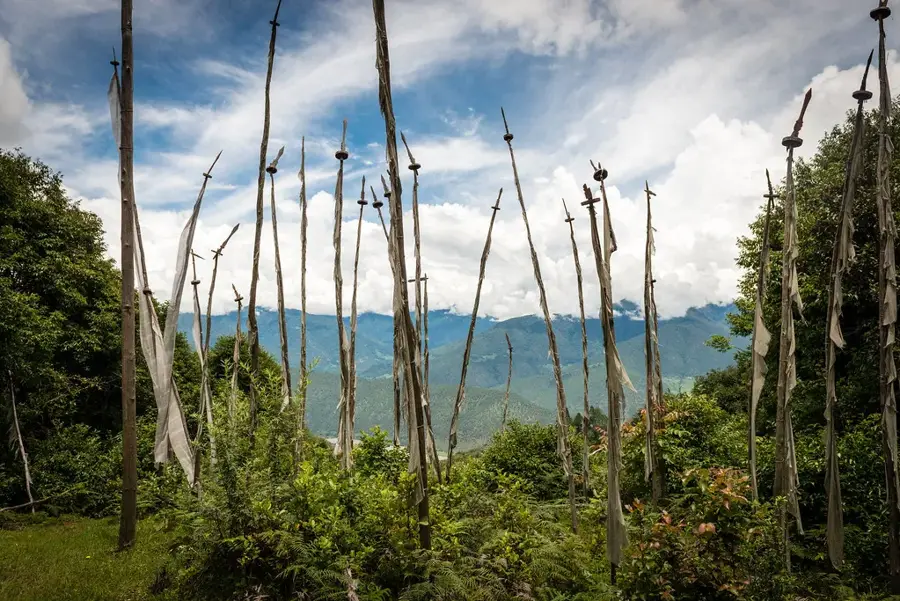
Talo Dzong
The Talo Monastery is located high up in the hills of Punakha.
Learn more →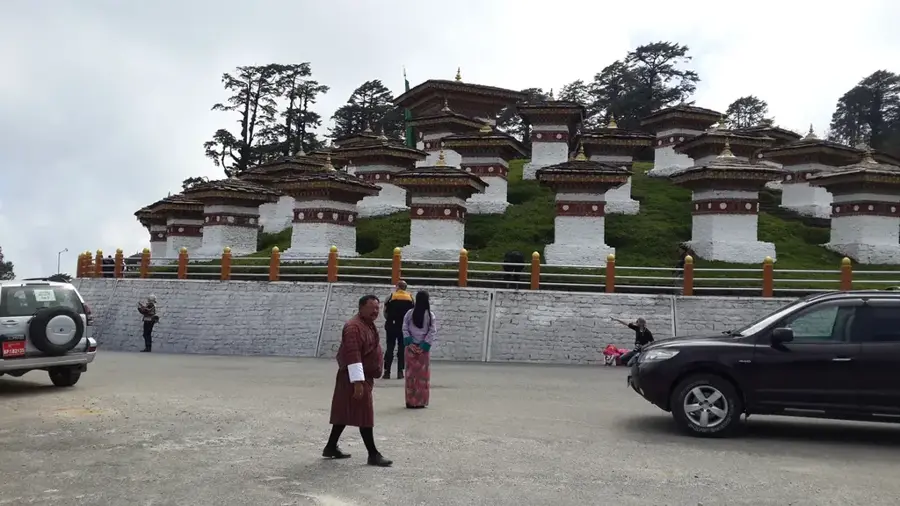
Dochula Pass
A scenic mountain pass featuring 108 memorial chortens.
Learn more →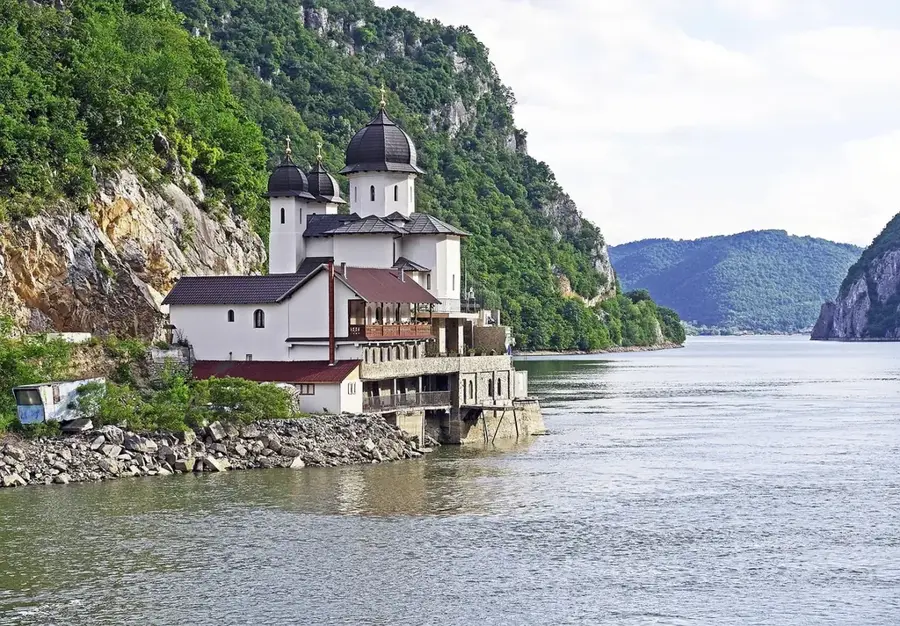
Sangchhen Dorji Lhuendrup Nunnery
An impressive temple and nunnery complex situated on a ridge.
Learn more →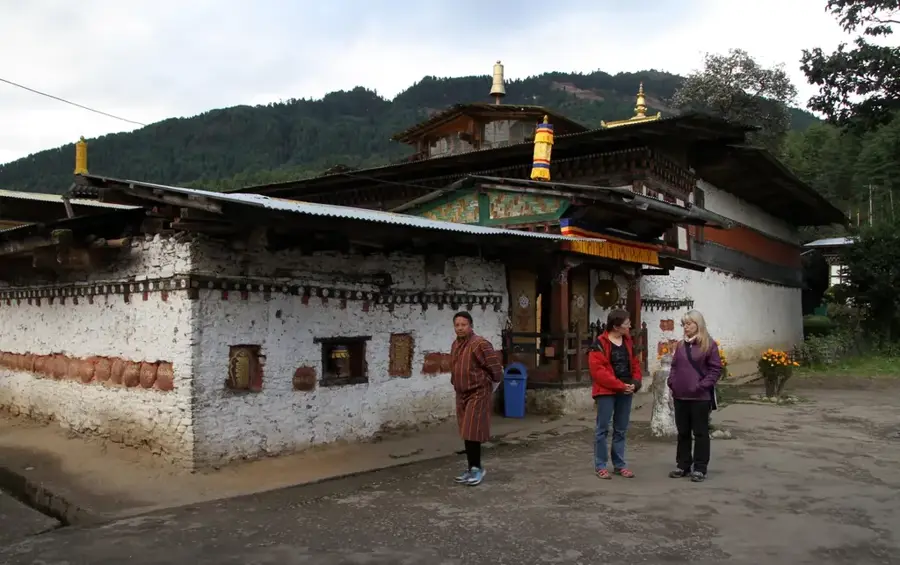
Tamshing Lhakhang
This temple in the Chokhor Valley is known for its ancient wall paintings.
Learn more →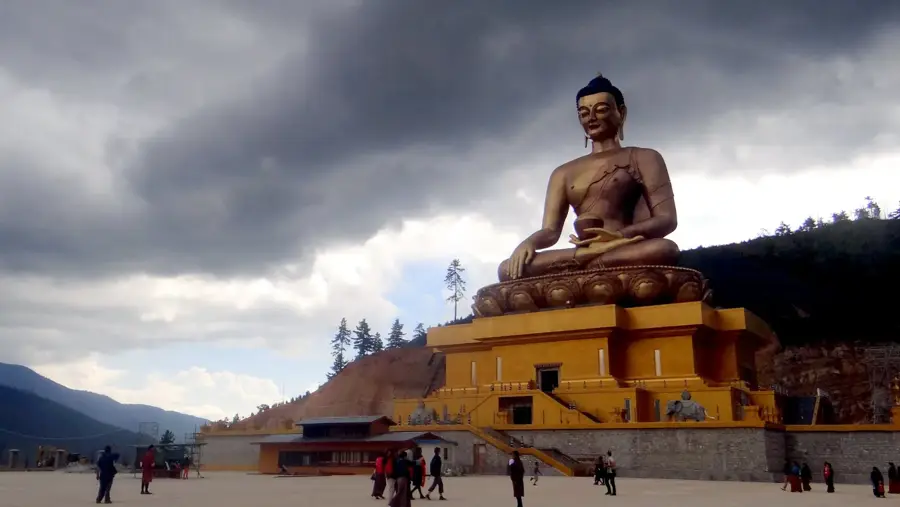
Buddha Dordenma
A gigantic Buddha statue towering over Thimphu.
Learn more →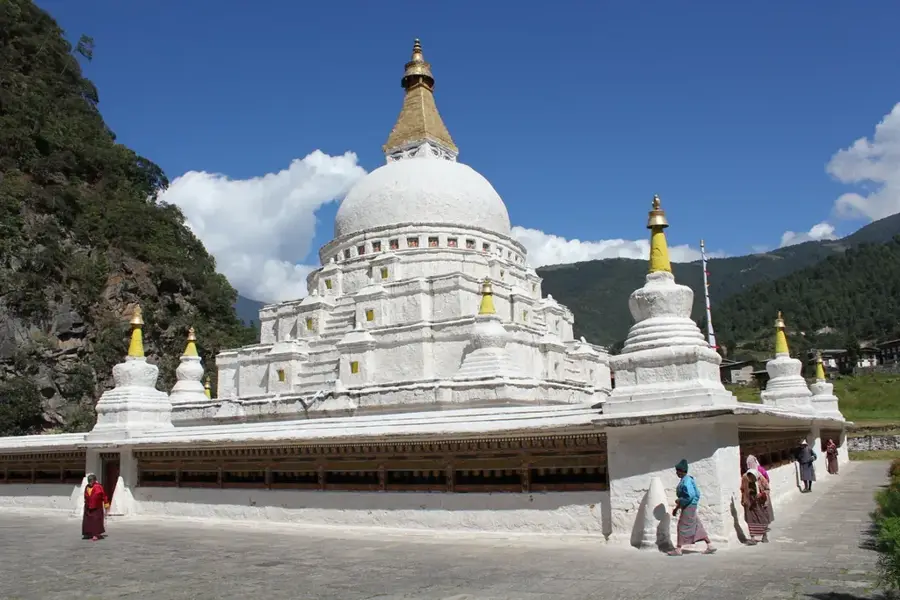
Chorten Kora
A major stupa in eastern Bhutan, modeled after the Boudhanath stupa in Nepal.
Learn more →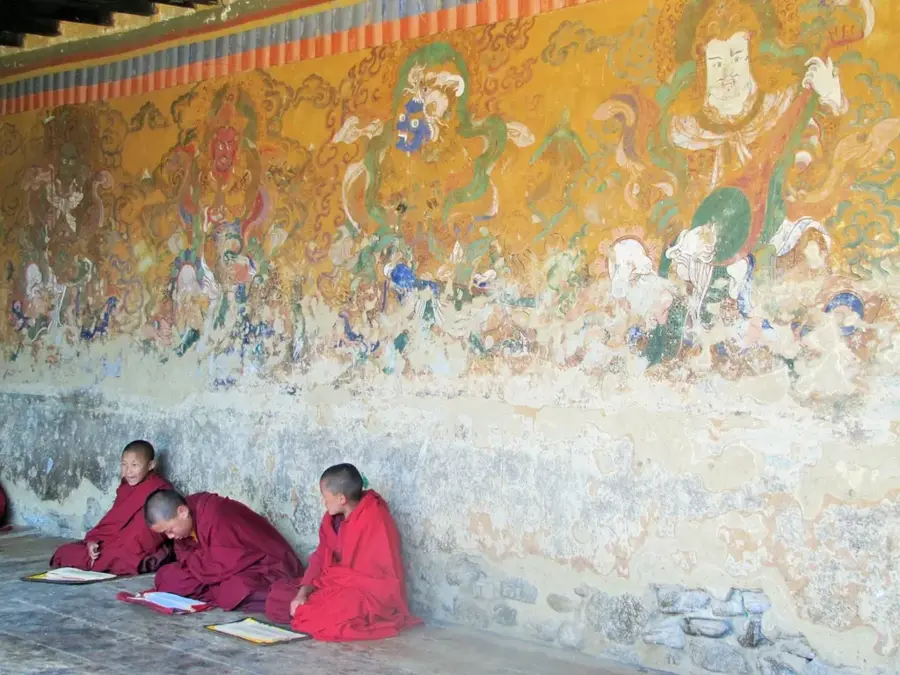
Drametse Lhakhang
One of the largest and most important monasteries in eastern Bhutan.
Learn more →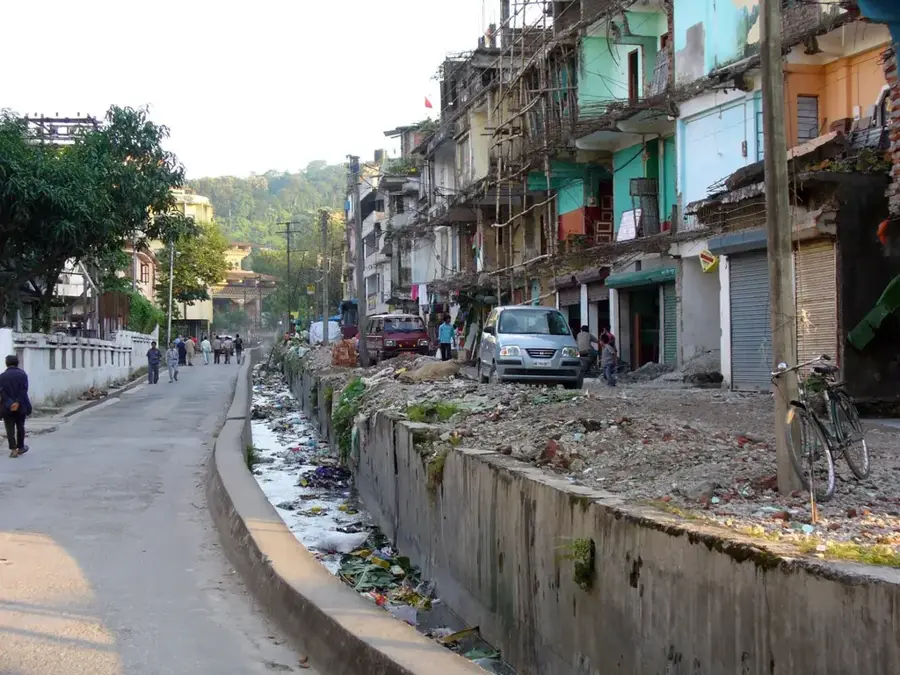
Karbandi Monastery
The monastery sits on a hill above Phuntsholing, offering panoramic views of the Bengal plain and the city.
Learn more →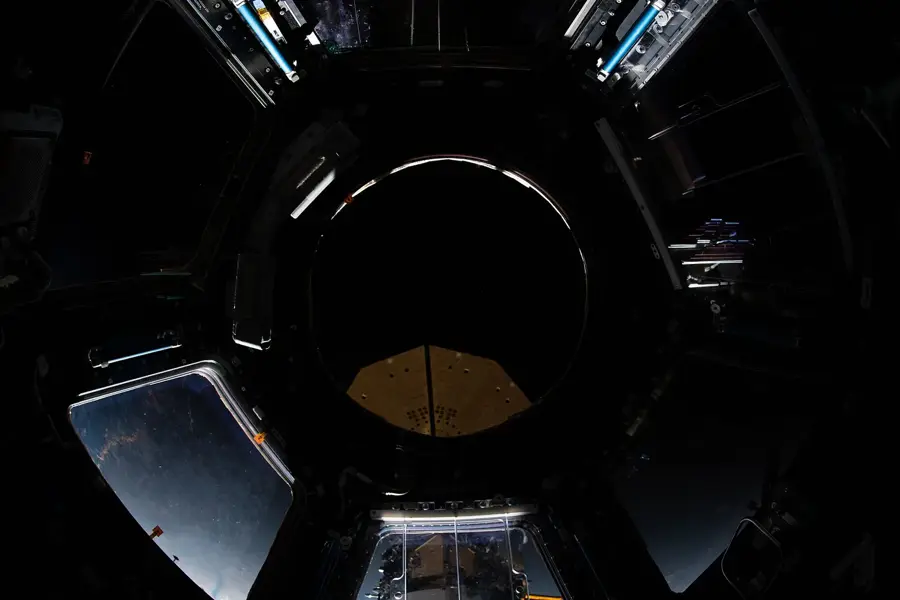
Bumthang (Chokhor Valley)
The Chokhor Valley in Bumthang is the spiritual heartland of Bhutan, dotted with ancient temples and sacred sites.
Learn more →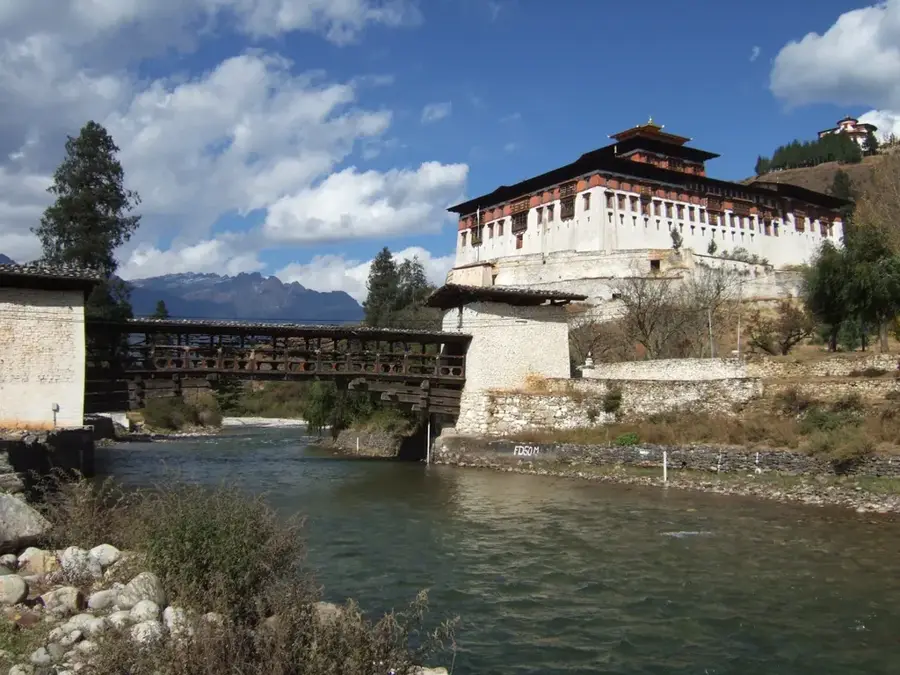
Rinpung Dzong
A massive fortress and monastery complex in the Paro Valley, built in 1646.
Learn more →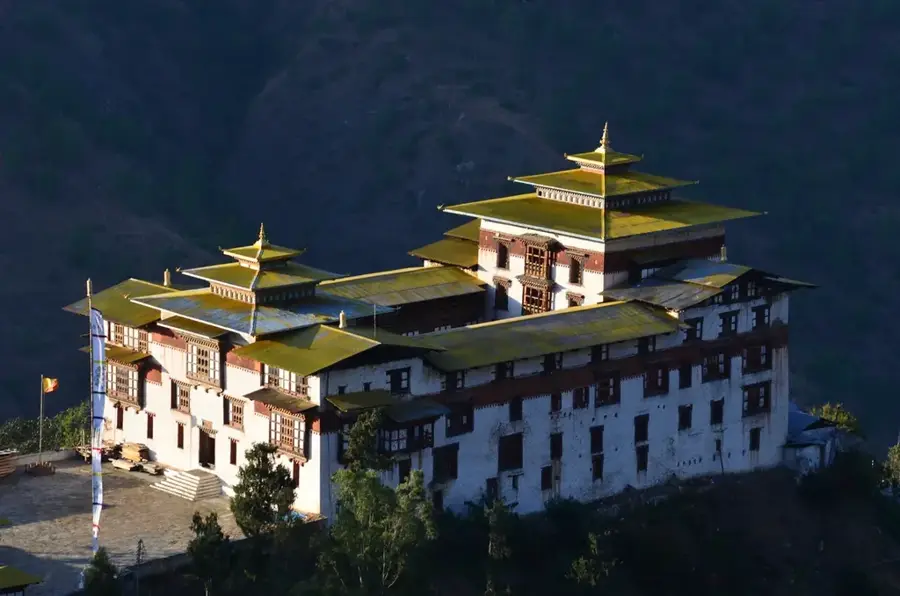
Trashigang Dzong
The "Fortress of the Auspicious Mountain", built in 1659, defended eastern Bhutan against Tibetan invasions and dominates the Trashigang region.
Learn more →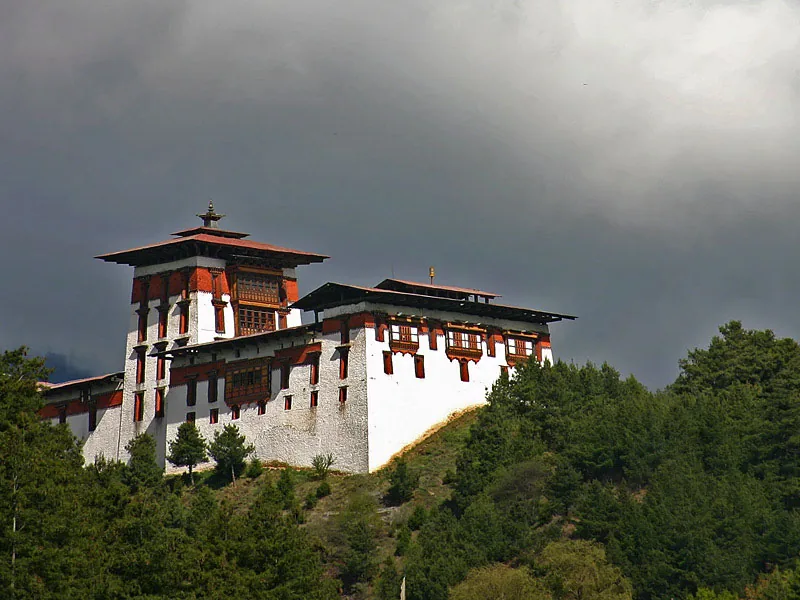
Jakar Dzong
Also known as the "Fortress of the White Bird", it was built in the 16th century and dominates the Chokhor Valley in Bumthang.
Learn more →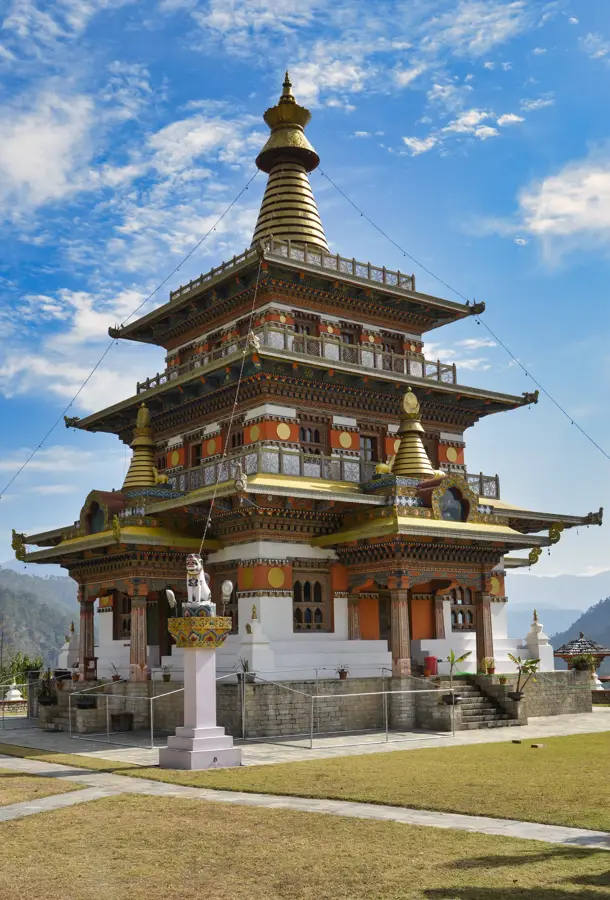
Khamsum Yulley Namgyal Chorten
This impressive temple was completed in 2004 to promote peace and stability in Bhutan.
Learn more →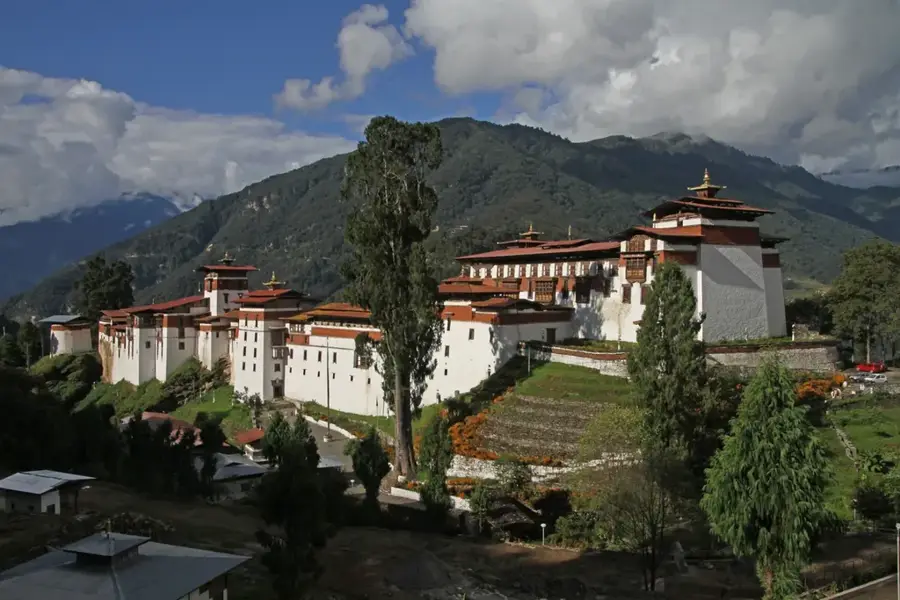
Trongsa Dzong
The largest fortress in Bhutan, strategically located above the Mangde Chhu gorge.
Learn more →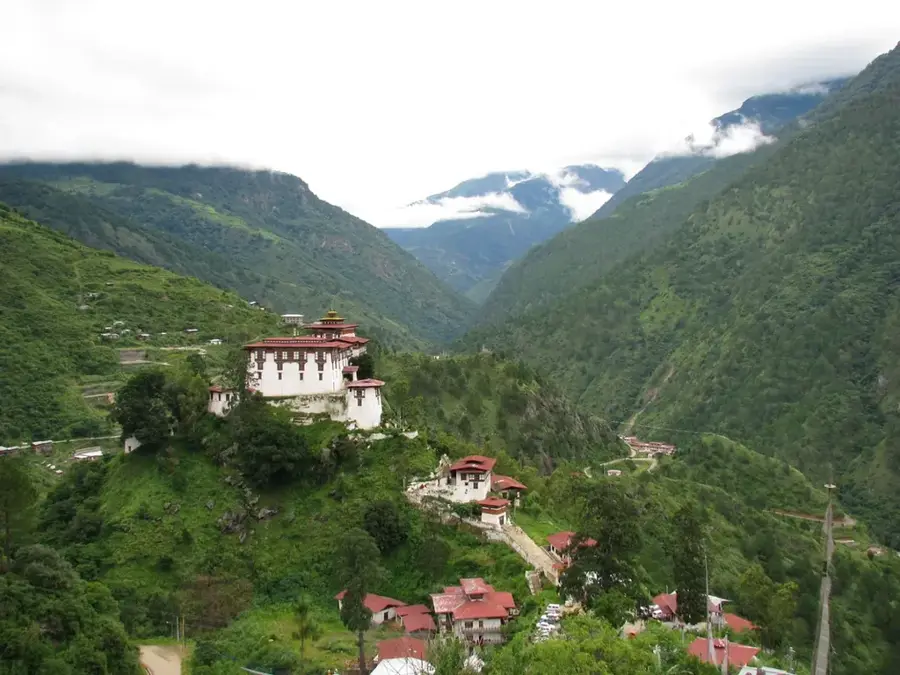
Lhuentse Dzong
The ancestral home of the royal family of Bhutan.
Learn more →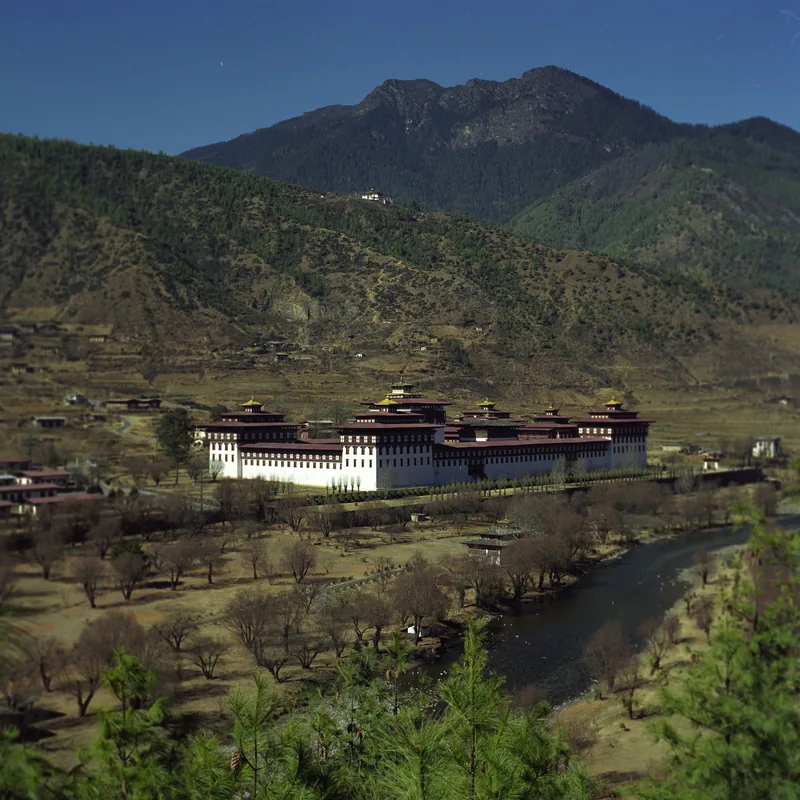
Tashichho Dzong
A Buddhist monastery and fortress on the northern edge of Thimphu, serving as the seat of the Bhutanese government since 1952.
Learn more →Nature
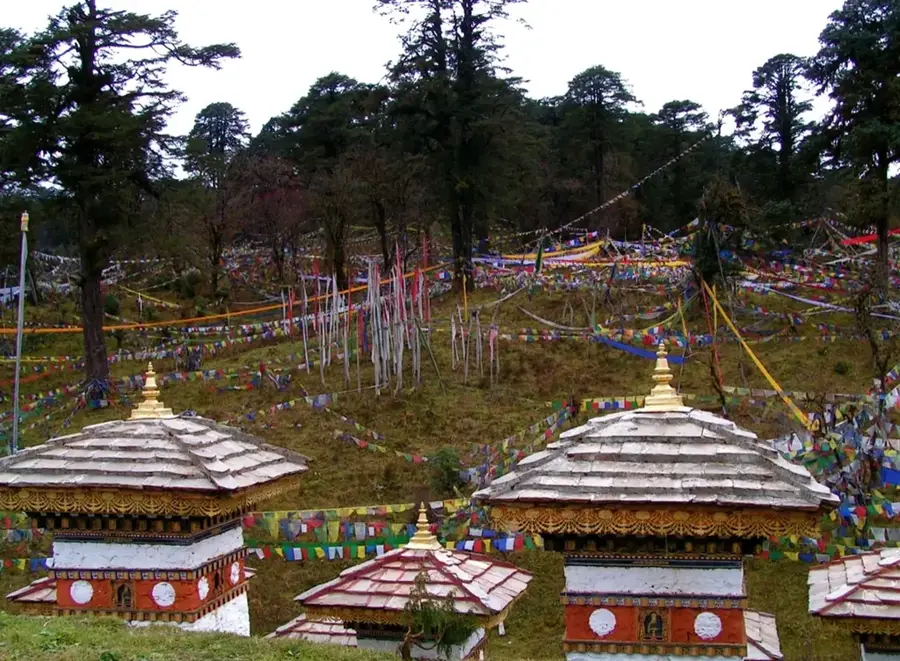
Royal Botanical Park Lampelri
Bhutan's first botanical park, offering rich biodiversity with over 46 rhododendron species and many native birds.
Learn more →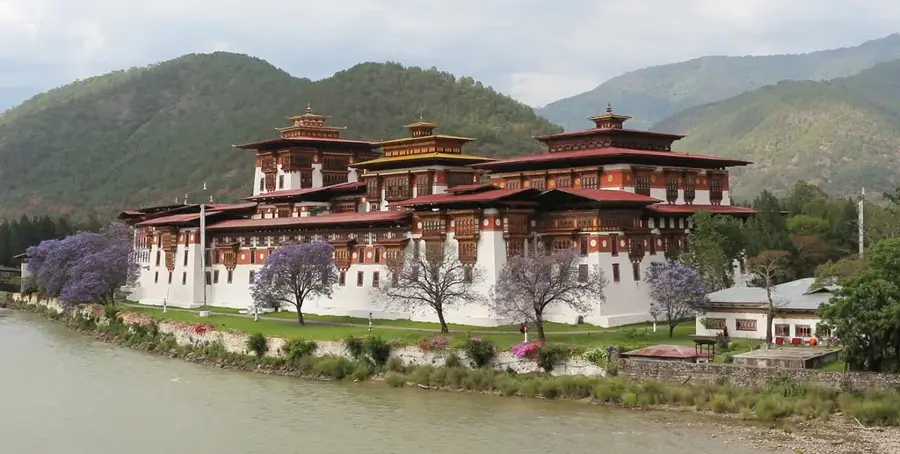
Lugge Tsho
A dangerous glacial lake in the Lunana region, which has already caused catastrophic flash floods in the past due to moraine breaches.
Learn more →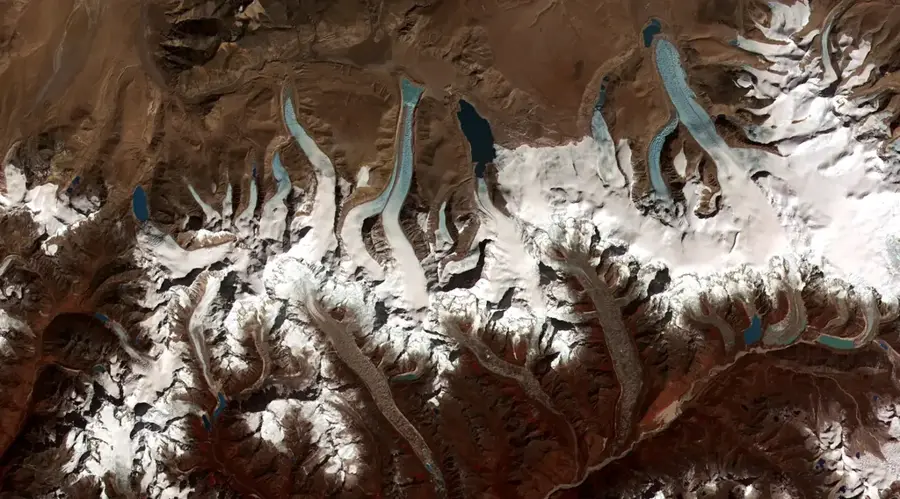
Thorthormi Tsho
A rapidly expanding glacial lake in the High Himalayas, under strict scientific observation due to climate change.
Learn more →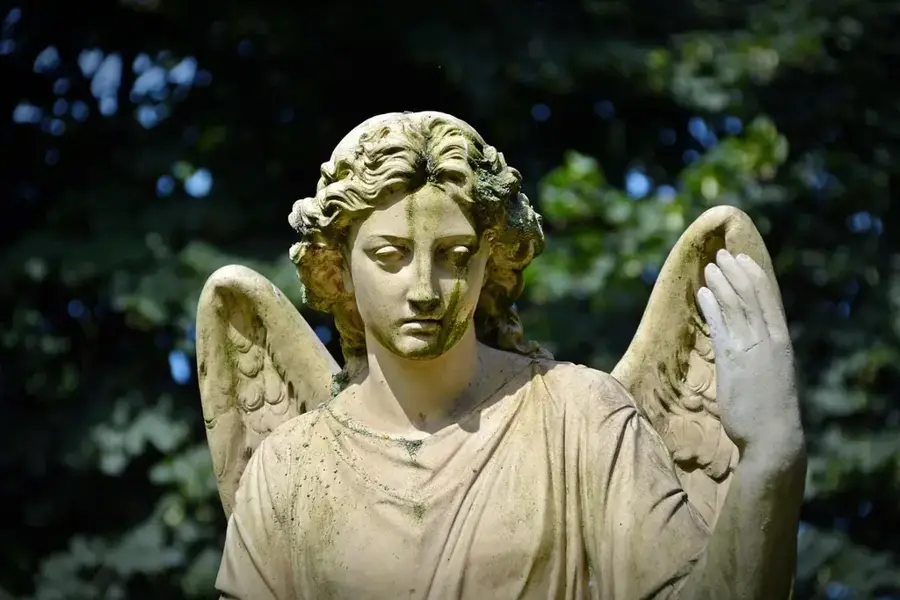
Ludrong Memorial Garden
A peaceful garden in Thimphu, established in memory of the late Prime Minister Jigme Dorji Wangchuck.
Learn more →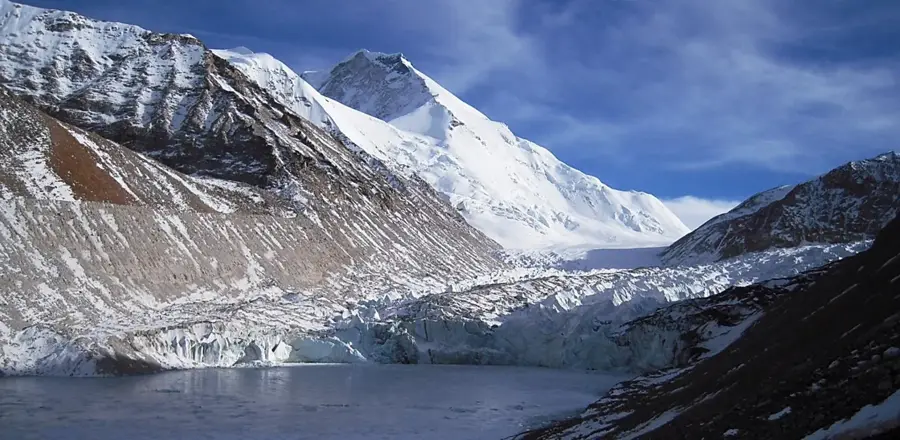
Kula Kangri
A massive mountain massif in the far north, whose exact border affiliation has historically been debated between Bhutan and China.
Learn more →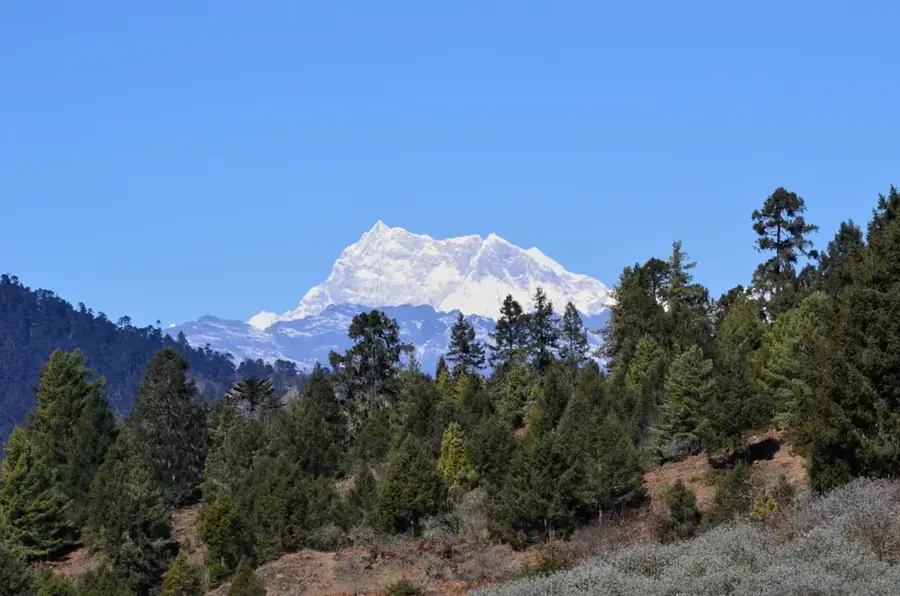
Gangkhar Puensum
Bhutan's highest mountain is globally recognized as the highest unclimbed peak, as the country has banned mountaineering on sacred peaks.
Learn more →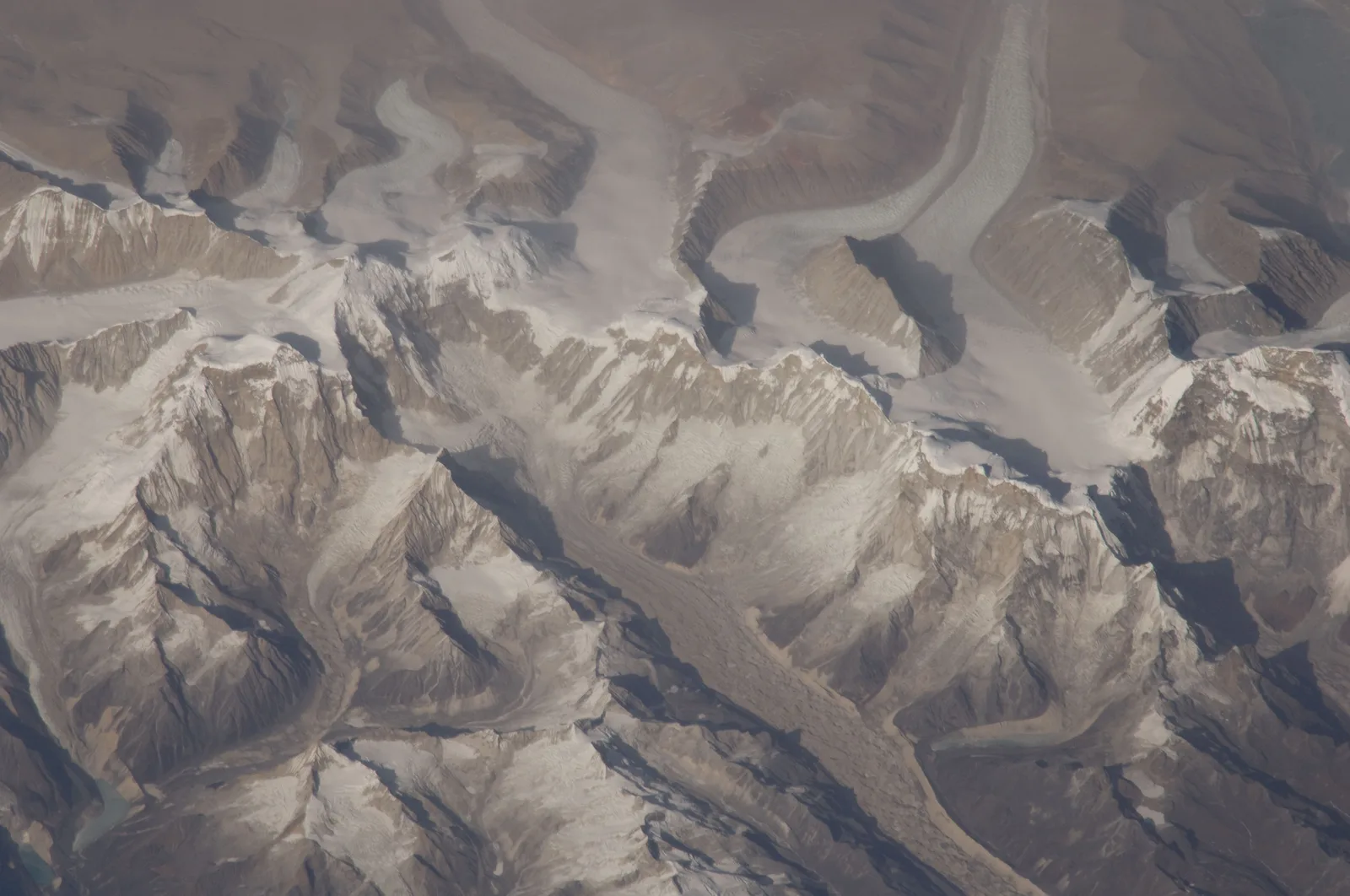
Tongshanjiabu
A massive border peak between Bhutan and China, whose slopes are characterized by dangerous crevasses and ice fields.
Learn more →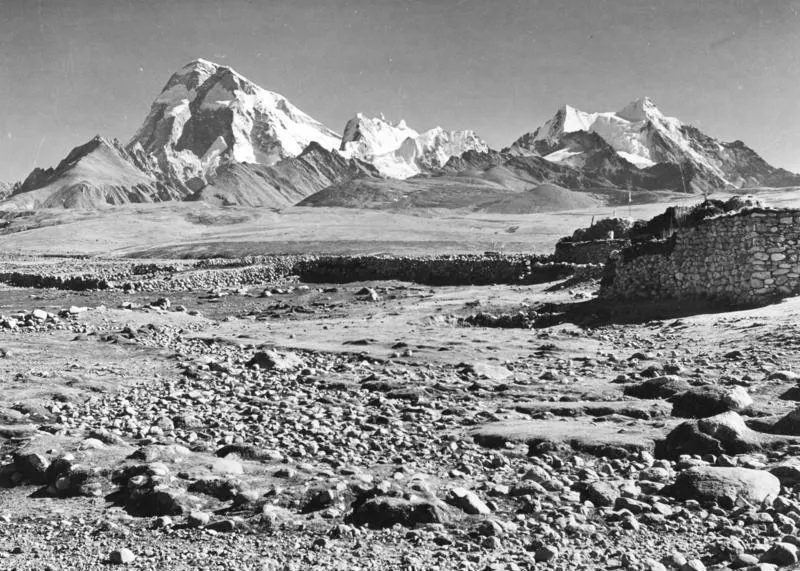
Jomolhari
This majestic mountain is known as the 'Bride of Kangchenjunga' and is a sacred place for Bhutanese Buddhists.
Learn more →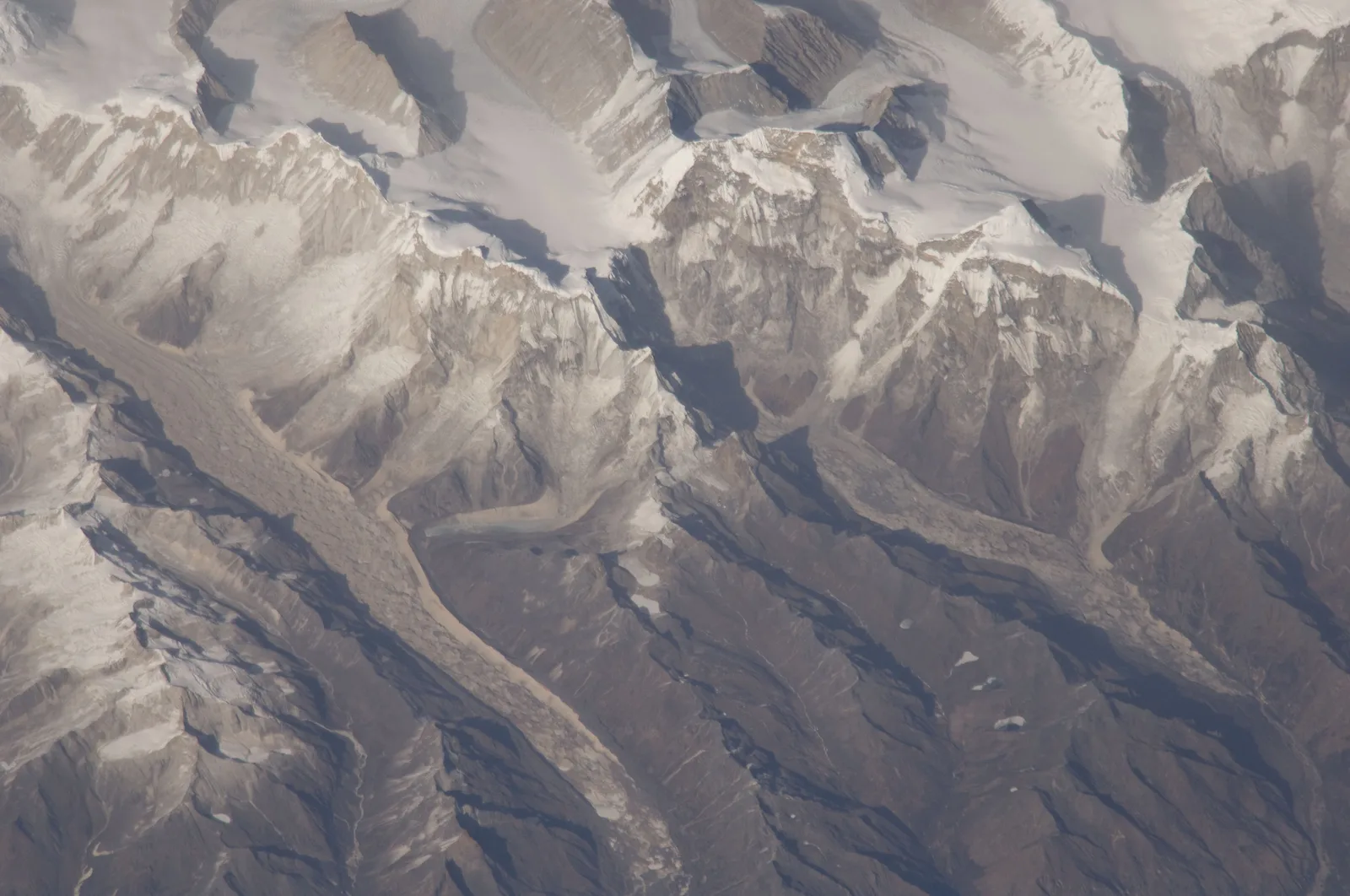
Kangphu Kang
A massive Himalayan peak on the border with Tibet, known for its massive ice cap and inaccessible location.
Learn more →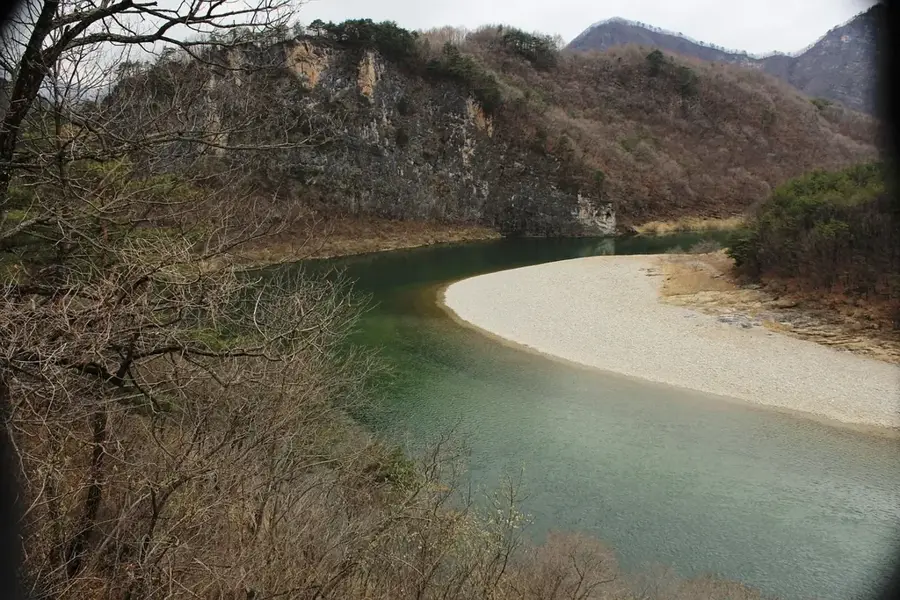
Zongphu Kang
Also known as Table Mountain, this massive mountain is conspicuous for its flat summit structure in the rugged high mountains.
Learn more →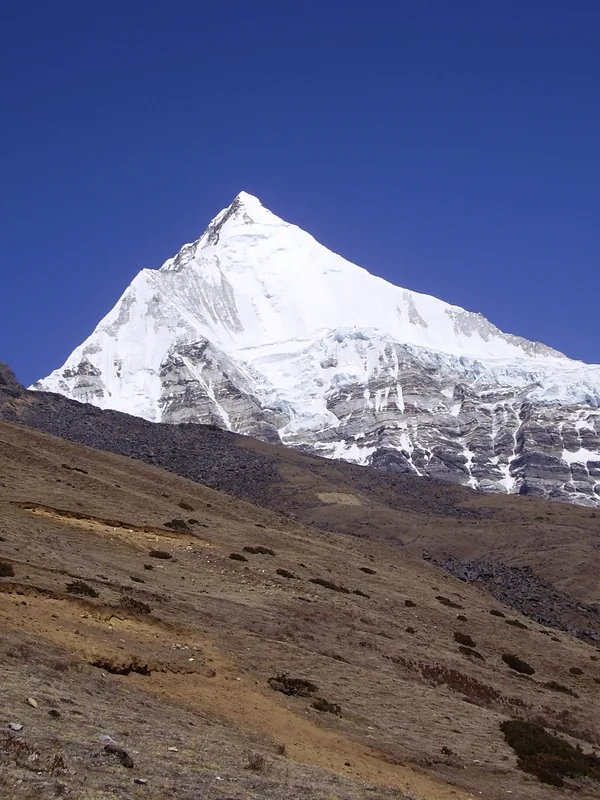
Jitchu Drake
A prominent, rugged peak not far from Jomolhari, impressive with its steep flanks and icy slopes.
Learn more →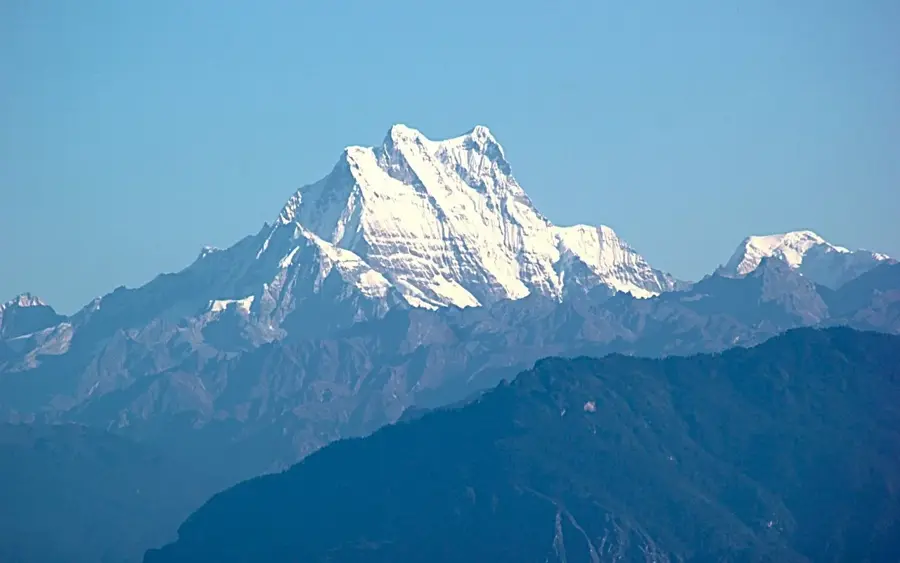
Masang Kang
A prominent, snow-capped mountain in Jigme Dorji National Park, revered as a protector from the local valleys.
Learn more →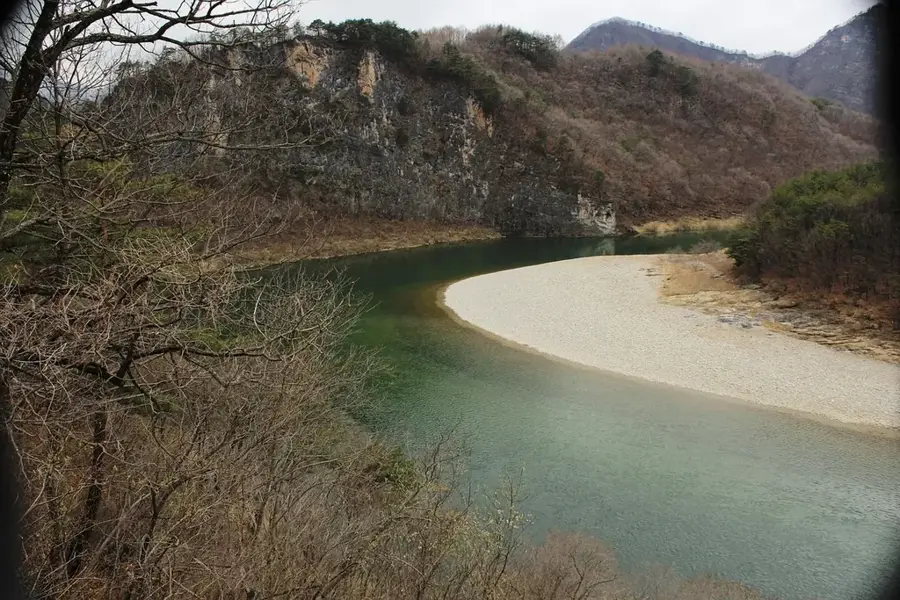
Teri Kang
Another seven-thousander peak in the northern mountain range, hidden deep within the rugged glacial valleys.
Learn more →More highlights
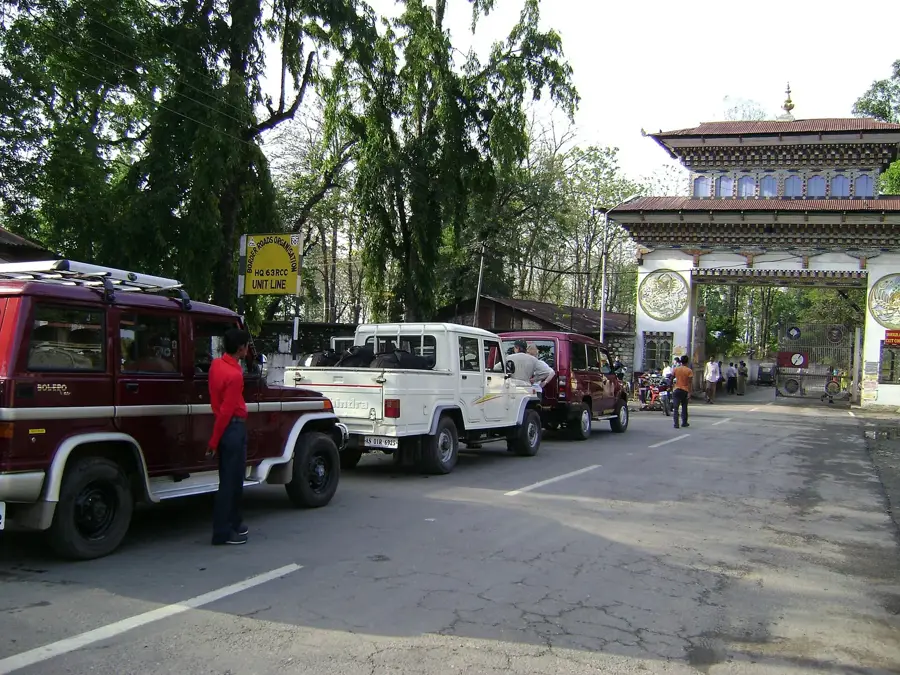
Samdrup Jongkhar Trade Hub
The oldest border town in eastern Bhutan, historically serving as the primary trading post.
Learn more →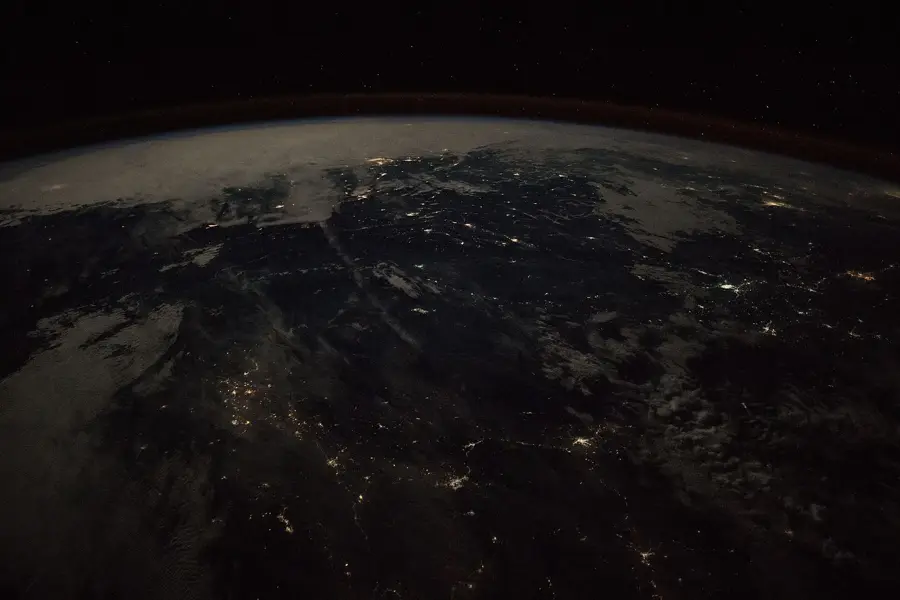
Gelephu Special Economic Zone
A groundbreaking visionary project by the King, known as the 'Mindfulness City'.
Learn more →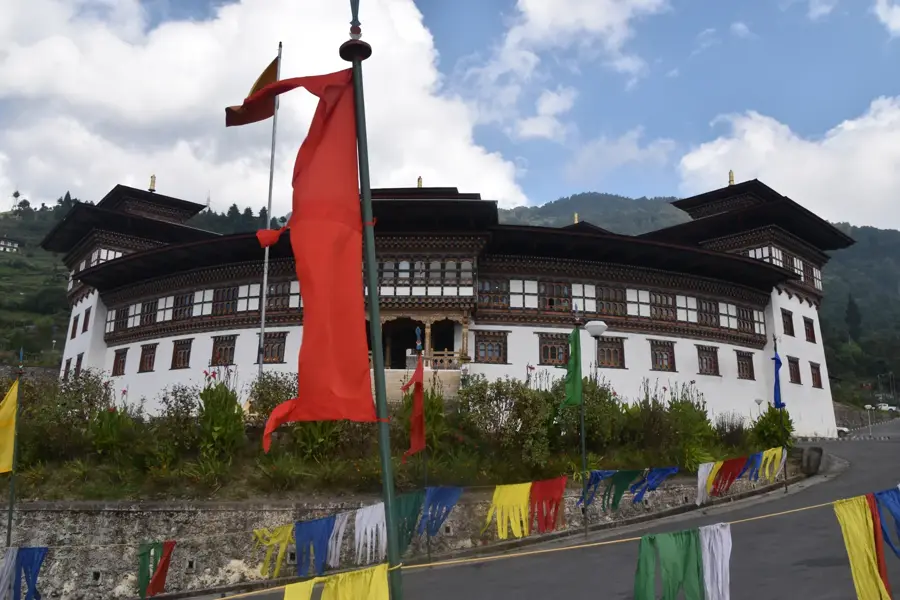
Chukha Hydropower Plant
Bhutan's first major hydroelectric project, built in the 1980s with Indian assistance.
Learn more →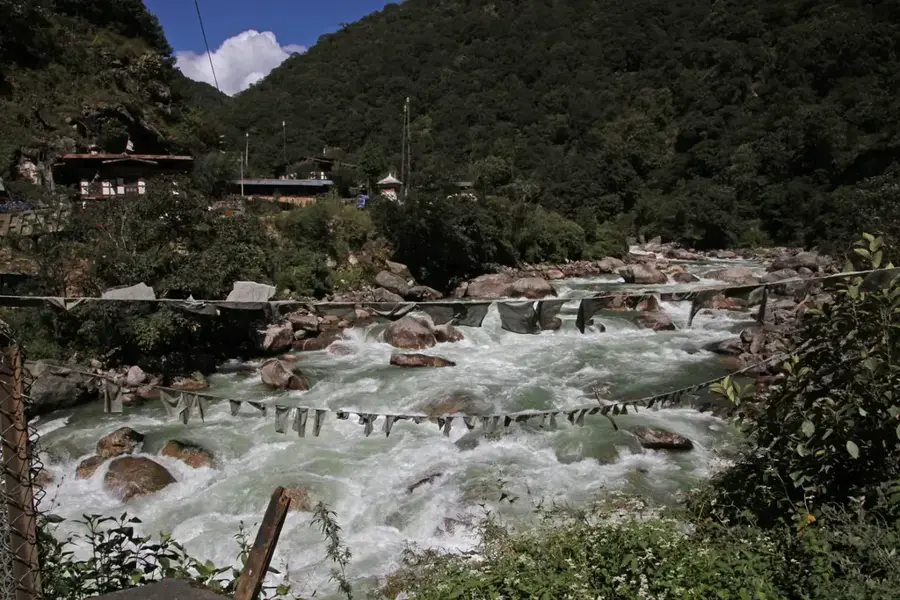
Mangdechhu Hydropower Plant
A state-of-the-art run-of-the-river hydroelectric plant on the Mangdechhu river in Trongsa district.
Learn more →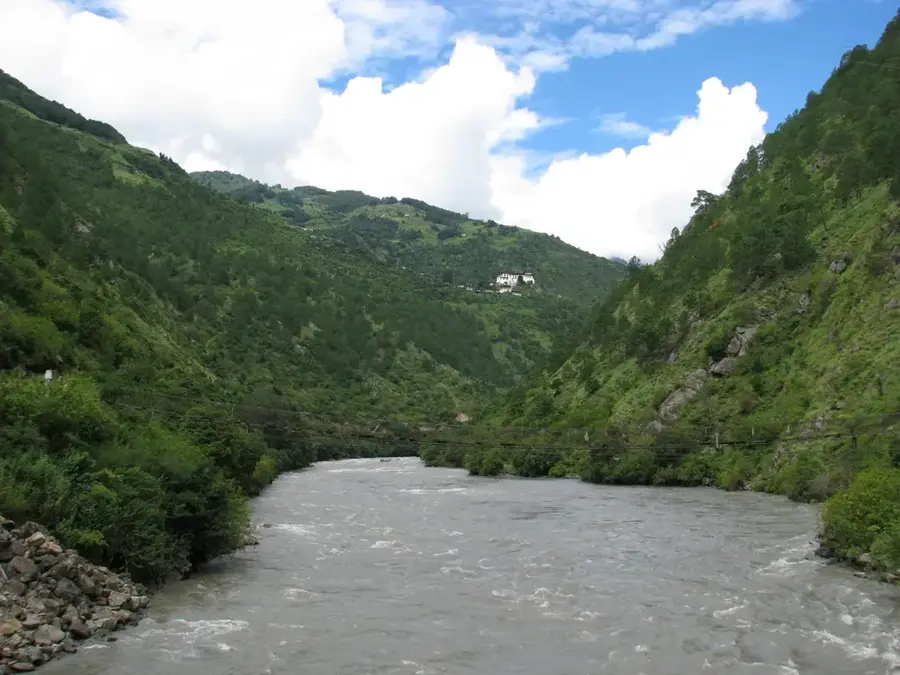
Kurichhu Hydropower Plant
An important hydroelectric plant in eastern Bhutan, providing the region with stable electricity.
Learn more →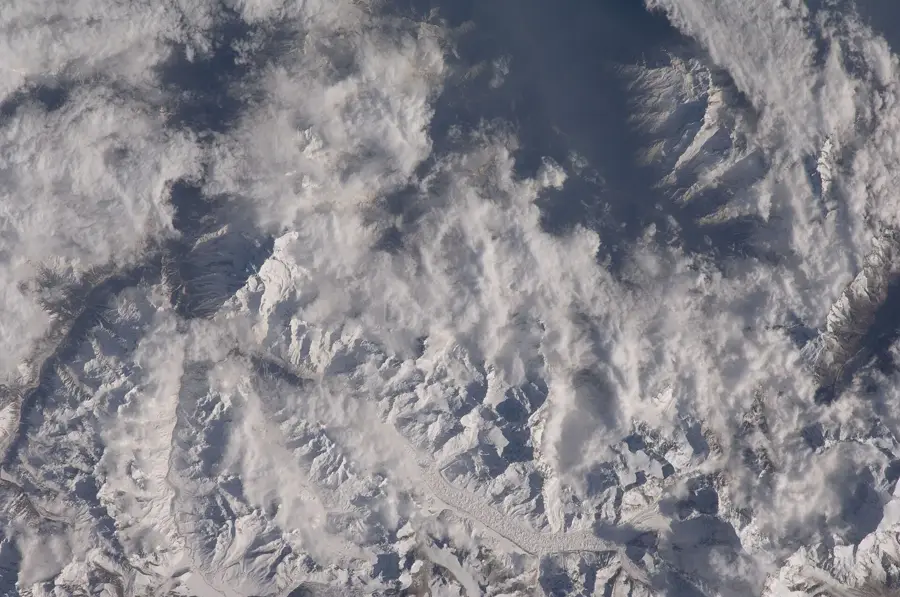
Basochhu Hydropower Plant
A smaller but efficient hydroelectric plant built with Austrian assistance.
Learn more →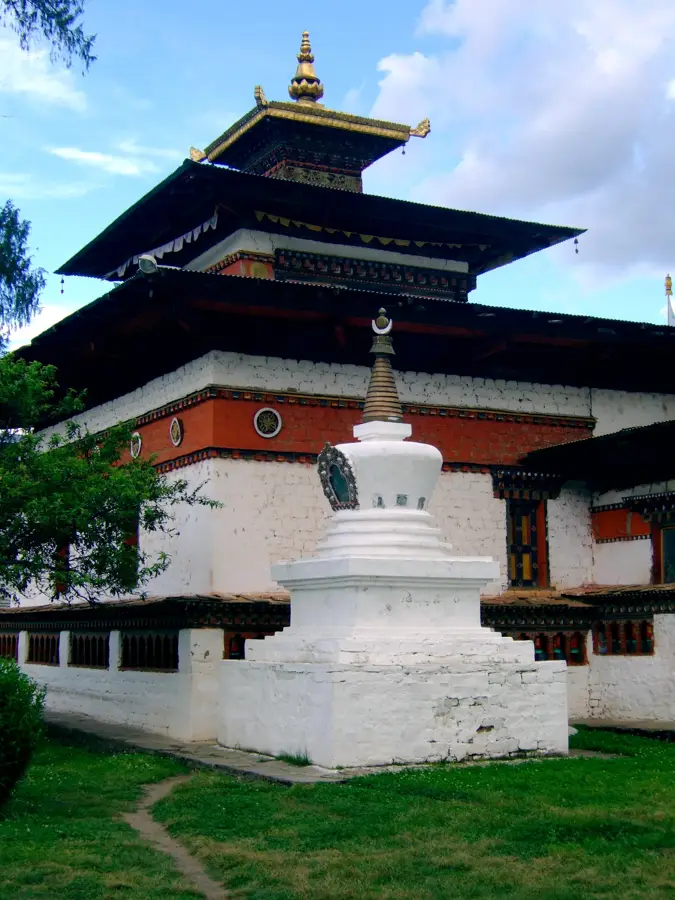
Kyichu Lhakhang
One of the oldest temples in Bhutan, built in the 7th century by the Tibetan King Songtsen Gampo according to legend.
Learn more →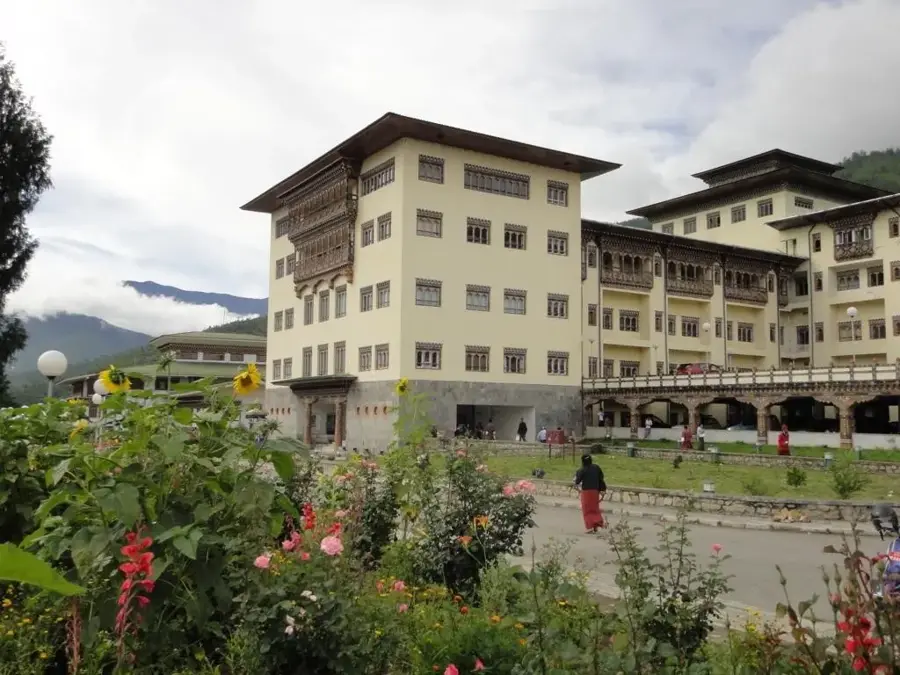
Simply Bhutan Living Museum
An interactive "living" museum that brings visitors and especially children closer to the rich culture, craftsmanship, and archery of Bhutan.
Learn more →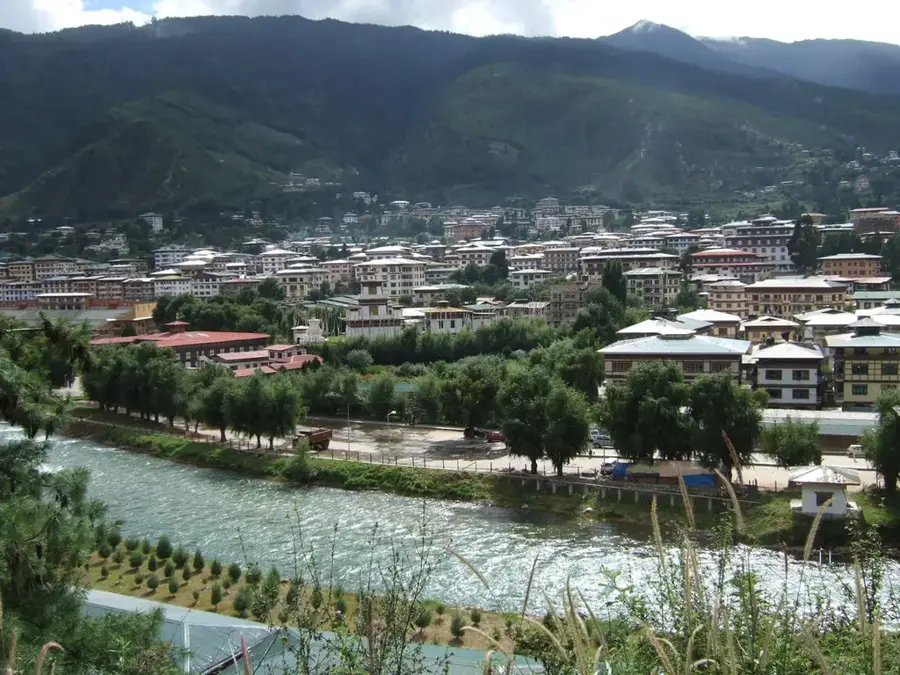
Jigme Khesar Strict Nature Reserve
Bhutan's only strict nature reserve, free of human settlement, protecting unique alpine flora and fauna without disturbance.
Learn more →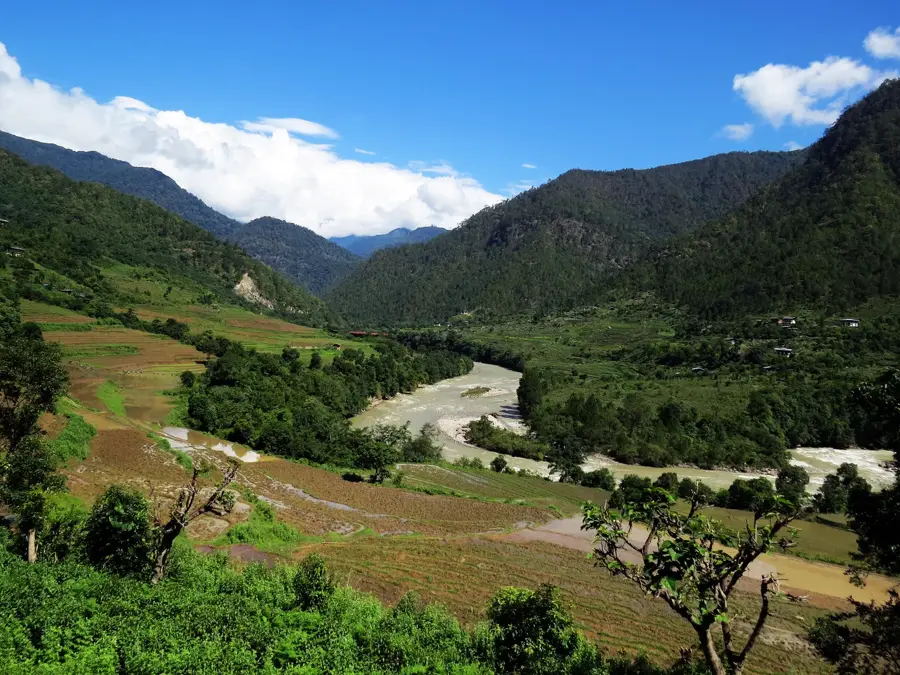
Jigme Dorji National Park
Bhutan's second largest national park covers the northwestern part of the country, providing a haven for snow leopards and Himalayan black bears.
Learn more →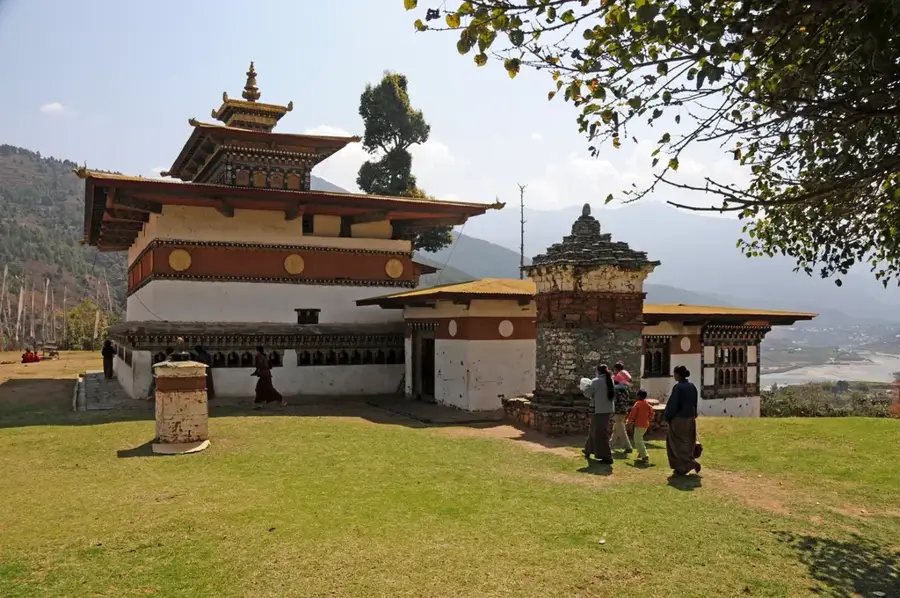
Chimi Lhakhang
A Buddhist monastery in the Punakha District, built in 1499.
Learn more →Frequently asked questions
What are the top attractions in Bhutan?
Among the most popular are Lhuentse (Khoma), Tango Monastery, Taktsang Monastery, Tang Valley, Gasa Dzong and many more – the full top 50 list is on this page.
When is the best time to visit Bhutan?
May to October offers the most pleasant weather; July and August are warmest and busiest.