Plizio Visual Lab

Lhuentse Dzong
Plizio editorial teamData Sources
monument
—°4
Lhuentse Dzong (Bhutan)

Weather…

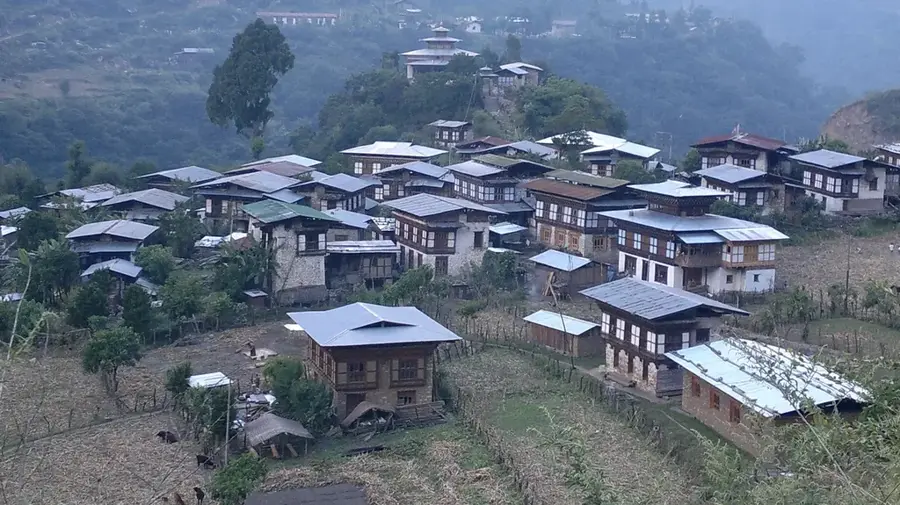
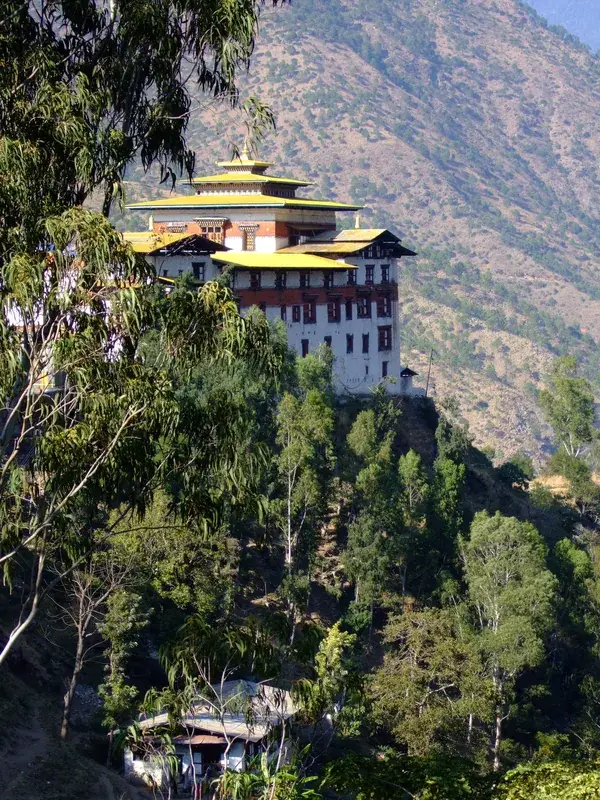
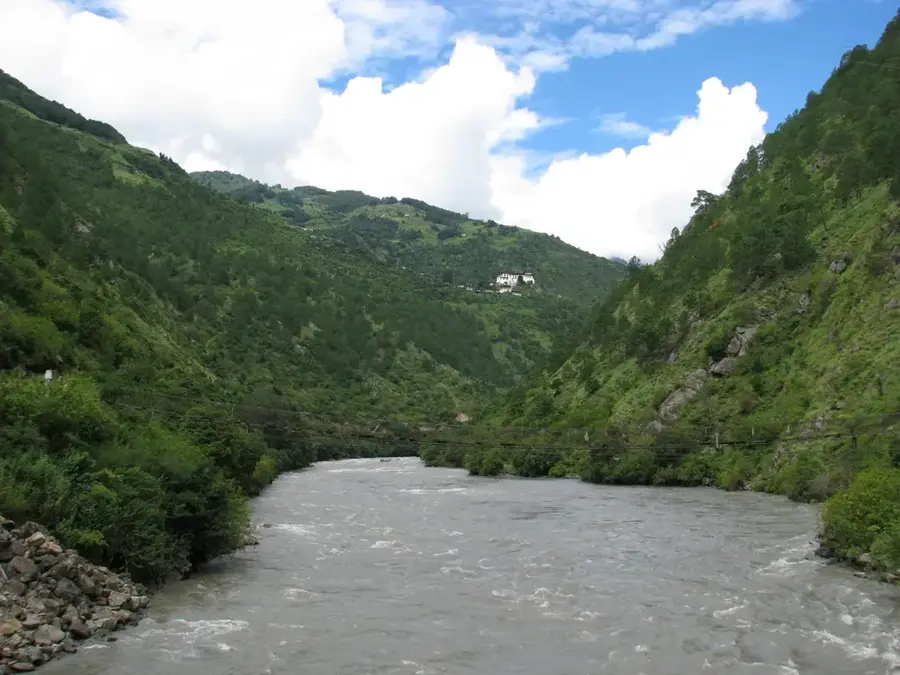
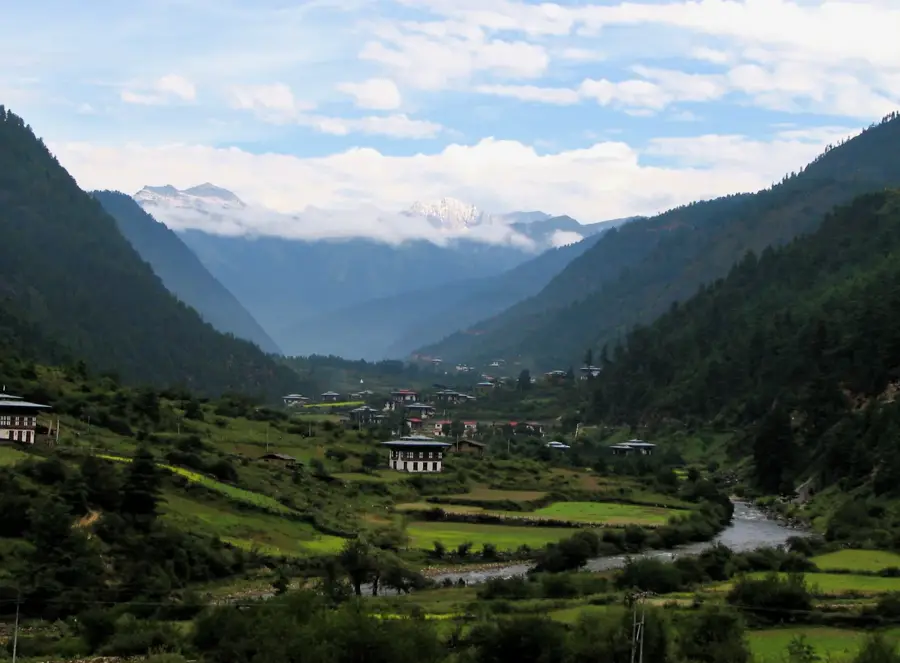
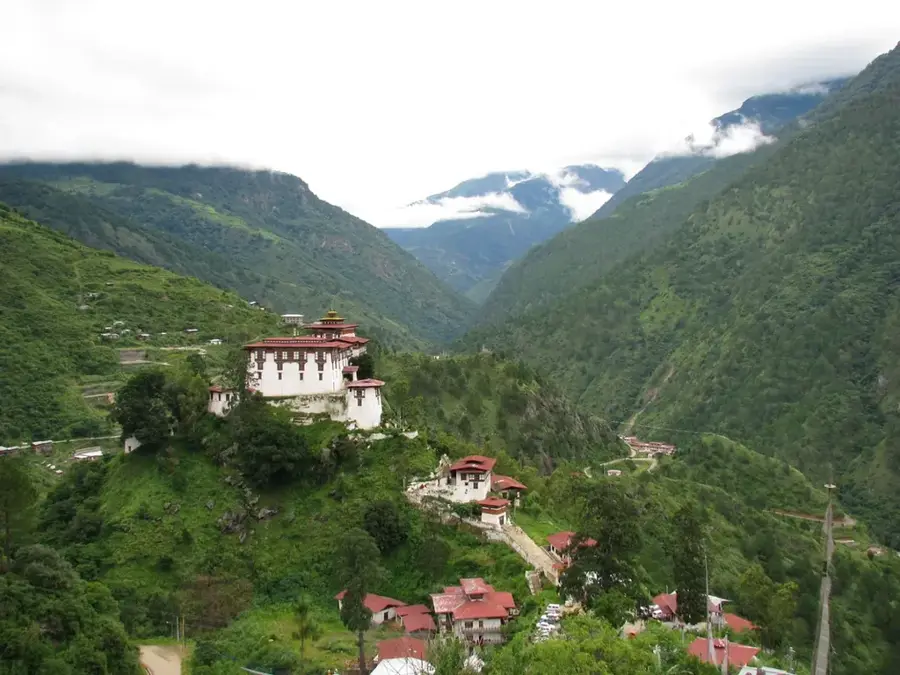
Lhuentse Dzong is majestically situated on a rocky spur overlooking the Kuri Chhu river in northeastern Bhutan. Constructed in 1654 by Lhagyel Badzhel, it is celebrated as the ancestral home of the Wangchuck dynasty, Bhutan's current royal family. Historically, the fortress commanded the entrance to the remote valleys of the east and served as a crucial defensive outpost against invaders. The architecture of the dzong is noted for its refined elegance and massive whitewashed walls that withstand the harsh Himalayan climate. Within the complex are several significant temples, including one dedicated to Guru Rinpoche. The surrounding Lhuentse region is also world-renowned for its intricate textile weaving, particularly the Kishuthara silk fabrics, often regarded as the pinnacle of Bhutanese craftsmanship. Today, the dzong serves as both the administrative and spiritual heart of Lhuentse District. Despite its remote location, it remains a pillar of cultural heritage and a site of immense historical pride for the Bhutanese people.

Best time to visit & climate

The most pleasant time to visit is Sep–Nov.

JanFebMarAprMayJunJulAugSepOctNovDec
Avg °C4581114171817161285
Rain mm51327951371822441851246463

📋 Practical info

🚪
Visiting
This majestic fortress is generally open to visitors who wish to explore its exterior courtyards and select interior administrative spaces. Proper respectful attire with covered arms and legs is strictly required to enter the complex.
🕒
Typical hours
Visiting hours typically follow standard government and monastic schedules, usually opening during daylight hours with a break in the middle of the day. It is highly advisable to consult with your local guide beforehand, as special religious ceremonies might alter access.
📷
Photography
Capturing the dramatic exterior architecture and the remarkable surrounding rocky landscape is highly encouraged from various vantage points. However, photography is almost always strictly prohibited inside the sacred temples and inner religious shrines out of respect.
⏱️
Time needed
You should generally allocate at least one and a half to two hours to fully appreciate the complex's grand scale, explore the courtyards, and soak in the historical atmosphere. Extra time is often needed for the moderately steep walk to the main entrance.
Combine with
Exploring this ancestral royal home pairs perfectly with a visit to the nearby traditional villages, which are famously renowned for their exceptional textile weaving. The surrounding scenic rural landscapes also offer wonderful opportunities for gentle afternoon hikes.
🧭
Getting there
The fortress is situated in a remote region in eastern Bhutan, requiring a scenic but winding drive through mountainous terrain from the nearest towns. Reaching the main gate typically involves a moderately steep walk up the rocky hill from the designated parking area.
💡
Insider tip
Since the weather in this eastern region can change quite rapidly, bringing versatile layers of clothing is highly recommended for maintaining comfort throughout the visit. Quietly observing the resident monks can occasionally offer a fascinating glimpse into their daily routines.

Geography

Coordinates
27.66810, 91.15580

Facts

  • Built in 1654 by Lhagyel Badzhel on a rocky spur
  • Ancestral home of the reigning Wangchuck dynasty
  • Strategically overlooks the Kuri Chhu river valley
  • Center for the prestigious Kishuthara textile weaving tradition
  • Administrative and spiritual hub of Lhuentse District
  • Significant site for the ancestral history of Bhutanese monarchs

Explore nearby

Notable places around
Route planner — Car & Motorhome

Where do you start? We build the route here, with stops and country notes along the way.

Vehicle
Only stops with (optional):

© OpenStreetMap contributors · OpenRouteService

Sights in the town Lhuentse Dzong (4)

Thimyul Nagtshang🏺 historical

This historic palace features traditional Bhutanese architecture and represents the noble heritage of the Lhuentse region.

Jangchuling Goendzin Dratshang📍 landmark

This Buddhist monastic institution serves as a center for religious study and spiritual practice in Lhuentse.

Taushing Goenpa📍 landmark

A serene Buddhist goenpa set amidst the dramatic landscape of the Lhuentse district.

Nongma Choten⛪ religious

This traditional chorten is a local place of worship, adorned with classic religious motifs.

Sights nearby

Frequently asked questions

Where is Lhuentse Dzong located?
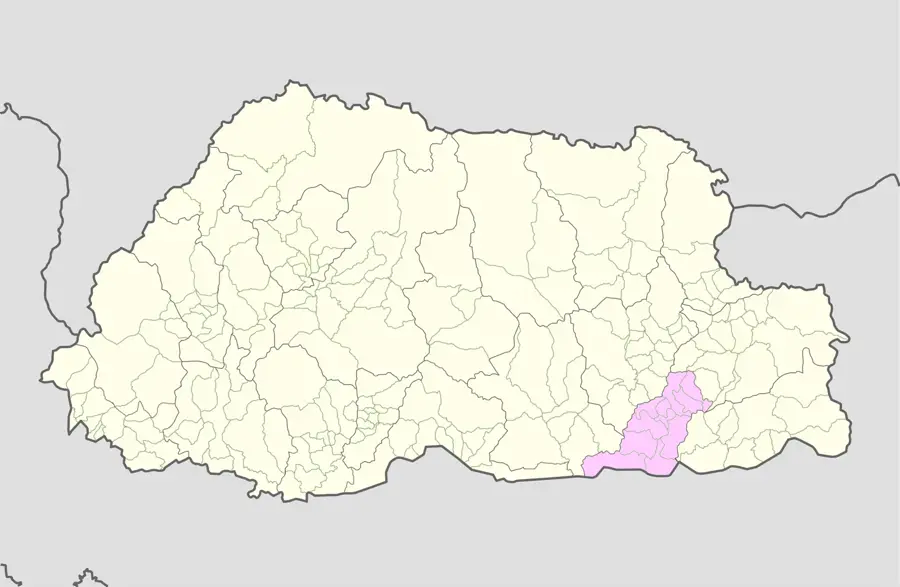
In remote northeastern Bhutan on a cliffside.
What is the region known for?
For excellent weaving art, especially the Kishuthara style.
What connection does it have to the royal family?
It is the ancestral home of the Wangchuck dynasty.
Is the long journey worth it?
Yes, for lovers of pristine culture and nature.
When is the Tshechu festival?
Usually in November or December.
Lhuentse Dzong: where is it located?
Lhuentse Dzong is located in Bhutan.
Lhuentse Dzong: what is there to see?
Highlights include Thimyul Nagtshang, Jangchuling Goendzin Dratshang, Taushing Goenpa.
Lhuentse Dzong: when is the best time to visit?
The most pleasant time to visit is Sep, Nov.
Lhuentse Dzong: why is it worth visiting?

Lhuentse Dzong is majestically situated on a rocky spur overlooking the Kuri Chhu river in northeastern Bhutan.
View on map → The Top 50 Attractions → OpenStreetMap →
Asia
Explore with Plizio Discover more places in Asia
More places in Bhutan →

Nearby cities

History & landmarks
Nature

More places