Plizio Visual Lab

Jigme Dorji National Park
Plizio editorial teamData Sources
national-park
—°
Jigme Dorji National Park (Bhutan)

Weather…

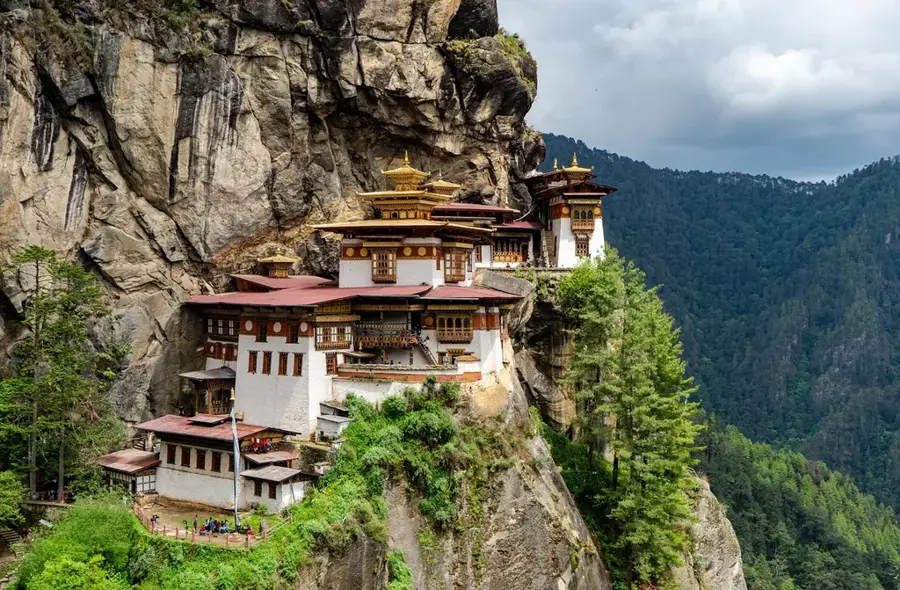
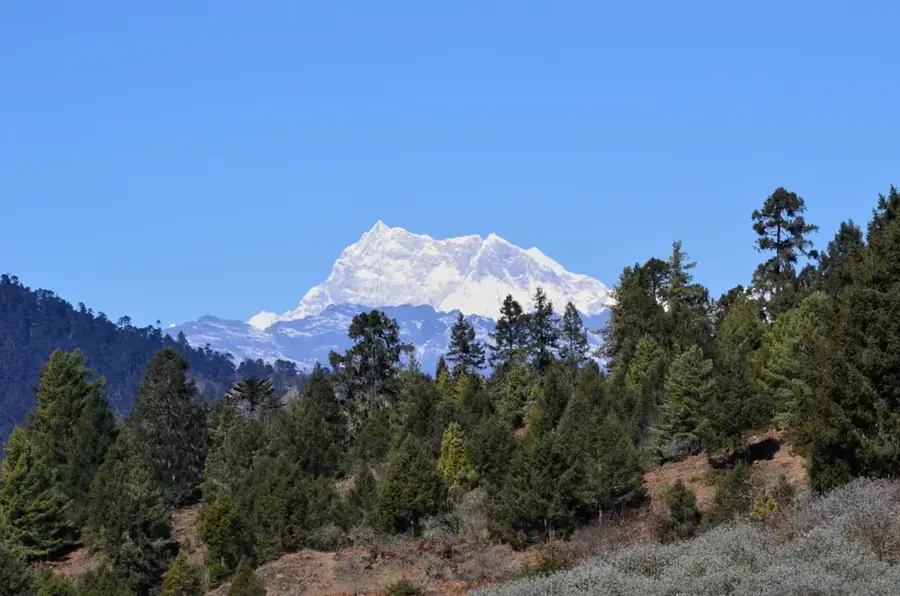
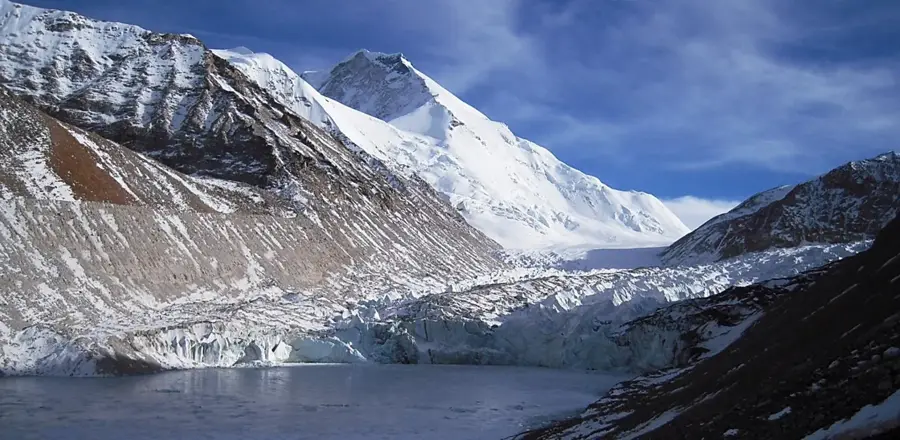
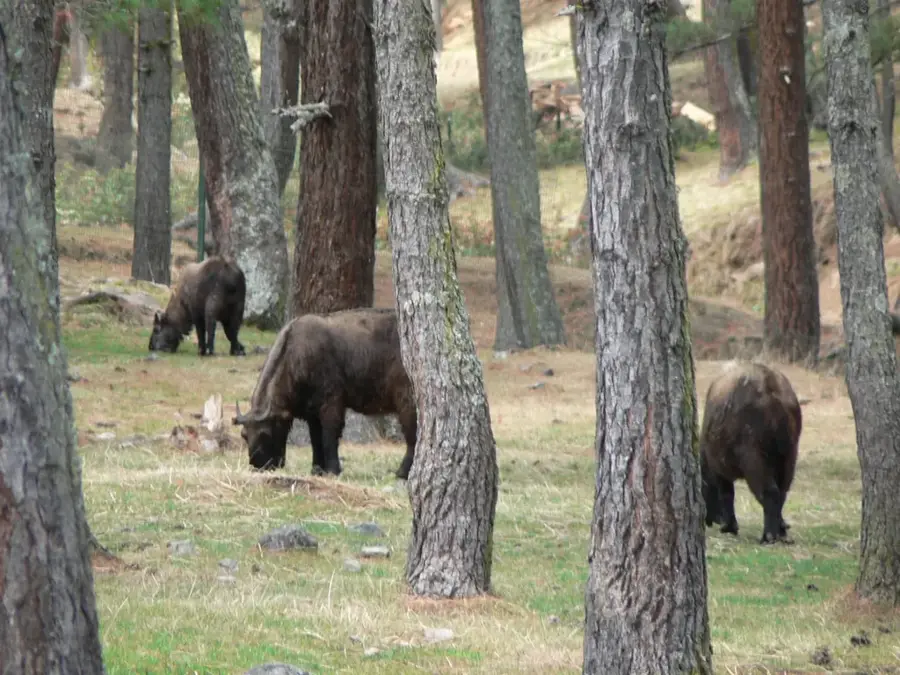
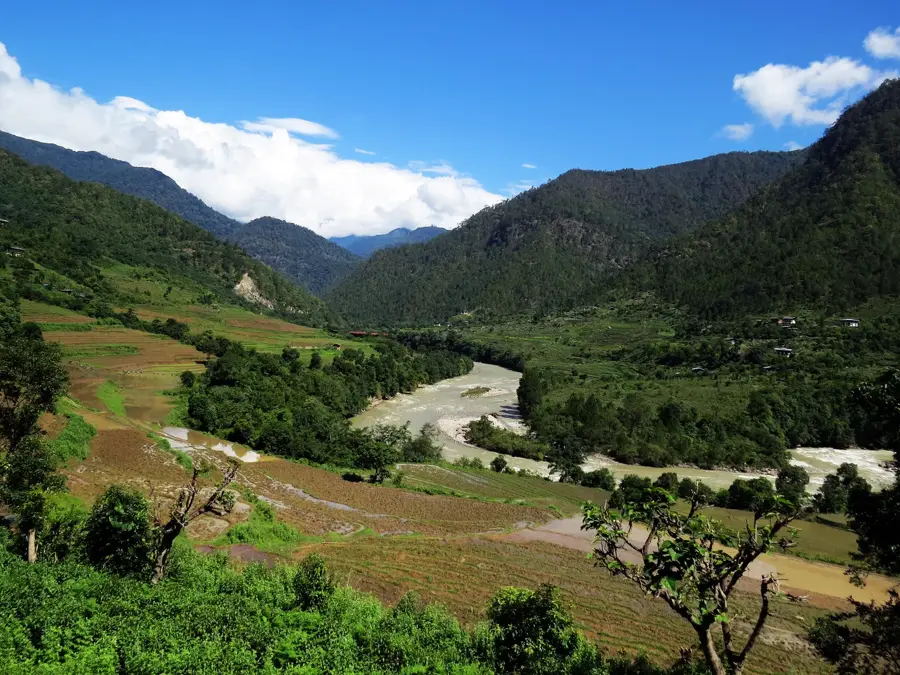
Established in 1974, Jigme Dorji National Park is Bhutan's second-largest national park, spanning an impressive 4,316 square kilometers across seven districts in the country's northwest. Its remarkable altitude range, from 1,400 to over 7,000 meters, encompasses a vast array of ecosystems, from warm broad-leaved forests to perpetual ice fields and glaciers. This ecological diversity supports a rich fauna, including 37 species of mammals. The park is a critical habitat for endangered species such as the snow leopard, the takin (Bhutan's national animal), the Bengal tiger, and the Himalayan black bear. With over 300 species of birds recorded, it is a significant birdwatching destination. Uniquely, the park is also home to about 6,500 people living in rural communities, practicing a subsistence lifestyle in harmony with the environment. It also contains culturally significant sites, including the sacred mountains Jomolhari and Jitchu Drake.

Best time to visit & climate

The most pleasant time to visit is May, Jun, Sep.

JanFebMarAprMayJunJulAugSepOctNovDec
Avg °C-8-7-40378861-3-6
Rain mm3922346283164139722622

📋 Practical info

🧭
Getting there
The country's second largest national park in the northwest is best accessed via guided expeditions from the capital or neighboring larger settlements. Approach roads are often unpaved and can be highly dependent on the weather.
📅
Best season
For a successful sighting of snow leopards and undisturbed hiking, the transitional seasons of spring and autumn are highly recommended. During the winter, many of the higher pass roads can be completely closed due to heavy snowfall.
⛰️
Terrain & paths
This extensive reserve gives extremely challenging terrain with steep climbs and high alpine paths that require significant stamina. Hikers should be well prepared for sudden weather changes in the rugged and unpredictable mountains.
🎒
What to bring
Complete high alpine gear, including windproof and waterproof layers, sturdy trekking poles, and excellent mountaineering boots, is mandatory. Do not forget to pack sufficient provisions, water, and a comprehensive first aid kit.
🅿️
Parking
There are no official parking areas in the remote parts of the park, vehicles typically remain at the respective base camps or starting points. Organizing a safe parking space is most commonly handled by the local tour guide.
⚠️
Safety
The high altitude carries the serious risk of altitude sickness, so slow acclimatization is mandatory before undertaking longer hikes. An emergency beacon and accompaniment by experienced mountain guides are absolutely essential.
⏱️
Time needed
Since the national park covers an immense area, at least five to seven days should be allocated for a serious exploration and wildlife viewing. Shorter visits are usually limited to the extreme outer edges of the protected area.

Geography

Coordinates
28.00000, 89.50000

Facts

  • Established in 1974.
  • Covers over 4,300 km².
  • Unique habitat for takins.

Explore nearby

Notable places around
Route planner — Car & Motorhome

Where do you start? We build the route here, with stops and country notes along the way.

Vehicle
Only stops with (optional):

© OpenStreetMap contributors · OpenRouteService

Sights nearby

Frequently asked questions

What animals can be seen in the park?
With luck, you can see takins, snow leopards, tigers, and red pandas.
Do I need a special permit?
Yes, an official permit is required to enter the national park.
What is the best trekking season?
The best months are April to June and September to November.
Are there accommodations in the park?
Accommodation is usually in tents at designated campsites.
How large is the national park?
It covers 4,316 km² and is the second-largest park in Bhutan.
Jigme Dorji National Park: where is it located?
Jigme Dorji National Park is located in Bhutan.
Jigme Dorji National Park: when is the best time to visit?
The most pleasant time to visit is May, Jun, Sep.
Jigme Dorji National Park: why is it worth visiting?

Established in 1974, Jigme Dorji National Park is Bhutan's second-largest national park, spanning an impressive 4,316 square kilometers across seven districts in the country's northwest.
View on map → The Top 50 Attractions → OpenStreetMap →
Asia
Explore with Plizio Discover more places in Asia
More places in Bhutan →

Nearby cities

History & landmarks
Nature
More places