Plizio Visual Lab

Teri Kang
Plizio editorial teamData Sources
Mountain
—°
Teri Kang (Bhutan)

Weather…

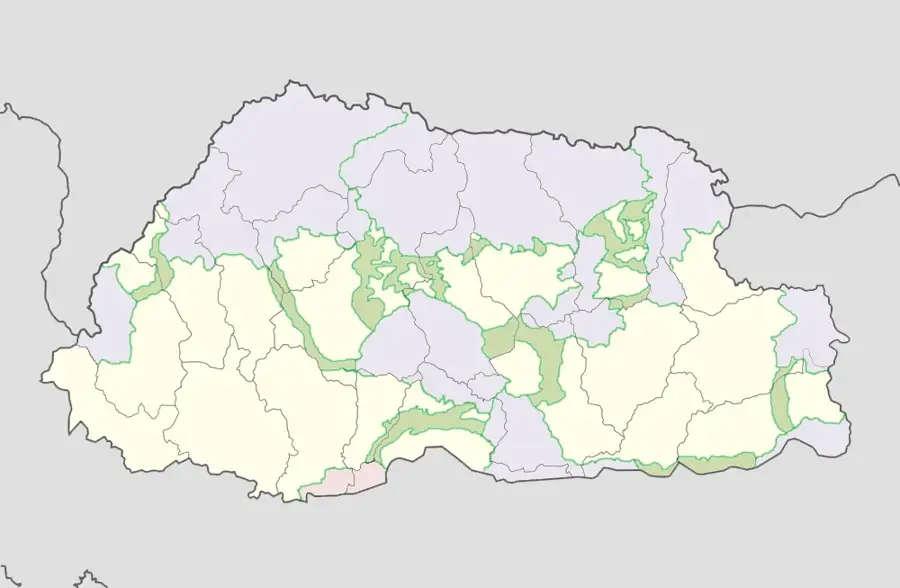
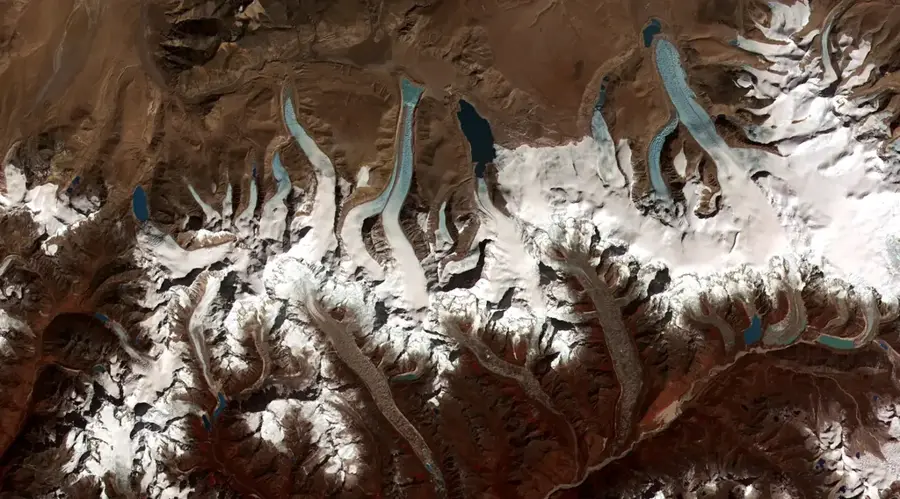
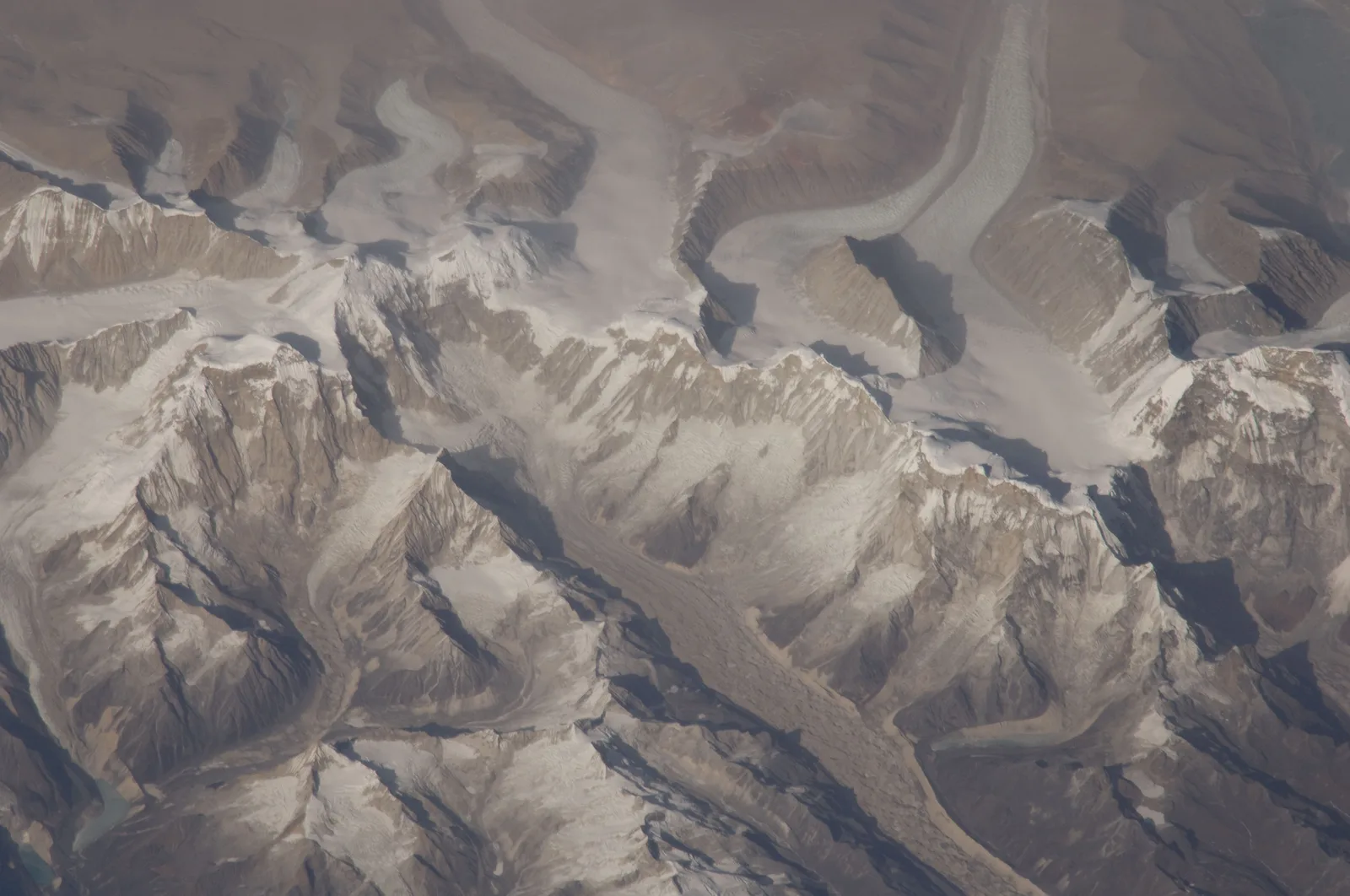
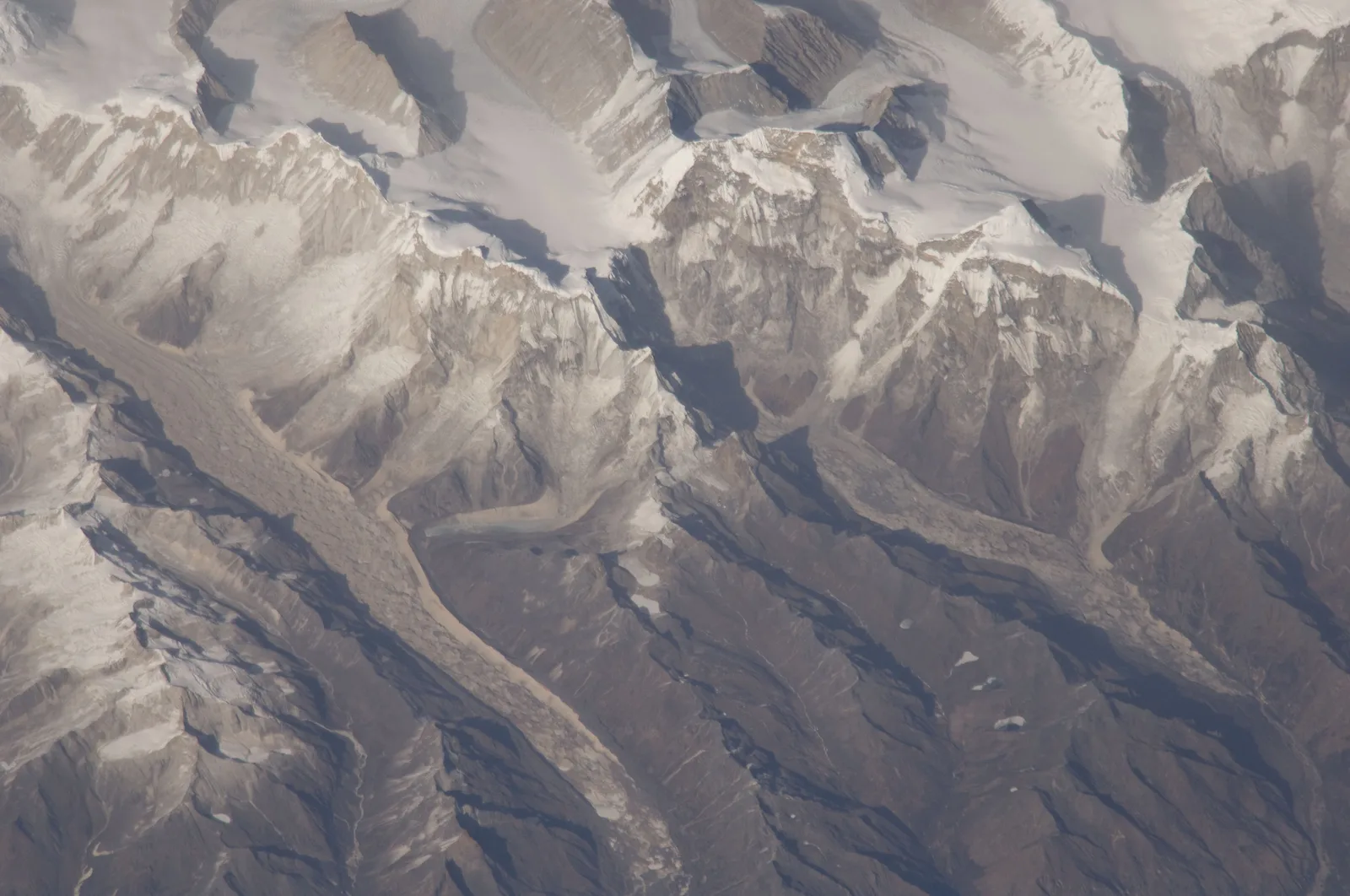
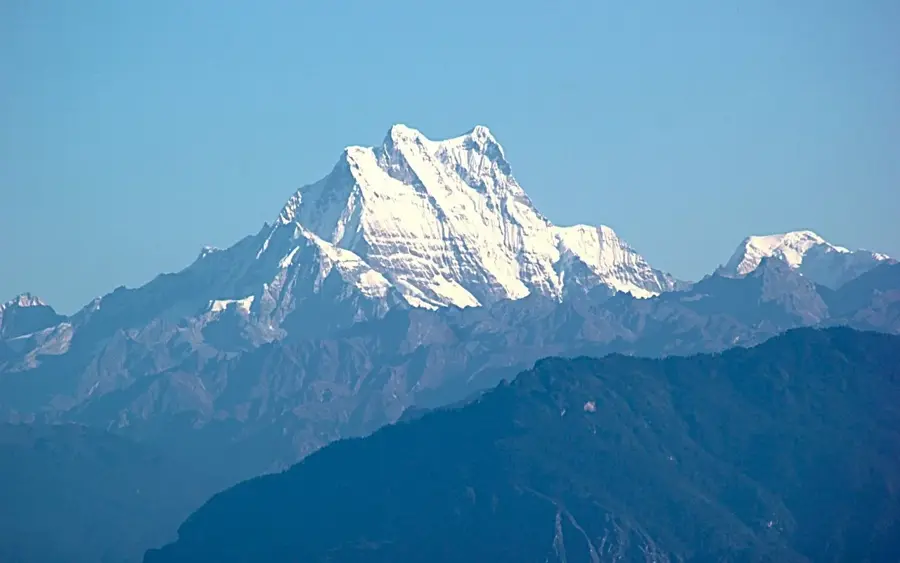
Teri Kang is a peak in the Lunana region of northern Bhutan, reaching an elevation of 7,124 meters. It is part of the Jigme Dorji National Park and is located in close proximity to other significant seven-thousanders like Tongshanjiabu and Kangphu Kang. The mountain is situated entirely within Bhutanese territory. Teri Kang is a technically challenging peak, surrounded by extensive glaciers and steep ice walls. Its remote location, deep in the heart of the Himalayas, makes expeditions there a logistical challenge. The region is known for its extreme weather conditions and pristine wilderness. Although there have been attempts to climb the peak, its ascent status remains controversial or unconfirmed, making it one of the coveted goals for alpinists seeking untouched challenges. The landscape around Teri Kang is characterized by moraine lakes and high passes that are part of the famous Snowman Trek.

Best time to visit & climate

The most pleasant time to visit is Jun, Sep, Oct.

JanFebMarAprMayJunJulAugSepOctNovDec
Avg °C-10-8-6-2267650-4-7
Rain mm3820366391168140722722

📋 Practical info

🧭
Getting there
Access to Teri Kang is extremely challenging and requires a multi-week expedition through remote glacial valleys in northern Bhutan. Only experienced mountaineers with special permits can reach this secluded peak.
📅
Best season
The best windows for expeditions are the pre-monsoon spring (April-May) and the post-monsoon autumn (September-October). In winter, extreme cold and heavy snowfall make access to the high glacial valleys impossible.
⛰️
Terrain & paths
The terrain is high-alpine, featuring steep ice walls, deep crevasses, and rugged rocky ridges hidden in glacial valleys. Mountaineers must be technically skilled to navigate safely on frozen and unstable surfaces.
🎒
What to bring
Full high-altitude mountaineering gear is required, including crampons, ice axes, ropes, and specialized cold-weather clothing. As expeditions are self-sufficient, tents and all supplies must be carried along.
🅿️
Parking
There are no parking facilities near the mountain; the last vehicle-accessible point is many days' trek away. Vehicles must be left securely in lower-altitude towns or with your organized trekking provider.
⚠️
Safety
Altitude sickness is the primary risk due to the extreme elevation above 7,000 meters. Avalanche hazards, sudden weather changes, and extreme isolation make any rescue operation exceptionally difficult and lengthy.
⏱️
Time needed
A full expedition to Teri Kang typically lasts between 3 to 5 weeks, including essential acclimatization phases. The trek to the base camp alone often takes more than a week through the rugged glacial valleys.

Geography

Coordinates
28.16670, 89.98330

Facts

  • Height is 7125 meters.
  • Part of Jigme Dorji National Park.

Explore nearby

Notable places around

Route planner — Car & Motorhome

Where do you start? We build the route here, with stops and country notes along the way.

Vehicle
Only stops with (optional):

© OpenStreetMap contributors · OpenRouteService

Sights nearby

Frequently asked questions

What is the significance of Teri Kang?
It is one of the majestic peaks of the Bhutanese Himalayas.
How high is this mountain?
It reaches a height of about 7,124 meters.
Is a permit needed for the region?
Yes, a special visa is required to enter these border zones.
Can wildlife be seen there?
With a lot of luck, you might spot blue sheep or even snow leopards.
Is there mobile reception there?
No, at this extreme altitude, there is no mobile network coverage.
Teri Kang: where is it located?
Teri Kang is located in Bhutan.
Teri Kang: when is the best time to visit?
The most pleasant time to visit is Jun, Sep, Oct.
Teri Kang: why is it worth visiting?
Teri Kang is a peak in the Lunana region of northern Bhutan, reaching an elevation of 7,124 meters.
View on map → The Top 50 Attractions → OpenStreetMap →
Asia
Explore with Plizio Discover more places in Asia
More places in Bhutan →

Nearby cities

History & landmarks
Nature
More places