Plizio Visual Lab

Lugge Tsho
Plizio editorial teamData Sources
Lake
—°
Lugge Tsho (Bhutan)

Weather…

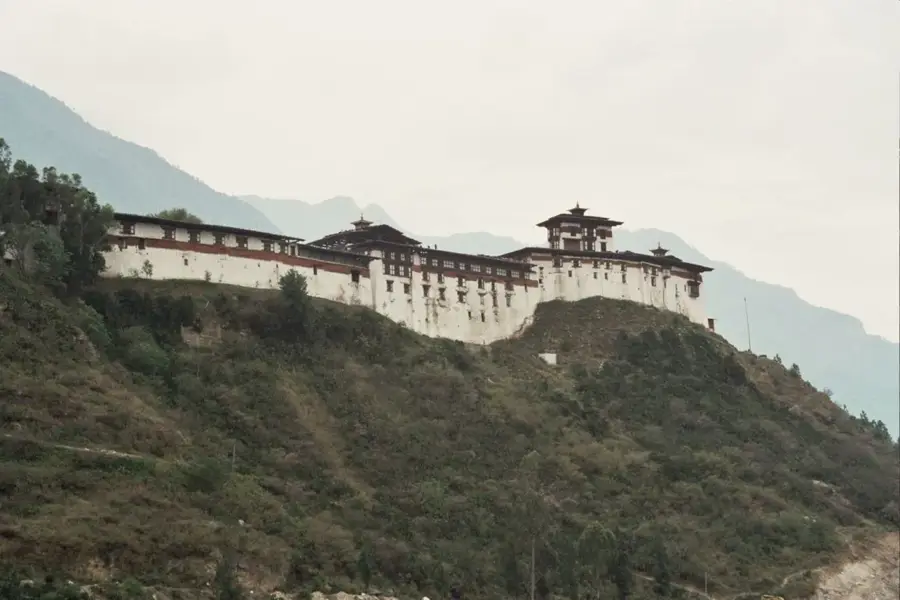
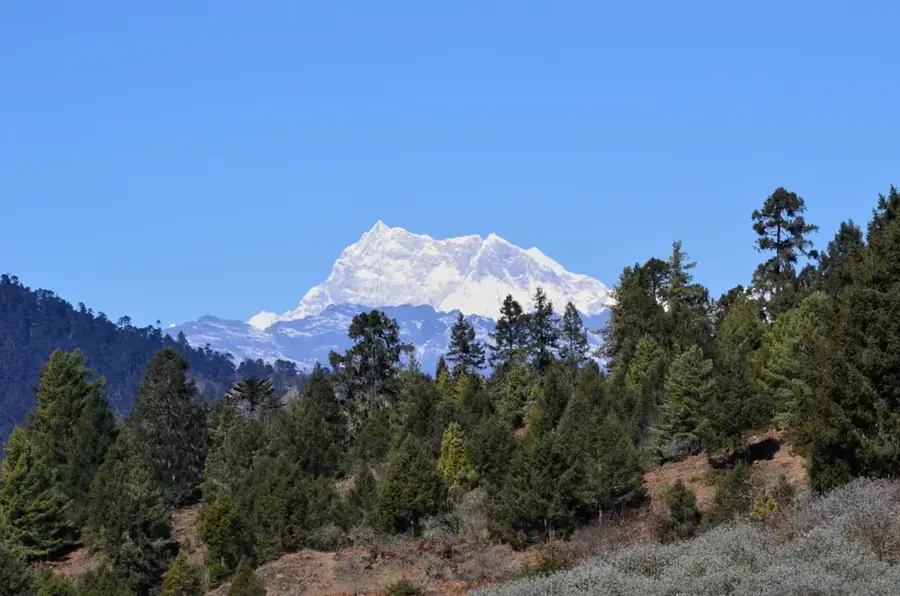
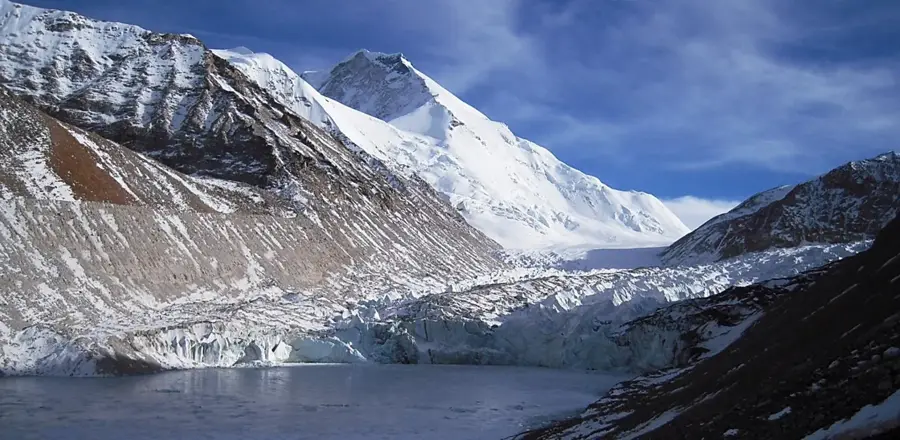
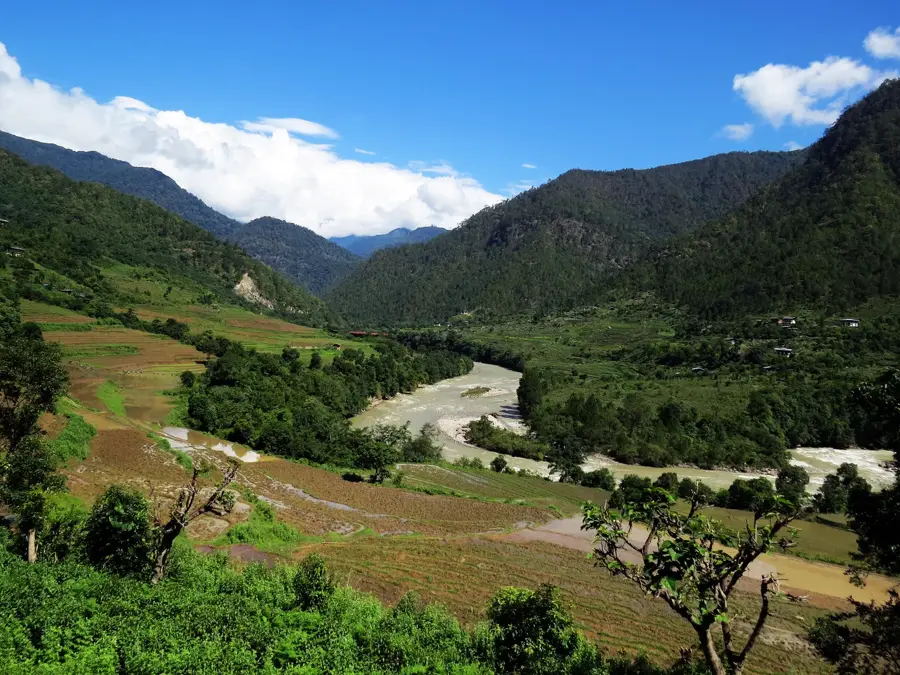
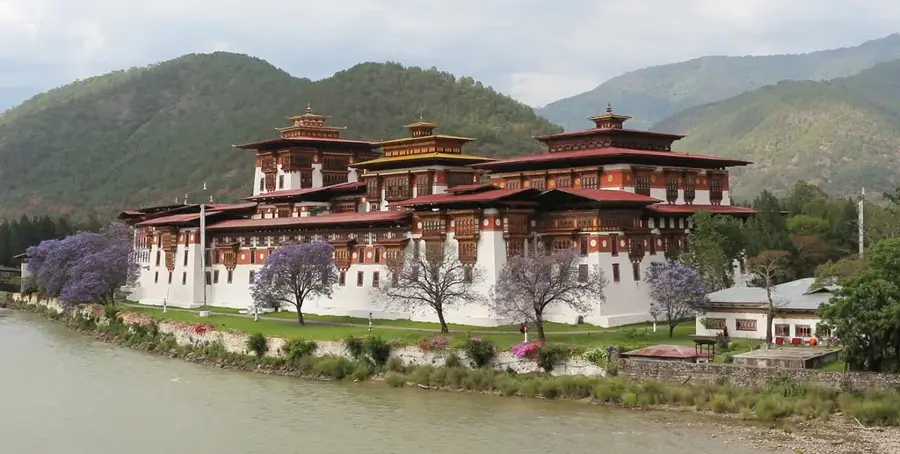
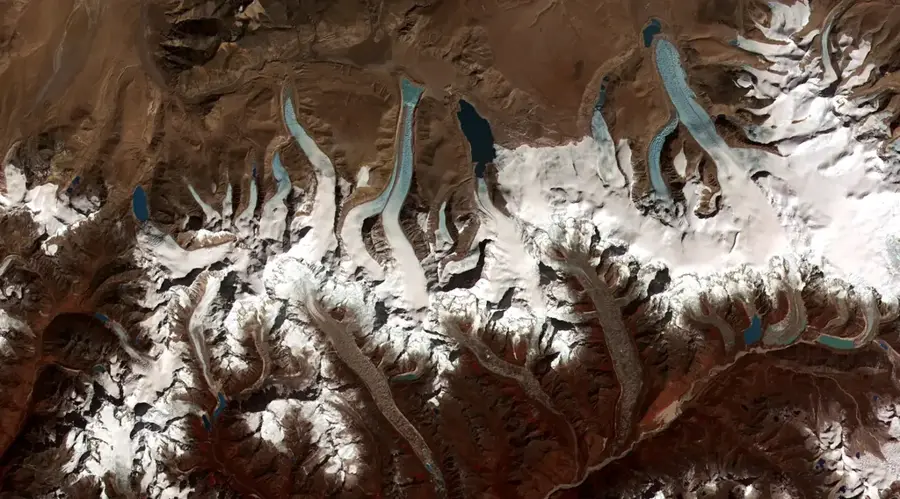
Lugge Tsho is a glacial lake in the Lunana region that gained tragic fame when it burst on October 7, 1994. This Glacial Lake Outburst Flood (GLOF) resulted in a devastating flood wave down the Pho Chhu valley, reaching as far as Punakha. The flood claimed over 20 lives and caused enormous damage to property, farmland, and infrastructure, including the partial destruction of Punakha Dzong. The event alerted Bhutan and the world to the growing danger posed by climate change in high-altitude regions. In response, early warning systems were installed, and efforts were made to identify and monitor other dangerous lakes. The Lugge Tsho outburst remains a stark reminder of the latent danger posed by the melting glaciers of the Himalayas.

Best time to visit & climate

The most pleasant time to visit is Jun, Aug, Sep.

JanFebMarAprMayJunJulAugSepOctNovDec
Avg °C-11-10-7-315654-1-5-9
Rain mm3717376296159127692732

📋 Practical info

🧭
Getting there
This dangerous glacial lake is typically reached via challenging, high-altitude trekking routes deep within the Lunana region. The trails are extremely remote and necessitate professional logistical support to navigate.
📅
Best season
The trekking season is usually restricted to the dry and clear months of autumn or late spring to avoid heavy monsoon downpours. Harsh winter conditions typically render the high mountain passes completely impassable.
⛰️
Terrain & paths
The rugged environment is dominated by unstable glacial moraines, loose scree slopes, and icy expanses. Visitors must carefully traverse uneven and potentially fragile ground near the precarious moraine walls.
🎒
What to bring
High-quality trekking boots with excellent ankle support are essential for safely navigating the rocky moraines. Layered cold-weather clothing and reliable emergency communication devices are strongly recommended.
🅿️
Parking
Vehicles must be left far away at the final roadheads before the long trek into the Lunana region begins. Pack horses generally take over the heavy transport from the nearest drivable settlements.
⚠️
Safety
Extreme caution is required due to the historical risk of sudden moraine breaches and catastrophic flash floods. Strict adherence to local guide warnings and staying well clear of unstable banks is absolutely mandatory.
⏱️
Time needed
A visit to this location is typically part of a long-distance high-altitude trekking itinerary lasting several weeks. Spending just a few hours directly at the lake is usual before moving on to safer camping grounds.

Geography

Coordinates
28.05000, 90.25000

Facts

  • Outburst occurred in 1994.
  • Part of an unstable chain of lakes.
  • Is artificially drained in parts.

Explore nearby

Notable places around
Route planner — Car & Motorhome

Where do you start? We build the route here, with stops and country notes along the way.

Vehicle
Only stops with (optional):

© OpenStreetMap contributors · OpenRouteService

Sights nearby

Frequently asked questions

What incident occurred at Lugge Tsho in 1994?
A devastating glacial lake outburst caused severe flooding in the valley.
How do you reach Lugge Tsho?
Only via multi-day, difficult high-mountain trekking routes.
Is the lake considered sacred?
Like many lakes in Bhutan, it is respected by the local population.
What is the best season for a trek there?
September and October offer the most stable weather after the monsoon.
Are there camping facilities there?
You must bring your own complete camping equipment.
Lugge Tsho: where is it located?
Lugge Tsho is located in Bhutan.
Lugge Tsho: when is the best time to visit?
The most pleasant time to visit is Jun, Aug, Sep.
Lugge Tsho: why is it worth visiting?
Lugge Tsho is a glacial lake in the Lunana region that gained tragic fame when it burst on October 7, 1994.
View on map → The Top 50 Attractions → OpenStreetMap →
Asia
Explore with Plizio Discover more places in Asia
More places in Bhutan →

Nearby cities

History & landmarks
Nature
More places