Attractions in Uzbekistan
The finest attractions in Uzbekistan at a glance: castles, natural wonders, historic old towns and more. Each place links to a detailed page with map, tips and photos.
Culture & History
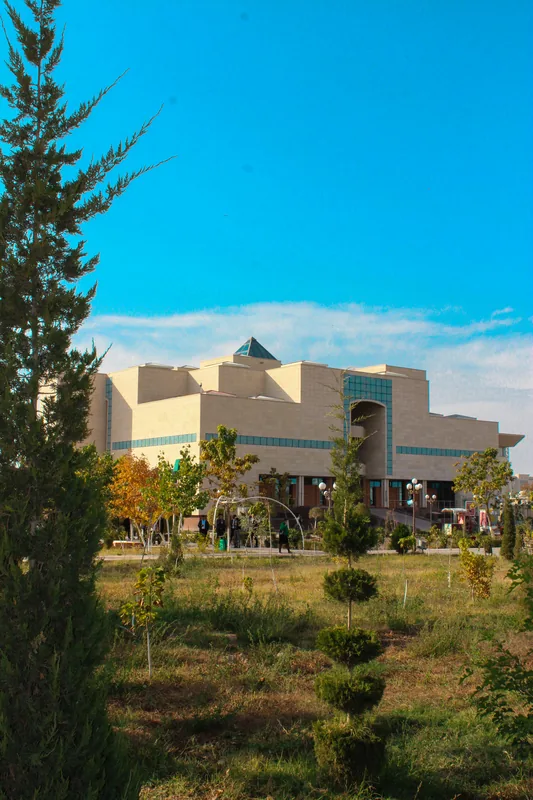
Savitsky Art Museum
This museum in Nukus houses the world's second-largest collection of Russian avant-garde art, rescued from Soviet censorship.
Learn more →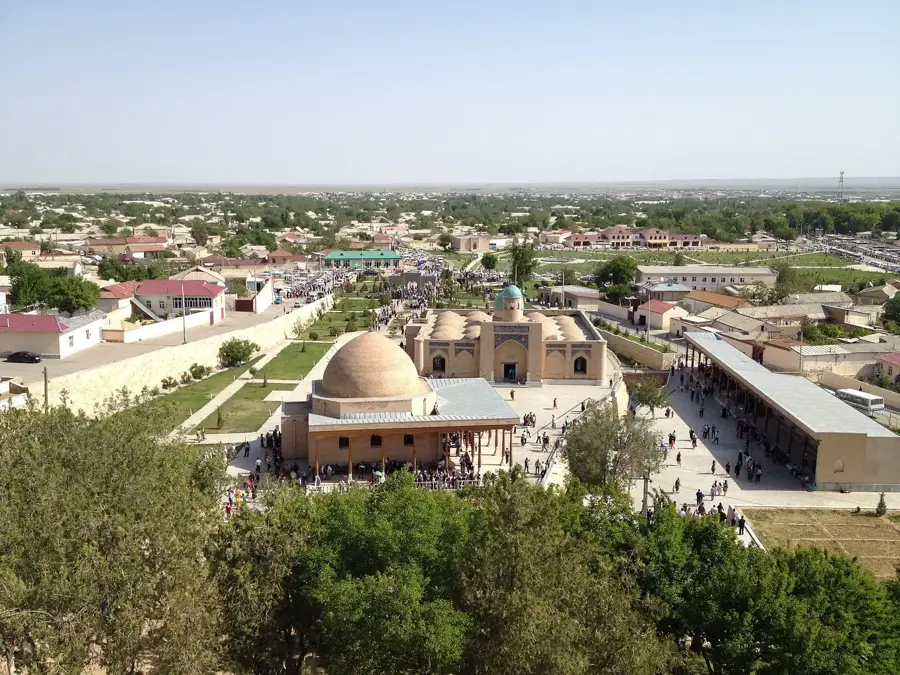
Nurata
An ancient oasis city at the foot of the Nurata Mountains, famous for its sacred spring and the ruins of Alexander the Great's fortress.
Learn more →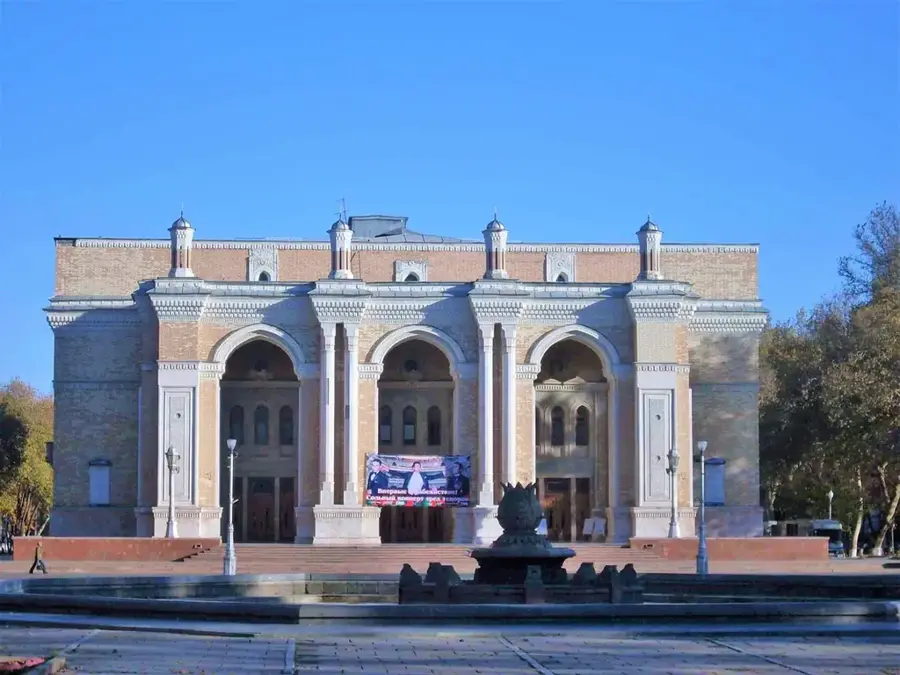
Navoi Theater
The national opera and ballet theater is named after the poet Alisher Navoi and boasts impressive classical architecture.
Learn more →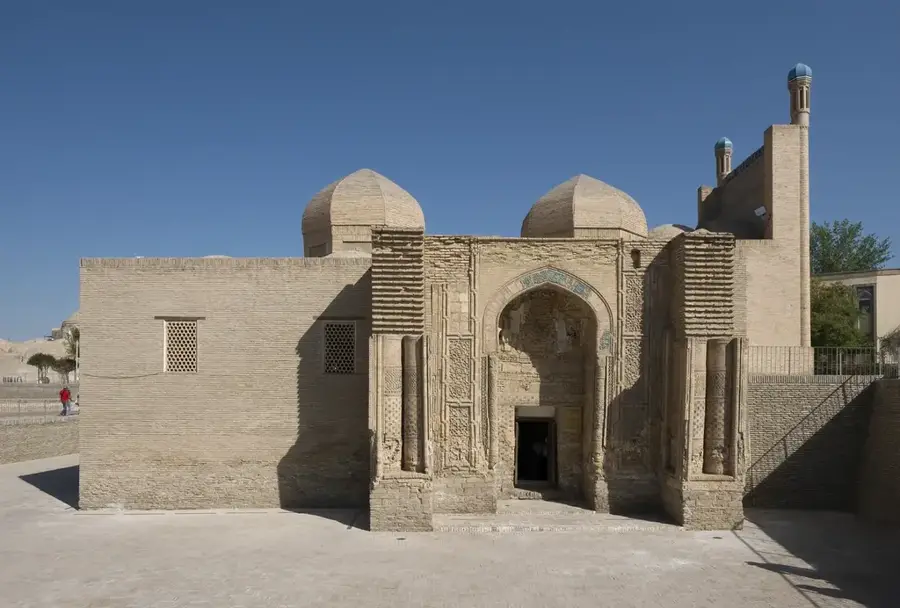
Magok-i-Attari
One of the oldest surviving mosques in Bukhara, situated below ground level and showing pre-Islamic influences.
Learn more →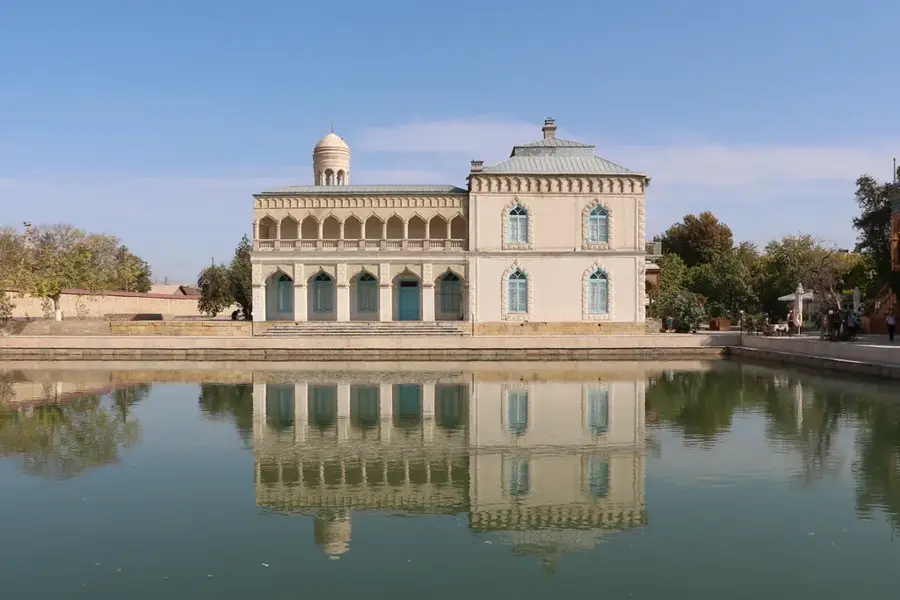
Sitorai Mokhi-Khosa
The summer palace of the last Emir of Bukhara fascinatingly combines Oriental and Russian architectural styles.
Learn more →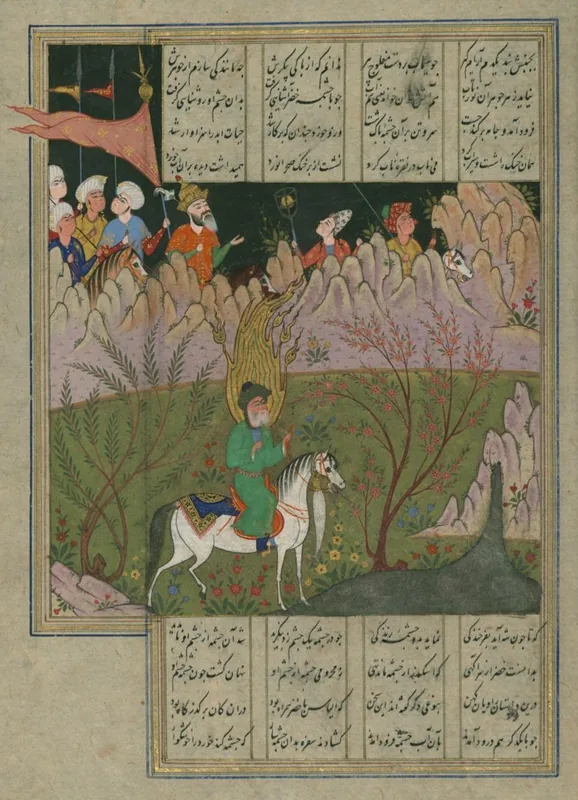
Hazrat Khizr Mosque
A picturesque mosque on a hill in Samarkand, known for its beautiful wooden porch and views of the city.
Learn more →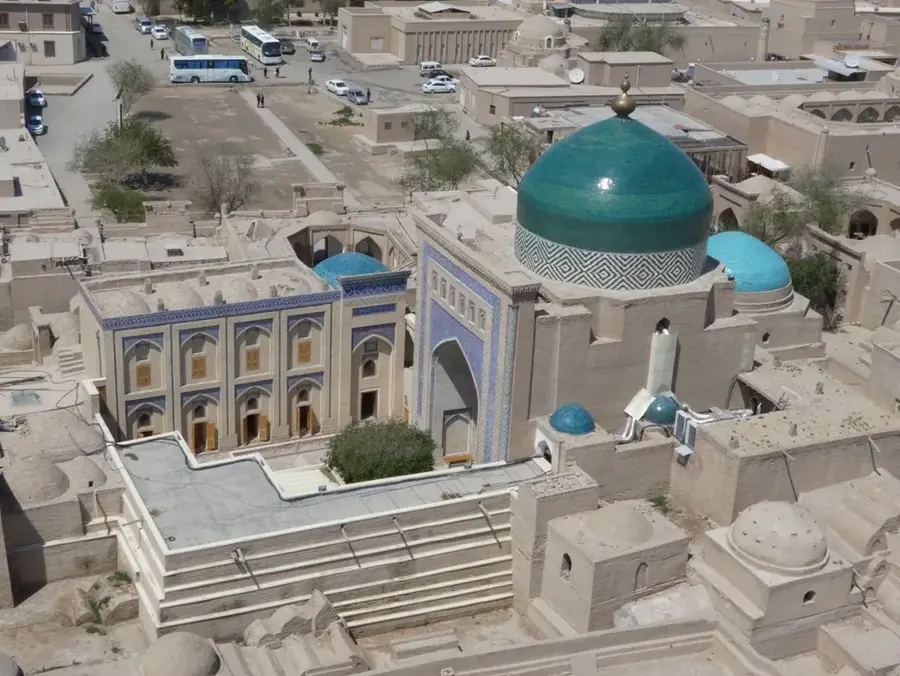
Pahlavan Mahmud Mausoleum
The tomb of the patron saint of Khiva is famous for its spectacular green dome and richly decorated interior.
Learn more →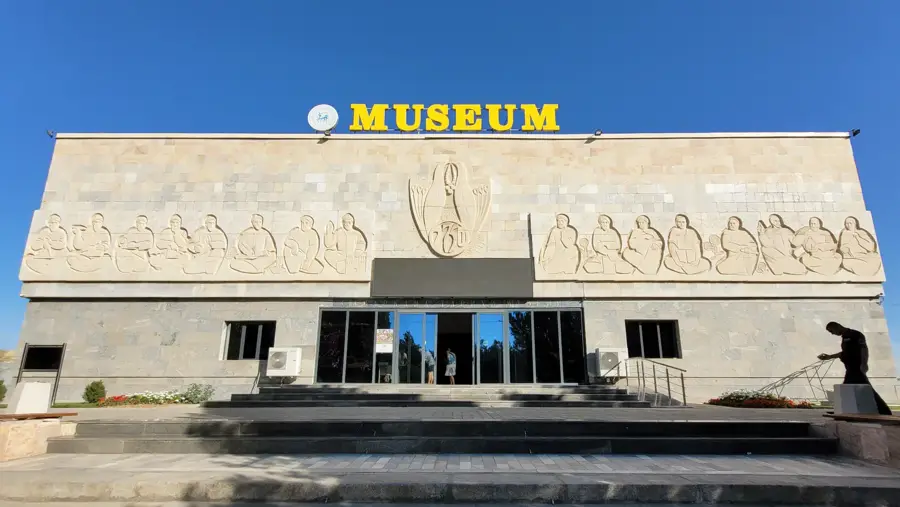
Afrosiyob Museum
The museum displays artifacts from the ancient city of Marakanda, including fascinating frescoes from the Sogdian palace.
Learn more →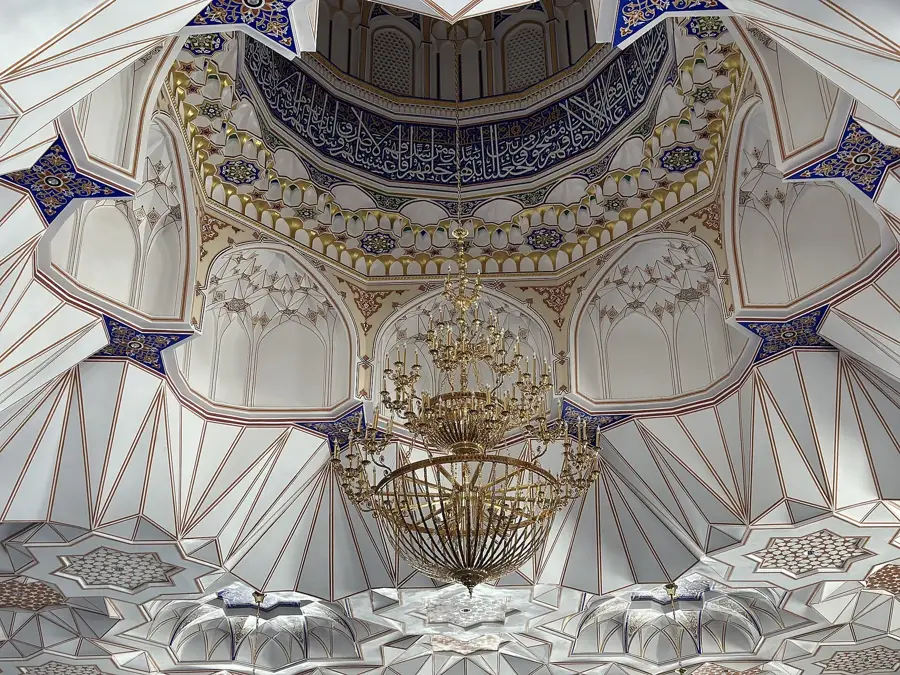
Gijduvan
The center of Uzbek ceramic art, famous for its unique pottery school and the historic Ulugbek Madrasah.
Learn more →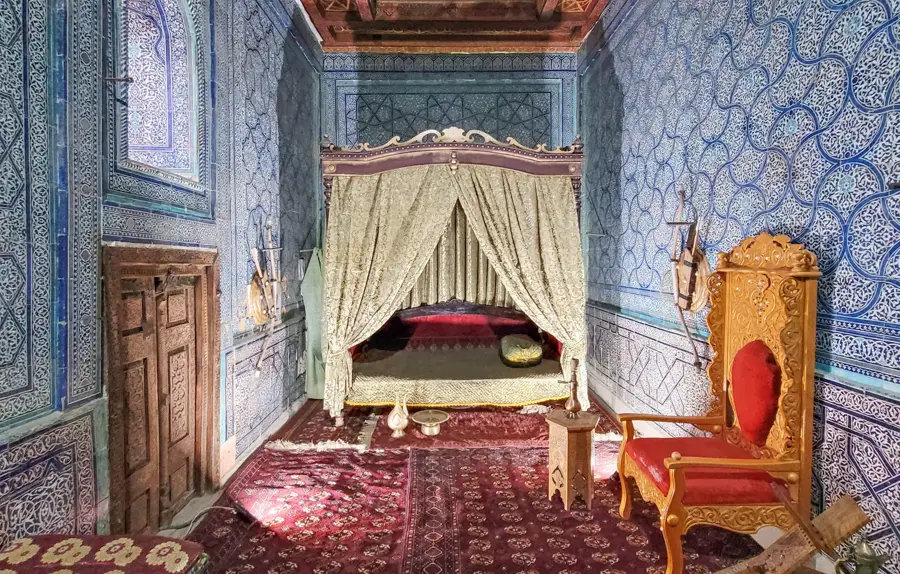
Tash-Khauli Palace
The "Stone Courtyard" palace in Khiva is known for its intricate wooden decorations and magnificent tile ornaments.
Learn more →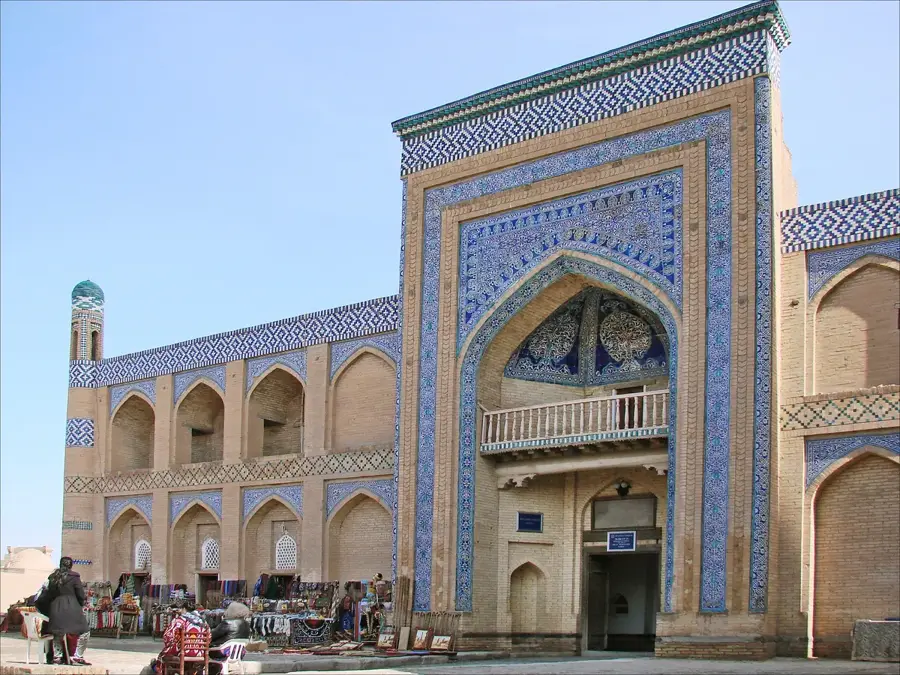
Islam Khoja Minaret
The tallest minaret in Khiva, dominating the skyline of the historic old town with its elegant, tapering form.
Learn more →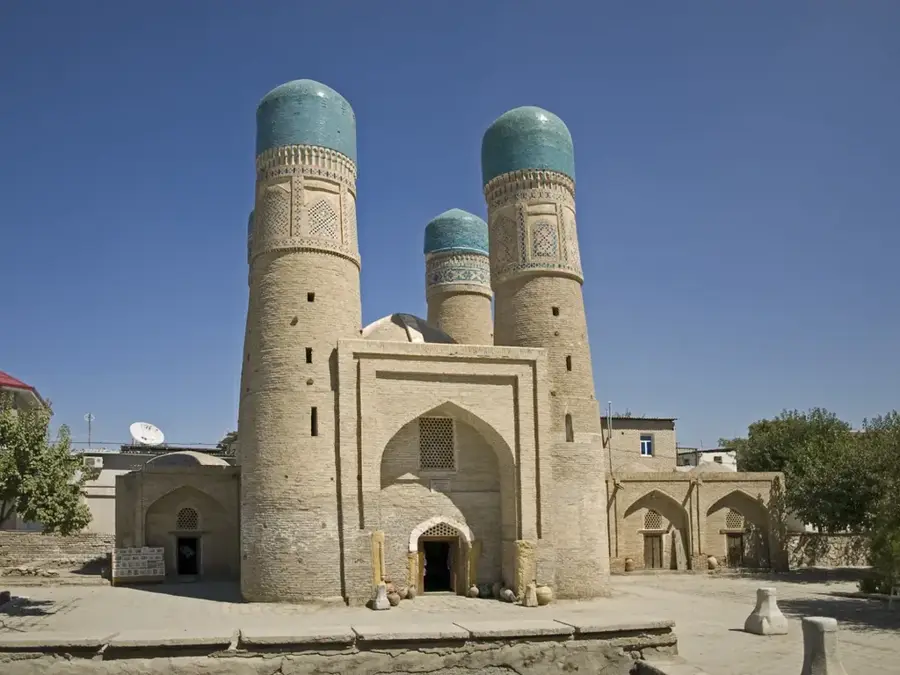
Minor Mosque
A relatively new mosque built entirely of white marble, located on the banks of a canal in Tashkent.
Learn more →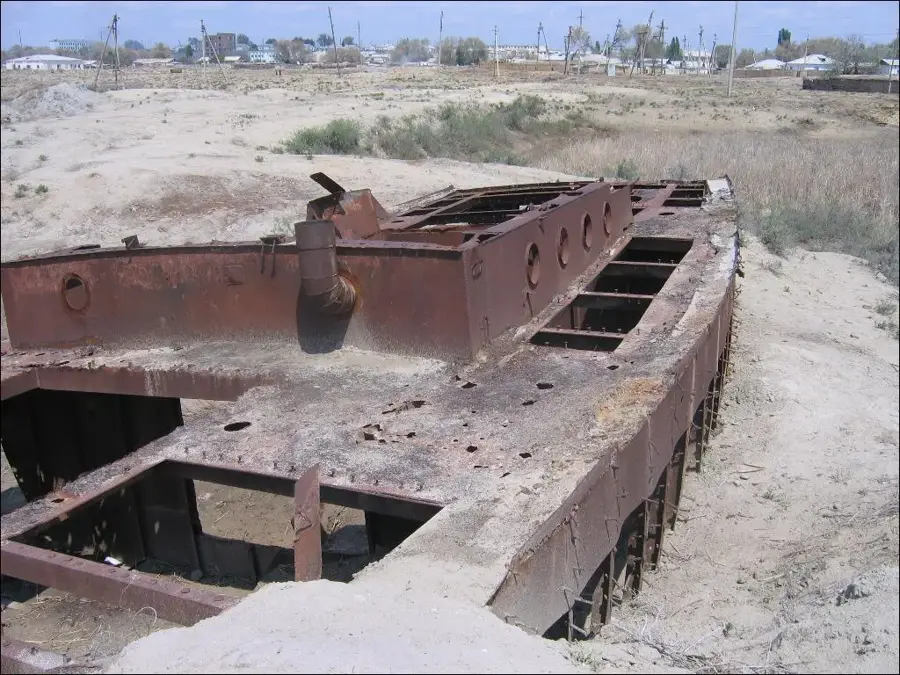
Moynaq
A former port city on the Aral Sea, now famous for the 'Cemetery of Ships' in the dried-up desert.
Learn more →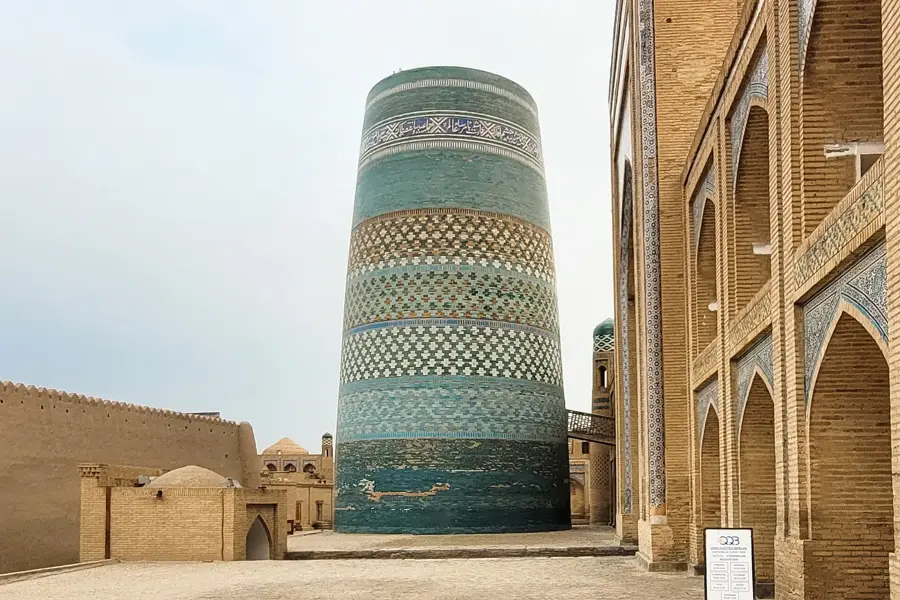
Kalta Minor
An unfinished minaret in Khiva, completely covered in stunning turquoise tiles.
Learn more →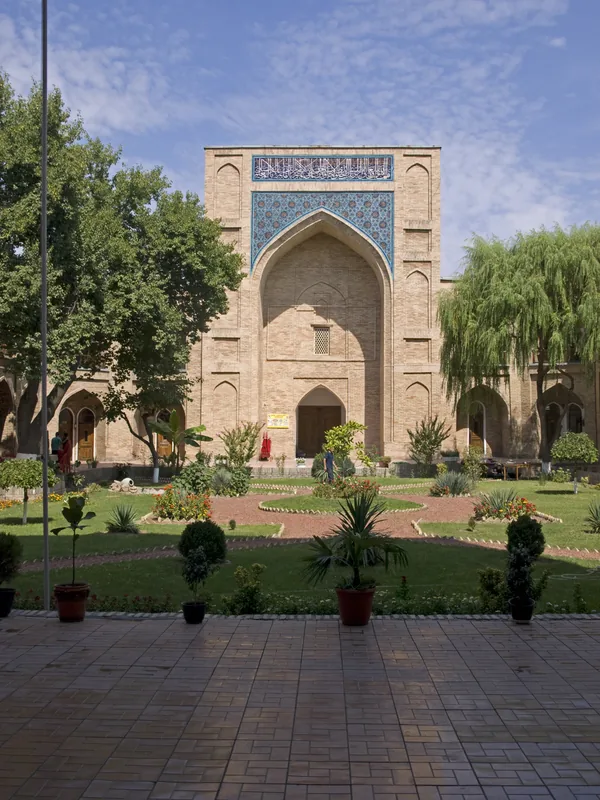
Kukeldash Madrasah
A 16th-century Islamic school located near the Chorsu Bazaar in Tashkent.
Learn more →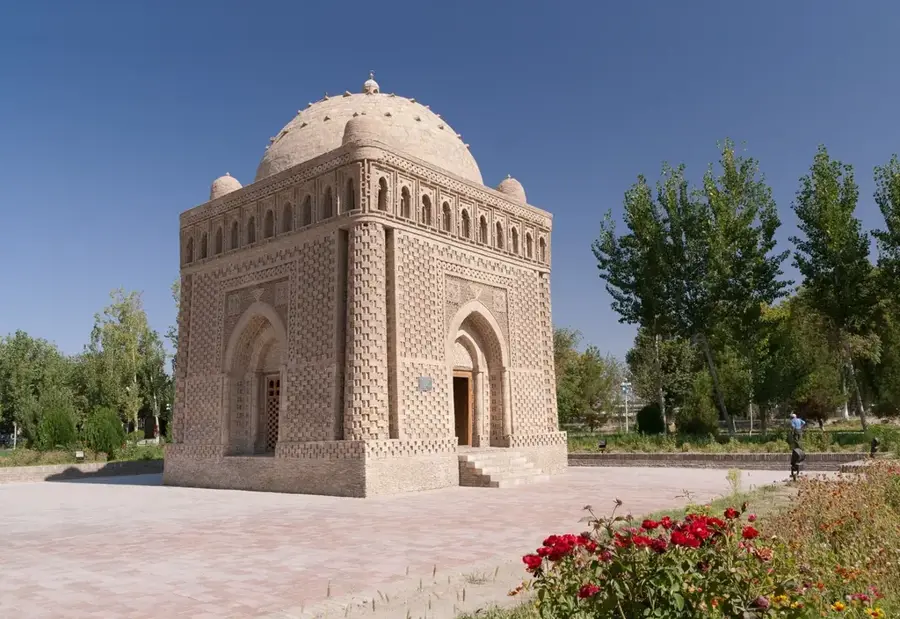
Samanid Mausoleum
An architectural jewel in Bukhara, considered one of the oldest and most important buildings in Central Asian architecture.
Learn more →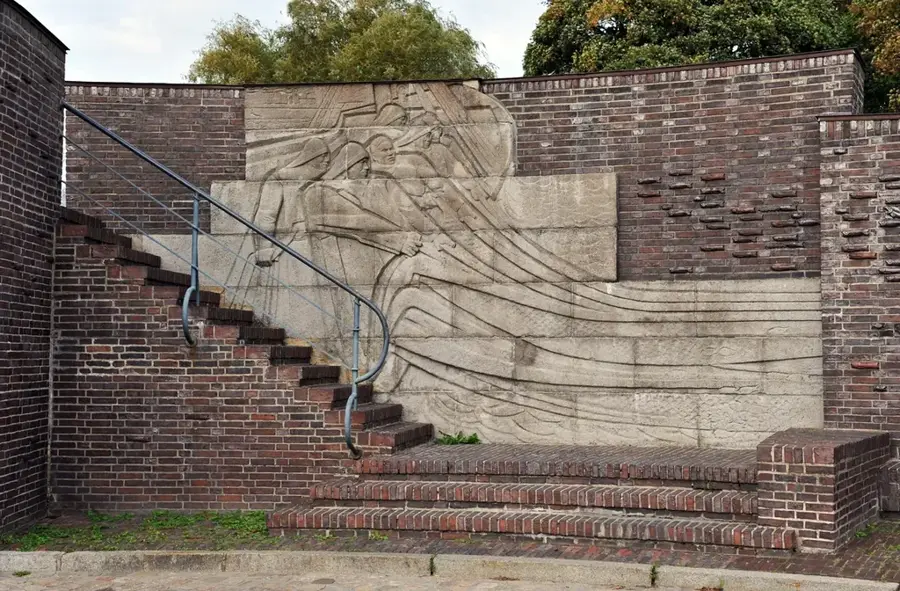
Monument of Courage
This monument commemorates the devastating earthquake of 1966 and the rebuilding of the city by its brave residents.
Learn more →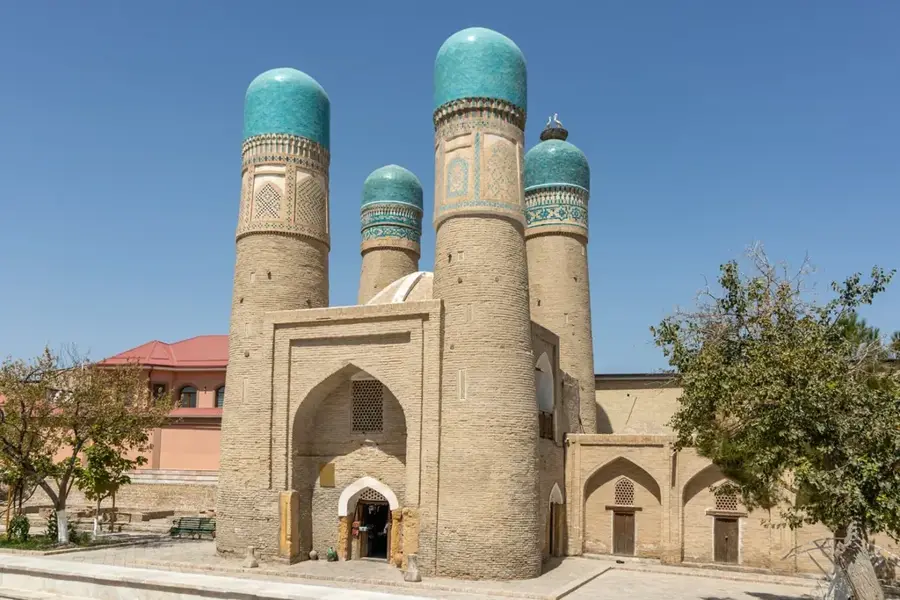
Chor Minor
A charming and unusual gatehouse in Bukhara, known for its four distinctive blue-tiled domes.
Learn more →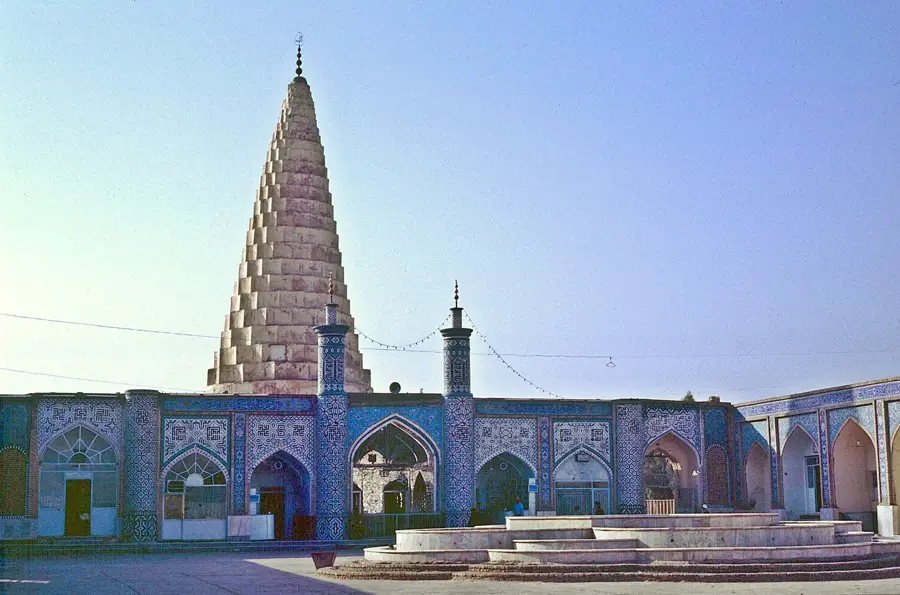
Mausoleum of Prophet Daniel
A significant pilgrimage site in Samarkand, revered equally by Muslims, Christians, and Jews.
Learn more →Nature
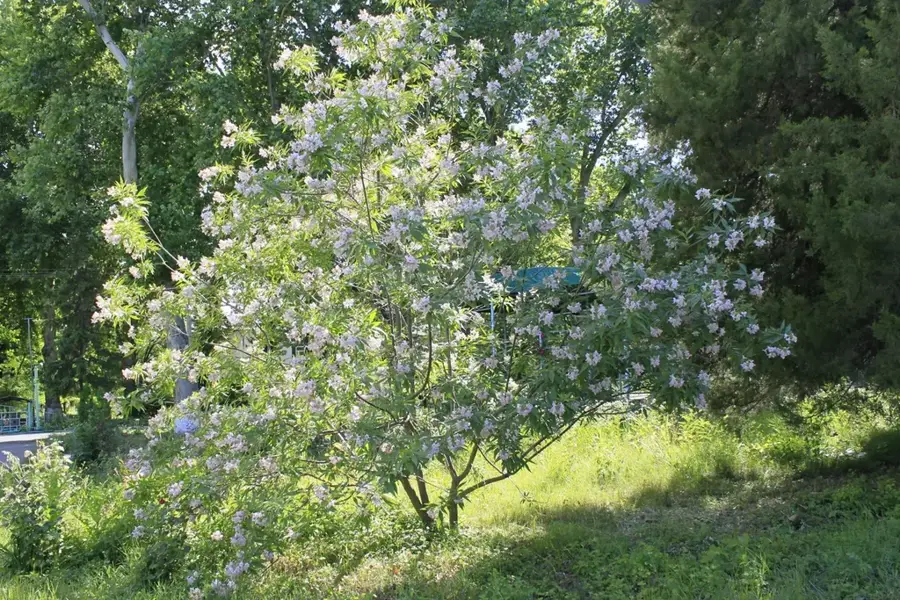
Tashkent Botanical Garden
One of the largest and oldest botanical gardens in Central Asia, offering an immense variety of plant species.
Learn more →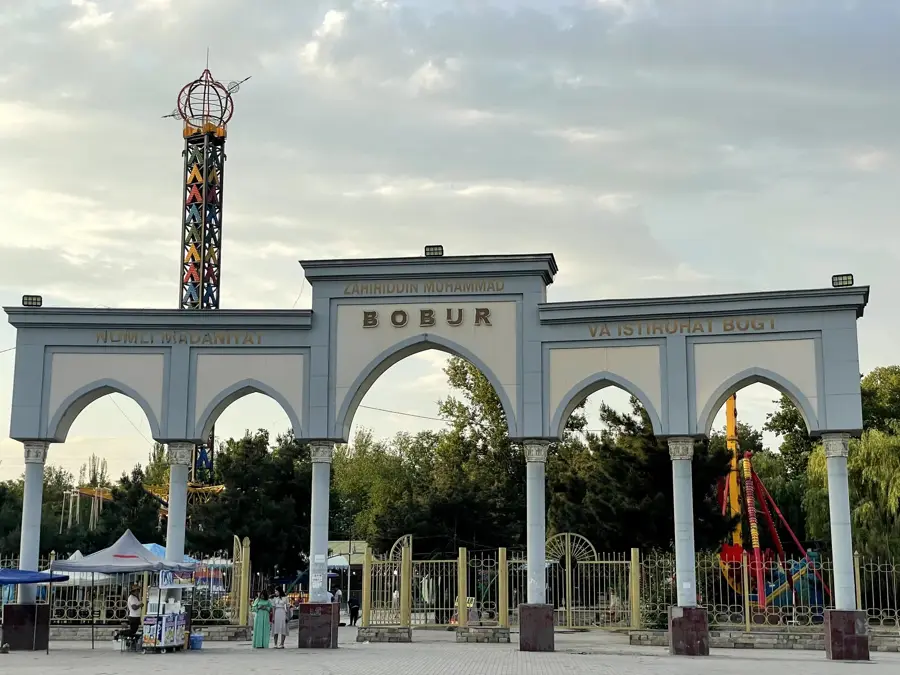
Namangan Flower Park
A spectacular park in the Fergana Valley that showcases millions of flowers every spring for a famous festival.
Learn more →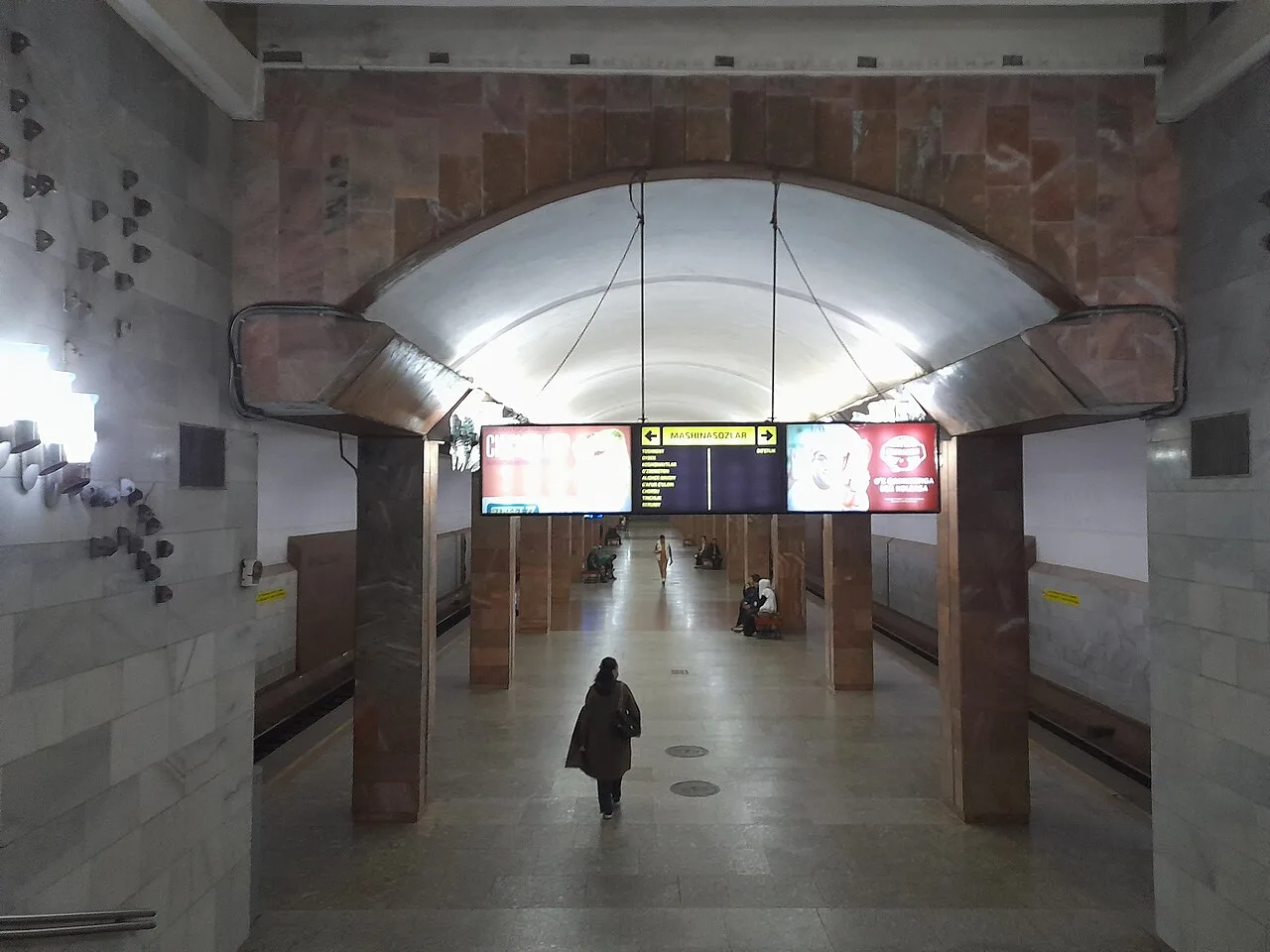
Ashgabat Park
An ultramodern recreation park in Tashkent, built as a symbol of friendship between Uzbekistan and Turkmenistan.
Learn more →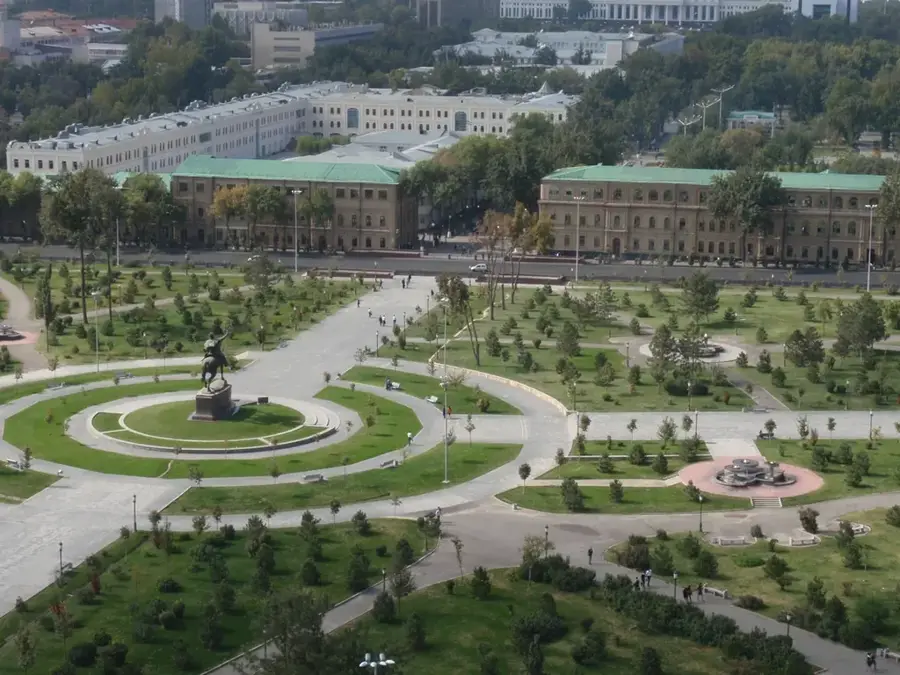
Amir Timur Square
A star-shaped park and square in the center of Tashkent, surrounding a famous equestrian statue of the conqueror.
Learn more →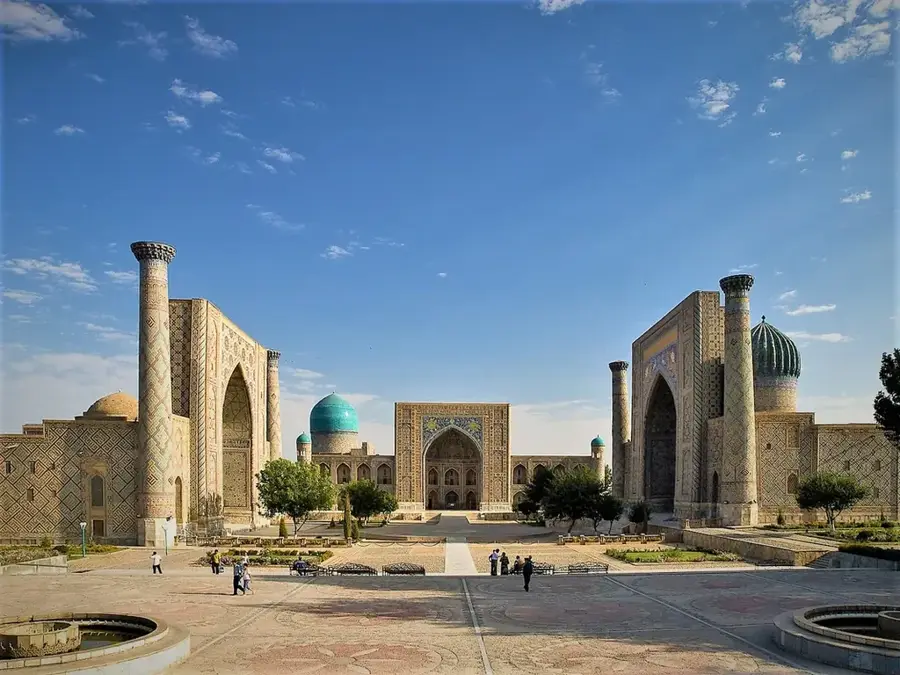
Samarkand Central Park
The green lung in the heart of the historic city, where locals relax under shady trees and by fountains.
Learn more →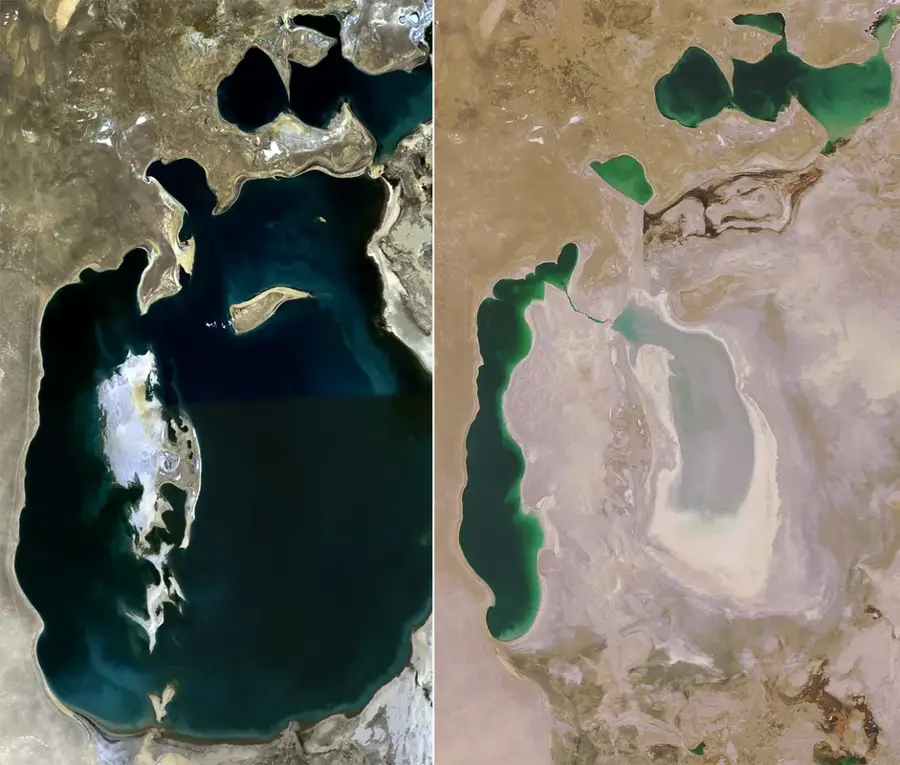
Aral Sea
Once one of the largest lakes in the world, which has drastically shrunk due to irrigation projects.
Learn more →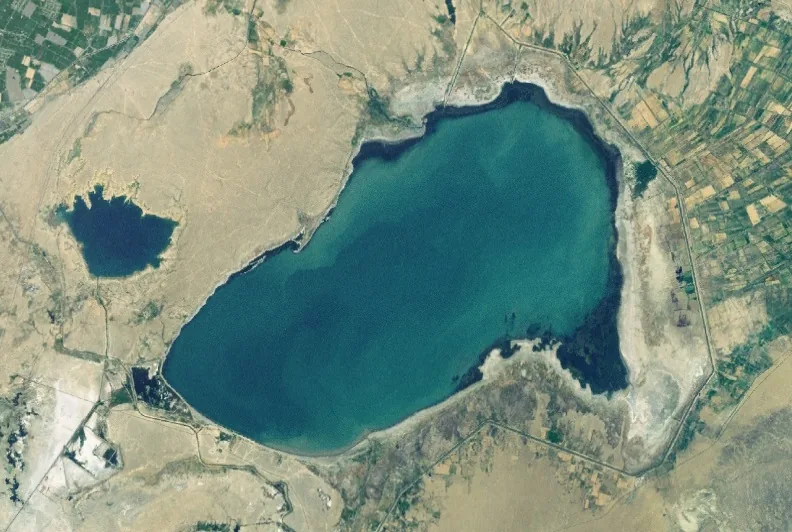
Lake Tudakul
An oasis lake in the desert near Bukhara, known for its rich birdlife and as a resort.
Learn more →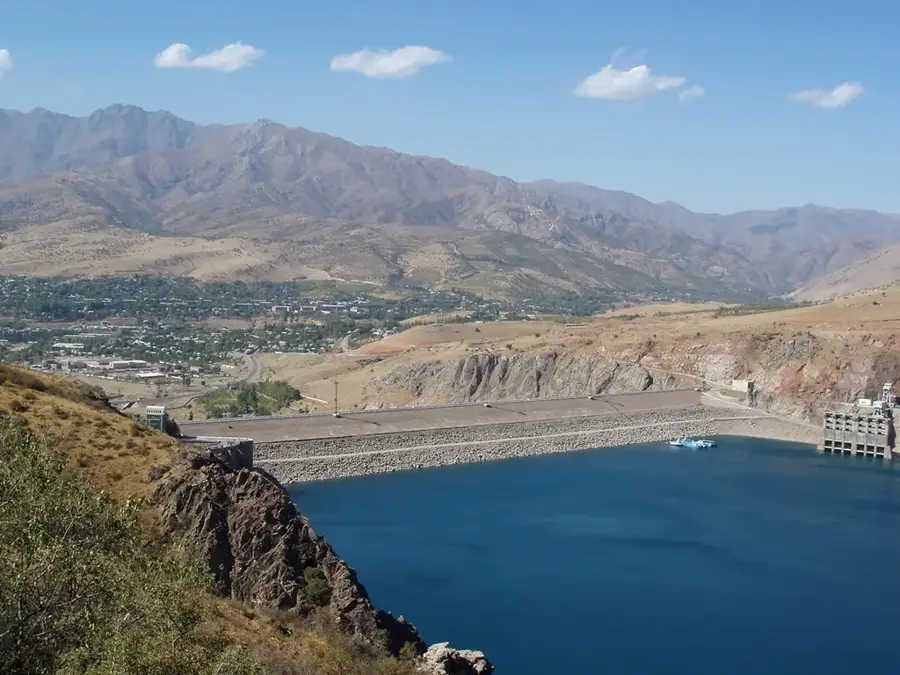
Charvak Reservoir
A popular recreation area near Tashkent, formed by the Charvak Dam on the Chatkal River.
Learn more →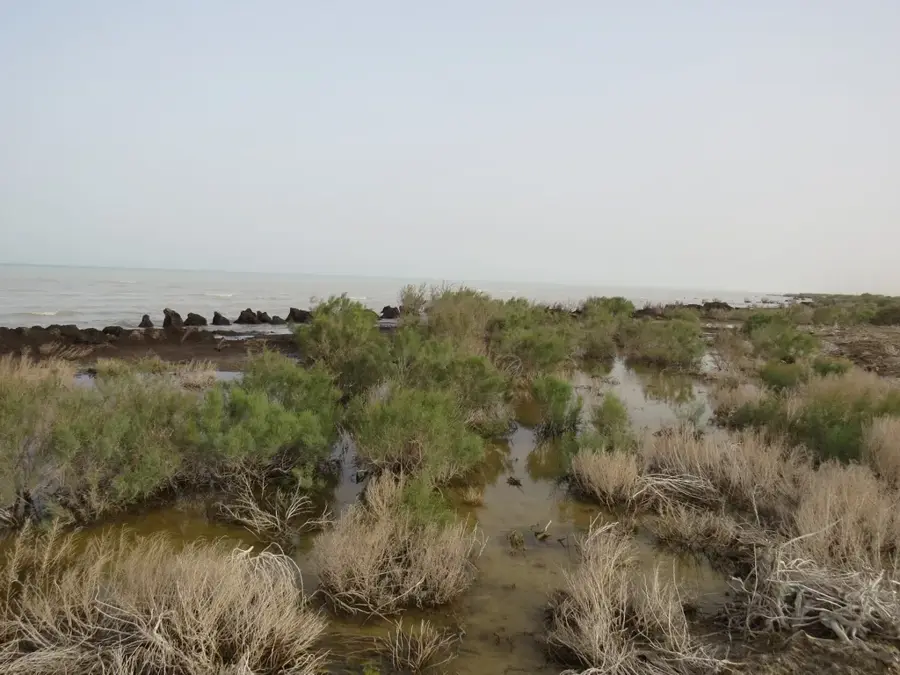
Sarykamysh Lake
A salty lake on the border with Turkmenistan, fed mainly by agricultural runoff.
Learn more →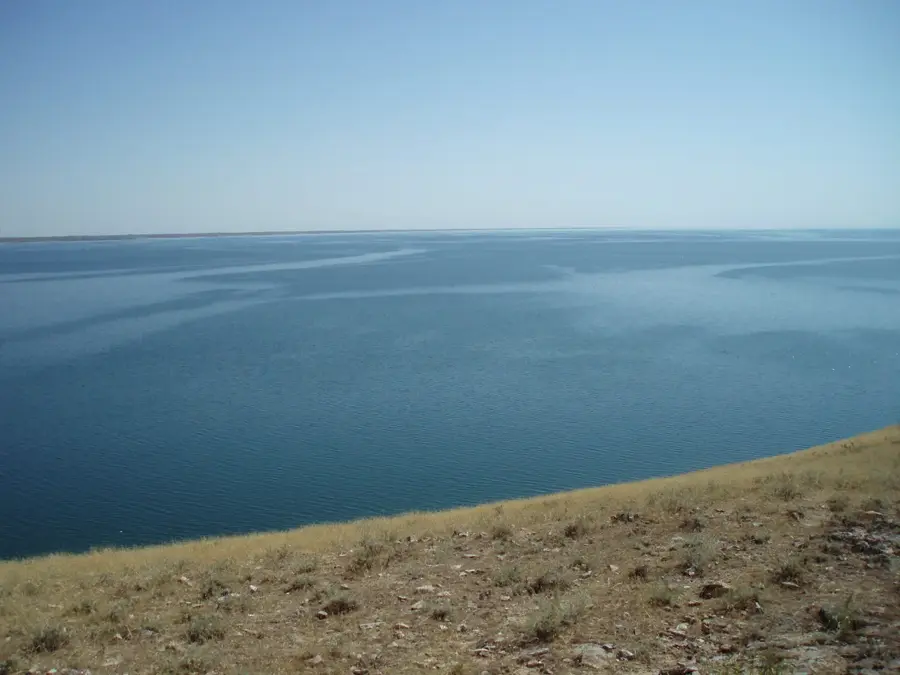
Aydar Lake
An artificial lake in the Kyzylkum Desert, created by the diversion of floodwaters.
Learn more →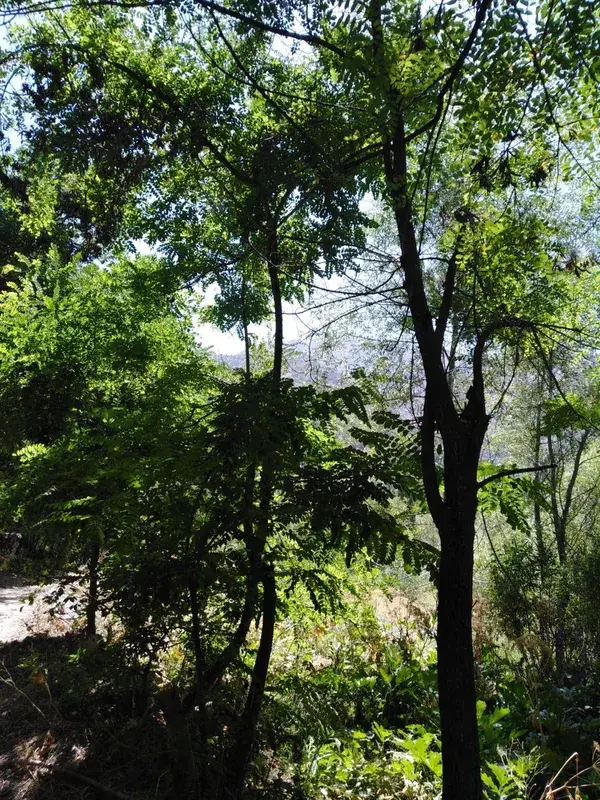
Kitab State Geological Reserve
An important geological protected area in the Zarafshan Range that exposes countless marine fossils and offers a glimpse into past geological eras.
Learn more →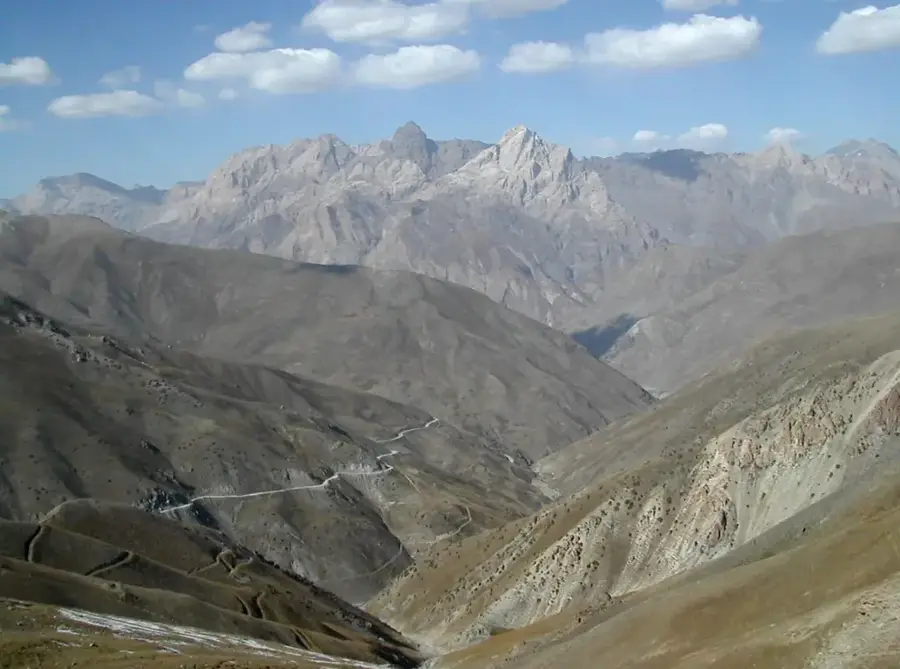
Zarafshan Range
A central mountain range that provides water for the historic Zarafshan Valley and boasts impressive geological diversity.
Learn more →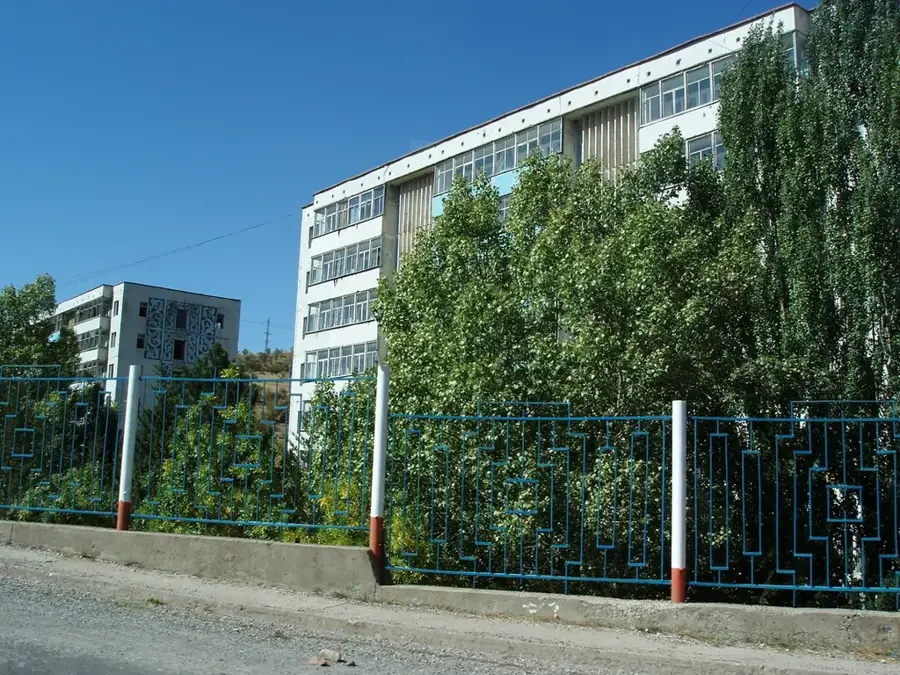
Greater Chimgan
A prominent peak in the Tian Shan mountains, a popular destination for hikers and winter sports enthusiasts near Tashkent.
Learn more →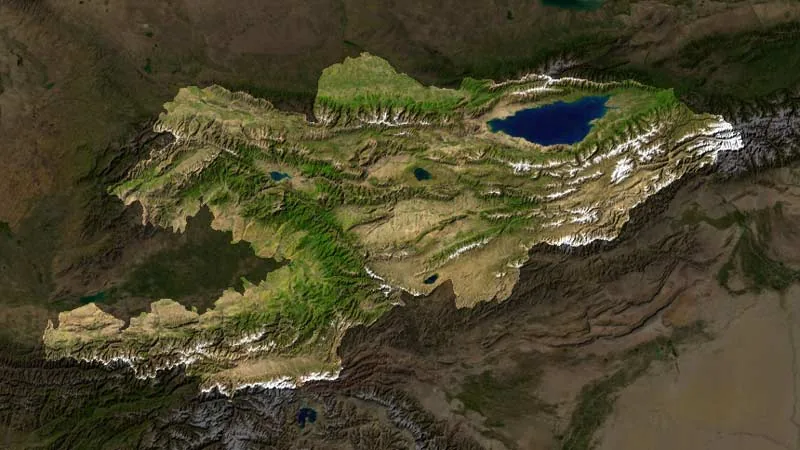
Mount Beshtor
A massive mountain giant in Uzbekistan, majestically towering over the northeastern valleys and bearing permanent snow.
Learn more →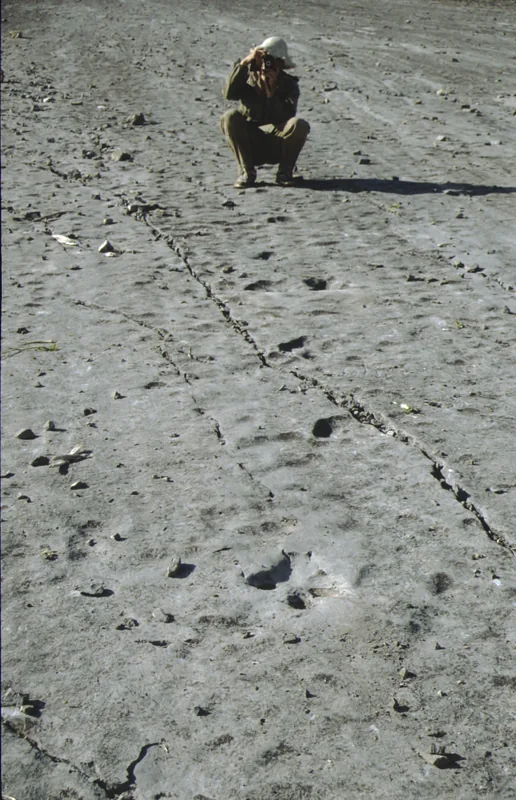
Kugitangtau Range
A majestic mountain range in the extreme southeast of Uzbekistan, famous for hidden caves and dinosaur footprints.
Learn more →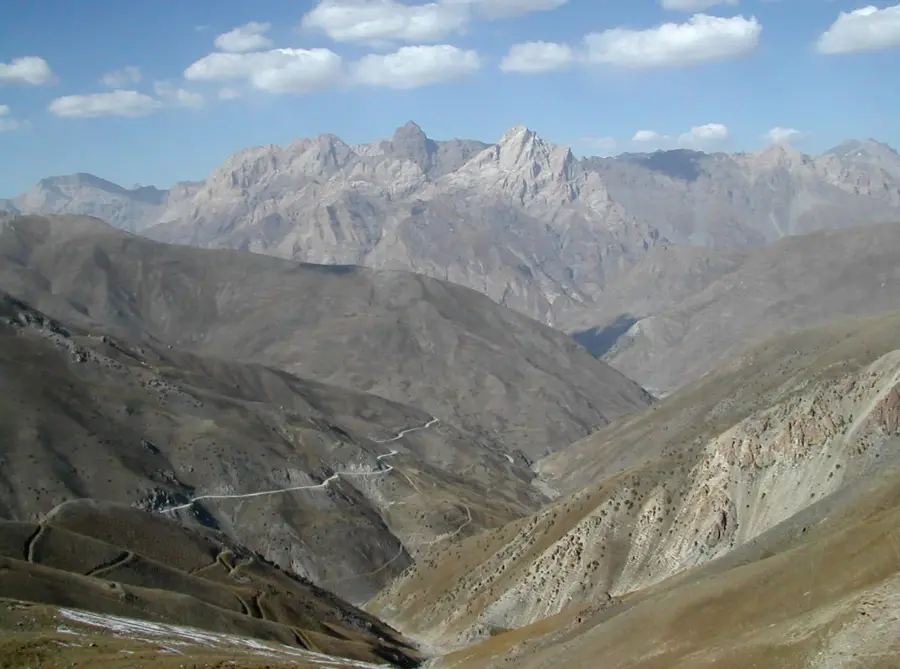
Gissar Range
A rugged mountain range in the south of the country, encompassing Uzbekistan's highest elevations and remote valleys.
Learn more →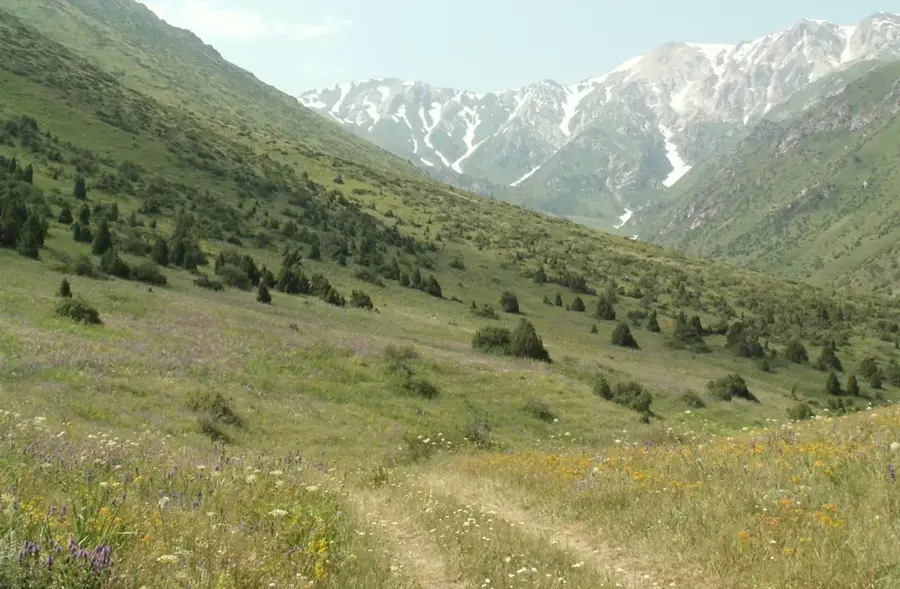
Maidantal Range
A northern mountain section in the Tian Shan, known for its harsh climatic conditions and wide alpine meadows.
Learn more →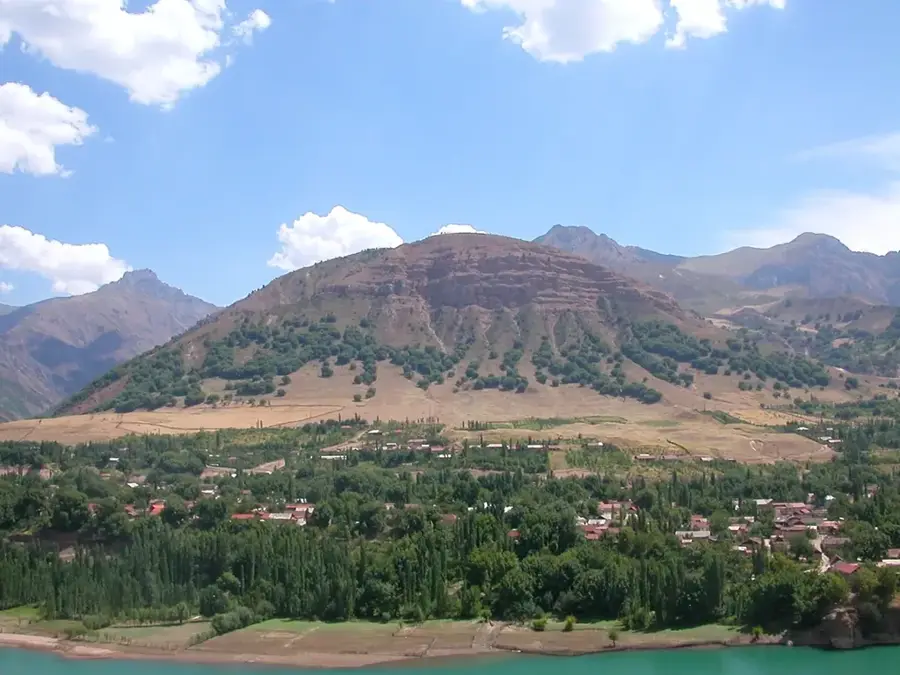
Pskem Range
A remote and inaccessible mountain massif known for its pristine alpine nature and eternal snow.
Learn more →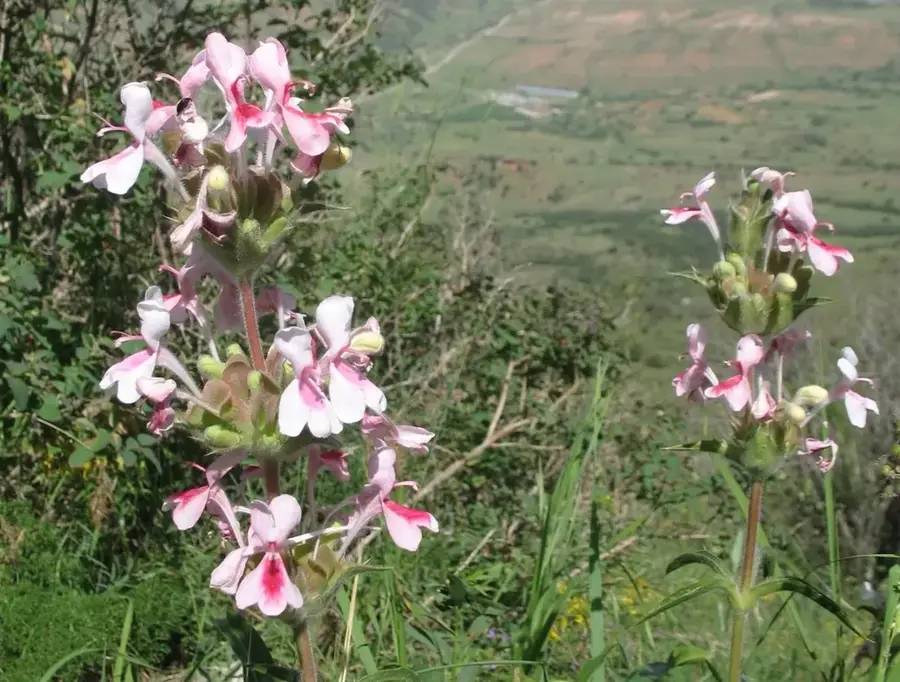
Karjantau Range
A smaller but steep mountain massif near Tashkent, often visited by nature lovers and hikers.
Learn more →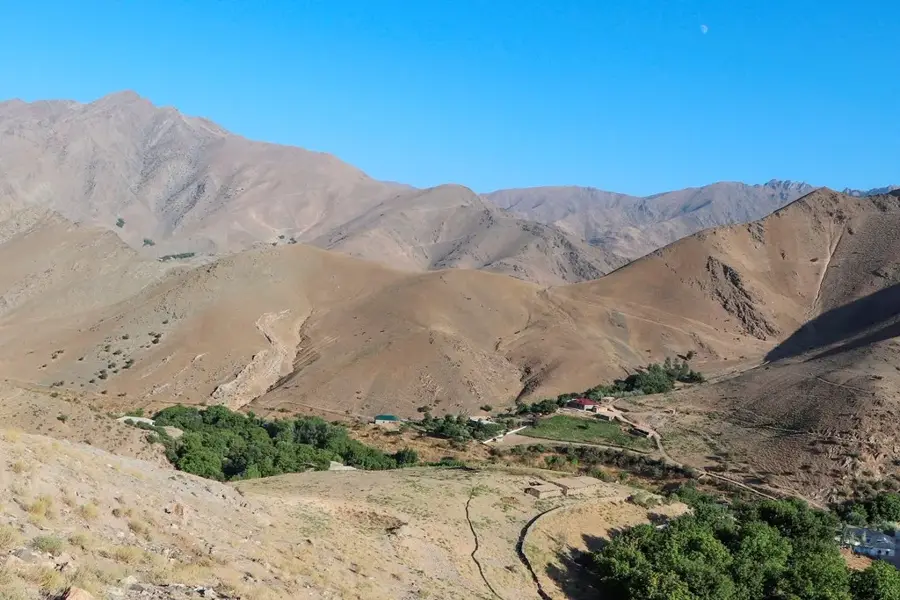
Nuratau Mountains
A rocky mountain range forming the boundary between the Kyzylkum Desert and the fertile steppes to the east.
Learn more →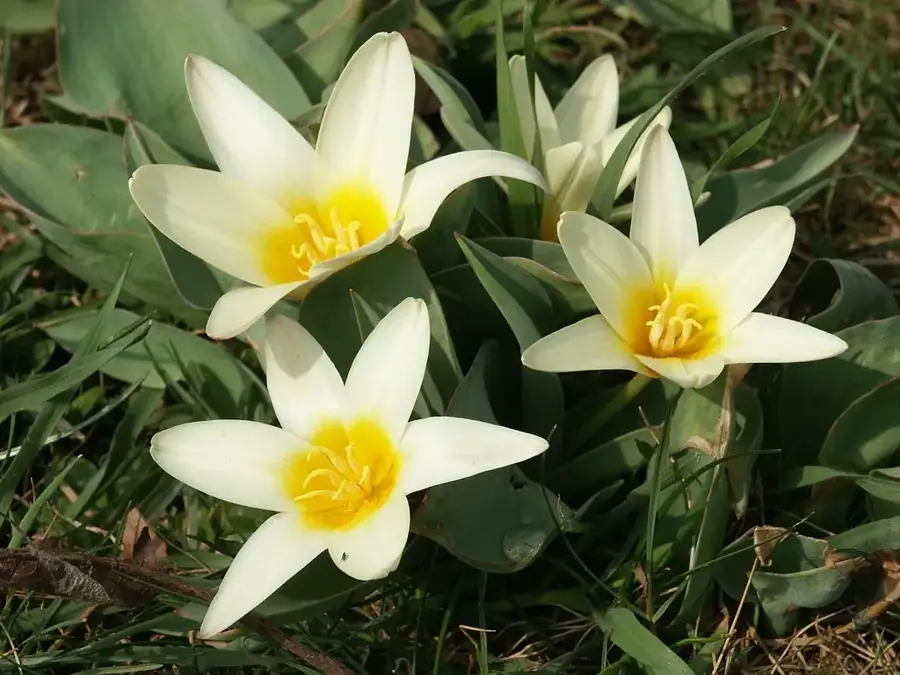
Chatkal Range
A western spur of the Tian Shan mountains, known for picturesque alpine lakes and deep gorges.
Learn more →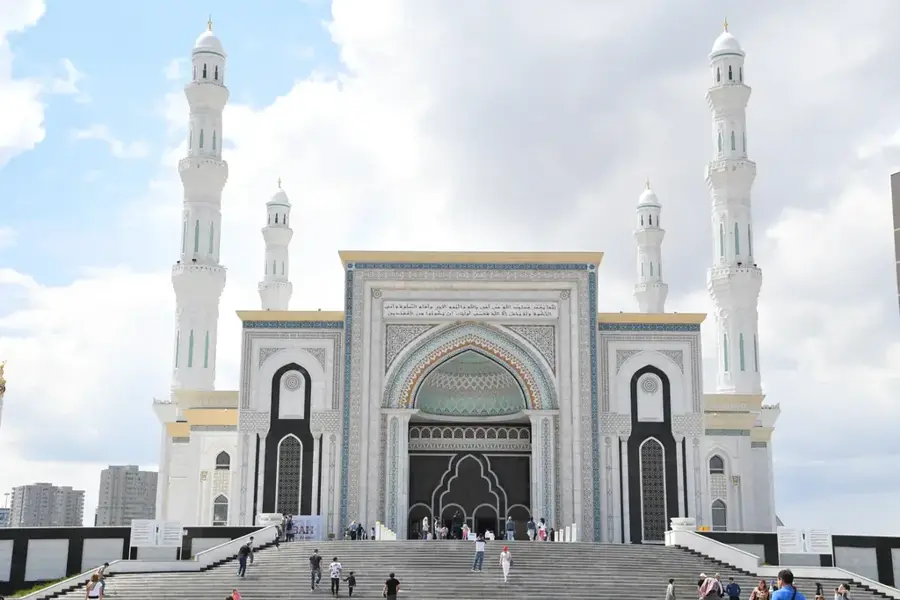
Khazret Sultan
The highest mountain in Uzbekistan, located in the Gissar Range on the border with Tajikistan.
Learn more →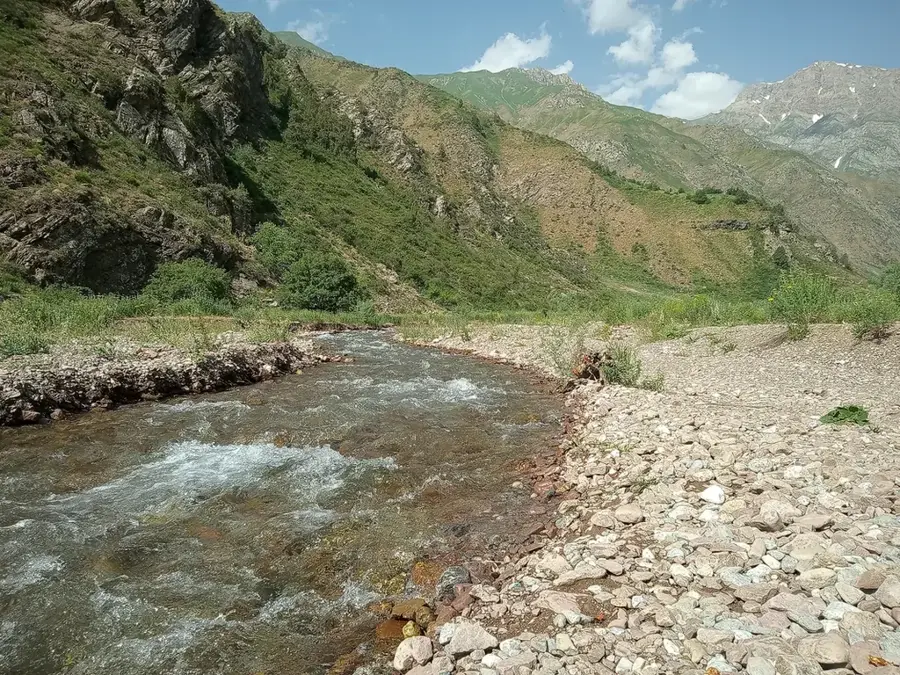
Ugam Range
A wild mountainous region with deeply incised river valleys, located on the border with Kazakhstan.
Learn more →More highlights
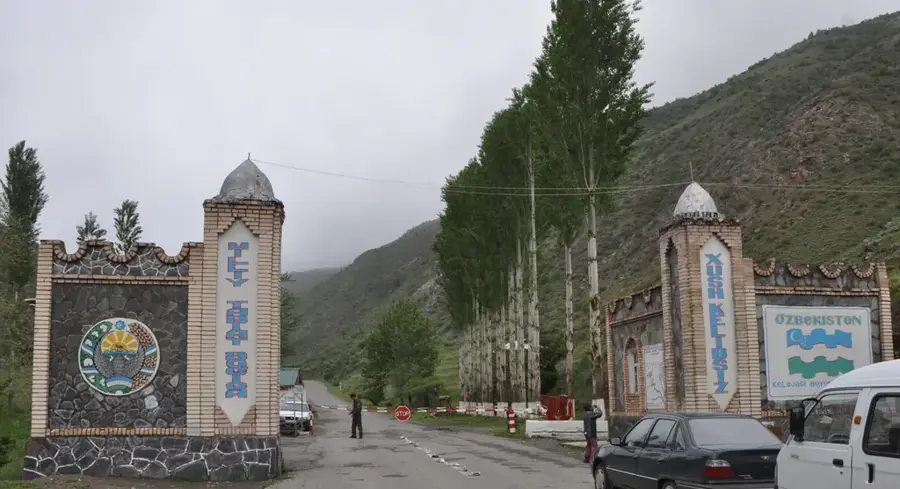
Zaamin National Park
The oldest nature reserve in the country, known for its extensive coniferous forests and deep gorges on the slopes of the Turkestan Range.
Learn more →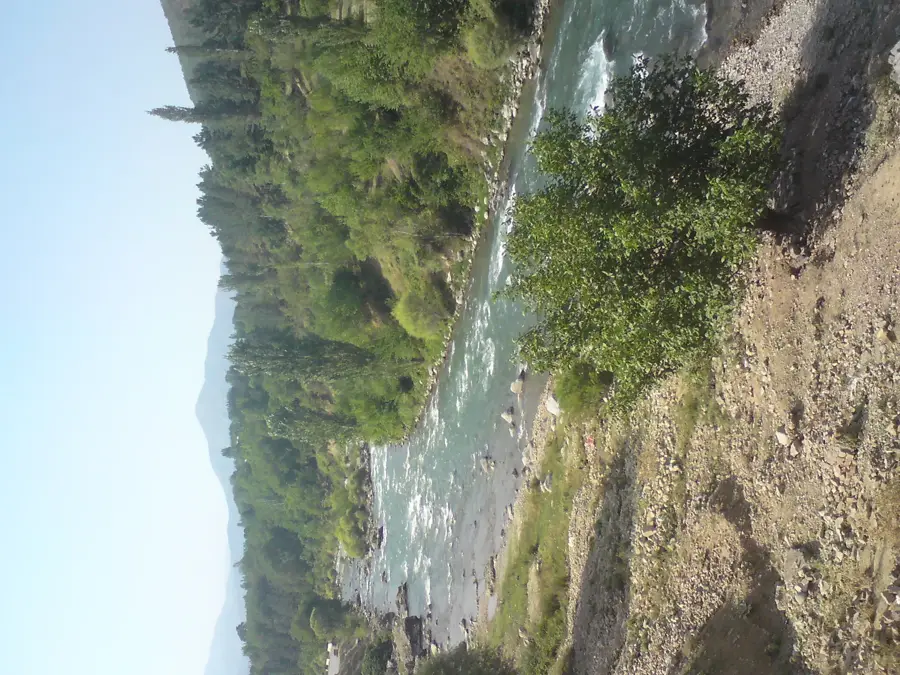
Gissar State Nature Reserve
The largest nature reserve by area in Uzbekistan, preserving the rugged and inaccessible Gissar mountain range with caves and glaciers.
Learn more →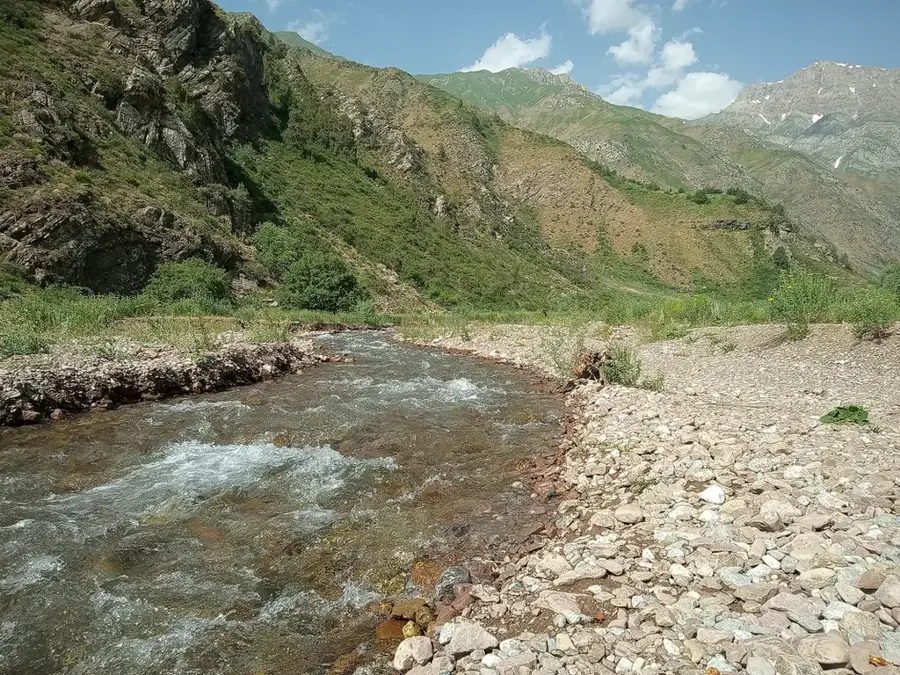
Ugam-Chatkal National Park
An extensive national park in the western Tian Shan, valued for its diverse flora, fauna, and picturesque mountain gorges.
Learn more →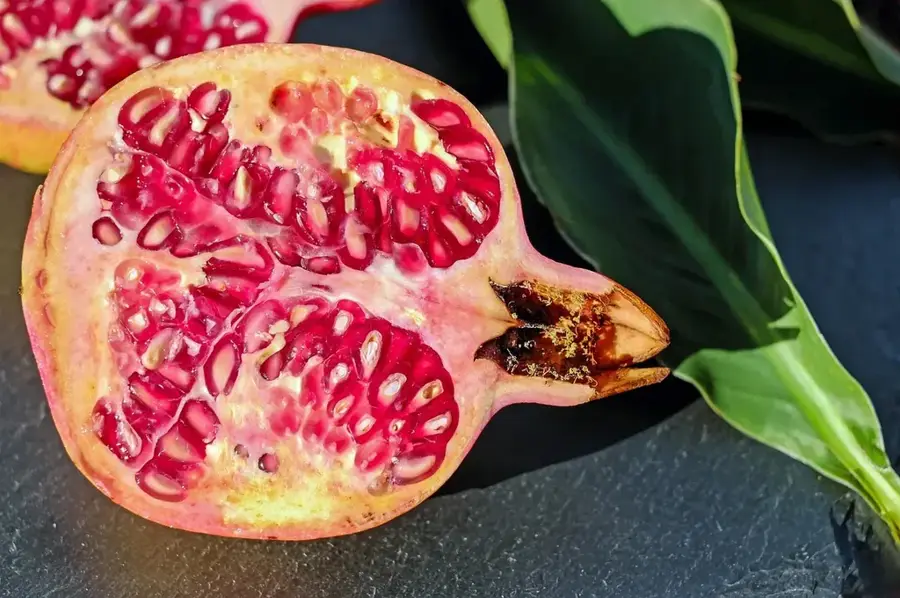
Surkhandarya Pomegranate Orchards
The warmest region of Uzbekistan hosts huge orchards producing deep red, juicy pomegranates of the highest quality.
Learn more →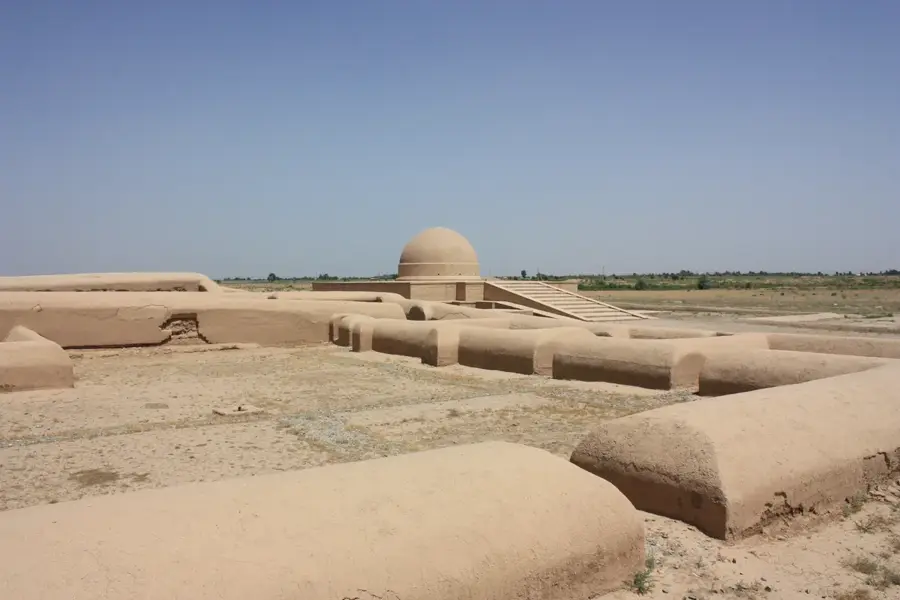
Fayaz Tepe
An important Buddhist monastery complex near Termez, which testifies to the cultural exchange along the ancient Silk Road.
Learn more →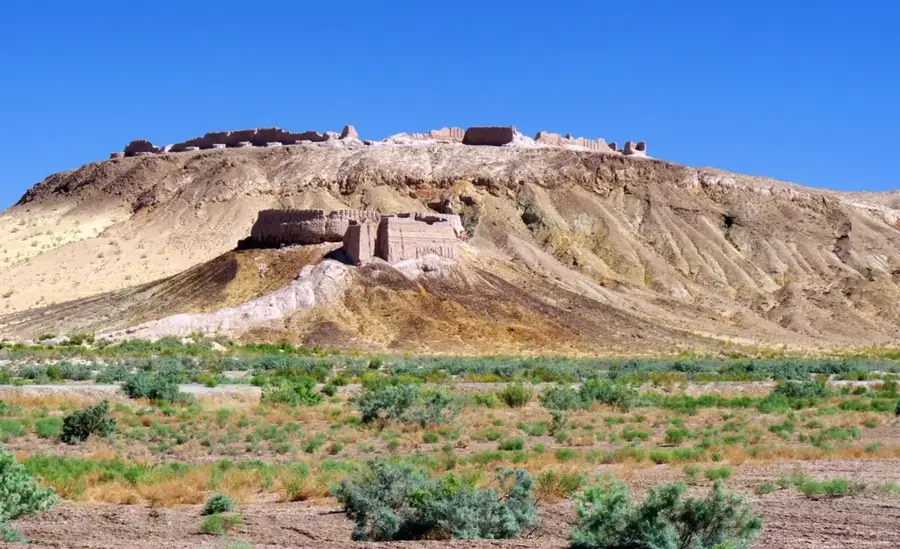
Khorezm Melon Fields
Agricultural areas in the northwest of the country, famous for the sweetest and most aromatic melons in Central Asia.
Learn more →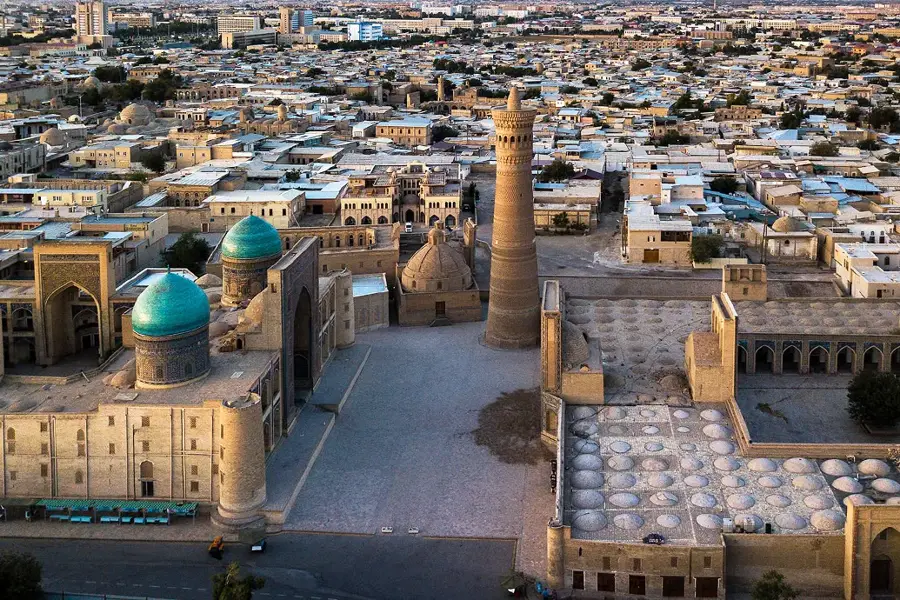
Po-i-Kalyan
An architectural complex in the center of Bukhara, famous for its impressive minaret that even Genghis Khan spared.
Learn more →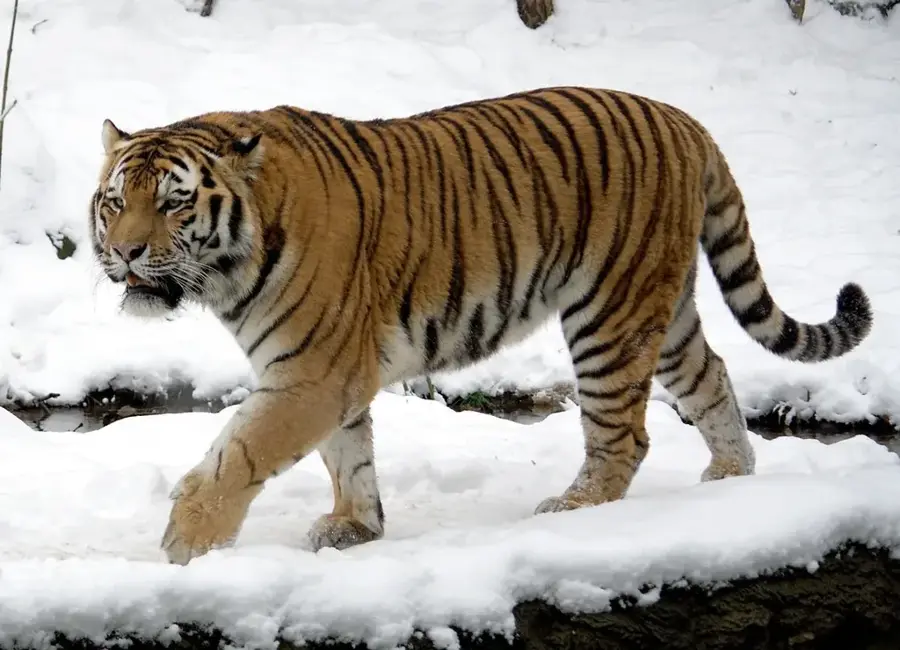
Bukhara Deer Breeding Center
A critical facility for the rescue of the endemic Bukhara deer, which is closely tied to the ecosystem of river oases.
Learn more →Frequently asked questions
What are the top attractions in Uzbekistan?
Among the most popular are Savitsky Art Museum, Nurata, Navoi Theater, Magok-i-Attari, Sitorai Mokhi-Khosa and many more – the full top 50 list is on this page.
When is the best time to visit Uzbekistan?
May to October offers the most pleasant weather; July and August are warmest and busiest.