Plizio Visual Lab

Fayaz Tepe
Plizio editorial teamData Sources
ruin
—°9
Fayaz Tepe (Uzbekistan)

Weather…

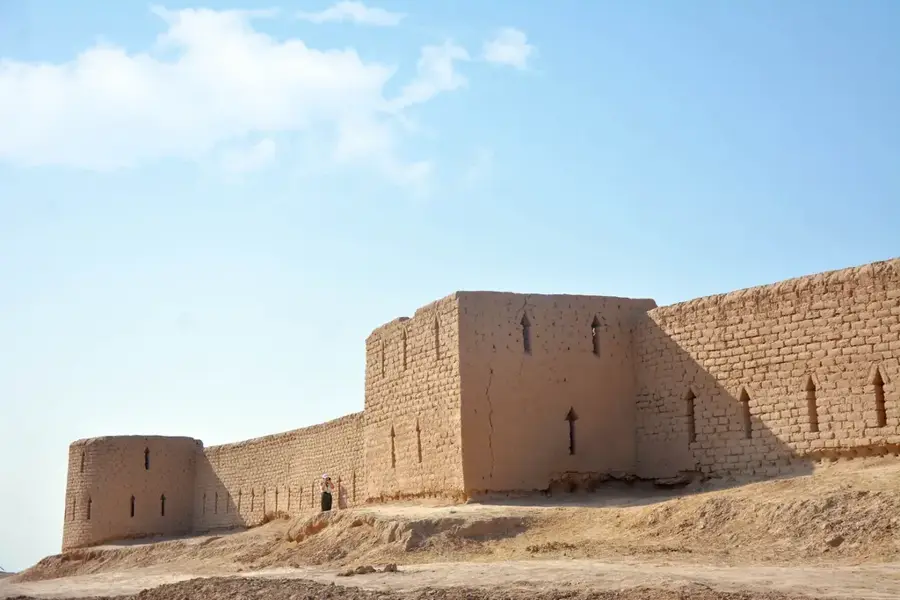
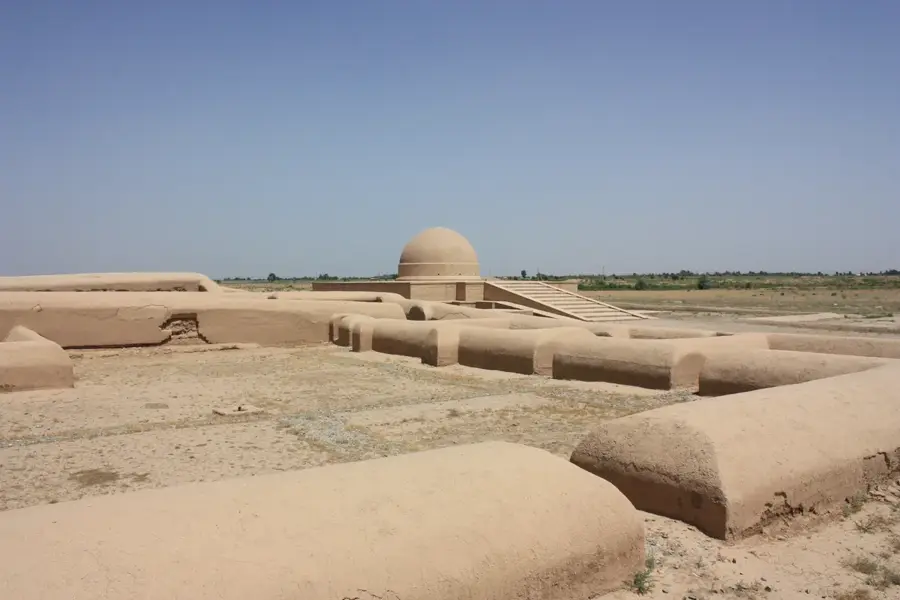
Fayaz Tepe is a significant ancient Buddhist monastery complex located near Termez in southern Uzbekistan, dating back to the 1st to 3rd centuries AD. Discovered in 1968 by archaeologist L.I. Albaum, the site served as a vital spiritual center during the Kushan Empire's peak. The architectural layout consists of three interconnected parts: a central temple for worship, a residential monastery for monks, and a utility wing with kitchens and granaries. The most prominent feature is the well-preserved brick stupa, now housed under a protective dome to shield its fragile mud-brick structure from the elements. Excavations yielded a wealth of artifacts, including wall paintings, limestone sculptures, and inscriptions in the Kharosthi script, illustrating the syncretic art style of the period. Today, Fayaz Tepe stands as a testament to the diverse religious history of the Silk Road and is recognized as a key archaeological landmark in Central Asia.

Best time to visit & climate

The most pleasant time to visit is Apr, Sep, Oct.

JanFebMarAprMayJunJulAugSepOctNovDec
Avg °C571319263133312618116
Rain mm2533292210200042321

📋 Practical info

🚪
Visiting
This fascinating ruin site is primarily visited outdoors; you can stroll extensively among the wide, excavated remains of the ancient Buddhist monastery complex and its prominent historic stupas.
🕒
Typical hours
The historical archaeological site is usually open during daylight hours; it is highly recommended to plan your visit for the early morning or late afternoon to avoid the direct, intense heat.
📷
Photography
The historical excavations provide fantastic photographic subjects, especially when sunlight highlights the sand-colored structures; a good wide-angle lens is very useful here for capturing panoramas.
⏱️
Time needed
To peacefully explore the entire excavation site and fully absorb the profound atmosphere of the ancient Silk Road culture, about one to two hours is generally quite sufficient for a visit.
Combine with
A visit here can be ideally combined with exploring other notable Buddhist sites in the surrounding Termez region, such as Kara Tepe or the extremely fascinating local Termez Archaeological Museum.
🧭
Getting there
The ancient ruins are located slightly outside of Termez and are best reached by hiring a local taxi, as public transportation to this specific historic area is quite infrequent and unreliable.
💡
Insider tip
Be absolutely sure to bring your own ample drinking water and strong sun protection, as there is practically no shade or comfortable food available on the exposed archaeological site for visitors.

Geography

Coordinates
37.28310, 67.24580

Facts

  • Built during the 1st century AD under the Kushan Empire's rule.
  • The site was accidentally discovered by a local shepherd in 1968.
  • The entire monastery complex covers approximately 1.5 hectares.
  • Excavations revealed murals depicting Buddha with two monks at his side.
  • A sophisticated ceramic aqueduct system provided water to the site.
  • UNESCO supported the restoration of the mud-brick stupa in 2004.

Explore nearby

Notable places around
Route planner — Car & Motorhome

Where do you start? We build the route here, with stops and country notes along the way.

Vehicle
Only stops with (optional):

© OpenStreetMap contributors · OpenRouteService

Sights in the town Fayaz Tepe (9)

South Stupa🏺 historical

The ruins of a Buddhist stupa within the ancient Fayaz-Tepe monastery complex.

Complex C🏺 historical

A section of the ancient Buddhist monastery containing remains of residential cells and prayer rooms.

Zul-Kifl📍 landmark

A significant mausoleum located on the forested Aral-Paygambar island in the Amu Darya river.

Mechet' i minaret Chor Sutun (Khodzha Varukh)🏺 historical

Ruins of a medieval mosque and minaret featuring characteristic brick architecture.

Vid na stupu Zurmala izdaleka🌿 nature

A viewpoint offering a long-distance view of the freestanding Zurmala stupa on the plain.

Kokildor Khanaka📍 landmark

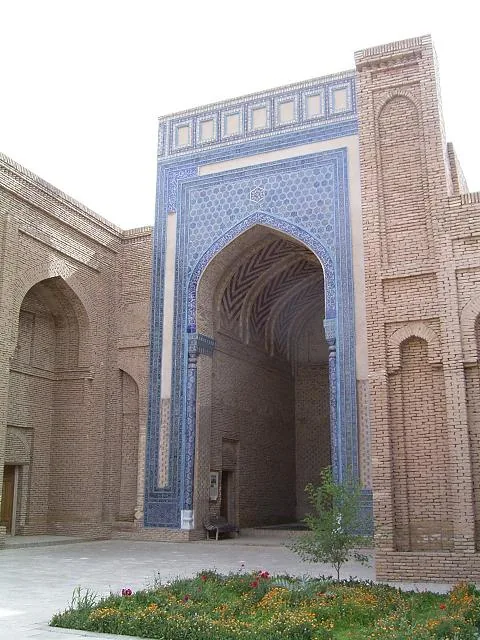
An impressive 16th-century Sufi khanaka featuring a monumental facade.

Sultan Saodat📍 landmark

A magnificent ensemble of mausoleums of the Termez Sayyids, built between the 10th and 17th centuries.

Fayaz-Tepe Museum🏛 museum

A museum displaying significant finds and replicas from the Fayaz-Tepe Buddhist archaeological site.

"Aral-Paigambar" State Nature Reserve🌿 nature

A nature reserve on an island in the Amu Darya river, protecting rare riparian forests and deer.

Sights nearby

Frequently asked questions

What is Fayaz Tepe?
An ancient Buddhist monastery complex near Termez with significant archaeological findings.
Is the site well-preserved?
You can see the floor plans and some restored parts of the old structures.
Do I need a guide?
Highly recommended to understand the Buddhist history of the region.
When is the best time to visit?
Spring and autumn are handy, as the heat in Termez can be very extreme.
Is the site suitable for children?
Only to a limited extent, as there is much uneven terrain and hardly any shade.
Fayaz Tepe: where is it located?
Fayaz Tepe is located in Uzbekistan.
Fayaz Tepe: what is there to see?
Highlights include South Stupa, Complex C, Zul-Kifl.
Fayaz Tepe: when is the best time to visit?
The most pleasant time to visit is Apr, Sep, Oct.
Fayaz Tepe: why is it worth visiting?
Fayaz Tepe is a significant ancient Buddhist monastery complex located near Termez in southern Uzbekistan, dating back to the 1st to 3rd centuries AD.
View on map → The Top 50 Attractions → OpenStreetMap →
Asia
Explore with Plizio Discover more places in Asia
More places in Uzbekistan →

Nearby cities

More places