Plizio Visual Lab

Samanid Mausoleum
Plizio editorial teamData Sources
monument
—°11
Samanid Mausoleum (Uzbekistan)

Weather…

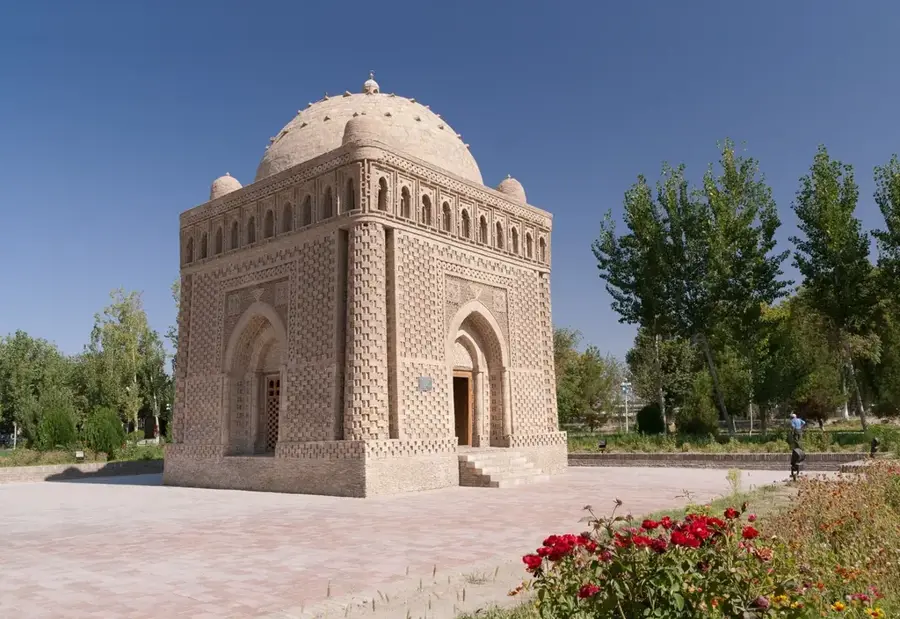
The Samanid Mausoleum in Bukhara, constructed around 905 AD, is regarded as one of the most outstanding masterpieces of early Islamic architecture in Central Asia. It was built as a tomb for Ismail Samani, the founder of the Samanid dynasty, and his immediate family. The building stands out for its great geometric cube shape, topped by a hemispherical dome. It is uniquely celebrated for its innovative use of burnt brickwork, arranged in intricate decorative patterns that produce changing shadow effects depending on the angle of the sun. This masonry technique makes the solid walls appear almost like a delicate wickerwork basket. The mausoleum survived the centuries nearly intact because it was partially buried in silt and mud from floods, shielding it from destruction during Genghis Khan's invasion in the 13th century. It was only fully unearthed and restored in the 20th century. The site marks a vital transition from pre-Islamic Sogdian traditions to classical Islamic architecture.

Best time to visit & climate

The most pleasant time to visit is Apr, May, Sep.

JanFebMarAprMayJunJulAugSepOctNovDec
Avg °C13101725303229231571
Rain mm1627272310200051513

📋 Practical info

🚪
Visiting
The Samanid Mausoleum is a freestanding structure in central Bukhara and can be entered for a small admission fee. Visitors can admire the exquisite brickwork and dome up close.
🕒
Typical hours
The mausoleum is typically open from 9:00 to 18:00, with a lunch break on some days. In peak season it may stay open later in the evening; check locally.
📷
Photography
Photography inside the mausoleum is allowed without flash to protect the delicate bricks. Exterior shots are possible anytime and offer great perspectives on the building's great geometry.
⏱️
Time needed
Visiting the mausoleum takes about thirty to forty minutes if you examine the details closely. Allow extra time to enjoy the surrounding gardens.
Combine with
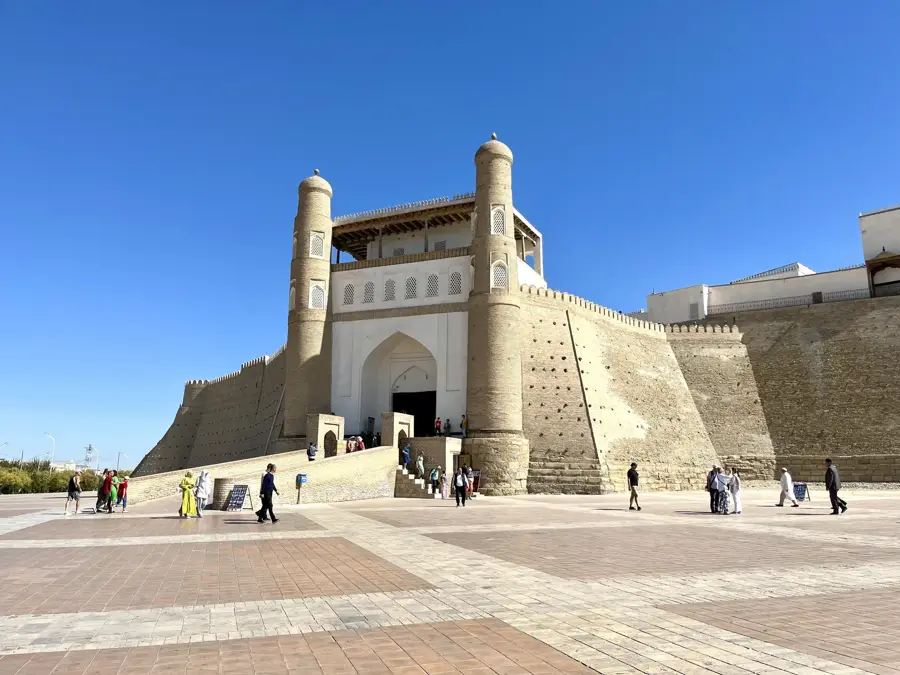
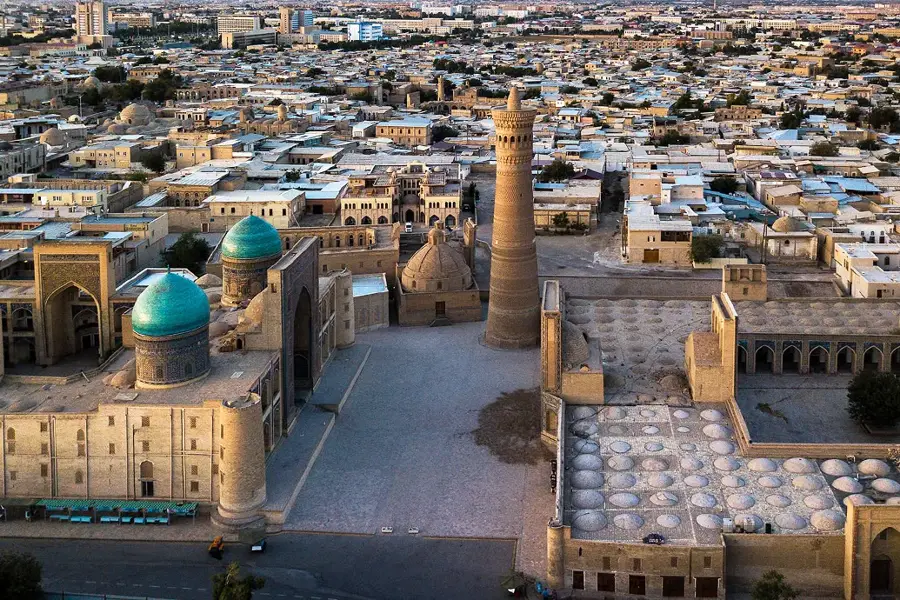
The mausoleum is in the historic centre of Bukhara. Combine the visit with the Ark Citadel, the Po-i-Kalyan complex, and the old town bazaars.
🧭
Getting there
The mausoleum is within walking distance from most accommodations in Bukhara. It is located in the Samanid Park district and easy to find by taxi.
💡
Insider tip
Visit the mausoleum in the late afternoon when sunlight makes the bricks glow in warm tones. Take time to appreciate the symmetry and craftsmanship of the architecture.

Geography

Coordinates
39.77680, 64.40050

Facts

  • The mausoleum was completed around the year 905 AD.
  • It is the oldest surviving example of Islamic architecture in Bukhara.
  • The walls feature sophisticated decorative patterns made entirely of fired brick.
  • The building was protected from Mongol destruction by being buried in silt.
  • The floor plan is based on a perfect square measuring 10.8 meters on each side.
  • The monument was only fully excavated and revealed in the 1930s.

Explore nearby

Notable places around
Route planner — Car & Motorhome

Where do you start? We build the route here, with stops and country notes along the way.

Vehicle
Only stops with (optional):

© OpenStreetMap contributors · OpenRouteService

Sights in the town Samanid Mausoleum (11)

Balyand Mosque📍 landmark

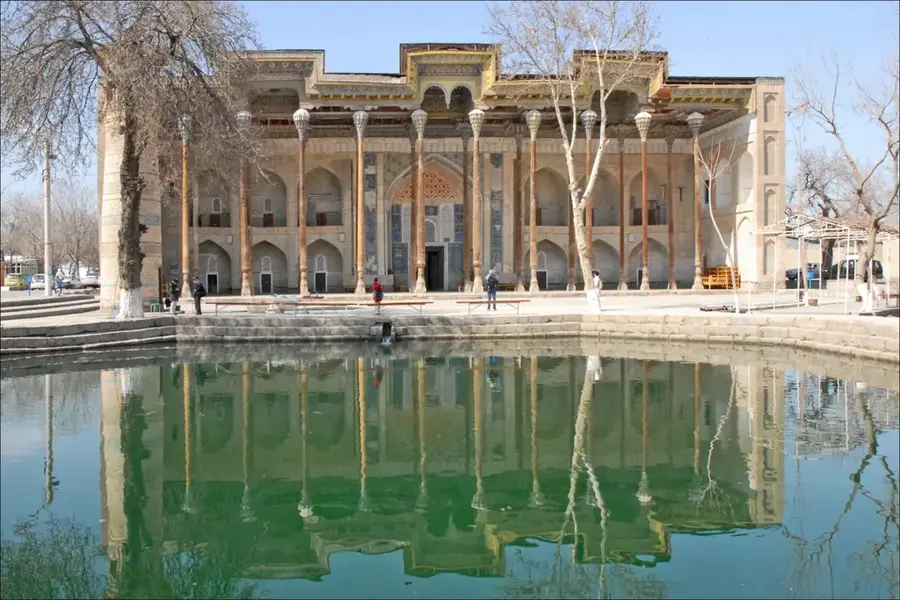
This 16th-century mosque is famous for its lavish gilded wall paintings and artistically carved wooden columns.

🕒 sunrise-sunset

Cathedral Mosque of Usman ibn Affon⛪ religious

This large Friday mosque is part of the Chor-Bakr necropolis and impresses with its monumental brick portals.

🕒 24/7

Cathedral Mosque Char-Bakr⛪ religious

This prominent mosque in the 'City of the Dead' stands out with its rhythmic arches and spiritual silence.

🕒 24/7

Amfiteatr🎭 culture

An open-air stage near the old town, specifically designed for performances of traditional Uzbek dance and music.

Khoja Ismat Mausoleum📍 landmark

A sacred mausoleum featuring a decorated brick facade and a characteristic dome from Bukhara's 16th-century golden age.

Qorako'l Qal`a darvozasi📍 landmark

A restored city gate with sturdy defense towers that once marked the western entrance to the fortified city.

🕒 24/7

Khalifa Hudoidod Cathedral Mosque⛪ religious

An 18th-century complex comprising a mosque and a khanqah with a prominent dome and deep prayer niches.

Shexan Tepa🏺 historical

An archaeological mound preserving the ancient settlement layers and foundations of early Bukhara.

Nuroniylar maskani🏛 museum

This cultural center and museum is dedicated to the heritage of elders and the preservation of local traditions.

Construction materials market🎭 culture

A bustling local market offering traditional construction materials and hand tools for the building trade.

Family🎭 culture

A modern shopping venue in Bukhara, offering a variety of goods for families' daily needs.

🕒 sunrise-sunset

Sights nearby

Frequently asked questions

Why is the Samanid Mausoleum important?
It is considered one of the oldest and most significant monuments of Islamic architecture in Central Asia.
How long does a visit take?
Since the building is small, about 20 to 30 minutes is enough for a tour.
Is there an entry fee?
Yes, a small entry fee is charged as it is a protected historical site.
Is it easily accessible?
Yes, it is located in a lovely park in Bukhara and is easily accessible on foot or by taxi.
Is photography allowed?
Yes, photography is allowed in the outdoor area and usually also inside.
Samanid Mausoleum: where is it located?
Samanid Mausoleum is located in Uzbekistan.
Samanid Mausoleum: what is there to see?
Highlights include Balyand Mosque, Cathedral Mosque of Usman ibn Affon, Cathedral Mosque Char-Bakr.
Samanid Mausoleum: when is the best time to visit?
The most pleasant time to visit is Apr, May, Sep.
Samanid Mausoleum: why is it worth visiting?
The Samanid Mausoleum in Bukhara, constructed around 905 AD, is regarded as one of the most outstanding masterpieces of early Islamic architecture in Central Asia.
View on map → The Top 50 Attractions → OpenStreetMap →
Asia
Explore with Plizio Discover more places in Asia
More places in Uzbekistan →

Nearby cities

History & landmarks
Nature
More places