Plizio Visual Lab

Aral Sea
Plizio editorial teamData Sources
Lake
—°1
Aral Sea (Uzbekistan)

Weather…

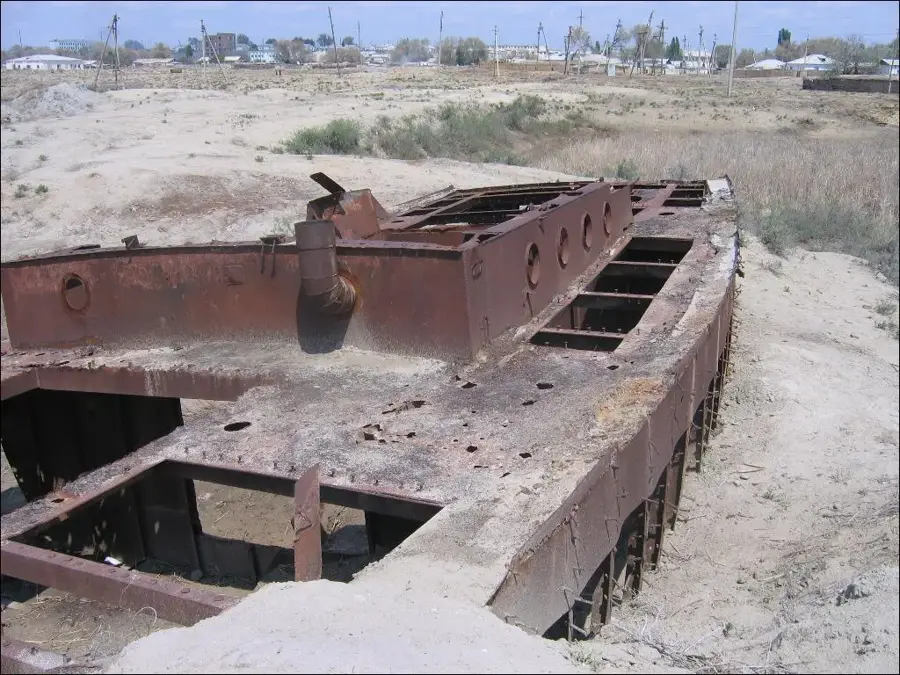
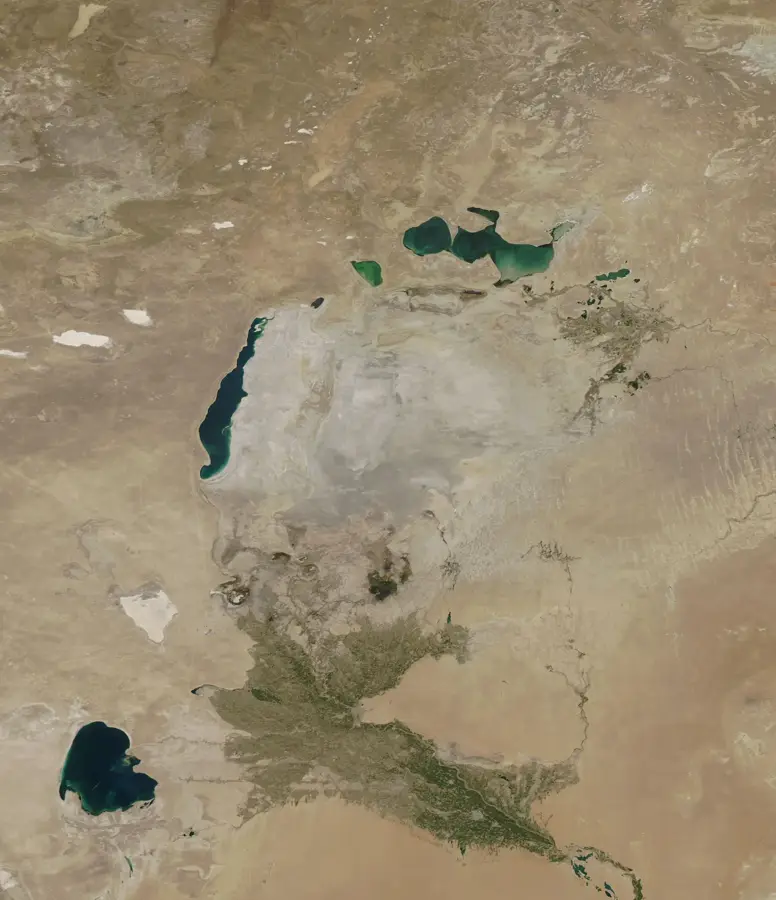
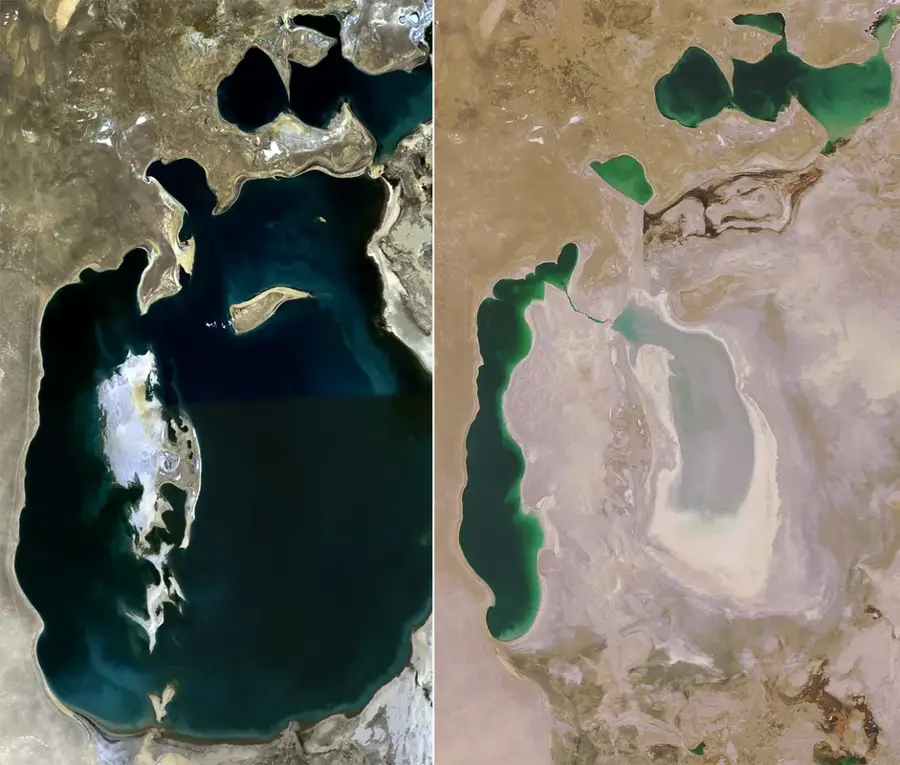
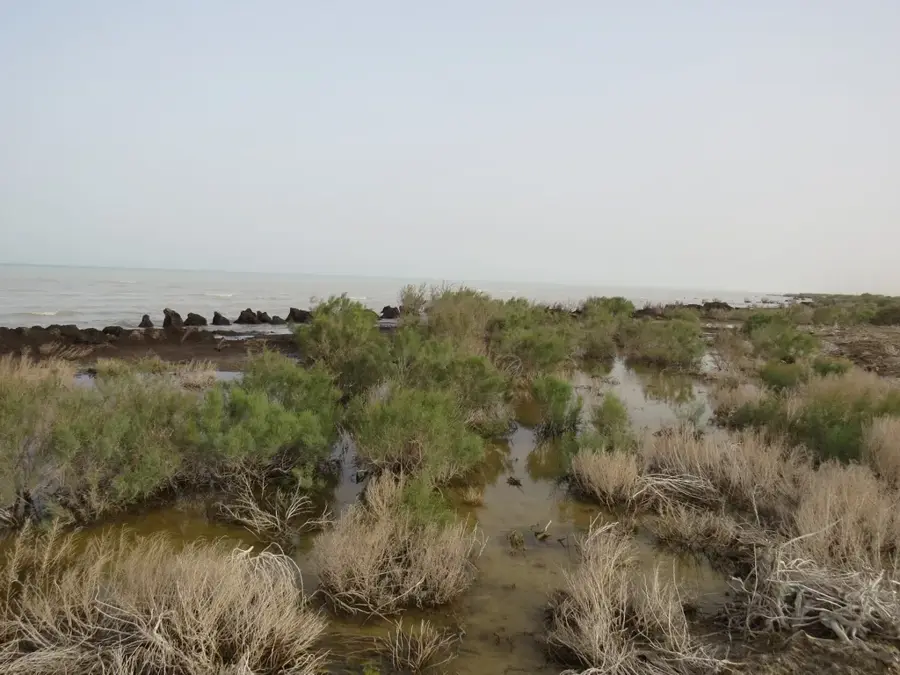
The Aral Sea was once the world's fourth-largest inland sea, but since the 1960s, it has undergone a catastrophic decline due to massive water diversion for cotton irrigation. As the rivers Amu Darya and Syr Darya were redirected, the sea began to split and shrink, leaving behind the vast Aralkum Desert on its dry bed. This environmental tragedy altered the regional climate, leading to hotter summers and colder winters, while destroying the once-lively fishing industry. The port of Muynak, formerly a bustling center for fish processing, now stands kilometers away from the shoreline, hosting a somber "ship graveyard." Current international efforts focus on planting saxaul trees on the exposed seabed to stabilize the soil and reduce toxic dust storms. Although the northern part of the sea has seen some recovery, the southern section remains a hypersaline remnant. Today, the Aral Sea serves as a global cautionary tale of environmental mismanagement and attracts scientists and dark tourists alike.

Best time to visit & climate

The most pleasant time to visit is May, Aug, Sep.

JanFebMarAprMayJunJulAugSepOctNovDec
Avg °C-11-84132126282620111-9
Rain mm119161512864381311

📋 Practical info

🧭
Getting there
Embarking towards the dramatically retreated shoreline generally requires booking an organized tour from nearby historical port towns. Specialized four-wheel-drive transport is necessary to cross the vast, newly formed desert that was once the lake bed.
📅
Best season
Visiting during the spring or early autumn months provides the most tolerable climatic conditions for extensive outdoor exploration. The height of summer transforms the basin into an unforgiving oven, while winter brings biting, freezing conditions.
⛰️
Terrain & paths
The landscape consists mostly of miles of dry, cracking earth punctuated by rusted remnants of long-abandoned fishing vessels. Navigating this desolate terrain requires caution, as the ground can suddenly give way to hidden mud or sinkholes.
🎒
What to bring
Adequate protection against the relentless sun and wind-blown dust is crucial, including wrap-around sunglasses and breathable scarves. Carrying more water than you think is necessary is a fundamental rule when exploring this expanding desertification.
🅿️
Parking
Motorized transport is usually left at the designated 'ship graveyard' viewing spots or near the very few remaining settlements. Drivers must never park directly on the salt flats, as the crust is notoriously deceptive and vehicles sink easily.
⚠️
Safety
The primary hazards include acute dehydration, intense sun exposure, and inhalation of agricultural chemicals carried by the dust storms. Relying solely on a knowledgeable local guide is the only sensible way to mitigate these profound environmental risks.
⏱️
Time needed
Reaching the area and fully comprehending the massive scale of the ecological changes generally demands a full day from the nearest base. Many visitors choose an overnight yurt camp experience to break up the arduous journey across the dry seabed.

Geography

Coordinates
44.88880, 59.61330

Facts

  • In the 1960s, the Aral Sea covered approximately 68,000 square kilometers.
  • The water level has dropped by more than 20 meters since the 1960s.
  • Muynak, once a port city, is now located over 100 km from the current shore.
  • The salinity of the water increased from 10 g/l to over 100 g/l.
  • Over 1.5 million hectares of the seabed have been planted with saxaul trees.
  • The Aralkum Desert was formed on the exposed territory of the former sea bed.

Explore nearby

Notable places around
Route planner — Car & Motorhome

Where do you start? We build the route here, with stops and country notes along the way.

Vehicle
Only stops with (optional):

© OpenStreetMap contributors · OpenRouteService

Sights in the town Aral Sea (1)

Zdes' nakhoditsia vodoem📍 landmark

A small remaining water body in the former Aral Sea basin, highlighting the area's environmental changes.

Sights nearby

Frequently asked questions

What is special about the Aral Sea?
It is a symbol of an ecological catastrophe, but also a fascinating destination for adventure travel.
Can one swim there?
In some parts, the water is very salty, which makes swimming difficult or impossible.
Is a guide necessary?
Yes, due to its remoteness, a guided tour is highly recommended.
What should one pack?
Plenty of water, sun protection, sturdy clothing, and a first-aid kit are essential.
When is the best time to travel?
Late spring or early autumn offer the most bearable temperatures.
Aral Sea: where is it located?
Aral Sea is located in Uzbekistan.
Aral Sea: when is the best time to visit?
The most pleasant time to visit is May, Aug, Sep.
Aral Sea: why is it worth visiting?
The Aral Sea was once the world's fourth-largest inland sea, but since the 1960s, it has undergone a catastrophic decline due to massive water diversion for cotton irrigation.
View on map → The Top 50 Attractions → OpenStreetMap →
Asia
Explore with Plizio Discover more places in Asia
More places in Uzbekistan →

Nearby cities

History & landmarks

Nature
More places