Attractions in Syria
The finest attractions in Syria at a glance: castles, natural wonders, historic old towns and more. Each place links to a detailed page with map, tips and photos.
Culture & History
Azem Palace
The Azem Palace in the Old City of Damascus was built in 1749 as the residence of the Ottoman governor and is a masterpiece of Islamic architecture.
Learn more →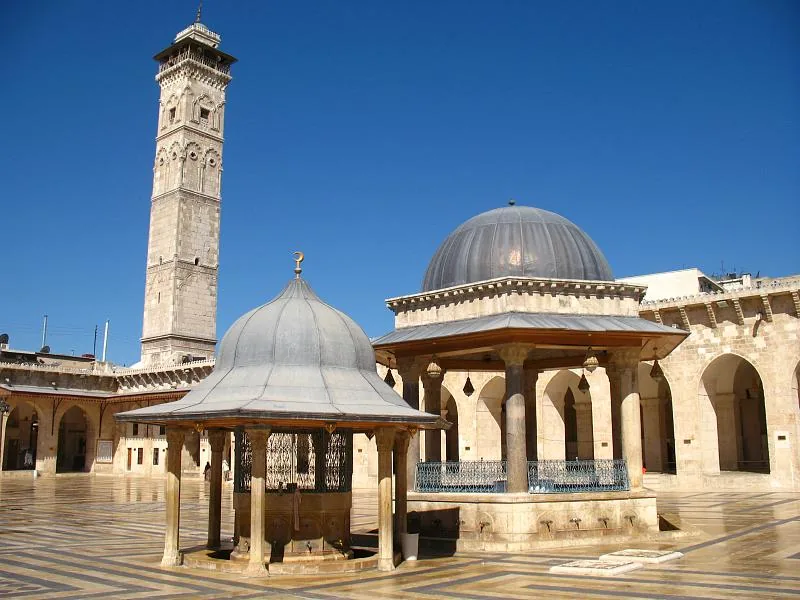
Great Mosque of Aleppo
One of the most important Islamic structures in Aleppo, situated deep in the heart of the ancient souks and considered an architectural jewel.
Learn more →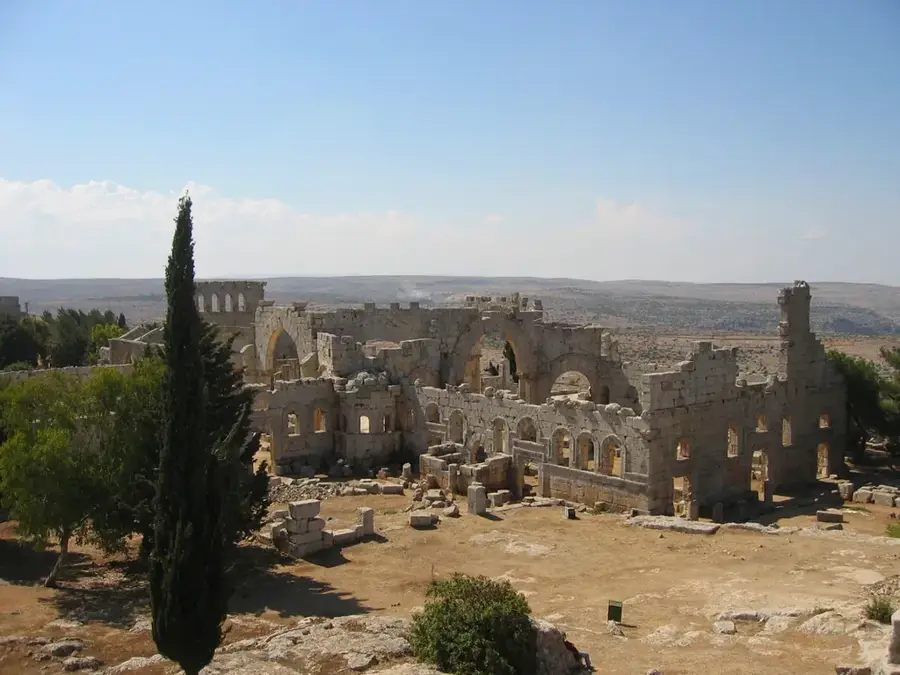
Church of Saint Simeon Stylites
The remains of one of the oldest surviving Christian churches in the world, built on the site where Saint Simeon the Stylite lived.
Learn more →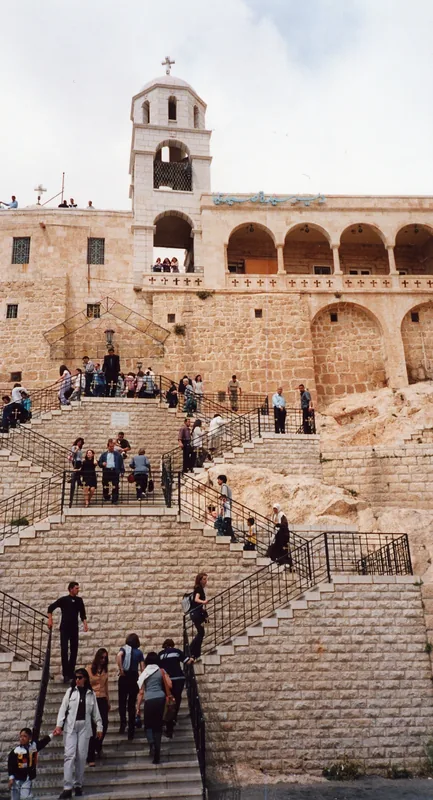
Saidnaya Monastery
A majestic Christian pilgrimage site atop a mountain, traditionally believed to have been founded by the Byzantine Emperor Justinian I.
Learn more →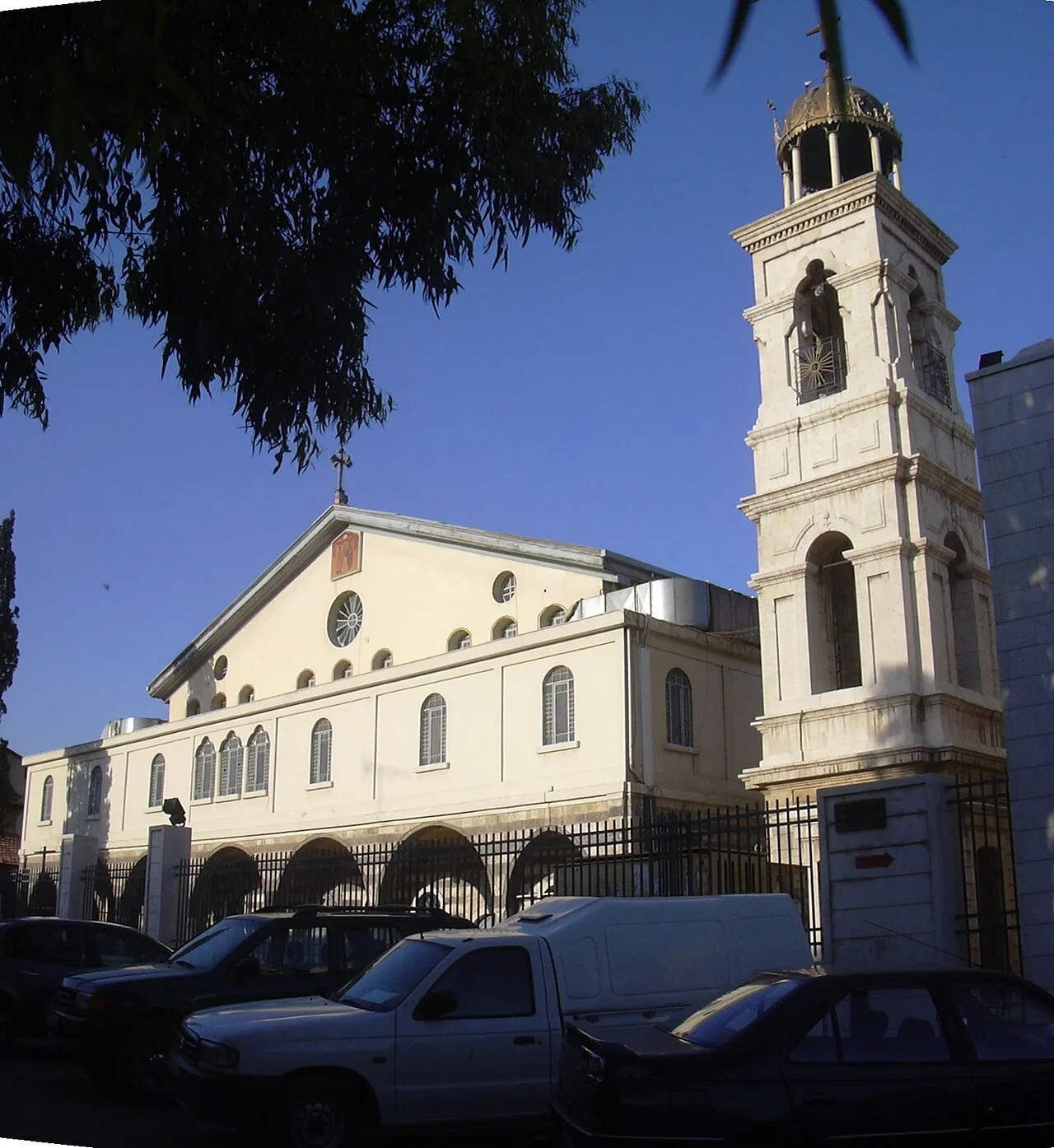
Sayyidah Ruqayya Mosque
A magnificent mosque in Damascus that contains the tomb of Imam Hussein's daughter and is known for its elaborate mirror mosaics.
Learn more →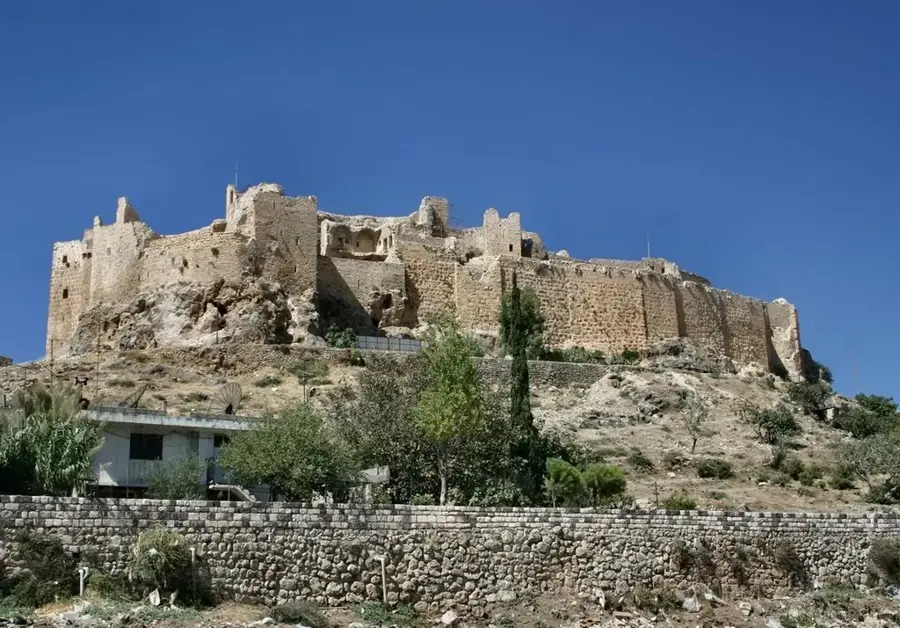
Masyaf Castle
A historic fortress in the coastal mountains that served as the headquarters of the legendary Order of Assassins in the 12th century.
Learn more →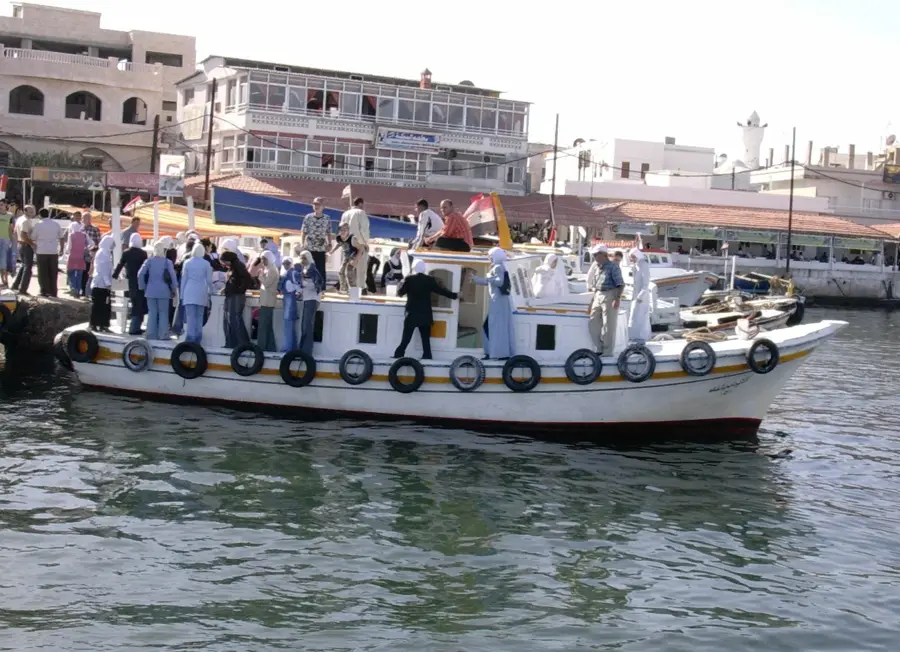
Arwad Citadel
A massive island fortress off the Syrian coast that was the last bastion of the Crusaders in the Middle East before their fall.
Learn more →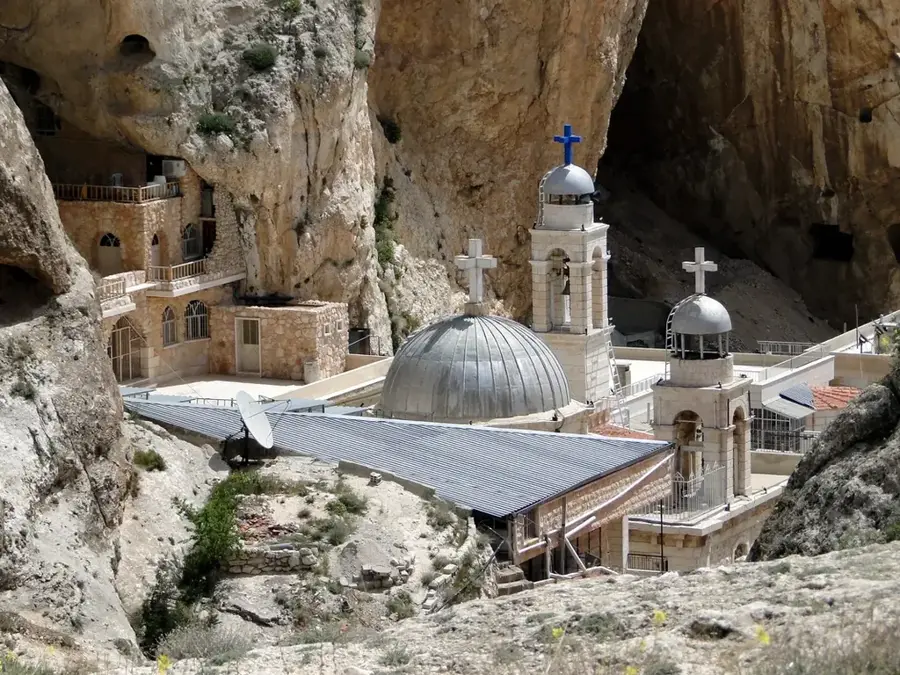
Monastery of St. Thecla
A Greek Orthodox monastery in the picturesque mountain town of Maaloula, where a dialect of ancient Aramaic is still spoken today.
Learn more →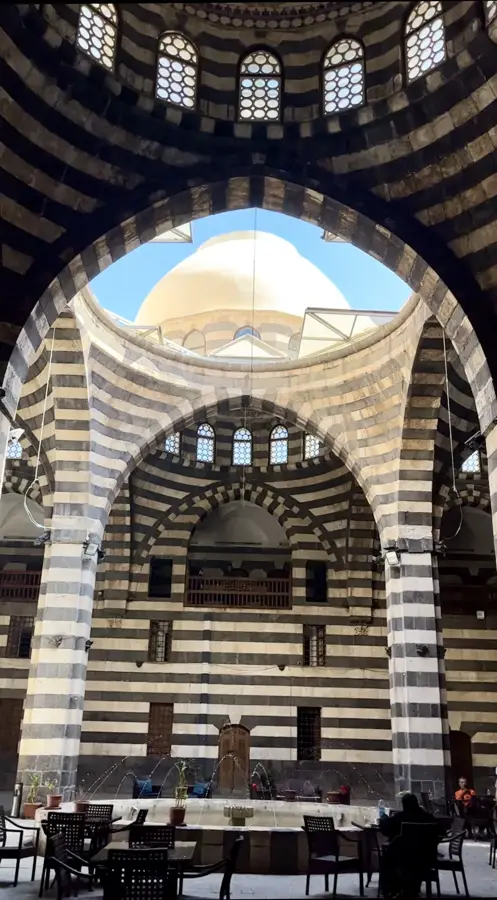
Khan As'ad Pasha
The largest caravanserai in the Old City of Damascus, famous for its spectacular nine domes and striped stone facade.
Learn more →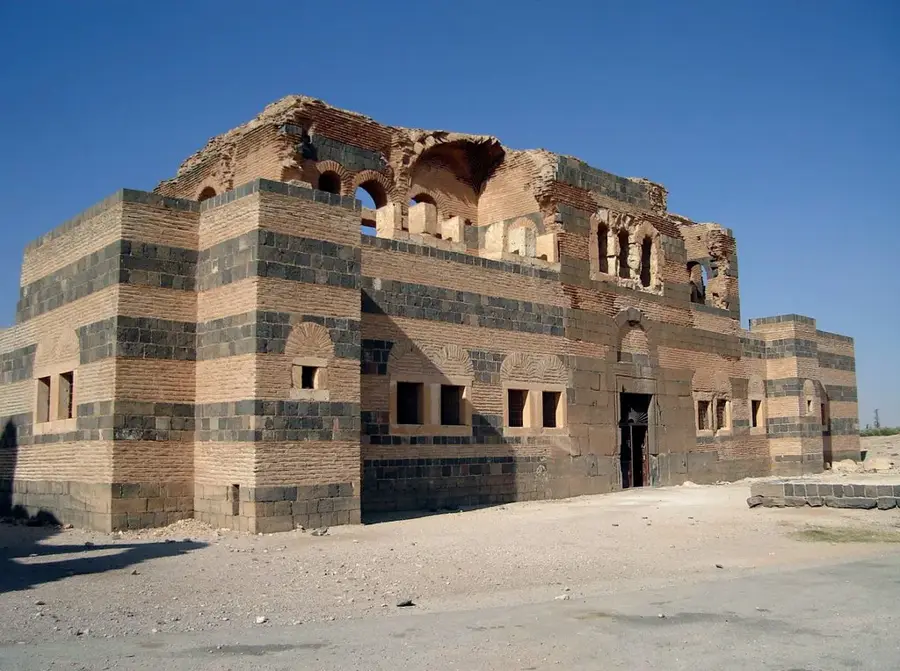
Qasr Ibn Wardan
A 6th-century Byzantine building complex on the edge of the desert, consisting of a palace, a church, and a barracks.
Learn more →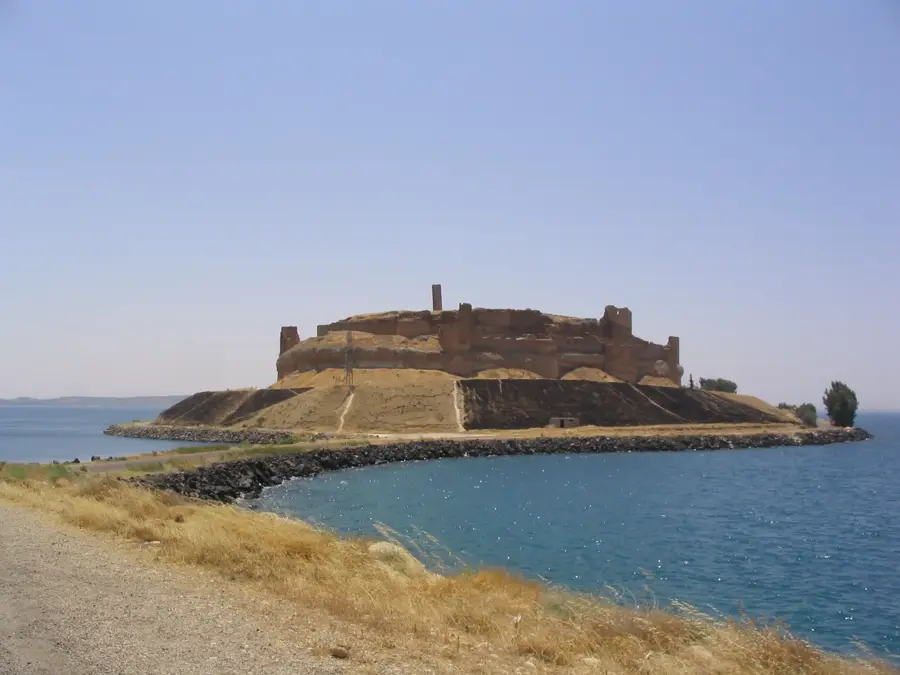
Qal'at Ja'bar
An impressive ruined castle that now sits majestically on an island in Lake Assad, surrounded by massive brick walls.
Learn more →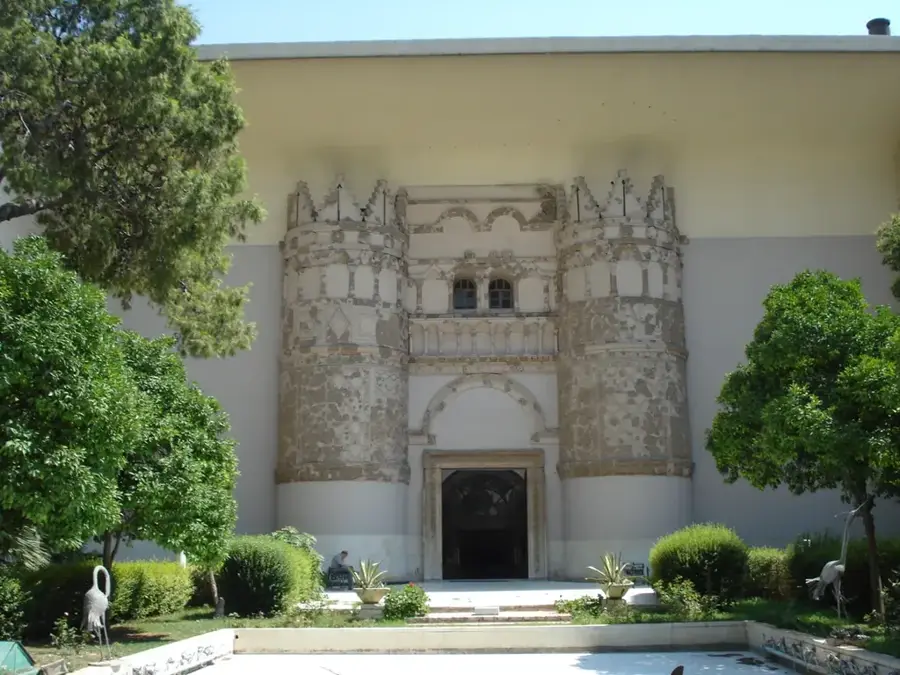
National Museum of Damascus
Syria's most important archaeological museum, presenting millennia of history from prehistoric times to the Islamic era.
Learn more →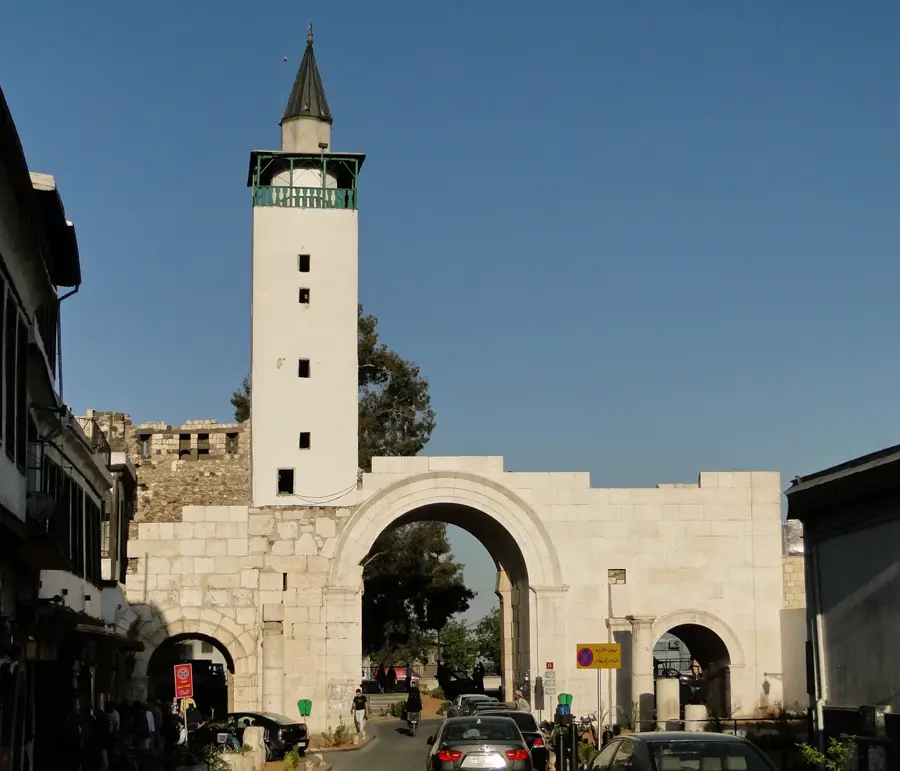
Bab Sharqi
One of the ancient city gates of Damascus and the only one that still retains its original Roman appearance with three arches.
Learn more →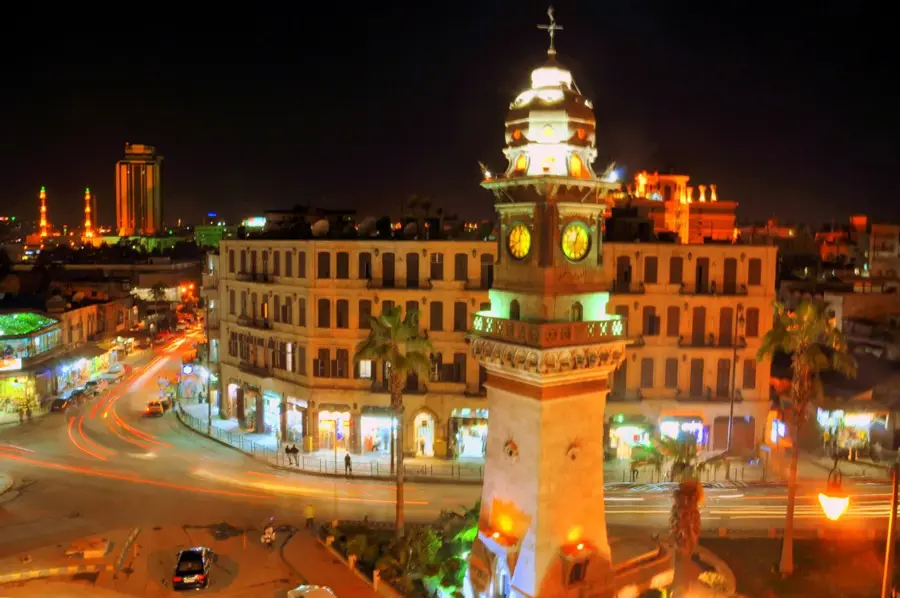
Bab al-Faraj Clock Tower
A prominent landmark in the center of Aleppo, built at the end of the 19th century by the Ottoman governor.
Learn more →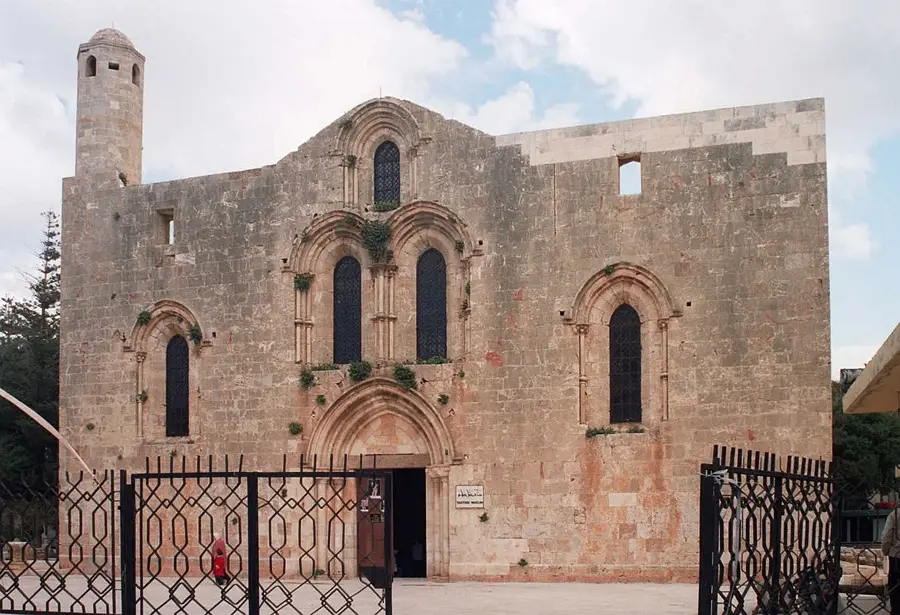
Cathedral of Our Lady of Tortosa
An outstanding example of Crusader Romanesque architecture, which today houses the National Museum of Tartus.
Learn more →
Hejaz Railway Station
The historic terminal station in Damascus, famous for its richly decorated ceiling and impressive stained-glass windows.
Learn more →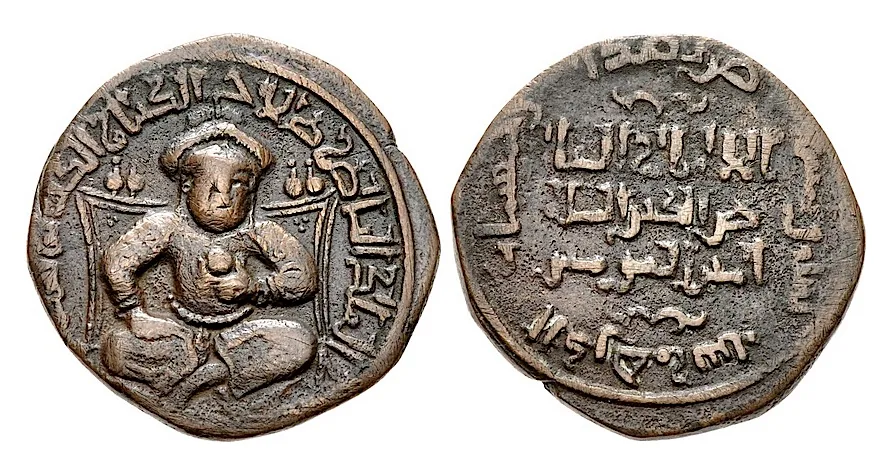
Mausoleum of Saladin
The final resting place of the famous Ayyubid Sultan Saladin, located in a small garden next to the Umayyad Mosque.
Learn more →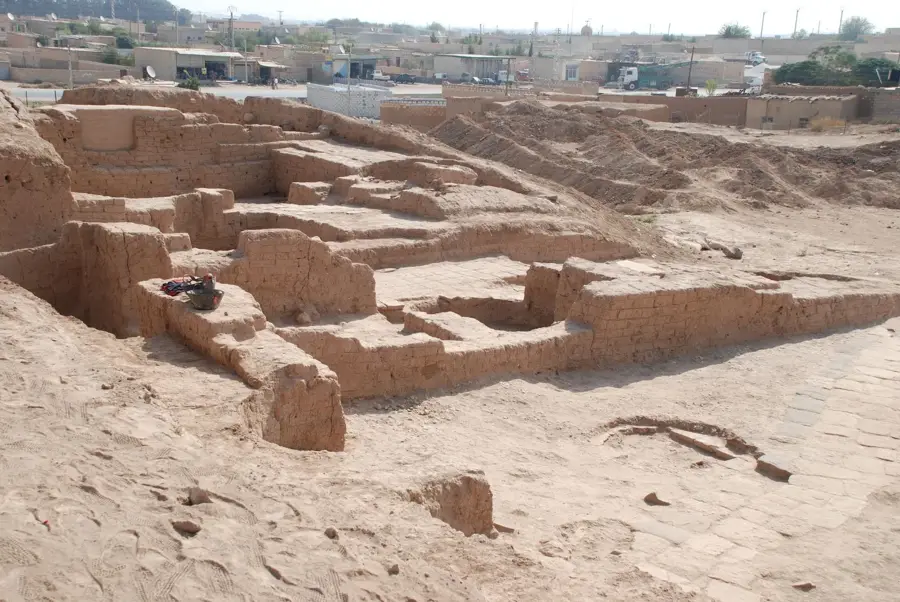
Tell Halaf
A major archaeological site in northeastern Syria, famous for its monumental Iron Age sculptures and reliefs.
Learn more →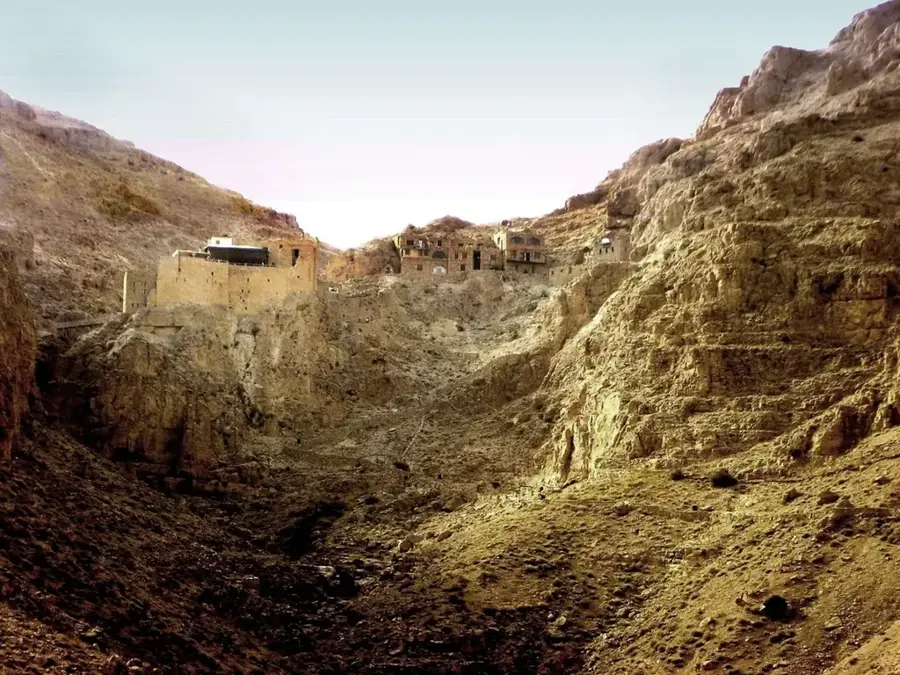
Deir Mar Musa
A Syriac Catholic monastery built high on the steep slopes of a desert gorge near Nabk.
Learn more →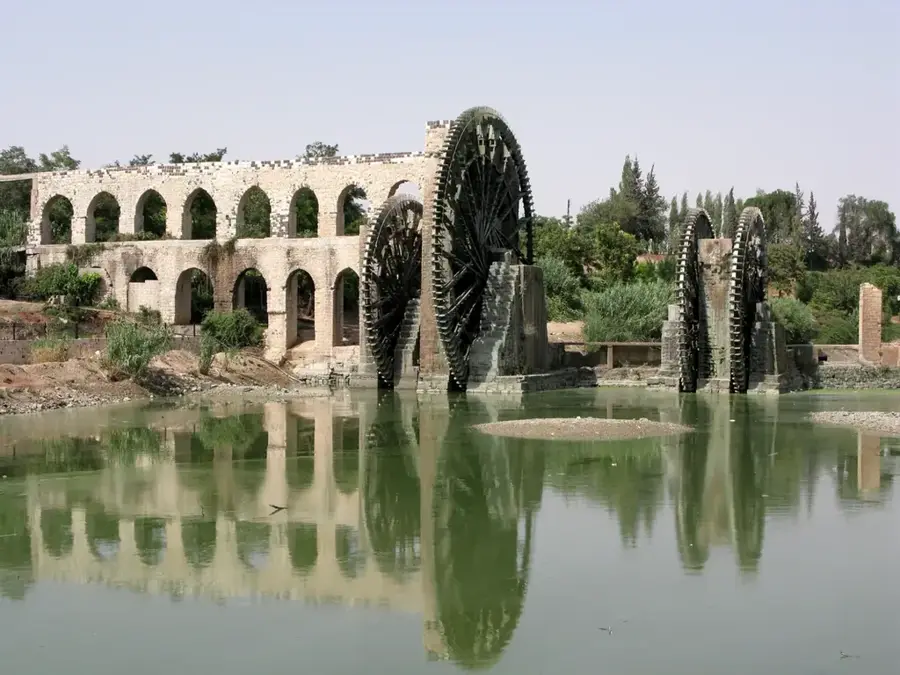
Hama Norias
Huge wooden water wheels on the Orontes River, whose origins date back to the Byzantine Empire.
Learn more →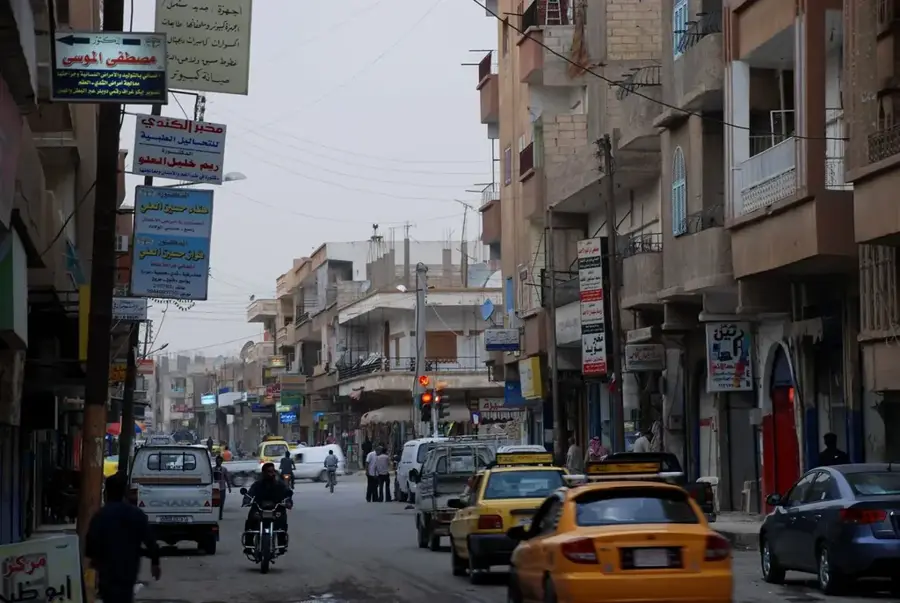
Al-Raqqah Wall
Large parts of the historical city wall and the massive Bab Baghdad (Baghdad Gate).
Learn more →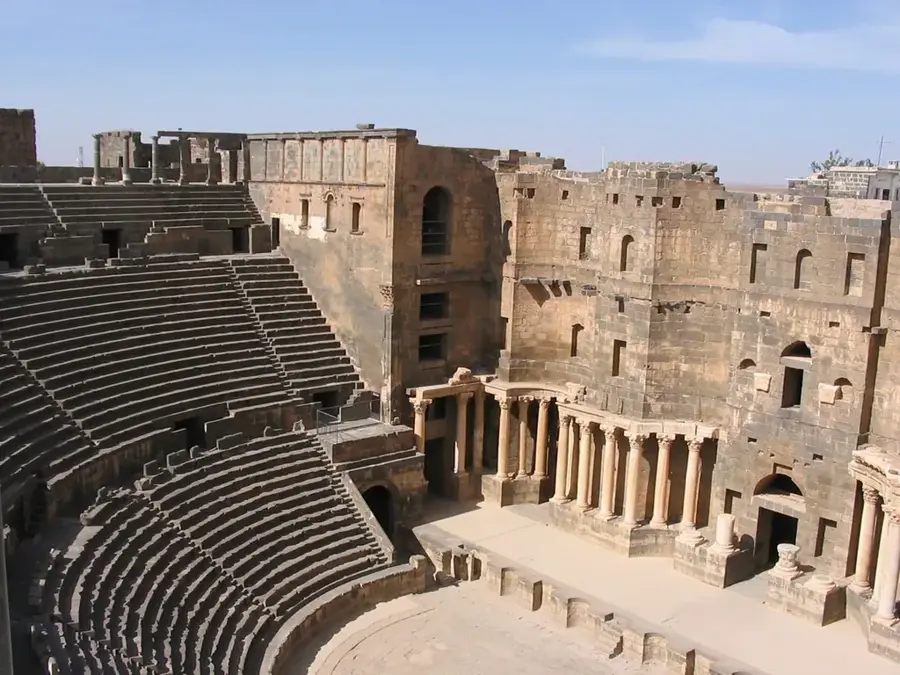
Bosra Amphitheatre
An exceptionally well-preserved 2nd-century amphitheater built of black basalt.
Learn more →Nature
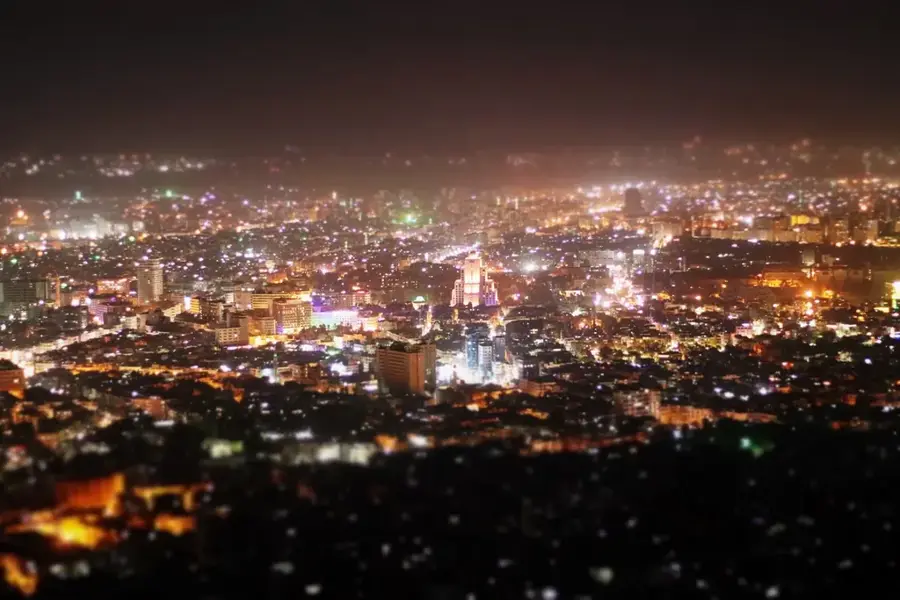
Al-Jalaa Park
A well-known sports and leisure park in Damascus, providing facilities for various outdoor activities.
Learn more →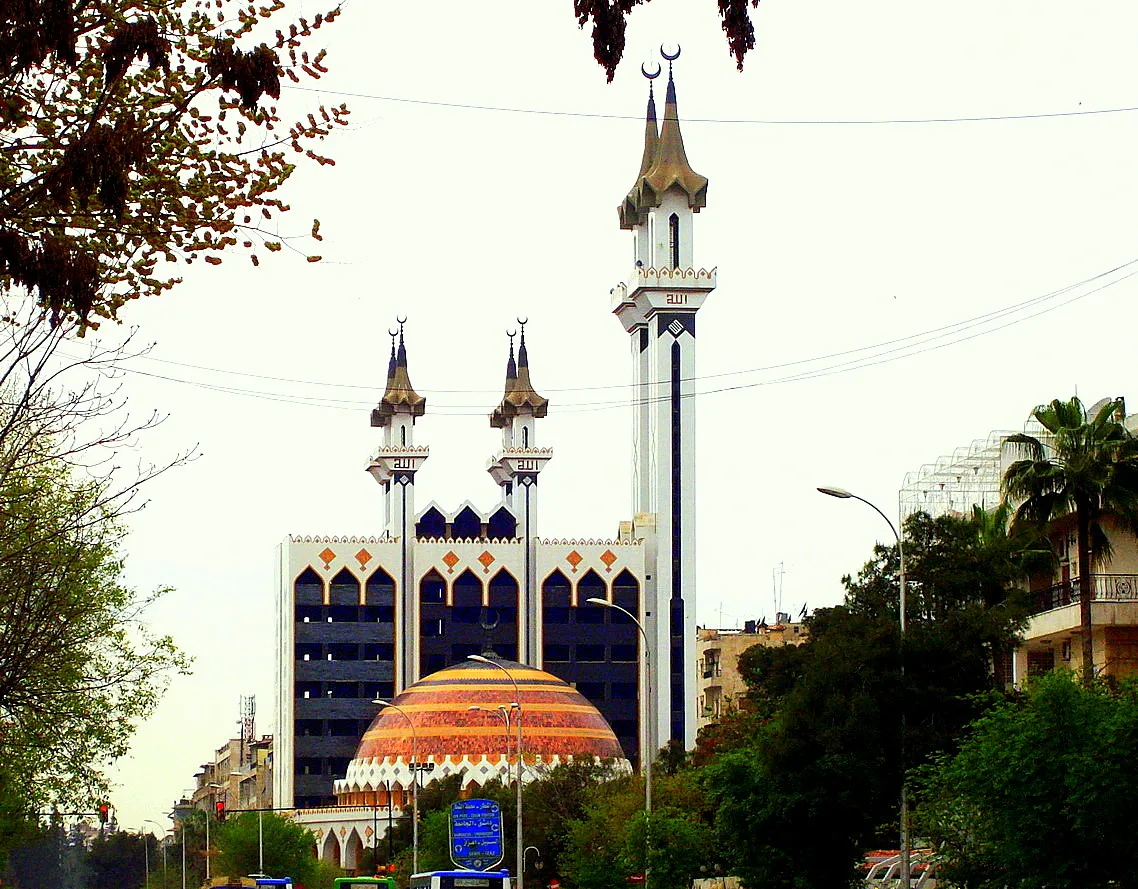
Al-Sabil Park
One of the oldest and best-known parks in Aleppo, famous for its large water basins and shaded avenues.
Learn more →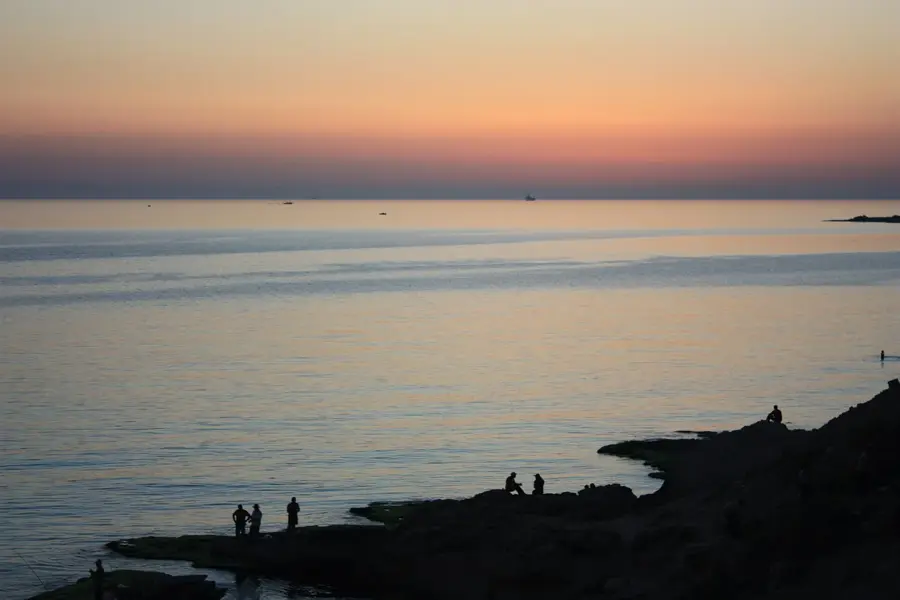
Al-Riyadeh Park
An urban park in the coastal city of Latakia, offering recreation and leisure activities near the sea.
Learn more →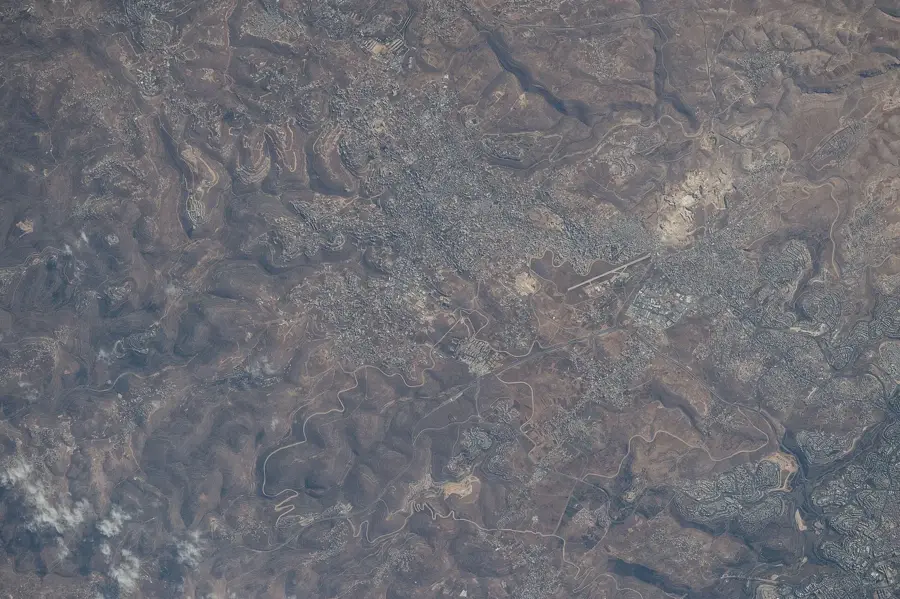
Lake Muzairib
Lake Muzairib is an important freshwater lake in southern Syria, fed by numerous natural springs.
Learn more →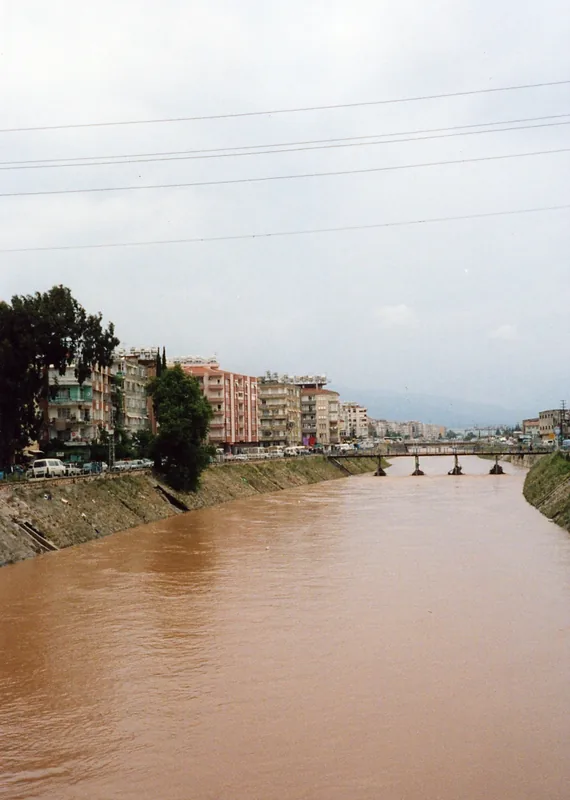
Lake Qattinah
Lake Qattinah is a historical lake southwest of Homs, featuring a dam that partly dates back to antiquity.
Learn more →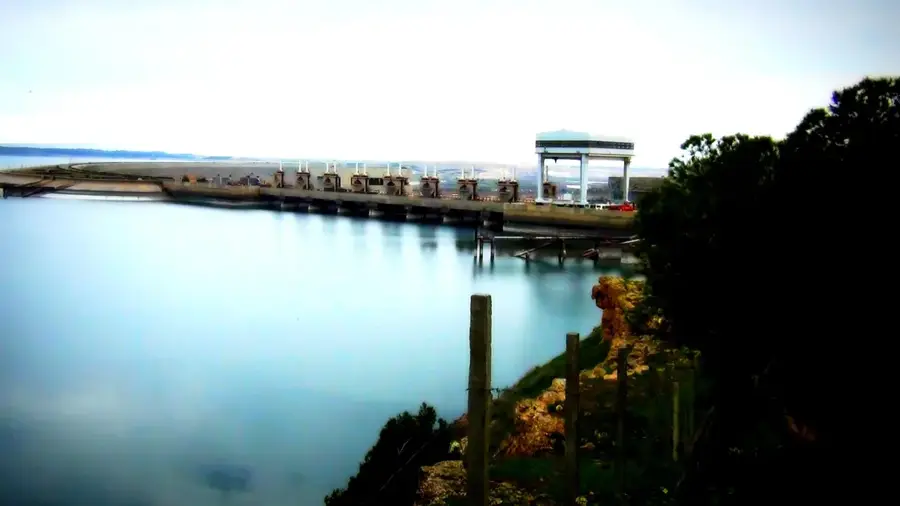
Lake Assad
Lake Assad is Syria's largest reservoir, created by the construction of the Tabqa Dam on the Euphrates.
Learn more →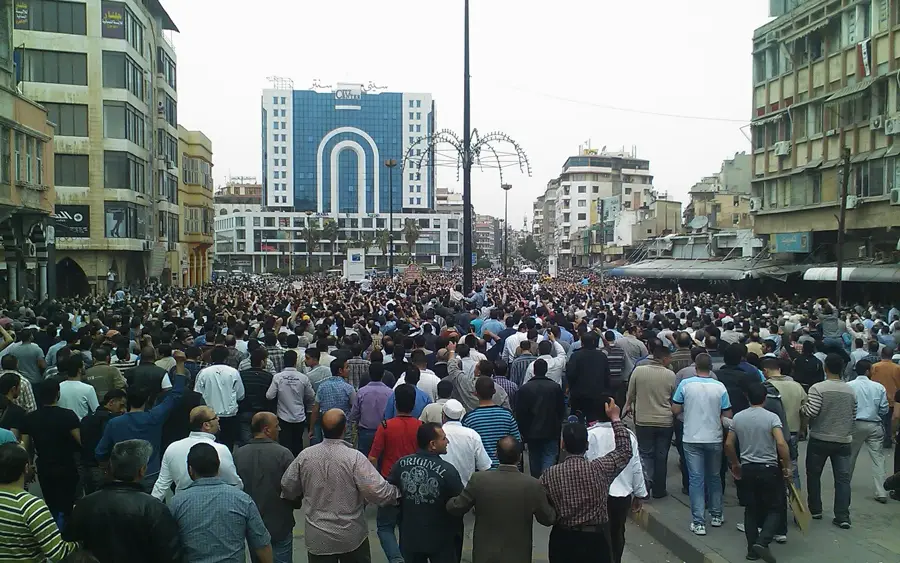
Syrian Coast
The Syrian Mediterranean coast is a narrow, fertile strip characterized by a mild climate and rich agriculture.
Learn more →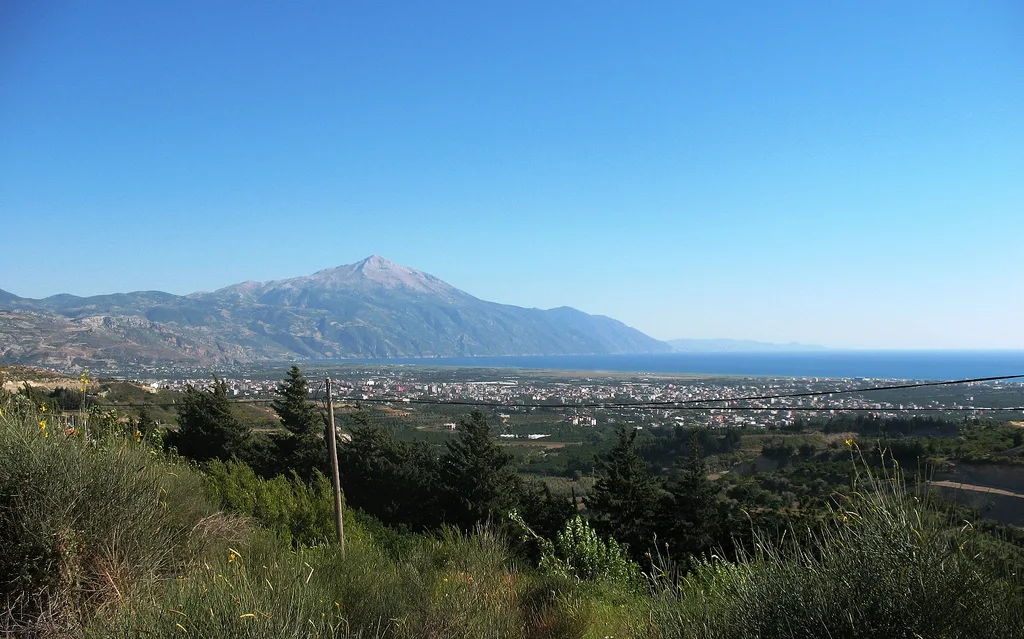
Mount Casius
Jabal al-Akra, also known as Mount Casius, is a steep limestone mountain near the Turkish border that drops sharply into the Mediterranean Sea.
Learn more →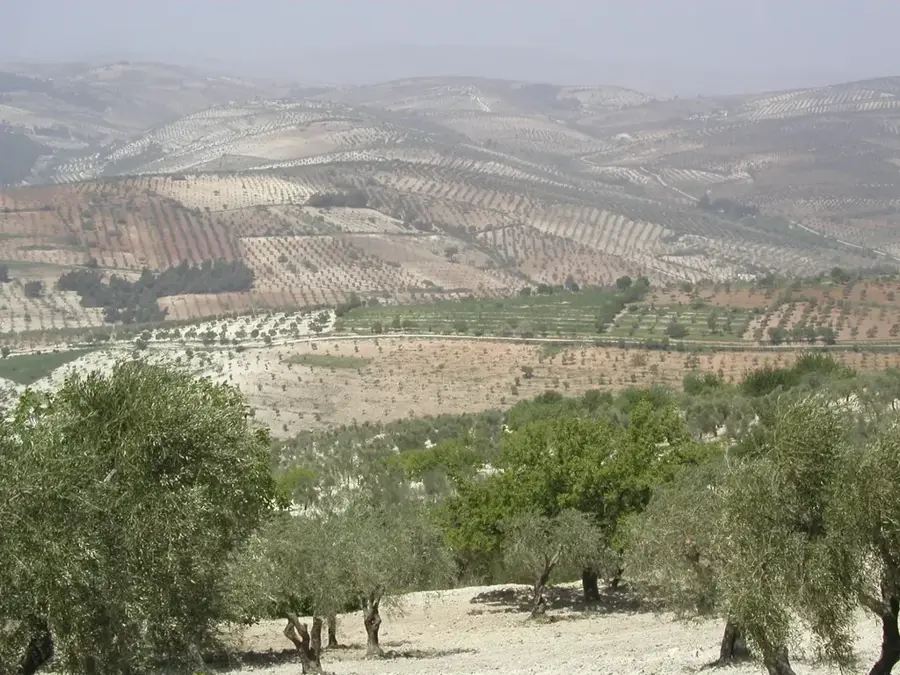
Kurd Mountains
Kurd Dagh is a mountainous highland in northwestern Syria, characterized by its dense olive groves and rich cultural history.
Learn more →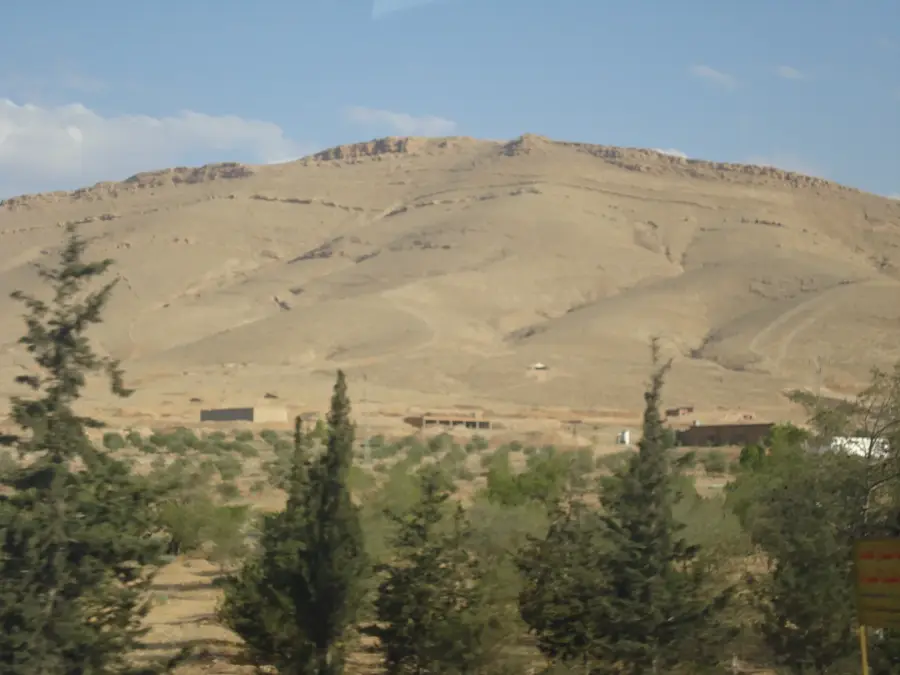
Qalamoun Mountains
The Qalamoun Mountains are the northeastern extension of the Anti-Lebanon mountain range and a strategically important mountainous region in Syria.
Learn more →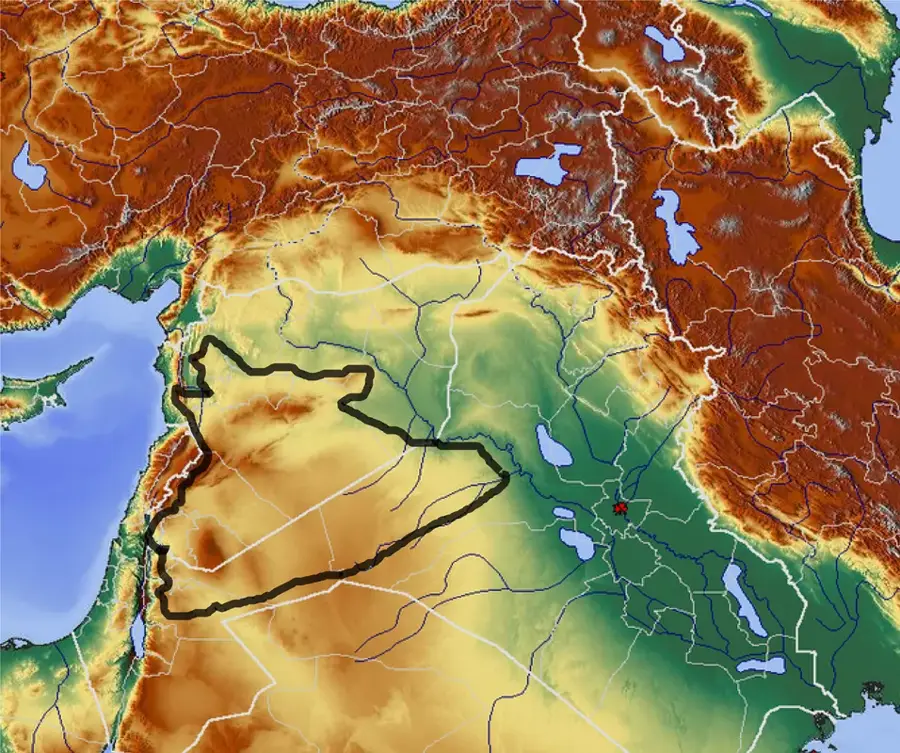
Jabal Abu Rujmayn
Jabal Abu Rujmayn is an elongated mountain range in the middle of the Syrian Desert, harboring important archaeological sites.
Learn more →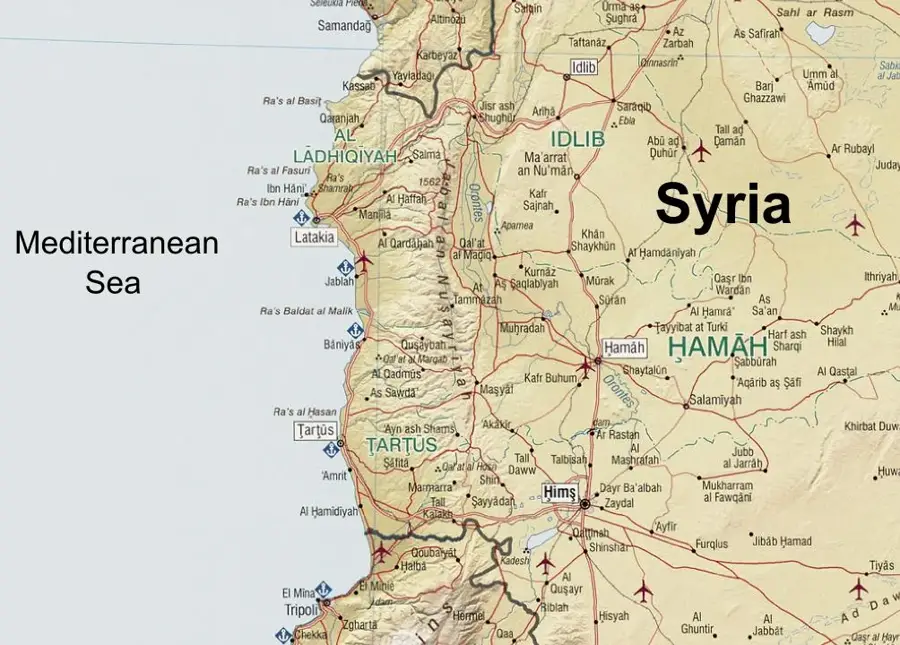
Syrian Coastal Mountain Range
The heavily forested Syrian Coastal Mountain Range runs parallel to the Mediterranean coast and receives abundant rainfall.
Learn more →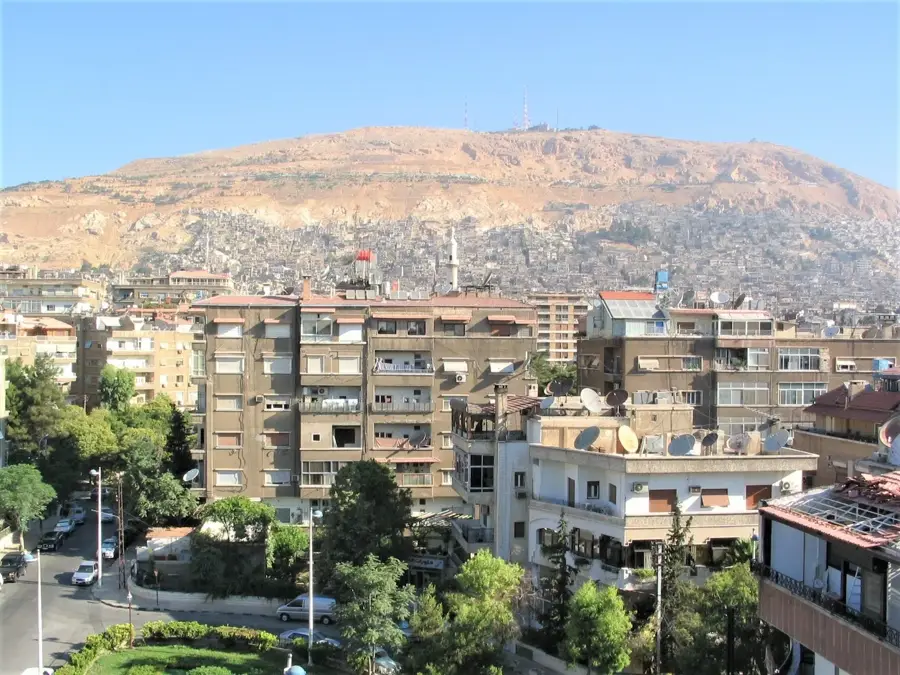
Mount Qasioun
Mount Qasioun rises directly above Damascus, offering an unparalleled panoramic view of the entire capital city.
Learn more →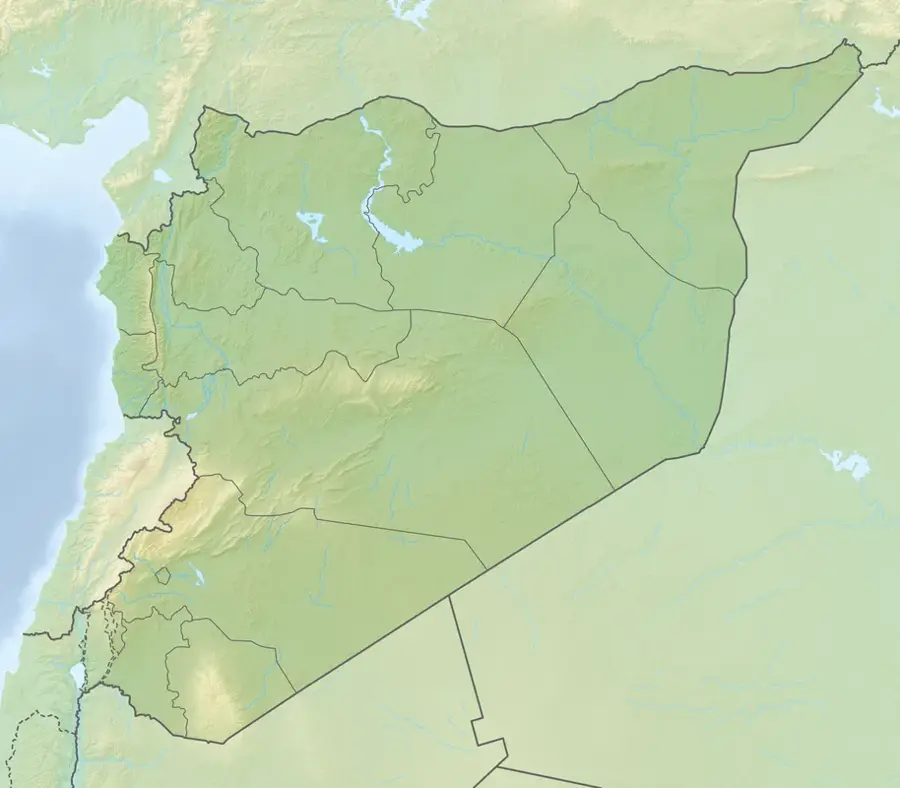
Jabal al-Bishri
Jabal al-Bishri is an extensive highland in the Syrian desert, historically traversed by nomadic tribes.
Learn more →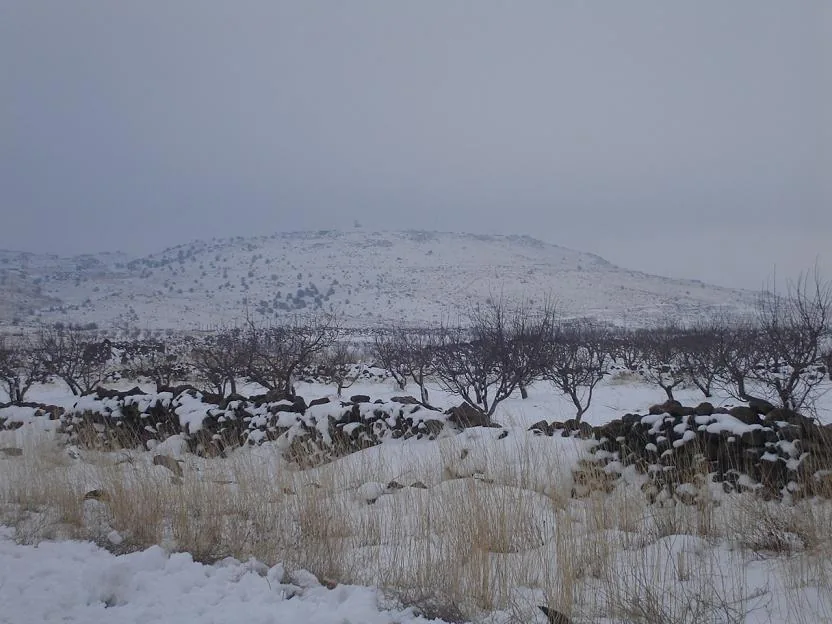
Jabal al-Druze
The volcanic mountainous region of Jabal al-Druze rises majestically in the southern Syrian region of As-Suwayda.
Learn more →More highlights
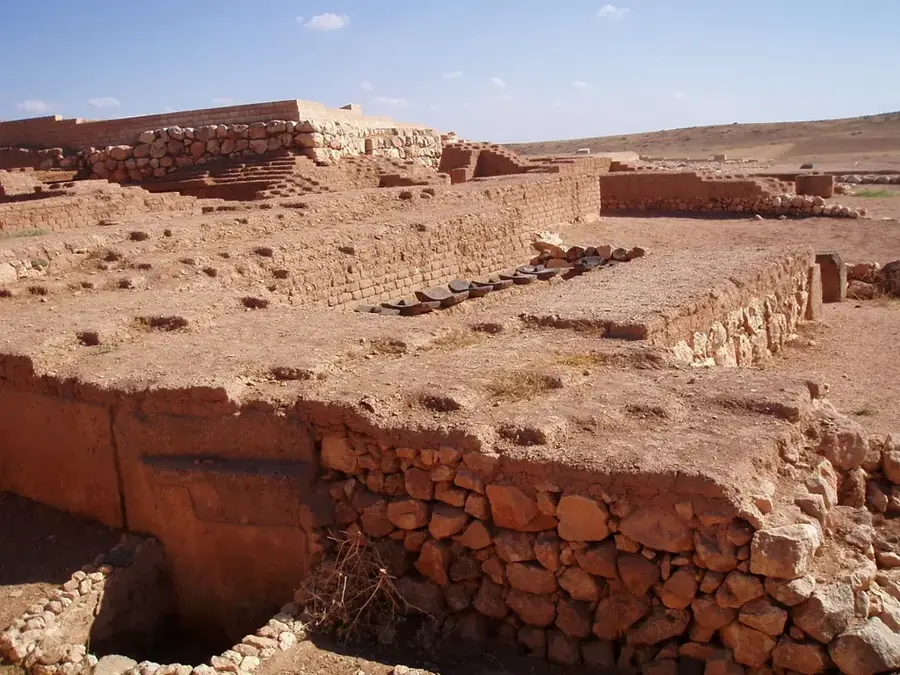
Ebla
The remains of an ancient civilization, famous for the discovery of thousands of cuneiform tablets.
Learn more →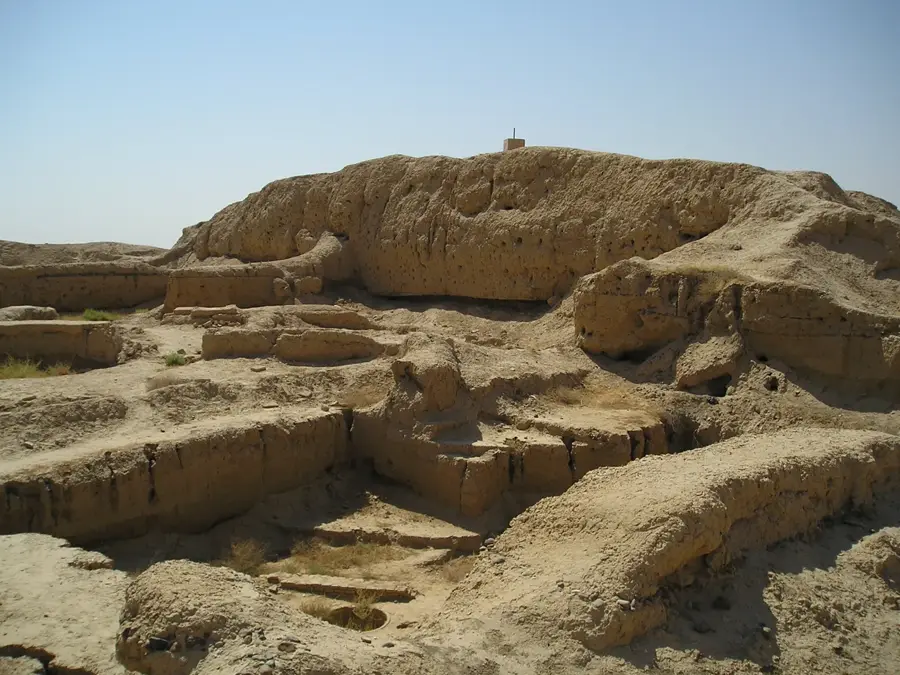
Mari
A former Mesopotamian city on the Euphrates River that once controlled the lucrative trade between Sumer and the Levant.
Learn more →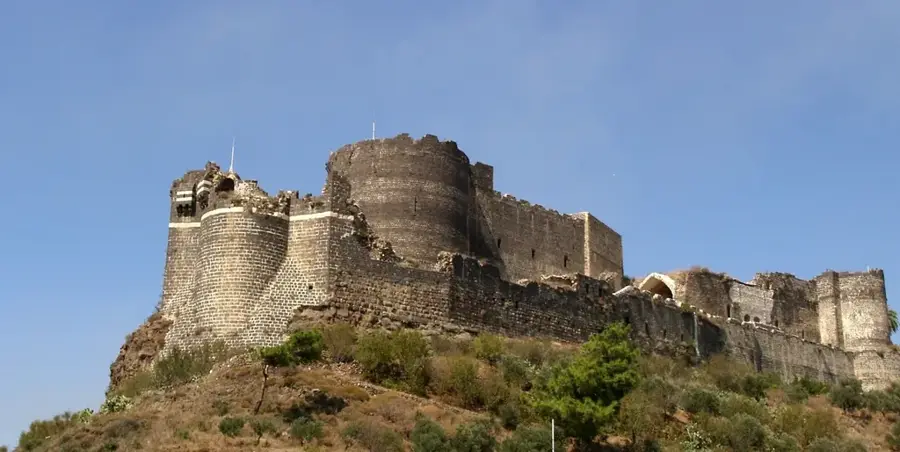
Margat Castle
A black basalt fortress of the Knights Hospitaller resting on an extinct volcano overlooking the Mediterranean Sea.
Learn more →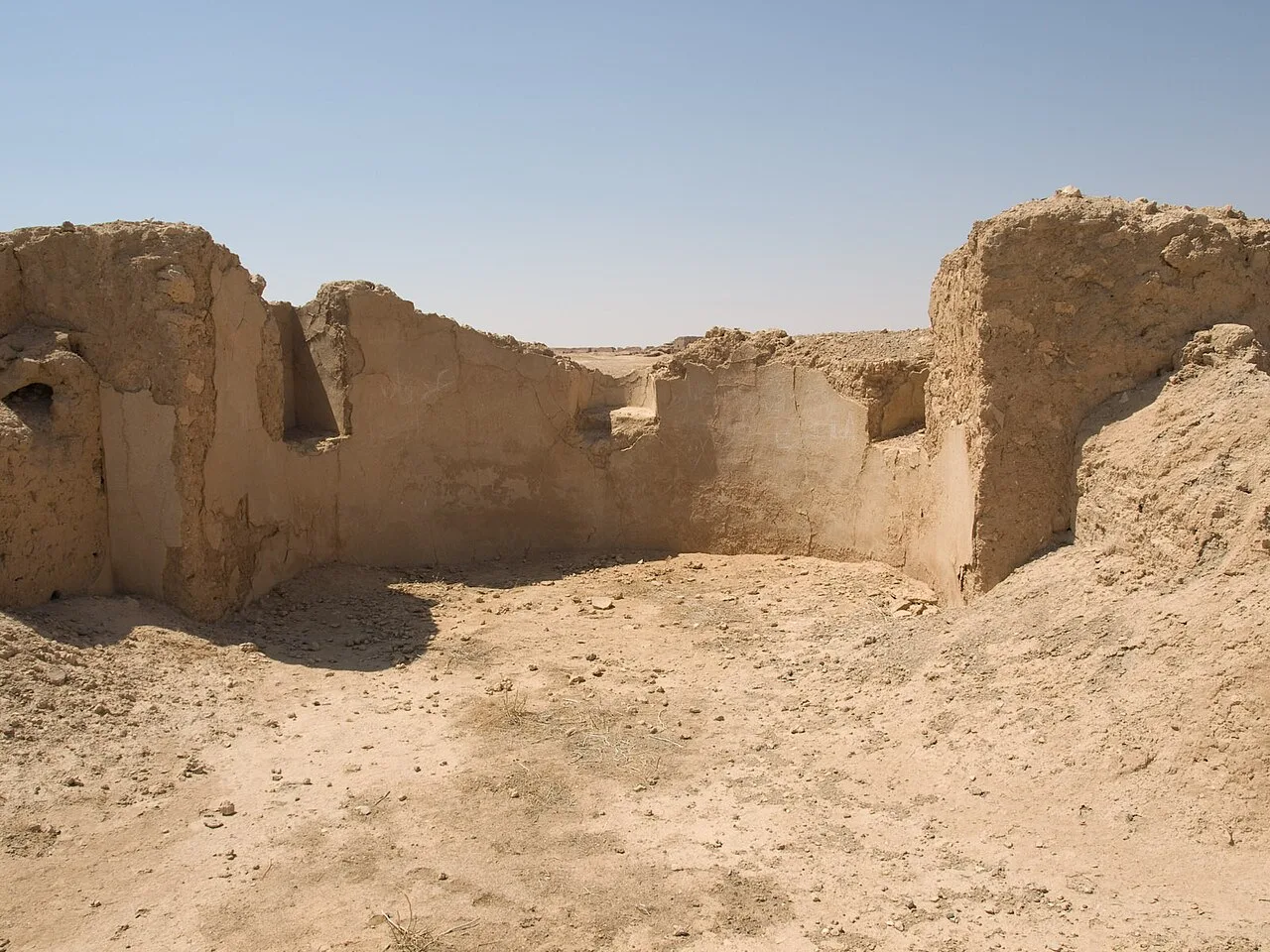
Dura-Europos
A multicultural border town on the Euphrates that was fought over by Persians and Romans.
Learn more →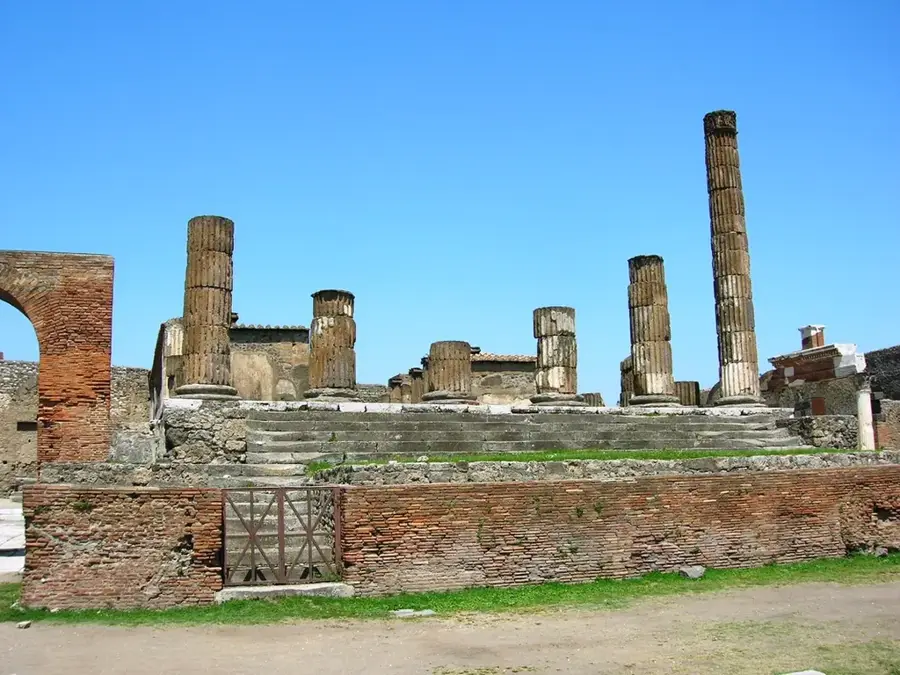
Temple of Jupiter
Remains of a gigantic Roman temple that once dominated the center of Damascus.
Learn more →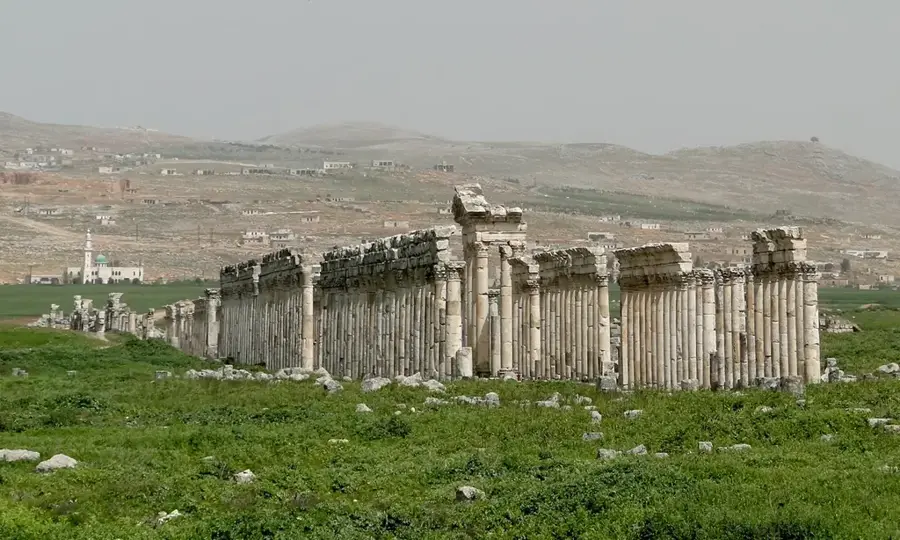
Apamea
Once a thriving ancient metropolis, known for its nearly two-kilometer-long Great Colonnade.
Learn more →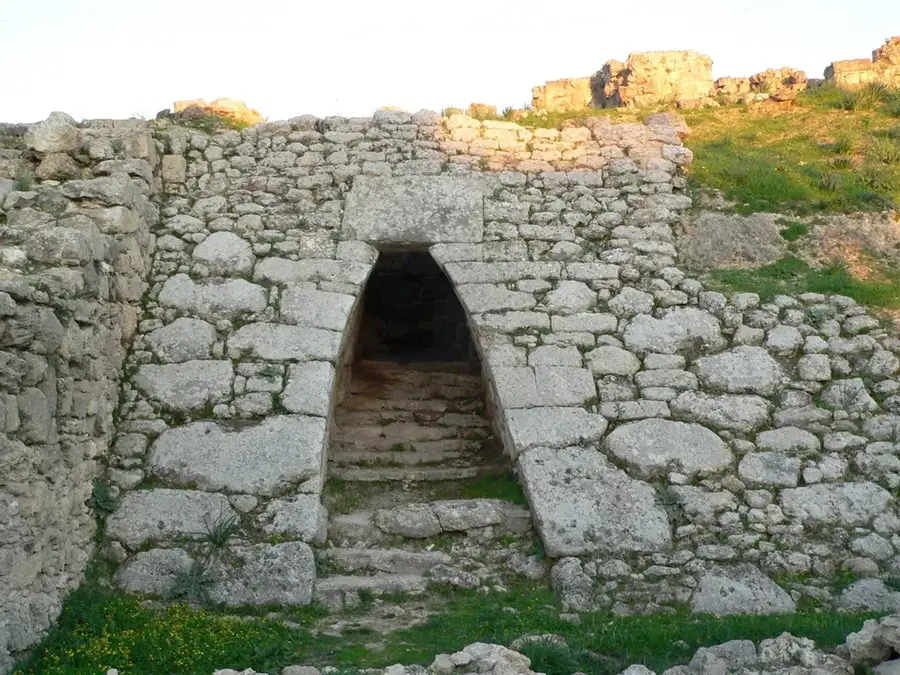
Ugarit
This Bronze Age port city is the discovery site of the world's oldest known alphabet.
Learn more →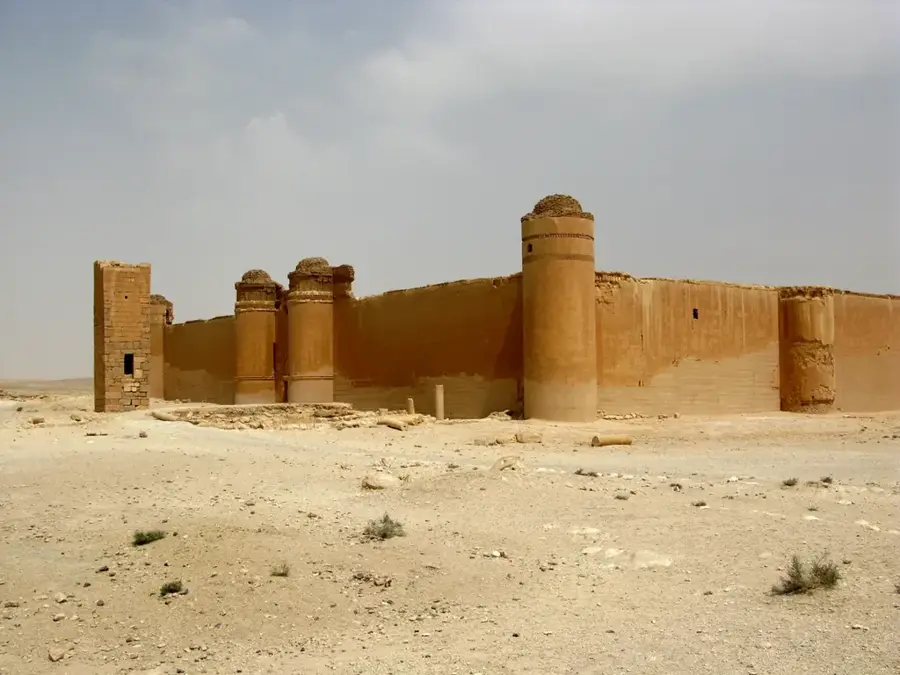
Qasr al-Hayr al-Sharqi
Two Umayyad desert castles that were originally agricultural estates and caravanserais.
Learn more →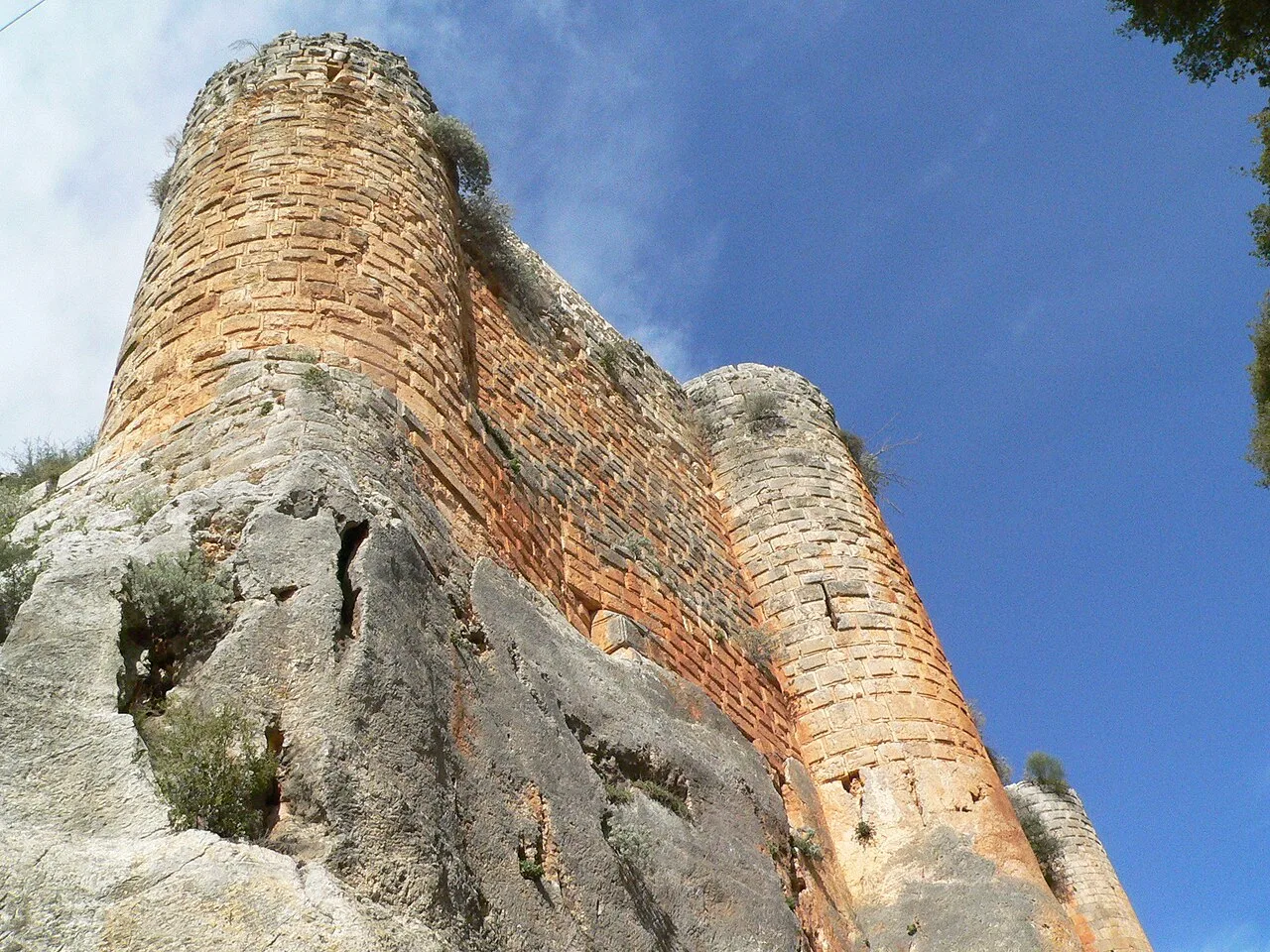
Saladin's Castle
A Byzantine and later Crusader mountain fortress carved deep into a natural rock fissure.
Learn more →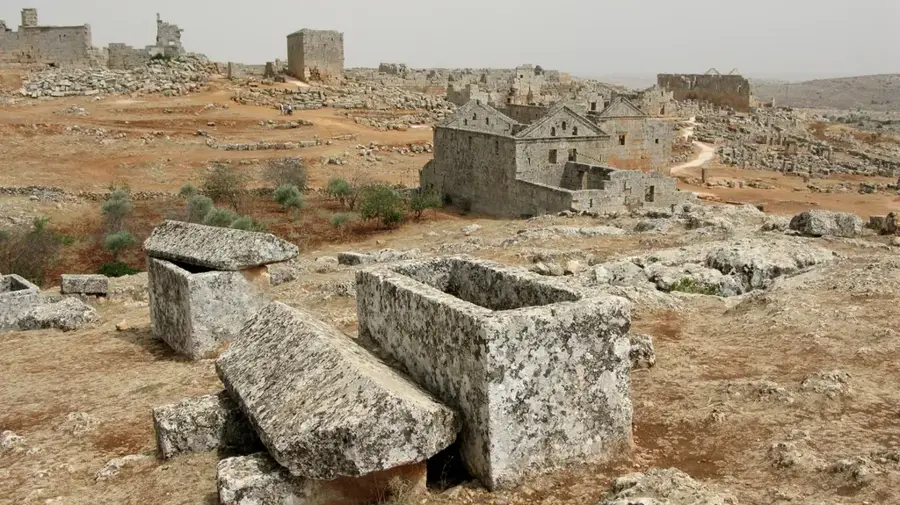
Serjilla
The best-preserved of Syria's so-called Dead Cities.
Learn more →
Al-Ghab Plain
The Al-Ghab Plain is a fertile rift valley on the Orontes River that was drained in the mid-20th century to reclaim agricultural land.
Learn more →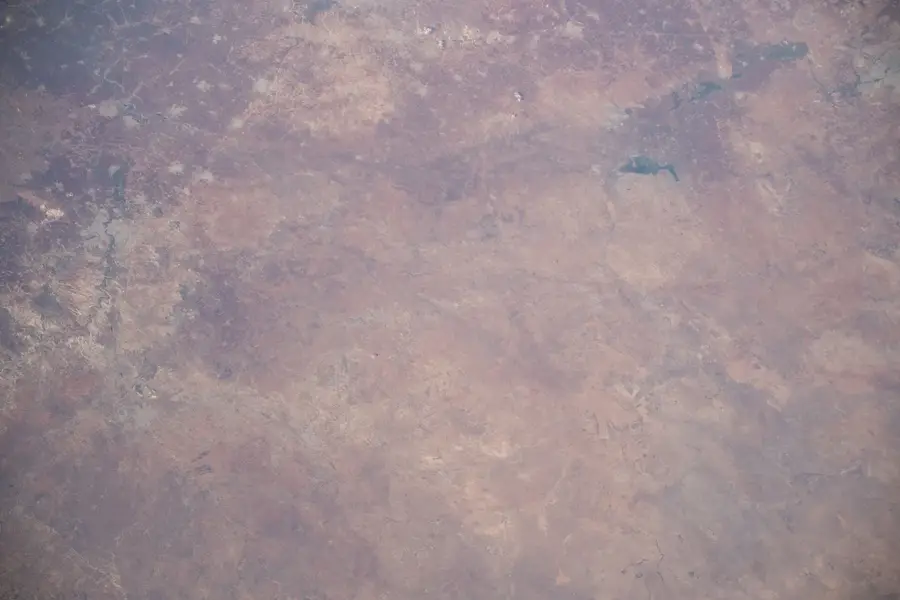
Zara Power Plant
A major thermal power plant in the Hama province, powered by natural gas, contributing significantly to the national electricity supply.
Learn more →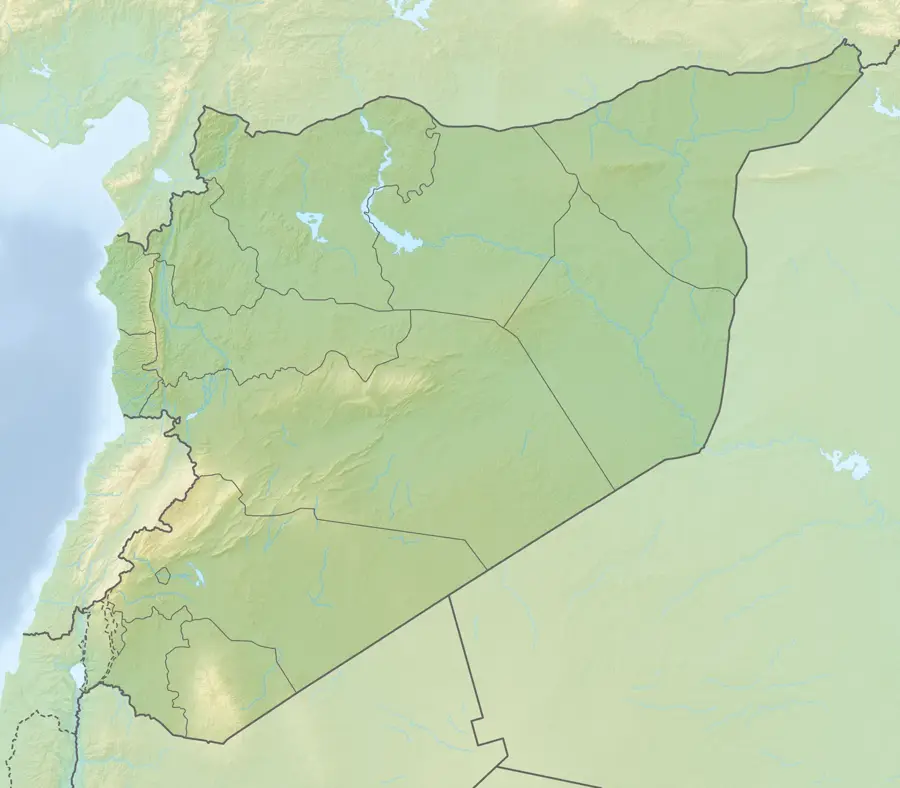
Amrit
An ancient Phoenician excavation site near the coast, featuring a unique rock-cut temple that was surrounded by a pool of water.
Learn more →Frequently asked questions
What are the top attractions in Syria?
Among the most popular are Azem Palace, Great Mosque of Aleppo, Church of Saint Simeon Stylites, Saidnaya Monastery, Sayyidah Ruqayya Mosque and many more – the full top 50 list is on this page.
When is the best time to visit Syria?
May to October offers the most pleasant weather; July and August are warmest and busiest.