Plizio Visual Lab

Bosra Amphitheatre
Plizio editorial teamData Sources
monument
—°6
Bosra Amphitheatre (Syria)

Weather…

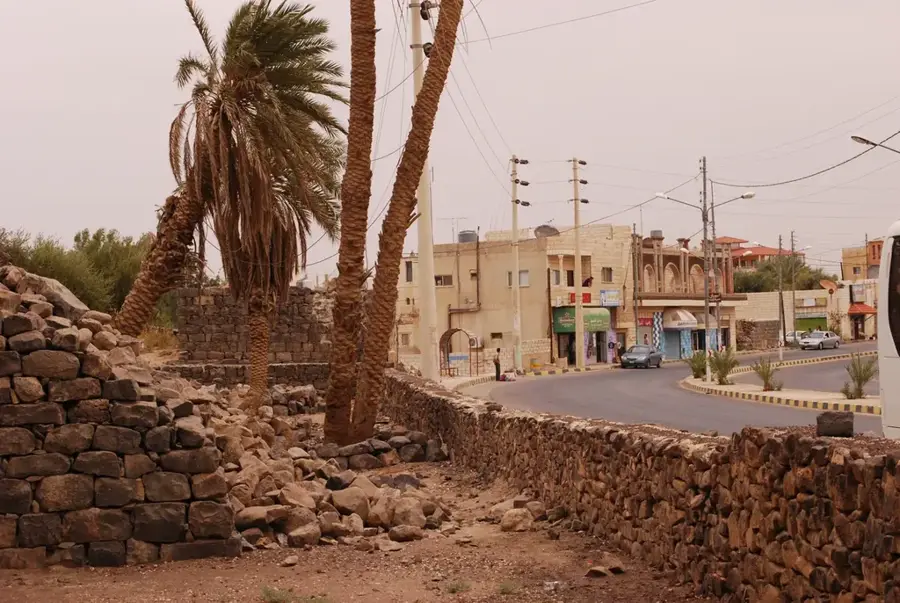
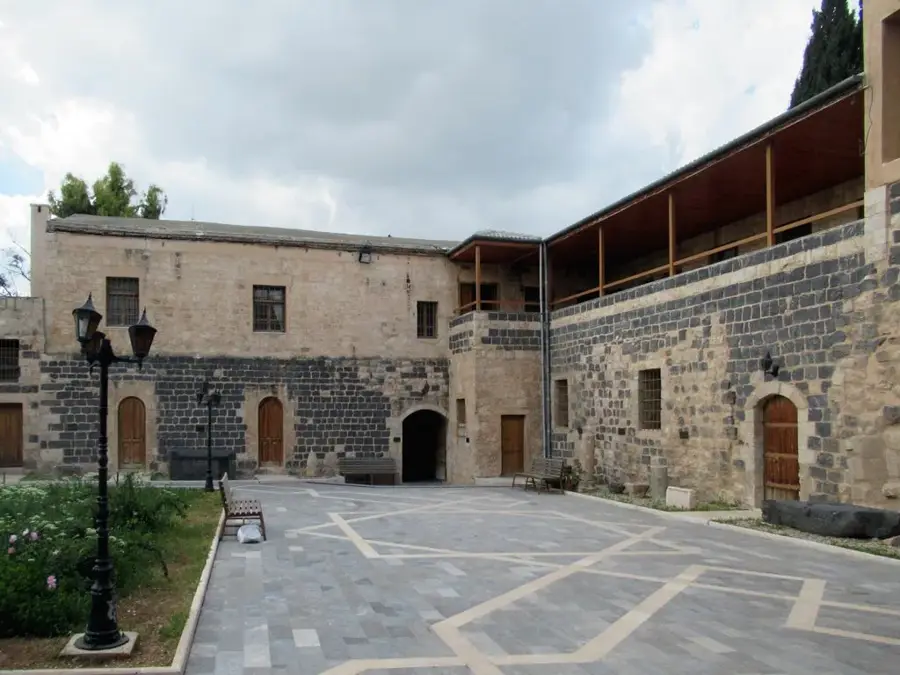
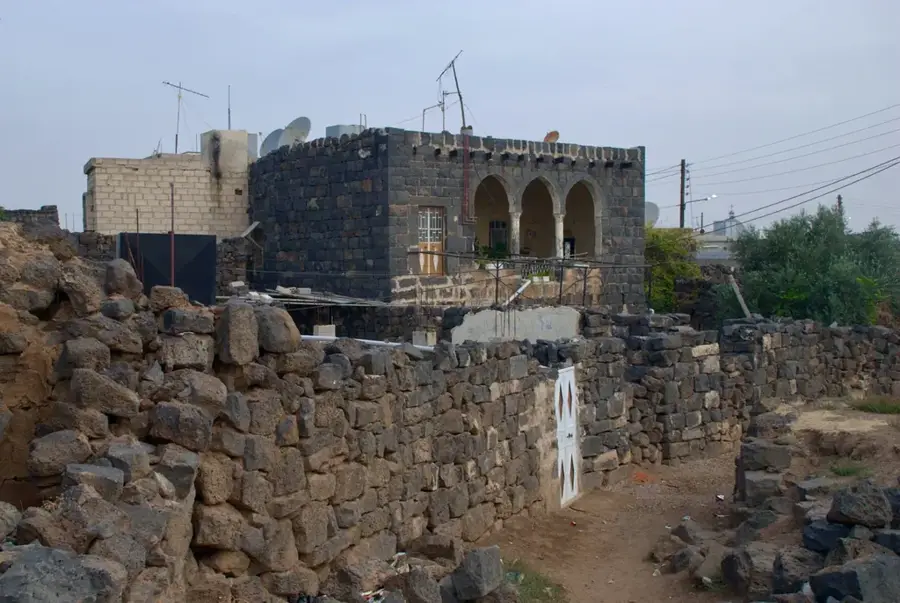
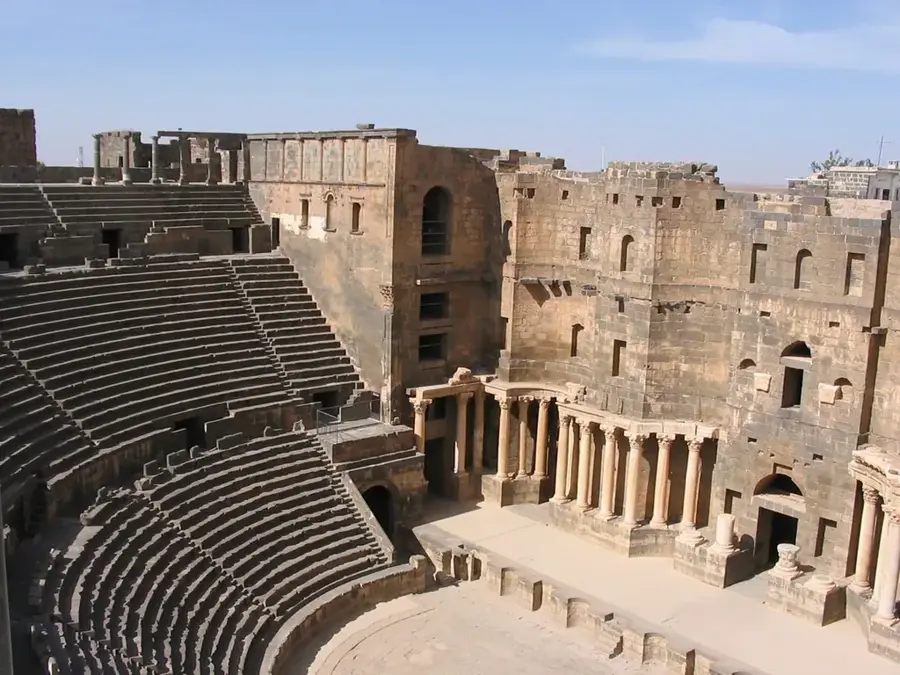
The Roman Theatre at Bosra is one of the best-preserved ancient theaters in the world, renowned for its monumental scale and exceptional state of conservation. Built in the 2nd century AD during the Roman occupation of Syria, it was constructed entirely from local black basalt, giving it a distinctive dark appearance. The theater could accommodate approximately 15,000 spectators and was a central hub for culture in the regional capital of the Roman province of Arabia. Its survival is largely due to its later conversion into a fortress by the Ayyubid dynasty between the 11th and 13th centuries, who encased the structure in massive defensive walls and towers to withstand Crusader sieges. This medieval 'fortification' effectively cocooned the Roman interior, preserving the stage and seating areas almost perfectly. As a UNESCO World Heritage site, it remains a wide-open example of Roman engineering and Islamic military adaptation, standing as a highlight of Syrian archaeology.

Best time to visit & climate

The most pleasant time to visit is May, Sep, Oct.

JanFebMarAprMayJunJulAugSepOctNovDec
Avg °C8913162125272625211410
Rain mm494524134101172042

📋 Practical info

🚪
Visiting
Visitors can fully explore both the imposing external fortress structure and the remarkably preserved internal seating of the ancient amphitheater. Walking through the vaulted passageways and standing on the grand stage provides an unforgettable sense of Roman engineering.
🕒
Typical hours
The amphitheater and the surrounding ancient city ruins are typically open to visitors from early morning until late afternoon. Arriving early is generally recommended to avoid the midday heat and to experience the dramatic scale of the structure in relative quiet.
📷
Photography
The distinct black basalt rock provides a moody, dark canvas that looks especially spectacular during the contrast-rich light of early morning or twilight. Climbing to the highest tiers of the theater has a commanding panoramic view over the stage and the sprawling ancient town of Bosra.
⏱️
Time needed
Plan for at least one to two hours to thoroughly explore the amphitheater, its fortified walls, and the subterranean corridors. To truly appreciate the adjacent Roman baths, colonnaded streets, and early Islamic architecture, a visit of three to four hours is handy.
Combine with
The amphitheater is the centerpiece, but it should definitely be combined with a comprehensive walking tour of the ancient city of Bosra itself. It is also often visited as a major highlight on a broader tour extending southwards from the capital city of Damascus.
🧭
Getting there
Bosra is situated in southern Syria and is most conveniently reached by hiring a taxi or joining an organized tour originating from Damascus. The drive is relatively straightforward, but local security checkpoints mean that having an experienced local driver and guide is necessary.
💡
Insider tip
When navigating the massive stone steps and dark corridors within the fortress, a flashlight or a fully charged phone light can be incredibly helpful. Be prepared for a warm climate, as the black basalt absorbs heat, making the amphitheater exceptionally hot in the middle of summer.

Geography

Coordinates
32.51860, 36.48160

Facts

  • Built in the 2nd century AD using local black basalt stone.
  • The seating capacity is estimated at 15,000 people.
  • Converted into a fortress by the Ayyubids starting in 1081.
  • The stage spans 45 meters in length.
  • Surrounded by a moat and 9 large medieval defensive towers.
  • Designated as a UNESCO World Heritage site in 1980.

Explore nearby

Notable places around

Route planner — Car & Motorhome

Where do you start? We build the route here, with stops and country notes along the way.

Vehicle
Only stops with (optional):

© OpenStreetMap contributors · OpenRouteService

Sights in the town Bosra Amphitheatre (6)

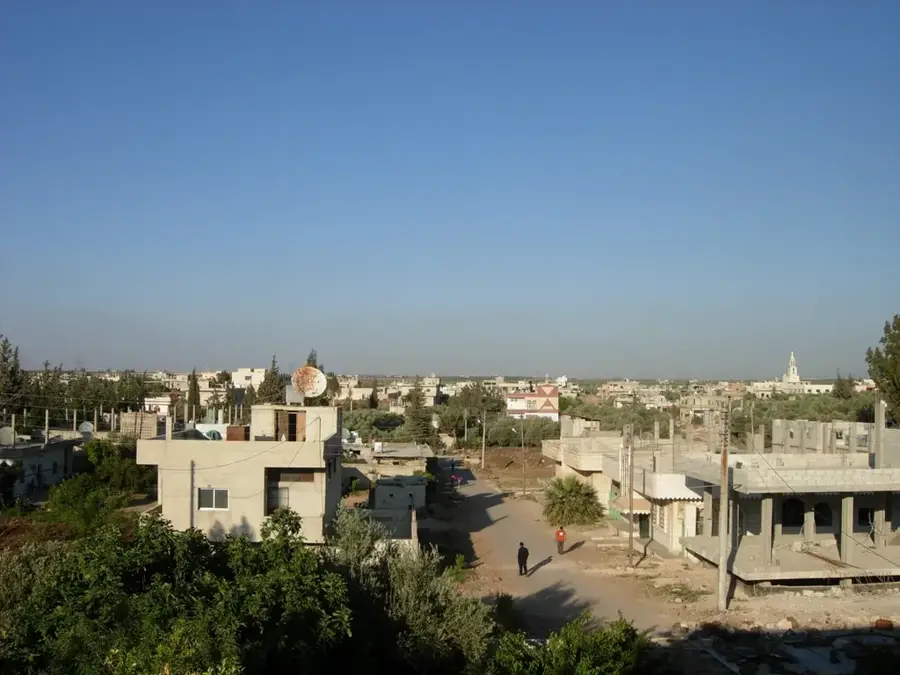
Al Khara'ib🏺 historical

These ancient ruins in sy-bosra-amphitheatre-history-v2 represent the layered architectural history of the historic city of Bosra.

Ad Dayr🏺 historical

Known as "The Monastery," these ruins in sy-bosra-amphitheatre-history-v2 feature carved basalt blocks from a former Byzantine religious site.

Mosque of Omar⛪ religious

One of the oldest mosques in the world, built in sy-bosra-amphitheatre-history-v2 using recycled Roman columns and black basalt.

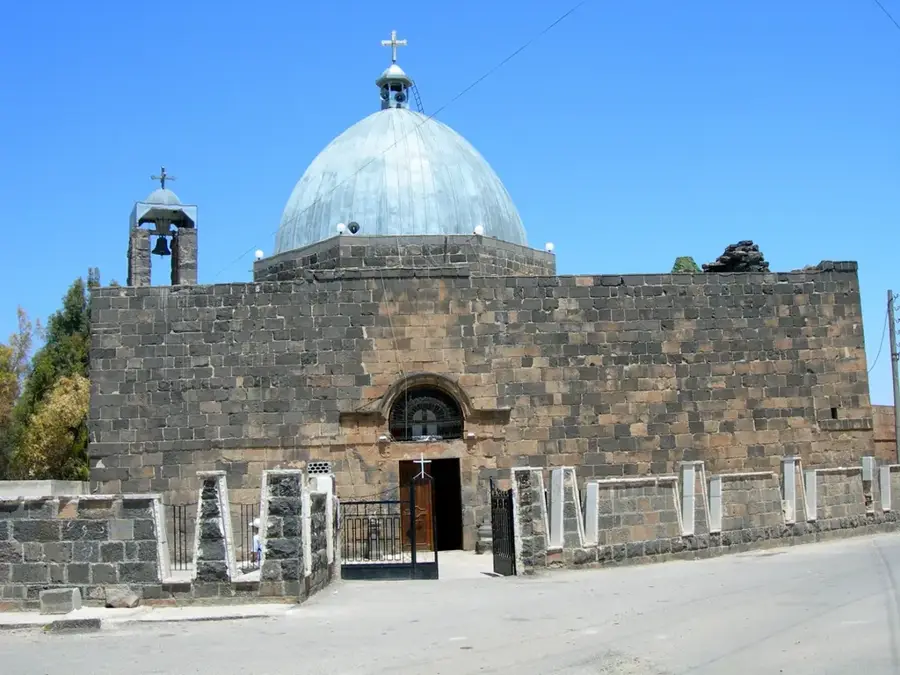
Basantine Church🏺 historical

The skeletal remains of a Byzantine church in sy-bosra-amphitheatre-history-v2, featuring carved lintels and a traditional cruciform plan.

Bosra Amphitheatre🎭 culture

This exceptionally well-preserved Roman theatre made of black basalt is uniquely enclosed within a massive medieval citadel.

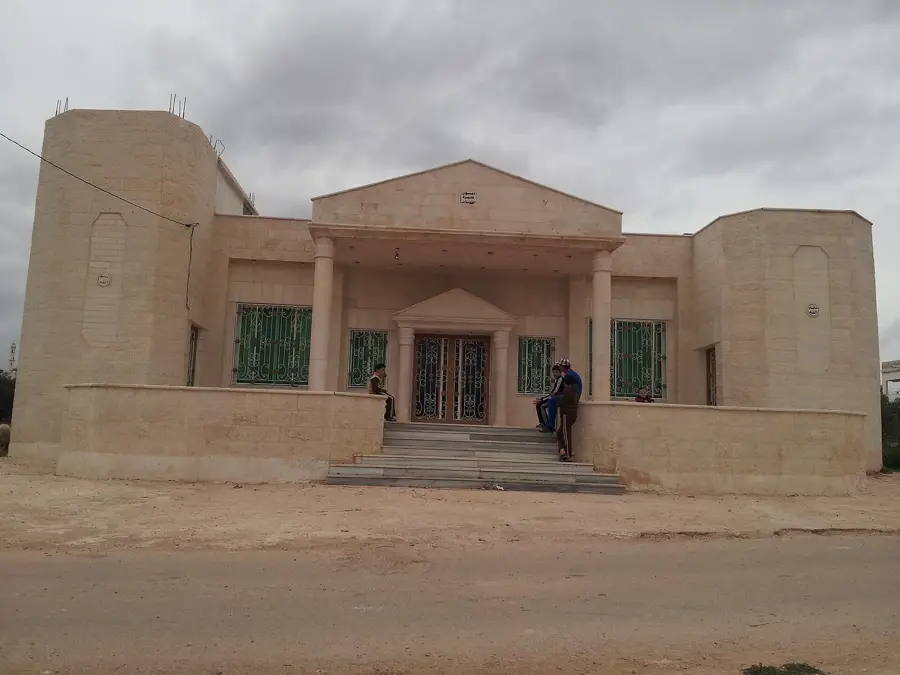
Masjed AbU Al Feda📍 landmark

A local Islamic place of worship in the ancient city of Bosra, constructed from the black stone blocks typical of the region.

Sights nearby

Frequently asked questions

What is the Bosra theatre?
One of the best-preserved Roman theatres worldwide.
Can one enter?
Yes, you can visit the stands.
Is entry free?
No, a ticket is required.
What is nearby?
Other ancient city ruins.
Is photography allowed?
Yes, that is permitted.
Bosra Amphitheatre: where is it located?
Bosra Amphitheatre is located in Syria.
Bosra Amphitheatre: what is there to see?
Highlights include Al Khara'ib, Ad Dayr, Mosque of Omar.
Bosra Amphitheatre: when is the best time to visit?
The most pleasant time to visit is May, Sep, Oct.
Bosra Amphitheatre: why is it worth visiting?

The Roman Theatre at Bosra is one of the best-preserved ancient theaters in the world, renowned for its monumental scale and exceptional state of conservation.
View on map → The Top 50 Attractions → OpenStreetMap →
Asia
Explore with Plizio Discover more places in Asia
More places in Syria →

Nearby cities

Nature

More places