Plizio Visual Lab
Ebla
Weather…
Water temperature…
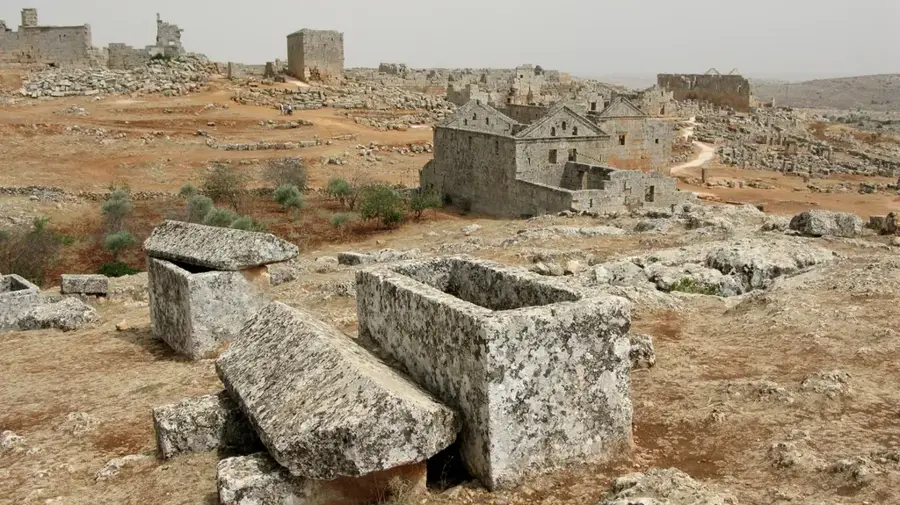
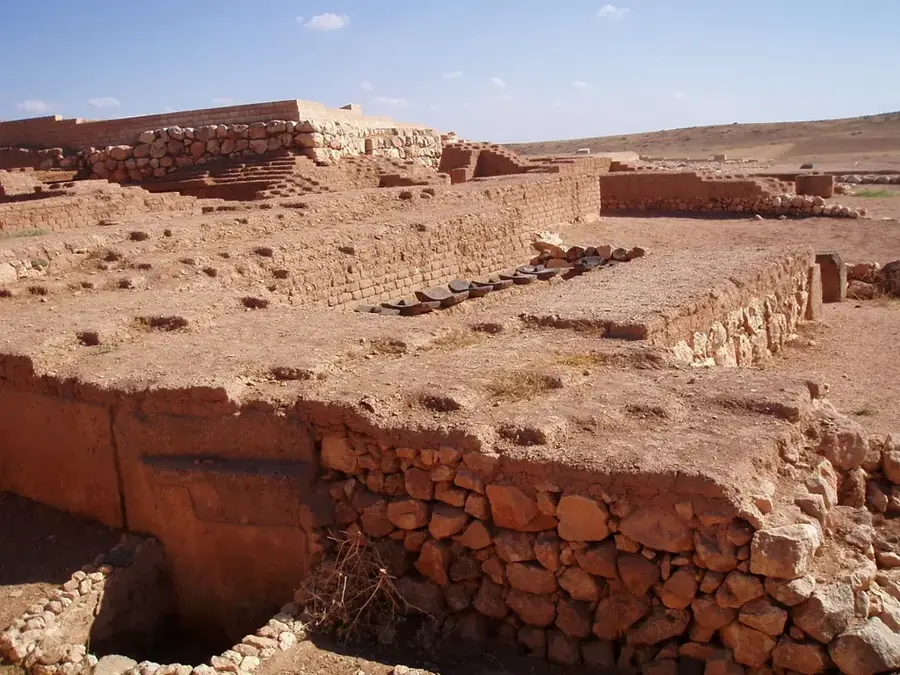
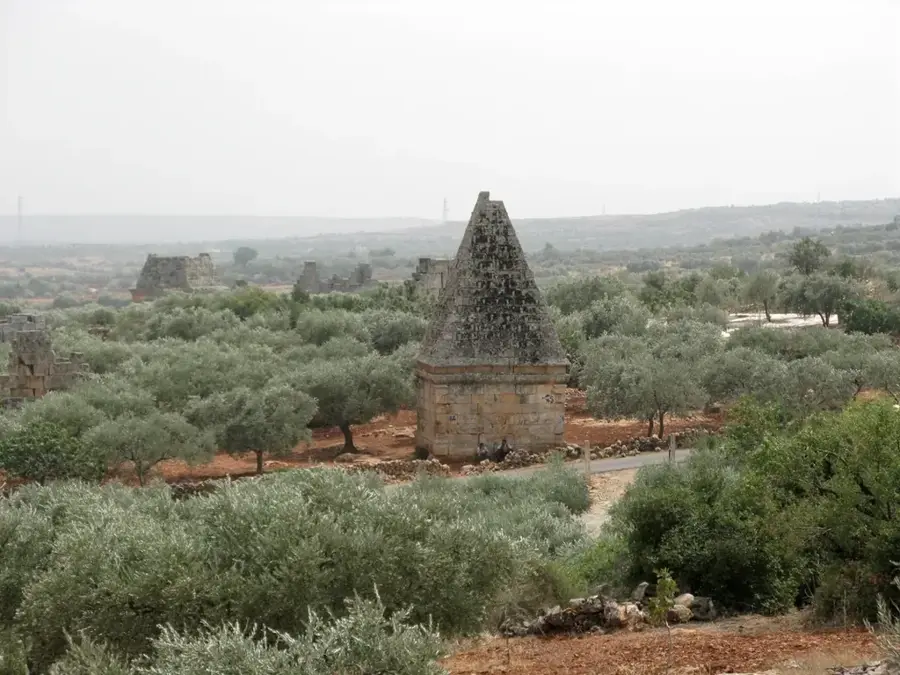
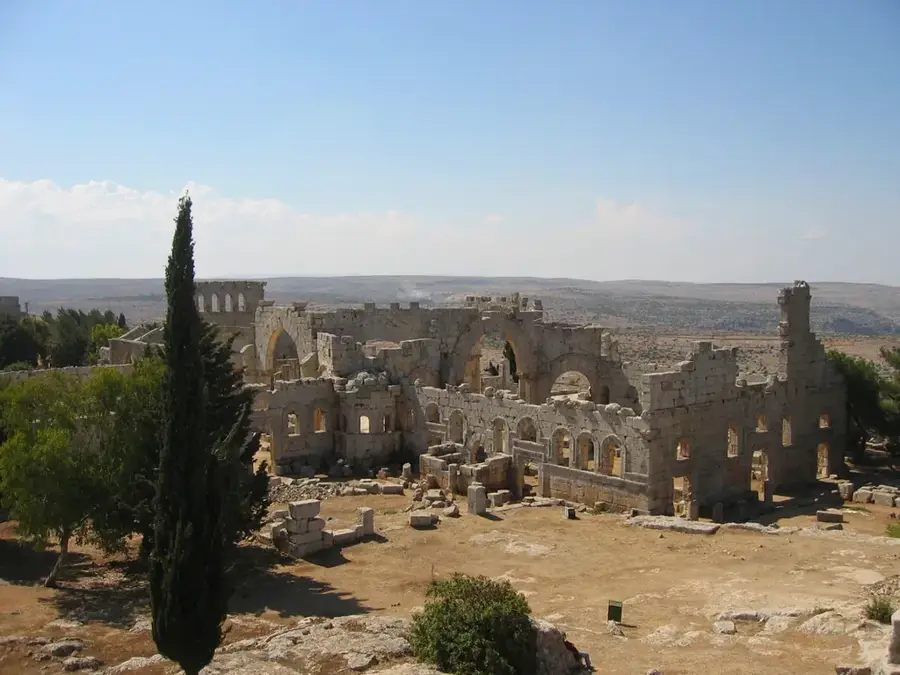
Ebla, identified as the archaeological site of Tell Mardikh, was one of the most significant city-states in ancient Syria during the 3rd and 2nd millennia BC. It rose to prominence as a powerful commercial empire, controlling trade routes for timber, textiles, and precious metals between Mesopotamia and the Mediterranean. The site gained international fame in 1975 when an Italian archaeological team led by Paolo Matthiae discovered the Royal Archives, containing over 18,000 cuneiform tablets. These documents provided unprecedented insights into the Eblaite language, ancient administration, and the socio-political structure of the Early Bronze Age. The city suffered major destructions by the Akkadian Empire under Naram-Sin and was eventually dealt a final blow by the Hittites around 1600 BC. The excavated remains of the grand palace and various temples highlight the advanced urban planning of the period. Ebla's discovery remains a cornerstone for scholars studying the origins of literacy and governance in the Near East.
- Location: Syria
- Nearby: Idlib (22 km)
Best time to visit & climate
The most pleasant time to visit is May, Jun, Oct.
| Jan | Feb | Mar | Apr | May | Jun | Jul | Aug | Sep | Oct | Nov | Dec | |
|---|---|---|---|---|---|---|---|---|---|---|---|---|
| Avg °C | 6 | 8 | 12 | 16 | 21 | 26 | 29 | 29 | 26 | 21 | 13 | 8 |
| Rain mm | 80 | 66 | 44 | 31 | 21 | 8 | 2 | 4 | 13 | 30 | 49 | 86 |
📋 Practical info
Geography
Facts
- Over 18,000 cuneiform tablets were discovered in the Royal Archives in 1975.
- The city's golden age lasted from 2400 to 2240 BC.
- Eblaite is recognized as one of the oldest attested Semitic languages.
- The city was a major exporter of textiles and cedar wood.
- Naram-Sin of Akkad claimed to have destroyed the city in 2240 BC.
- The site was excavated by an Italian mission starting in 1964.
Explore nearby
Notable places around

Route planner — Car & Motorhome
Where do you start? We build the route here, with stops and country notes along the way.
© OpenStreetMap contributors · OpenRouteService
Sights in the town Ebla (1)
Sights nearby
Frequently asked questions
What is Ebla?
When is the best time to visit?
How long does the tour take?
Is a guide needed?
Is it family-friendly?
Ebla: where is it located?
Ebla: when is the best time to visit?
Ebla: why is it worth visiting?

Nearby cities
History & landmarks
Nature
More places