Plizio Visual Lab

Apamea
Plizio editorial teamData Sources
ruin
—°4
Apamea (Syria)

Weather…

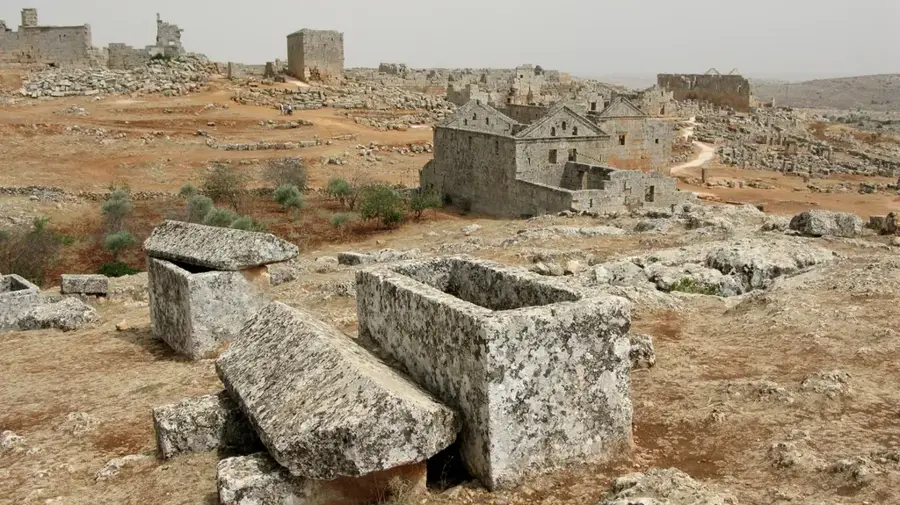
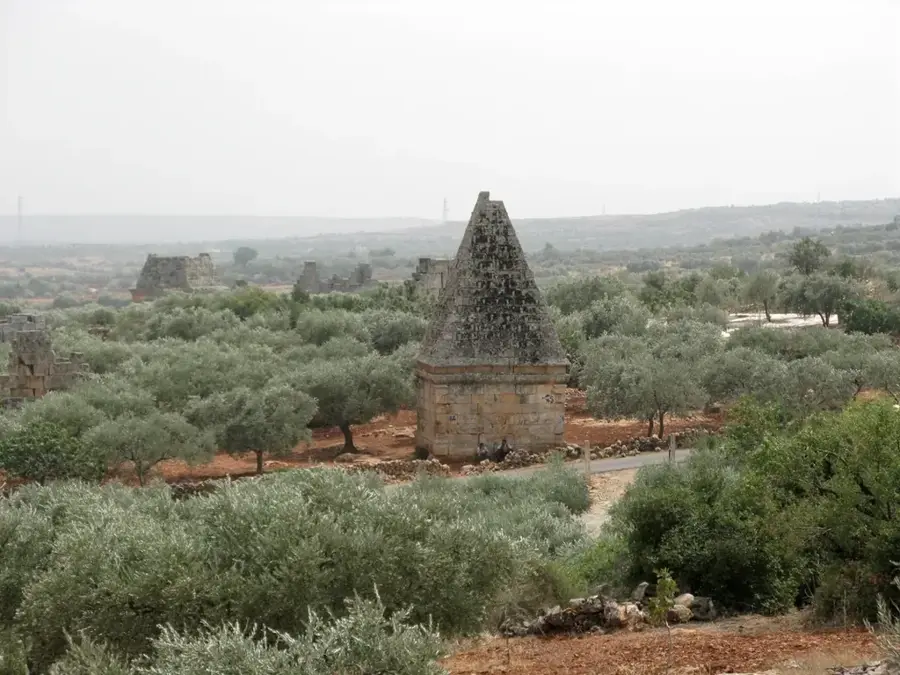
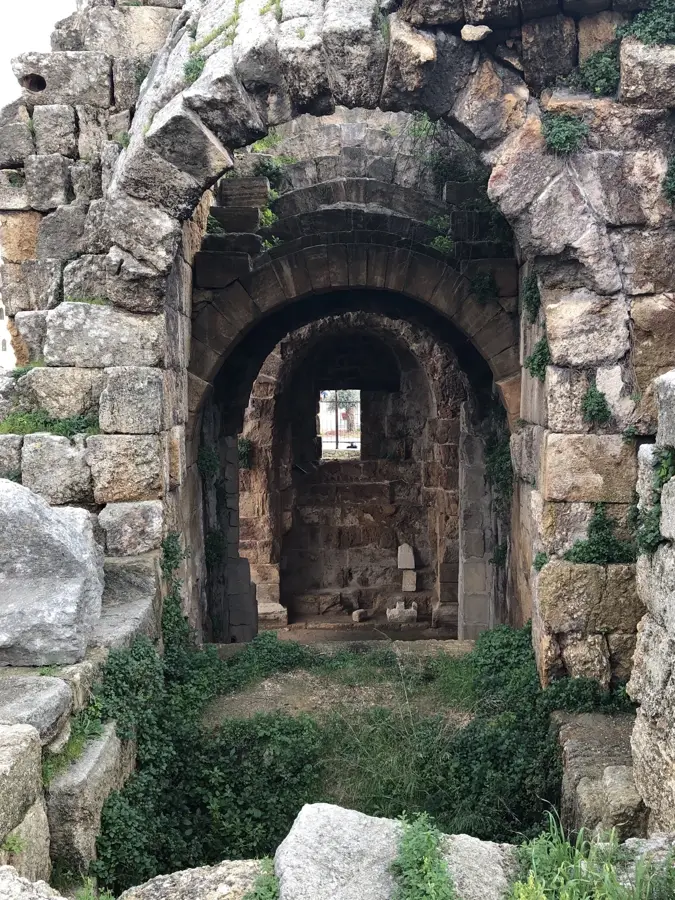
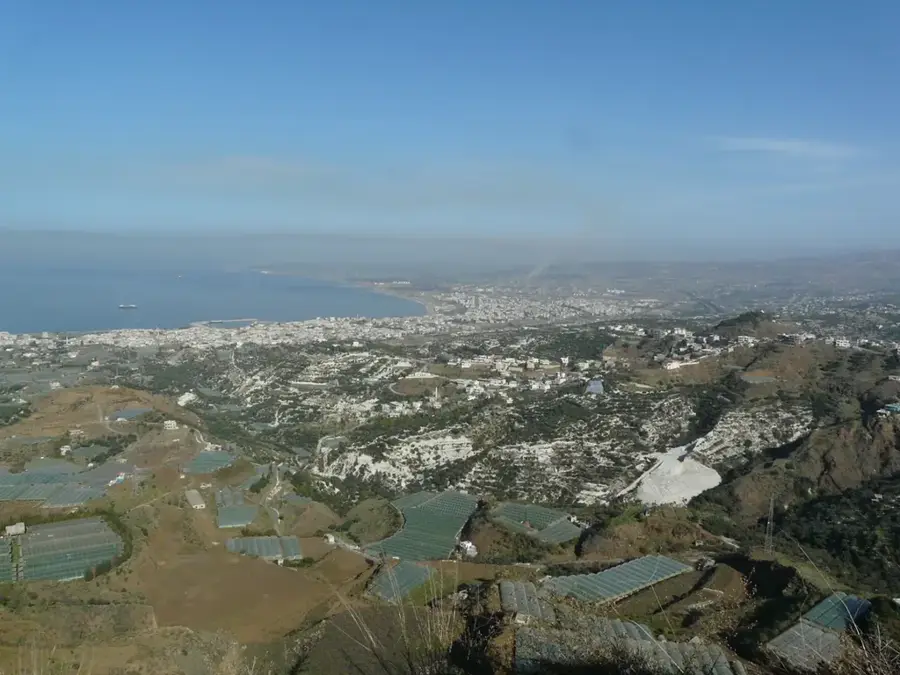
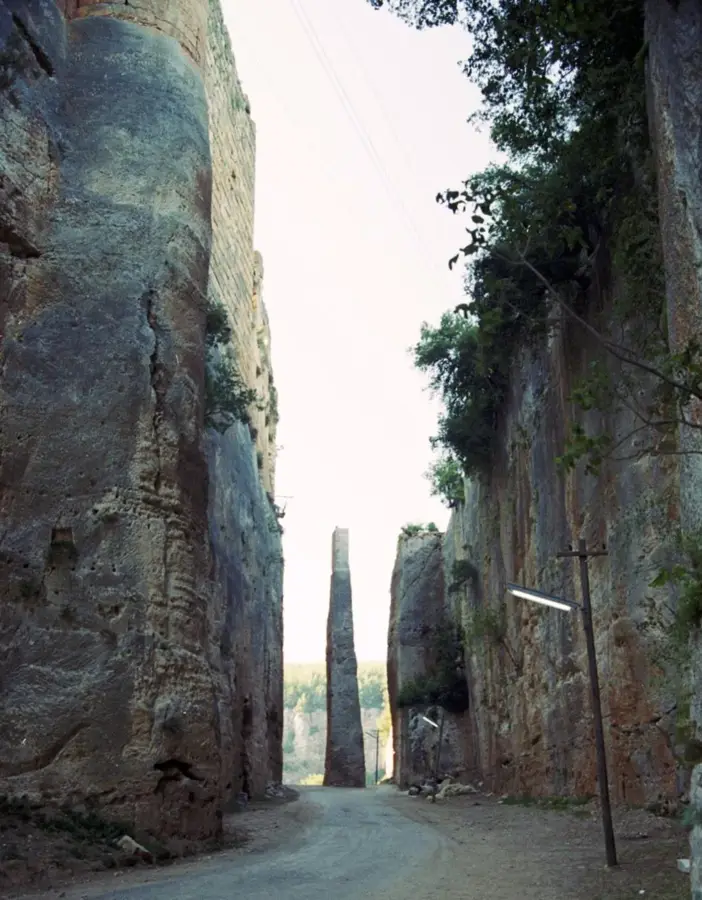
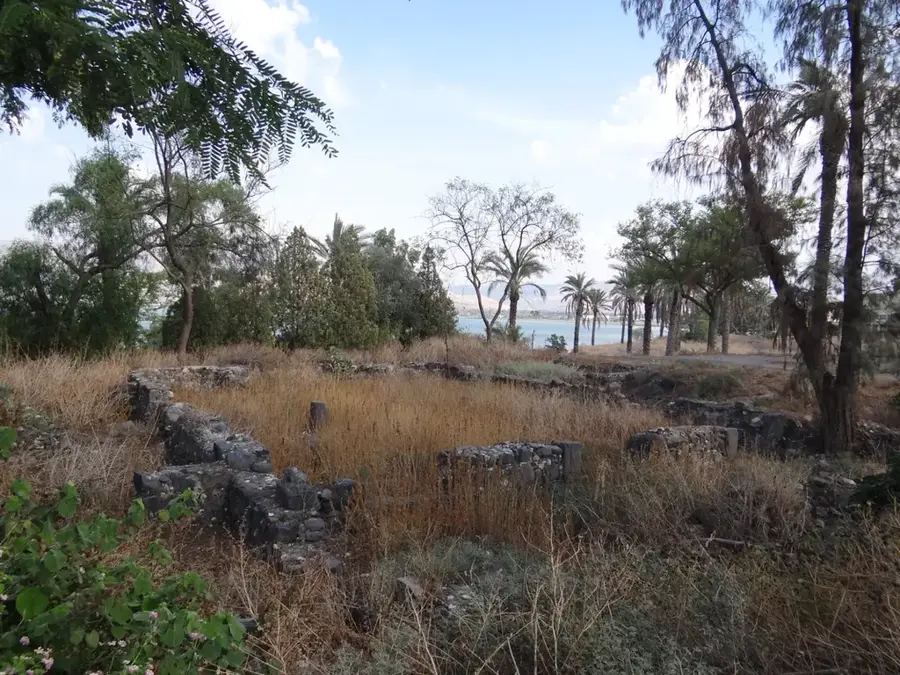
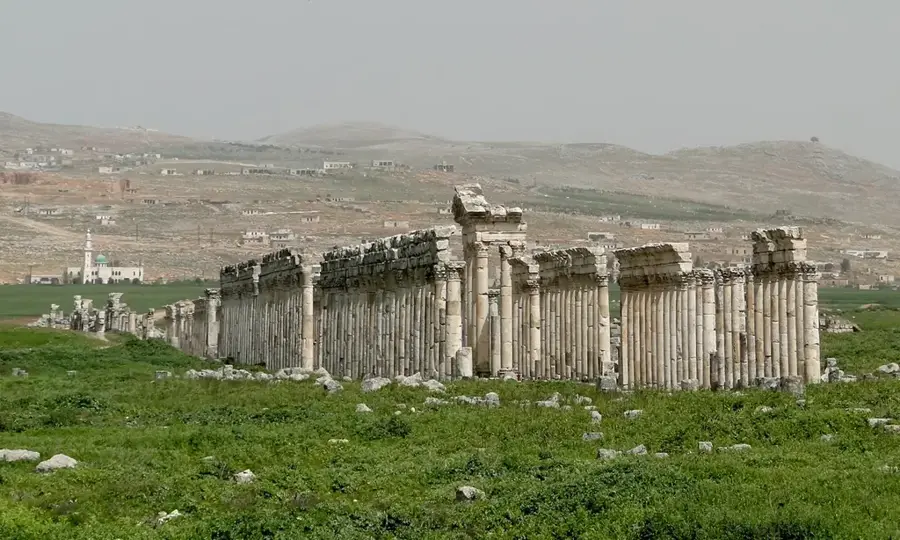
Apamea on the Orontes was a major Hellenistic and later Roman city in northern Syria, founded around 300 BC by Seleucus I Nicator. The city was strategically important as a military base for the Seleucid Empire, famously housing a significant portion of its cavalry and war elephants. Its most striking feature is the Great Colonnade, a monumental street stretching nearly two kilometers, lined with intricately carved columns that represent one of the longest thoroughfares in the ancient world. During the Roman period, Apamea flourished as a commercial hub, with an estimated population reaching 500.000 inhabitants. However, devastating earthquakes in 1157 and 1170 caused irreversible damage, eventually leading to its abandonment. Today, the extensive ruins, including the remnants of a large Roman theater and numerous mosaics, stand as a testament to its former grandeur. The site remains a vital location for understanding the urban development and cultural syncretism of the Levant during classical antiquity.

Best time to visit & climate

The most pleasant time to visit is May, Jun, Oct.

JanFebMarAprMayJunJulAugSepOctNovDec
Avg °C791216202427272521149
Rain mm12492563521925173763116

📋 Practical info

🚪
Visiting
Visitors can generally walk along the monumental Great Colonnade and explore the sprawling ancient ruins, though parts of the site may be restricted depending on current preservation efforts and security conditions. Always verify accessibility through a local agency before traveling to the region.
🕒
Typical hours
The vast archaeological area is typically accessible from sunrise to sunset, offering flexibility for those aiming to capture the atmosphere without large crowds. Arriving early in the day is highly recommended to fully appreciate the scale of the ruins before the midday heat sets in.
📷
Photography
The nearly two-kilometer-long colonnade provides dramatic perspectives for photography, especially when the massive columns cast long shadows during the golden hour. A wide-angle lens is exceptionally useful here to capture the impressive vastness and the intricate details of the remaining ancient stonework.
⏱️
Time needed
Given the extraordinary length of the main street and the surrounding foundational ruins, expect to spend at least two to three hours exploring the site. Those deeply interested in Roman and Byzantine history could easily spend a half-day wandering through the scattered remnants of this once-thriving metropolis.
Combine with
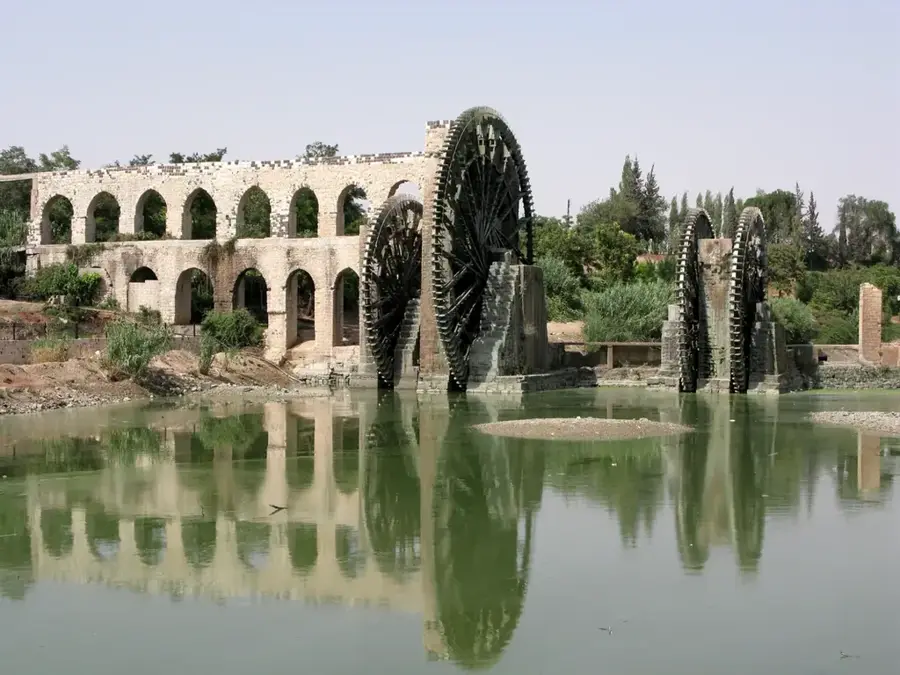
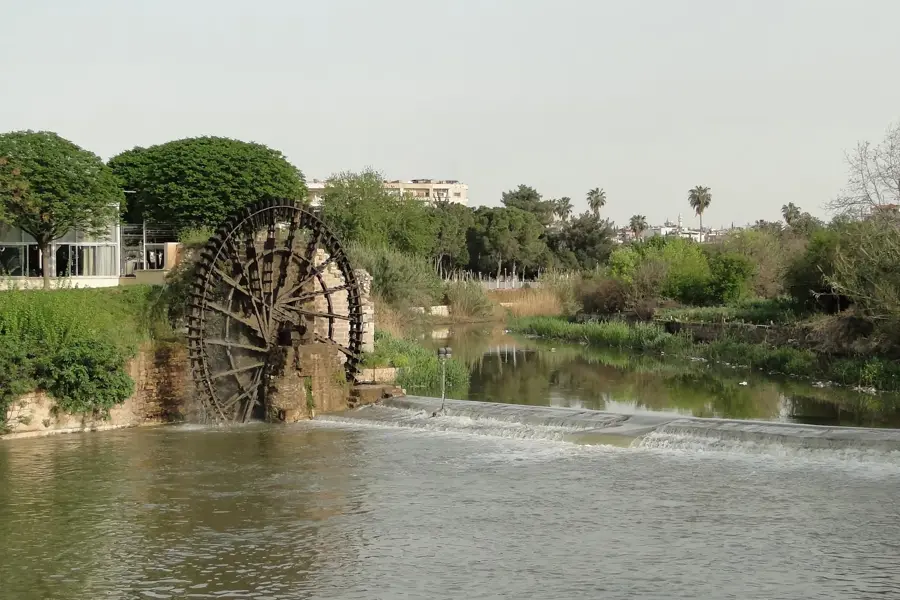
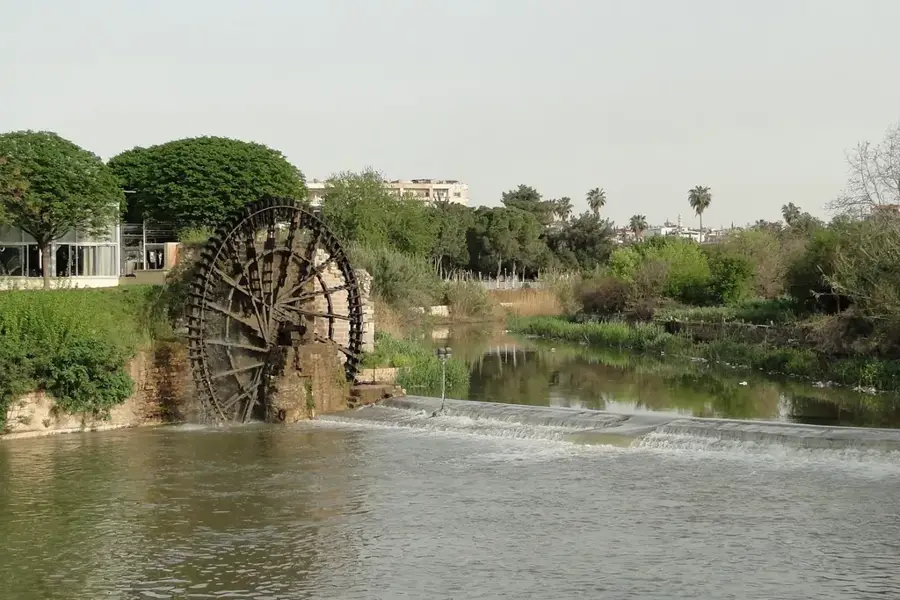
A trip to Apamea pairs well with a visit to the nearby historical cities of Hama or Idlib, depending on the current security context and road openness. The dead cities of northern Syria or the famous water wheels (Norias) of Hama are excellent historical additions to this itinerary.
🧭
Getting there
Reaching Apamea typically requires hiring a private driver or taking a guided tour from larger cities like Hama or Damascus, as direct public transport is nearly non-existent. The journey traverses agricultural landscapes and provides a glimpse into rural Syrian life along the road.
💡
Insider tip
Comfortable, sturdy walking shoes are absolutely essential, as you will be walking several kilometers over uneven ground, fallen stones, and dusty paths. Bring plenty of water and some snacks, as tourist facilities on-site are minimal to non-existent.

Geography

Coordinates
35.41880, 36.39940

Facts

  • Founded around 300 BC by the Seleucid king Seleucus I Nicator.
  • The Great Colonnade spans approximately 1.85 kilometers.
  • It served as the primary base for the Seleucid army's 500 war elephants.
  • At its peak, the city had a population of nearly 500,000.
  • Devastating earthquakes in 1157 and 1170 led to its final ruin.
  • The site features one of the largest Roman theaters in the Levant.

Explore nearby

Notable places around

Route planner — Car & Motorhome

Where do you start? We build the route here, with stops and country notes along the way.

Vehicle
Only stops with (optional):

© OpenStreetMap contributors · OpenRouteService

Sights in the town Apamea (4)

Castle Lake📍 landmark

A scenic reservoir located near the ancient city walls of Apamea.

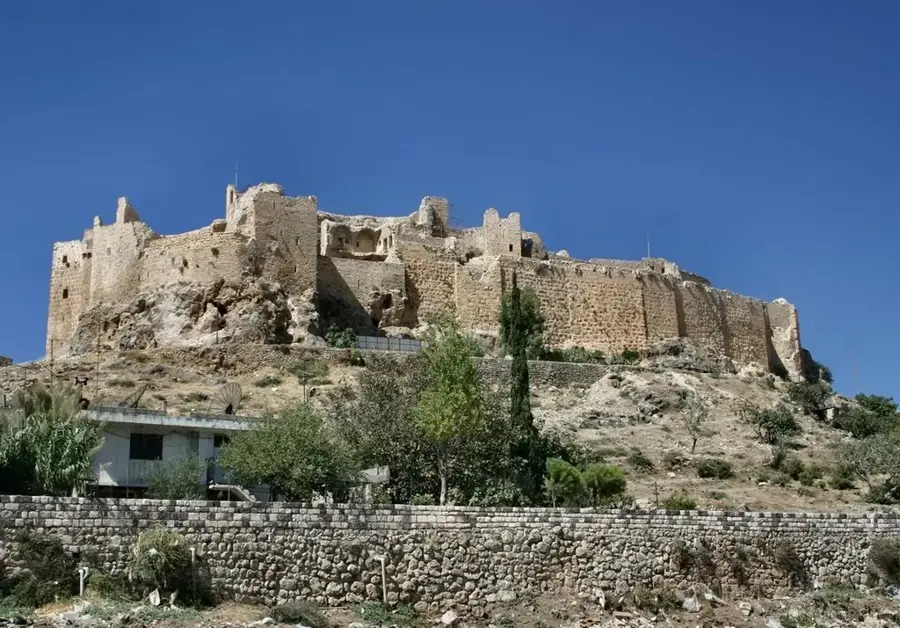
Qalaat al-Madiq🏰 castle

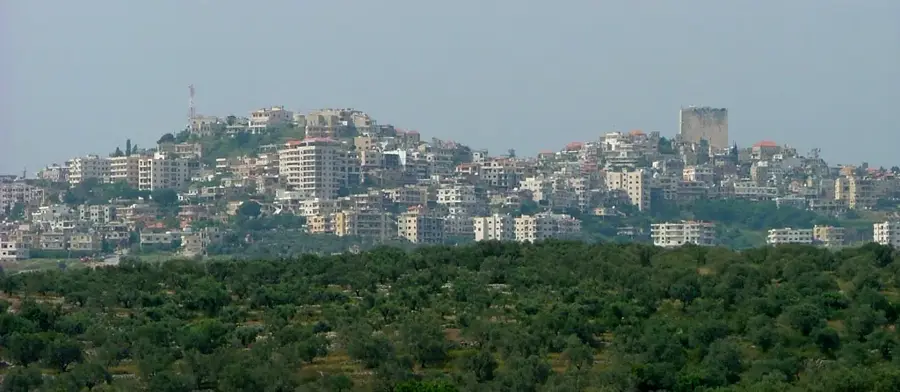
A medieval citadel perched on a hill overlooking the expansive Roman ruins of Apamea.

Apamea📍 landmark

A major archaeological site famous for its Great Colonnade, one of the longest in the Roman world.

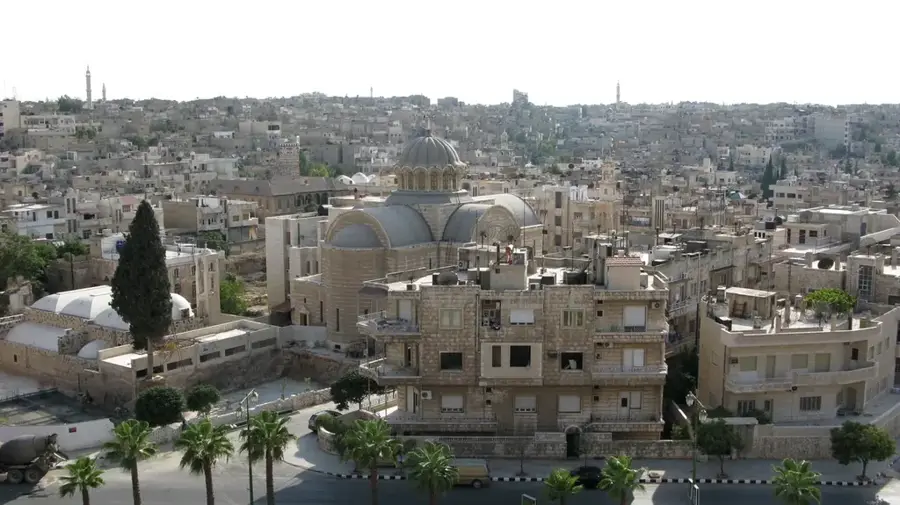
Orthodox Church of the Holy Wisdom "Hagia Sophia"📍 landmark

A modern Orthodox church named after the historic Hagia Sophia cathedral in Constantinople.

Sights nearby

Frequently asked questions

What is Apamea?
An impressive ancient ruin site.
What is the highlight?
The huge, ancient colonnaded street.
Is it good for photos?
Yes, especially at sunset.
How about shade?
There is very little shade on site.
Is it crowded?
Usually very quiet and empty.
Apamea: where is it located?
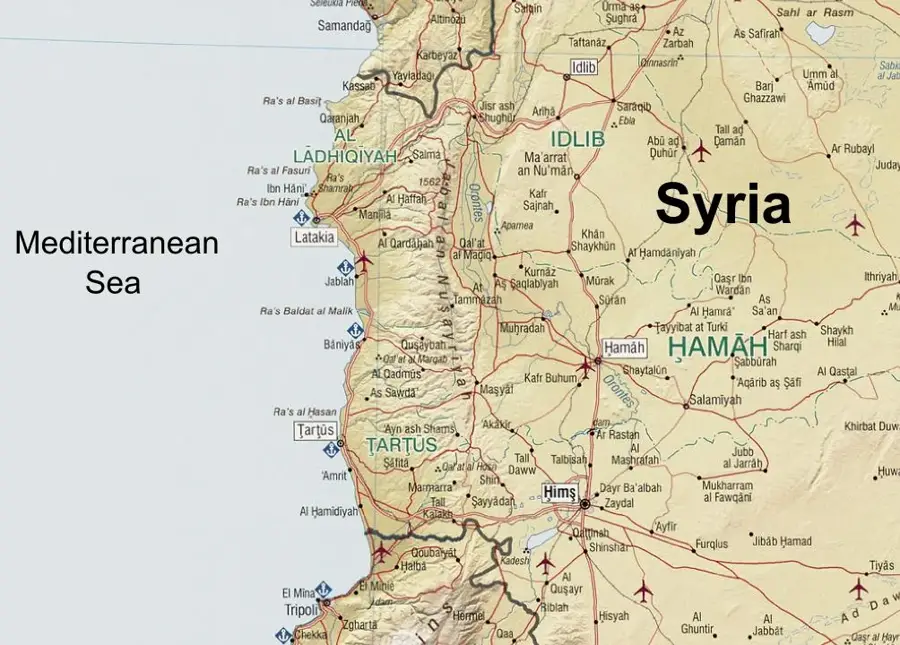
Apamea is located in Syria.
Apamea: what is there to see?
Highlights include Castle Lake, Qalaat al-Madiq, Apamea.
Apamea: when is the best time to visit?
The most pleasant time to visit is May, Jun, Oct.
Apamea: why is it worth visiting?
Apamea on the Orontes was a major Hellenistic and later Roman city in northern Syria, founded around 300 BC by Seleucus I Nicator.
View on map → The Top 50 Attractions → OpenStreetMap →
Asia
Explore with Plizio Discover more places in Asia
More places in Syria →

Nearby cities

History & landmarks
Nature
More places