Plizio Visual Lab

Temple of Jupiter
Plizio editorial teamData Sources
ruin
—°3
Temple of Jupiter (Syria)

Weather…

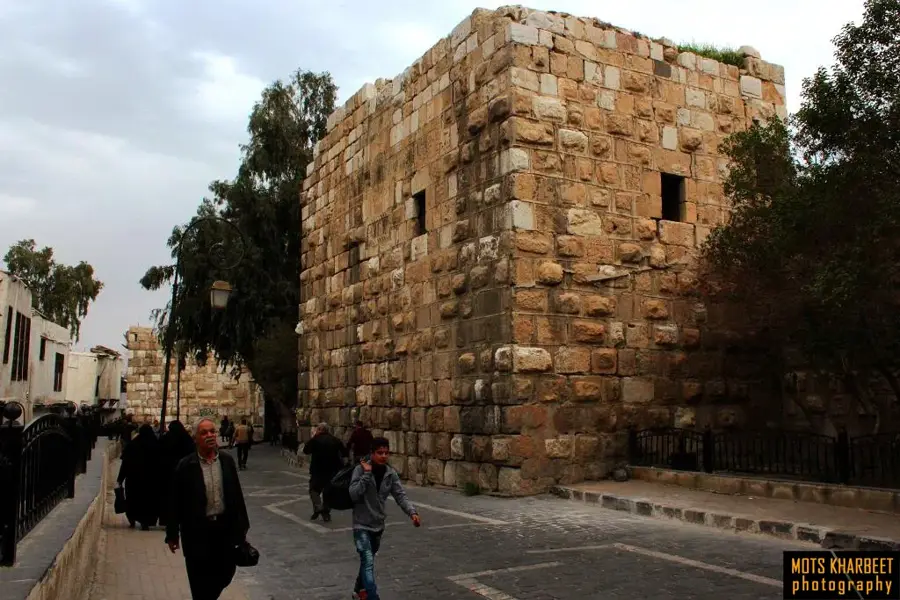
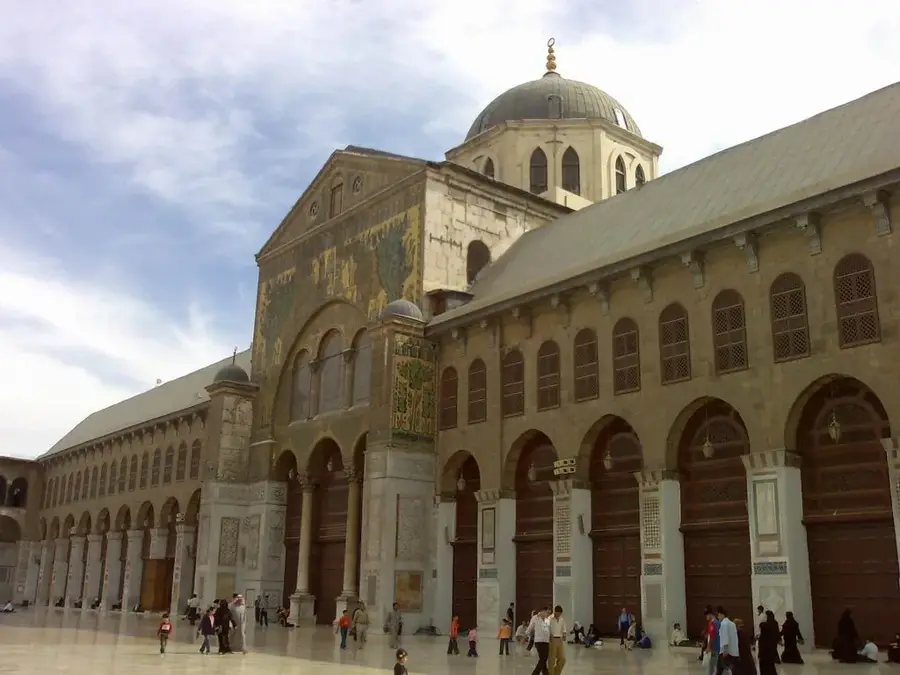
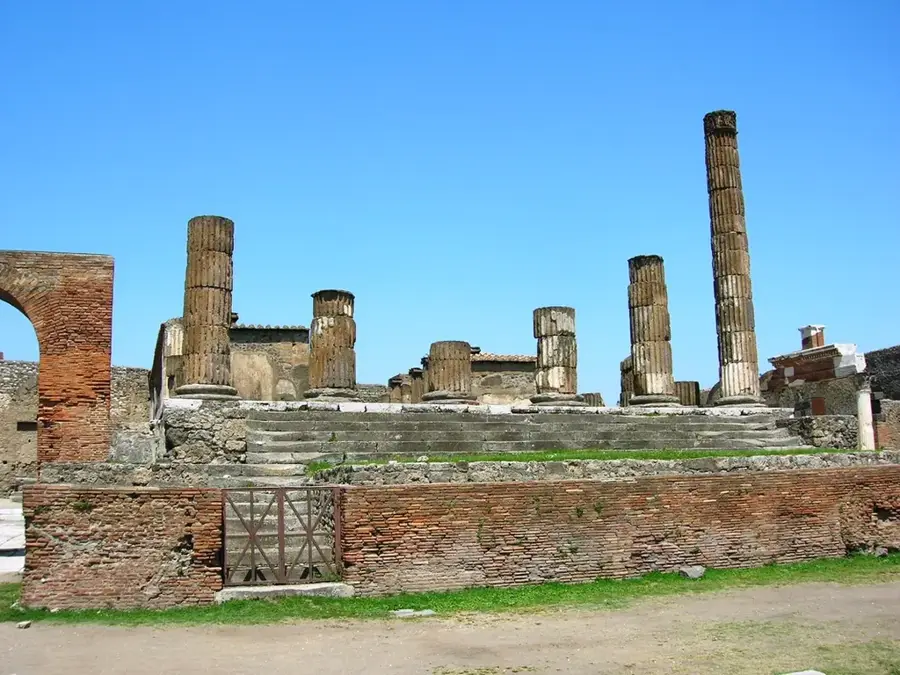
The Temple of Jupiter in Damascus was one of the largest and most magnificent religious structures in the Roman East, occupying the heart of the ancient city. Construction began in the 1st century AD over the remains of an earlier Aramaean temple dedicated to the god Hadad. The sanctuary reached its architectural zenith during the late 2nd century under Emperor Septimius Severus, becoming a massive complex with two concentric courtyards. The outer enclosure, known as the peribolos, once stretched far beyond the current mosque, while the inner temenos housed the main cella. Today, the most prominent remains are the monumental western propylaeum with its soaring Corinthian columns and decorative pediment. Following the Christianization of the Roman Empire in the 4th century, the site was converted into a cathedral, and later, in the 8th century, it was incorporated into the Umayyad Mosque. These ruins represent the remarkable layers of religious history that define Damascus as a global historical hub.

Best time to visit & climate

The most pleasant time to visit is May, Jun, Sep.

JanFebMarAprMayJunJulAugSepOctNovDec
Avg °C561014192426262319117
Rain mm6957291871002133557

📋 Practical info

🚪
Visiting
The towering remains of this ancient structure are integrated into a bustling urban environment and can be easily viewed from the pedestrian paths. You can closely admire the impressive Corinthian columns from the outside at your own pace.
🕒
Typical hours
Because the columns stand freely within a busy public urban area, there are typically no official closing times or entry gates. The site remains visually accessible day and night, though daylight provides the best clarity for architectural details.
📷
Photography
Capturing these massive Roman ruins juxtaposed against the modern city backdrop creates exceptionally compelling street photography. Morning light is usually well-suited to avoid the dense afternoon crowds often found in the surrounding central streets.
⏱️
Time needed
Visitors generally spend only about fifteen to thirty minutes observing the remnants and reading any available historical markers. It is more of a quick historical stop integrated into a broader walk through the old city's bustling heart.
Combine with
It is incredibly easy to combine this short stop with a deep dive into the surrounding historical center of the capital. Other major historical landmarks from different eras are usually situated just a few steps away from the remaining temple columns.
🧭
Getting there
Located right in the dense historical center of the capital, the site is almost entirely reached by walking through the pedestrianized zones. Taxis can typically drop you off at the edges of the old town, leaving a short stroll to the ruins.
💡
Insider tip
Take a moment to observe how the local community has organically incorporated these ancient architectural fragments into daily modern urban life. Respectful behavior is naturally expected in such a busy, historically layered public sphere.

Geography

Coordinates
33.51130, 36.30550

Facts

  • Built over the site of a 10th-century BC Aramaean temple to Hadad.
  • The current Roman structure dates largely to the 1st and 2nd centuries AD.
  • Completion of the massive complex took place under Septimius Severus.
  • The western gate features Corinthian columns approximately 12 meters tall.
  • Converted into the Cathedral of Saint John the Baptist in the 4th century.
  • Spolia from the temple was used to build the Umayyad Mosque in 705 AD.

Explore nearby

Notable places around
Route planner — Car & Motorhome

Where do you start? We build the route here, with stops and country notes along the way.

Vehicle
Only stops with (optional):

© OpenStreetMap contributors · OpenRouteService

Sights in the town Temple of Jupiter (3)

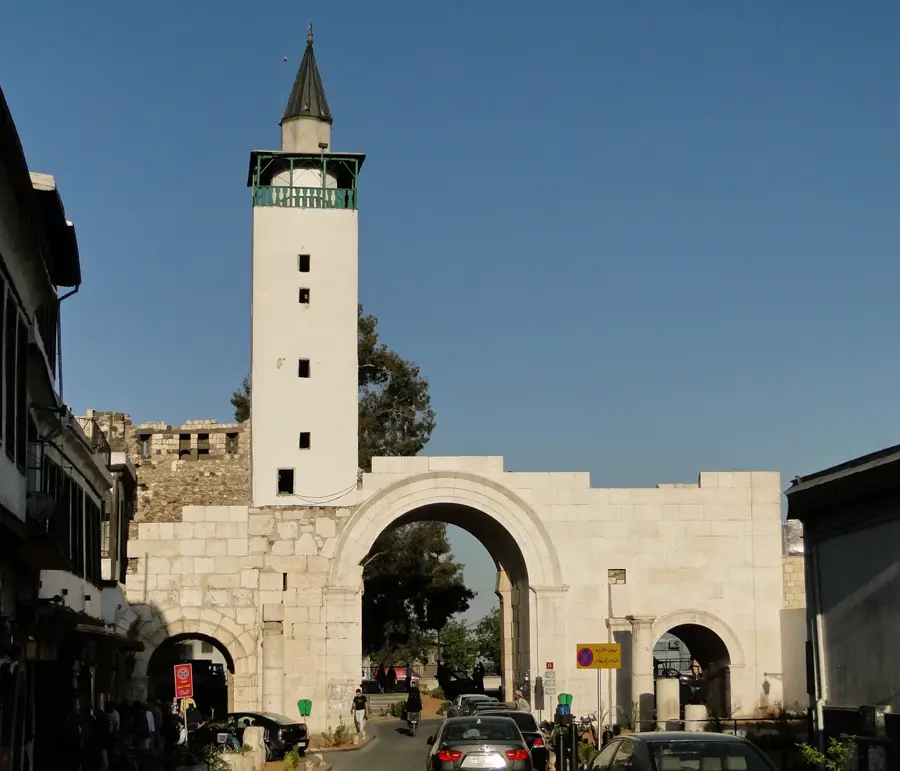
Western Temple Gate🏺 historical

A massive Roman archway that once formed the western entrance to the Temple of Jupiter, now marking the entry to the souk.

Al Bimaristan An-Nouri🏛 museum

This museum is housed in a significant 12th-century medieval hospital and medical school.

Al-Farissiyya Mosque📍 landmark

This historical mosque in the Al-Amarah district is known for its traditional stone masonry.

Sights nearby

Frequently asked questions

What is the Temple of Jupiter?
A monumental ancient temple, the centerpiece of the historic site of Baalbek.
How long does a visit take?
Expect at least 2 to 3 hours.
Are you allowed to touch the columns?
No, touching the ruins is prohibited for preservation.
Is it interesting for children?
Yes, the massive dimensions impress even younger visitors.
Are there restrooms?
Yes, you can find restroom facilities at the entrance of the complex.
Temple of Jupiter: where is it located?
Temple of Jupiter is located in Syria.
Temple of Jupiter: what is there to see?
Highlights include Western Temple Gate, Al Bimaristan An-Nouri, Al-Farissiyya Mosque.
Temple of Jupiter: when is the best time to visit?
The most pleasant time to visit is May, Jun, Sep.
Temple of Jupiter: why is it worth visiting?

The Temple of Jupiter in Damascus was one of the largest and most magnificent religious structures in the Roman East, occupying the heart of the ancient city.
View on map → The Top 50 Attractions → OpenStreetMap →
Asia
Explore with Plizio Discover more places in Asia
More places in Syria →

Nearby cities

History & landmarks
More places