Plizio Visual Lab
Tell Halaf
Weather…
Water temperature…
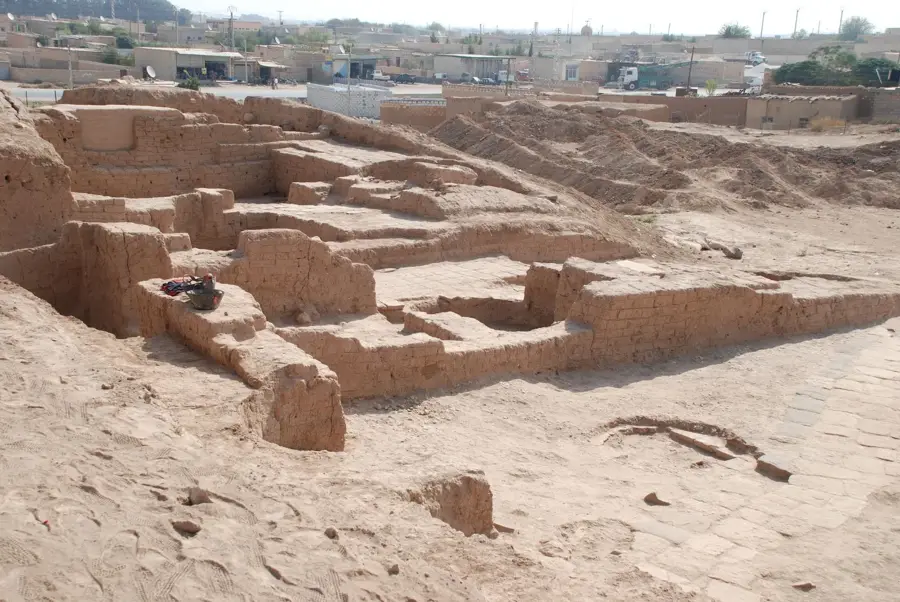
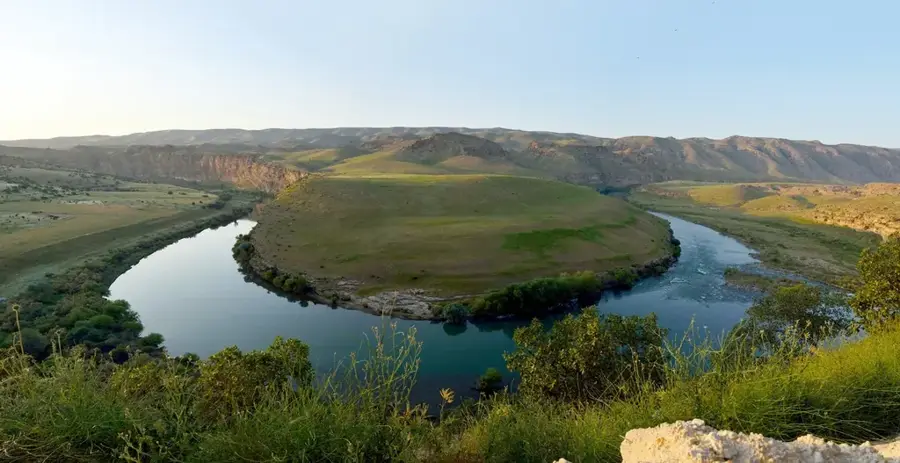
Tell Halaf is one of the most important archaeological sites of the ancient Near East, located on the Khabur River near the Turkish border. The site gave its name to the Neolithic Halaf culture but is best known for the spectacular finds from the Aramean period of the 10th century BC. Especially impressive are the monumental basalt statues and the richly decorated orthostats (stone slabs) that once adorned the palace facades. A visit to Tell Halaf leads deep into Mesopotamian history. The architecture of the 'Temple-Palace' with its monumental caryatid figures is unique. The skill of the stonemasons who carved mythological creatures and daily scenes into dark basalt continues to fascinate archaeologists worldwide. Although many original finds are now in museums like the Pergamon Museum in Berlin, the site itself remains a powerful testimony to ancient civilization. The region is reached via the city of Al-Hasakah. The climate is semi-arid, so April, May, and October offer the most pleasant conditions for exploration. The local cuisine of Al-Hasakah province features influences from Kurdish, Arabic, and Aramean traditions, with spicy meat dishes and pastry specialties like Kleicha being highly valued.
- Location: Syria
- Top sights: Gozana · Tall Maskan · Zahiriye Camii
- Nearby: Ras al-Ayn (4 km)
- Population: ~31.488 (2025)
Best time to visit & climate
The most pleasant time to visit is Apr, May, Oct.
| Jan | Feb | Mar | Apr | May | Jun | Jul | Aug | Sep | Oct | Nov | Dec | |
|---|---|---|---|---|---|---|---|---|---|---|---|---|
| Avg °C | 4 | 6 | 11 | 16 | 22 | 29 | 33 | 33 | 28 | 21 | 12 | 6 |
| Rain mm | 50 | 49 | 42 | 40 | 24 | 4 | 0 | 0 | 4 | 23 | 36 | 55 |
📋 Practical info
Geography
Facts
- Eponym of the Halaf culture
- Famous basalt sculptures
- Discovered by von Oppenheim
- Iron Age royal residence
- Monumental temple-palaces
- Located on the Khabur River
- Unique orthostats
- Rich Aramean history
Explore nearby
Notable places around


Route planner — Car & Motorhome
Where do you start? We build the route here, with stops and country notes along the way.
© OpenStreetMap contributors · OpenRouteService
Sights in the town Tell Halaf (3)
Sights nearby
Frequently asked questions
Tell Halaf: where is it located?
Tell Halaf: what is there to see?
Tell Halaf: when is the best time to visit?
Tell Halaf: why is it worth visiting?

Nearby cities
Nature
More places