Plizio Visual Lab

Serjilla
Plizio editorial teamData Sources
ruin
—°6
Serjilla (Syria)

Weather…

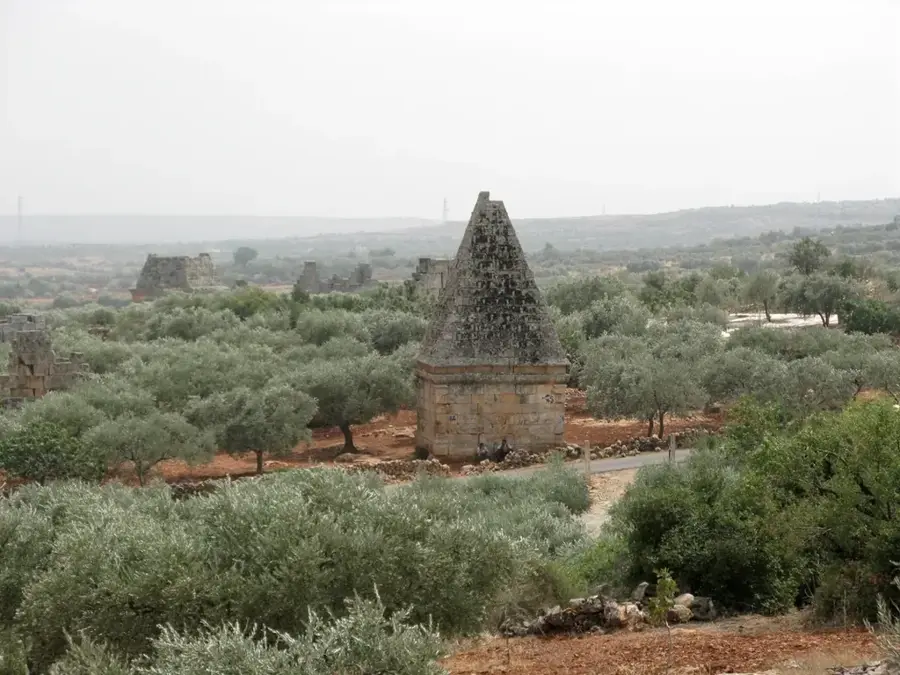
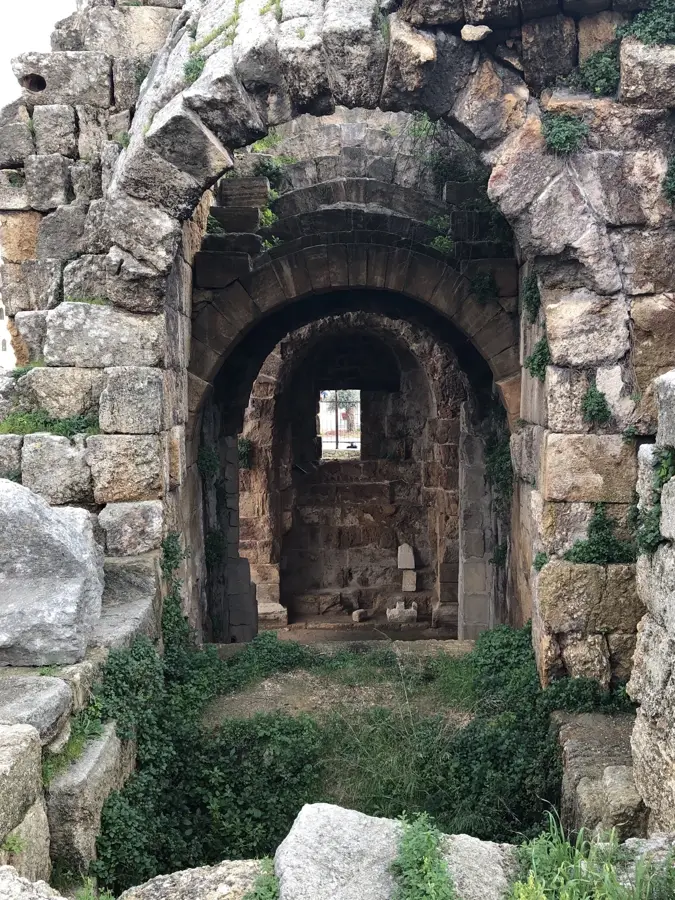
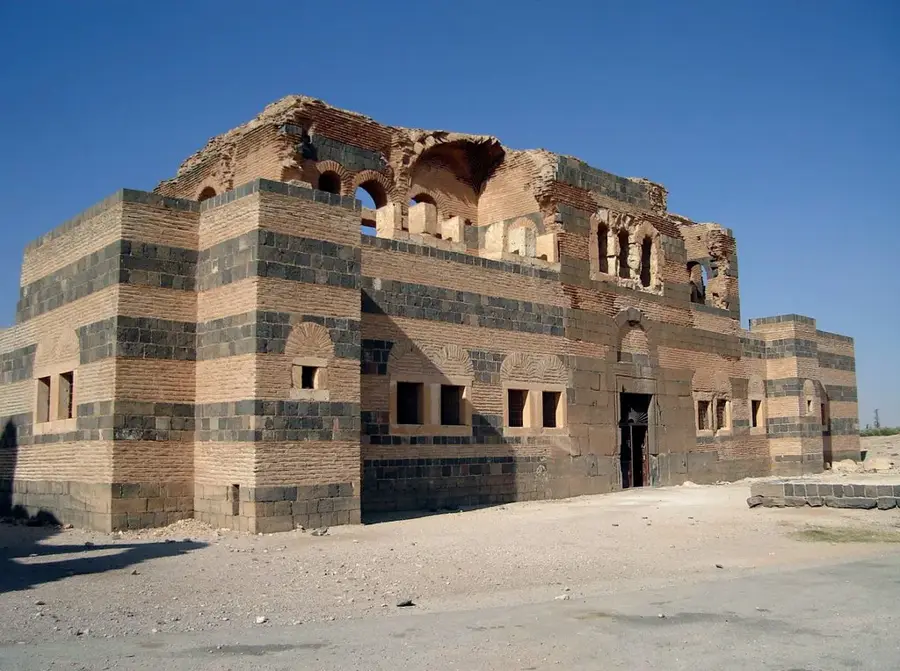
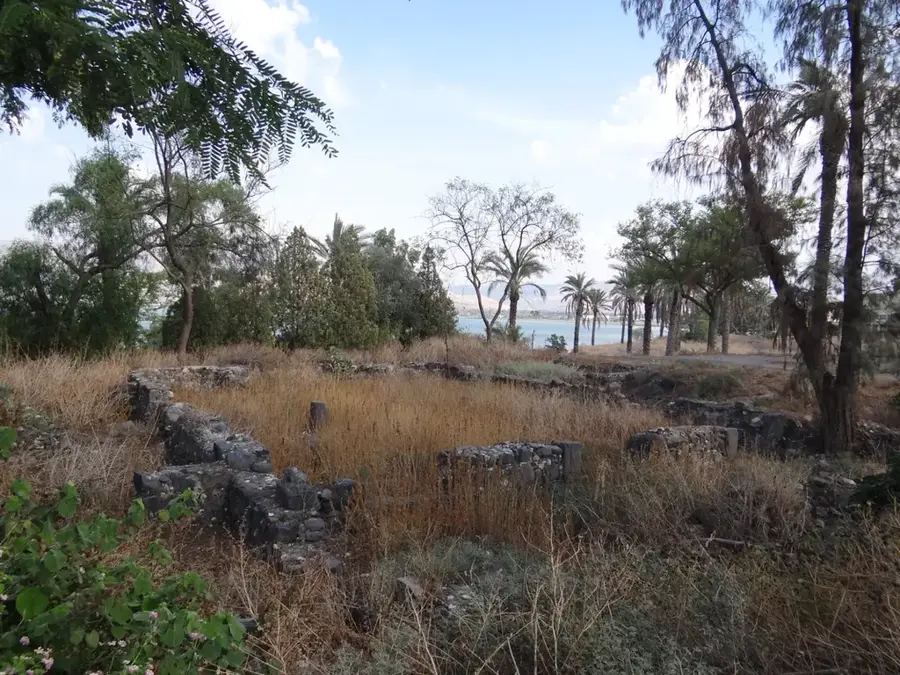
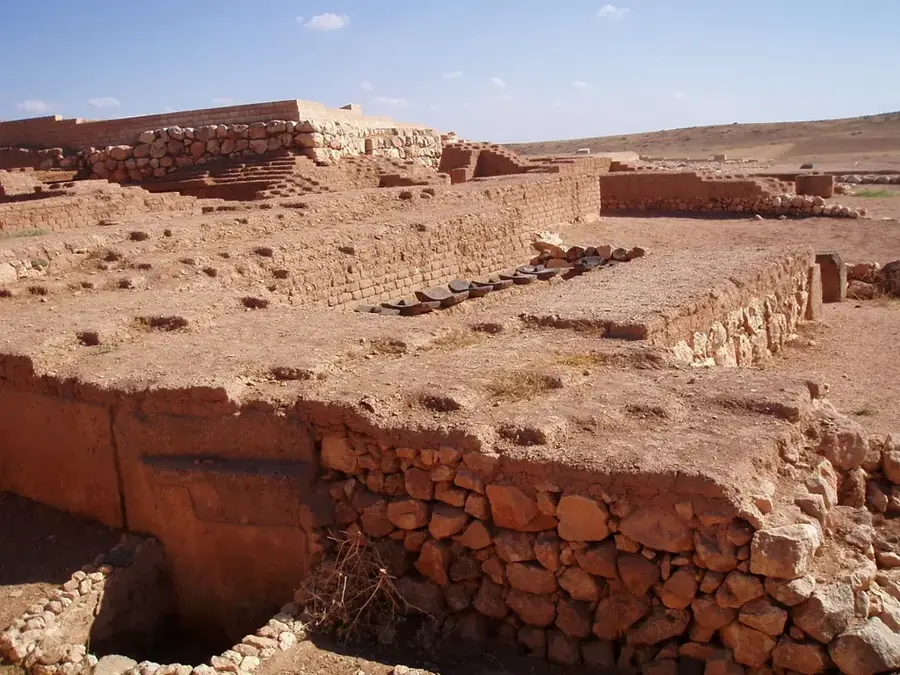
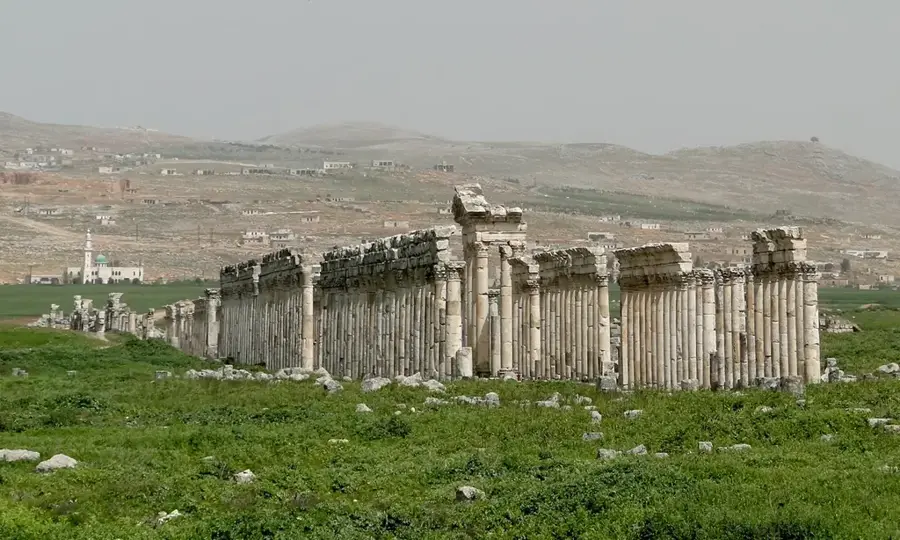
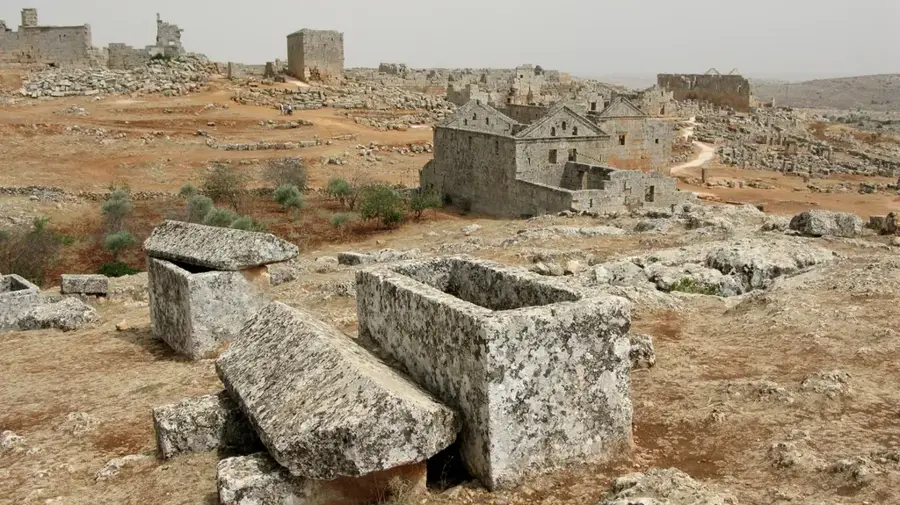
Serjilla is one of the most famous and best-preserved of the Dead Cities in northern Syria, situated in the limestone massif of Jebel Zawiya. Established in the 4th century AD, it thrived as a prosperous agricultural center specializing in the production of olive oil and wine for the Byzantine Empire. The archaeological site features exceptionally preserved stone structures, including a two-story bathhouse from the late 5th century and a basilica dated to 473 AD. The domestic architecture is particularly notable, with large villas retaining their columned porticos and intricate stonework. The town was abandoned in the 7th century, likely due to the economic disruption caused by the shifting of trade routes following the Islamic conquest of the region. Today, as a UNESCO World Heritage site, Serjilla provides a vivid, frozen-in-time window into the rural life and sophisticated social fabric of the late Roman and early Byzantine Levant.

Best time to visit & climate

The most pleasant time to visit is May, Jun, Oct.

JanFebMarAprMayJunJulAugSepOctNovDec
Avg °C791216202427272521149
Rain mm12492563521925173763116

📋 Practical info

🚪
Visiting
Visitors can explore the extensive open-air ruins of this remarkable Byzantine ghost town freely from the outside. The rugged, uneven terrain requires sturdy footwear to navigate the ancient paths safely.
🕒
Typical hours
As an open archaeological site, there are generally no strictly enforced official hours, but access is typically limited to daytime. It is highly recommended to plan your visit exclusively during daylight for safety reasons.
📷
Photography
Photography is usually unrestricted across the desolate settlement, providing striking opportunities to capture the ancient stonework. The golden hours of early morning or late afternoon offer the most dramatic shadows over the ruins.
⏱️
Time needed
A thorough exploration of the sprawling dead city typically requires around two to three hours. This allows ample time to wander between the remarkably preserved structures and absorb the unique historical atmosphere without rushing.
Combine with
Travelers often combine this trip with a visit to other nearby ruined settlements clustered in the surrounding desolate region. Exploring the wider area provides a much more comprehensive understanding of these ancient rural landscapes and Byzantine life.
🧭
Getting there
Reaching the remote ruins usually requires hiring a private driver or joining a guided tour from one of the major regional hubs. Public transportation options are essentially non-existent, making independent navigation quite difficult.
💡
Insider tip
Bringing your own ample supply of water, snacks, and sun protection is absolutely essential for a comfortable visit here. There are typically no facilities or vendors available in the immediate vicinity of this isolated historical site.

Geography

Coordinates
35.67270, 36.58470

Facts

  • Established in the 4th century within the Jebel Zawiya hills.
  • The local church is precisely dated to 473 AD by an inscription.
  • Features a rare and well-preserved two-story Byzantine bathhouse.
  • The economy collapsed in the 7th century due to trade route shifts.
  • Buildings were constructed using dry-stone techniques without mortar.
  • The site is part of the UNESCO World Heritage 'Dead Cities' group.

Explore nearby

Notable places around

Route planner — Car & Motorhome

Where do you start? We build the route here, with stops and country notes along the way.

Vehicle
Only stops with (optional):

© OpenStreetMap contributors · OpenRouteService

Sights in the town Serjilla (6)

Al-Kura Al-Ardiia round-about🌿 nature

An urban landmark featuring a large Earth globe sculpture in the center of the roundabout.

Great Mosque of Maarat al-Numan🏺 historical

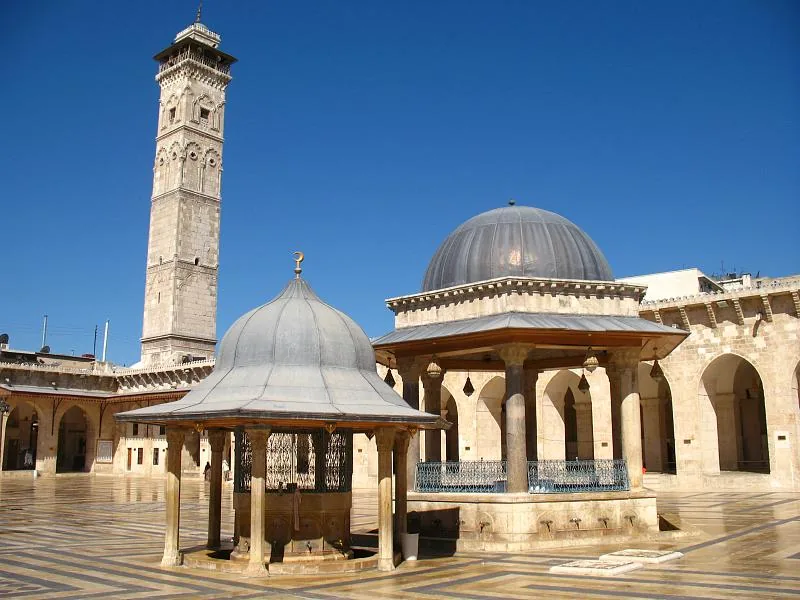
This historic site in Maarat al-Numan features a medieval square minaret and a large courtyard.

Al-Rabee' Mosque📍 landmark

A mosque in Maarat al-Numan built using traditional stone from the region.

Serjilla🏺 historical

This well-preserved Dead City is famous for its 5th-century bathhouse and an ancient oil press.

Khirbat Hanak🏺 historical

Remains of a Byzantine village with stone foundations of dwellings and agricultural buildings.

Khirbat al Ba`udah📍 landmark

A significant archaeological site featuring the ruins of a Byzantine church and ancient dwellings.

Sights nearby

Frequently asked questions

What is Serjilla?
One of the best-preserved 'dead cities' from the Byzantine period in Syria.
How long does the tour take?
A tour takes about 1 to 2 hours.
What makes Serjilla unique?
The remarkable completeness of the residential and public buildings without mortar.
Do you need good shoes?
Yes, the terrain is rocky and uneven.
Is photography allowed?
Yes, photography for personal use is permitted.
Serjilla: where is it located?
Serjilla is located in Syria.
Serjilla: what is there to see?
Highlights include Al-Kura Al-Ardiia round-about, Great Mosque of Maarat al-Numan, Al-Rabee' Mosque.
Serjilla: when is the best time to visit?
The most pleasant time to visit is May, Jun, Oct.
Serjilla: why is it worth visiting?
Serjilla is one of the most famous and best-preserved of the Dead Cities in northern Syria, situated in the limestone massif of Jebel Zawiya.
View on map → The Top 50 Attractions → OpenStreetMap →
Asia
Explore with Plizio Discover more places in Asia
More places in Syria →

Nearby cities

History & landmarks
Nature
More places