Plizio Visual Lab

Amrit
Plizio editorial teamData Sources
ruin
—°3
Amrit (Syria)

Weather…

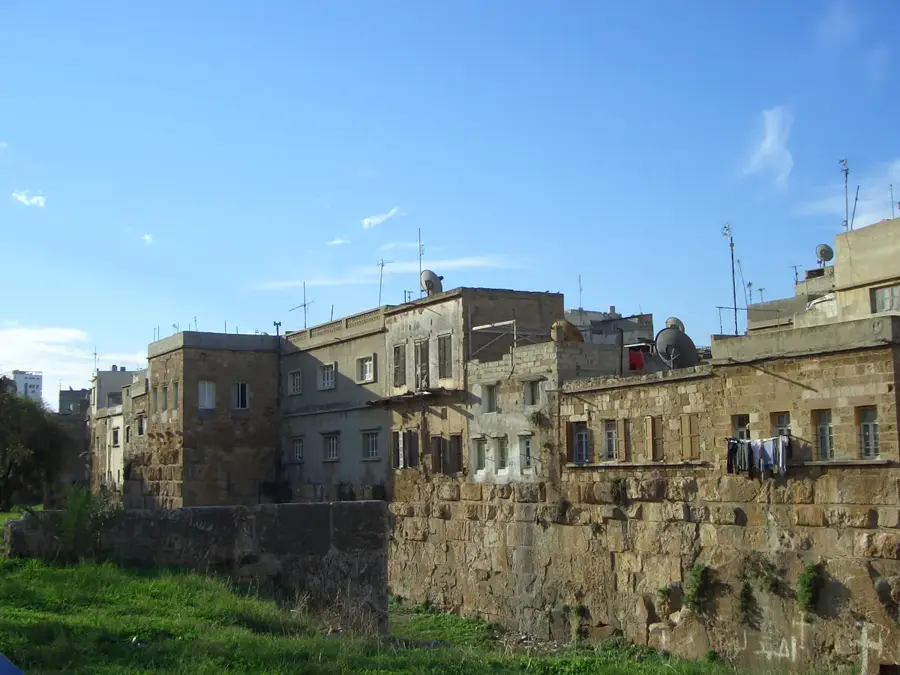
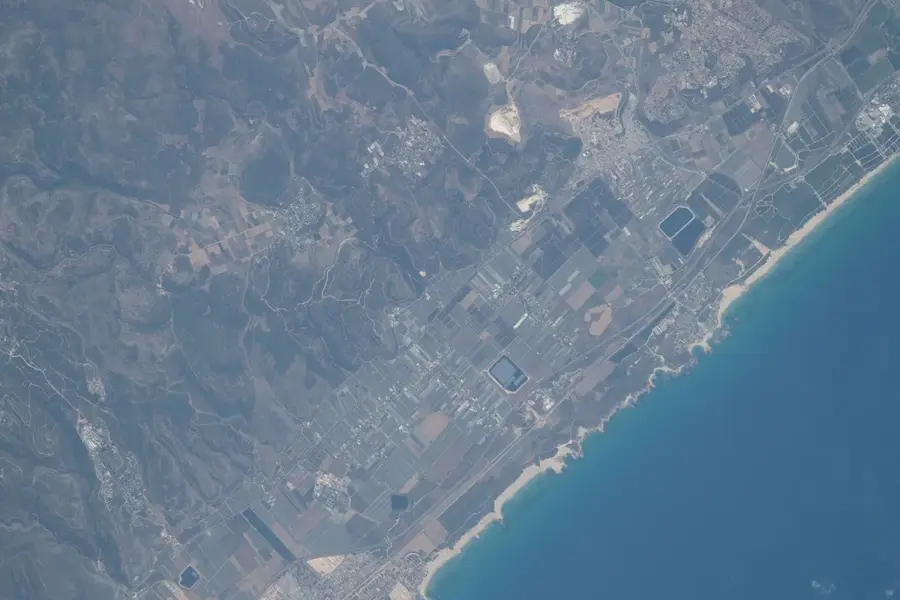
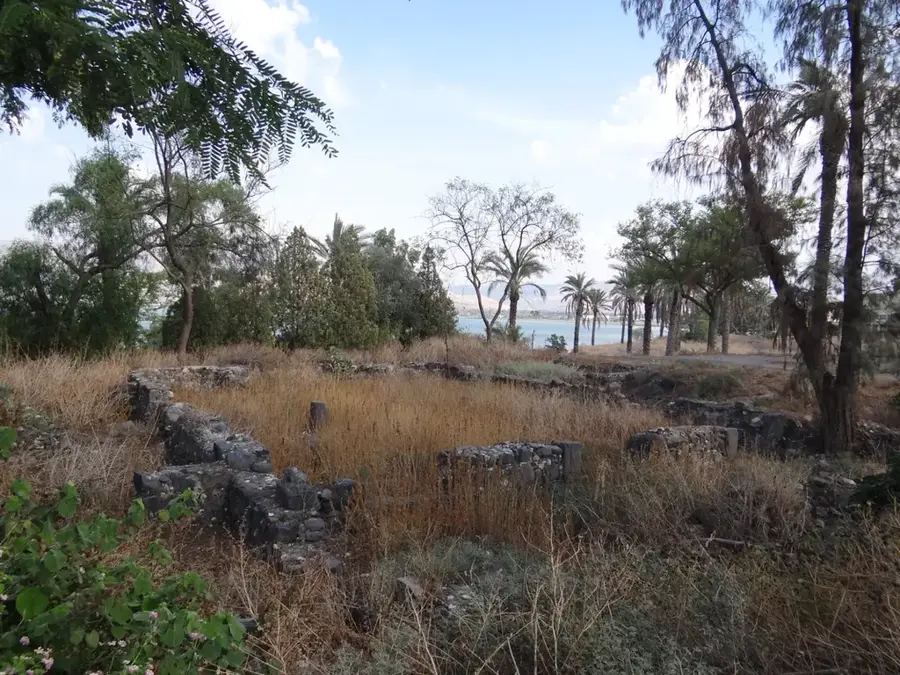
Amrit, ancient Marathus, is a remarkable Phoenician archaeological site located on the Mediterranean coast of Syria, just south of Tartus. Founded in the 3rd millennium BC, it served as an important religious and athletic center for the Phoenicians, particularly during the Persian period. The site's most distinctive feature is the Ma'abed, a temple complex uniquely integrated with water, featuring a central shrine surrounded by a large artificial pool used for ritual purifications. Additionally, Amrit is home to one of the oldest stadiums in the world, measuring nearly 230 meters in length, which predates many famous Greek athletic arenas and was likely used for sacred competitions. The nearby necropolis is characterized by monumental funerary towers known as 'Meghazils', which showcase the fusion of local and Egyptian artistic styles. Unlike many other ancient cities that were continuously rebuilt, Amrit provides a rare, undisturbed glimpse into the architectural and spiritual world of the ancient Phoenician coast.

📋 Practical info

🚪
Visiting
The ancient Phoenician site of Amrit is generally open for visitors to explore the outdoor ruins, though access conditions in the region can fluctuate. It is highly recommended to check local travel advisories before planning a visit to the open-air archaeological area.
🕒
Typical hours
As an outdoor archaeological site, visits are typically possible during daylight hours, usually starting from early morning until sunset. There are no strict official opening hours, so arriving mid-morning ensures you have ample time and good lighting for exploring.
📷
Photography
Photography is generally permitted throughout the site, and the unique rock-cut temple with its surrounding water pool provides spectacular framing opportunities. The bright Syrian sun can be harsh at midday, so aim for the softer light of early morning or late afternoon for the best shots.
⏱️
Time needed
Most visitors spend between one and two hours exploring the extensive ruins and the distinctive temple structure. This allows enough time to walk around the main archaeological features without rushing, taking in the historical atmosphere of this ancient Phoenician settlement.
Combine with
A visit to Amrit is naturally combined with exploring the nearby coastal city of Tartus, which has an impressive Crusader cathedral and a historic old town. You can also easily plan a day trip to the magnificent Crusader fortress of Krak des Chevaliers, located further inland.
🧭
Getting there
The site is located just a few kilometers south of Tartus, making it relatively easy to reach by taxi or a rented vehicle from the city center. Public transportation options are often limited or unreliable, so arranging private transport is usually the most practical and efficient choice.
💡
Insider tip
Since the site can be exposed and lacks significant modern tourist infrastructure, bring plenty of drinking water, sun protection, and comfortable walking shoes. Hiring a knowledgeable local guide in Tartus beforehand can vastly improve your understanding of the complex Phoenician history.

Geography

Coordinates
34.84580, 35.89410

Facts

  • The Ma'abed temple features a central cella in a 47x38 meter pool.
  • The ancient stadium is approximately 230 meters long.
  • The 'Meghazils' are tower-like tombs unique to this site.
  • Amrit was used as a mainland ritual site for the islanders of Arwad.
  • Most standing structures date to the 5th and 4th centuries BC.
  • It is considered the best-preserved Phoenician cult site in Syria.

Explore nearby

Notable places around
Route planner — Car & Motorhome

Where do you start? We build the route here, with stops and country notes along the way.

Vehicle
Only stops with (optional):

© OpenStreetMap contributors · OpenRouteService

Sights in the town Amrit (3)

`Amrit🏺 historical

An ancient Phoenician site featuring unique Hellenistic architectural remains on the Syrian coast.

Amrit Melkart Temple🏺 historical

An ancient Phoenician sanctuary featuring a unique rock-cut cella surrounded by a large sacred water basin.

Rwad Al Siaha🎡 recreation

A coastal stretch near Amrit offering views across to the nearby historic Arwad island.

Sights nearby

Frequently asked questions

What exactly is Amrit?
Amrit is an ancient Phoenician city, known for its well-preserved temple and stadium.
Can one visit the site?
The site is historically significant, but access may vary depending on the local security situation.
When is the best time to visit?
Spring or autumn are convenient to avoid the heat and strong summer winds.
Are there nearby attractions?
Amrit is located near the coastal city of Tartus, which also features historical sites.
What is special about the stadium in Amrit?
It is one of the few surviving ancient Phoenician stadiums, carved directly into the rock.
Amrit: where is it located?
Amrit is located in Syria.
Amrit: what is there to see?
Highlights include `Amrit, Amrit Melkart Temple, Rwad Al Siaha.
Amrit: why is it worth visiting?
Amrit, ancient Marathus, is a remarkable Phoenician archaeological site located on the Mediterranean coast of Syria, just south of Tartus.
View on map → The Top 50 Attractions → OpenStreetMap →
Asia
Explore with Plizio Discover more places in Asia
More places in Syria →

Nearby cities

History & landmarks

Nature
More places