Plizio Visual Lab

Dura-Europos
Plizio editorial teamData Sources
ruin
—°6
Dura-Europos (Syria)

Weather…

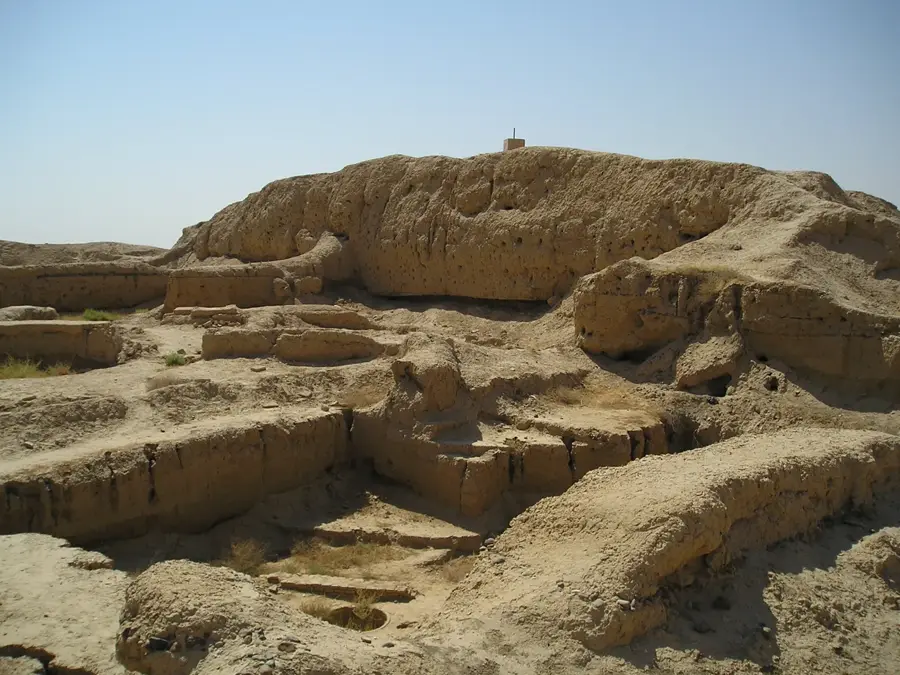
Dura-Europos, frequently called the 'Pompeii of the Desert,' was a vital ancient border city perched on an escarpment overlooking the Euphrates. Founded around 300 BC by the Seleucids, it later fell to the Parthians and eventually the Romans, becoming a melting pot of cultures. The site is world-renowned for its incredibly well-preserved religious sites, including the world’s earliest identified house church and a synagogue featuring elaborate 3rd-century biblical frescoes. These discoveries revolutionized the study of ancient religious art and iconography. The city’s history came to a violent end in 256 AD during a Sassanid Persian siege, after which it was abandoned and buried by shifting sands. This burial preserved fragile items like textiles, wooden shields, and legal documents that rarely survive in other archaeological contexts. Today, Dura-Europos remains a cornerstone for understanding the complex social and religious landscape of the ancient Near East.

Best time to visit & climate

The most pleasant time to visit is Apr, May, Oct.

JanFebMarAprMayJunJulAugSepOctNovDec
Avg °C791420263133332923148
Rain mm161513135000071113

📋 Practical info

🚪
Visiting
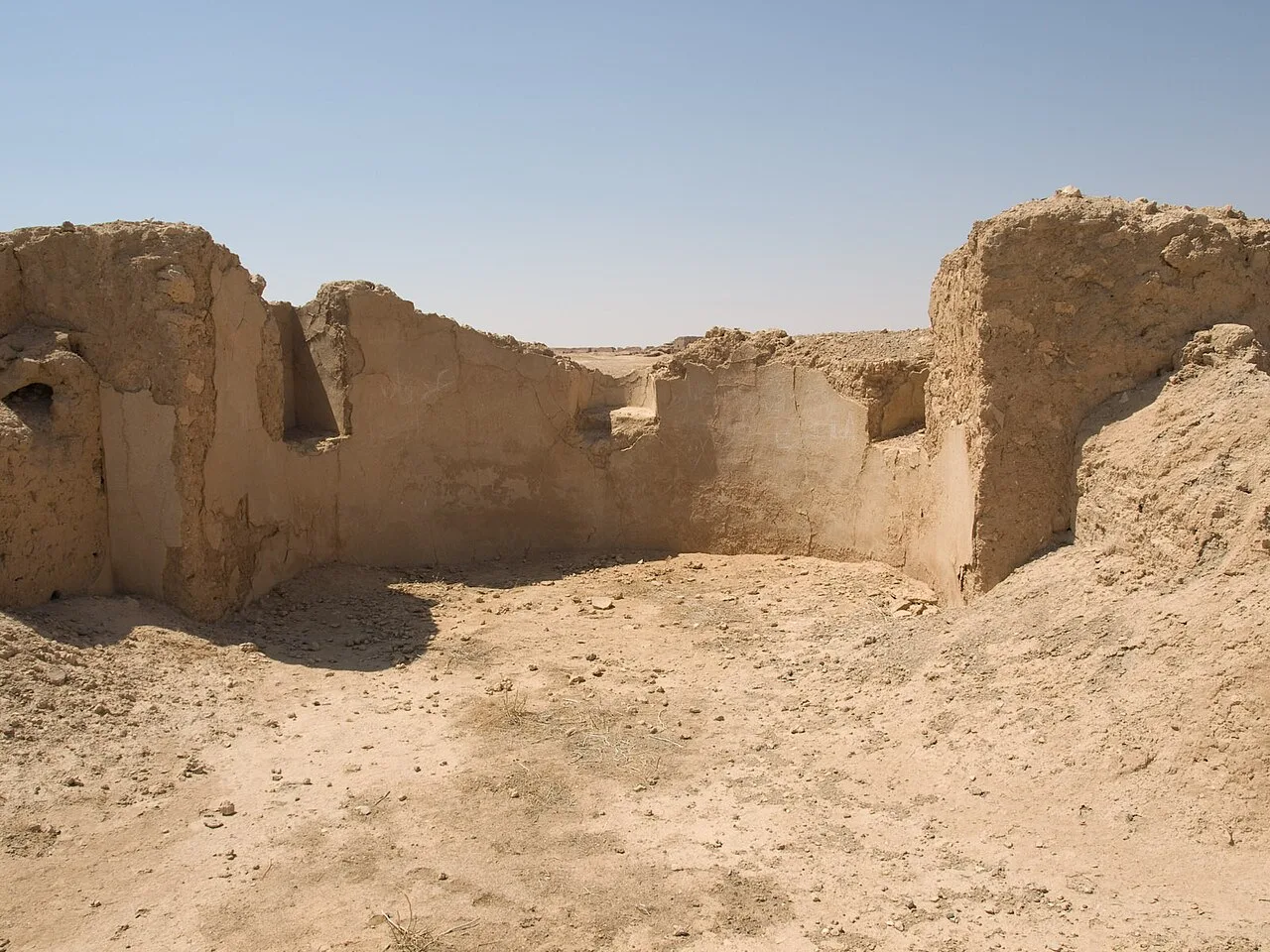
Access to the sprawling ruins of Dura-Europos allows visitors to see the impressive grid layout, fortified walls, and the foundations of various temples overlooking the river. Given the remote location and past damages, always confirm accessibility with official local guides or authorities.
🕒
Typical hours
Being an unshaded archaeological site, visiting is usually feasible during daylight hours, generally opening early in the morning. Due to the desert climate, it is most comfortable to explore in the early hours or late afternoon to avoid the intense sun.
📷
Photography
The dramatic escarpment overlooking the Euphrates River features incredible scenic photography opportunities from the ancient city walls. While the famous synagogue frescoes have been moved to museums, the remaining mud-brick structures and desolate landscape create powerful, atmospheric images.
⏱️
Time needed
A comprehensive walk through the grid system, taking in the varied religious sites and the monumental fortifications, typically requires about two to three hours. The vastness of the area means a lot of walking, so allocate extra time if you wish to study the detailed archaeological layout.
Combine with
Visits to Dura-Europos are frequently combined with seeing the ancient ruins of Mari, another significant archaeological site located further down the Euphrates. The nearby town of Deir ez-Zor often serves as a practical base for exploring both of these historic riverside locations.
🧭
Getting there
Reaching the site requires an extended drive through the eastern desert regions, typically best undertaken with a chartered vehicle or an expert local driver. Due to its strategic and remote positioning near the Iraqi border, independent travel can be complicated and often requires permits.
💡
Insider tip
The environment is arid and severely lacking in shade, so bringing abundant supplies of water, protective headgear, and high-SPF sunscreen is critical. It is highly advisable to read up on the history beforehand, as informational signage on-site is sparse or non-existent.

Geography

Coordinates
34.74720, 40.72970

Facts

  • Founded around 300 BC by the Seleucid Empire as a military colony.
  • Contains the oldest known Christian church building, dated to 235 AD.
  • The synagogue frescoes are among the best-preserved ancient Jewish art.
  • Destroyed in 256 AD during a massive siege by the Sassanid Persians.
  • The dry desert climate preserved unique organic materials like parchment.
  • Excavated primarily by a joint French-American mission in the 1920s.

Explore nearby

Notable places around

Route planner — Car & Motorhome

Where do you start? We build the route here, with stops and country notes along the way.

Vehicle
Only stops with (optional):

© OpenStreetMap contributors · OpenRouteService

Sights in the town Dura-Europos (6)

Temple of Artemis Azzanathkona🏺 historical

Ruins of a Greco-Roman sanctuary located in the ancient desert city of Dura-Europos.

Temple of Bel🏺 historical

Remains of a monumental temple dedicated to the Palmyrene god Bel.

Christian Building⛪ religious

The archaeological site of a house church, considered one of the earliest surviving Christian places of worship.

Synagogue⛪ religious

An ancient synagogue famous for its extraordinary cycle of well-preserved biblical wall paintings.

Hawijat Dahaynah🏺 historical

Ancient ruins on the banks of the Euphrates, part of the extensive Dura-Europos archaeological site.

Dura-Europos📍 landmark

A well-preserved Hellenistic-Roman border city on the Euphrates, often called the 'Pompeii of the Desert'.

Sights nearby

Frequently asked questions

What is Dura Europos?
An ancient city on the Euphrates, famous for its well-preserved synagogue and church.
Why is the place so important?
It provides unique insights into the coexistence of different cultures in antiquity.
Can one see the findings?
Many findings are now in museums, including the National Museum in Damascus.
Is the site easy to find?
Traveling is only recommended with a knowledgeable guide or local assistance.
Which is the best season?
Autumn and winter are climatically the most pleasant.
Dura-Europos: where is it located?
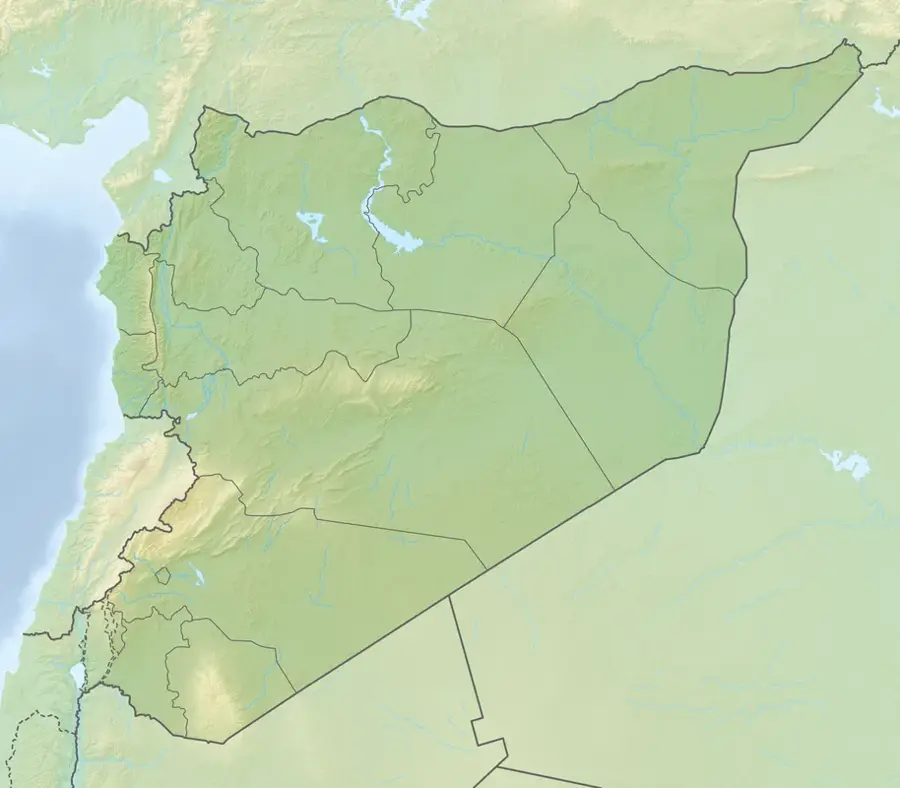
Dura-Europos is located in Syria.
Dura-Europos: what is there to see?
Highlights include Temple of Artemis Azzanathkona, Temple of Bel, Christian Building.
Dura-Europos: when is the best time to visit?
The most pleasant time to visit is Apr, May, Oct.
Dura-Europos: why is it worth visiting?
Dura-Europos, frequently called the 'Pompeii of the Desert,' was a vital ancient border city perched on an escarpment overlooking the Euphrates.
View on map → The Top 50 Attractions → OpenStreetMap →
Asia
Explore with Plizio Discover more places in Asia
More places in Syria →

Nearby cities

Nature

More places