Attractions in Mali
The finest attractions in Mali at a glance: castles, natural wonders, historic old towns and more. Each place links to a detailed page with map, tips and photos.
Culture & History
Tour of Africa
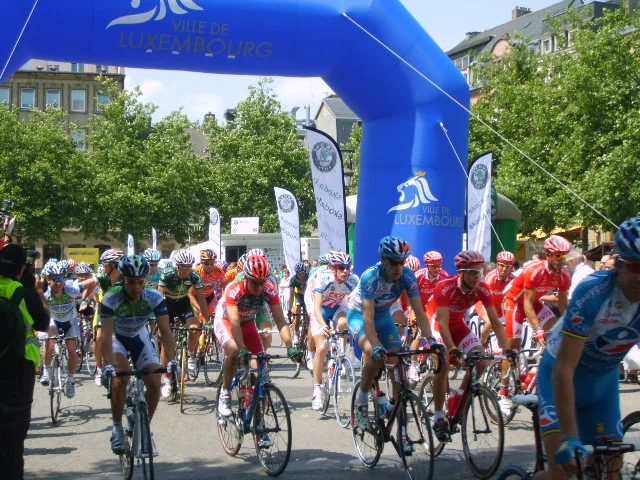
A well-known monument in the shape of a large baobab tree at a major intersection in Bamako, symbolizing African unity.
Learn more →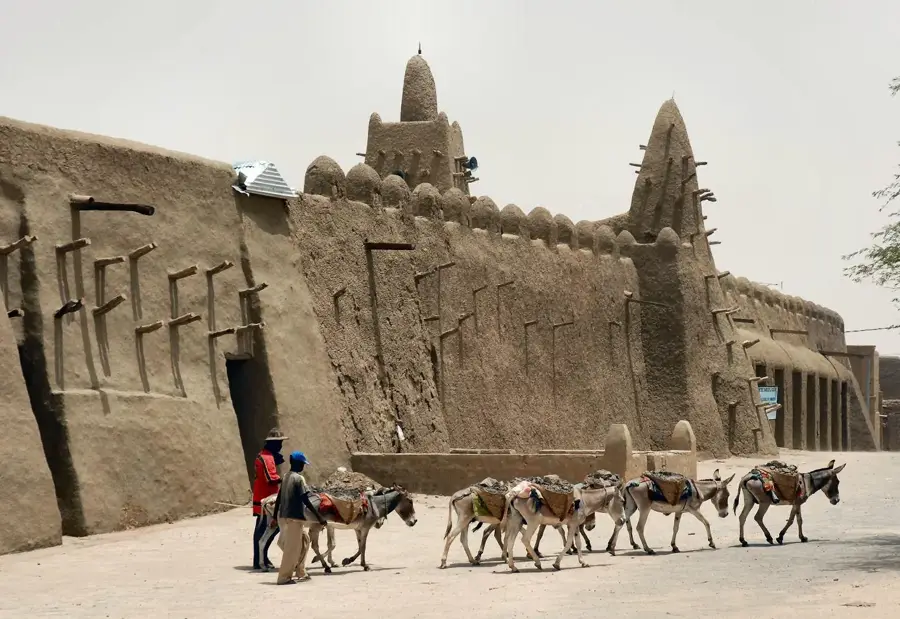
Flame of Peace Timbuktu
A monument in Timbuktu commemorating the end of the Tuareg rebellion in the 1990s and the symbolic burning of weapons.
Learn more →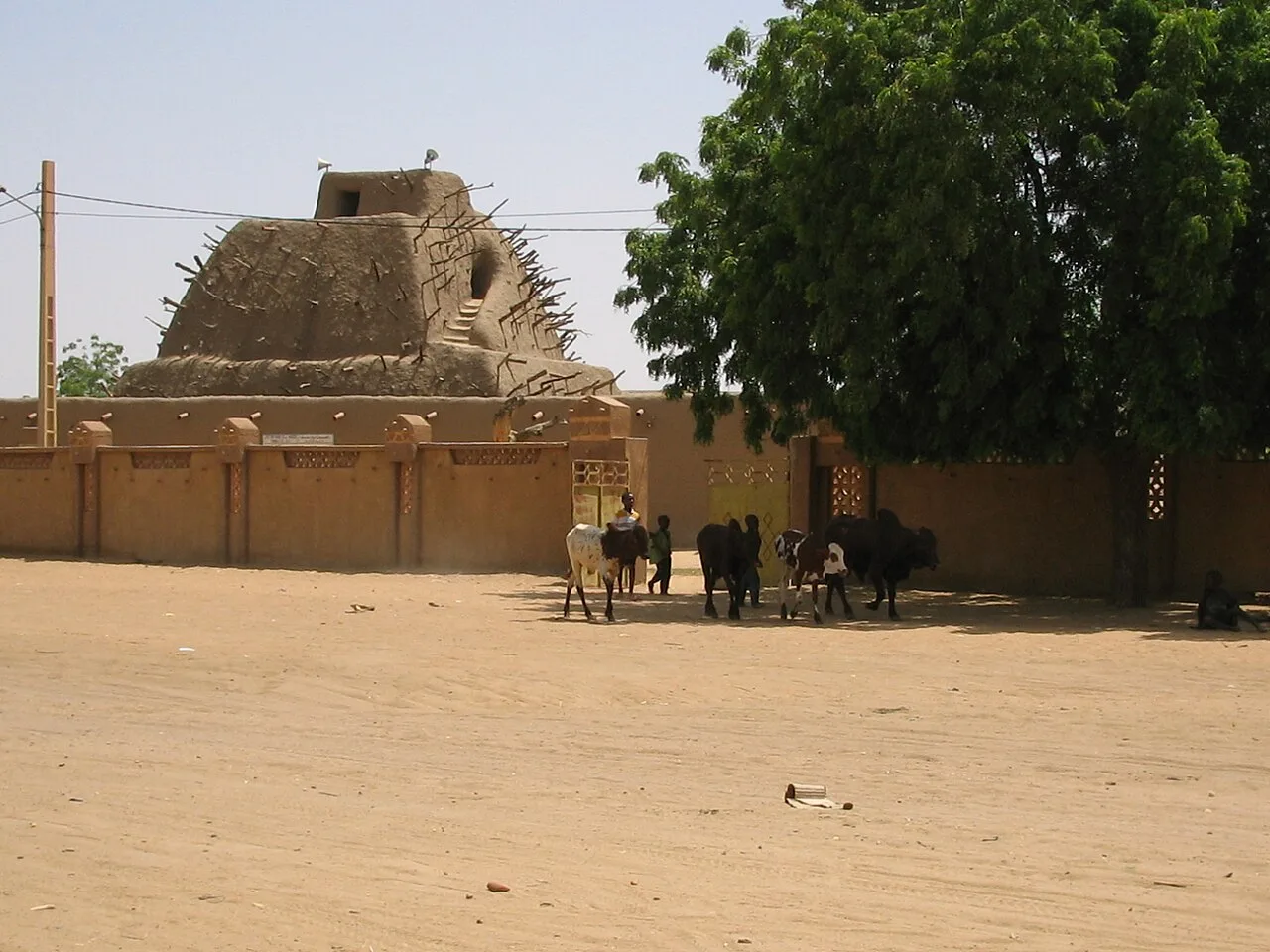
Tomb of Askia
An impressive mud-brick pyramid in Gao serving as the resting place of Askia Mohammad I, Emperor of the Songhai Empire.
Learn more →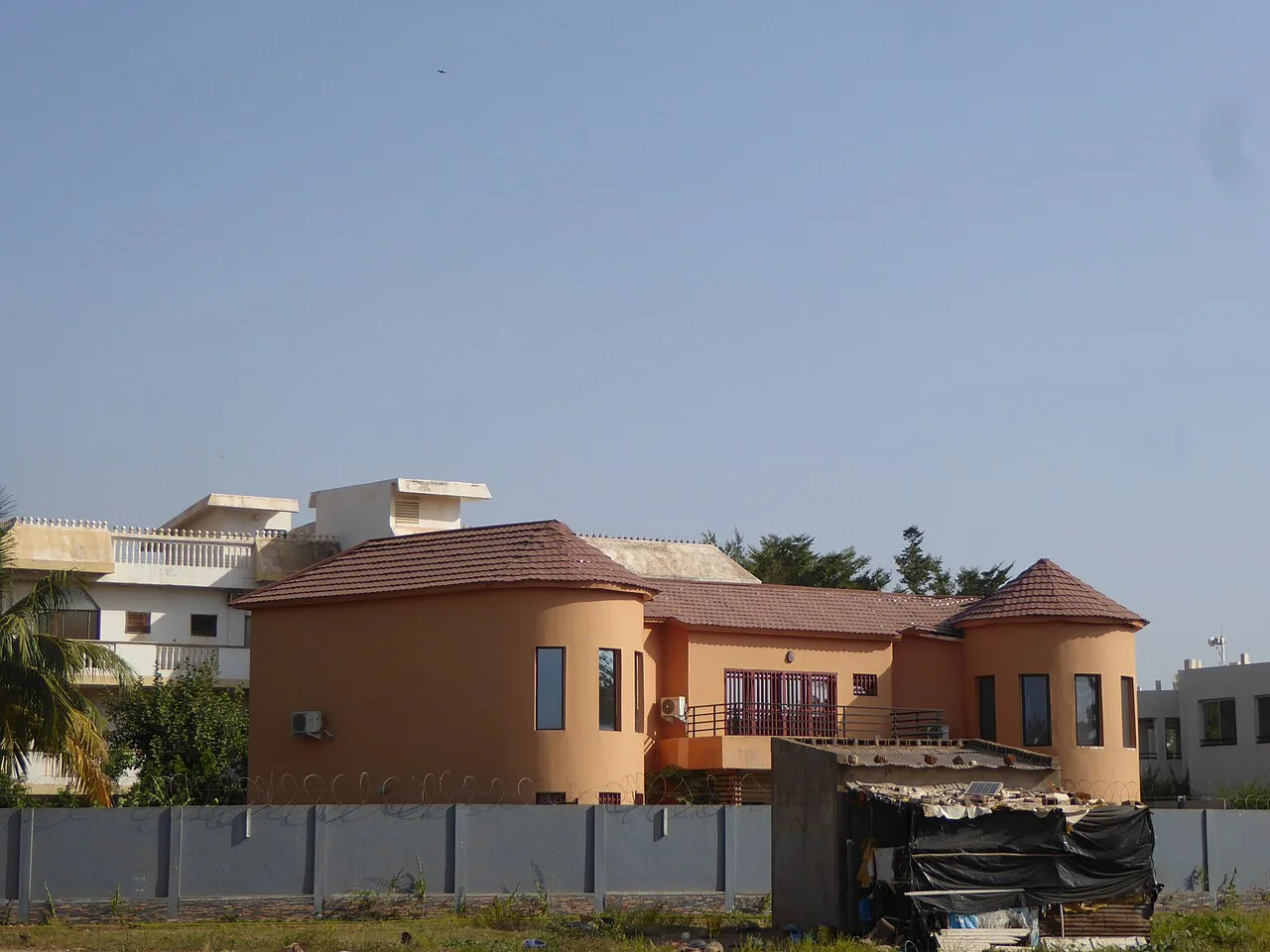
Hippopotamus Monument
A striking sculpture in the center of Bamako depicting the hippopotamus – the symbol behind the city's name ('Bama-ko').
Learn more →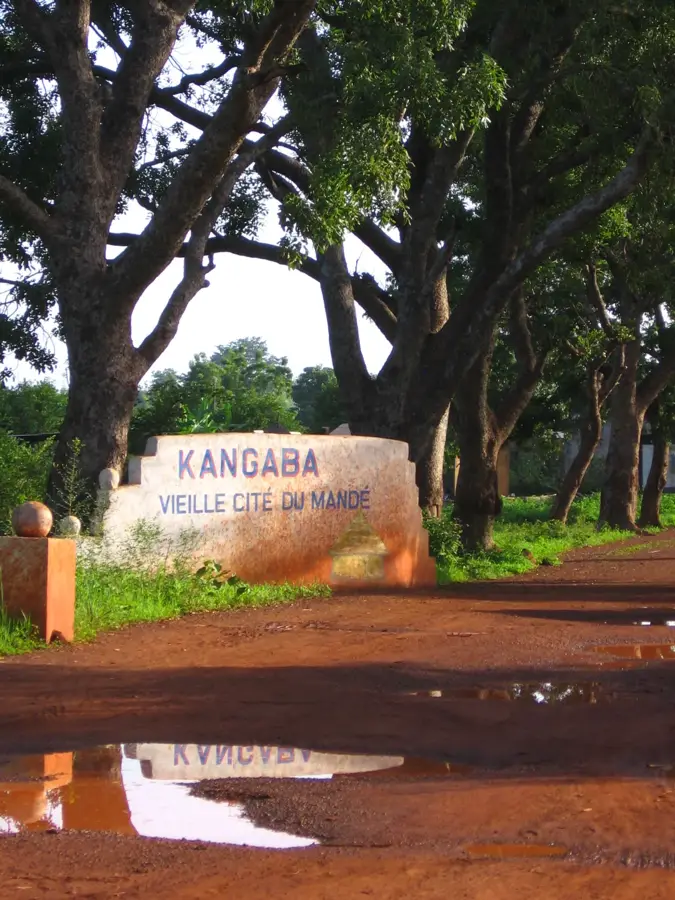
Sacred Hut of Kangaba (Kama Blon)
A small but highly important traditional building in Kangaba, playing a central role in ceremonial renewals.
Learn more →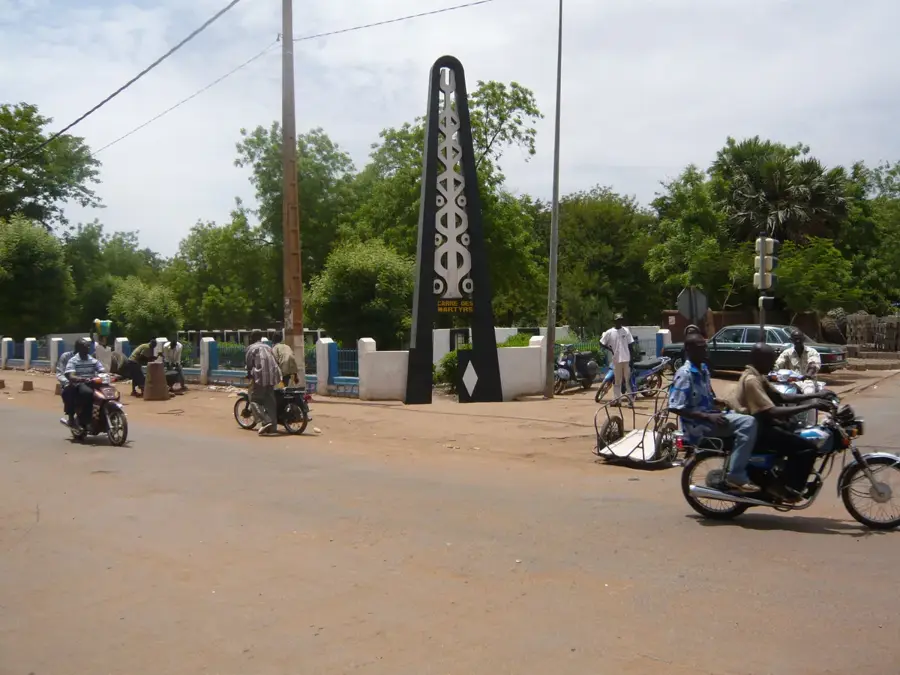
House of Artisans (Maison des Artisans)
A significant building near the grand market of Bamako showcasing the architectural promotion of local craftsmanship.
Learn more →
Stade 26 Mars
The largest sports stadium in Mali, often used for international football matches and major events.
Learn more →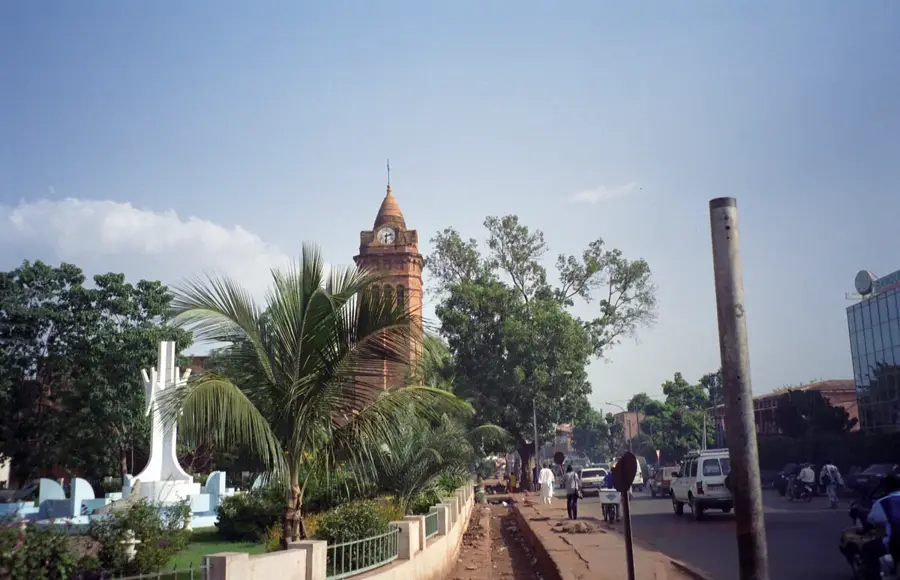
Bamako Grand Mosque
An important Islamic place of worship in the center of Bamako, characterized by its modern white architecture.
Learn more →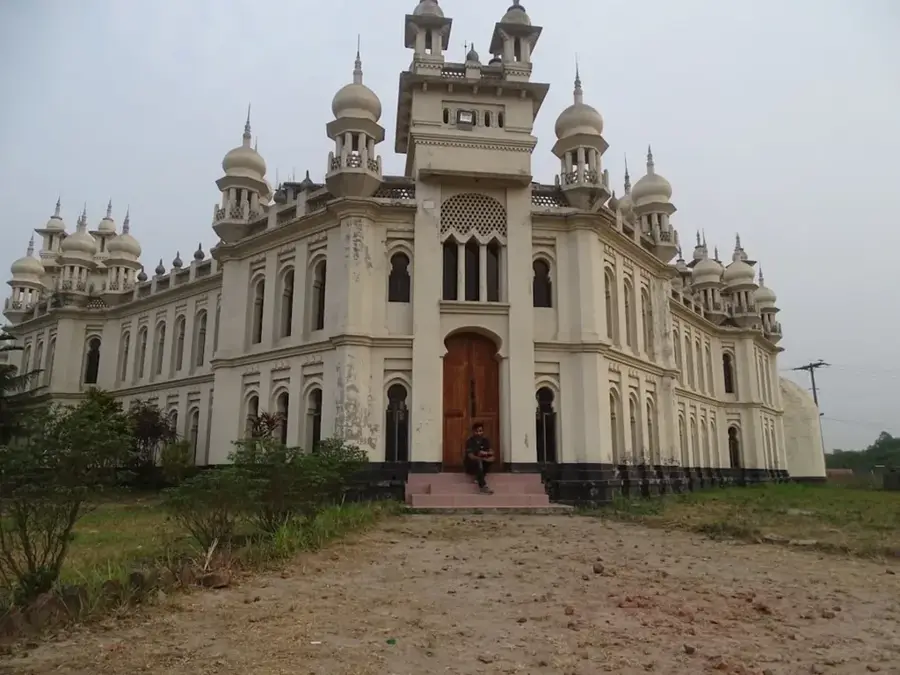
Palace of Biton Coulibaly (Ruins)
The historical remains of the residence of the 18th-century founder of the Bamana Empire near Ségou.
Learn more →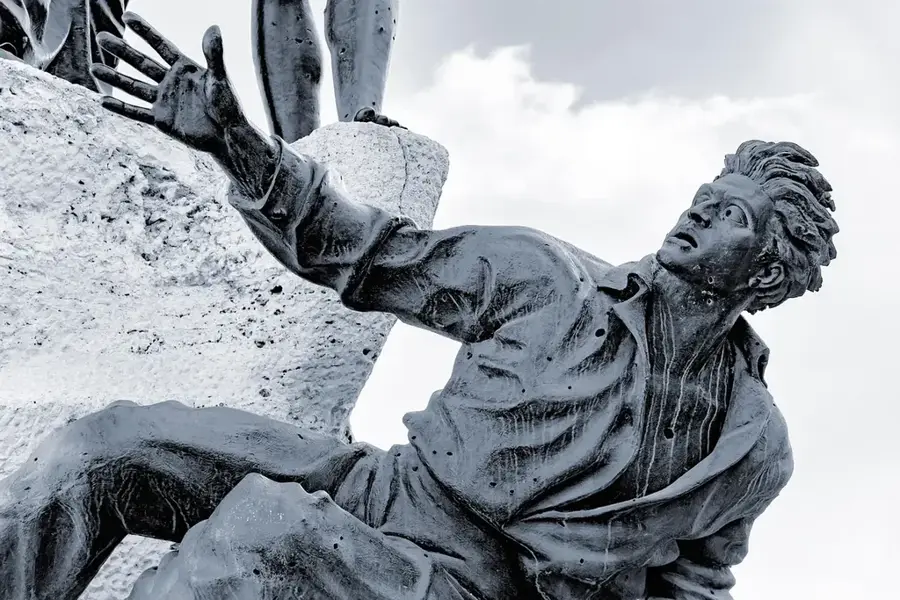
Martyrs' Bridge
The first bridge to span the Niger in Bamako, today it commemorates the victims of political protests.
Learn more →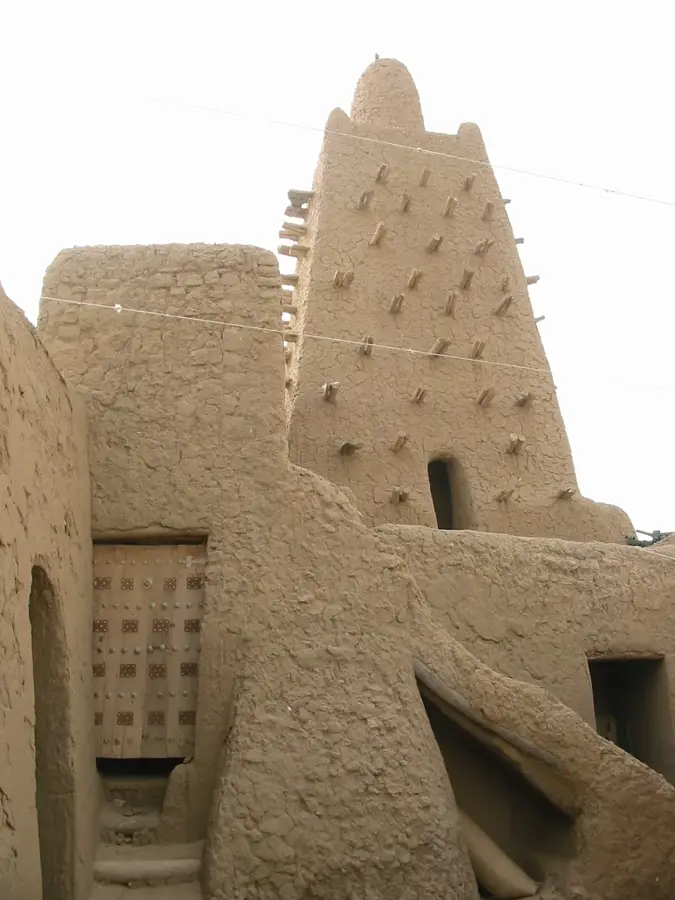
Djingareyber Mosque
The oldest mosque in Timbuktu, built in the 14th century and renowned for its mud-brick architecture.
Learn more →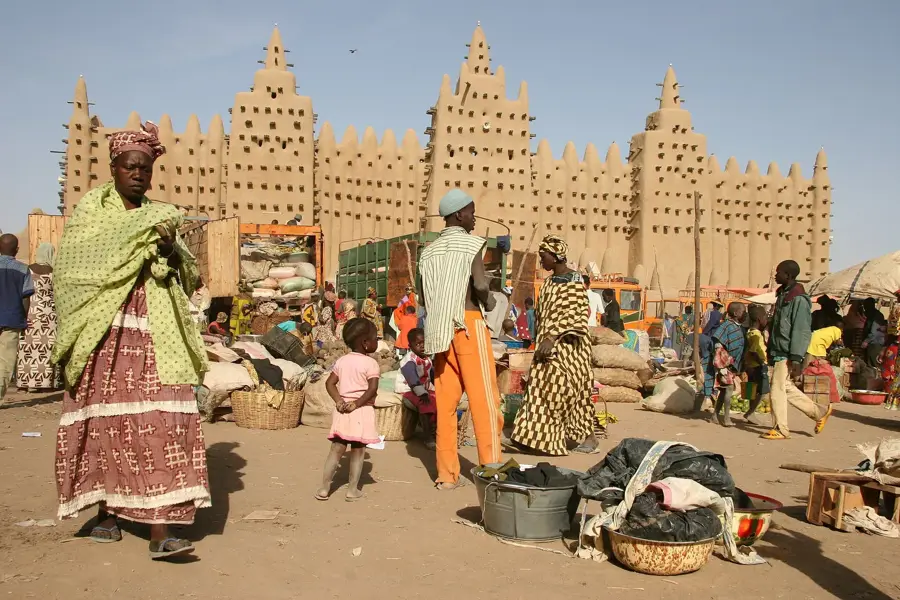
Sané Mosque of Djenné
Another significant mud-brick mosque in Djenné reflecting the region's rich Islamic heritage.
Learn more →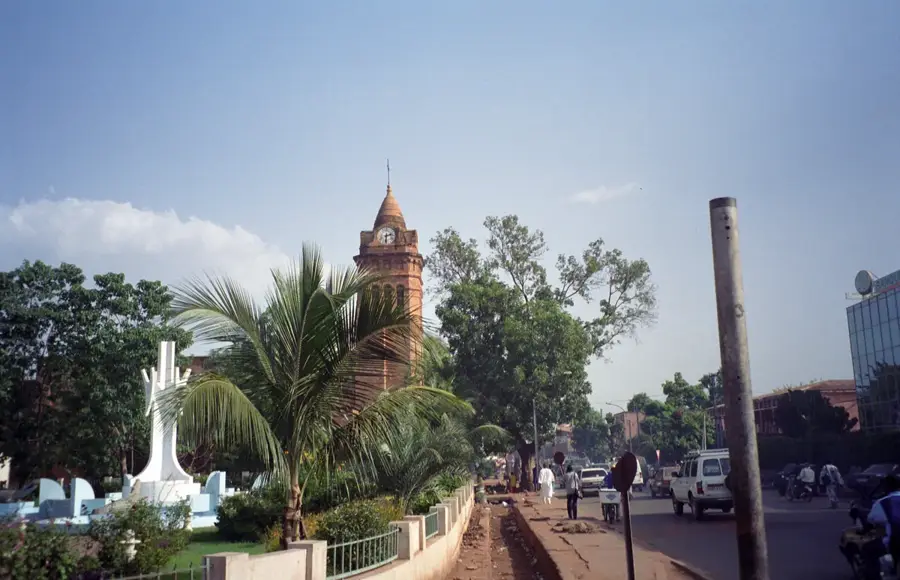
Modibo Keïta Memorial
A monumental complex in Bamako honoring the first president of independent Mali, Modibo Keïta.
Learn more →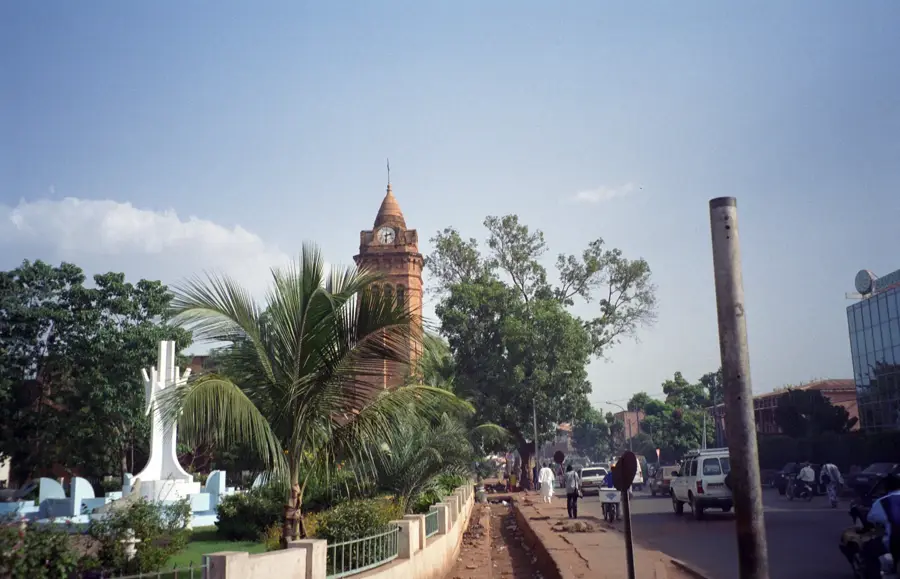
Sacred Heart Cathedral
The most important Roman Catholic church in Bamako, a symbol of the city's Christian heritage.
Learn more →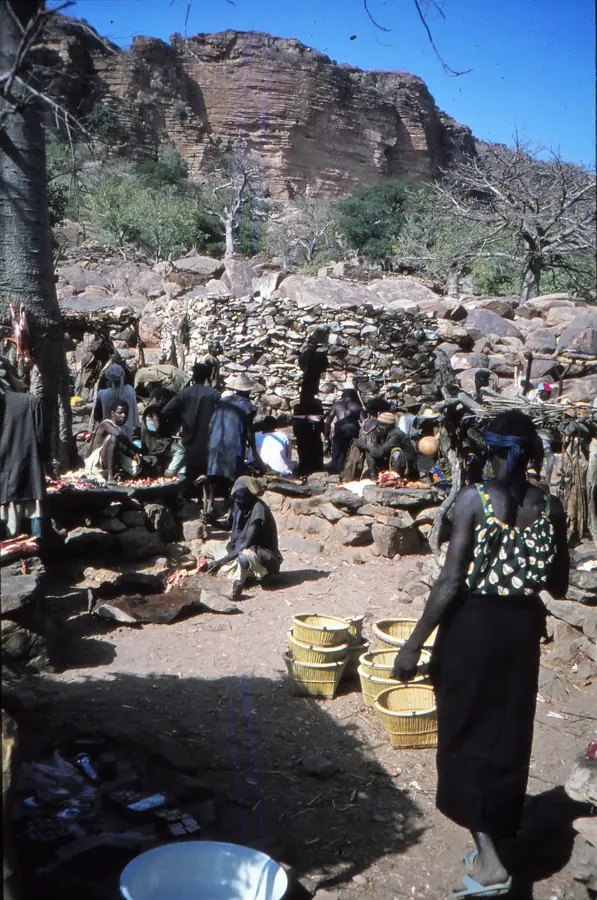
Ireli
One of Mali's most spectacular villages, built directly into the steep slope of the cliffside.
Learn more →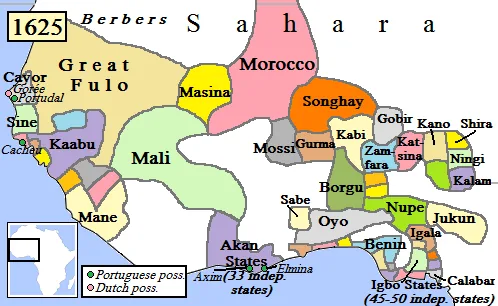
Hamdallaye Mosque (Ruins)
The historical remains of a monumental mosque in the former capital of the Massina Empire.
Learn more →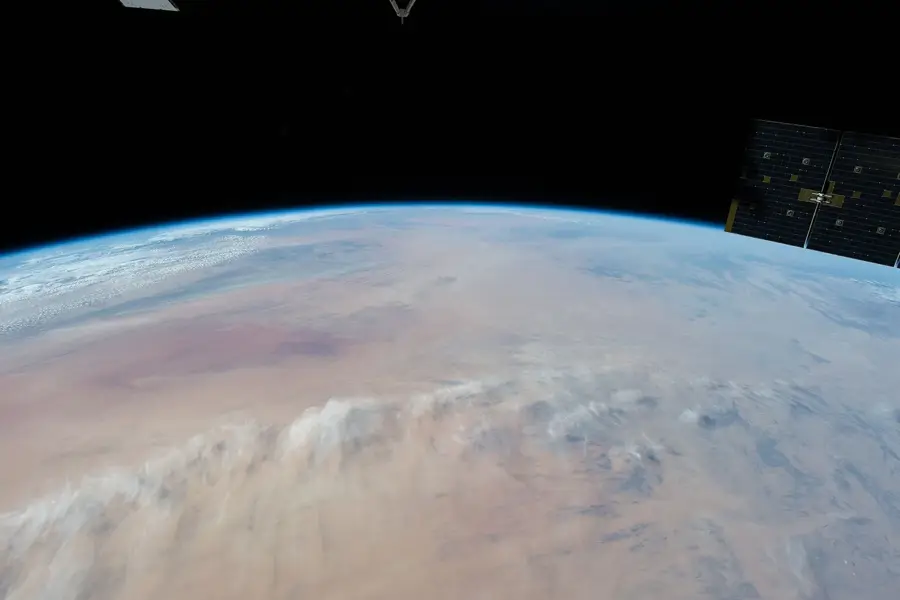
Missirikoro Mosque (in the Grotto)
A unique place of worship near Sikasso integrated into natural rock formations.
Learn more →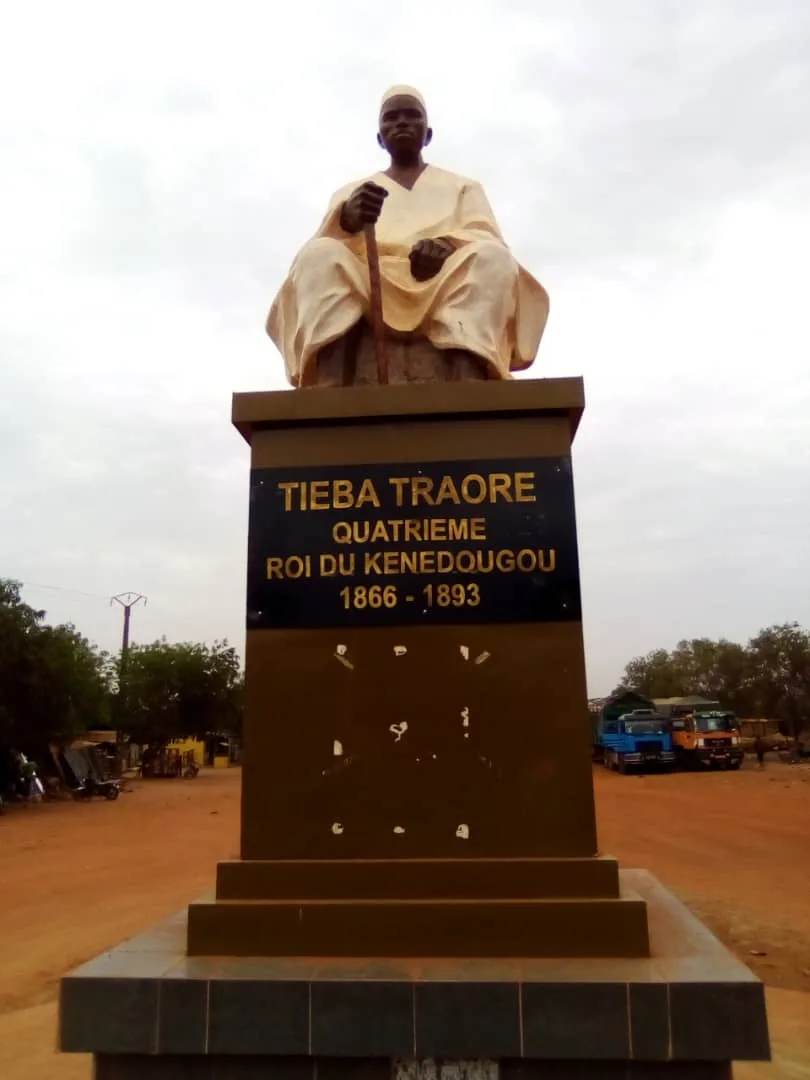
Palace of Tiéba Traoré
The remaining structures of the royal residence of the Kenedougou Kingdom in Sikasso.
Learn more →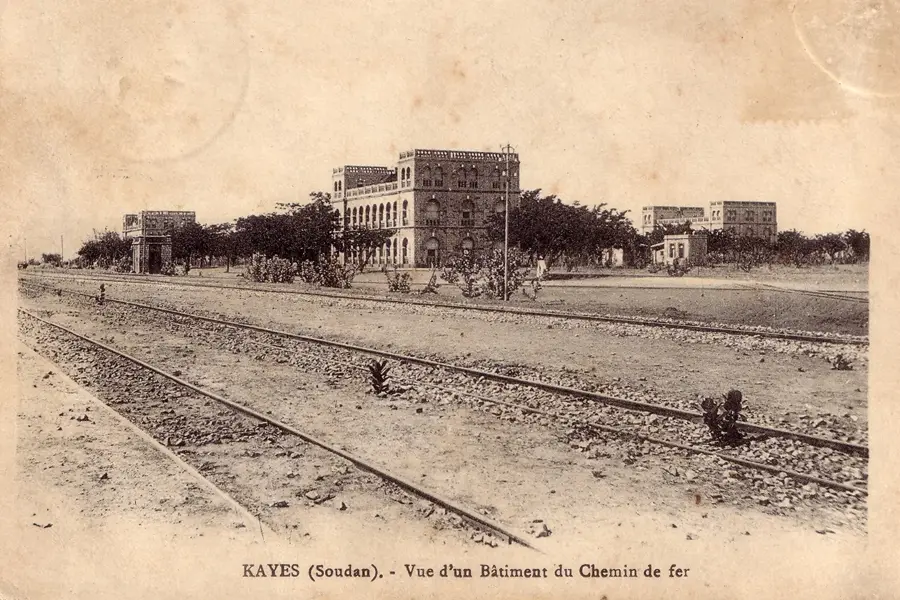
Kayes Bridge
A prominent transport link across the Senegal River in the hot city of Kayes.
Learn more →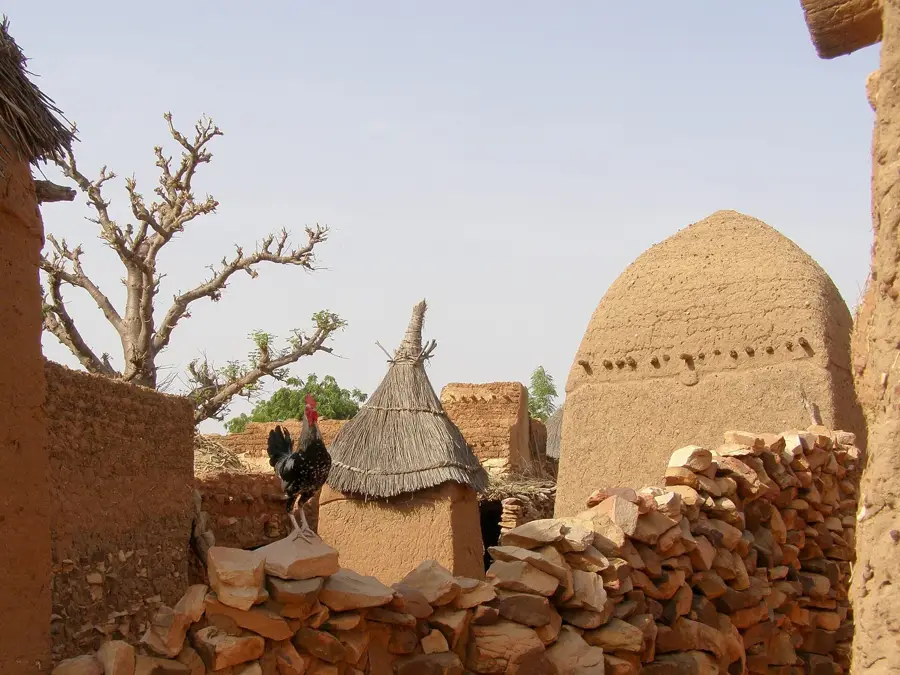
Songho
Famous for its ritual rock paintings and sacred circumcision site.
Learn more →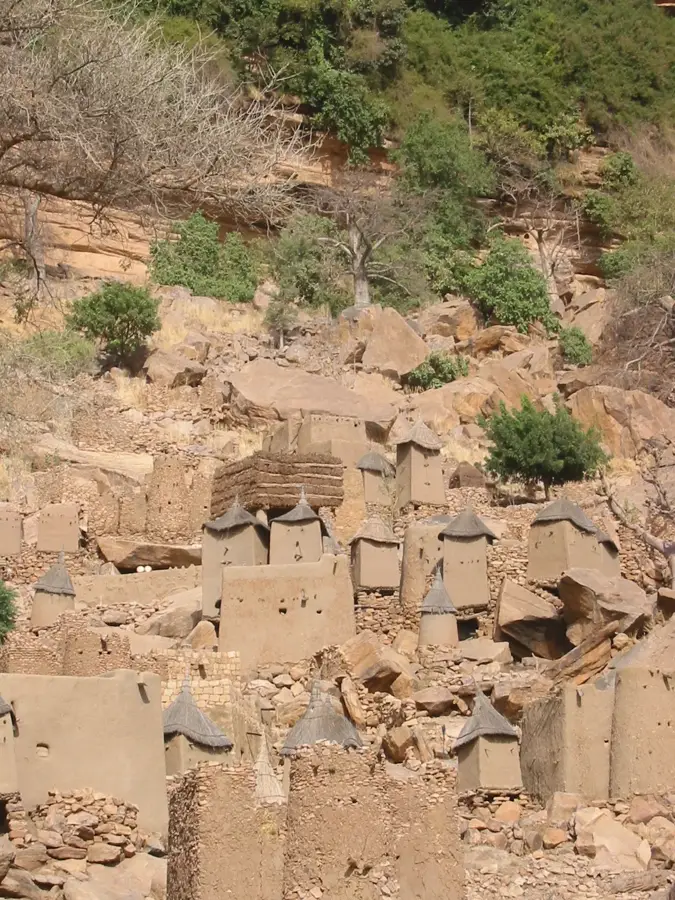
Banani
A picturesque Dogon village nestled at the foot of the massive Bandiagara cliff.
Learn more →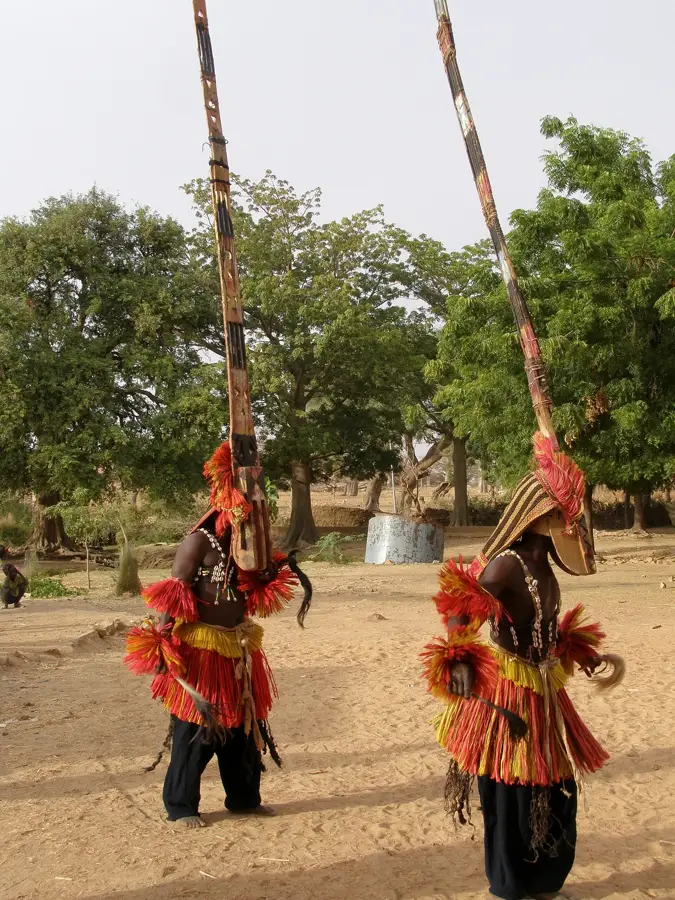
Sanga
The cultural epicenter of Dogon Country, perched on the Bandiagara Escarpment.
Learn more →Nature
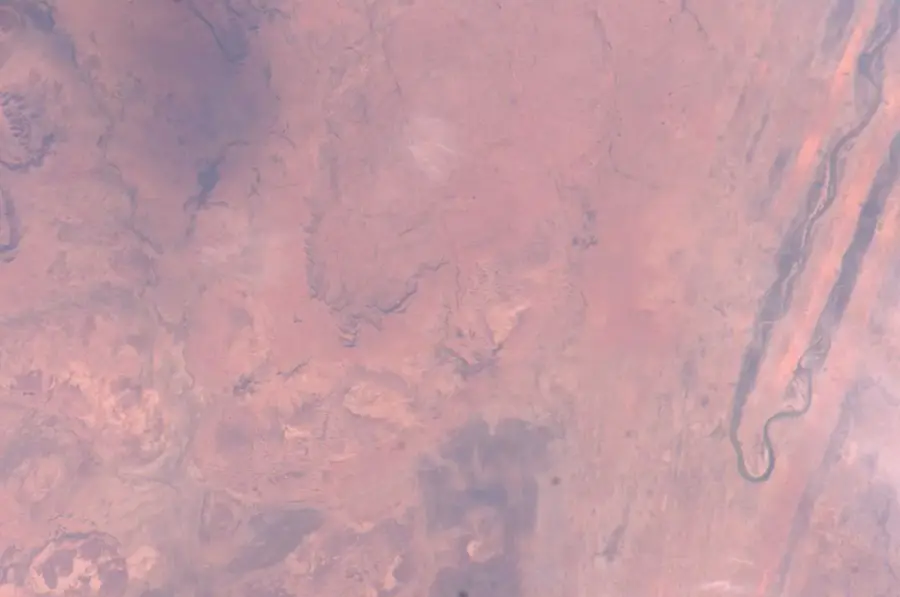
Lake Aougoundou
A seasonal body of water near Timbuktu.
Learn more →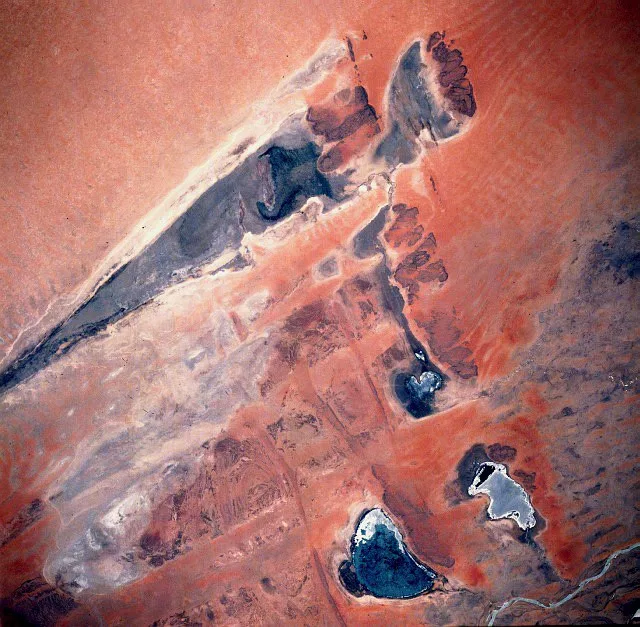
Lake Télé
A picturesque lake near the city of Mopti.
Learn more →
Kita Mountains
An isolated mountain massif near the city of Kita, composed of hard rock layers and featuring steep slopes.
Learn more →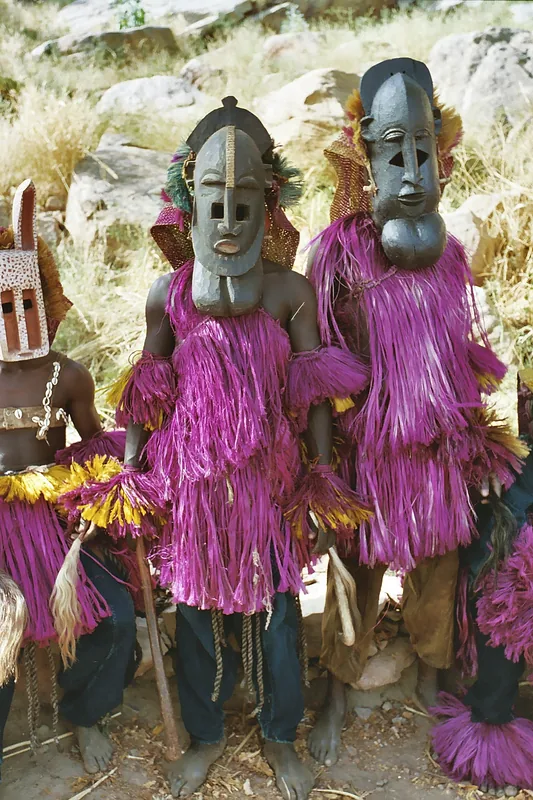
Mount Dogon
Part of the spectacular Bandiagara Escarpment that overlooks Dogon Country.
Learn more →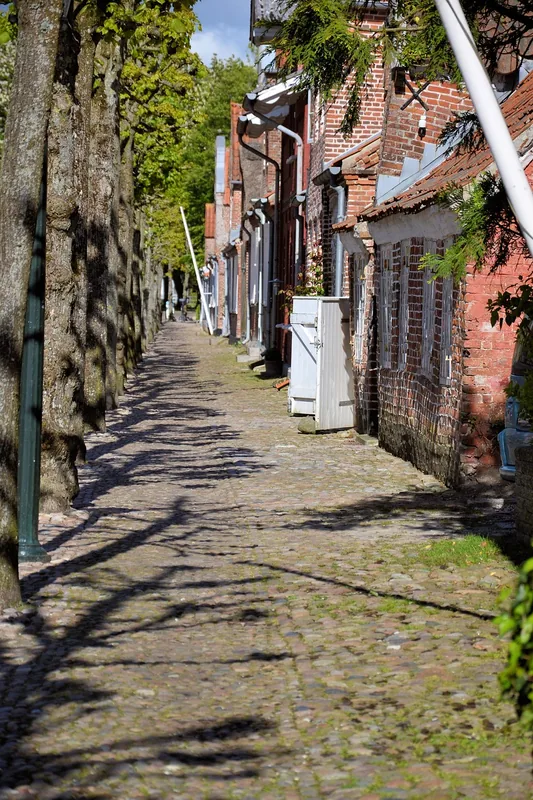
Hombori Tondo
The highest mountain in Mali, a prominent table mountain in the Mopti region.
Learn more →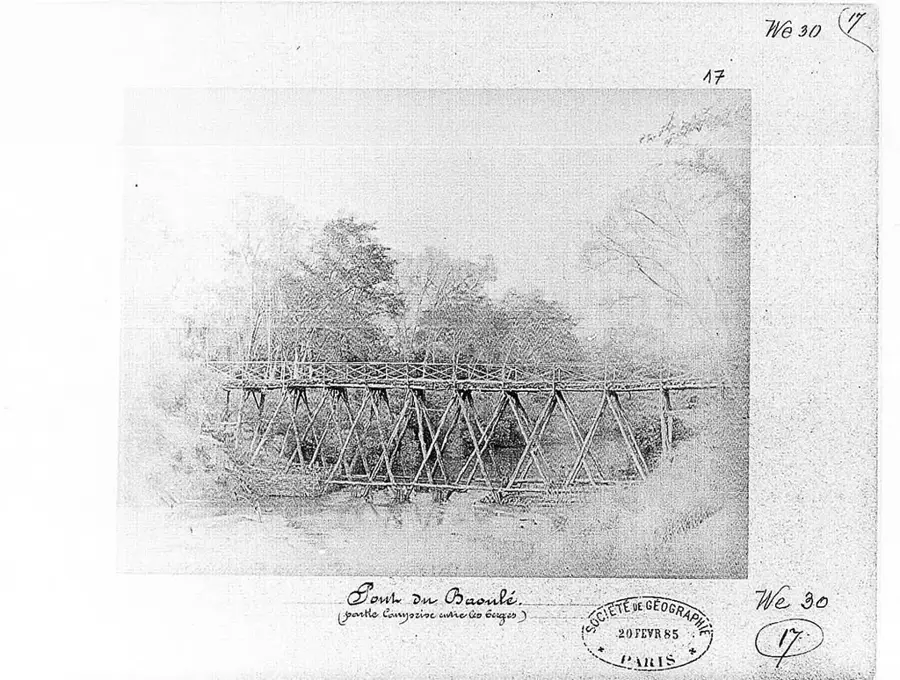
Baoulé
A tributary of the Bakoy river in western Mali, flowing through the Baoulé reserve.
Learn more →More highlights
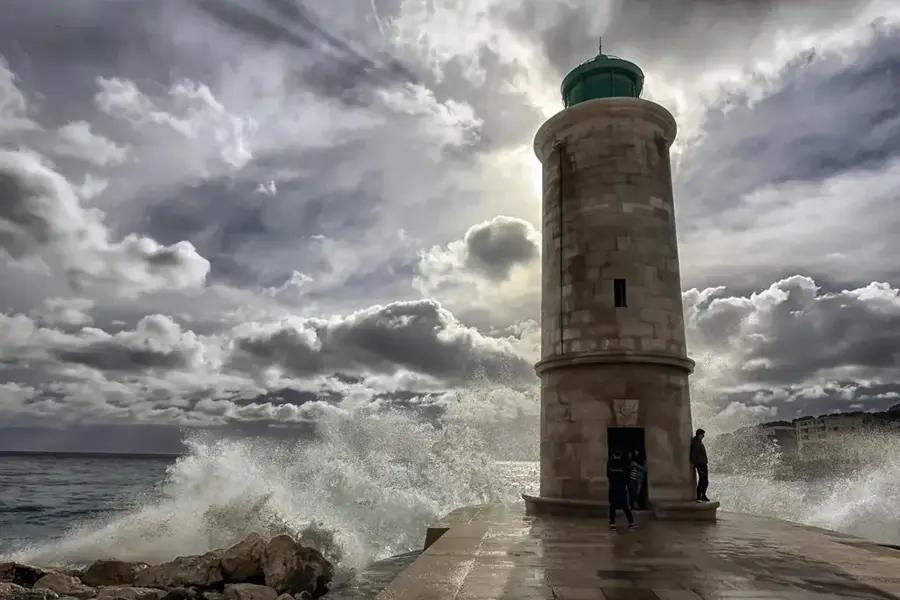
Old Port of Mopti
A bustling historic trading port known as the 'Venice of Mali', where Bozo fishermen and traders have gathered for generations.
Learn more →
Colonial Railway Station of Kayes
An important relic of the Dakar-Niger Railway, which made the city of Kayes a central hub of colonial trade from 1881 onwards.
Learn more →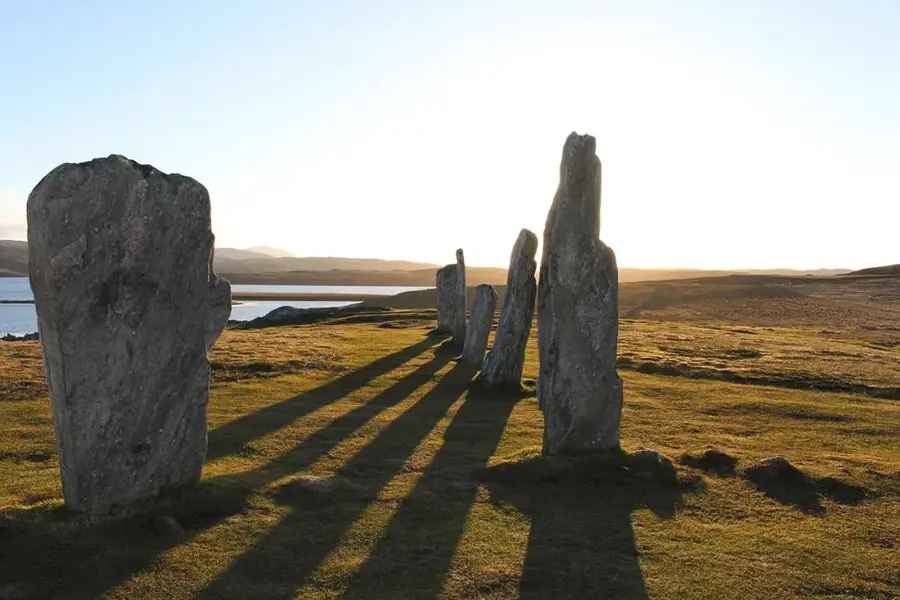
Megaliths of Tondidarou
An impressive collection of prehistoric stone steles in the Niafunké lakes region, the exact origin of which remains a mystery.
Learn more →
Gao-Saney
An important archaeological site east of Gao, offering valuable insights into the early Islamic rulers of West Africa.
Learn more →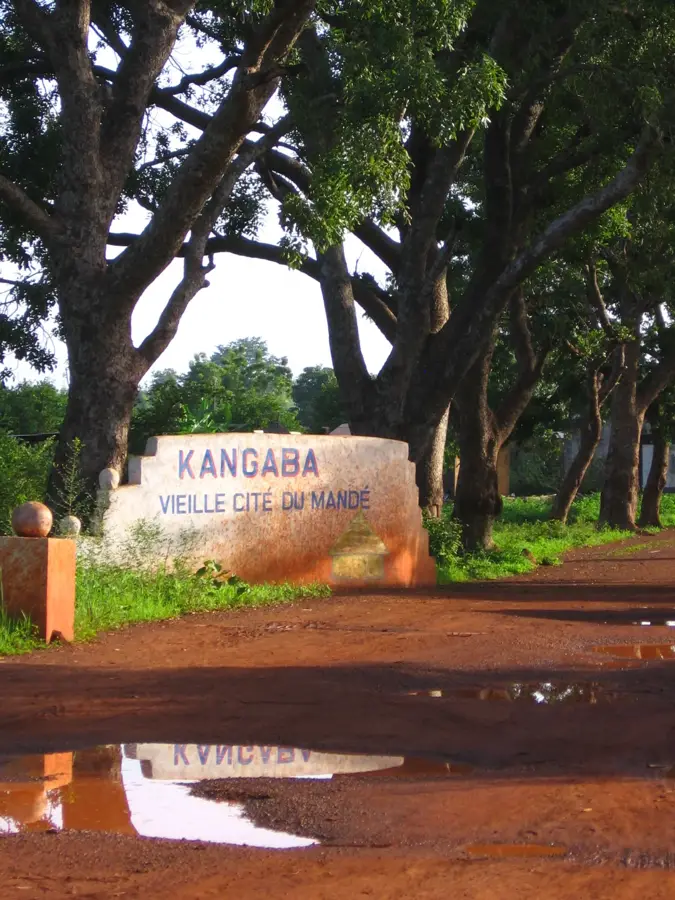
Kamablon in Kangaba
A sacred round hut of the Mandinka in Kangaba, closely linked to the founding history and traditions of the Mali Empire.
Learn more →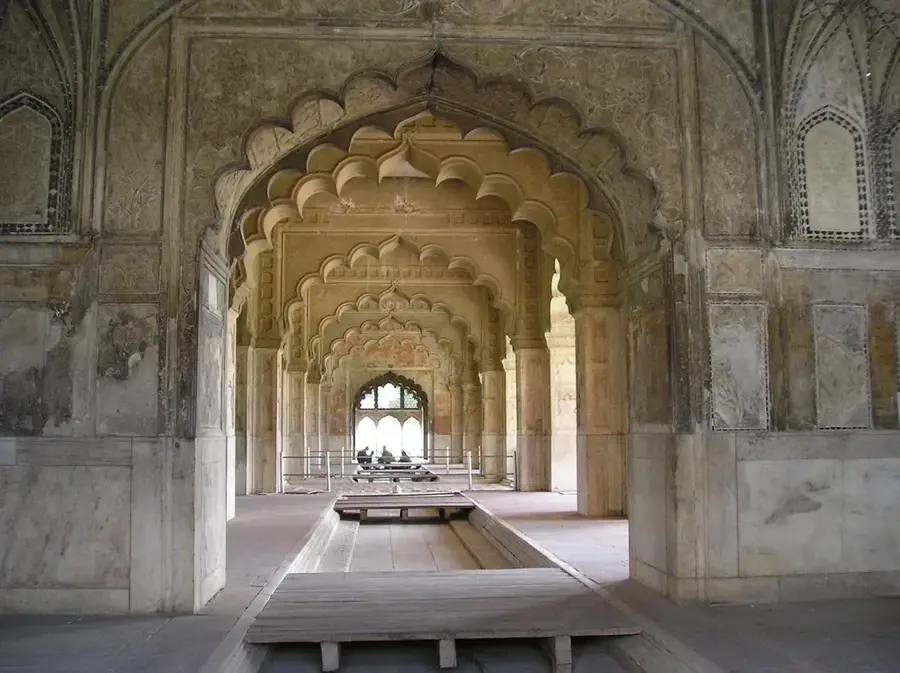
Colonial Fort of Kita
Ruins of a 19th-century French fort that served as a strategic base in the expansion into French Sudan.
Learn more →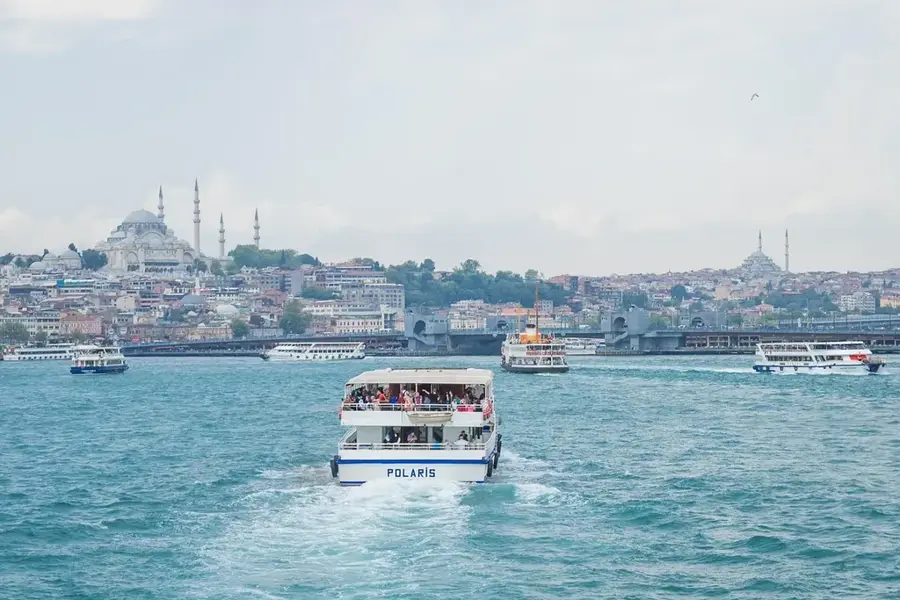
Koulikoro Historic Ferry Station
The terminus of the old Dakar-Niger railway, where goods were transferred to the river, economically shaping the region.
Learn more →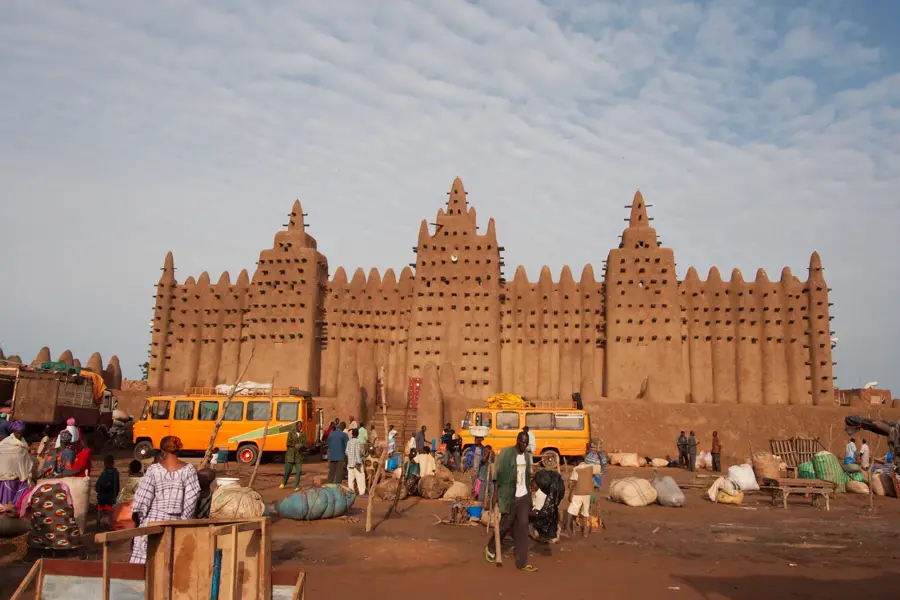
Djenné-Djenno
One of the oldest known towns in sub-Saharan Africa, whose ruins bear witness to an advanced Iron Age culture.
Learn more →
Old Walls of Ségou
The historical fortification remains of the city that once protected the power center of the Bambara kings from invasions.
Learn more →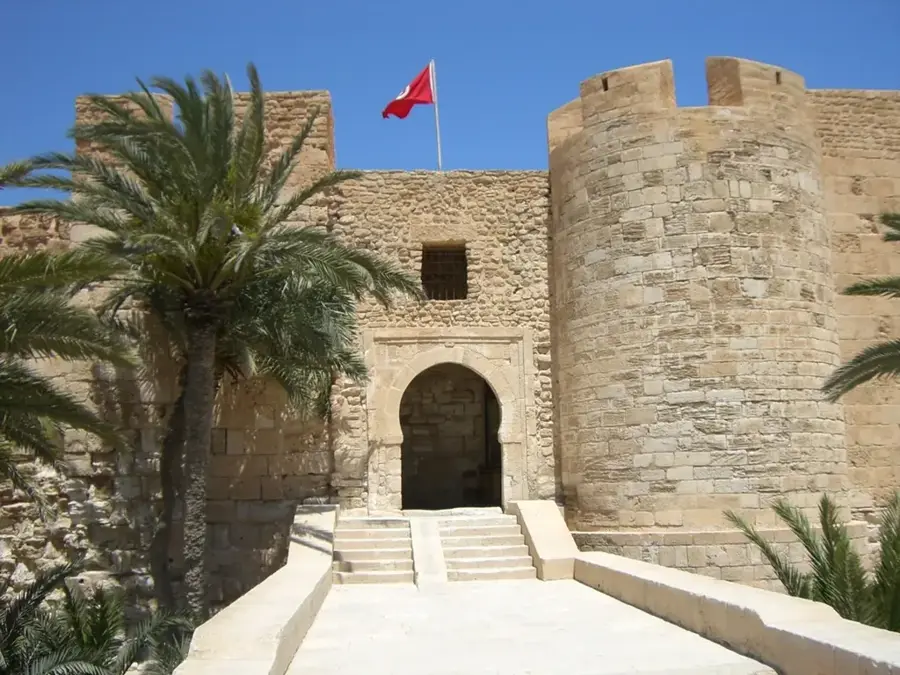
Ruins of Essouk
The archaeological remains of the medieval caravan city of Tadmakka, an important hub for trans-Saharan trade.
Learn more →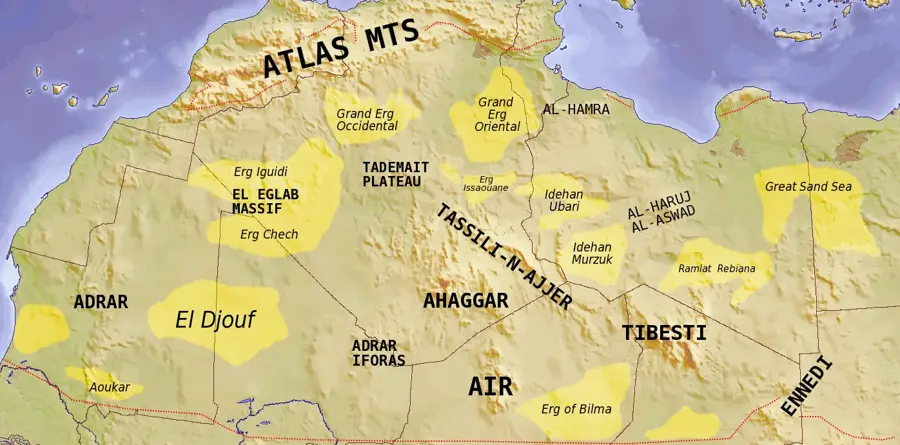
Erg Chech
A vast sand sea in the Sahara, stretching across northern Mali and known for its massive shifting dunes.
Learn more →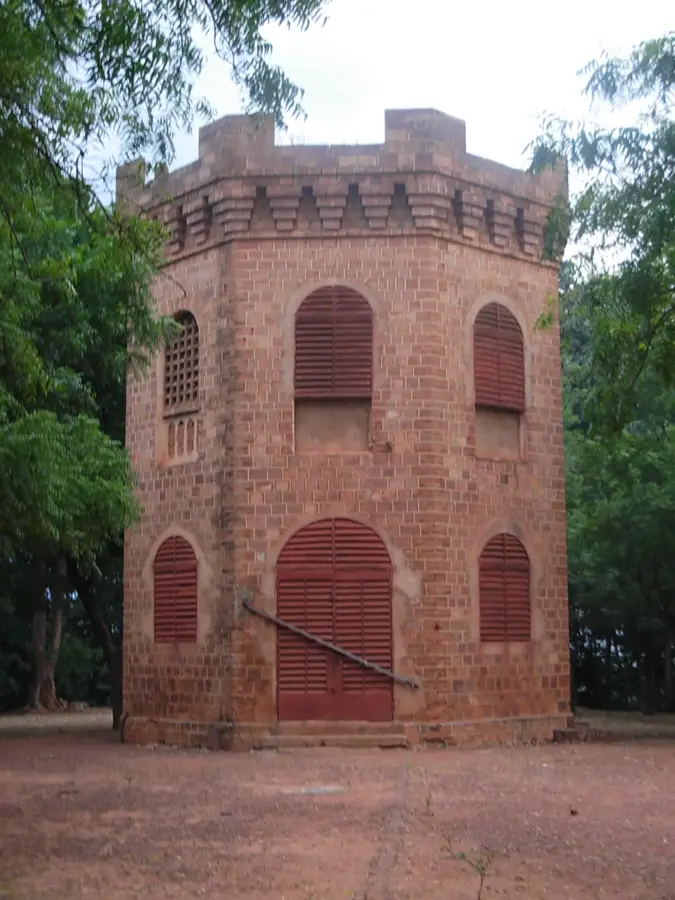
Tata of Sikasso
The remains of a massive fortification that protected the city of Sikasso from enemy attacks in the 19th century.
Learn more →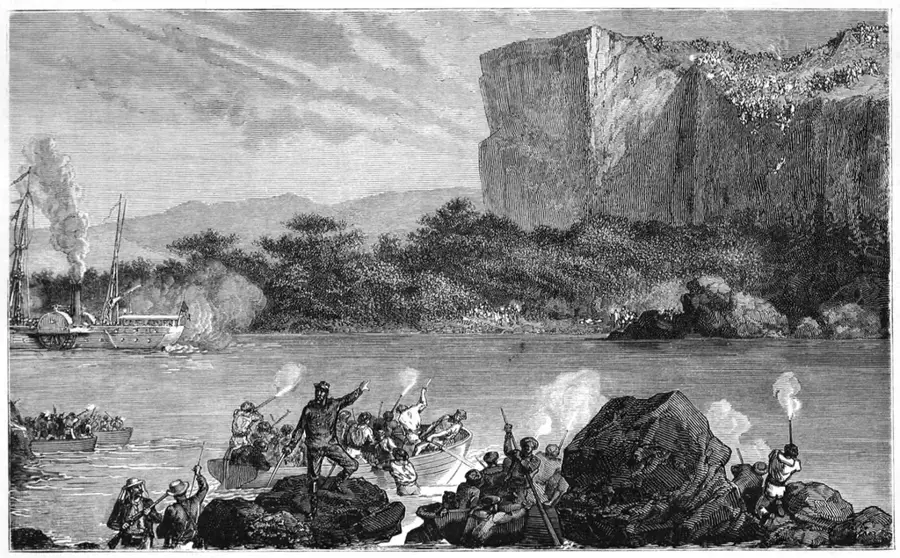
Fort of Médine
A former French military outpost from 1855 that played a key role in the colonization of West Africa.
Learn more →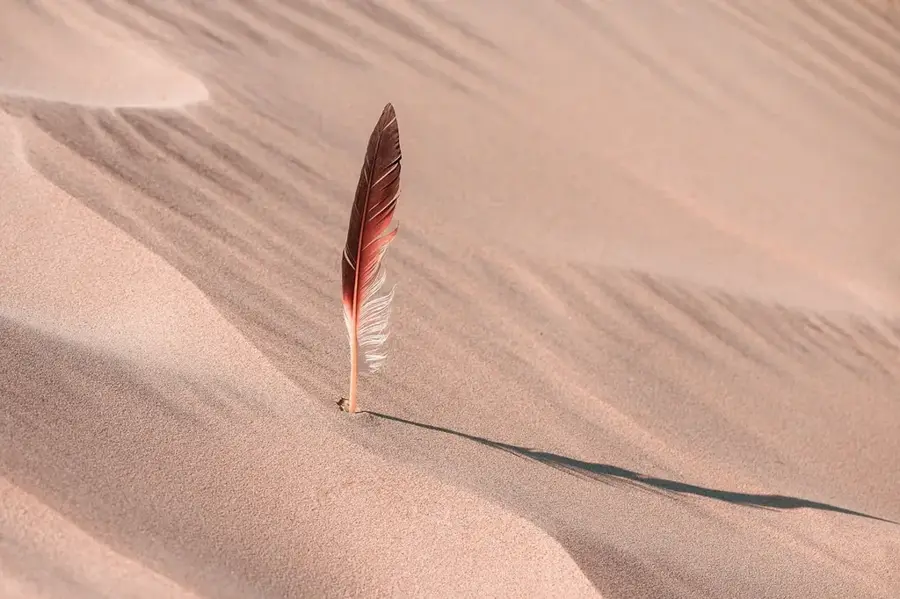
M'Péba Dunes
Large sand dunes in the Ségou region, forming an outpost of the Saharan desert landscape in the fertile basin.
Learn more →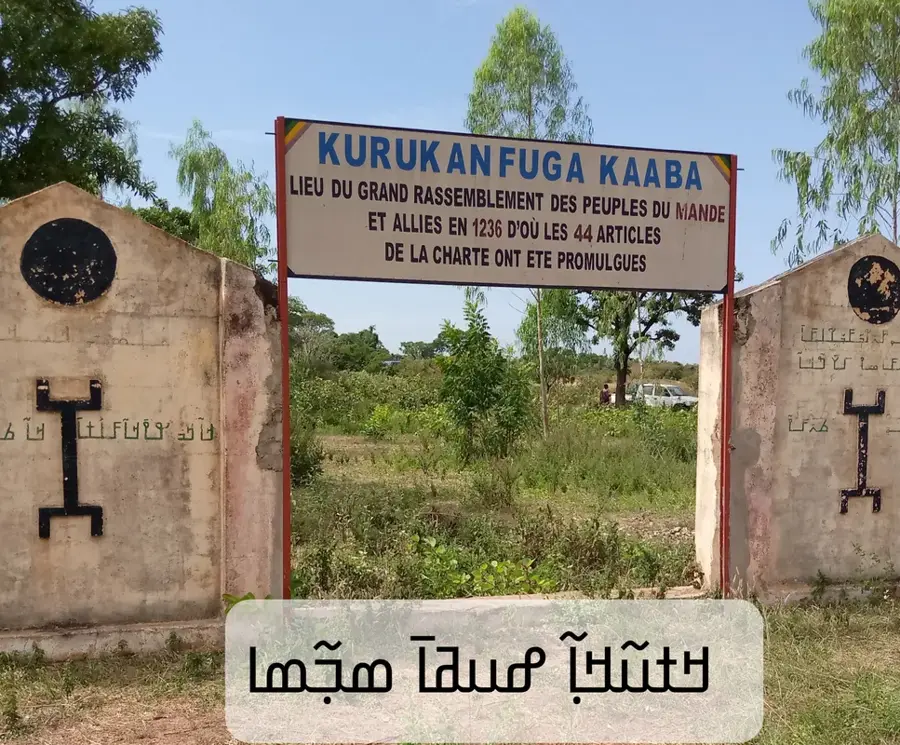
Kouroukan Fouga
The historical site near Kangaba where the constitution of the Mali Empire was proclaimed in the 13th century.
Learn more →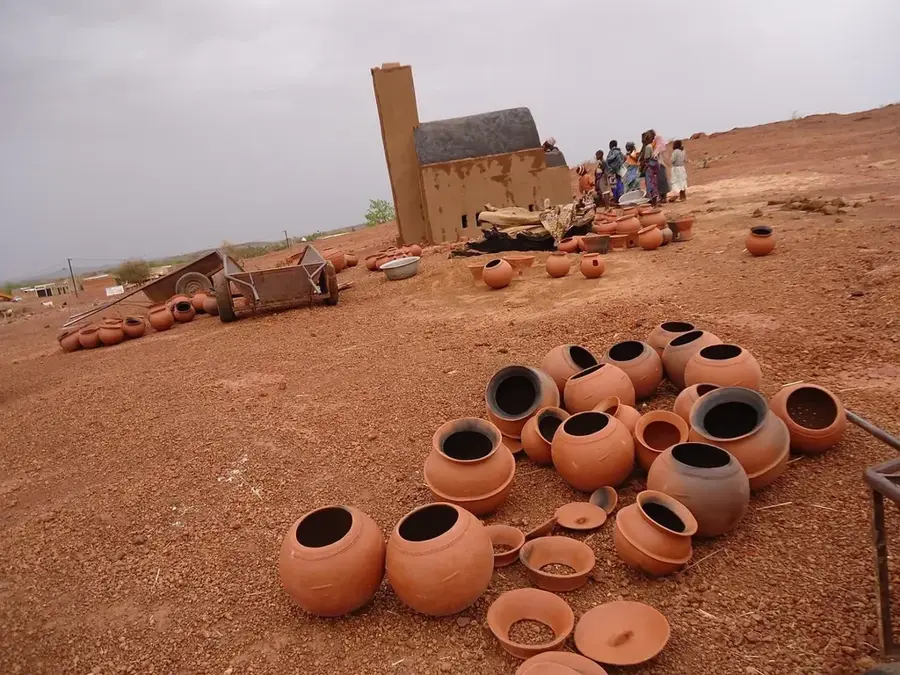
Tata of Nioro du Sahel
A historic fortress in northwestern Mali, built by El Hadj Umar Tall to control the Kaarta region.
Learn more →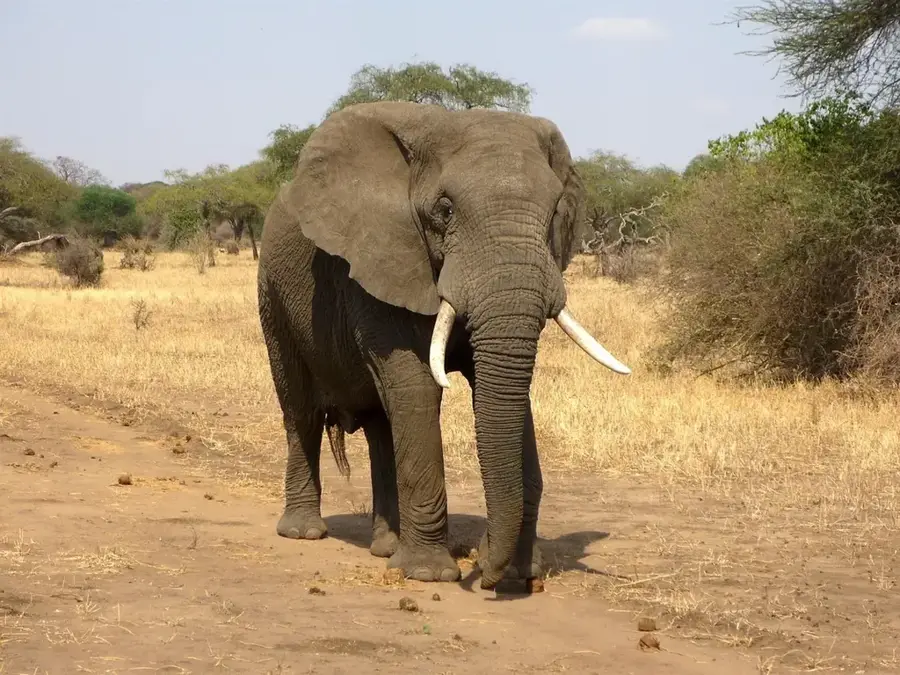
Gourma Elephant Habitat
One of the most northern elephant populations in the world, surviving in a desert region.
Learn more →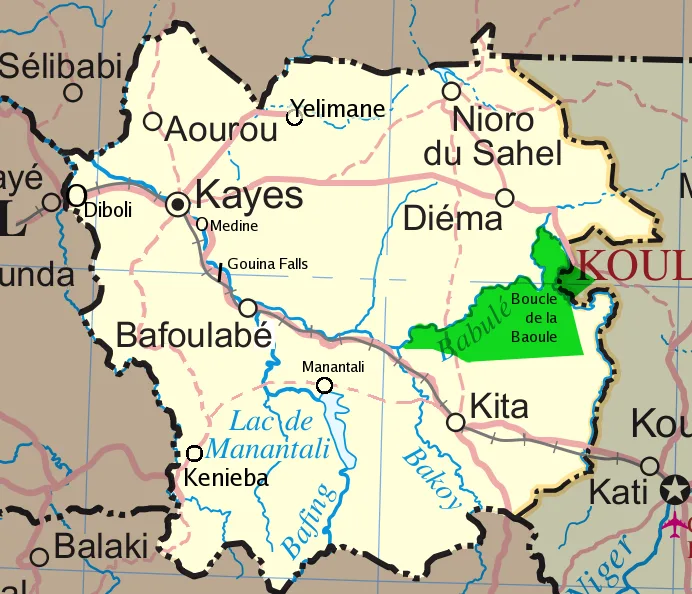
Boucle du Baoulé National Park
A protected area for various West African wildlife, including giraffes and antelopes.
Learn more →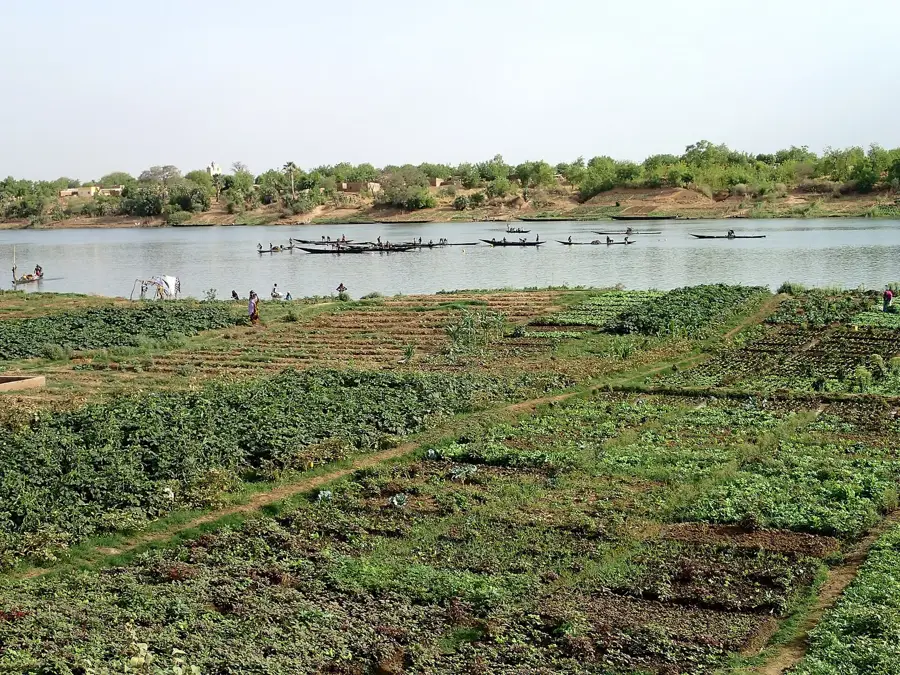
Kayes orchards
Small agricultural farms specializing in growing mangoes and citrus fruits.
Learn more →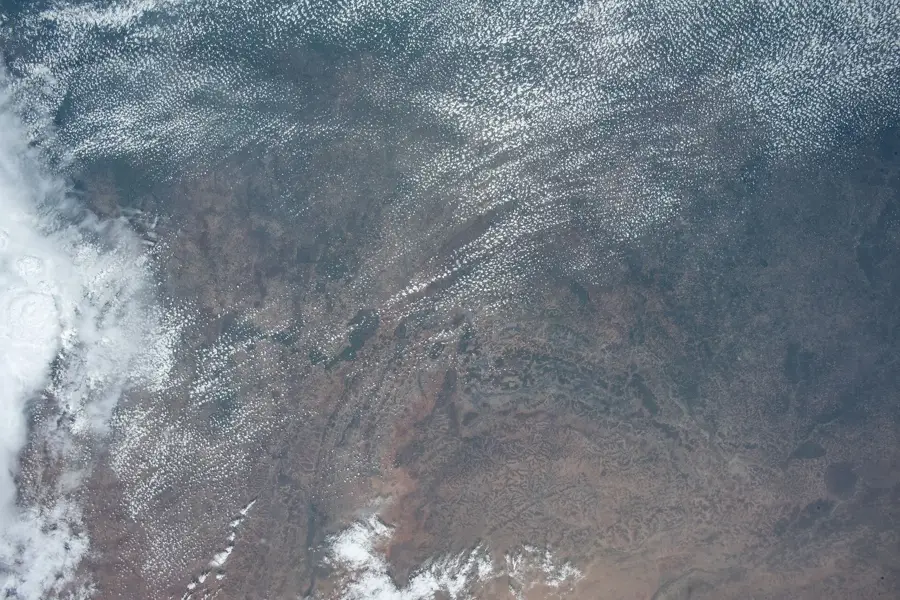
Serpent Valley
An elongated valley near Nara, whose winding course resembles a serpent.
Learn more →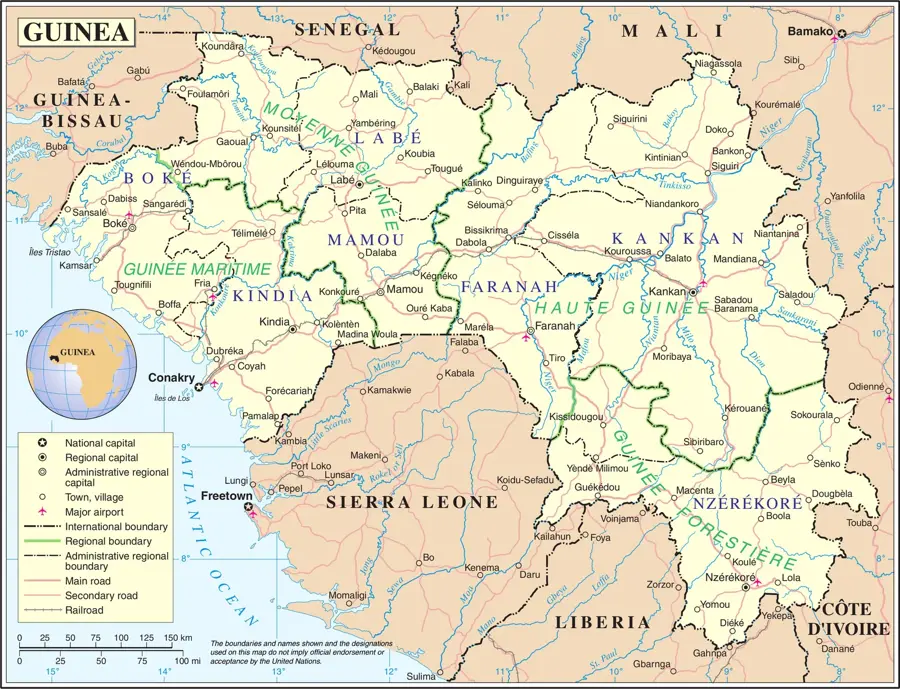
Mali-Guinea border forest
A densely forested protected area along the border, known for its biodiversity.
Learn more →
Fatoma cattle market
An important trading hub for cattle, shaping regional agriculture.
Learn more →Frequently asked questions
What are the top attractions in Mali?
Among the most popular are Tour of Africa, Flame of Peace Timbuktu, Tomb of Askia, Hippopotamus Monument, Sacred Hut of Kangaba (Kama Blon) and many more – the full top 50 list is on this page.
When is the best time to visit Mali?
May to October offers the most pleasant weather; July and August are warmest and busiest.