Plizio Visual Lab

Baoulé
Plizio editorial teamData Sources
River
—°2
Baoulé (Mali)

Weather…

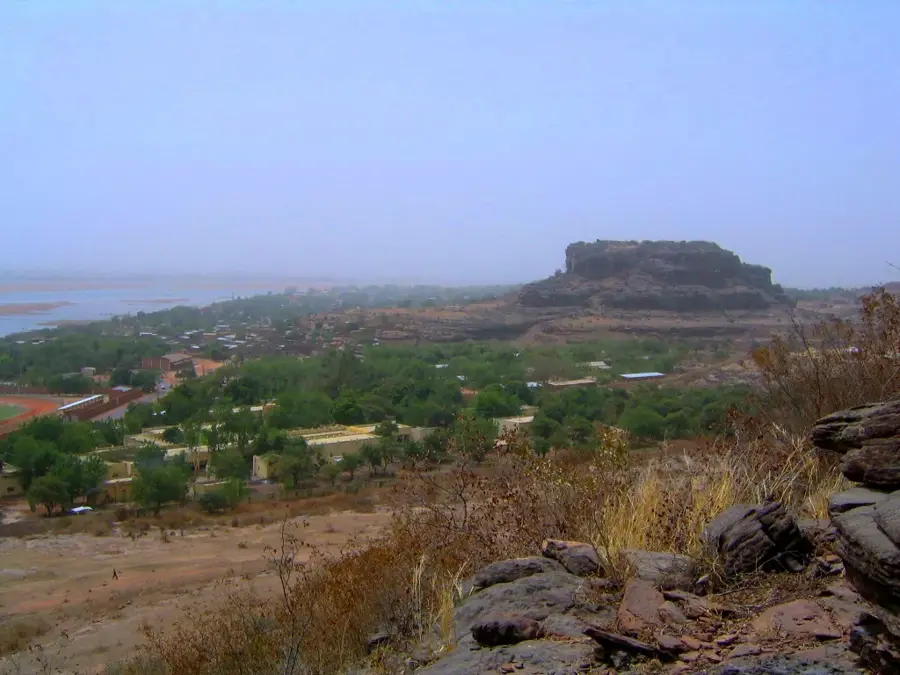
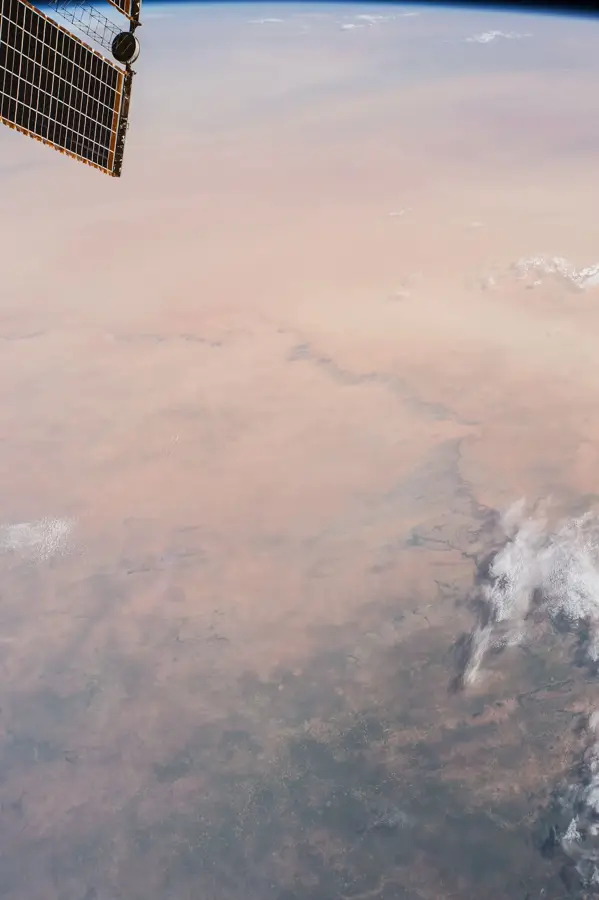
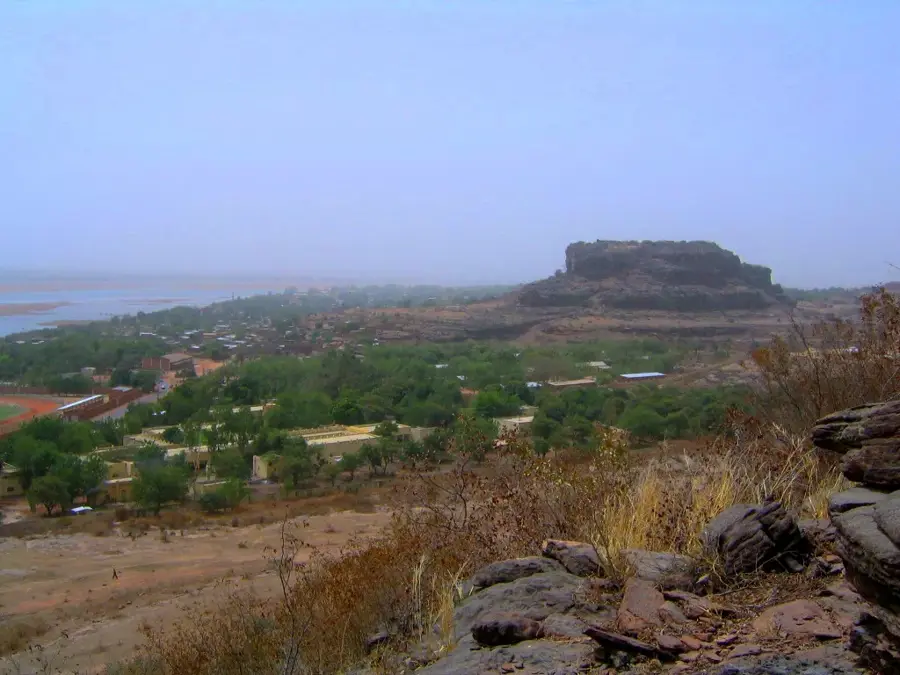
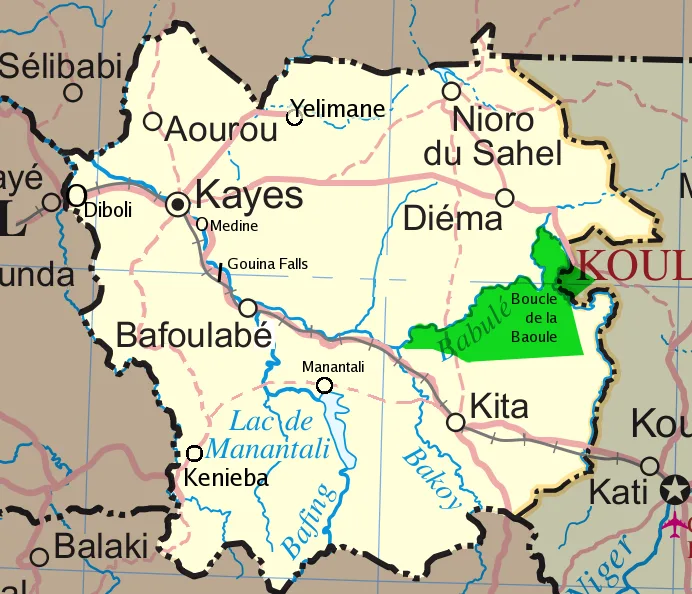
The Baoulé River is a significant waterway in western Mali and a primary headwater of the Senegal River. Originating in the Manding Mountains southwest of Bamako, it flows for approximately 500 kilometers north and west before merging with the Bafing River to form the Senegal. The name "Baoulé" translates to "Red River" in the local Manding language, a reference to the reddish tint caused by heavy silt and sediment during the rainy season. The river traverses a diverse landscape of savannas and gallery forests that provide a critical sanctuary for various wildlife species. Along its course lies the Boucle du Baoulé National Park, a UNESCO Biosphere Reserve famous for its prehistoric rock art and rich biodiversity. The river exhibits extreme seasonal fluctuations, with its flow often reduced to a series of stagnant pools during the dry months. For local communities, the Baoulé is a vital source for fishing and small-scale irrigation. The surrounding region is also notable for significant gold deposits that have been mined for centuries.

Best time to visit & climate

The most pleasant time to visit is Jan, Nov, Dec.

JanFebMarAprMayJunJulAugSepOctNovDec
Avg °C232630333330272526272523
Rain mm10619481302252851685020

📋 Practical info

🧭
Getting there
Access to the main Baoulé river typically follows the same demanding 4x4 routes used to enter the wider Baoulé Biosphere Reserve in western Mali. Visitors usually travel from major settlements via rough dirt roads that lead towards the riverbanks.
📅
Best season
Traveling during the dry season, from late autumn to early spring, ensures that the river levels are stable and the surrounding dirt tracks remain passable. Heavy rains in the summer months can cause sudden flooding and cut off road access entirely.
⛰️
Terrain & paths
The environment immediately surrounding the river consists of gallery forests, steep earthy banks, and adjacent savanna grasslands. Walking along the river requires traversing uneven, unmaintained ground that can be muddy or densely vegetated.
🎒
What to bring
Sturdy, water-resistant footwear is highly recommended for exploring the riverbanks and navigating the surrounding untamed savanna. Always carry ample hydration, sun protection, and a basic medical kit, as facilities are extremely remote.
🅿️
Parking
Parking is generally arranged at the main reserve entrances, ranger posts, or designated campsites established near the river. It is important to leave vehicles in these monitored areas before setting out on foot or by specialized transport.
⚠️
Safety
Swimming in the river is generally discouraged due to the presence of unpredictable currents and potentially dangerous aquatic wildlife. Always explore the area accompanied by an experienced local guide or an official park ranger for maximum security.
⏱️
Time needed
A journey to this remote tributary is best experienced as part of a multi-day wildlife and nature expedition within the broader reserve. Dedicate at least a full day or two just to explore the specific habitats along the course of the river.

Geography

Coordinates
12.80000, -7.80000

Facts

  • Right-bank tributary forming the Senegal River
  • Total length of approximately 500 kilometers
  • Name means 'Red River' in the Manding language
  • Flows through the UNESCO Boucle du Baoulé Reserve
  • Site of numerous prehistoric rock art paintings
  • Key region for traditional artisanal gold mining

Explore nearby

Notable places around

Route planner — Car & Motorhome

Where do you start? We build the route here, with stops and country notes along the way.

Vehicle
Only stops with (optional):

© OpenStreetMap contributors · OpenRouteService

Sights in the town Baoulé (2)

Ferme de M. DOUMBIA📍 landmark

This agricultural farm attraction features a glimpse into rural life near the Baoulé River.

Notre champs📍 landmark

Set against the Baoulé River landscape, this local field site serves as a scenic agricultural attraction.

Sights nearby

Frequently asked questions

What is special about the river Baoulé?
It flows through a varied landscape and is an important lifeline for the fauna.
Can one swim there?
Swimming is generally discouraged due to unknown currents and wildlife.
Is the river a popular hiking destination?
Yes, the riverside paths offer great opportunities for nature observation.
When is the water level highest?
After the rainy season between August and October, the water level is highest.
Are there protected areas there?
Parts of the river course are in nature reserves, observe the information signs.
Baoulé: where is it located?
Baoulé is located in Mali.
Baoulé: what is there to see?
Highlights include Ferme de M. DOUMBIA, Notre champs.
Baoulé: when is the best time to visit?
The most pleasant time to visit is Jan, Nov, Dec.
Baoulé: why is it worth visiting?
The Baoulé River is a significant waterway in western Mali and a primary headwater of the Senegal River.
View on map → The Top 50 Attractions → OpenStreetMap →
Africa
Explore with Plizio Discover more places in Africa
More places in Mali →

Nearby cities

History & landmarks
Nature
More places