Plizio Visual Lab
Sané Mosque of Djenné
Weather…
Water temperature…
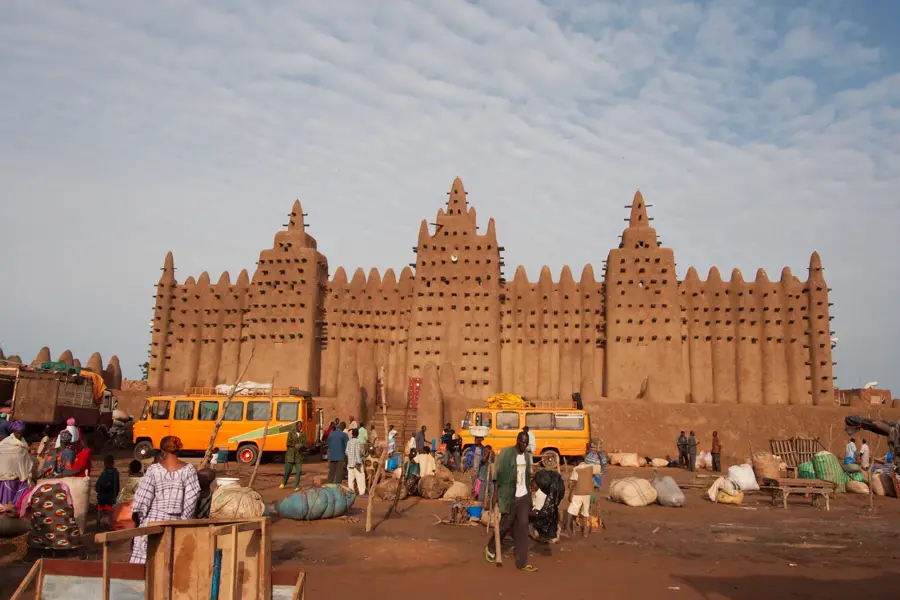
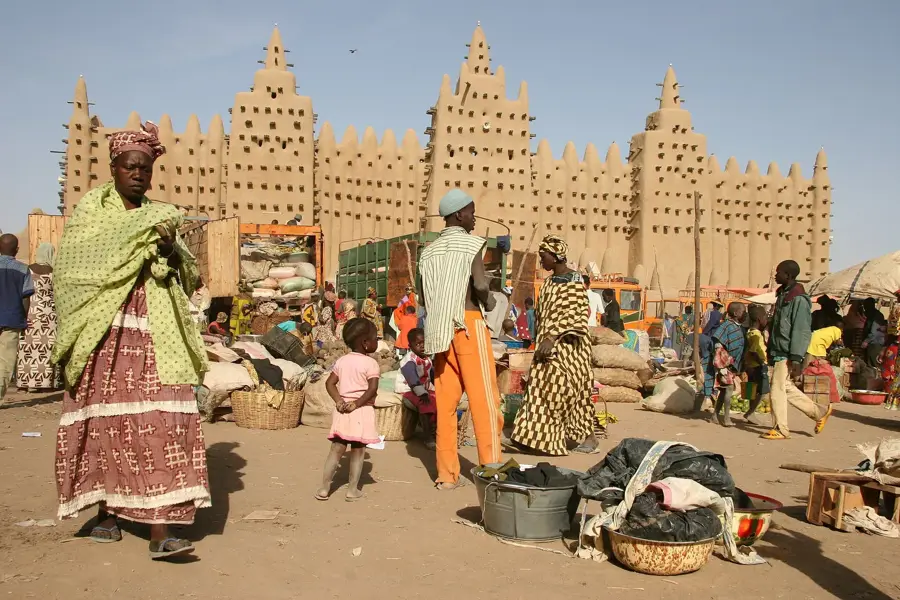
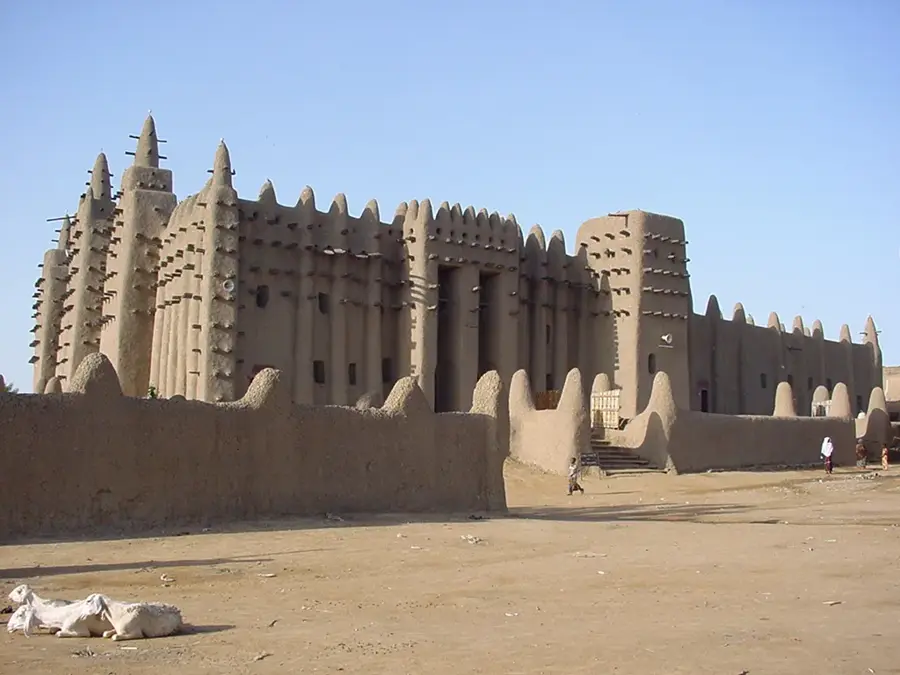
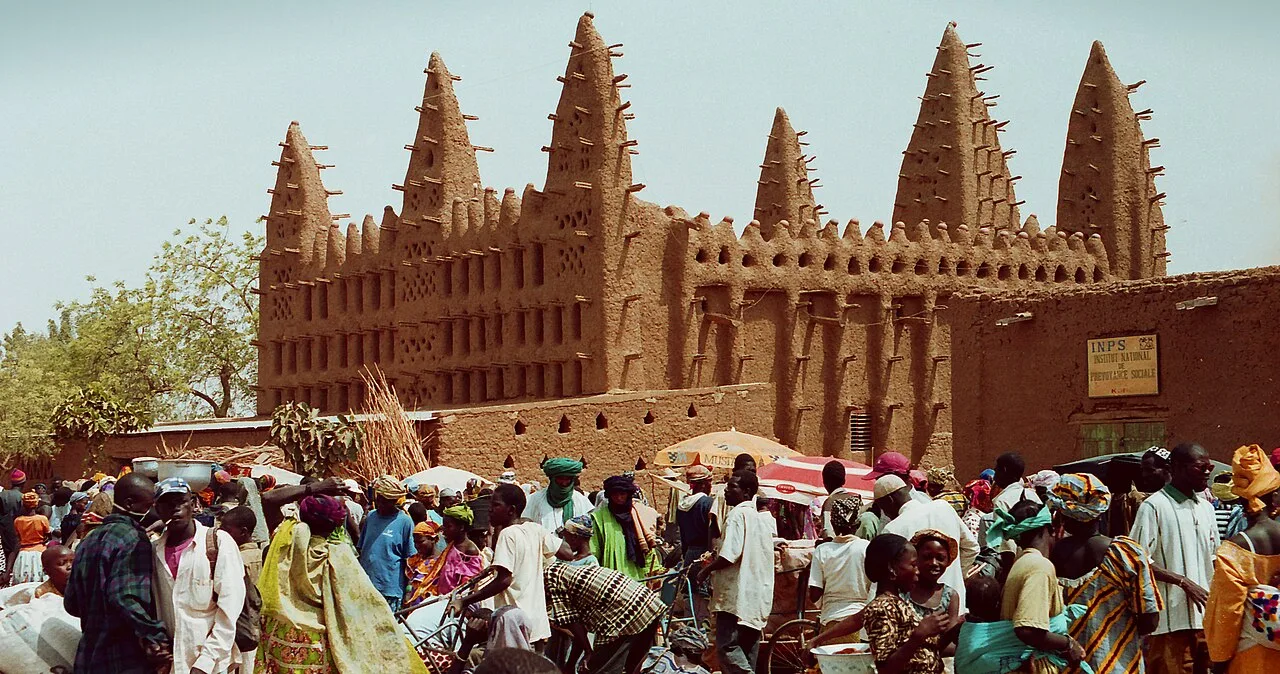
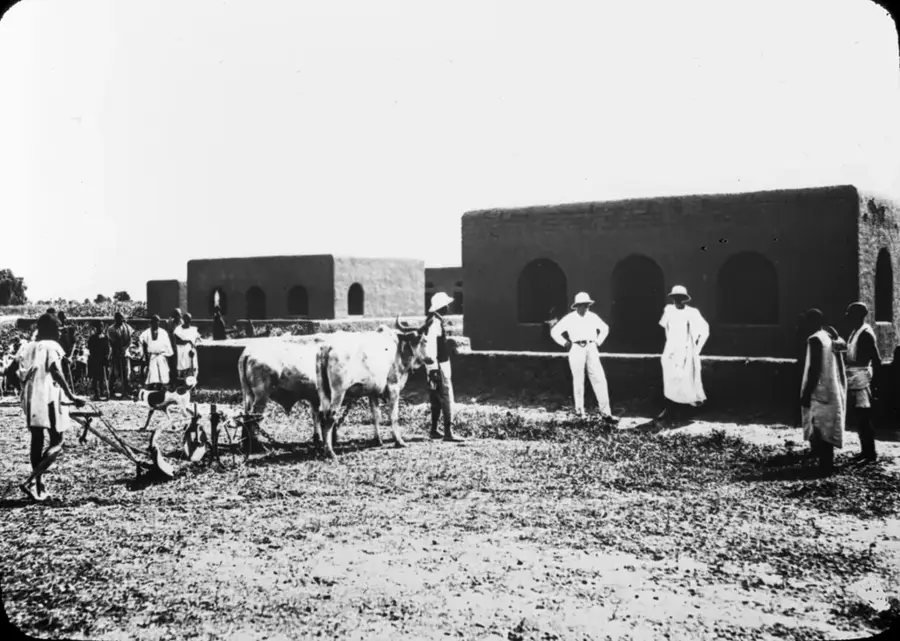
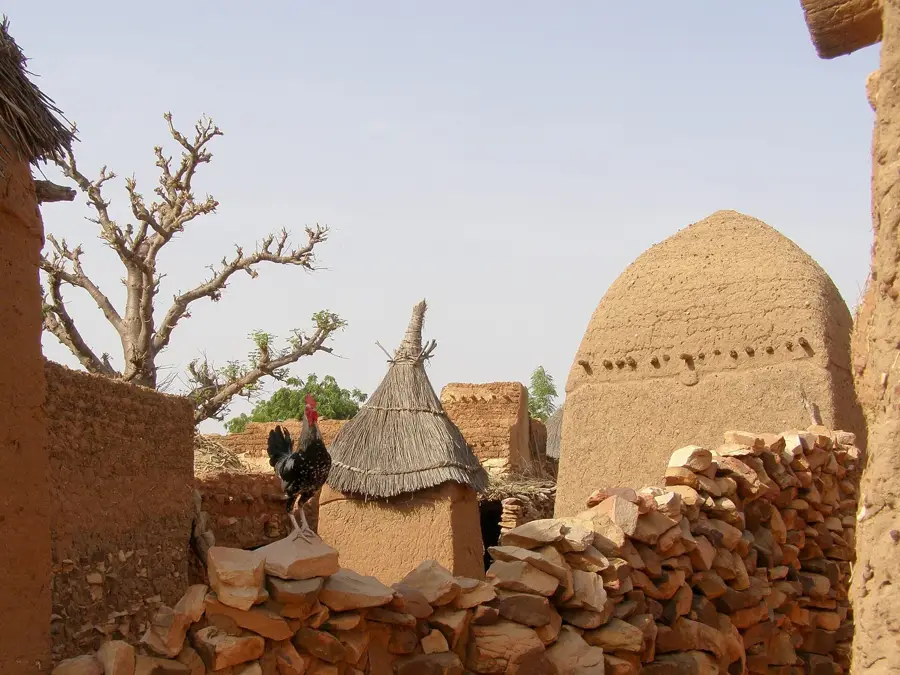
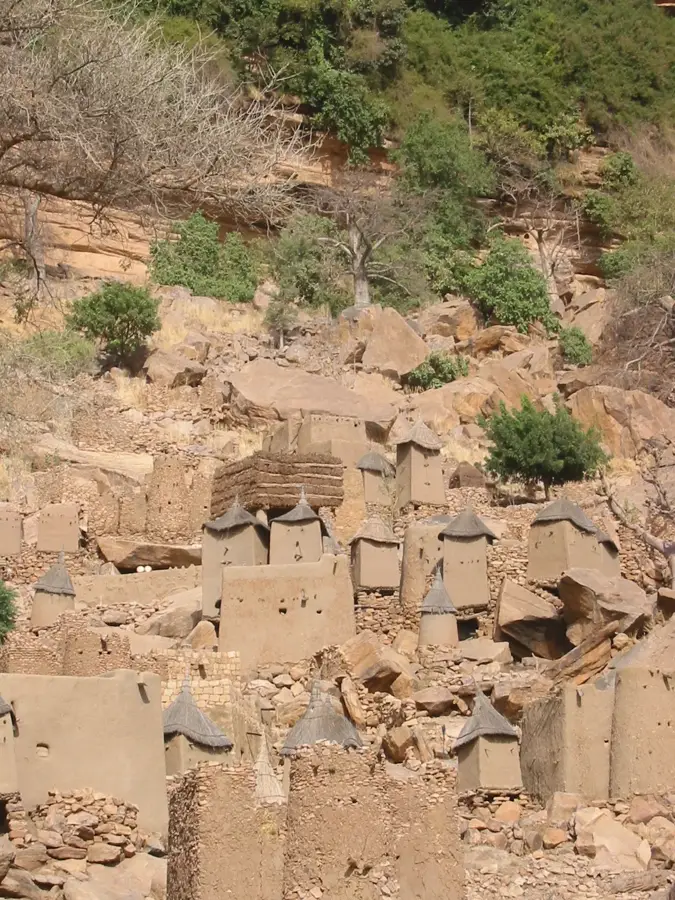
The Niando Mosque, also known as the Sané Mosque, is one of the oldest religious structures in the historic city of Djenné and a prime example of the Sudano-Sahelian architectural style. Djenné is globally renowned for its earth-based architecture, and the Niando Mosque perfectly embodies the centuries-old tradition of using sun-dried mud bricks (banco). The building features the characteristic wooden beams (toron) protruding from its facade, which serve both as decorative elements and as permanent scaffolding for the essential annual replastering. Unlike the monumental Great Mosque of Djenné, the Niando Mosque has a more intimate character, serving the local community of its neighborhood for daily prayers. Its history is deeply intertwined with the spread of Islam in the Inland Niger Delta and reflects the adaptation of religious architecture to local climatic conditions. As part of the Old Towns of Djenné, it is protected as a UNESCO World Heritage site. Preserving this structure requires constant collective effort from the residents, reinforcing social bonds through traditional building practices.
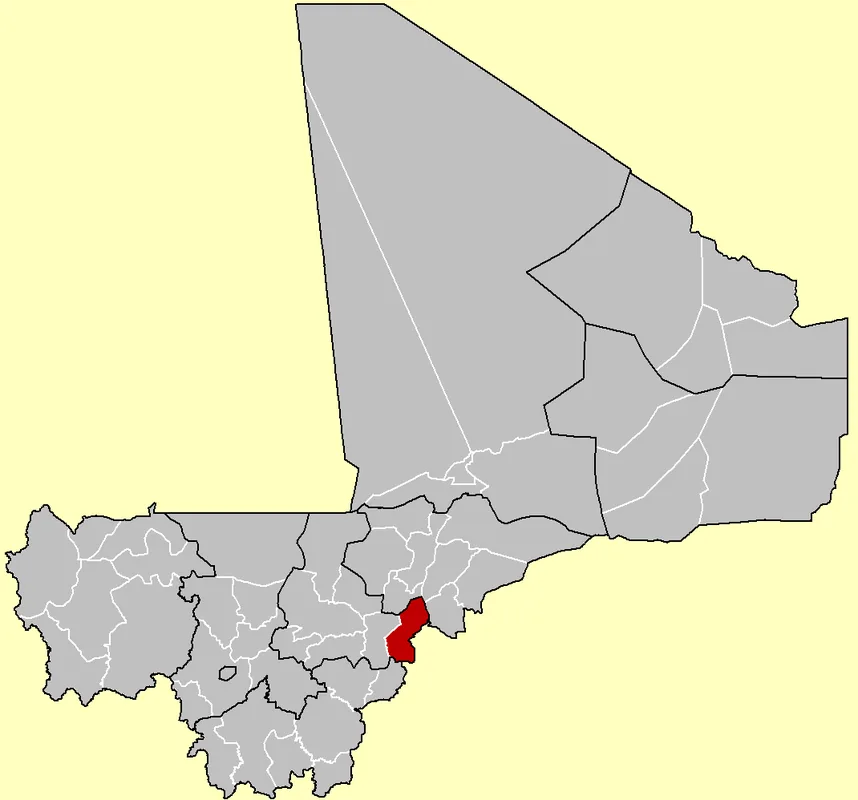
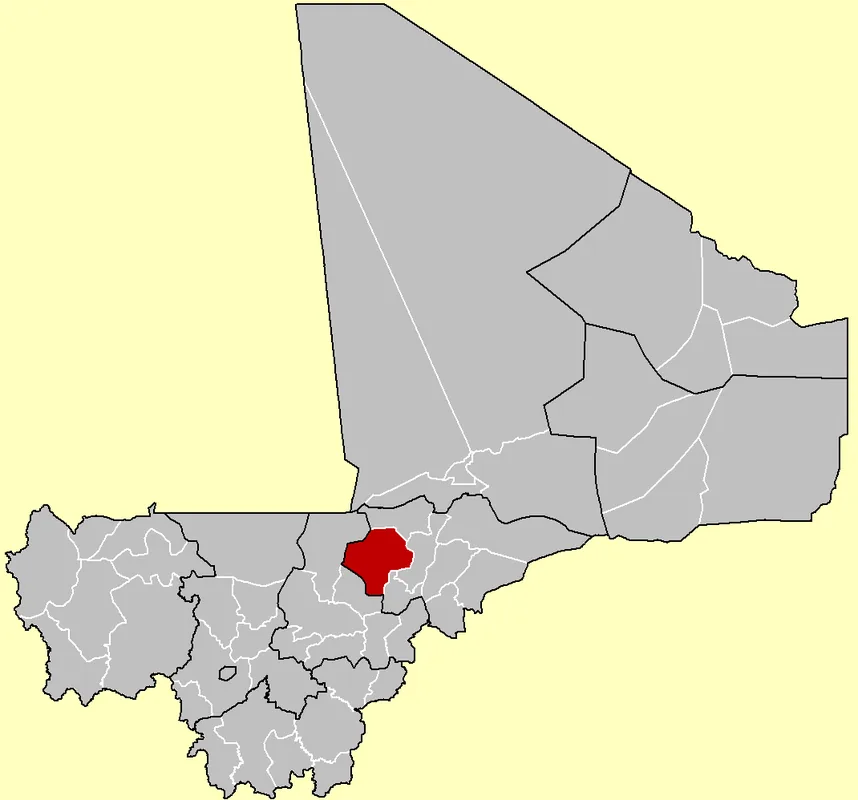
- Location: Mali
- Nearby: Sofara (42 km)
Best time to visit & climate
The most pleasant time to visit is Jan, Feb, Dec.
| Jan | Feb | Mar | Apr | May | Jun | Jul | Aug | Sep | Oct | Nov | Dec | |
|---|---|---|---|---|---|---|---|---|---|---|---|---|
| Avg °C | 23 | 26 | 30 | 33 | 34 | 32 | 29 | 27 | 27 | 29 | 26 | 24 |
| Rain mm | 0 | 0 | 1 | 8 | 27 | 86 | 159 | 238 | 116 | 23 | 1 | 0 |
📋 Practical info
Geography
Facts
- The mosque is an integral part of the UNESCO World Heritage site of Djenné.
- It was constructed traditionally using sun-dried mud bricks known as banco.
- The protruding wooden beams in the facade are locally called 'toron'.
- It is recognized as one of the oldest neighborhood mosques in the historic center.
- The building requires annual replastering with mud after each rainy season.
- The architectural style is a classic example of West African earth architecture.
Explore nearby
Notable places around

Route planner — Car & Motorhome
Where do you start? We build the route here, with stops and country notes along the way.
© OpenStreetMap contributors · OpenRouteService
Sights in the town Sané Mosque of Djenné (1)
Sights nearby
Frequently asked questions
Is the mosque a World Heritage site?
Can one visit the mosque inside?
When is the best time to visit?
Do I need a local guide?
Is the area family-friendly?
Sané Mosque of Djenné: where is it located?
Sané Mosque of Djenné: when is the best time to visit?
Sané Mosque of Djenné: why is it worth visiting?

Nearby cities

History & landmarks
More places