Plizio Visual Lab
Palace of Biton Coulibaly (Ruins)
Weather…
Water temperature…
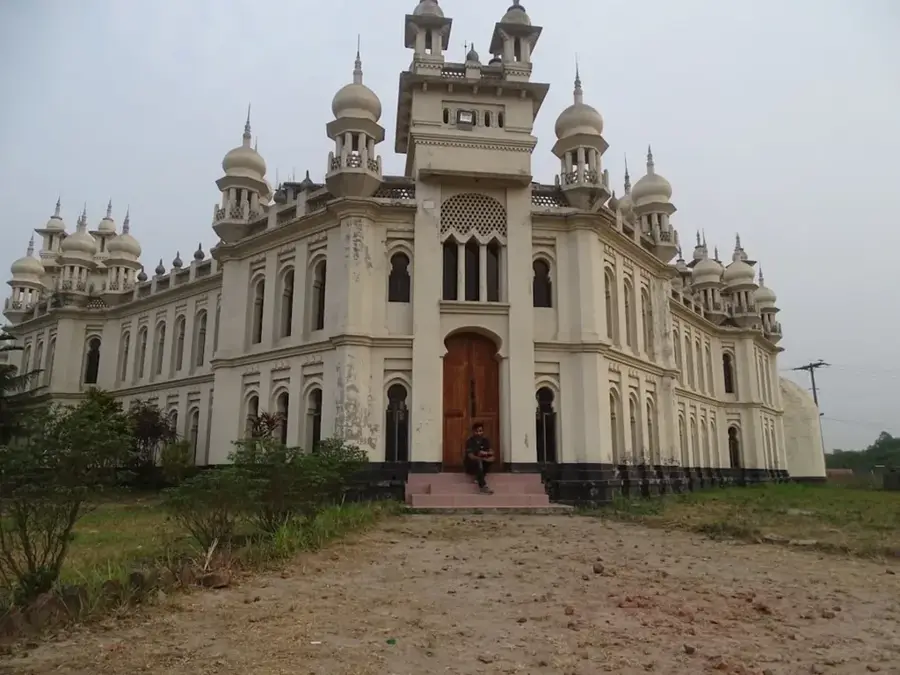
The Palace of Biton Mamary Coulibaly in Ségou-Koro serves as the historical and spiritual heart of the former Bamana Empire. Mamary Coulibaly, who reigned from 1712 to 1755, consolidated his power within this residence and established a formidable military organization known as the Tonjon. The earthen ruins visible today represent the 18th-century West African architectural style and the former splendor of the Coulibaly dynasty. Ségou-Koro was the original capital of the empire before the administrative center eventually shifted to the modern city of Ségou. The complex contains the ruler's tomb, which remains a significant site for local ceremonies and the preservation of Bamana cultural traditions. Historians view the site as essential for researching pre-colonial political structures and urban development in West Africa. Protecting these mud-brick structures is an ongoing challenge due to their vulnerability to seasonal rainfall and environmental erosion.
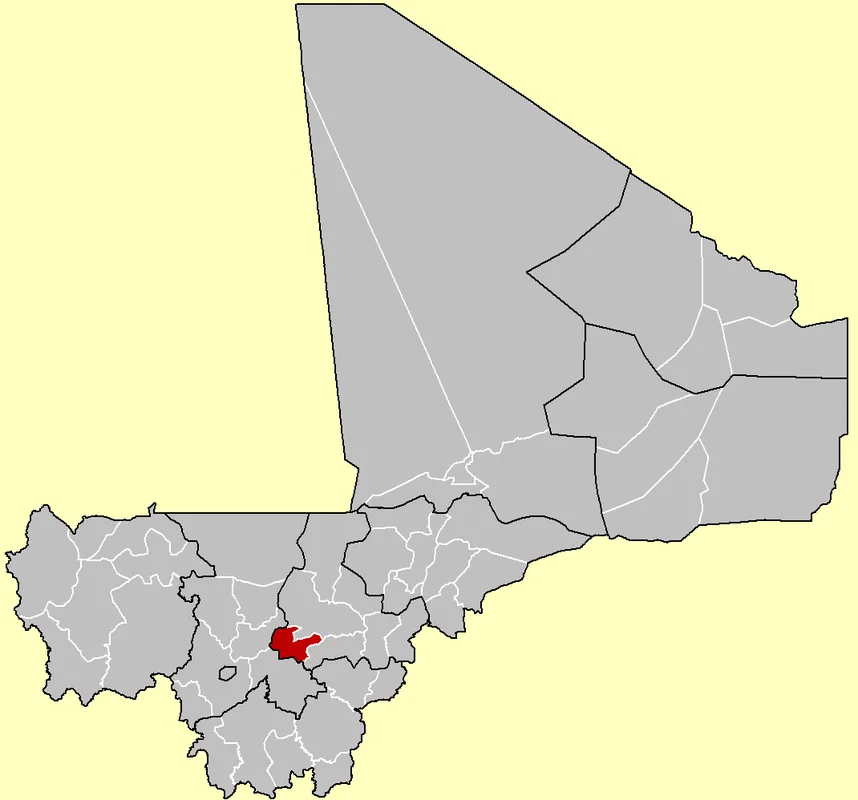
- Location: Mali
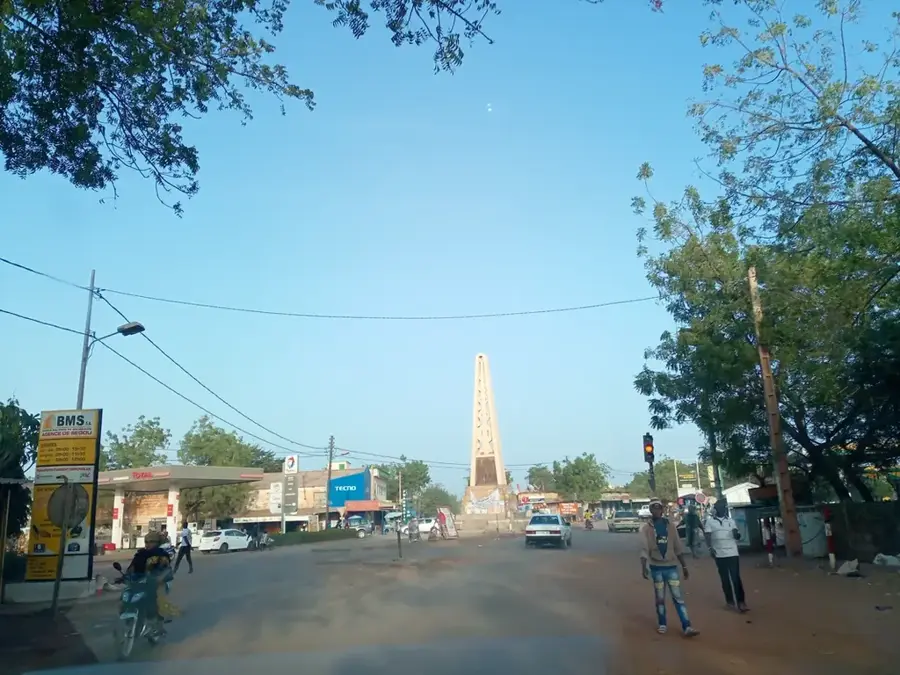
- Top sights: Rond Point · Tomb of Da Monzon
- Nearby: Ségou (5 km)
Best time to visit & climate
The most pleasant time to visit is Jan, Feb, Dec.
| Jan | Feb | Mar | Apr | May | Jun | Jul | Aug | Sep | Oct | Nov | Dec | |
|---|---|---|---|---|---|---|---|---|---|---|---|---|
| Avg °C | 23 | 26 | 30 | 33 | 34 | 31 | 28 | 27 | 27 | 28 | 26 | 23 |
| Rain mm | 0 | 0 | 2 | 7 | 34 | 94 | 182 | 248 | 123 | 25 | 1 | 0 |
📋 Practical info
Geography
Facts
- Reign of Biton Mamary Coulibaly lasted from 1712 to 1755.
- Ségou-Koro is located approximately 10 kilometers from modern Ségou.
- The site houses the tomb of the Bamana Empire's founder.
- The palace served as the headquarters for the Tonjon military elite.
- Structures are built using traditional banco mud-brick techniques.
- Ségou-Koro served as the first capital of the Bamana Empire.
Explore nearby
Notable places around




Route planner — Car & Motorhome
Where do you start? We build the route here, with stops and country notes along the way.
© OpenStreetMap contributors · OpenRouteService
Sights in the town Palace of Biton Coulibaly (Ruins) (2)
Sights nearby
Frequently asked questions
What remains of the palace?
Is it worth a visit?
How to reach the ruins?
Is it safe?
Is much time needed?
Palace of Biton Coulibaly (Ruins): where is it located?
Palace of Biton Coulibaly (Ruins): what is there to see?
Palace of Biton Coulibaly (Ruins): when is the best time to visit?
Palace of Biton Coulibaly (Ruins): why is it worth visiting?

Nearby cities


History & landmarks
More places