Plizio Visual Lab
Roça Vau-Inhá
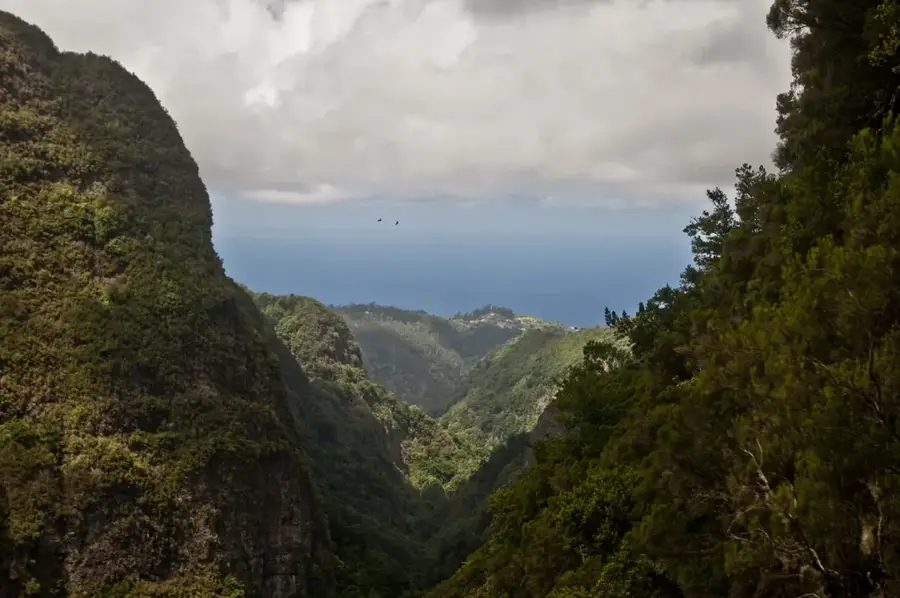
Roça Vau-Inhá is another of the abandoned plantations scattered across São Tomé island, testifying to a bygone era of wealth and exploitation. Founded in the late 19th or early 20th century, it was part of the vast network of cocoa plantations that dominated the island's economy. Its history mirrors that of most other Roças: founding by Portuguese colonists, reliance on contract laborers from mainland Africa and Cape Verde, and a system based on strict hierarchy and control. The architecture of the remaining buildings, such as the decaying administrative office and the remnants of drying platforms, shows traces of the typical colonial style. After independence and nationalization, production ceased, and nature began to reclaim the site. Today, Vau-Inhá is a place of silence and reflection, a 'lieu de mémoire' that embodies the complex and often painful layers of the history of São Tomé and Príncipe.
- Location: São Tomé & Príncipe
- Top sights: Praia Izé · Boca do Inferno
- Nearby: Uba Budo (4 km)
Best time to visit & climate
The most pleasant time to visit is Jul–Sep.
| Jan | Feb | Mar | Apr | May | Jun | Jul | Aug | Sep | Oct | Nov | Dec | |
|---|---|---|---|---|---|---|---|---|---|---|---|---|
| Avg °C | 27 | 28 | 28 | 28 | 27 | 25 | 24 | 25 | 25 | 26 | 26 | 27 |
| Rain mm | 132 | 120 | 162 | 162 | 104 | 29 | 14 | 12 | 22 | 81 | 134 | 133 |
📋 Practical info
History & landmarks
colonial
Geography
Facts
- One of the lesser-known but typical cocoa plantations.
- Its history is representative of many other Roças.
- Illustrates the cycle of boom, exploitation, and decay.
- Exact founding and production dates are difficult to find.
- The ruins are a popular subject for photographers.
- Nature has almost completely reclaimed what was man-made.
- Testifies to the island's former total conversion to farmland.
Explore nearby
Notable places around

Route planner — Car & Motorhome
Where do you start? We build the route here, with stops and country notes along the way.
© OpenStreetMap contributors · OpenRouteService
Sights in the town Roça Vau-Inhá (2)
Sights nearby
Frequently asked questions
Can Vau-Inhá be visited?
What is the main feature of this plantation?
Is the road to the plantation safe?
Is there food available?
How long should I stay on-site?
Roça Vau-Inhá: where is it located?
Roça Vau-Inhá: what is there to see?
Roça Vau-Inhá: when is the best time to visit?
Roça Vau-Inhá: why is it worth visiting?

Nearby cities


History & landmarks

Nature

More places