Plizio Visual Lab

Geghama Mountains
Plizio editorial teamData Sources
Mountain
—°4
Geghama Mountains (Armenia)

Weather…

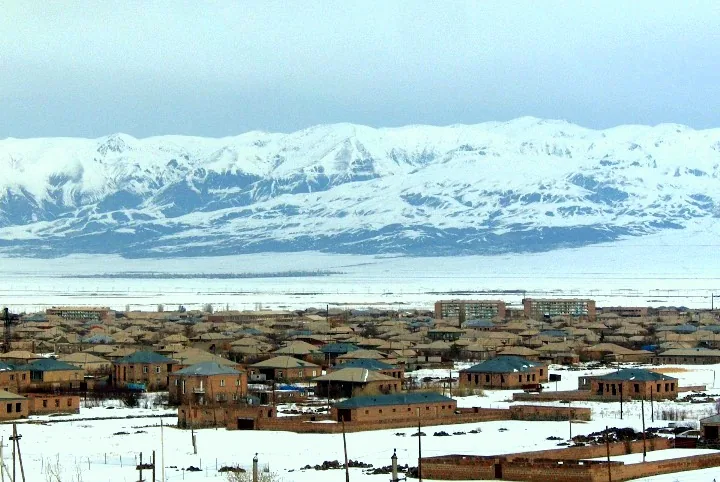
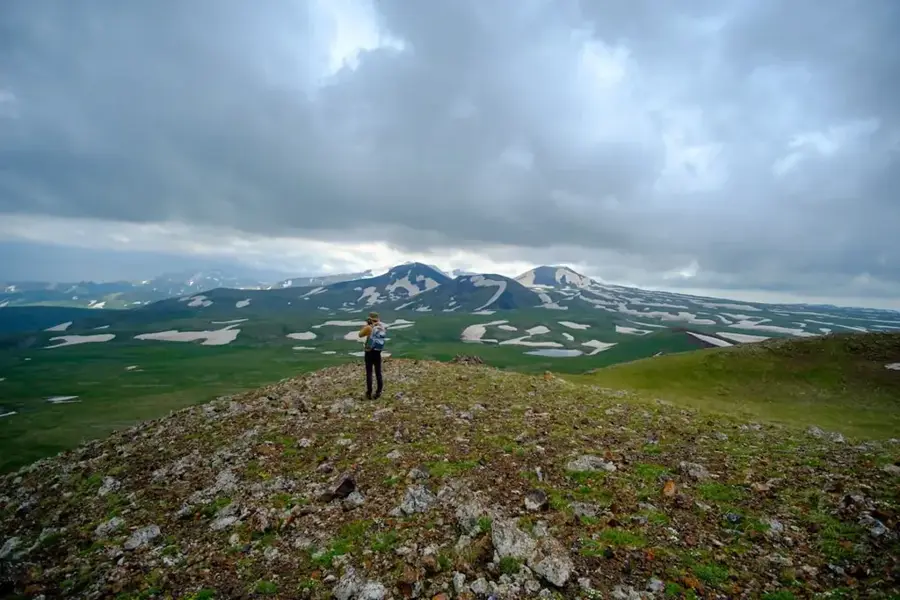
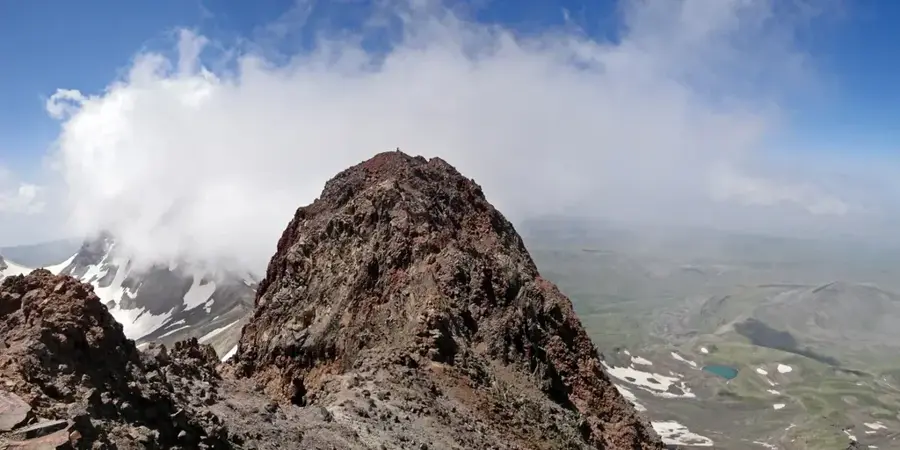
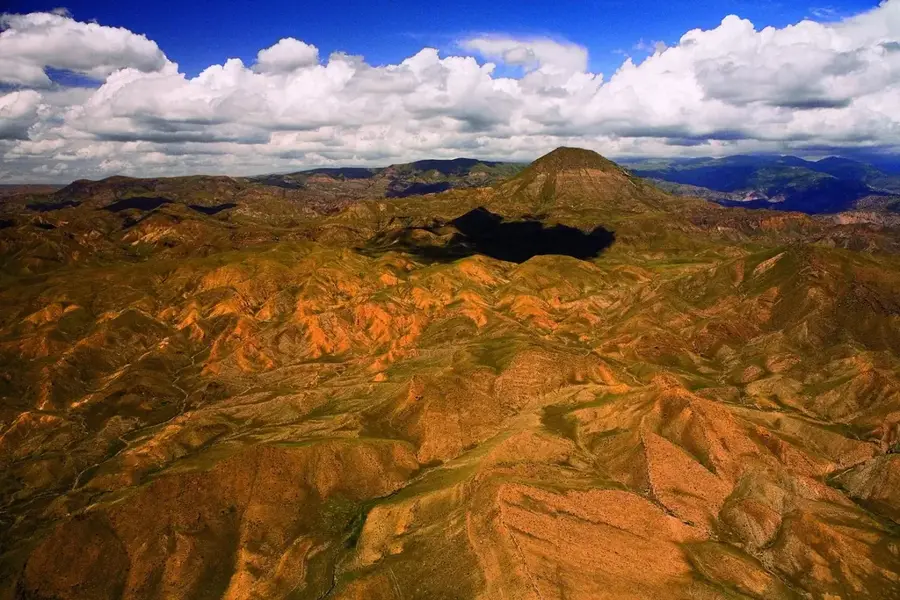
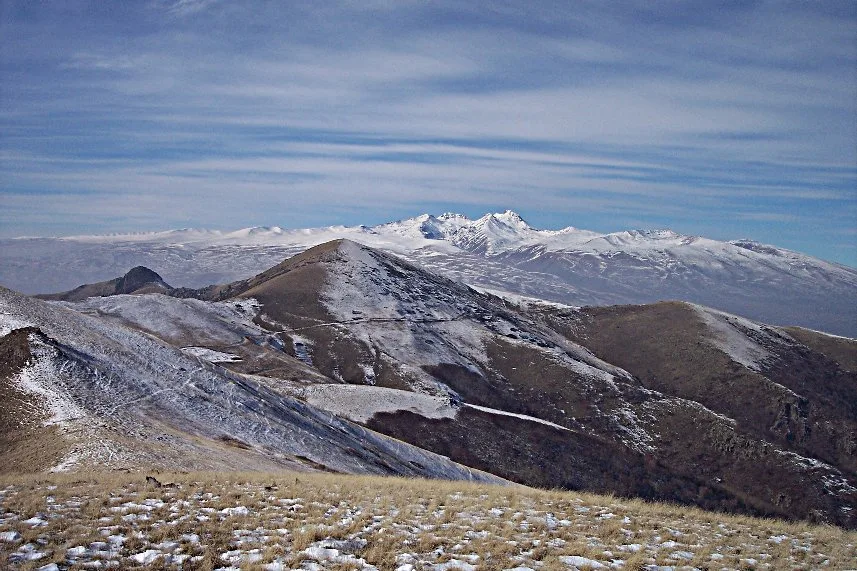
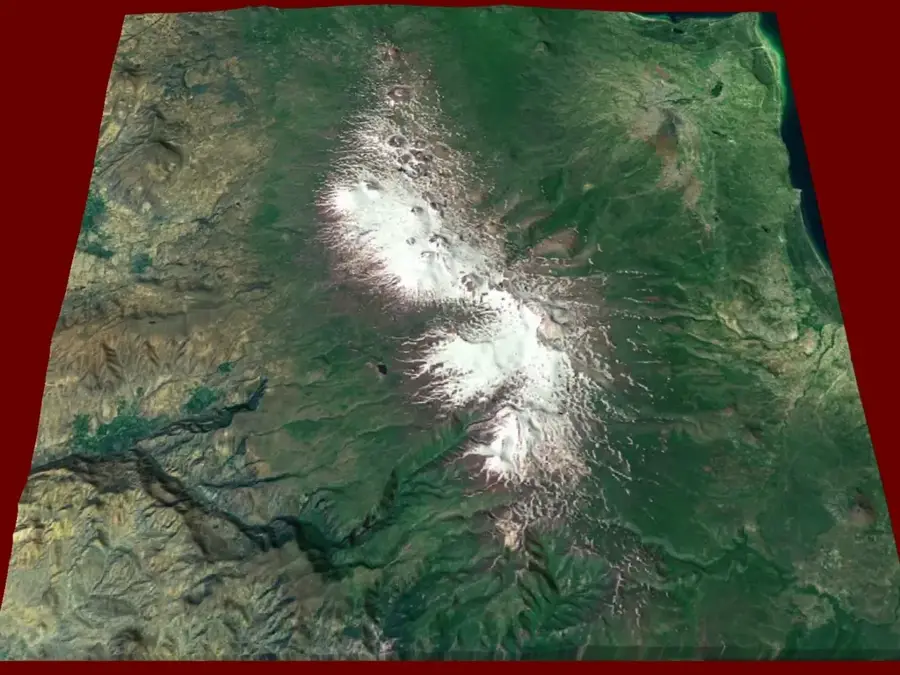
The Geghama Mountains are a volcanic highland range in central Armenia, extending for about 65 kilometers between Lake Sevan to the east and the Ararat Plain to the west. The range consists of over 120 extinct volcanic cones, with Mount Azhdahak being the highest at 3597 meters. The plateau sits at an average elevation of 2500 to 3000 meters and is characterized by basaltic lava flows and volcanic tuffs. These mountains serve as a crucial watershed, feeding important rivers such as the Hrazdan and Azat, which are vital for Armenia's irrigation systems. The landscape is largely treeless, covered by alpine and subalpine meadows used as summer pastures by local herders. Archaeologically, the region is renowned for its prehistoric 'dragon stones' (Vishapakars) and extensive petroglyphs, indicating thousands of years of human activity. The volcanic events that shaped the range occurred primarily during the late Pleistocene and Holocene epochs.

Best time to visit & climate

The most pleasant time to visit is Jul–Sep.

JanFebMarAprMayJunJulAugSepOctNovDec
Avg °C-6-426121721211692-3
Rain mm161529425744251920331915

📋 Practical info

🧭
Getting there
The mountain range is usually approached from nearby towns like Garni or the Lake Sevan basin. Reaching the higher trails often requires arranging a specialized off-road vehicle to navigate the rugged access roads.
📅
Best season
Summer and early autumn, primarily from July to September, are typically the most accessible times. Heavy snow cover makes the mountains impassable for regular hiking during the long, cold winter months.
⛰️
Terrain & paths
The area is characterized by vast highland plateaus, ancient volcanic cones, and alpine meadows. The trekking paths can be uneven and rocky, requiring endurance for significant changes in elevation.
🎒
What to bring
Prepare with sturdy trekking shoes, windproof and waterproof outer layers, and warm clothing for sudden temperature drops. A GPS device is essential, alongside sufficient provisions of food and water.
🅿️
Parking
Designated parking is sparse; vehicles are usually left in the lower gateway villages or at the point where 4x4 tracks end. Confirming a secure drop-off and pick-up arrangement is highly recommended.
⚠️
Safety
The high altitude means weather can turn rapidly, introducing cold and fog with little warning. The remoteness necessitates traveling with a guide and carrying emergency equipment like a first aid kit.
⏱️
Time needed
Exploring the range comprehensively often involves multi-day treks spanning three to five days. However, determined hikers can manage satisfying day hikes of six to eight hours to specific scenic craters.

Geography

Coordinates
40.20000, 44.95000

Facts

  • Mountain range extending for about 65 km.
  • Contains over 120 extinct volcanic cones.
  • Highest elevation is Mount Azhdahak (3597 m).
  • Source of the Hrazdan and Azat river systems.
  • Famous for prehistoric 'dragon stones' (Vishapakars).
  • Volcanic activity persisted into the Holocene.

Explore nearby

Notable places around
Route planner — Car & Motorhome

Where do you start? We build the route here, with stops and country notes along the way.

Vehicle
Only stops with (optional):

© OpenStreetMap contributors · OpenRouteService

Sights in the town Geghama Mountains (4)

Vishapakar🌿 nature

Vishapakar is an ancient dragon stone monument decorated with mythical creature motifs.

Great Spitakasar🌿 nature

Great Spitakasar is an extinct volcano and the second-highest peak of the Geghama Mountains.

Nazeli🌿 nature

Nazeli is a volcanic cone featuring a distinct red crater in the Geghama range.

Geghama petroglyphs📍 landmark

These prehistoric petroglyphs in the Geghama Mountains depict detailed hunting scenes on basalt.

Sights nearby

Frequently asked questions

What is the Geghama Mountains area for travelers?
It is a broad volcanic highland with craters, lakes, and remote slopes. For nature and trekking, it is one of Armenia's most interesting areas.
How much time should you plan for the range?
A day is enough for a short outing to see a section of it. For real hikes or multiple peaks, two to four days makes more sense.
What is the best season for trekking?
Usually June to September, when trails are drier and storms are less frequent. In spring, snow may still remain at higher elevations.
Is the area family-friendly?
For easy viewpoints, yes, but not so much for long mountain hikes with small children. Families should choose short sections and good weather.
What should you watch for with weather and visibility?
In the mountains, wind and fog can change quickly, making navigation harder. GPS, a map, and spare layers are very useful.
Geghama Mountains: where is it located?
Geghama Mountains is located in Armenia.
Geghama Mountains: what is there to see?
Highlights include Vishapakar, Great Spitakasar, Nazeli.
Geghama Mountains: when is the best time to visit?
The most pleasant time to visit is Jul, Sep.
Geghama Mountains: why is it worth visiting?

The Geghama Mountains are a volcanic highland range in central Armenia, extending for about 65 kilometers between Lake Sevan to the east and the Ararat Plain to the west.
View on map → The Top 50 Attractions → OpenStreetMap →
Asia
Explore with Plizio Discover more places in Asia
More places in Armenia →

Nearby cities

History & landmarks
Nature
More places