Plizio Visual Lab

Aras River
Plizio editorial teamData Sources
River
—°3
Aras River (Armenia)

Weather…

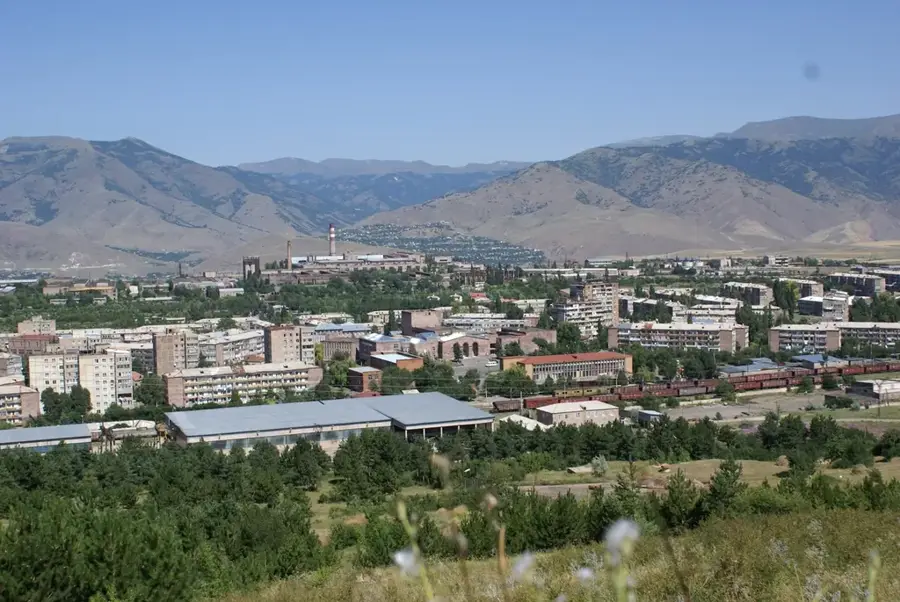
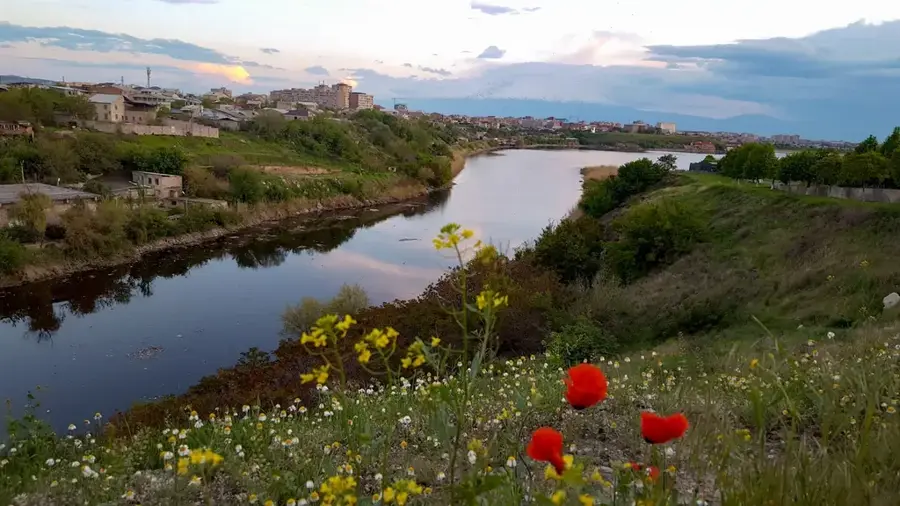
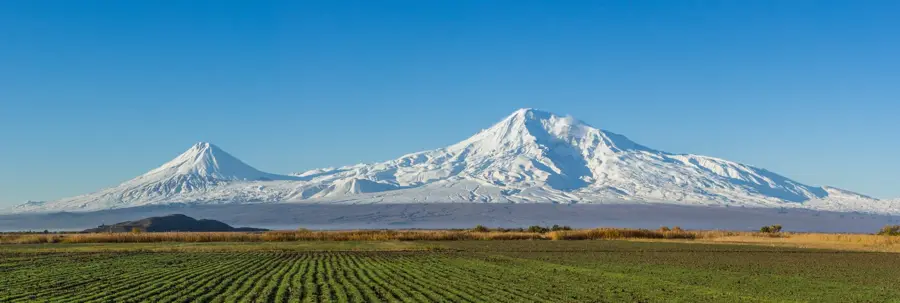
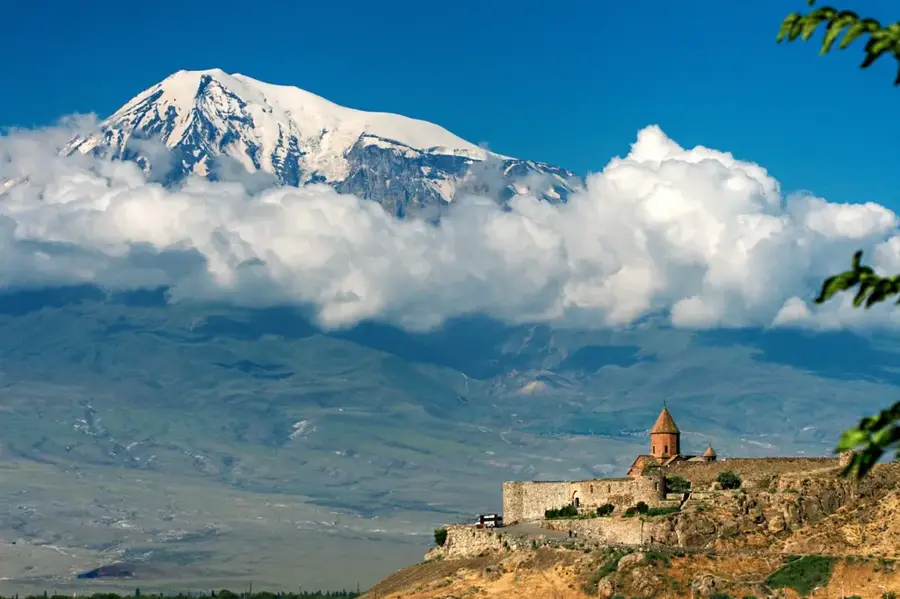
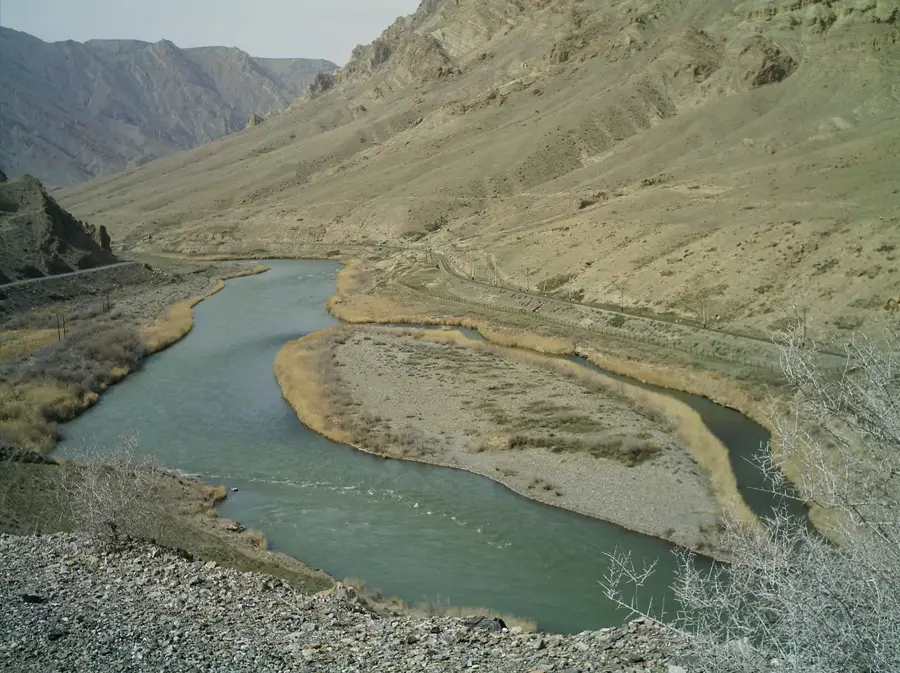
The Aras River, known in antiquity as the Araxes, is one of the major rivers of Western Asia, forming much of Armenia's southern border with Turkey, Iran, and Azerbaijan. Spanning a total length of approximately 1,072 kilometers, it originates in the Bingöl Mountains of Turkey and flows through the fertile Ararat plain before joining the Kura River in Azerbaijan. For Armenia, the Aras holds immense cultural and historical significance, often referred to as 'Mother Aras' and serving as a powerful symbol of Armenian national identity. The river is the primary water source for irrigation in the Ararat plain, which is the agricultural heartland of the country. Geographically, the Aras valley serves as an important migration route for birds and supports a diverse range of fish species. As a transboundary river, its water management is subject to international treaties, making it a point of significant strategic and political importance. The Aras remains a majestic natural force that has shaped the history and landscape of the region for millennia.

Best time to visit & climate

The most pleasant time to visit is Jul–Sep.

JanFebMarAprMayJunJulAugSepOctNovDec
Avg °C-6-426121721211692-3
Rain mm161529425744251920331915

📋 Practical info

🧭
Getting there
The riverbanks are typically approached via roads running roughly parallel to the border from major regional outposts. Access directly to the water's edge can be restricted in numerous sections due to its status as a heavily monitored international frontier.
📅
Best season
The visual appeal of the surrounding landscape peaks during the spirited spring months when the water levels are robust and dynamic. The intense heat of mid-summer can make exploring the exposed adjacent plains feel overwhelmingly exhausting for visitors.
⛰️
Terrain & paths
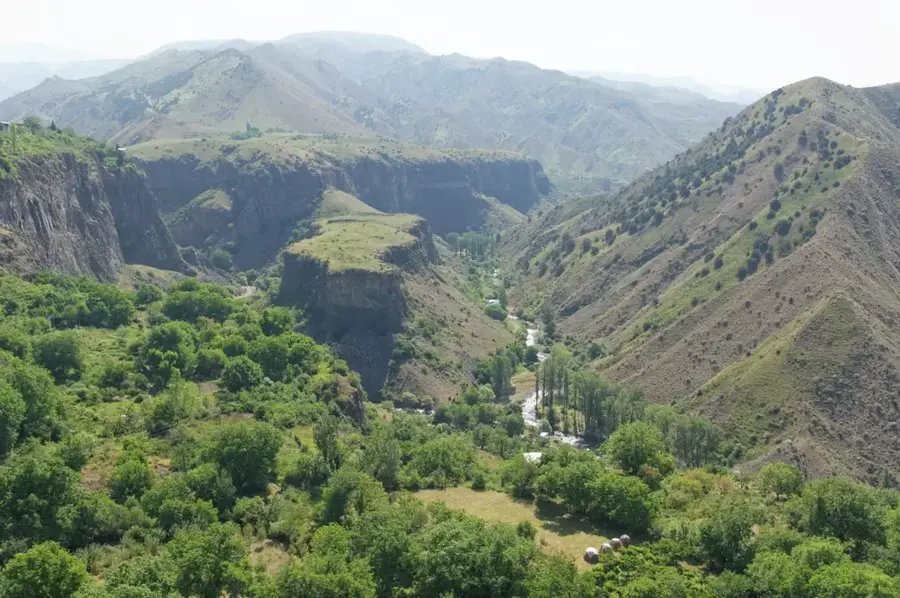
The immediate environment transitions from dense riparian brush networks to wide, open, and mostly flat alluvial plains. Moving along the permissible areas requires navigating soft soils, occasional mud patches, and undulating rural pathways.
🎒
What to bring
Opting for closed-toe walking shoes and insect repellent is highly advisable when walking near the dense vegetation of the banks. Always ensure that you are carrying your official identification documents, as routine security checks are extremely common here.
🅿️
Parking
Vehicles can normally be left safely at historic monuments or designated tourist lookouts situated at a respectful distance from the water. Randomly pulling off the road near sensitive border infrastructure will quickly attract the attention of patrols.
⚠️
Safety
Strict obedience to all warning signs and military boundaries is absolutely paramount for anyone visiting this historic borderline. Photographing the opposing side of the river or any official border guard installation is strictly prohibited and severely penalized.
⏱️
Time needed
A focused visit encompassing the significant viewpoints and nearby cultural landmarks usually spans between two to three hours. Those tracing longer segments of the valley architecture often dedicate an entire travel day to the scenic riverside route.

Geography

Coordinates
39.81670, 44.75000

Facts

  • The Aras River spans a total length of approximately 1,072 kilometers.
  • It originates in the Bingöl Mountains of Turkey at over 2,700 meters.
  • The river forms the entire international border between Armenia and Iran.
  • The drainage basin of the Aras covers about 102,000 square kilometers.
  • Historically, the Aras often served as the border between the Persian and Russian Empires.
  • The river merges with the Kura River in the Sabirabad District of Azerbaijan.

Explore nearby

Notable places around

Route planner — Car & Motorhome

Where do you start? We build the route here, with stops and country notes along the way.

Vehicle
Only stops with (optional):

© OpenStreetMap contributors · OpenRouteService

Sights in the town Aras River (3)

Armash Important Bird Area🌿 nature

An important bird area situated on the grounds of former fish ponds.

Ch`obandara🏺 historical

The abandoned ruins of an ancient settlement in the rugged border landscape.

Dyowgidash🏺 historical

Historical stone structures testifying to the long habitation of the Aras valley.

Sights nearby

Frequently asked questions

Why is the Aras River important?
It is an important border and habitat river in the South Caucasus. It matters for agriculture, ecology, and regional history.
Is the Aras good for birdwatching?
Yes, the riverbanks and wetlands are often good for birdwatching. Early morning gives you the best chance.
What is the best travel season?
Spring and autumn are usually pleasant, with less heat and good visibility. In summer, the lower areas can get very hot.
Are there nice picnic spots?
At suitable, safe riverside spots, yes, especially away from busy road sections. Water and shade are the key factors.
What is the river landscape known for?
For fertile banks, migratory birds, and border landscapes. The river shapes entire valleys and important farming zones.
Aras River: where is it located?
Aras River is located in Armenia.
Aras River: what is there to see?
Highlights include Armash Important Bird Area, Ch`obandara, Dyowgidash.
Aras River: when is the best time to visit?
The most pleasant time to visit is Jul, Sep.
Aras River: why is it worth visiting?
The Aras River, known in antiquity as the Araxes, is one of the major rivers of Western Asia, forming much of Armenia's southern border with Turkey, Iran, and Azerbaijan.
View on map → The Top 50 Attractions → OpenStreetMap →
Asia
Explore with Plizio Discover more places in Asia
More places in Armenia →

Nearby cities

History & landmarks
Nature
More places