Plizio Visual Lab

Mount Azhdahak
Plizio editorial teamData Sources
Mountain
—°3
Mount Azhdahak (Armenia)

Weather…

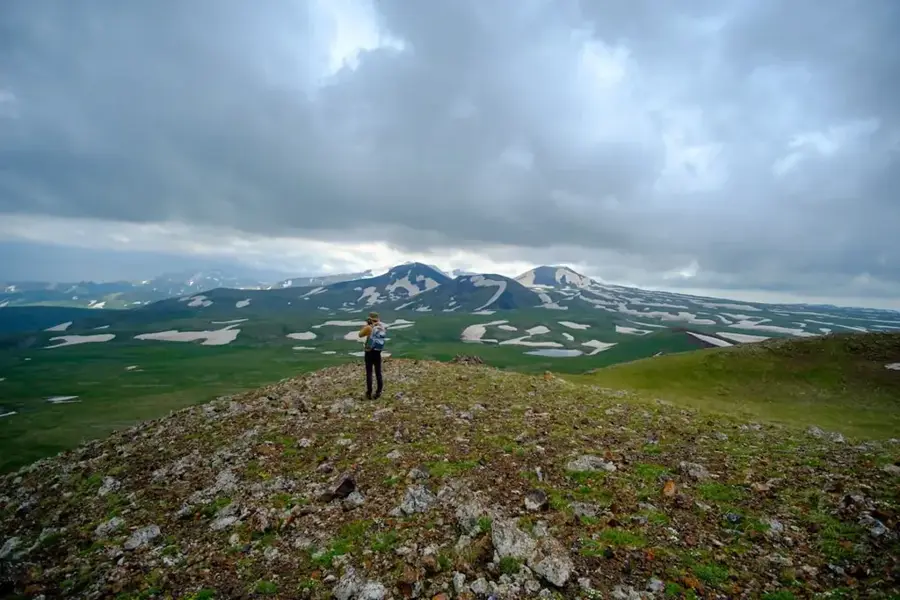
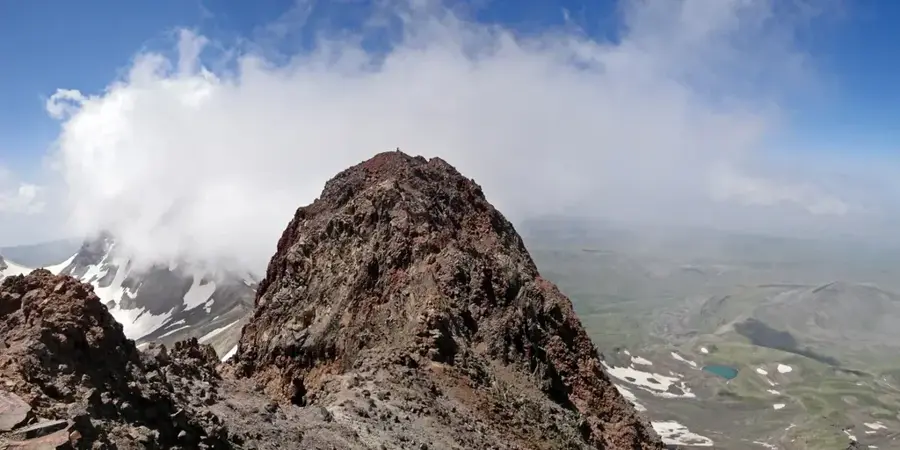
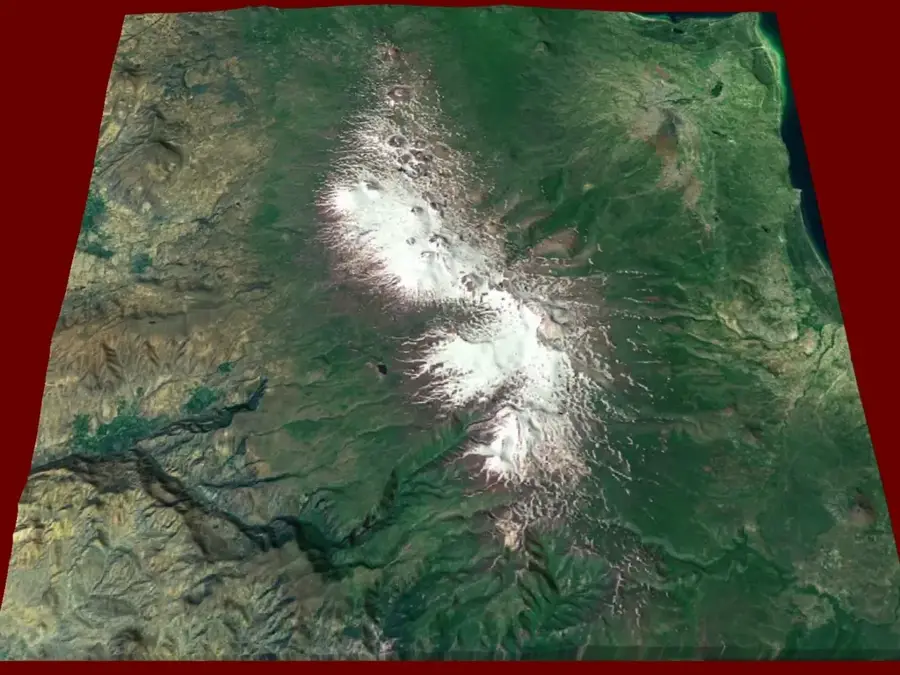
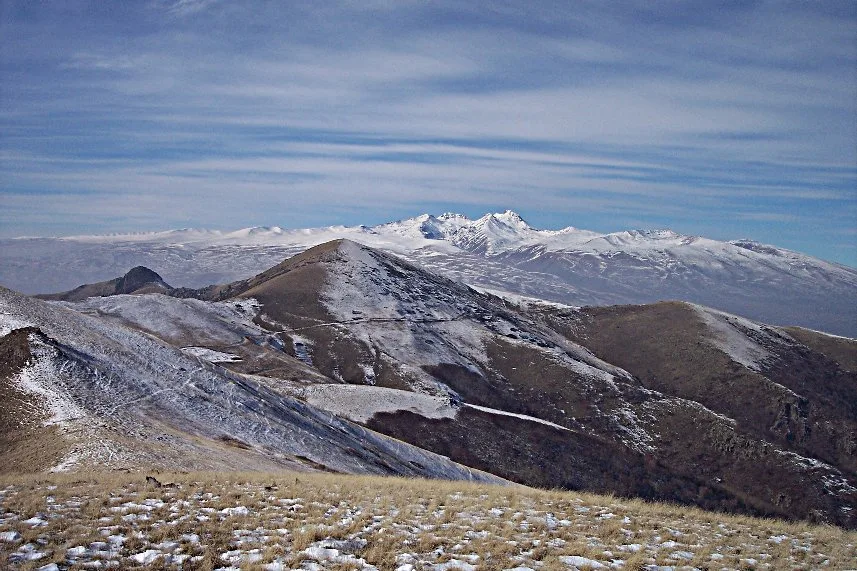
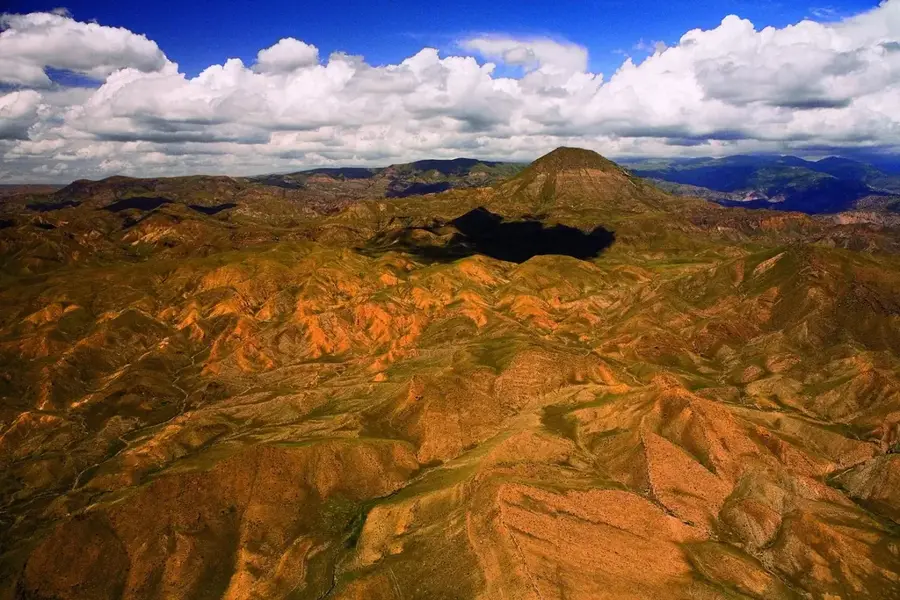
Mount Azhdahak stands at 3,597 meters as the highest peak of the Geghama Mountains in central Armenia and is an impressive extinct volcano. It is characterized by its nearly circular crater, which contains a crystal-clear lake fed by melting snow. The mountain's geological structure consists primarily of reddish volcanic scoria and lava bombs, giving it a distinctive and rugged appearance. The area surrounding Azhdahak is rich in archaeological finds, particularly petroglyphs (rock carvings) dating back to the 2nd-1st millennia BC, depicting scenes of prehistoric life, animals, and celestial symbols. Reaching the summit provides wide-open panoramic views of Lake Sevan, the Ararat plain, and Mount Aragats. Due to its high elevation, the mountain experiences an alpine climate with short summers and long, snowy winters. Trails to Azhdahak are highly favored by trekking enthusiasts, as they traverse pristine volcanic landscapes and offer a unique intersection of natural beauty and ancient history.

Best time to visit & climate

The most pleasant time to visit is Jul–Sep.

JanFebMarAprMayJunJulAugSepOctNovDec
Avg °C-6-426121721211692-3
Rain mm161529425744251920331915

📋 Practical info

🧭
Getting there
Reaching this extinct volcano typically begins with a robust 4x4 vehicle drive from nearby villages to a high-altitude starting point. From the drop-off point, hikers must follow faintly marked trails across the rugged highland plateau.
📅
Best season
The prime hiking window is brief, generally restricted to the warm months of July and August when the deep snowpack has melted. During the rest of the year, freezing temperatures and severe blizzards make the region highly inhospitable.
⛰️
Terrain & paths
The landscape consists of expansive, rocky alpine meadows that progressively steepen toward the volcanic crater. Hikers must navigate fields of loose scree and volcanic rock, which can be particularly tricky during the final ascent.
🎒
What to bring
Proper trekking boots with stiff soles are vital for handling the sharp volcanic stones and loose gravel. Warm layers and a windproof jacket are essential, as fierce, chilling winds often sweep across the exposed summit crater.
🅿️
Parking
There are no formalized parking structures; off-road vehicles are simply parked on the grassy highland plains at the agreed starting location. It is crucial to mark this GPS coordinate carefully for a safe return journey.
⚠️
Safety
Navigation can become surprisingly difficult if heavy fog suddenly rolls across the mountain range, obscuring all visual landmarks. Thunderstorms pose a significant danger on this exposed peak, so an early morning start is universally advised.
⏱️
Time needed
Depending on the specific starting point chosen by the 4x4 drivers, the round-trip hike typically demands six to eight hours. Adding time to rest and appreciate the high-altitude crater lake is highly recommended.

Geography

Coordinates
40.22640, 44.94580

Facts

  • Azhdahak is the highest point in the Geghama Range at 3,597 meters.
  • The crater lake at the summit has a diameter of approximately 200 meters.
  • Petroglyphs found near the mountain date back to the 2nd-1st millennia BC.
  • The volcano was last active approximately 5,000 to 6,000 years ago.
  • The reddish hue of the terrain is caused by oxidized volcanic scoria.
  • Both Little and Great Ararat are visible from the summit on clear days.

Explore nearby

Notable places around
Route planner — Car & Motorhome

Where do you start? We build the route here, with stops and country notes along the way.

Vehicle
Only stops with (optional):

© OpenStreetMap contributors · OpenRouteService

Sights in the town Mount Azhdahak (3)

Azhdahak🌿 nature

The highest peak of the Geghama Mountains features a clear crater lake within its extinct volcanic cone.

Eastern Aghusar🌿 nature

This prominent peak of the Geghama range is characterized by its reddish volcanic scoria and rocks.

Western Aghusar🌿 nature

The western peak of Aghusar rises as an extinct volcano above the surrounding alpine pastures.

Sights nearby

Frequently asked questions

How hard is it to climb Mount Azhdahak?
Moderate to demanding, mainly because of altitude and weather. The views reward the effort.
What is the best season?
Late spring through early autumn is best. Trails are usually snow-free and weather is more predictable.
Do you need a car?
Yes, almost always, because access is remote. You often still need to walk the final stretch.
Is it a good photo spot?
Yes, especially because of the crater lake and the open highland landscape. Early morning light is often best.
What should you watch for at altitude?
Watch for wind, sun, rapid temperature shifts, and enough water. Even in summer, it can get very cold up there.
Mount Azhdahak: where is it located?
Mount Azhdahak is located in Armenia.
Mount Azhdahak: what is there to see?
Highlights include Azhdahak, Eastern Aghusar, Western Aghusar.
Mount Azhdahak: when is the best time to visit?
The most pleasant time to visit is Jul, Sep.
Mount Azhdahak: why is it worth visiting?

Mount Azhdahak stands at 3,597 meters as the highest peak of the Geghama Mountains in central Armenia and is an impressive extinct volcano.
View on map → The Top 50 Attractions → OpenStreetMap →
Asia
Explore with Plizio Discover more places in Asia
More places in Armenia →

Nearby cities

History & landmarks
Nature
More places