Plizio Visual Lab

Khosrov Forest
Plizio editorial teamData Sources
Forest
—°9
Khosrov Forest (Armenia)

Weather…

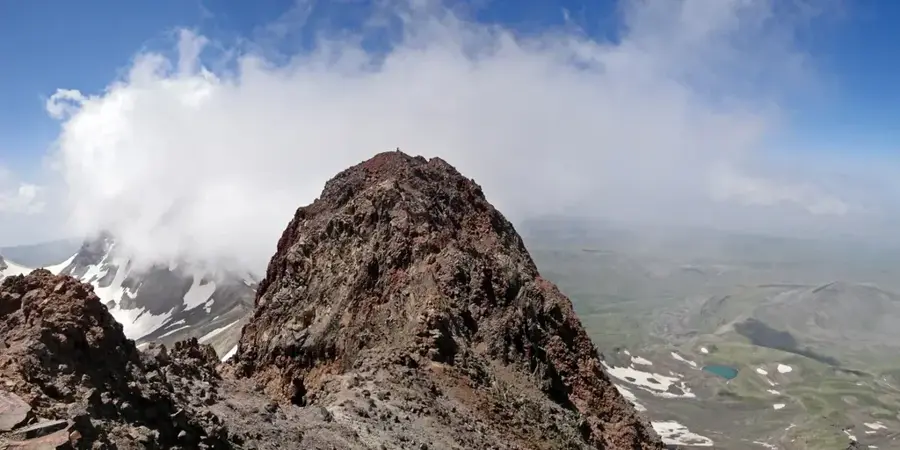
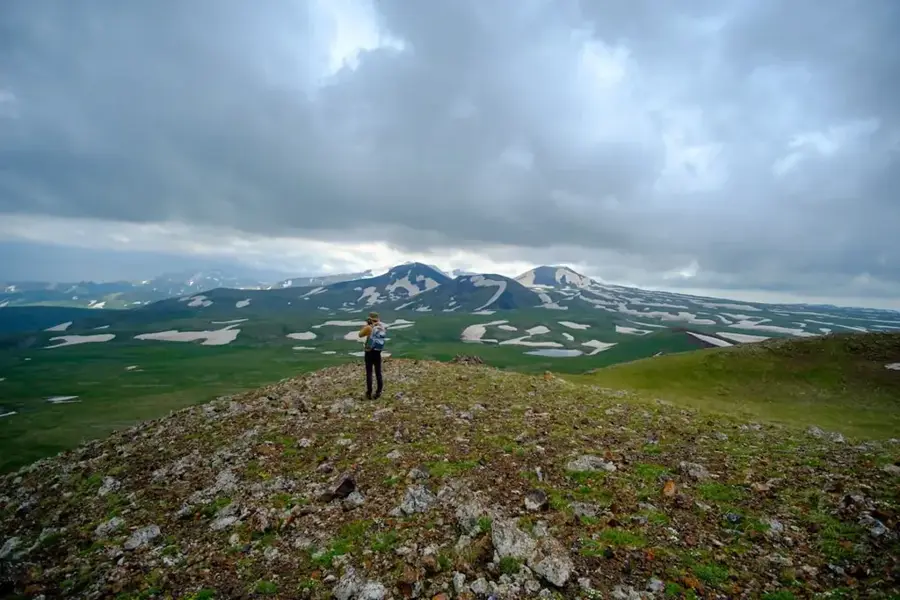
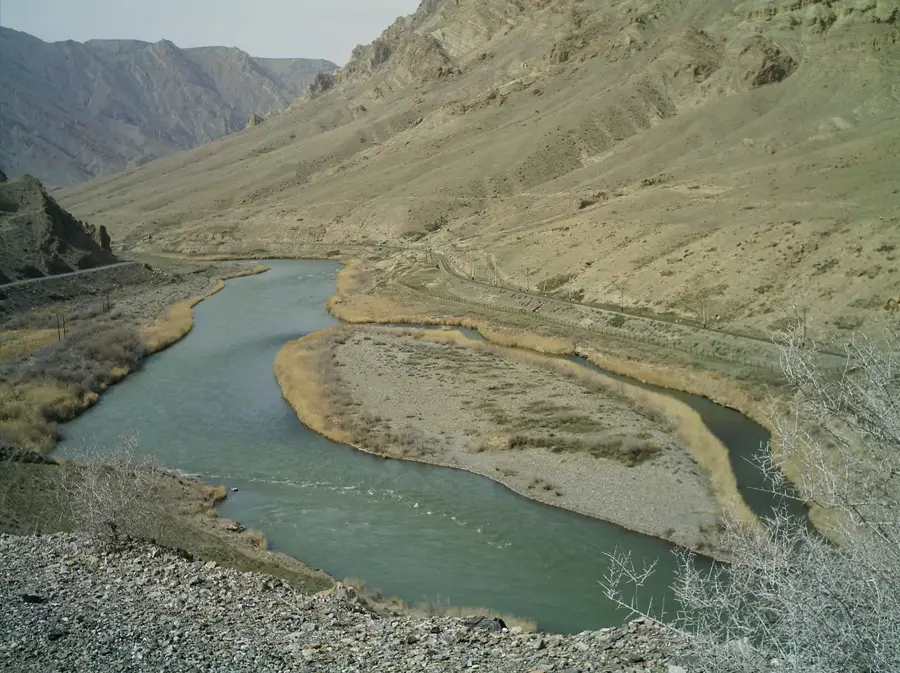
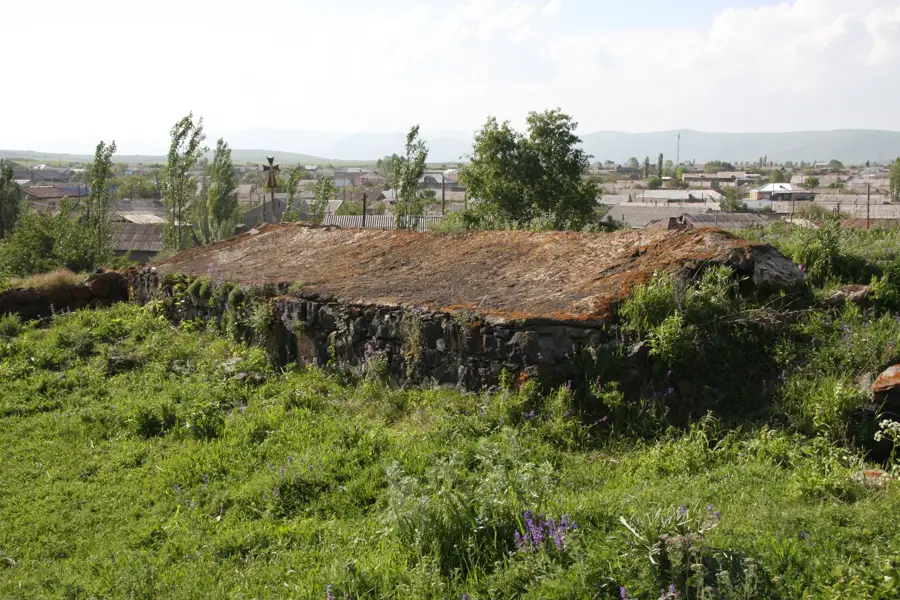
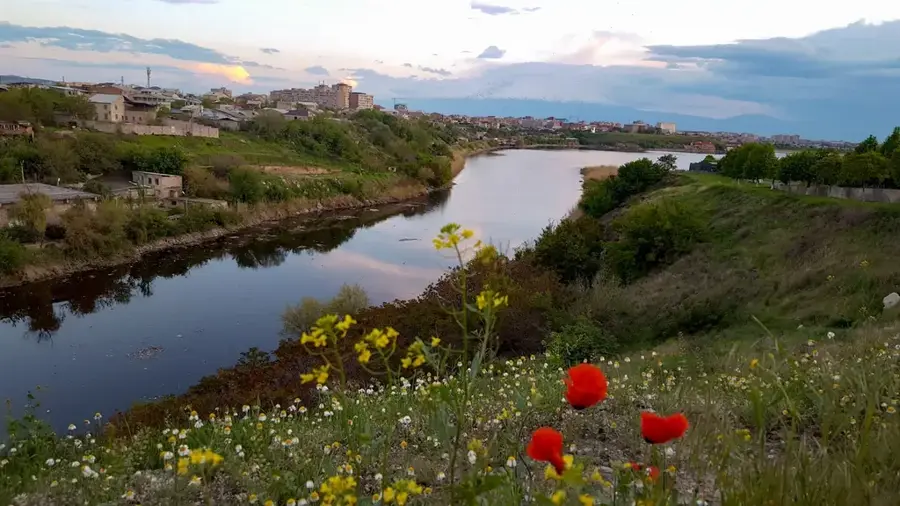
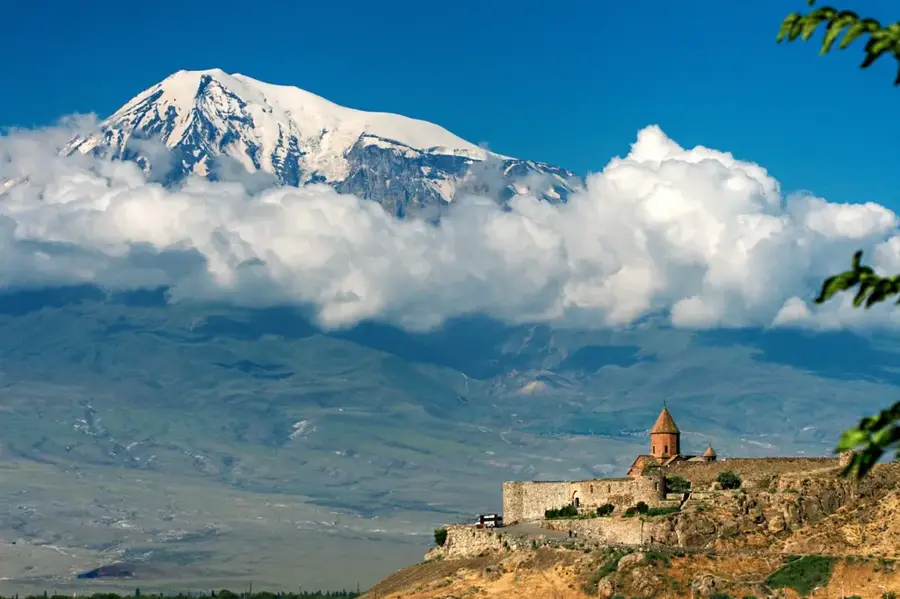
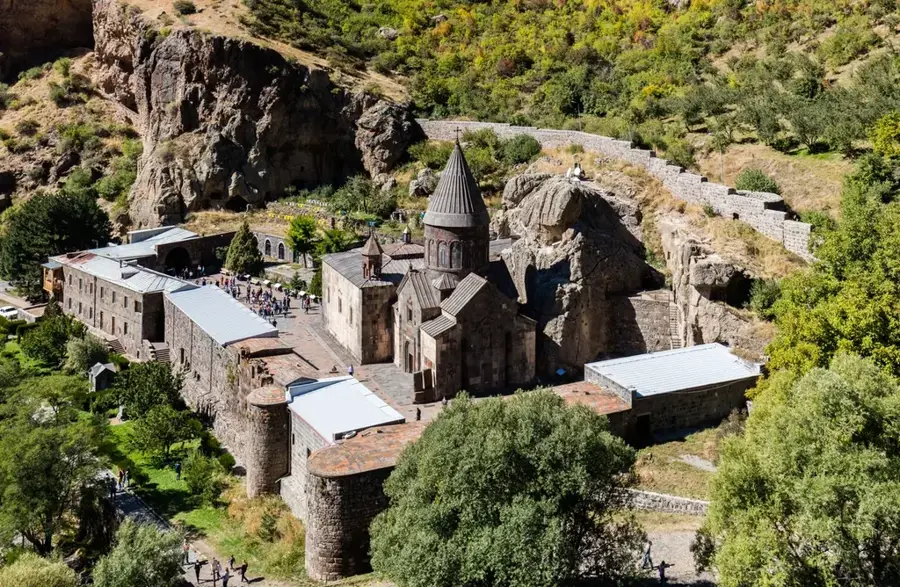
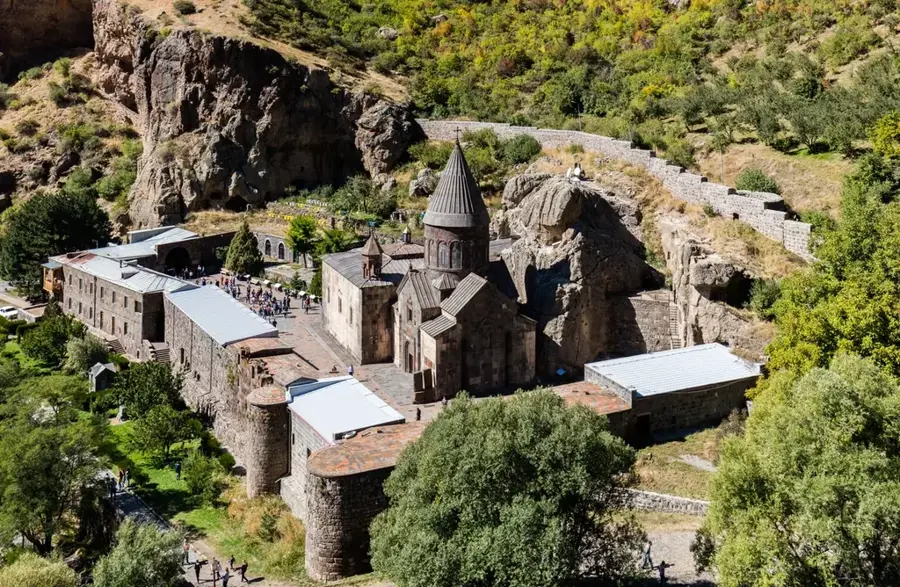
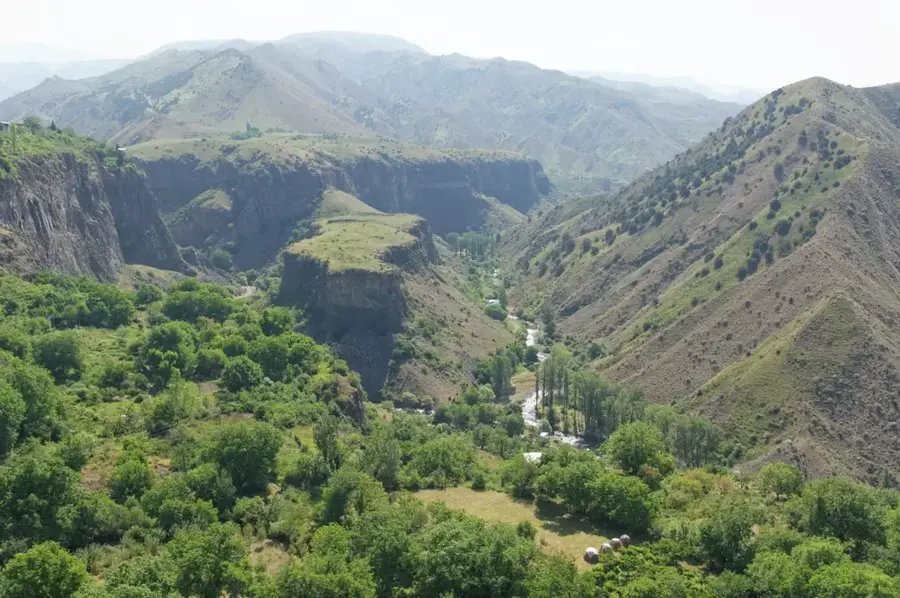
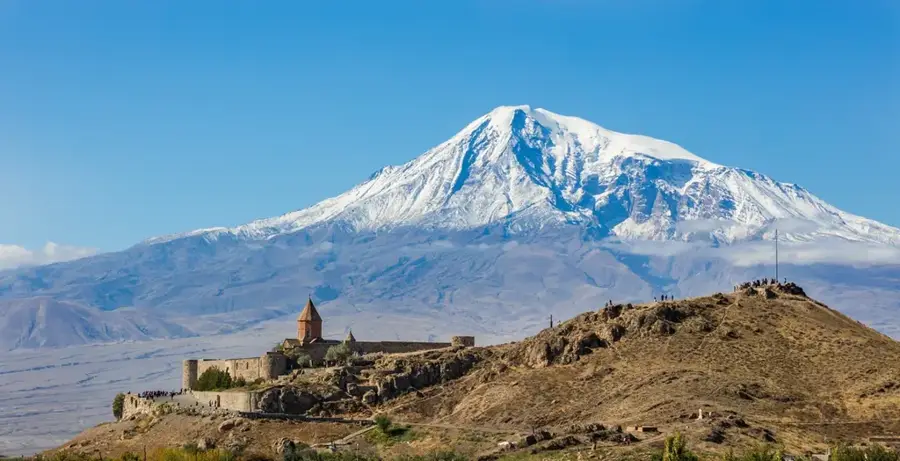
The Khosrov Forest State Reserve in the Ararat Province is one of the world's oldest protected areas, with a legacy dating back to the 4th century. It was established by the Armenian King Khosrov III Kotak between 330 and 338 AD as a royal hunting ground and a sanctuary for wildlife. The modern reserve was officially formally organized in 1958 and spans approximately 29,000 hectares in the Geghama Mountains. The landscape features a mix of arid semi-deserts, juniper forests, and alpine meadows, supporting an extraordinary range of biodiversity. Inhabitants include rare species such as the Caucasian leopard, Syrian brown bear, and the Bezoar goat. Beyond its natural significance, the area is home to numerous historical monuments, including the Havuts Tar monastery and the nearby basalt columns of the Garni Gorge. The reserve serves as an open-air museum of natural history and remains a critical habitat for endangered species of the Armenian Highlands, representing a unique intersection of ancient history and environmental conservation.

Best time to visit & climate

The most pleasant time to visit is Jul–Sep.

JanFebMarAprMayJunJulAugSepOctNovDec
Avg °C-6-426121721211692-3
Rain mm161529425744251920331915

📋 Practical info

🧭
Getting there
The reserve is typically accessed from the capital city or nearby villages by arranged transport, as public options to the entrance are usually limited.
📅
Best season
The best time to visit is generally from late spring to early autumn, when the weather is mildest and the ancient flora is in full bloom or showing autumn colors.
⛰️
Terrain & paths
Expect a mix of rugged trails, rocky paths, and dense woodland areas that require a reasonable level of fitness for exploring this historic natural environment.
🎒
What to bring
Sturdy hiking boots, ample water supplies, sun protection, and a reliable physical or downloaded map are highly recommended when venturing into this expansive ancient reserve.
🅿️
Parking
Visitors generally leave their vehicles at designated entrance gates or nearby base communities before proceeding on foot or with an authorized local guide.
⚠️
Safety
Stick to the marked trails to protect the fragile ecosystem, and always be aware of local wildlife, ensuring you travel with a guide if unfamiliar with the vast area.
⏱️
Time needed
A typical visit ranges from a half-day excursion to a full-day hike, allowing enough time to appreciate the ancient natural beauty without rushing through the landscape.

Geography

Coordinates
40.01660, 44.89880

Facts

  • The original hunting ground was created by King Khosrov III between 330-338 AD.
  • The modern state reserve was formally established in 1958.
  • The total area of the reserve covers approximately 29,196 hectares.
  • Over 1,800 plant species grow here, accounting for 50% of Armenian flora.
  • The famous 'Symphony of Stones' basalt columns are located within the reserve.
  • It is a crucial habitat for the critically endangered Caucasian leopard.

Explore nearby

Notable places around
Route planner — Car & Motorhome

Where do you start? We build the route here, with stops and country notes along the way.

Vehicle
Only stops with (optional):

© OpenStreetMap contributors · OpenRouteService

Sights in the town Khosrov Forest (9)

Vishapak`ar🌿 nature

A prehistoric basalt stela shaped like a fish, standing as a dragon stone in the Khosrov Forest reserve.

Geldzhigin🏺 historical

The hidden stone ruins of a historical settlement within the Khosrov Forest nature reserve.

Khosrovasar🌿 nature

A prominent mountain summit in the Khosrov Forest, offering expansive views over Armenia's protected wilderness.

Kotskasar🌿 nature

Kotskasar is a 2,197-meter peak located in the volcanic Geghama Mountains.

Owrts`i berd🏰 castle

Urtsaberd is the ruin of a medieval fortress perched on the slopes of the Urts Mountains.

T`arowm-Bowrowm🏺 historical

Tarum-Burum features the remnants of a medieval settlement with stone house foundations.

Khosrov🏺 historical

Khosrov is the ruin of a medieval monastery located in the heart of the nature reserve.

Gevorg Marzpetuni/Tapi Castle📍 landmark

Tapi Castle is a 10th-century fortified complex with a well-preserved church.

Spitak Vank`📍 landmark

Spitak Vank is the ruin of the "White Monastery," built from light-colored basalt.

Sights nearby

Frequently asked questions

How difficult are the trails in Khosrov Forest?
Difficulty varies a lot, from easy walks to more demanding routes. The terrain is dry, rocky, and often sunny.
What is the best season?
Spring and autumn are usually the most pleasant. Summer can be very hot, and in winter some trails are harder to use.
Are there toilets or rest areas?
At main entry points or visitor spots, usually yes, but inside the area they are rare. Bring water and snacks.
Is a guide useful?
Yes, especially for longer or more remote routes. A guide helps with navigation, wildlife signs, and safe rest spots.
What is the area known for?
For dry gorges, rocky landscapes, wildlife, and a very well-preserved natural area. It is one of Armenia’s oldest protected spaces.
Khosrov Forest: where is it located?
Khosrov Forest is located in Armenia.
Khosrov Forest: what is there to see?
Highlights include Vishapak`ar, Geldzhigin, Khosrovasar.
Khosrov Forest: when is the best time to visit?
The most pleasant time to visit is Jul, Sep.
Khosrov Forest: why is it worth visiting?

The Khosrov Forest State Reserve in the Ararat Province is one of the world's oldest protected areas, with a legacy dating back to the 4th century.
View on map → The Top 50 Attractions → OpenStreetMap →
Asia
Explore with Plizio Discover more places in Asia
More places in Armenia →

Nearby cities

History & landmarks
Nature

More places