Plizio Visual Lab

Mount Azhdahak
Plizio editorial teamData Sources
Mountain
—°3
Mount Azhdahak (Armenia)

Weather…

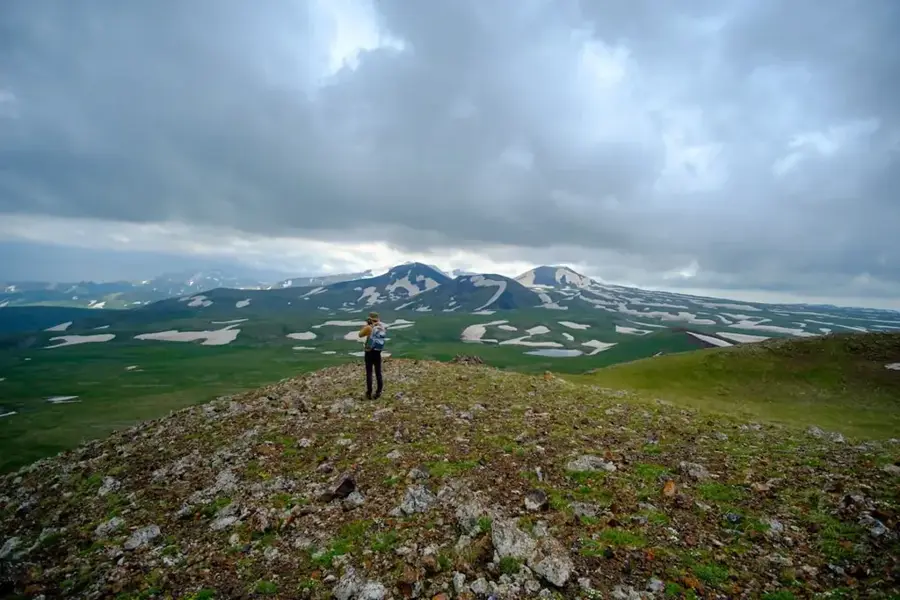
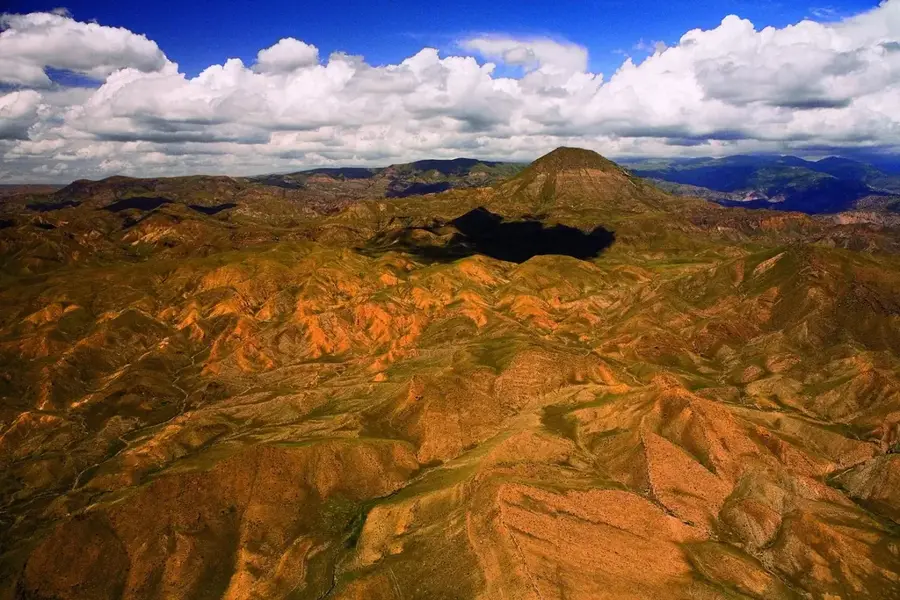
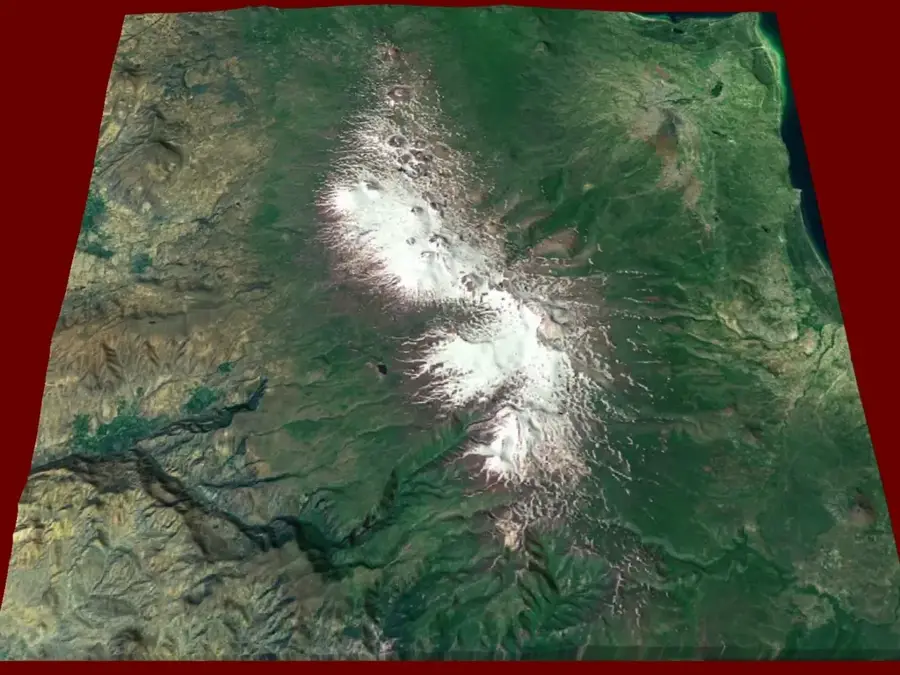
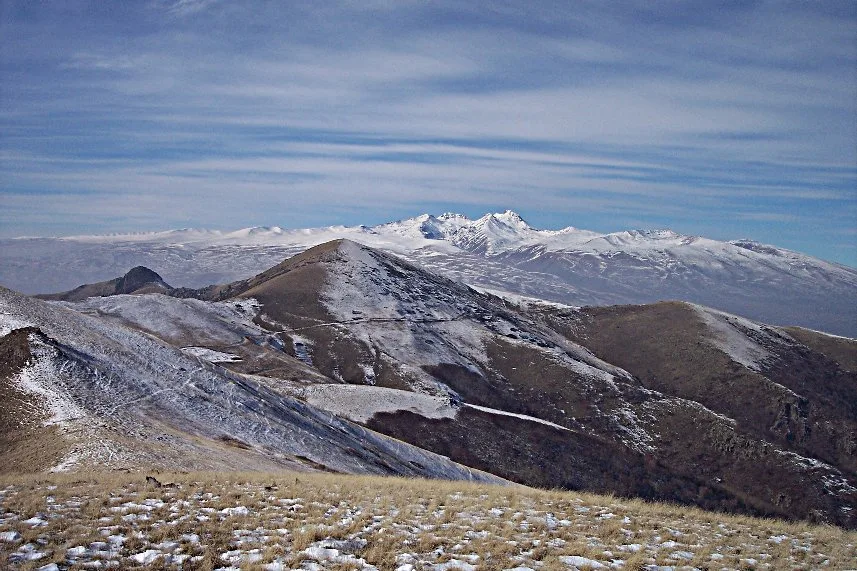
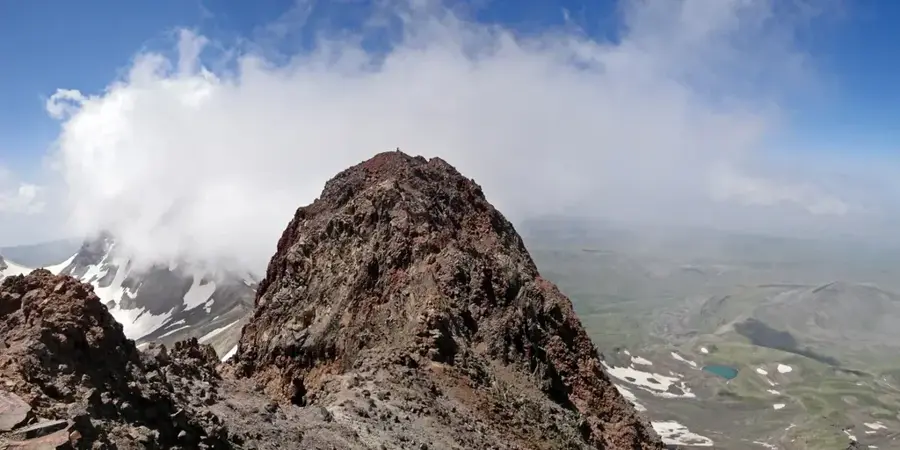
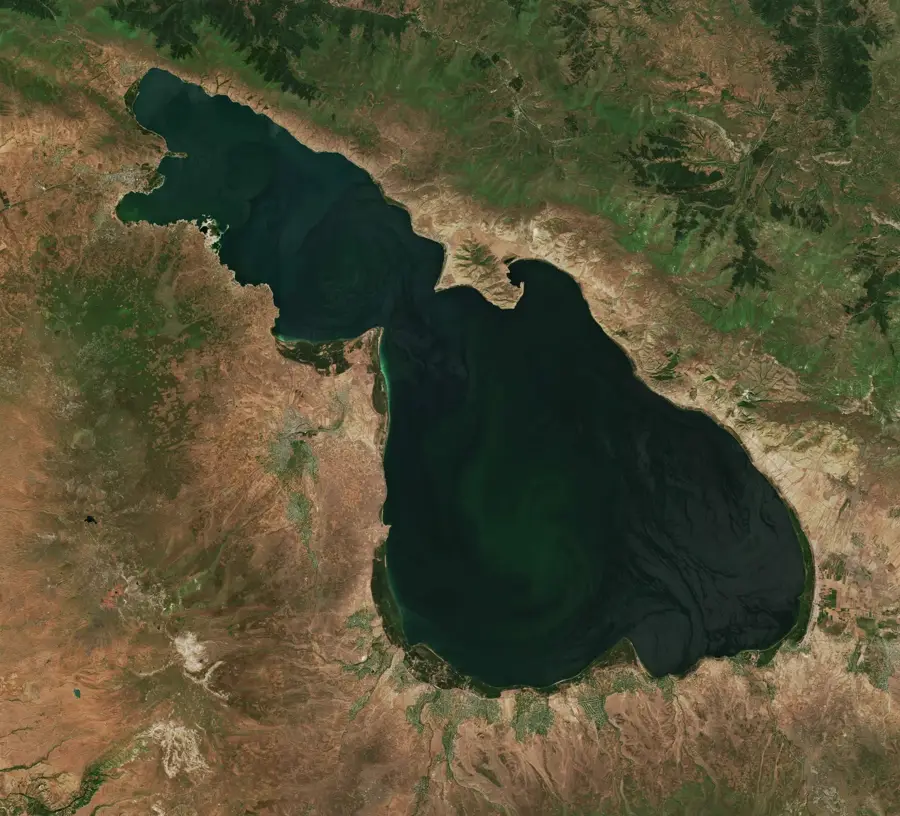
Mount Azhdahak is the highest peak of the Geghama Mountains in central Armenia, reaching an elevation of 3597 meters. This extinct volcano is famous for its nearly circular crater, which houses a clear crater lake approximately 200 meters in diameter and 8 meters deep. The surrounding landscape is volcanic, characterized by numerous scoria cones and ancient lava flows that give the area a lunar appearance. From the summit, visitors can enjoy panoramic views of Lake Sevan to the east and Mount Ararat to the west. The slopes and surrounding plateau are home to significant prehistoric petroglyphs, depicting animals, humans, and celestial maps dating back to the Bronze Age. The name Azhdahak is derived from Armenian mythology, referring to a dragon-like giant or sea monster. Currently, the mountain serves as a hub for ecotourism and trekking due to its accessibility and unique high-altitude steppe flora.

Best time to visit & climate

The most pleasant time to visit is Jul–Sep.

JanFebMarAprMayJunJulAugSepOctNovDec
Avg °C-6-426121721211692-3
Rain mm161529425744251920331915

📋 Practical info

🧭
Getting there
Travelers frequently hire local drivers with capable off-road vehicles in Yerevan or nearby mountain towns to reach the distant trailhead. The rough track leads far into the mountains before you must proceed entirely on foot.
📅
Best season
Late summer provides the safest conditions, as the heavy snow cover recedes enough to reveal the paths leading up to the crater. Attempting this ascent outside the core summer months exposes hikers to extreme cold and avalanches.
⛰️
Terrain & paths
The route is characterized by vast, undulating highland terrain transitioning into a steep, scree-laden volcanic cone. Sturdy footing is challenged by the porous rocks and slippery gravel patches near the very top of the mountain.
🎒
What to bring
Trekking poles are highly beneficial to maintain balance on the loose, steep inclines of the final crater rim. Hikers should carry ample warm clothing, a sturdy windbreaker, and all the water they might need for the entire day.
🅿️
Parking
Off-road vehicles are typically parked in the open alpine meadows, effectively creating a temporary base camp for the hike. Always agree on a clear rendezvous point with your driver before setting off into the expansive landscape.
⚠️
Safety
Rapid weather changes are the primary hazard here; a sunny morning can quickly evolve into a disorienting, dense fog or a severe thunderstorm. Traveling with an experienced guide who knows the topography is strongly advised.
⏱️
Time needed
Most fit hikers require roughly seven hours to complete the round trip from the highest vehicle drop-off point. It is wise to allocate extra time to enjoy a well-deserved rest at the sweeping volcanic lake at the summit.

Geography

Coordinates
40.22500, 44.94500

Facts

  • Elevation of 3597 meters above sea level.
  • Highest peak of the volcanic Geghama Mountains.
  • Features a crater lake with a 200-meter diameter.
  • Bronze Age petroglyphs found in the surrounding area.
  • Volcanic activity created scoria cones nearby.
  • Named after a dragon-like giant in Armenian myths.

Explore nearby

Notable places around
Route planner — Car & Motorhome

Where do you start? We build the route here, with stops and country notes along the way.

Vehicle
Only stops with (optional):

© OpenStreetMap contributors · OpenRouteService

Sights in the town Mount Azhdahak (3)

Red Ridge🌿 nature

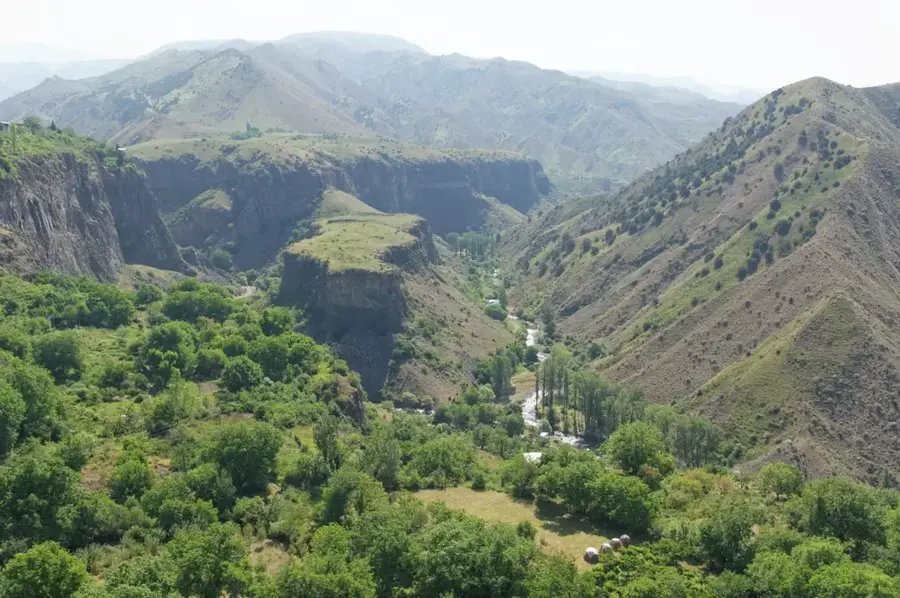
The mountain is known for its distinctive reddish color caused by the high iron content in the volcanic soil.

Dimatsler🌿 nature

This alpine peak has climbers a panorama of the snow-covered heights of the central Armenian range.

Eritsasar🌿 nature

A barren volcanic peak in the Kotayk region, noted for its pristine high-altitude vegetation.

Sights nearby

Frequently asked questions

How hard is the climb up Berg Aschdahak?
It is a moderate to demanding hike due to altitude, wind, and loose ground. Fit hikers can do it, but it is not a casual walk.
When is the best time to go to Aschdahak?
The best window is June to September, when most snow is gone and trails are more stable. In spring, snow often lingers.
Do you need a 4x4 for Aschdahak?
Often yes, at least for the last kilometers on unpaved roads. In bad weather, access with a regular car can become difficult quickly.
What should you watch out for in the weather?
The altitude brings strong wind, rapid temperature swings, and often fog. Sun and wind protection, plus enough water, are essential.
Is Aschdahak worth it for photography?
Yes, especially for the wide volcanic landscape and clear long views in good weather. An early start often gives the best light.
Mount Azhdahak: where is it located?
Mount Azhdahak is located in Armenia.
Mount Azhdahak: what is there to see?
Highlights include Red Ridge, Dimatsler, Eritsasar.
Mount Azhdahak: when is the best time to visit?
The most pleasant time to visit is Jul, Sep.
Mount Azhdahak: why is it worth visiting?

Mount Azhdahak is the highest peak of the Geghama Mountains in central Armenia, reaching an elevation of 3597 meters.
View on map → The Top 50 Attractions → OpenStreetMap →
Asia
Explore with Plizio Discover more places in Asia
More places in Armenia →

Nearby cities

History & landmarks
Nature
More places