Plizio Visual Lab

Vardenis Mountains
Plizio editorial teamData Sources
Mountain
—°6
Vardenis Mountains (Armenia)

Weather…

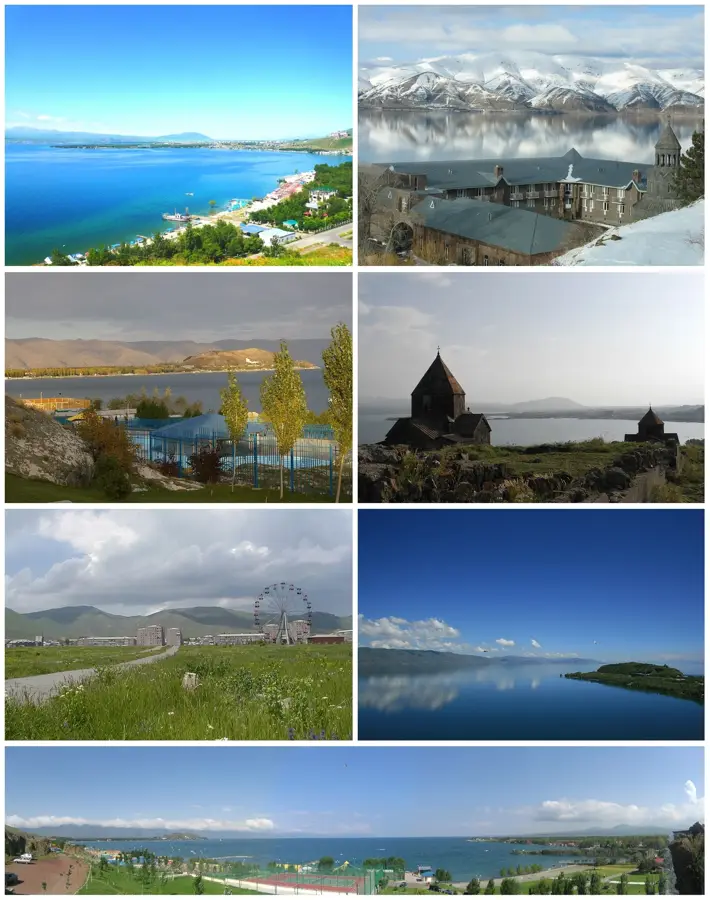
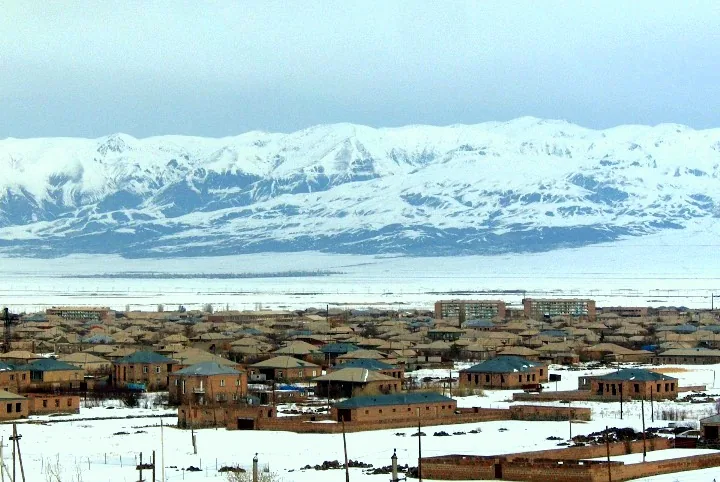
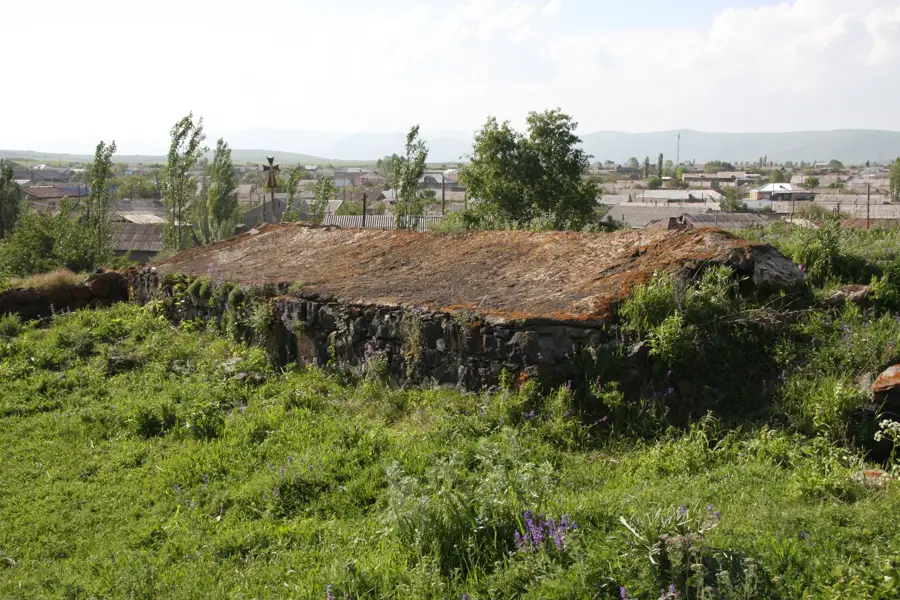
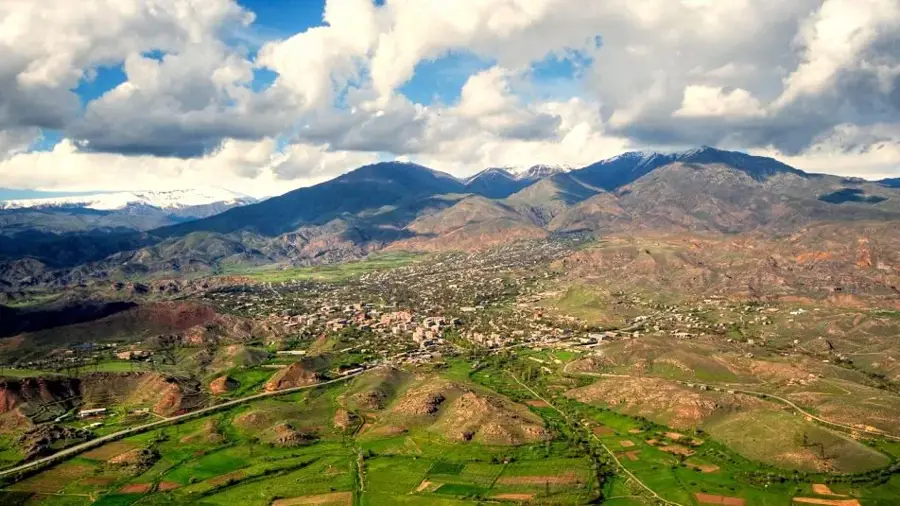
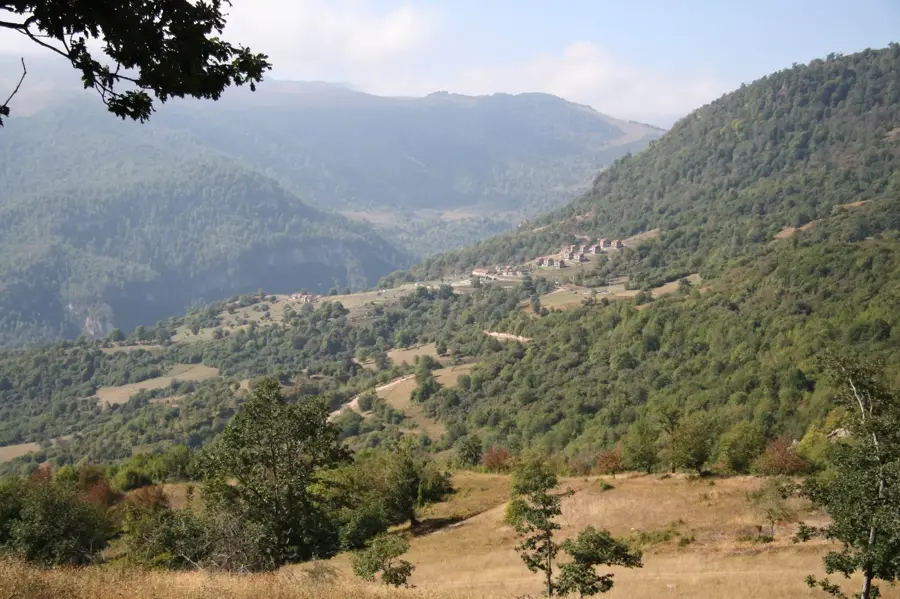
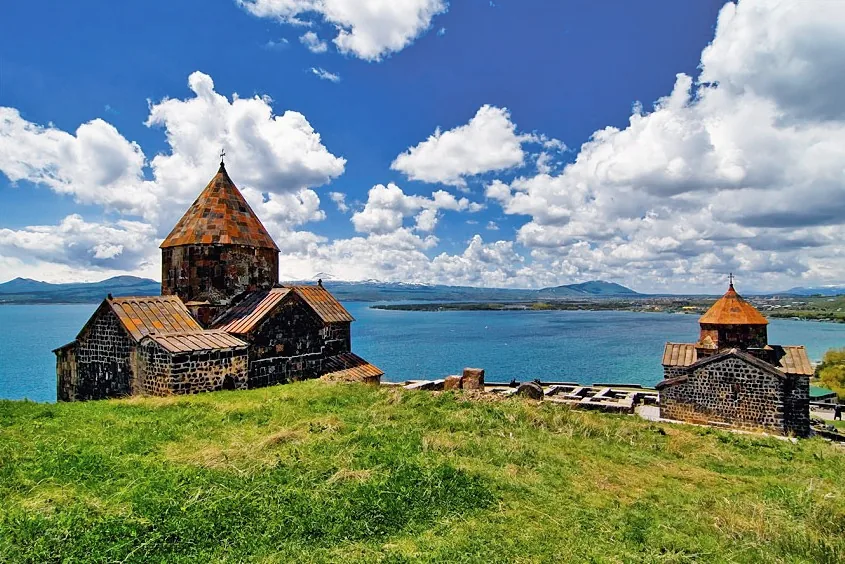
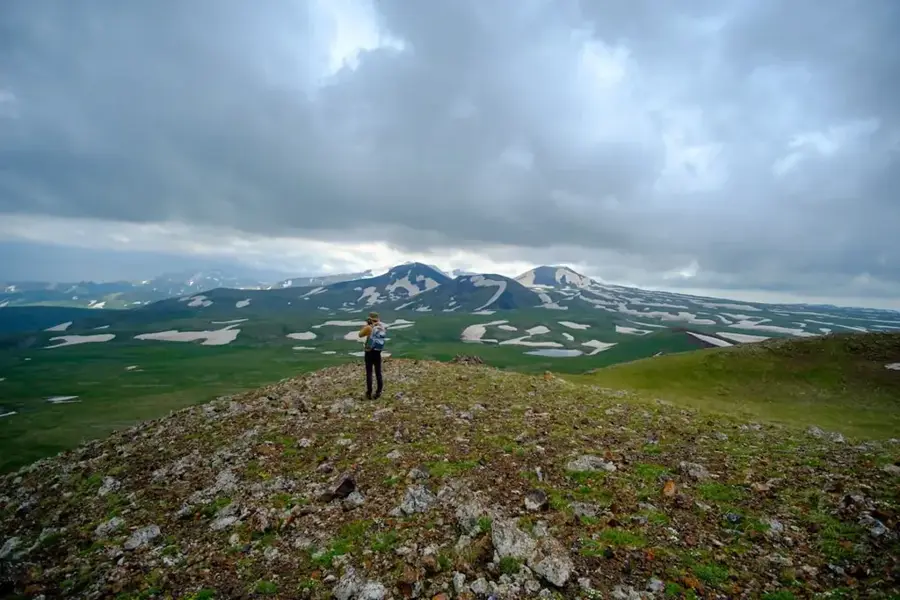
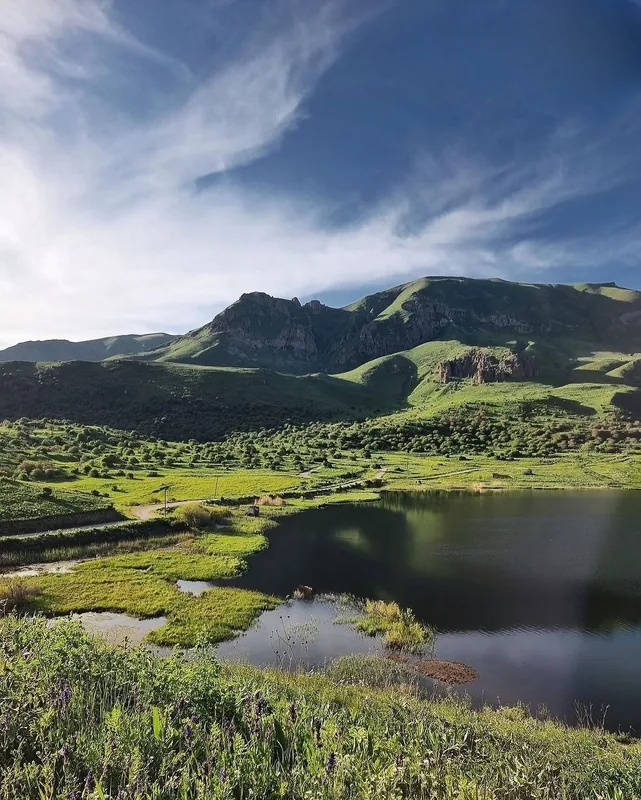
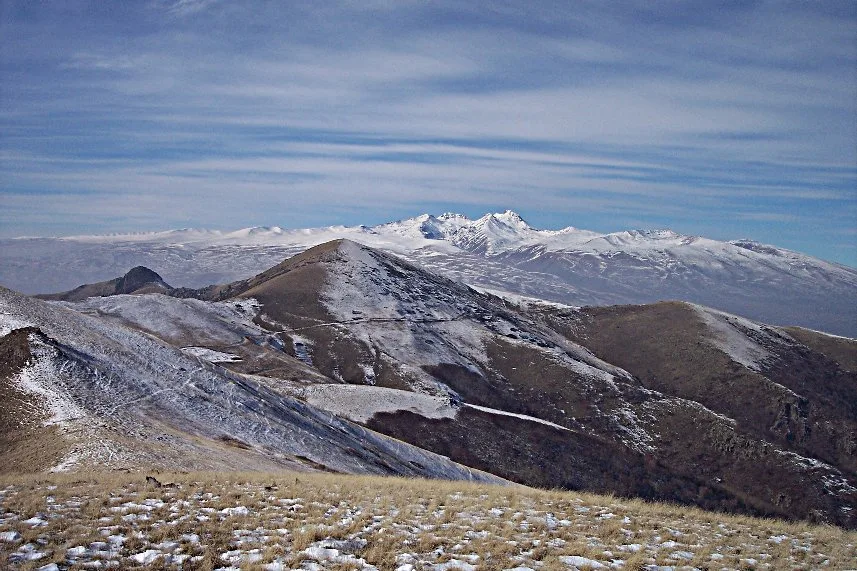
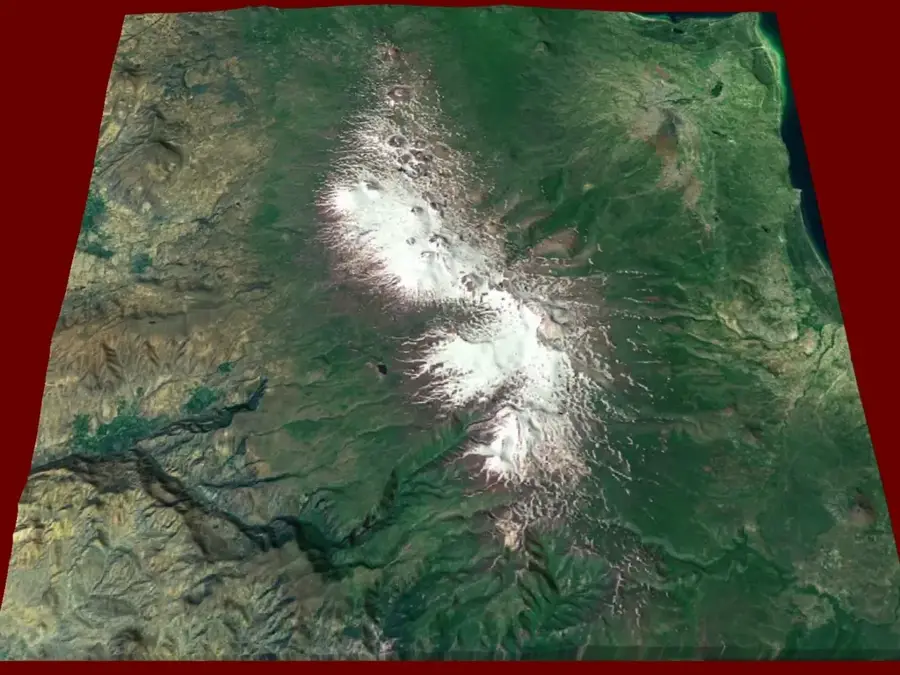
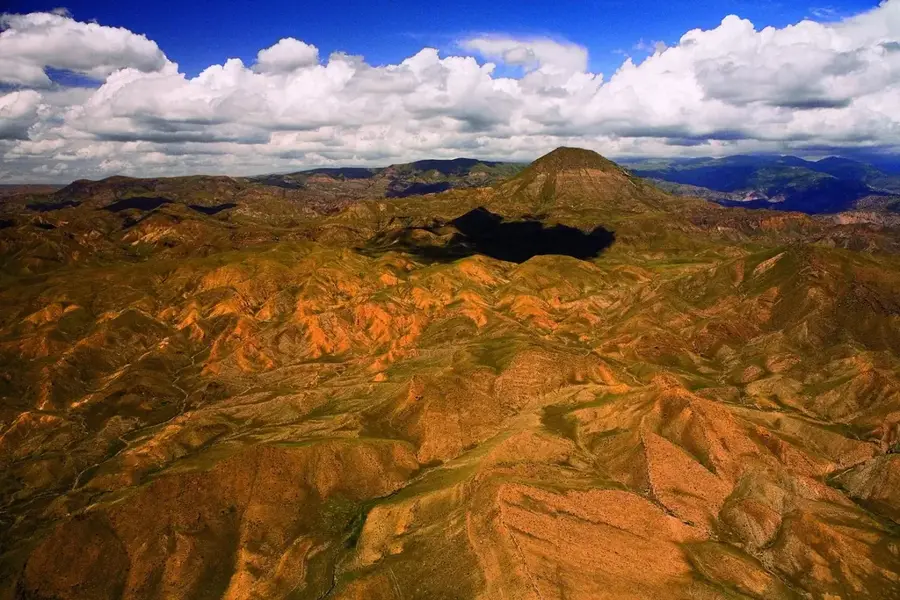
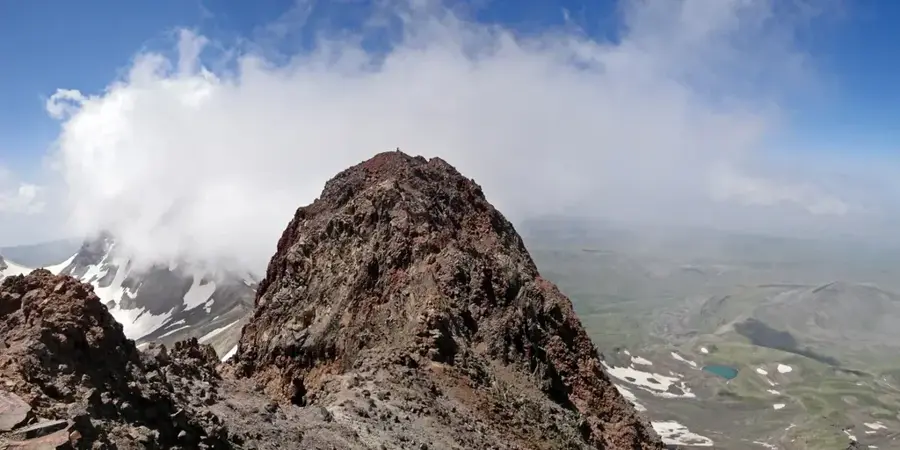
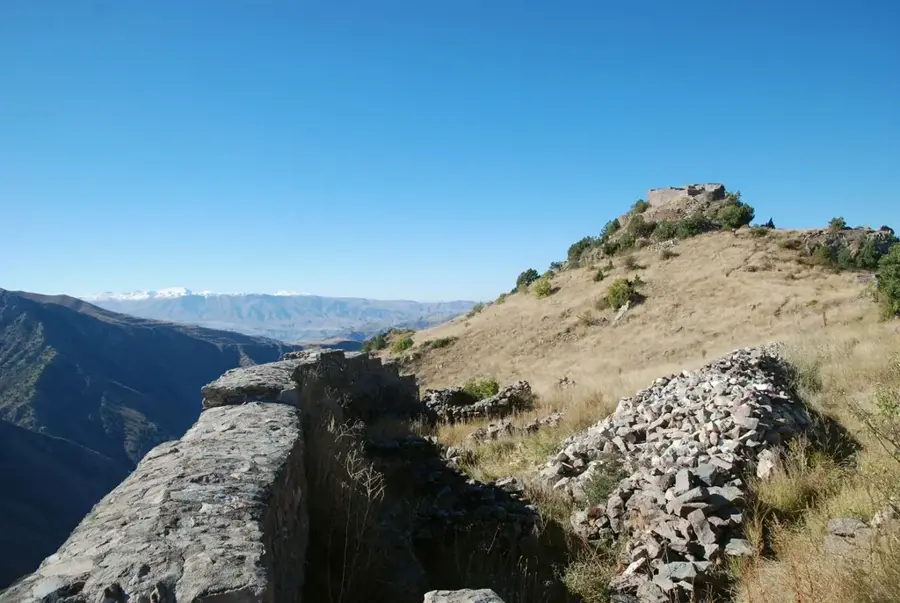
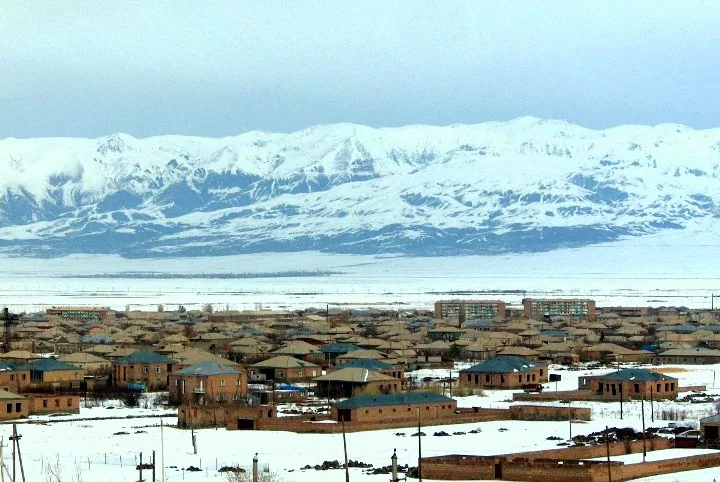
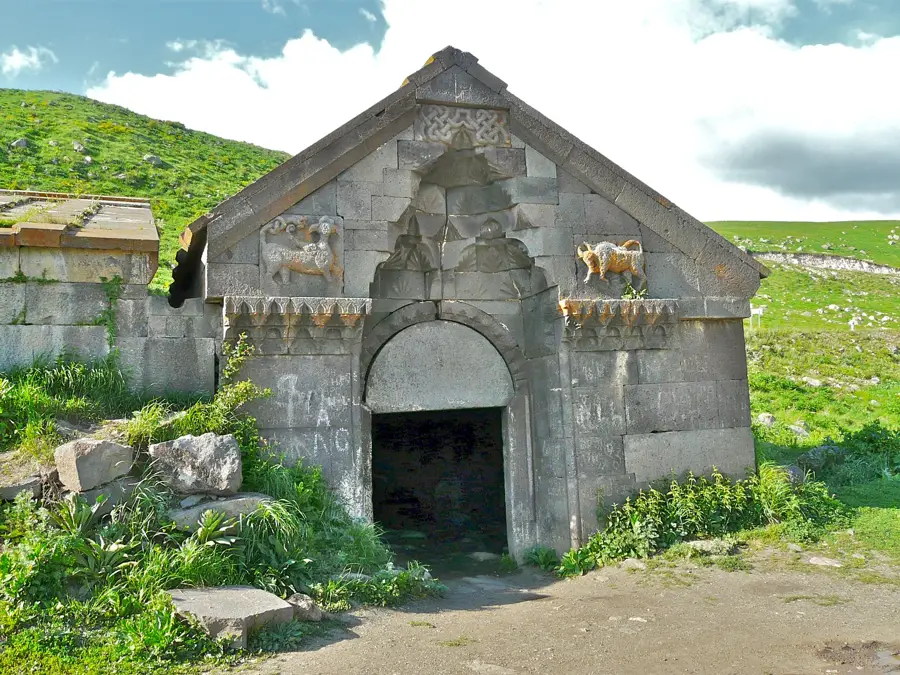
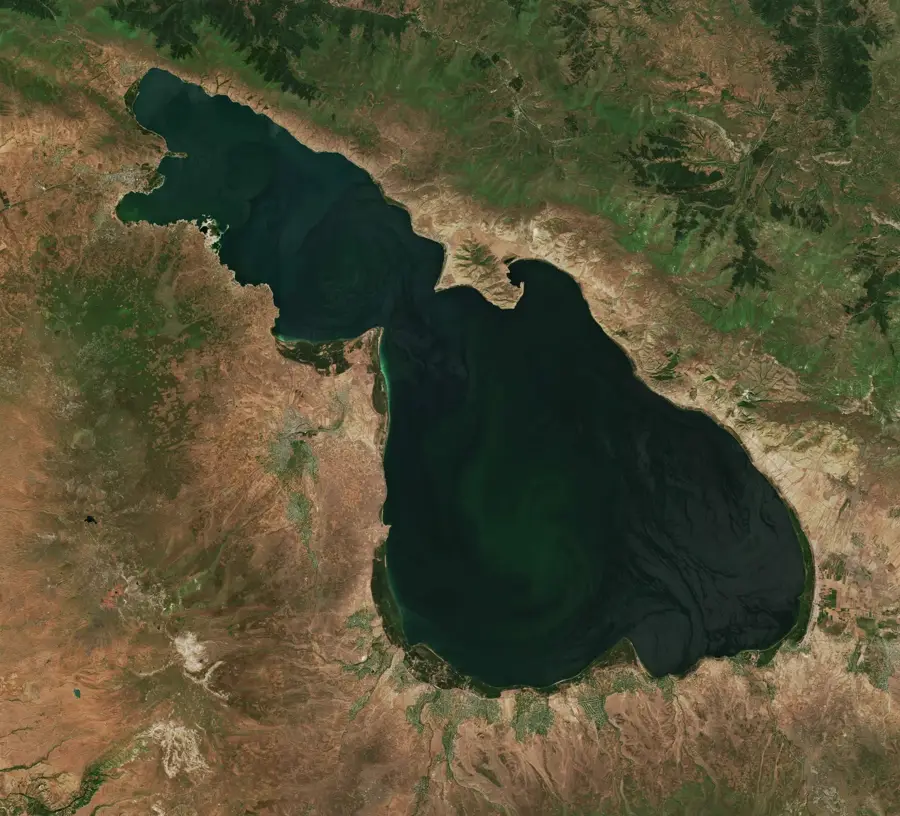
The Vardenis Mountains are situated in the southern part of the Sevan basin, forming a natural boundary between the Gegharkunik and Vayots Dzor provinces. The range extends for approximately 60 kilometers and is of volcanic origin, primarily composed of Pleistocene basalt and andesite formations. Its highest point is Mount Vardenis, reaching an elevation of 3522 meters. The landscape is characterized by gentle slopes and vast volcanic plateaus dotted with numerous small alpine lakes. The range plays a critical role in Armenia's hydrology, serving as the source for the Arpa and Yeghegis rivers. The Vardenis Pass, located at an elevation of 2410 meters, is a historically vital route connecting the northern and southern regions of the country. Ancient petroglyphs and remains of medieval caravanserais are found in the area, highlighting its significance as a branch of the historic Silk Road.

Best time to visit & climate

The most pleasant time to visit is Jul–Sep.

JanFebMarAprMayJunJulAugSepOctNovDec
Avg °C-8-6-1491418181470-6
Rain mm151529395341221721331914

📋 Practical info

🧭
Getting there
Access to the Vardenis Mountains is usually through the towns of Martuni or Vardenis. A 4x4 vehicle is strongly recommended or even necessary to reach the higher trailheads and remote alpine starting points.
📅
Best season
The prime season for visiting is from June to September when the high-altitude trails are free of snow. During this time, the alpine meadows are in full bloom, offering lively colors and pleasant temperatures.
⛰️
Terrain & paths
The terrain features high-altitude volcanic plateaus, rocky ridges, and expansive alpine meadows. It is a rugged landscape that requires experience in mountain navigation and a good level of physical endurance.
🎒
What to bring
Pack warm layers, as temperatures can drop quickly at high altitudes. Essential items include sturdy trekking boots, a reliable GPS or map, trekking poles, and enough supplies for several hours in the wilderness.
🅿️
Parking
You can find parking in the base towns of Martuni or Vardenis. For those with a 4x4, it is possible to park closer to the actual trailheads, though these areas are often unpaved and lack formal facilities.
⚠️
Safety
Be prepared for sudden weather changes, including fog and rapid temperature drops. It is important to stay on marked paths when possible and always carry enough water, as natural sources can be scarce in some areas.
⏱️
Time needed
A visit can range from a full day hike to several days for multi-day trekking expeditions. Ensure you have planned your route carefully and have enough time to return to your base before nightfall in the mountains.

Geography

Coordinates
40.10000, 45.40000

Facts

  • Highest elevation is Mount Vardenis (3522 m).
  • The mountain range spans about 60 km.
  • Volcanic origin consisting of basalt and andesite.
  • Vardenis Pass is located at 2410 m elevation.
  • Source of the major Arpa and Yeghegis rivers.
  • Features historic Silk Road ruins and petroglyphs.

Explore nearby

Notable places around

Route planner — Car & Motorhome

Where do you start? We build the route here, with stops and country notes along the way.

Vehicle
Only stops with (optional):

© OpenStreetMap contributors · OpenRouteService

Sights in the town Vardenis Mountains (6)

Astkhadzor🏺 historical

Archaeological remains of an ancient settlement located near the village of Astkhadzor.

Tsrtut🌿 nature

A prominent mountain summit in the Vardenis range, reaching an elevation of 3,117 meters.

Rusa I inscription🌿 nature

A rare 8th-century BC Urartian cuneiform inscription carved into a rock on the shore.

Teysheba🏺 historical

The ruins of an ancient fortress from the Urartian Kingdom era, overlooking the highlands.

Ishkhanavank📍 landmark

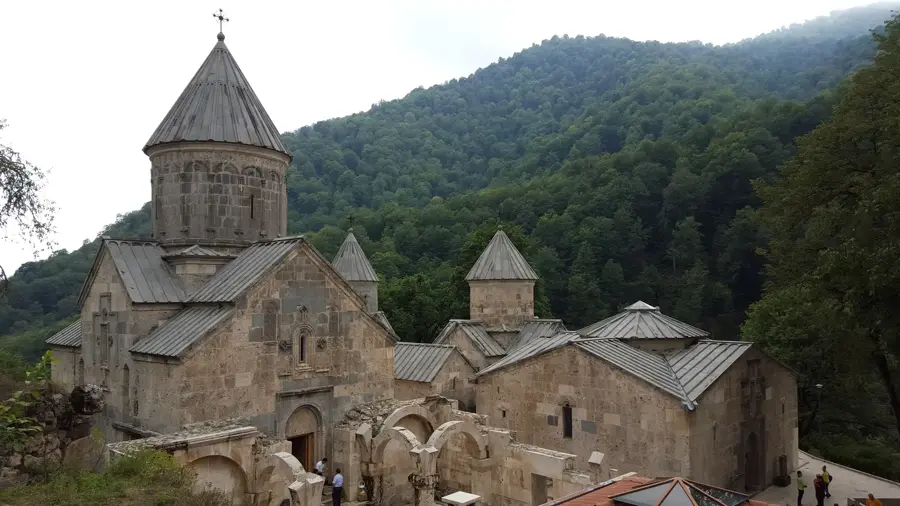
A medieval Armenian monastic complex featuring the ruins of a historically significant Christian church.

Chapel Toukh Manouk📍 landmark

A small medieval chapel serving as a local pilgrimage site and an example of regional church architecture.

Sights nearby

Frequently asked questions

What makes the Vardenis Mountains interesting?
It is a high, cool range with wide plateaus and an alpine feel. If you like quiet mountain landscapes, this area gives a lot of space and calm.
When is the best time for hiking?
Usually July to September, when snow is least likely. In early summer, higher passes can still be closed or wet.
How difficult are the routes?
Many routes are moderate, but altitude, wind, and limited infrastructure raise the challenge. Good planning matters more than pure technique.
Do you need special gear?
Weatherproof clothing, sturdy boots, and enough water are must-haves. For longer hikes, a map, power bank, and an extra warm layer are very useful.
Is the range good for nature photography?
Yes, especially for the clear lines, plateaus, and wide visibility. The best light is usually in the morning or just before sunset.
Vardenis Mountains: where is it located?
Vardenis Mountains is located in Armenia.
Vardenis Mountains: what is there to see?
Highlights include Astkhadzor, Tsrtut, Rusa I inscription.
Vardenis Mountains: when is the best time to visit?
The most pleasant time to visit is Jul, Sep.
Vardenis Mountains: why is it worth visiting?
The Vardenis Mountains are situated in the southern part of the Sevan basin, forming a natural boundary between the Gegharkunik and Vayots Dzor provinces.
View on map → The Top 50 Attractions → OpenStreetMap →
Asia
Explore with Plizio Discover more places in Asia
More places in Armenia →

Nearby cities

History & landmarks
Nature
More places