Plizio Visual Lab

Azat Valley
Plizio editorial teamData Sources
valley
—°8
Azat Valley (Armenia)

Weather…

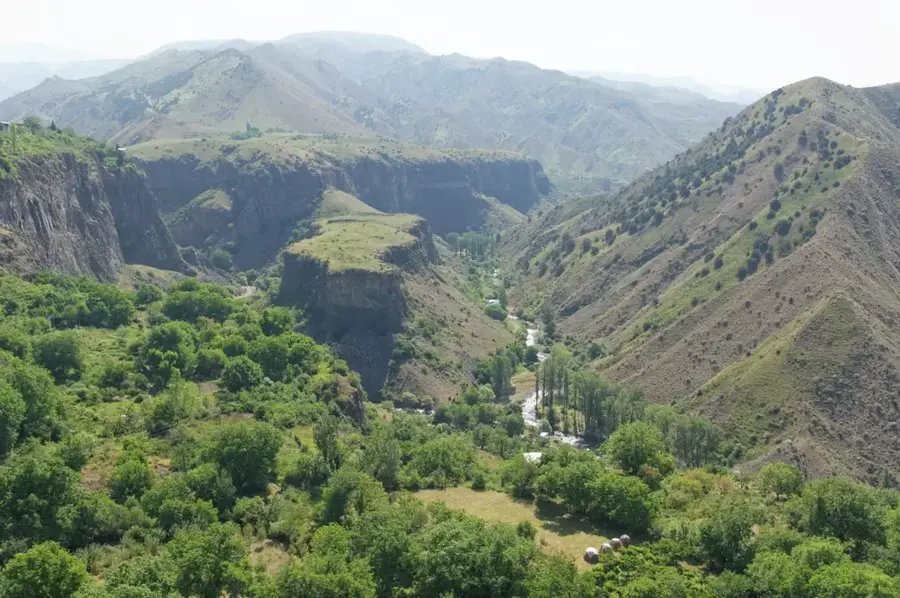
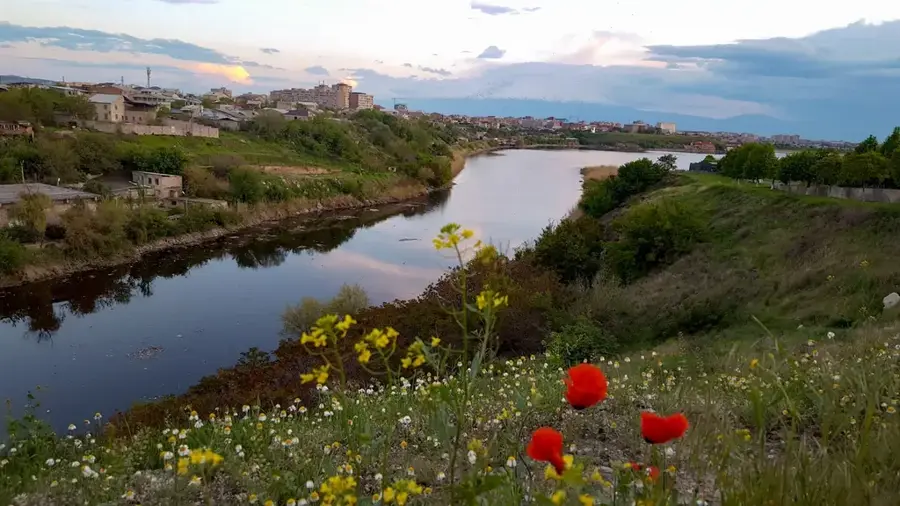
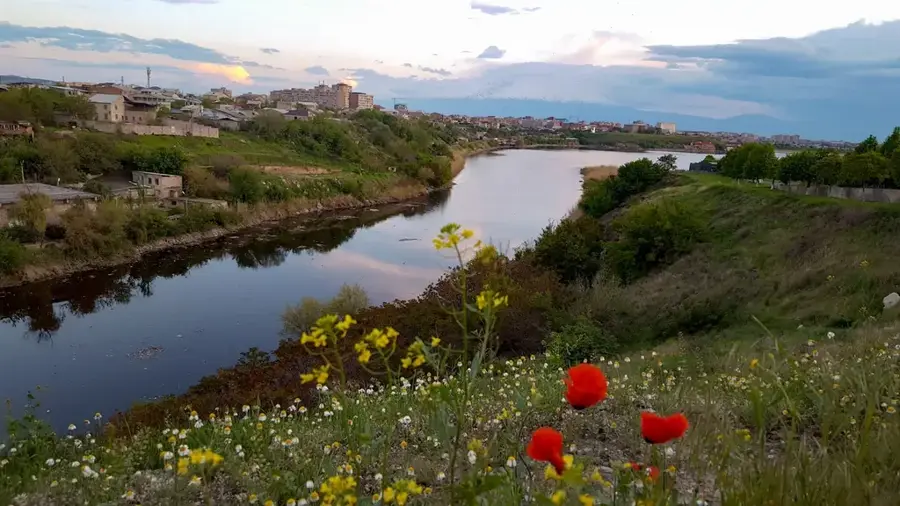
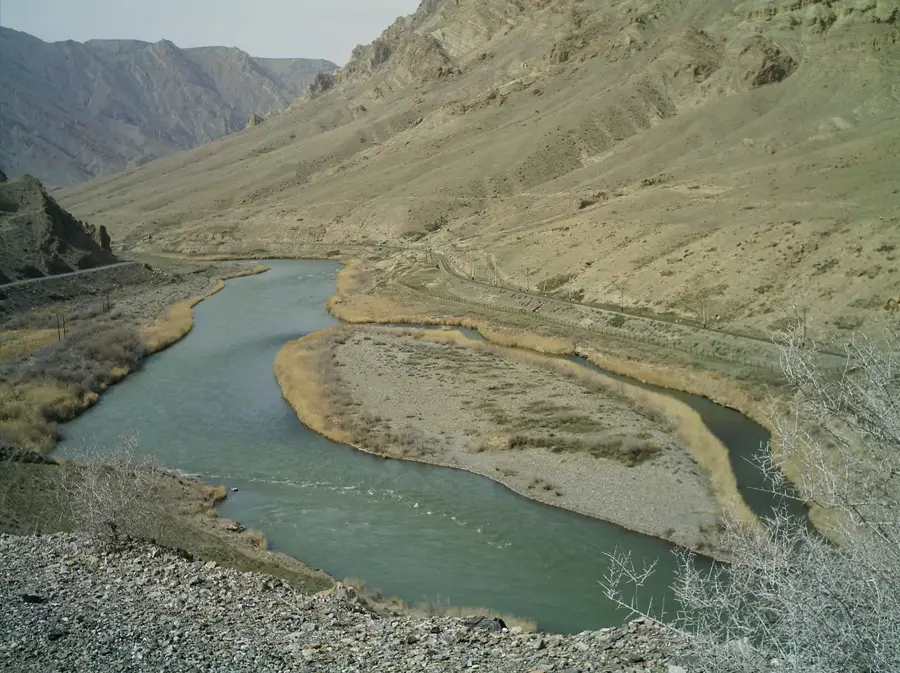
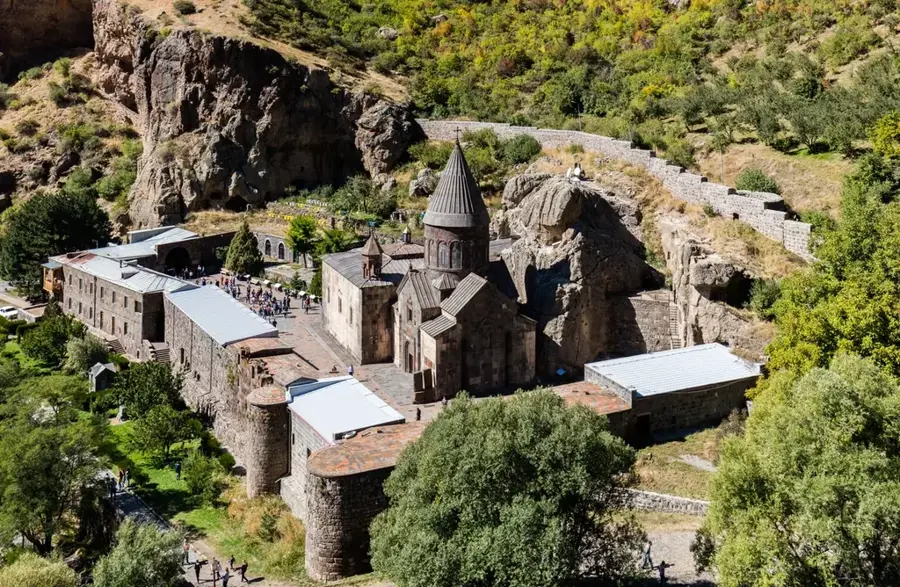
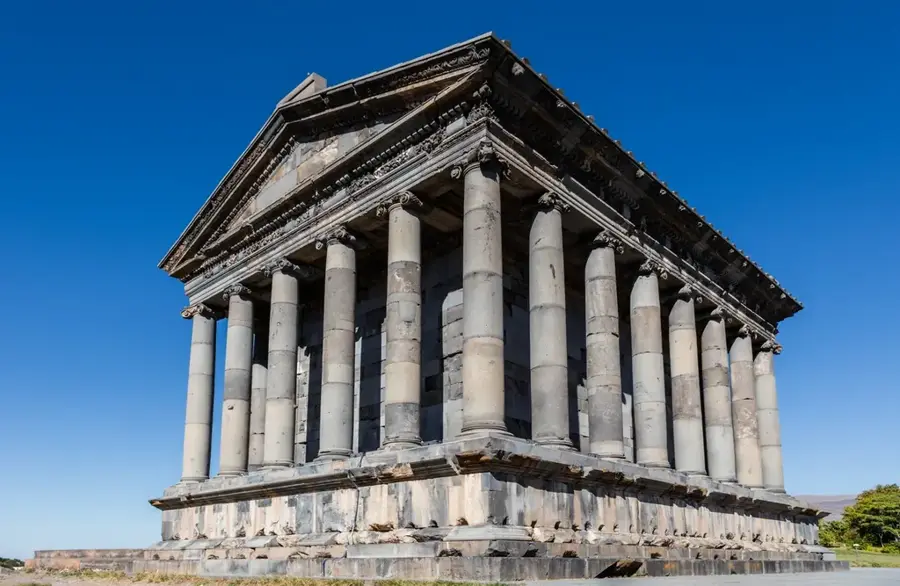
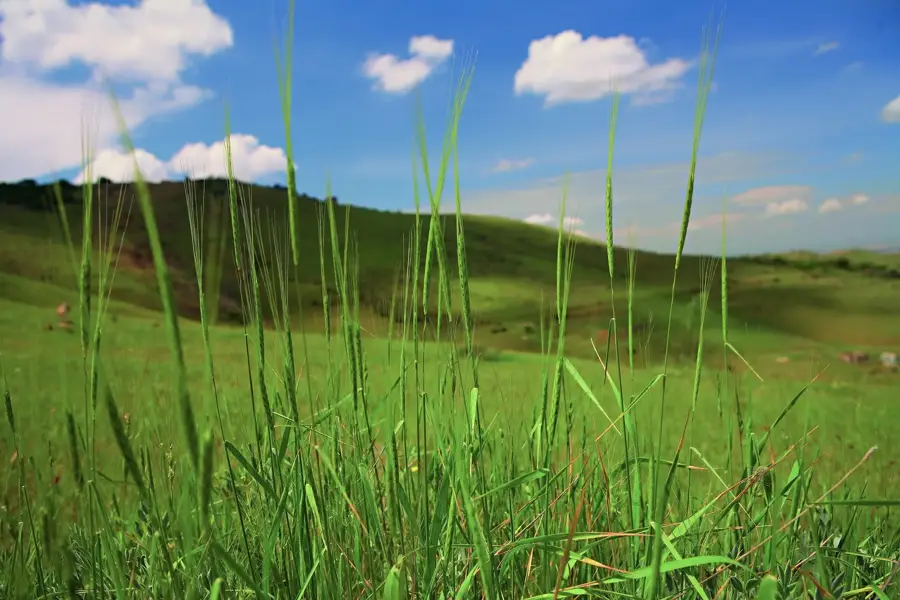
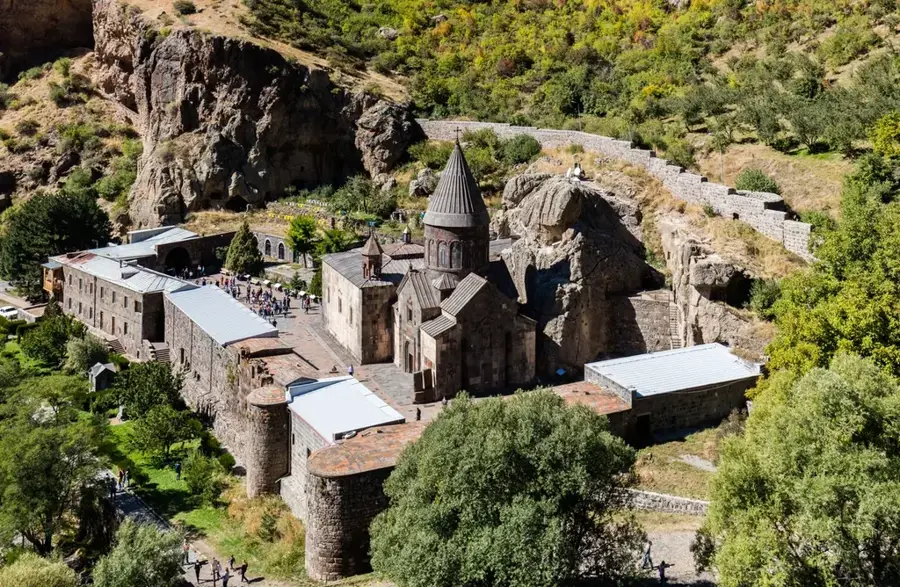
The Azat Valley in central Armenia is a region of extraordinary natural beauty and immense historical significance, best known for housing the Geghard Monastery and the pagan Temple of Garni. The Azat River has carved a dramatic gorge famous for its unique geological formations, most notably the 'Symphony of Stones', massive hexagonal basalt columns that resemble a giant pipe organ. Geographically, the valley stretches from the Geghama Mountains down toward the Ararat plain, playing a vital role in the region's water management and ecology. The upper Azat Valley, along with the Geghard Monastery, is designated as a UNESCO World Heritage site, as it perfectly exemplifies the harmonious integration of medieval Armenian architecture into the surrounding rugged cliffs. Its combination of pre-Christian ruins, rock-cut Christian sanctuaries, and bizarre natural rock formations makes the valley a cornerstone of Armenia's cultural and environmental heritage.

Best time to visit & climate

The most pleasant time to visit is Jul–Sep.

JanFebMarAprMayJunJulAugSepOctNovDec
Avg °C-6-426121721211692-3
Rain mm161529425744251920331915

📋 Practical info

🧭
Getting there
The valley is easily accessible from the capital city of Yerevan via well-paved roads, making it a highly popular destination for day trips.
📅
Best season
Late spring to early autumn is generally the best time for a visit, offering pleasant temperatures and lush green landscapes throughout the valley.
⛰️
Terrain & paths
Visitors can expect a mix of smooth dirt paths along the river and slightly rocky trails leading to historic monuments and natural viewpoints.
🎒
What to bring
Sturdy walking shoes are generally sufficient for the main trails, though bringing a daypack with water, snacks, and a light jacket is advisable.
🅿️
Parking
There are usually organized parking lots available near major attractions like the Garni Temple, serving as practical starting points for valley hikes.
⚠️
Safety
The primary walking routes are well-trodden and generally very safe, but hikers should be cautious near steep riverbanks and rocky overhangs.
⏱️
Time needed
A comprehensive visit to the main sites and a leisurely hike through the valley typically requires at least half a day to a full day.

Geography

Coordinates
40.10000, 44.80000

Facts

  • The Azat Valley was recognized as a UNESCO World Heritage site in 2000.
  • The Azat River flows for 55 kilometers and is a tributary of the Araks.
  • The 'Symphony of Stones' columns were formed by the rapid cooling of lava.
  • The Temple of Garni is the only standing Greco-Roman colonnaded building in Armenia.
  • The Azat Reservoir has a storage capacity of roughly 70 million cubic meters.
  • Ancient cave dwellings in the valley date back to the prehistoric era.

Explore nearby

Notable places around

Route planner — Car & Motorhome

Where do you start? We build the route here, with stops and country notes along the way.

Vehicle
Only stops with (optional):

© OpenStreetMap contributors · OpenRouteService

Sights in the town Azat Valley (8)

Vishapakar🌿 nature

Vishapakar is a prehistoric dragon stone standing on the plateau above the Azat Gorge.

Itsasar🌿 nature

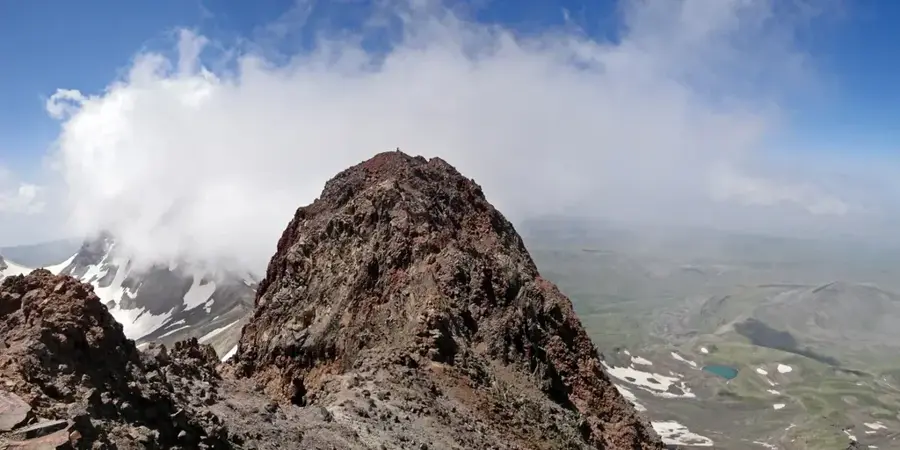
Itsasar is a peak in the Geghama range known for its steep, rocky summit.

Qaragagat🌿 nature

Qaragagat is a four-peaked mountain offering panoramic vistas of the Armenian highlands.

Kakavaberd (Kaqavaberd)📍 landmark

Kakavaberd is an imposing medieval fortress perched on a high ridge overlooking the Azat River.

St. Stepanos (Aghjots Vank)📍 landmark

St. Stepanos (Aghjots Vank) is a remote 13th-century monastery featuring detailed biblical reliefs.

Kaqavaberd🏺 historical

Kaqavaberd comprises the massive defensive walls of the medieval fortress rising above the canyon.

Small Glan🏺 historical

Small Glan are the ruins of a small medieval watchtower located on a strategic hill.

Geghmahoviti ekeghets`i🏺 historical

The church of Geghmahovit is the remnant of a 13th-century place of worship in the mountain valley.

Sights nearby

Frequently asked questions

What kind of destination is the Azat Valley?
It is a scenic valley with rock formations, open views, and classic day-trip routes. Great for nature, history, and short stops.
How long should you spend there?
A few hours are enough for the main stops, while a relaxed visit takes half a day. If you want to hike, plan more time.
When is the valley at its best?
Spring brings lush green, and autumn has especially soft light. Summer colors are strong, but midday heat can be intense.
Is the valley family-friendly?
Yes, if you choose short sections and safe viewpoints. With small children, easy walks are better than longer hikes.
Is it good for photography?
Yes, especially with low sun and clear skies. The mix of rock, valley, and broad horizon makes for strong images.
Azat Valley: where is it located?
Azat Valley is located in Armenia.
Azat Valley: what is there to see?
Highlights include Vishapakar, Itsasar, Qaragagat.
Azat Valley: when is the best time to visit?
The most pleasant time to visit is Jul, Sep.
Azat Valley: why is it worth visiting?

The Azat Valley in central Armenia is a region of extraordinary natural beauty and immense historical significance, best known for housing the Geghard Monastery and the pagan Temple of Garni.
View on map → The Top 50 Attractions → OpenStreetMap →
Asia
Explore with Plizio Discover more places in Asia
More places in Armenia →

Nearby cities

History & landmarks
Nature
More places