Attractions in Afghanistan
The finest attractions in Afghanistan at a glance: castles, natural wonders, historic old towns and more. Each place links to a detailed page with map, tips and photos.
Culture & History
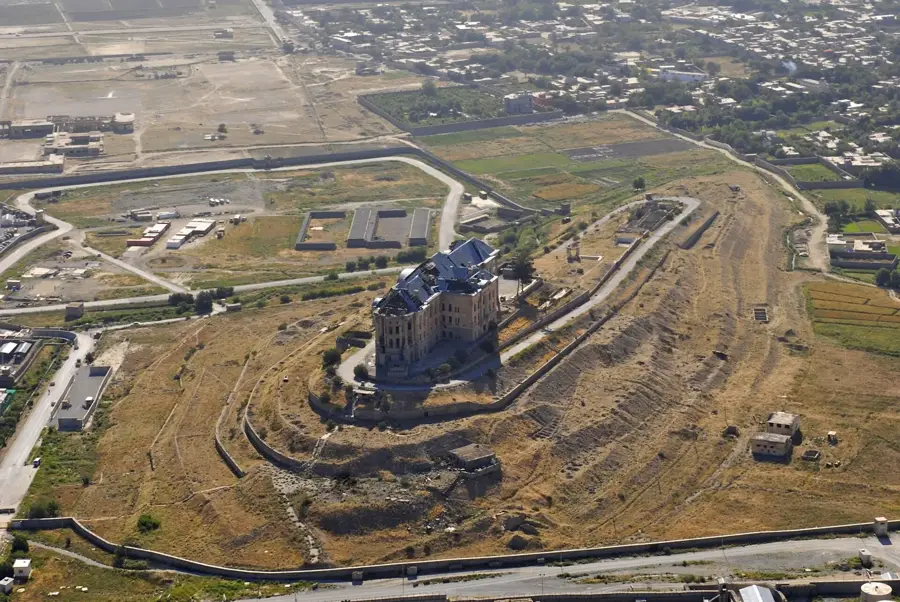
Tajbeg Palace
A monumental palace on a hill in Kabul that served as a royal residence.
Learn more →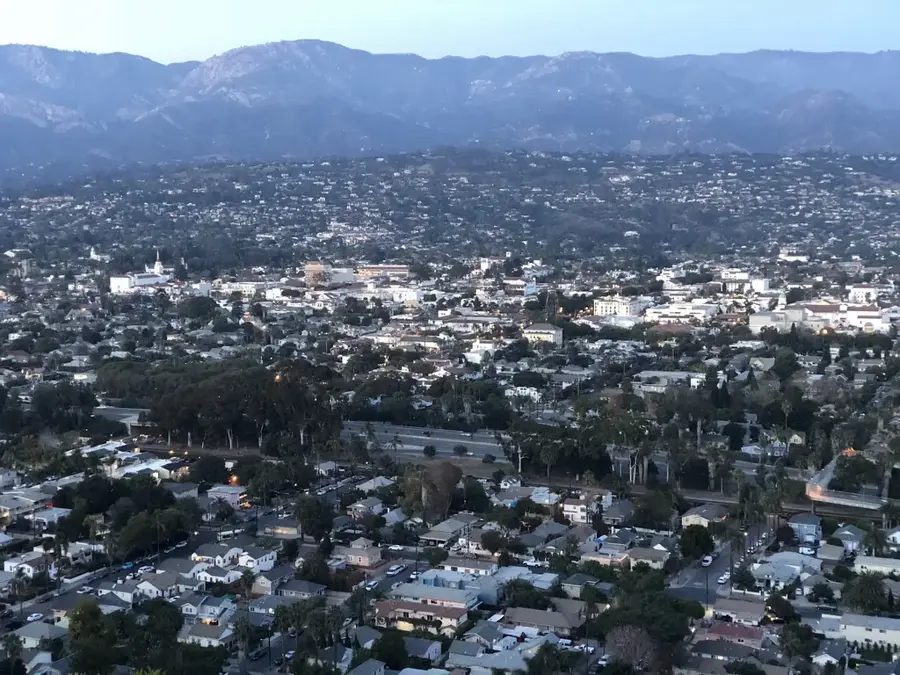
Koh-e Asamai (TV Hill)
A prominent mountain in the middle of Kabul, covered with numerous antenna masts.
Learn more →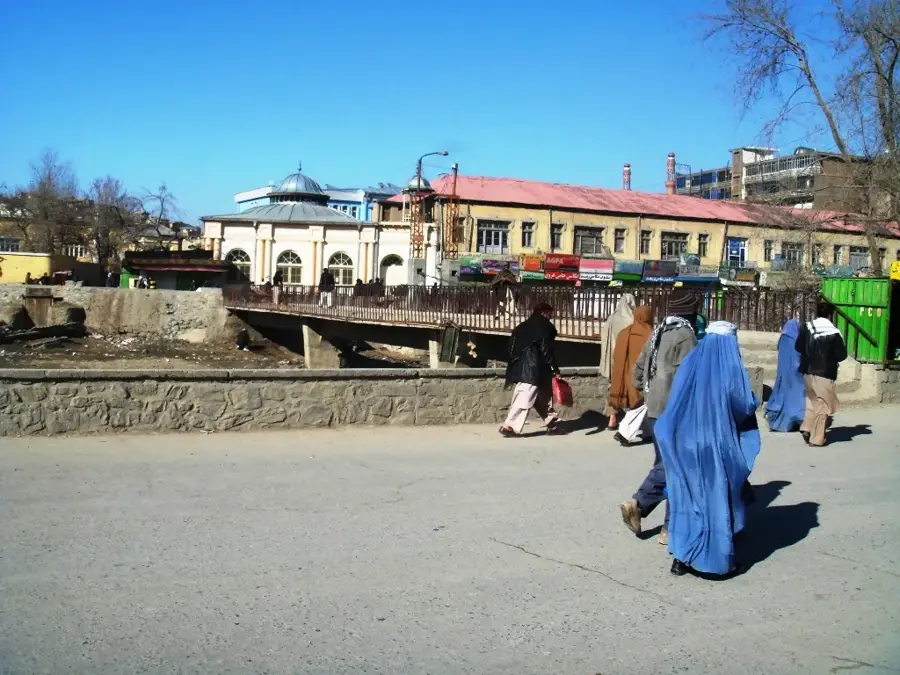
Pul-e Khishti Mosque
With its striking blue dome, this mosque in the bustling center of Kabul cannot be missed.
Learn more →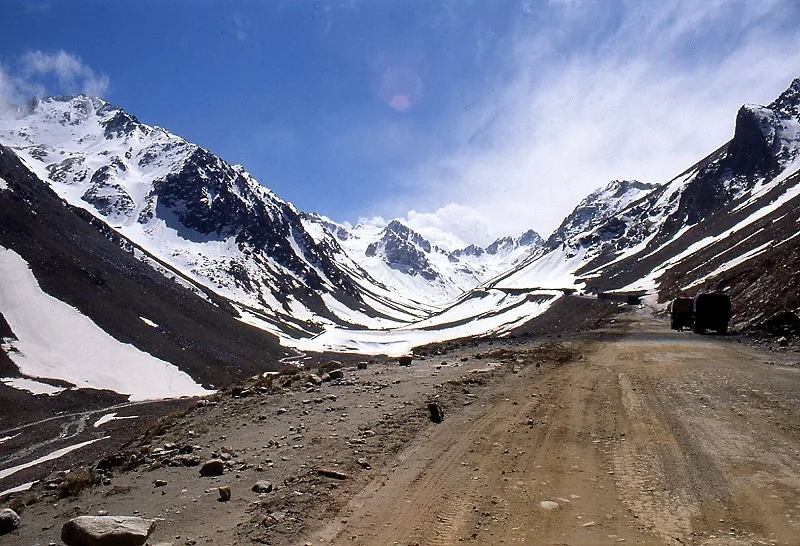
Salang Pass
The Salang Pass is one of the most important mountain routes in the Hindu Kush.
Learn more →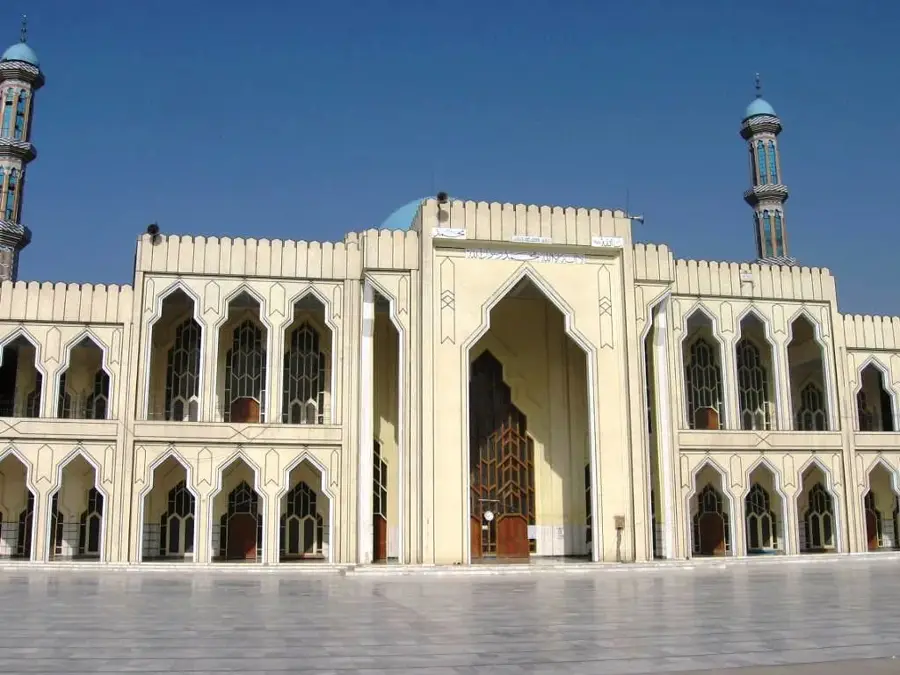
Great Mosque of Khost
This impressive Islamic structure is the religious center of Khost.
Learn more →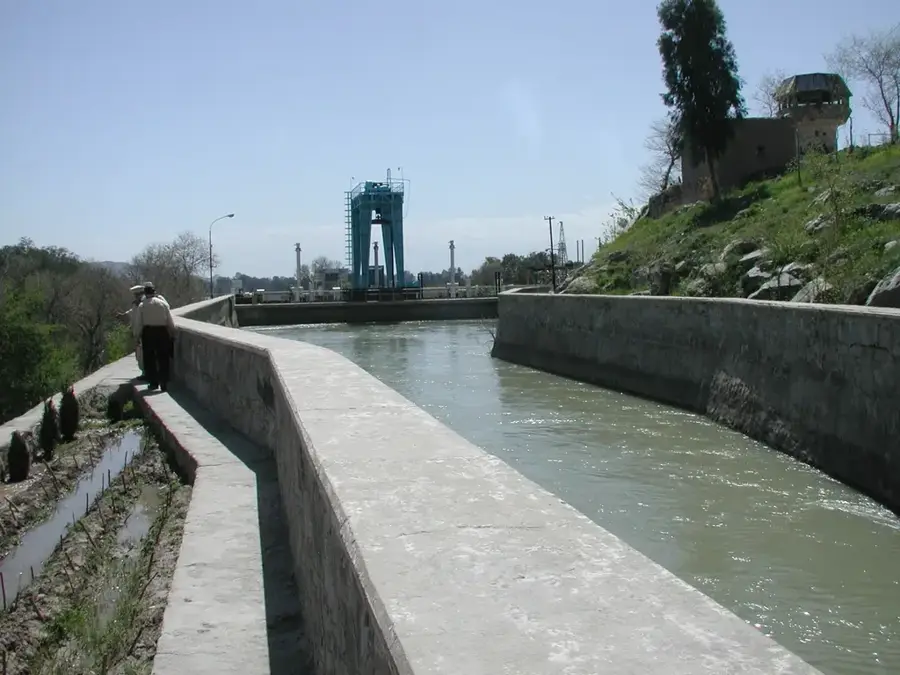
Darunta Dam
This hydroelectric dam on the Kabul River near Jalalabad not only provides energy but also creates a picturesque reservoir.
Learn more →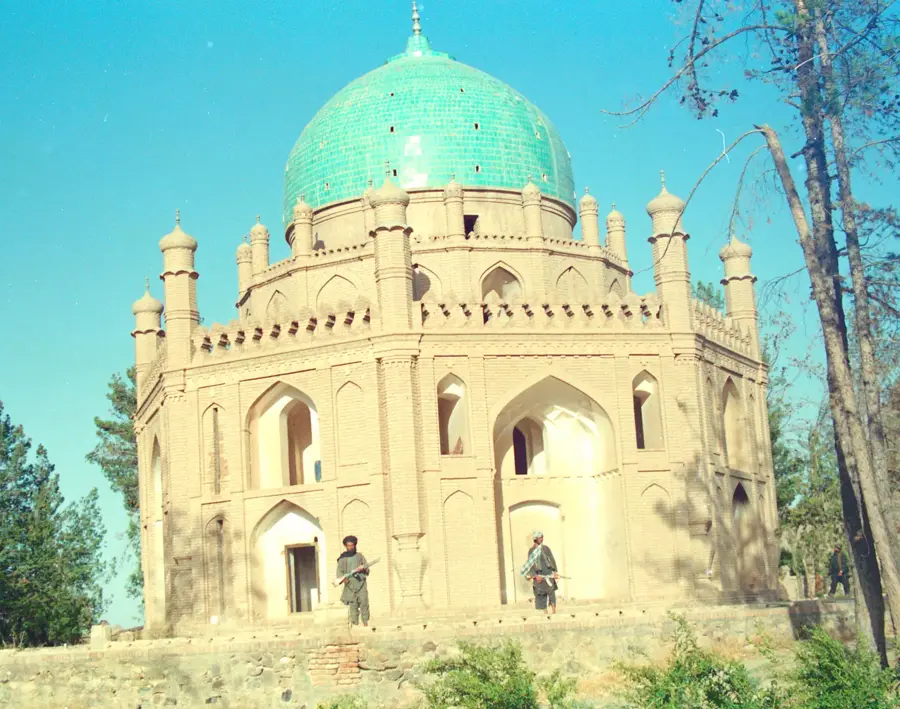
Mausoleum of Mirwais Hotak
The mausoleum in Kandahar honors Mirwais Hotak, an Afghan tribal leader who overthrew Persian rule in the early 18th century.
Learn more →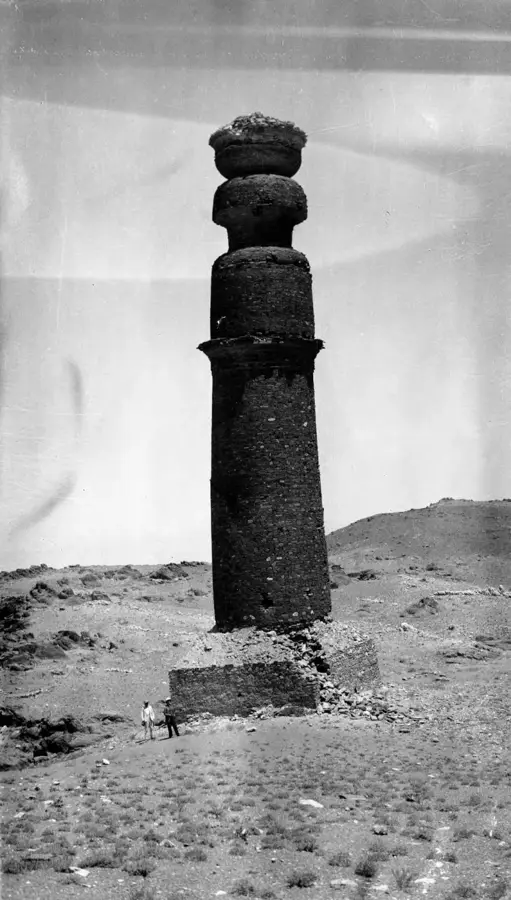
Minaret of Chakari
An ancient Buddhist monument standing on a mountain ridge outside Kabul.
Learn more →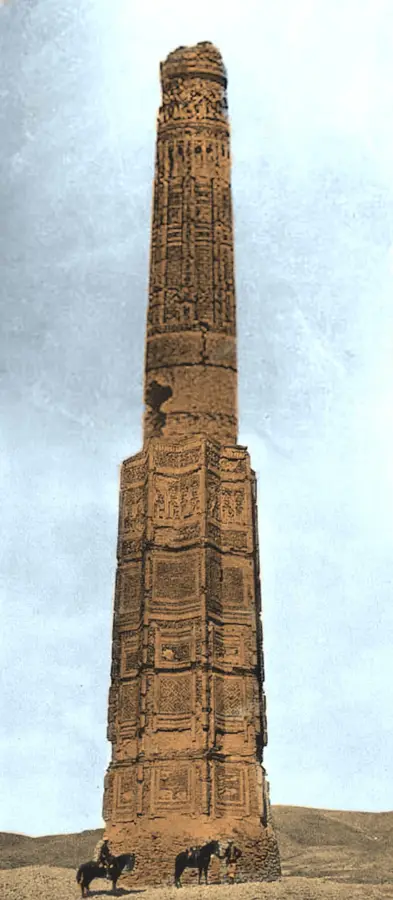
Minarets of Ghazni
The Minarets of Ghazni are two towering, star-shaped turrets from the 12th century, decorated with terracotta reliefs.
Learn more →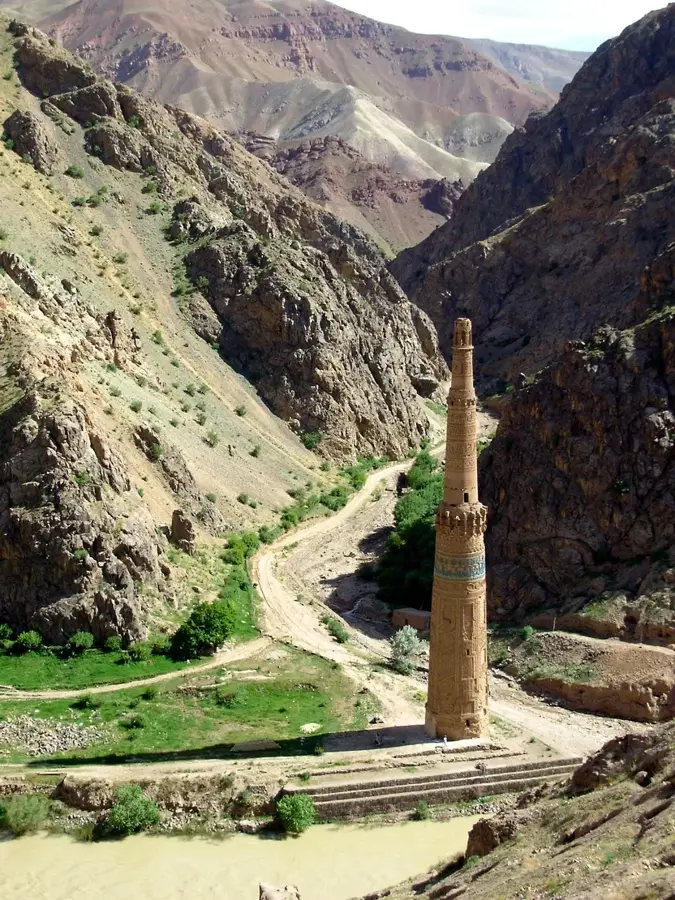
Minaret of Jam
The Minaret of Jam is a 65-meter-tall brick tower from the 12th century, known for its intricate decorations.
Learn more →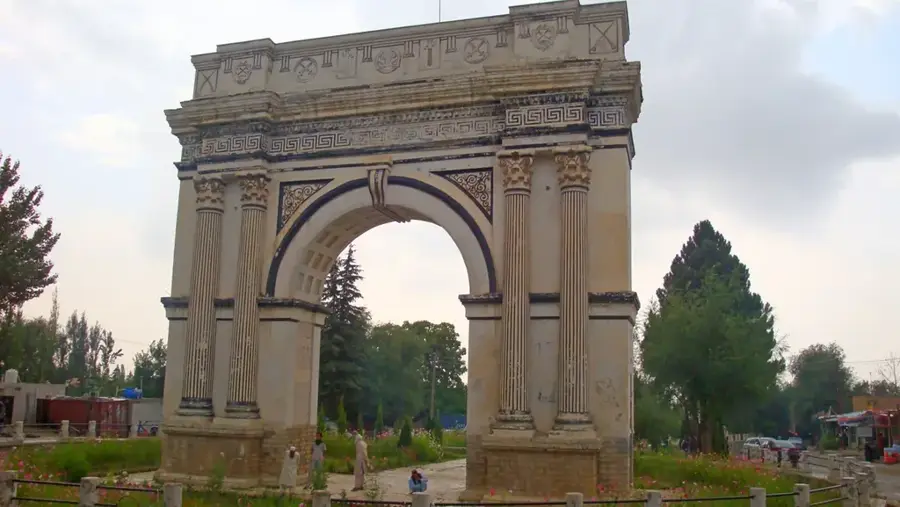
Taq-e Zafar
Taq-e Zafar is a victory arch in Paghman near Kabul, built in 1919 to celebrate Afghan independence.
Learn more →Nature
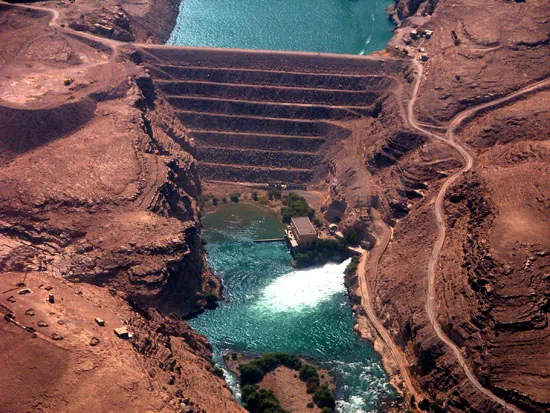
Kajaki Reservoir
The Kajaki Reservoir on the Helmand River is one of Afghanistan's most important water reservoirs.
Learn more →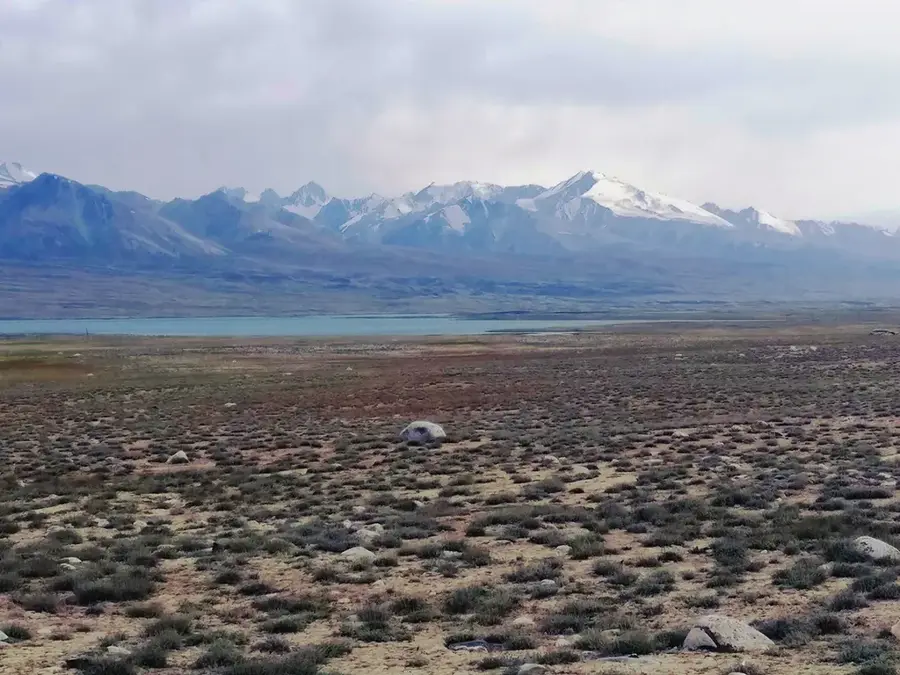
Lake Zorkul
This remote high mountain lake in the Pamir Mountains marks part of the border between Afghanistan and Tajikistan.
Learn more →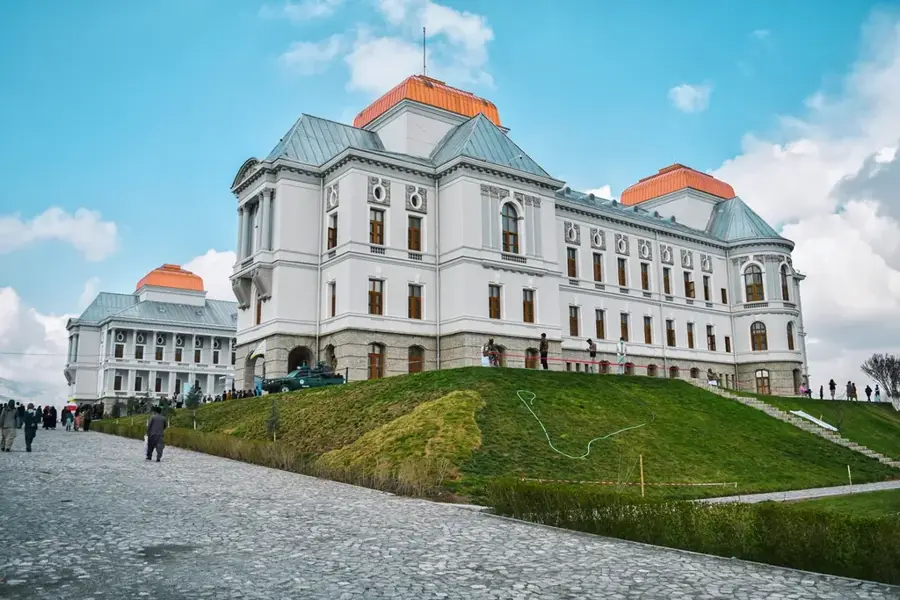
Darul Aman Park
A spacious public park surrounding the newly restored Darul Aman Palace, offering a peaceful retreat for families.
Learn more →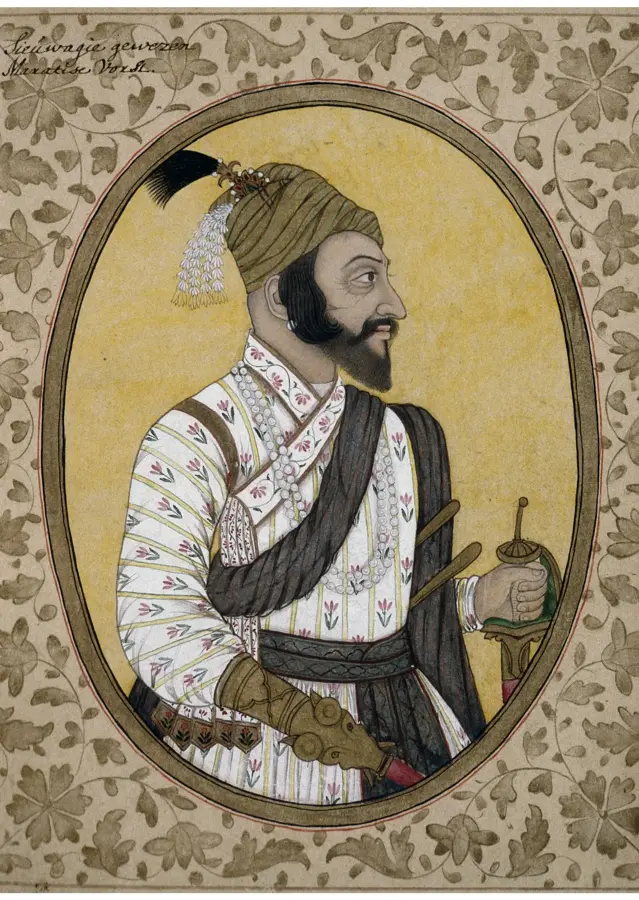
Shiva Lake
Shiva Lake, also known as Shewa Lake, is a freshwater lake in Badakhshan Province.
Learn more →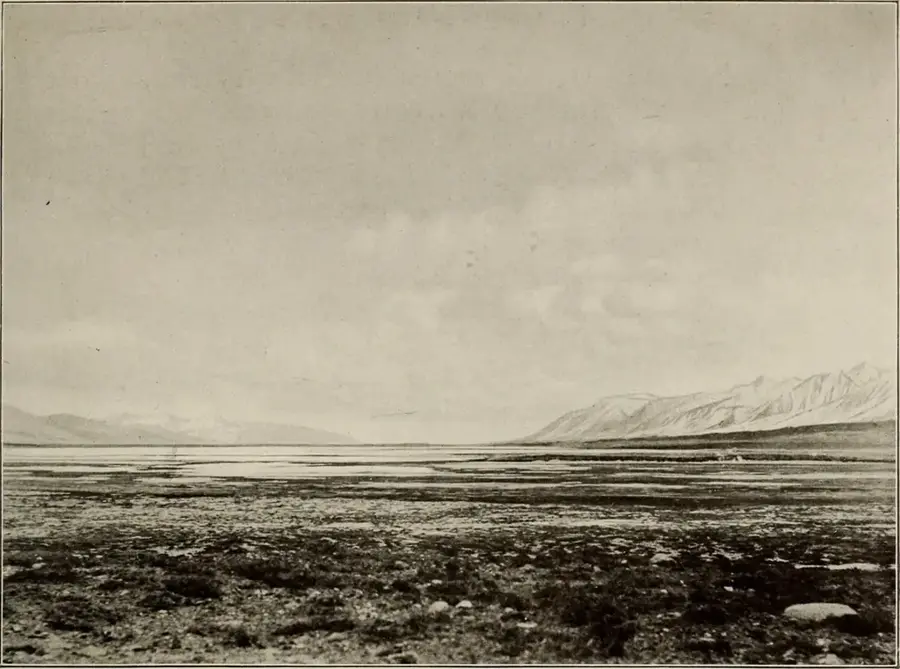
Chaqmaqtin Lake
A picturesque high mountain lake in the Wakhan Corridor.
Learn more →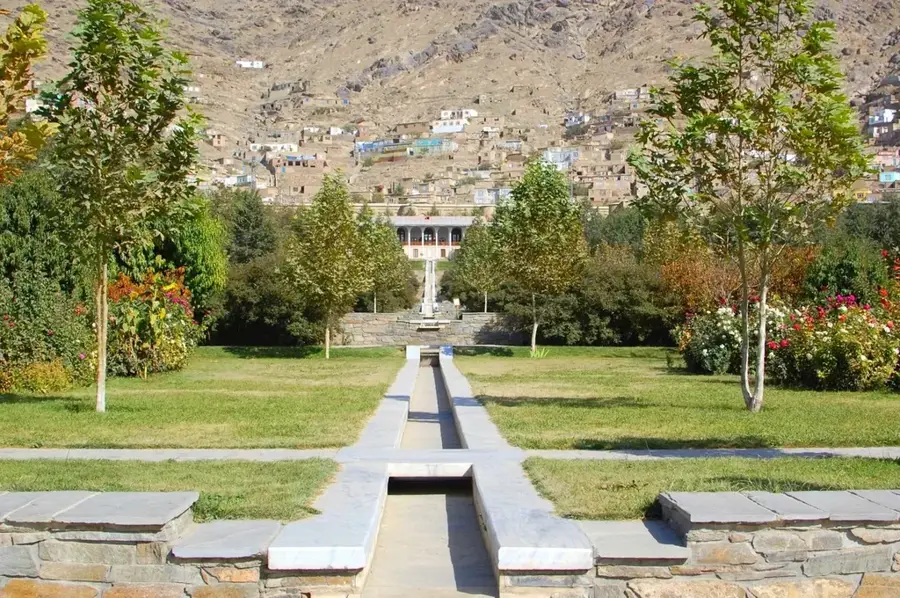
Gardens of Babur
A historic park in Kabul that houses the tomb of the first Mughal emperor Babur and features terraced gardens.
Learn more →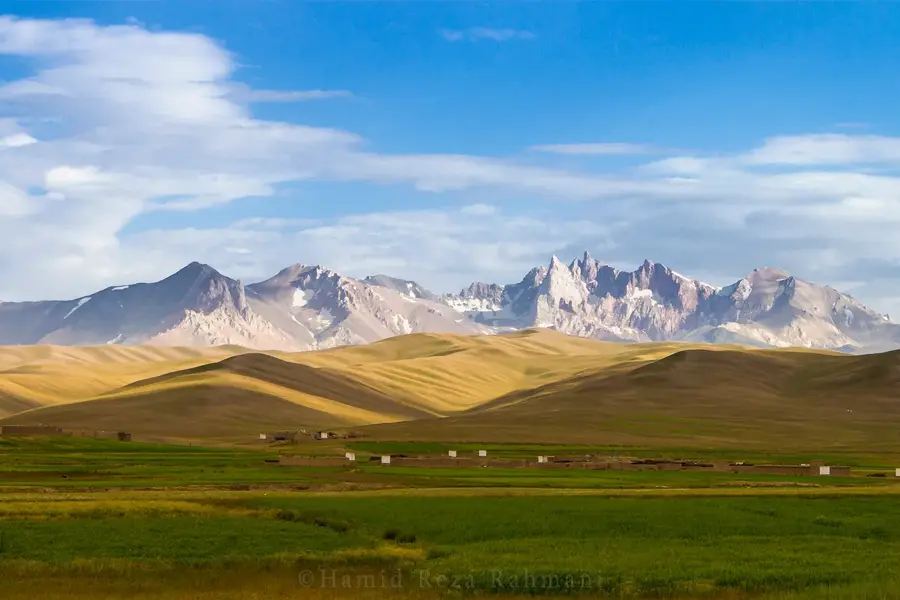
Koh-e Baba
The Koh-e Baba mountain range is the western continuation of the Hindu Kush.
Learn more →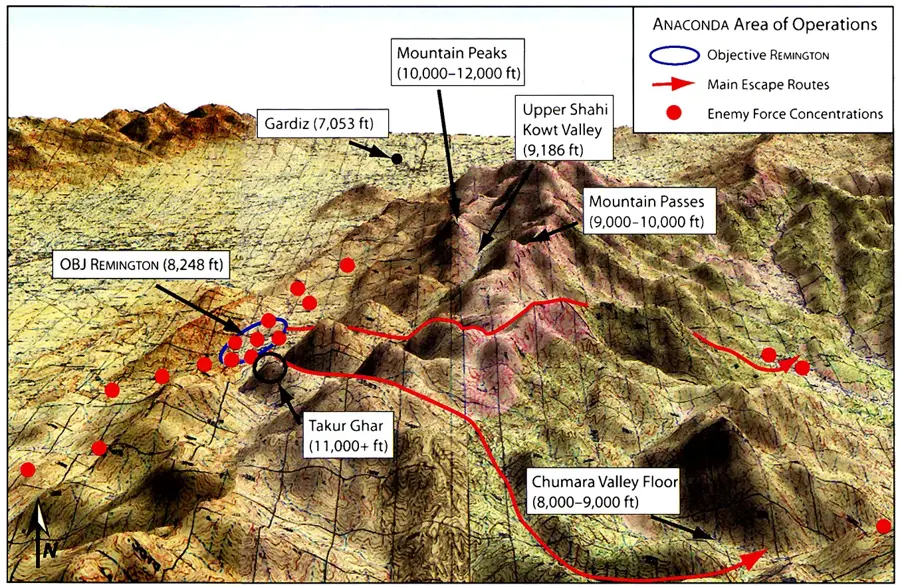
Spin Ghar
Spin Ghar, also known as the White Mountains, is a mountain range that marks the border between Afghanistan and Pakistan.
Learn more →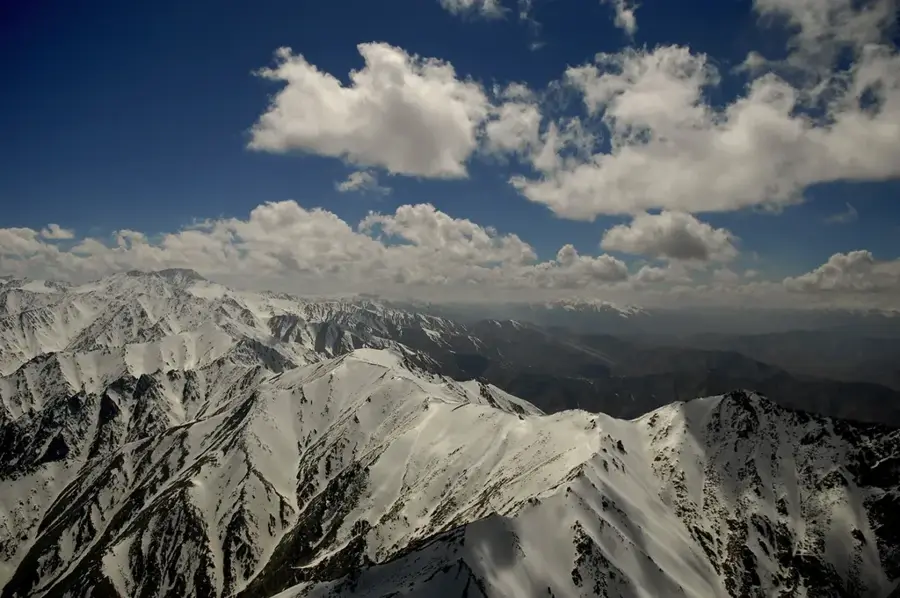
Hindu Kush
The Hindu Kush is a massive high-mountain range in Central Asia that stretches across a large part of Afghanistan, dividing the country geographicall…
Learn more →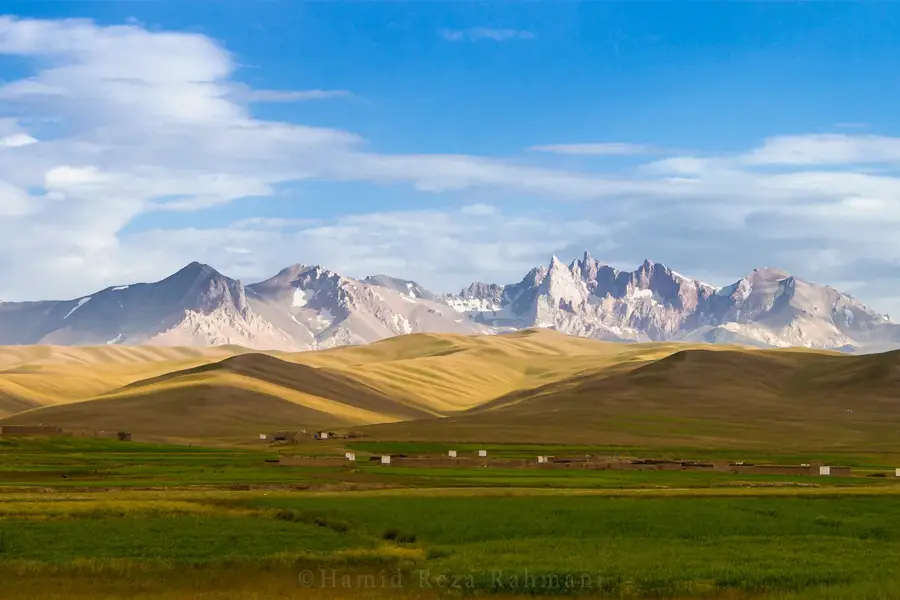
Koh-e Baba
The Koh-e Baba mountain range is a western extension of the Hindu Kush in central Afghanistan and forms the source of several major rivers of the cou…
Learn more →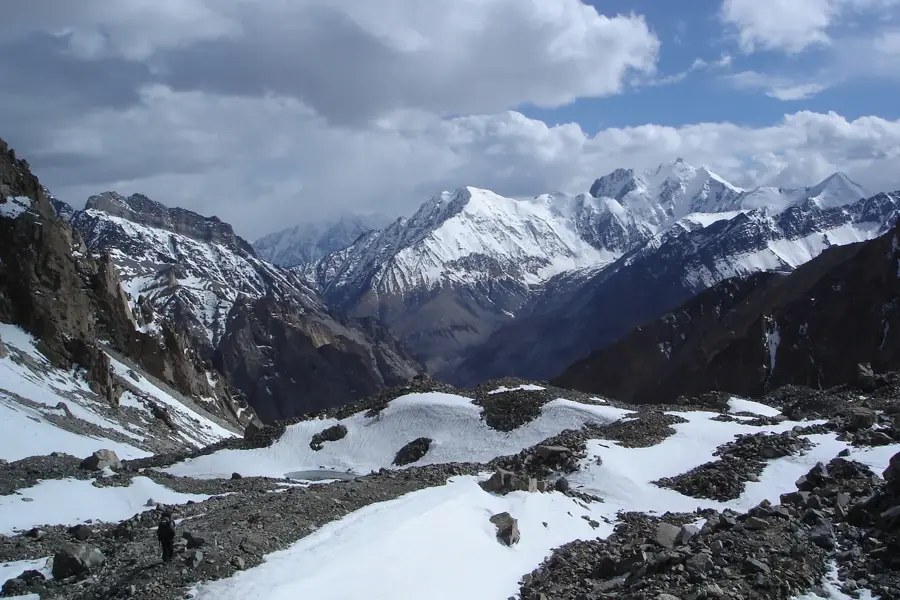
Pamir Mountains (Afghan Part)
The Afghan part of the Pamir Mountains is located in the remote Wakhan Corridor and is characterized by rugged, high alpine landscapes and deep valle…
Learn more →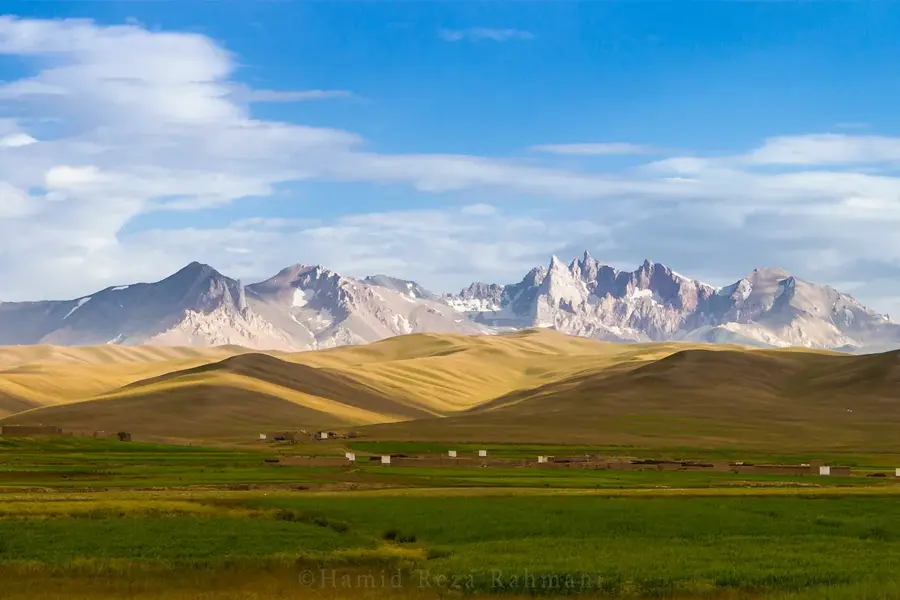
Shah-e Fuladi
Shah-e Fuladi, at over 5,000 meters, is the highest peak of the Koh-e Baba mountain range, towering over the surrounding central Afghan highlands.
Learn more →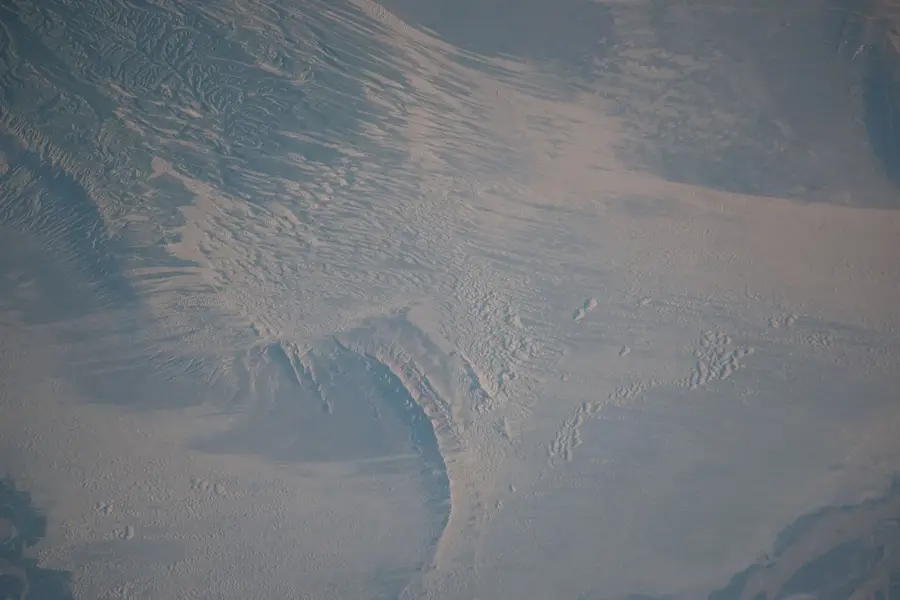
Koh-e Paghman
The Paghman Mountains rise northwest of Kabul, offering a cooler climate and green valleys that contrast sharply with the surroundings.
Learn more →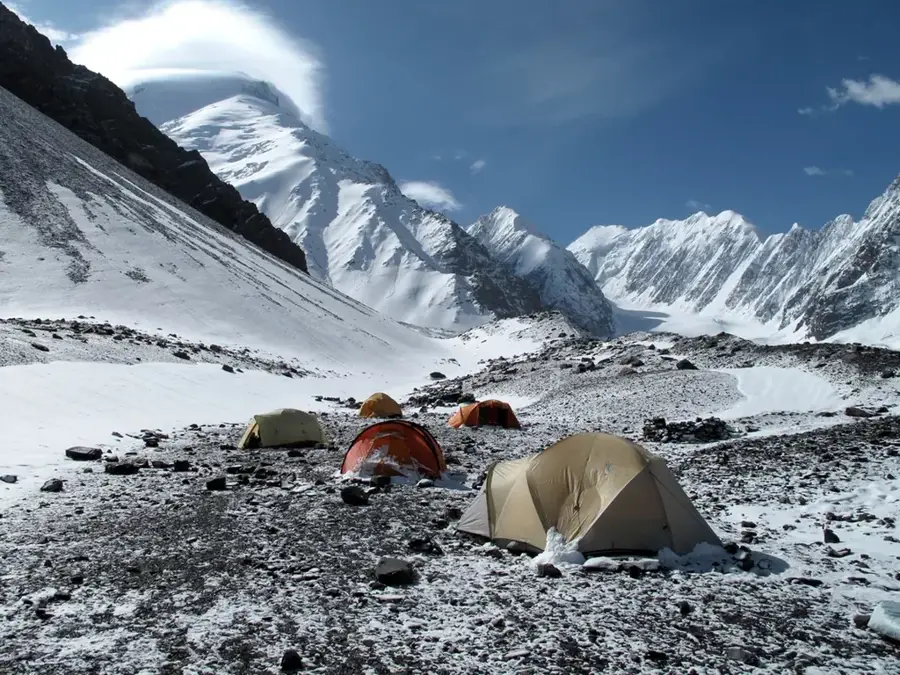
Mount Noshaq
Mount Noshaq is the highest peak in Afghanistan, standing at over 7,400 meters in the Hindu Kush mountain range near the Pakistani border.
Learn more →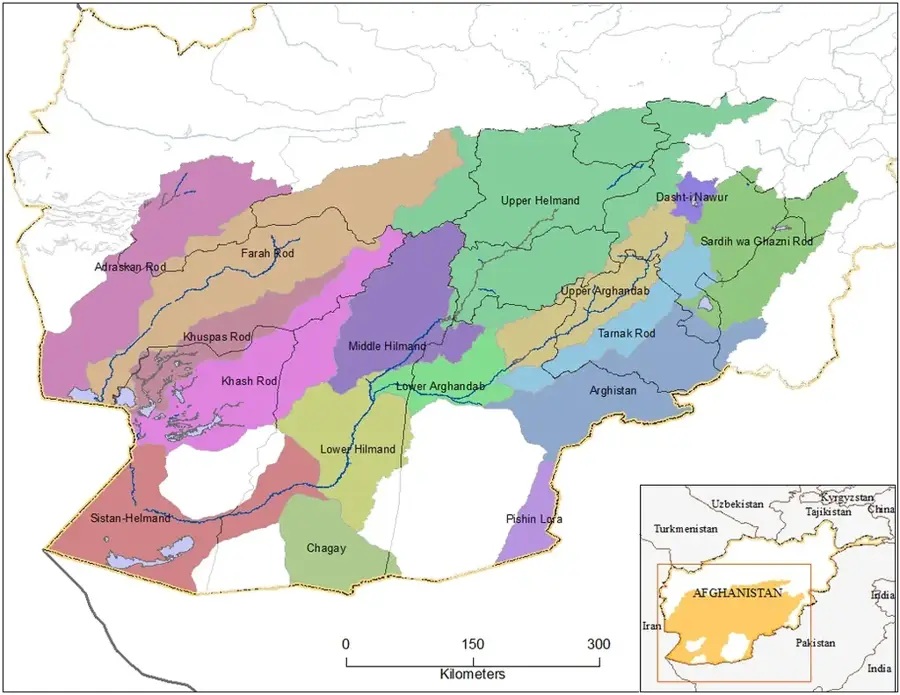
Siah Koh
The Siah Koh, meaning 'Black Mountain' in Persian, is a mountain group stretching through the western and central parts of the country.
Learn more →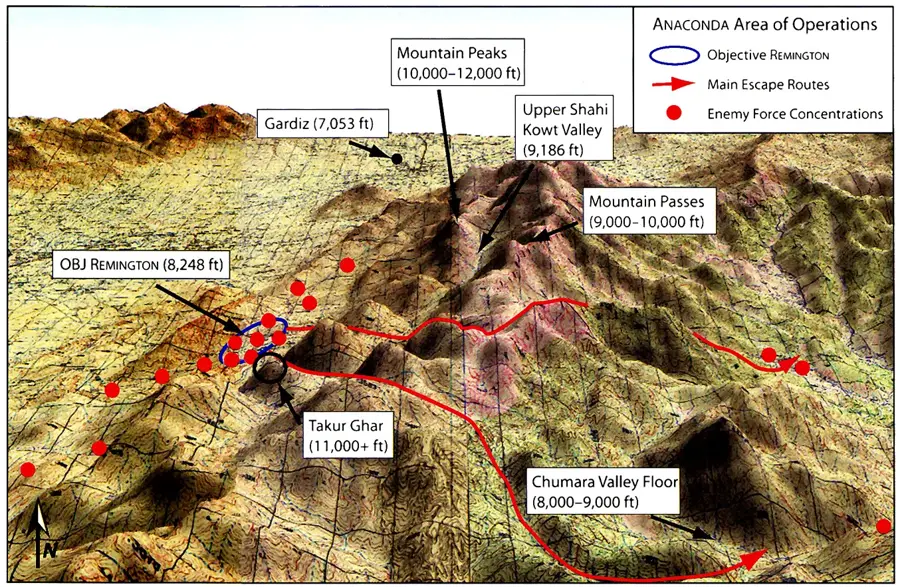
Spīn Ghar
Spīn Ghar, also known as Safed Koh, is a rugged mountain range in eastern Afghanistan, whose highest point is Mount Sikaram.
Learn more →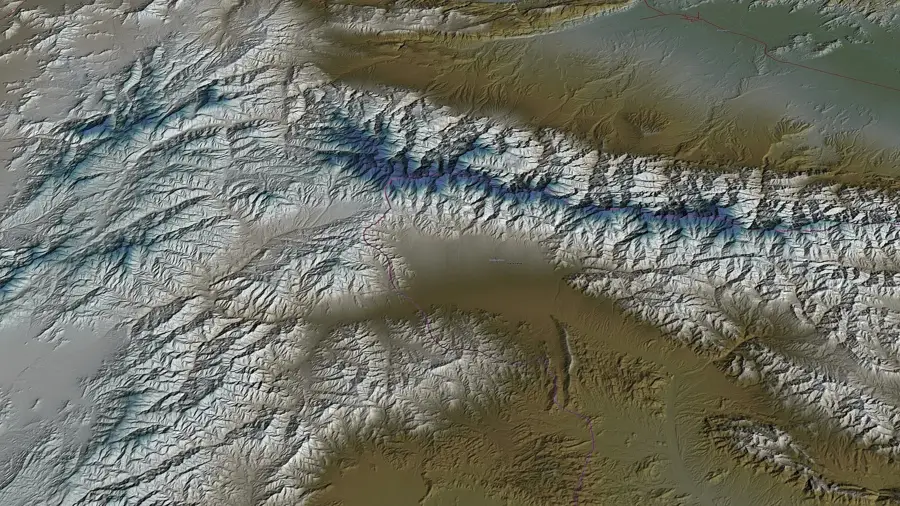
Tora Bora Massif
The Tora Bora Massif is part of the Spīn Ghar mountain range, characterized by a complex cave system in steep, forested terrain.
Learn more →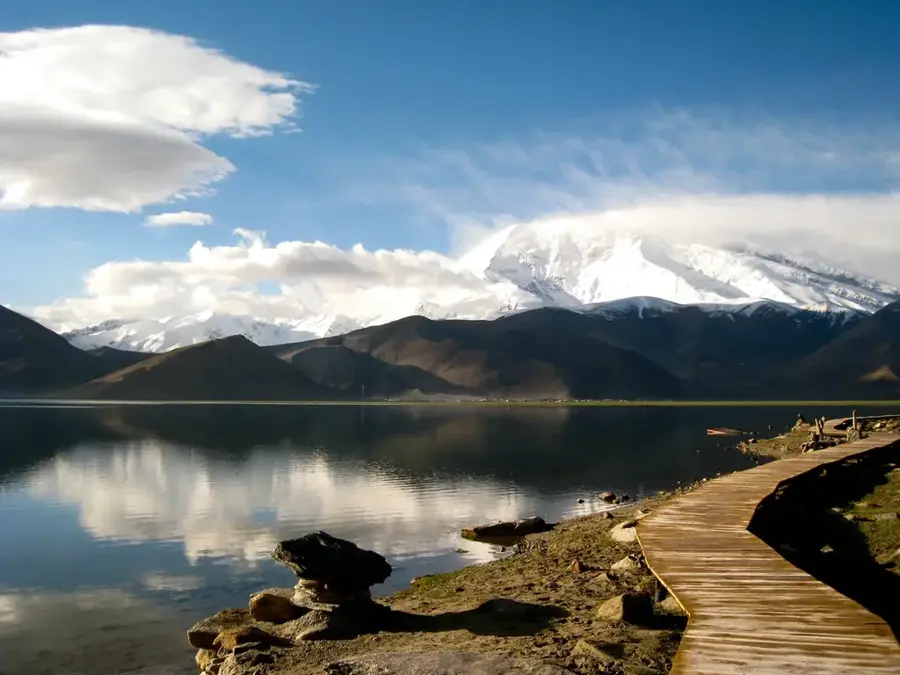
Pamir Mountains
The Pamir Mountains touch northeastern Afghanistan in the Wakhan Corridor.
Learn more →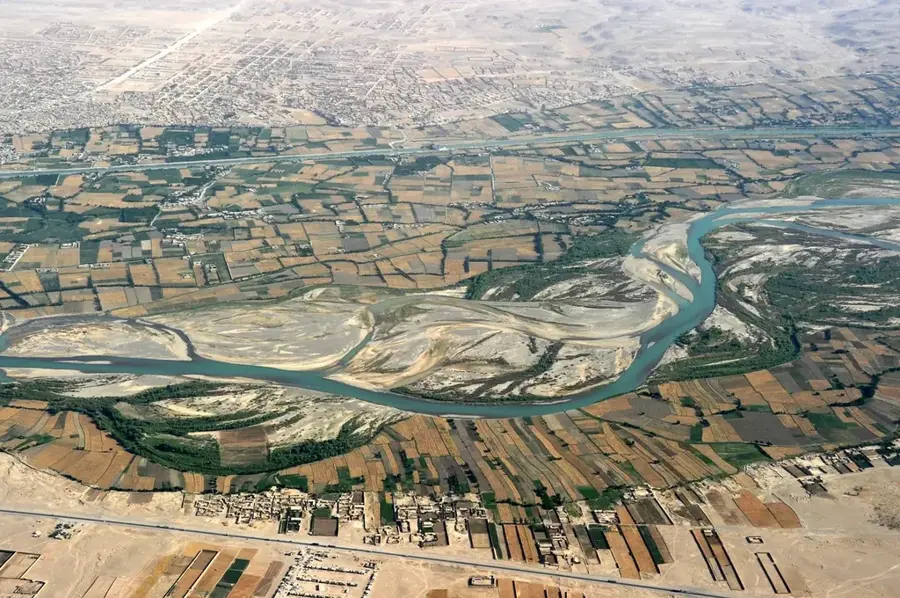
Arghandab River
The Arghandab is the most important tributary of the Helmand.
Learn more →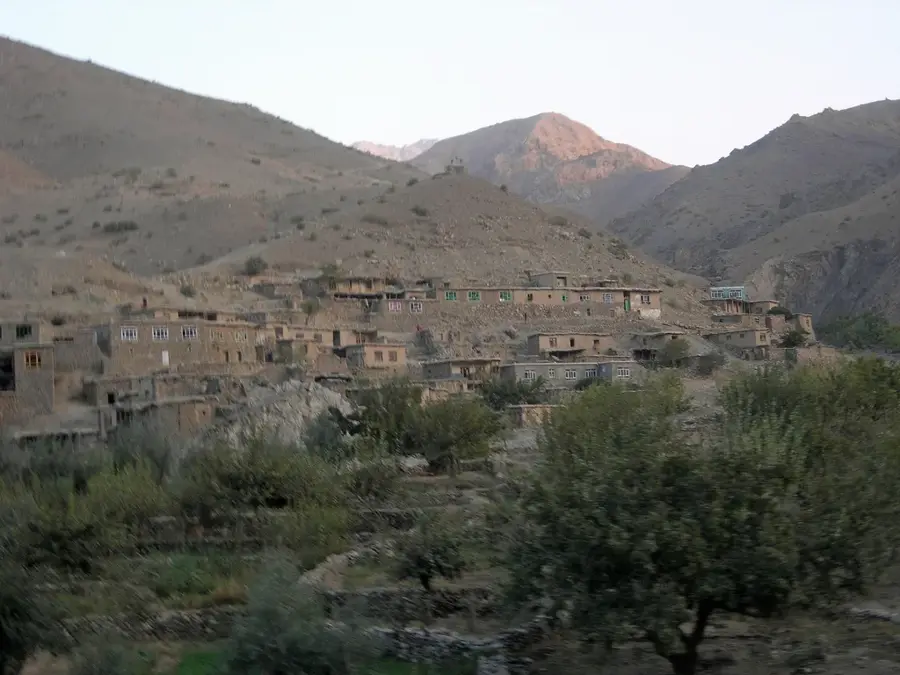
Shah Foladi
The highest peak of the Koh-i-Baba mountain range, offering rugged alpine scenery and permanent snow fields.
Learn more →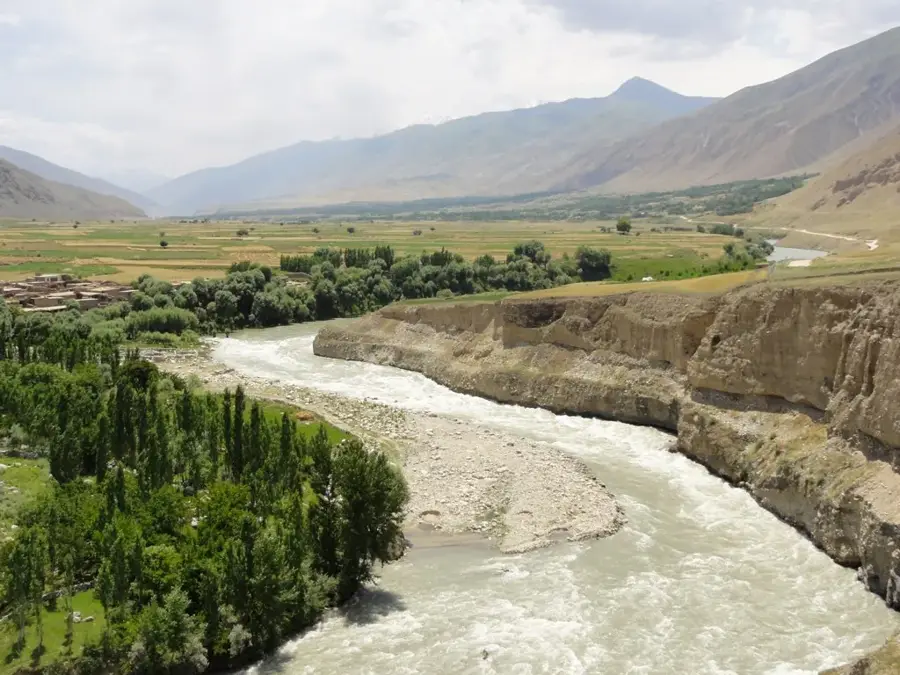
Kokcha River
This river flows through the Badakhshan province in the northeast.
Learn more →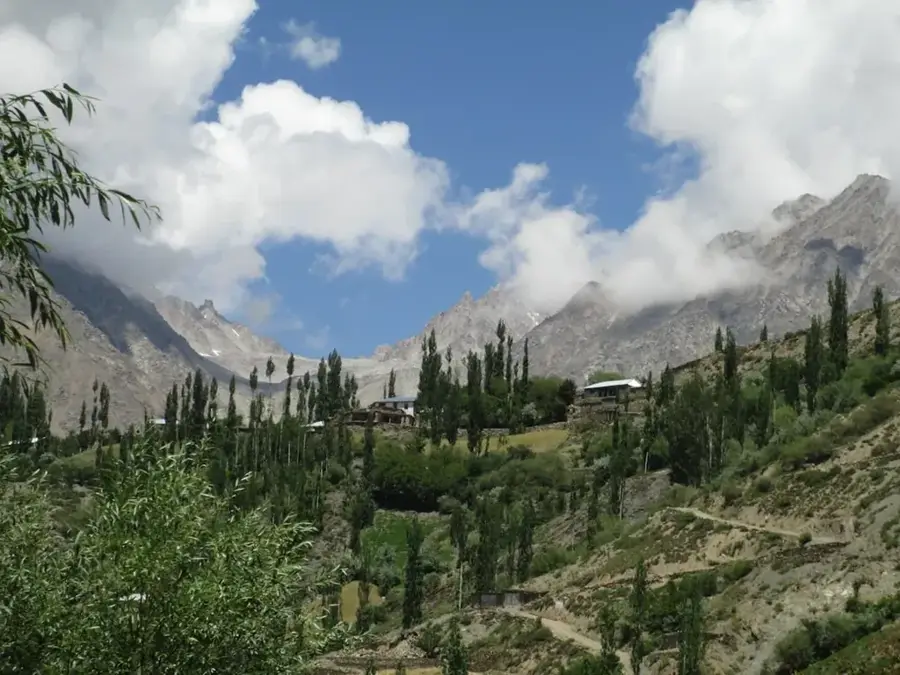
Zarghun Ghar
Zarghun Ghar in Logar province is a distinct mountain range with sparse vegetation and arid rock formations.
Learn more →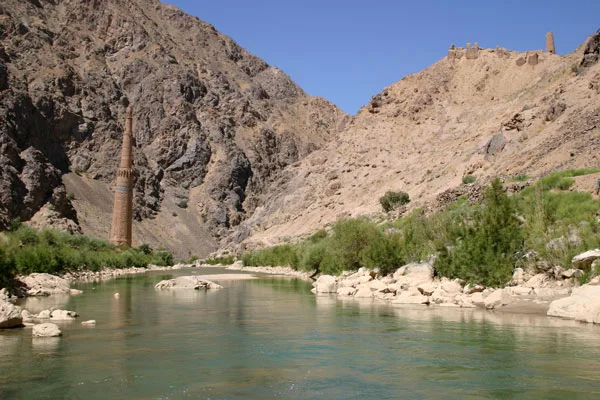
Hari Rud
The Hari Rud flows from the mountains of central Afghanistan westwards through the city of Herat and later forms the border with Iran and Turkmenista…
Learn more →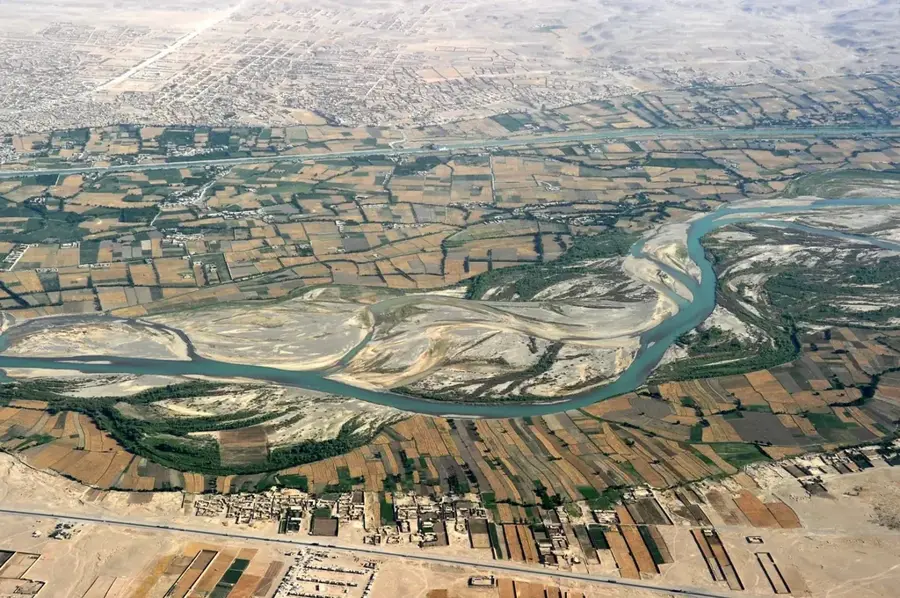
Helmand River
The Helmand is the longest river in Afghanistan and a vital water source for the southern desert regions.
Learn more →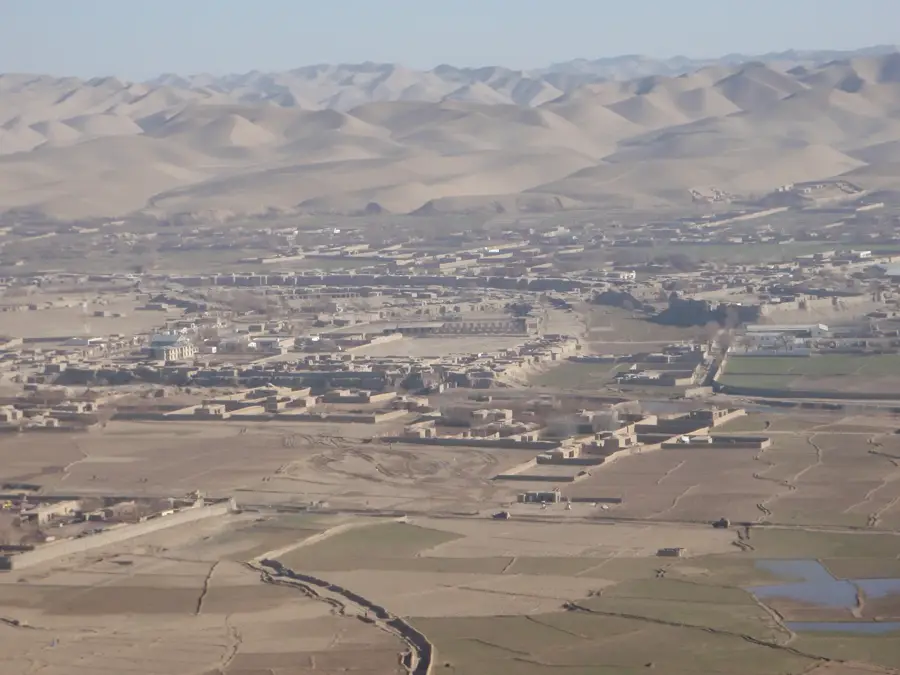
Murghab
The Murghab rises in the Afghan mountains, flows northwest, and creates important fertile oases before drying up in the Karakum Desert.
Learn more →More highlights
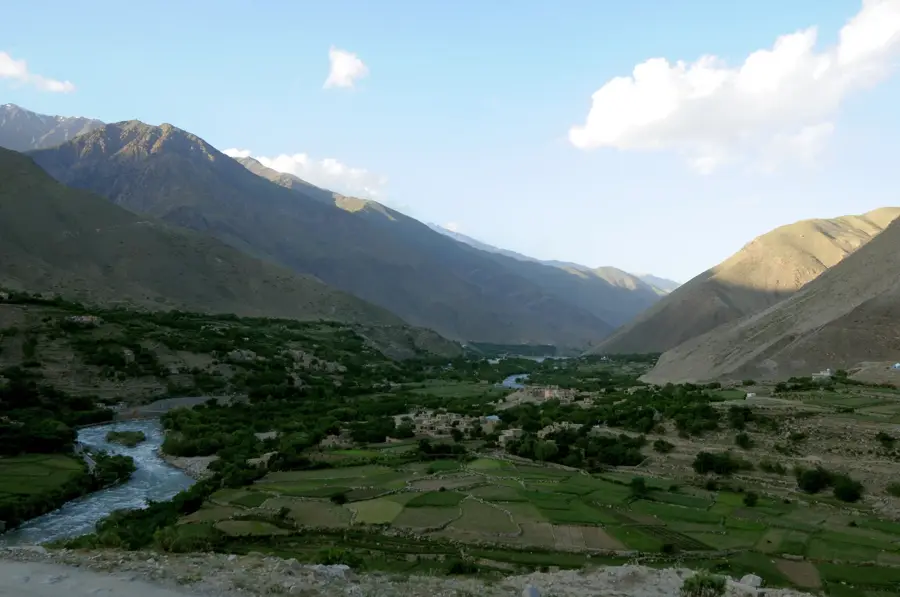
Panjshir Valley
The Panjshir Valley north of Kabul is crossed by the Panjshir River and surrounded by high mountain peaks, known for its natural beauty and strategic…
Learn more →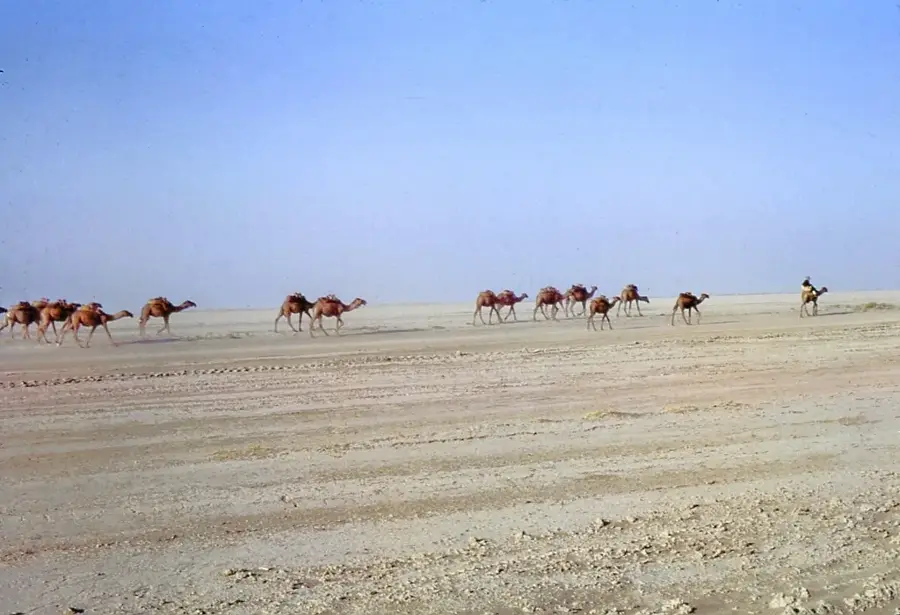
Registan Desert
The Registan Desert in southern Afghanistan is an arid region of red sand dunes, rocks, and sparse vegetation, subject to extreme climatic conditions.
Learn more →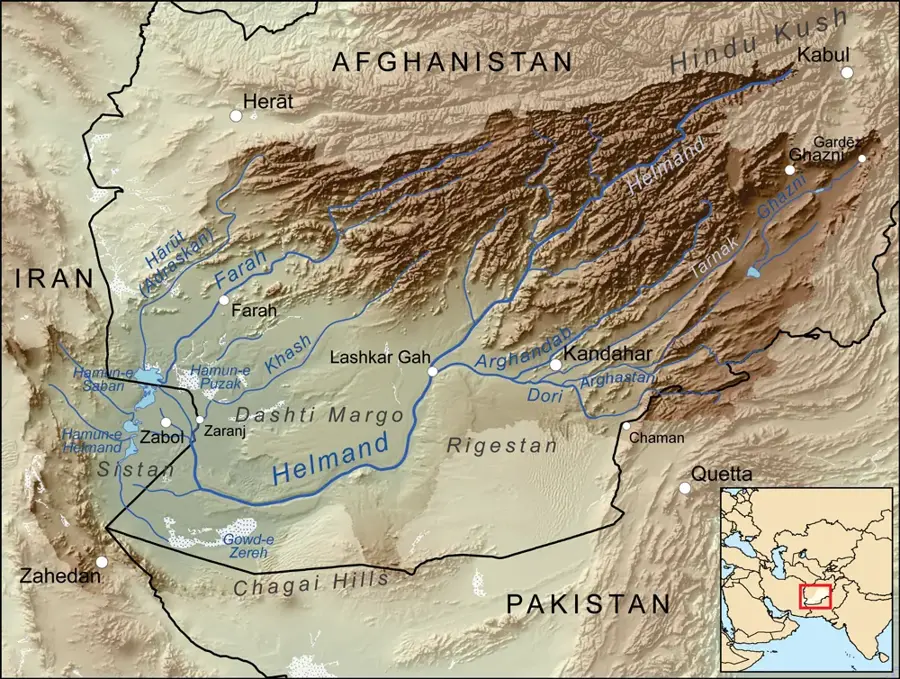
Dasht-e Margo
Dasht-e Margo, the 'Desert of Death', is a vast, waterless plain in southwestern Afghanistan, known for its extreme temperatures and hostile environm…
Learn more →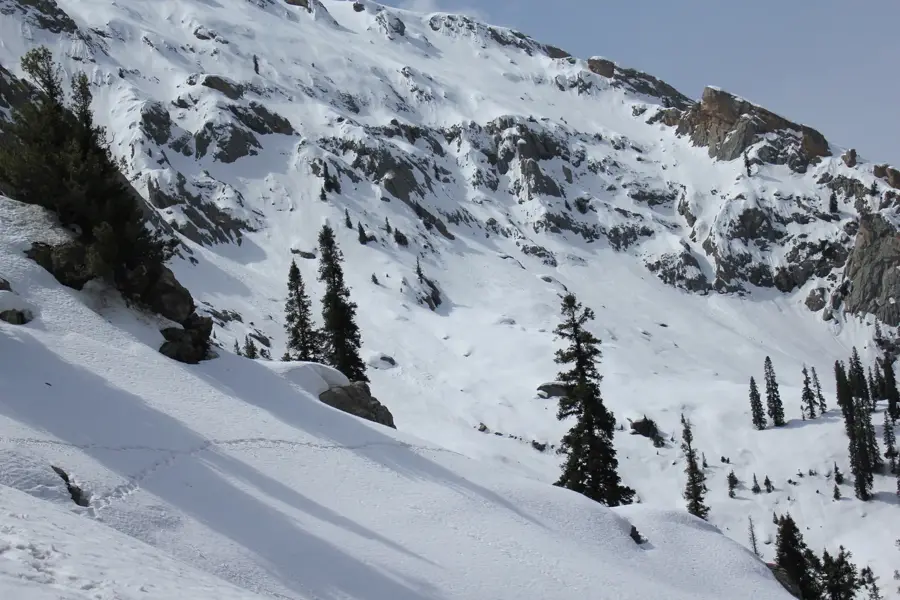
Nuristan National Park
This national park in the forested mountains of eastern Afghanistan protects rare monsoon forests.
Learn more →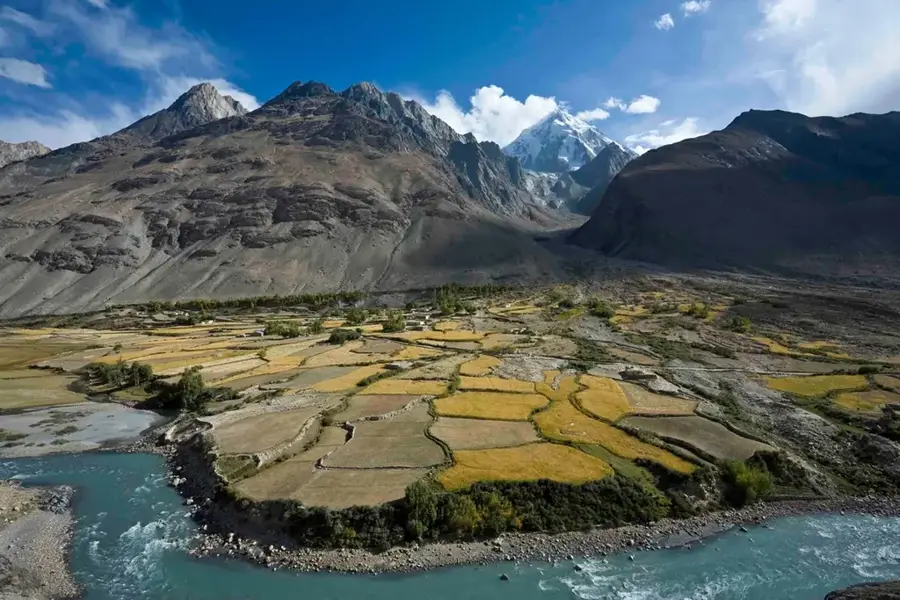
Wakhan Valley
The Wakhan Valley lies in the extreme northeast of Afghanistan, nestled between the Pamir and Karakoram mountains, historically a part of the Silk Ro…
Learn more →
Wakhan National Park
Wakhan National Park protects the fragile ecology of the Wakhan Corridor.
Learn more →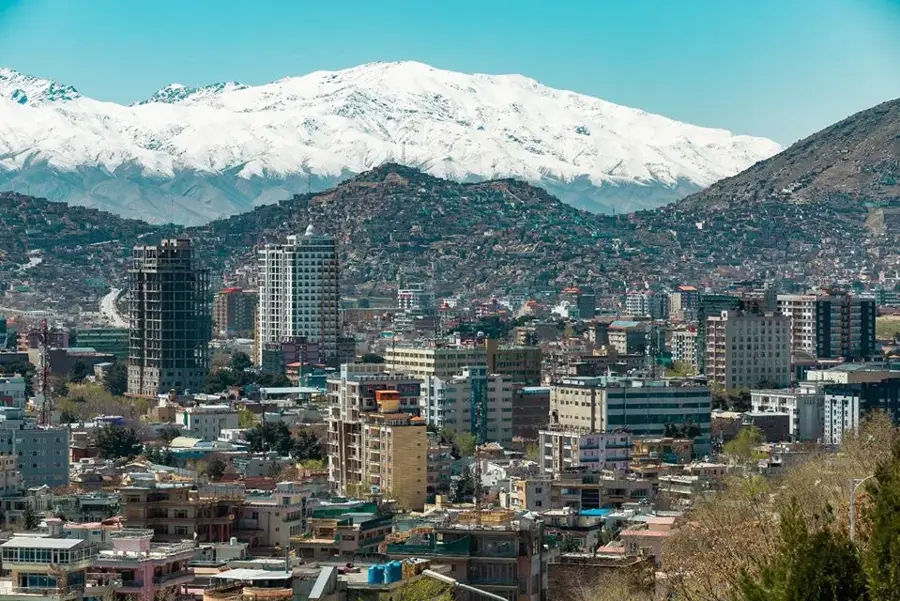
Kabul Zoo
The country's only zoo offers locals a rare opportunity to see domestic and exotic animals.
Learn more →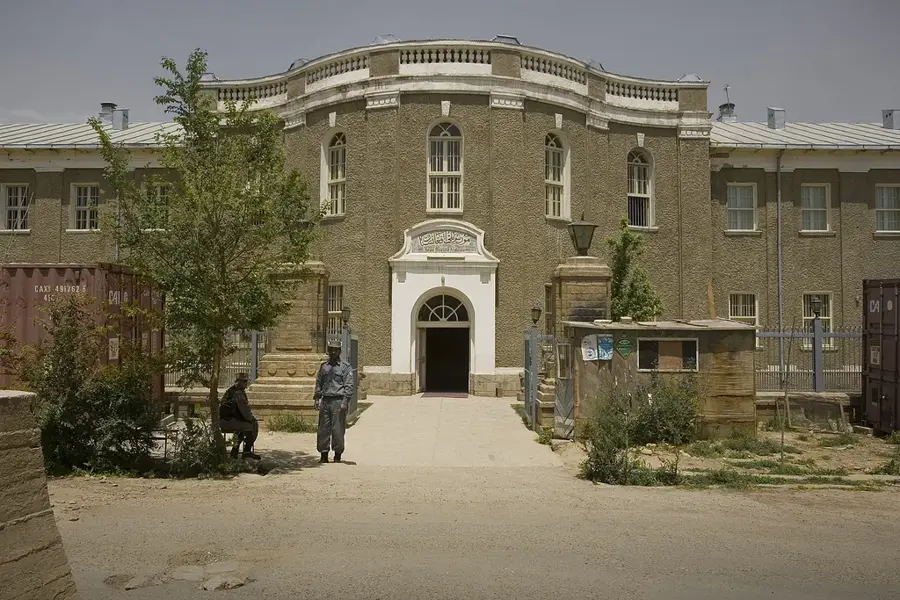
National Museum of Afghanistan
This museum in Kabul once housed one of the most significant antiquities collections in Central Asia.
Learn more →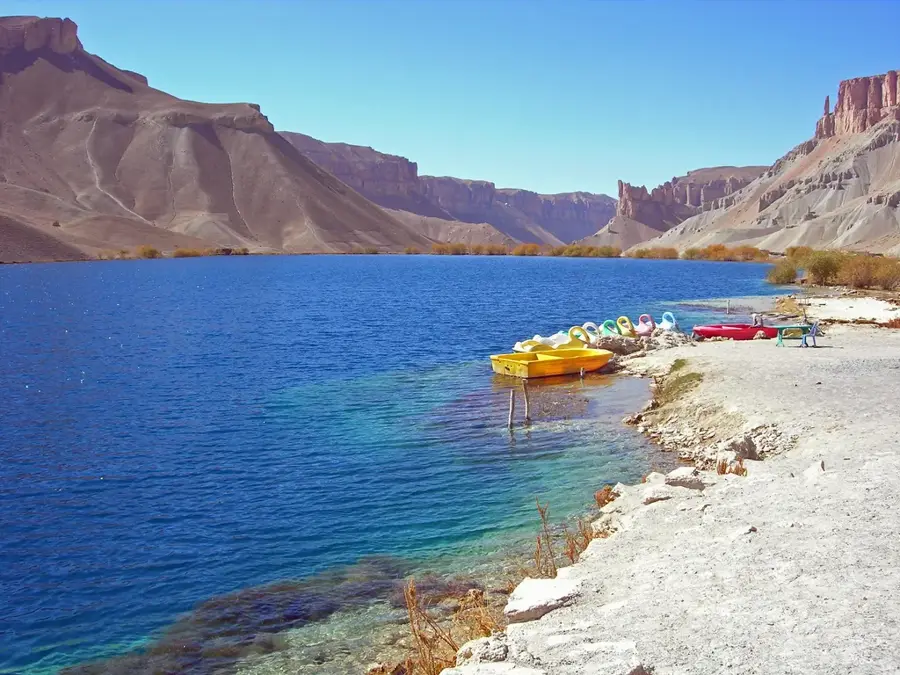
Band-e-Amir National Park
Band-e-Amir is Afghanistan's first national park, famous for its deep blue lakes.
Learn more →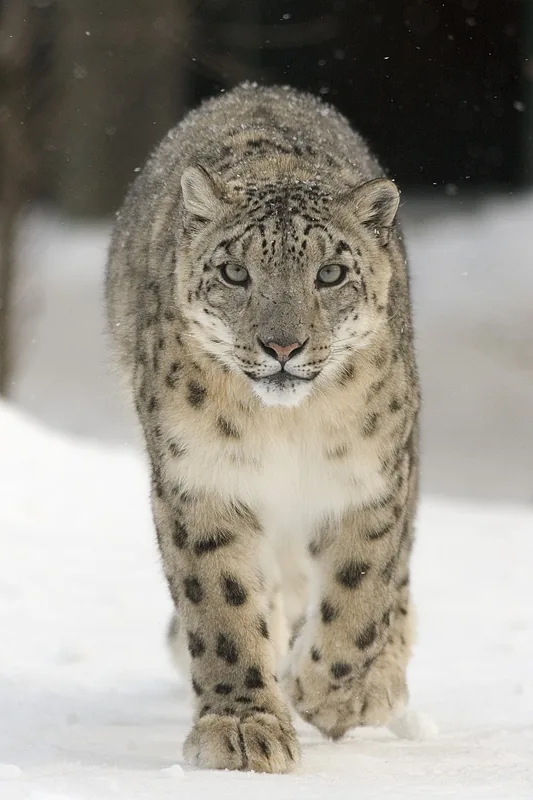
Ajar Valley Nature Reserve
A remote river valley in the Hindu Kush that formerly served as a royal hunting reserve and today protects rare wildlife such as the ibex.
Learn more →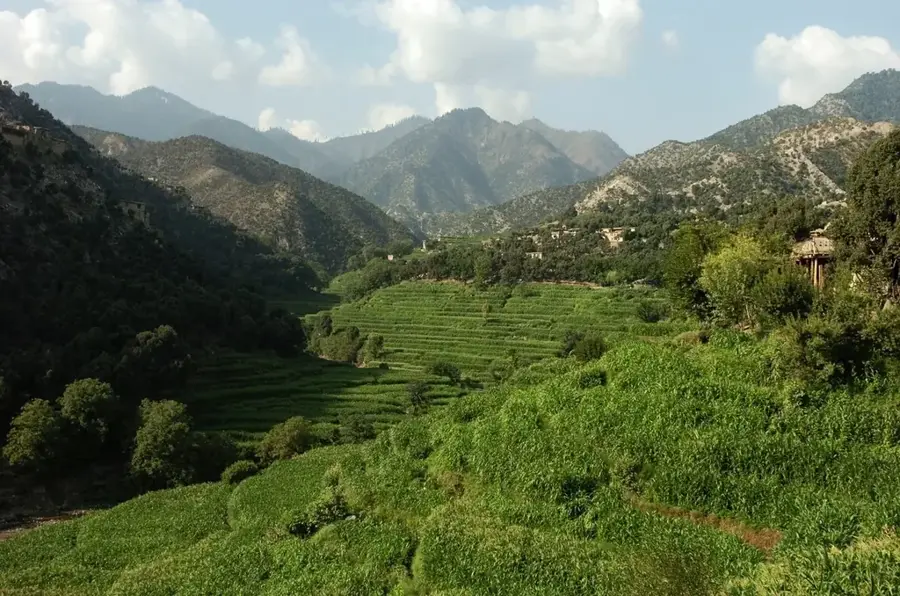
Korengal Valley
The Korengal Valley is a densely forested, deep valley in eastern Afghanistan, characterized by its inaccessible and steep terrain.
Learn more →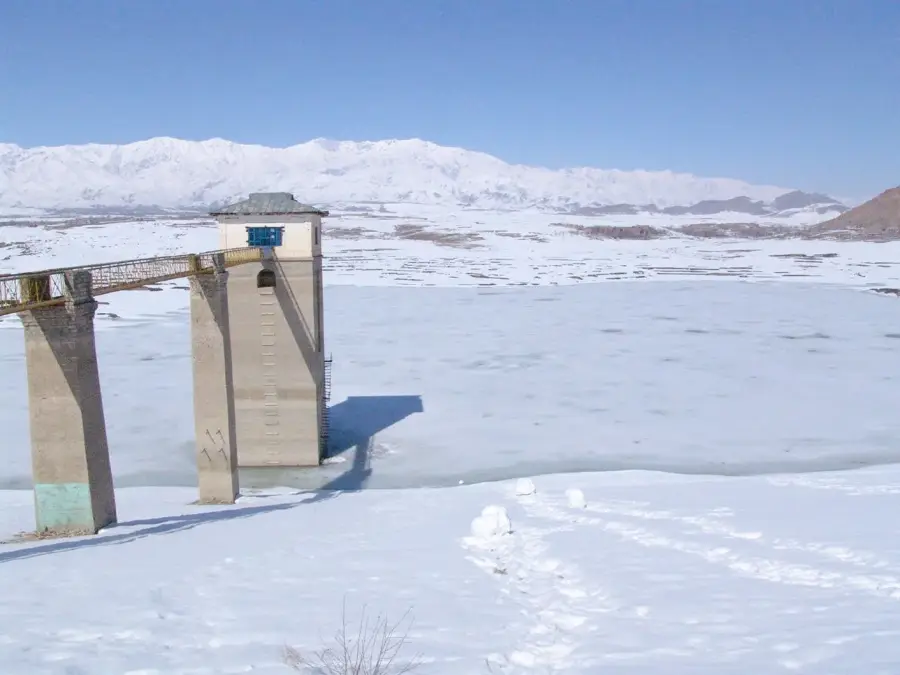
Qargha Reservoir
The Qargha Reservoir near Kabul is a popular destination for families.
Learn more →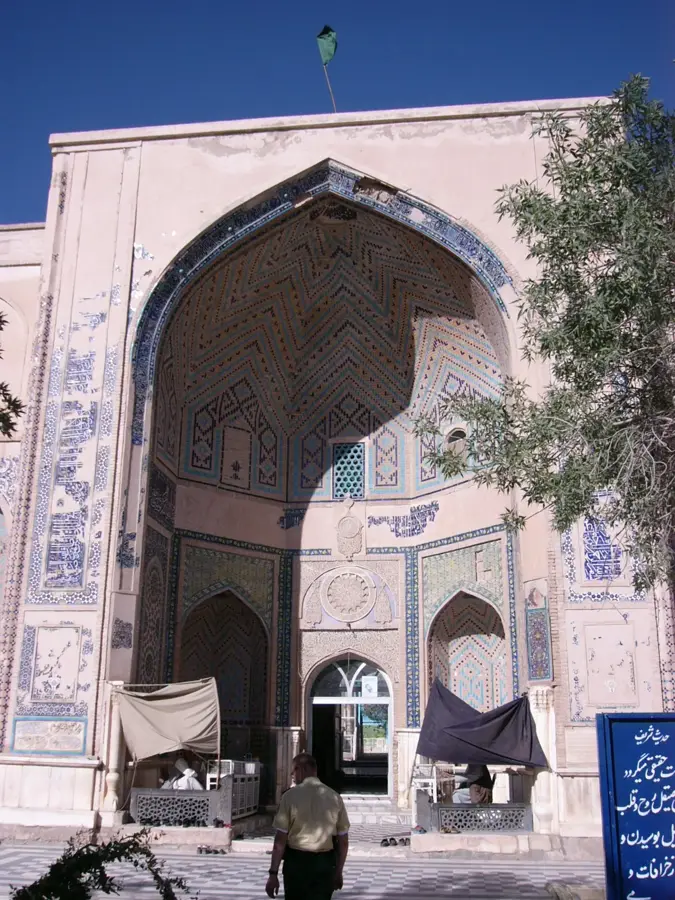
Shrine of Khwaja Abd Allah
The Gazar-Gah Shrine houses the tomb of the revered Sufi mystic Khwaja Abd Allah Ansari and is a center of Islamic spirituality.
Learn more →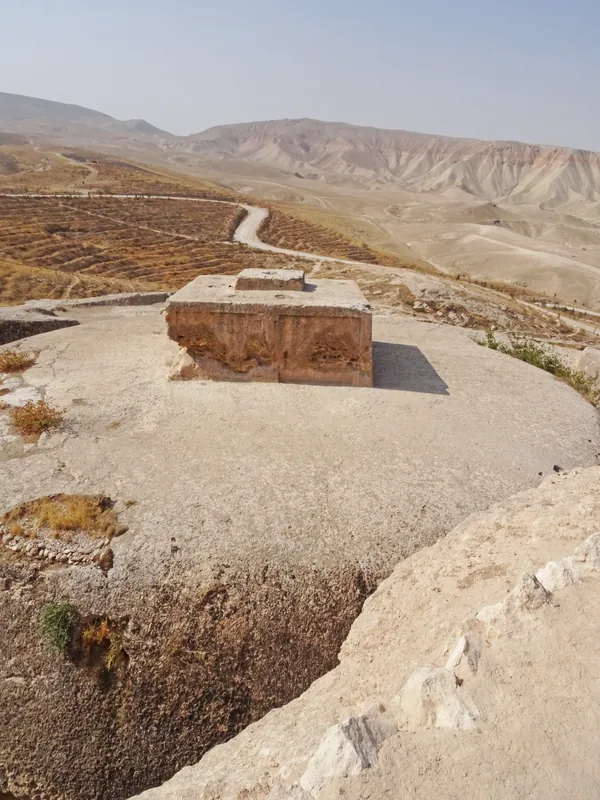
Samangan Almond Orchards
Samangan province is famous for its highly productive almond tree orchards, whose nuts are appreciated as a delicacy nationwide.
Learn more →Frequently asked questions
What are the top attractions in Afghanistan?
Among the most popular are Tajbeg Palace, Kajaki Reservoir, Koh-e Asamai (TV Hill), Pul-e Khishti Mosque, Salang Pass and many more – the full top 50 list is on this page.
When is the best time to visit Afghanistan?
May to October offers the most pleasant weather; July and August are warmest and busiest.