Plizio Visual Lab

Helmand River
Plizio editorial teamData Sources
River
—°1
Helmand River (Afghanistan)

Weather…

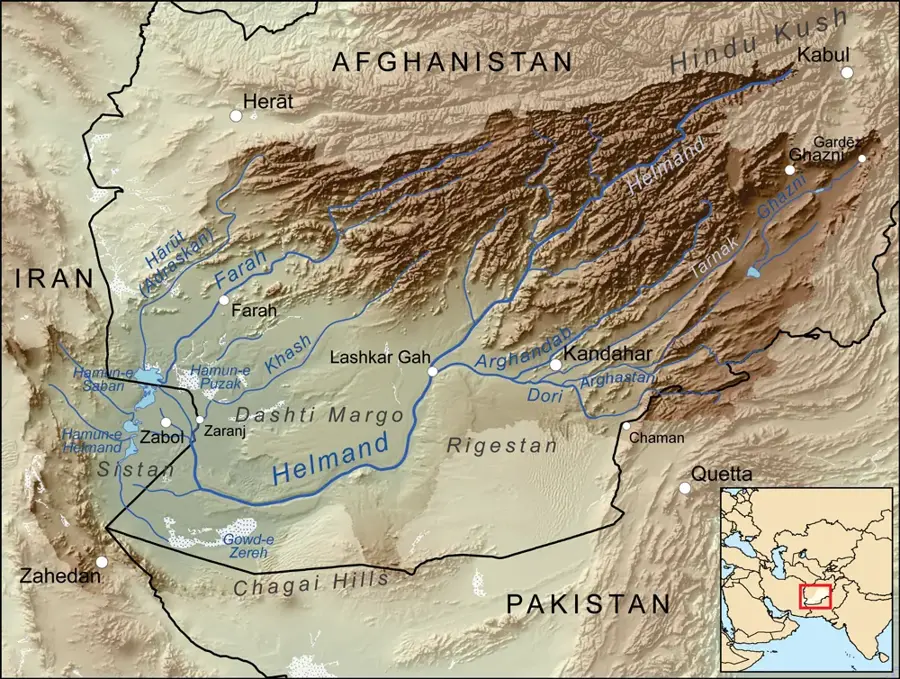
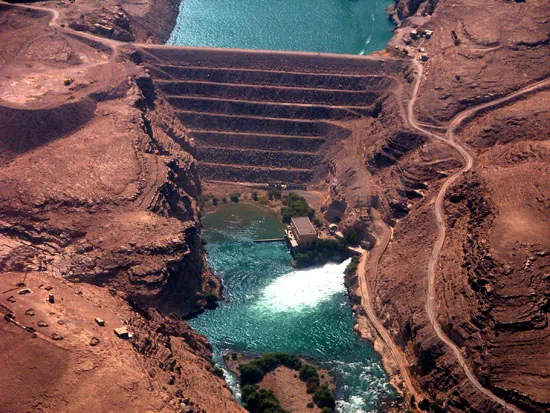
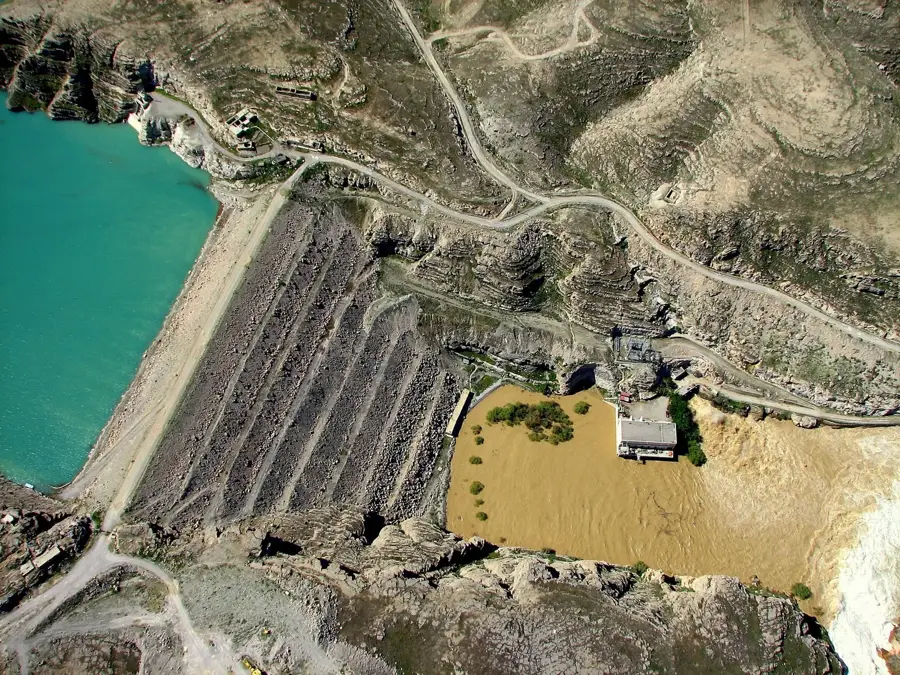
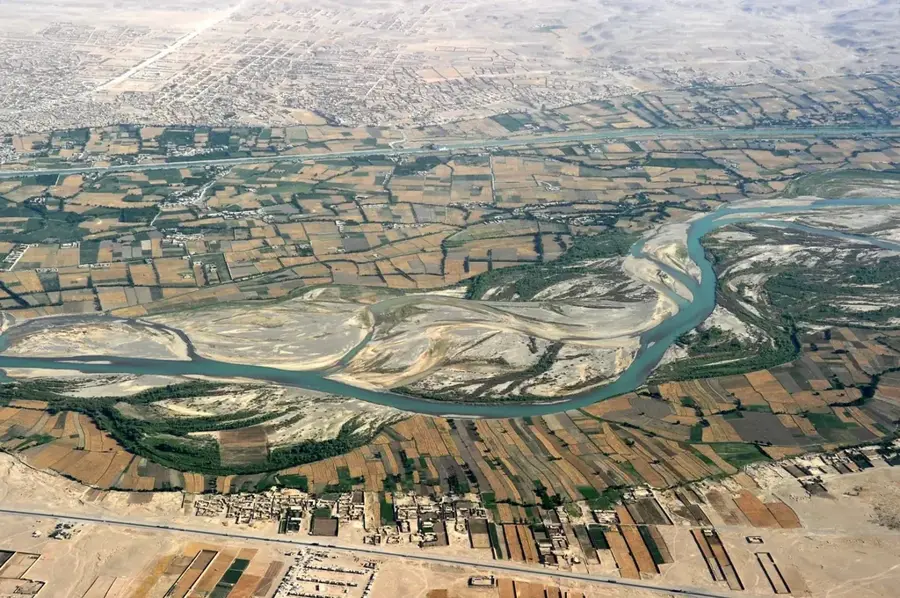
The Helmand River is the longest river in Afghanistan and serves as a vital lifeline for the country's arid southern regions. Originating in the Sanglakh Range of the Hindu Kush mountains west of Kabul, it flows for over 1,150 kilometers in a southwestern direction before emptying into the Hamun Lake in the Sistan Basin on the Iranian border. As the Helmand does not flow into an ocean, it forms an endorheic basin. The river is of immense importance to Afghan agriculture, providing irrigation for vast stretches of land in the Helmand and Kandahar provinces. Key structures along the river include the Kajaki Dam, used for both hydroelectric power generation and water regulation. Historically, the Helmand Valley was a hub for ancient civilizations and played a central role in regional dynamics. Water distribution between Afghanistan and Iran has been a source of diplomatic tension for decades, governed by the 1973 Helmand River Water Treaty. Ecologically, the river supports wetlands that are crucial for migratory birds within the otherwise barren desert landscape.

Best time to visit & climate

The most pleasant time to visit is Mar, Apr, Oct.

JanFebMarAprMayJunJulAugSepOctNovDec
Avg °C9121824303335332822159
Rain mm109135240302105

📋 Practical info

🧭
Getting there
Accessing the various stretches of this massive river typically requires robust 4x4 vehicles, especially in the vast southern desert regions. The upper reaches in the Koh-e Baba mountains are generally approached via rough, unpaved paths from central highland settlements.
📅
Best season
Spring is often the best time to witness the river flowing forcefully due to snowmelt from the central mountains. The harsh summer months usually bring searing heat to the southern deserts, making extensive daytime exploration highly uncomfortable and challenging.
⛰️
Terrain & paths
The river banks vary immensely, starting as rocky, alpine gorges in the mountains and widening into muddy, fertile floodplains amidst arid deserts. Visitors should be prepared to navigate soft sand, unstable riverbanks, and dense agricultural vegetation in the oases.
🎒
What to bring
Comprehensive sun and heat protection are crucial when visiting the southern segments, including wide-brimmed hats and high-capacity water containers. In the mountainous upper reaches, extra layers of warm clothing are always necessary to combat sudden temperature drops.
🅿️
Parking
Official parking spaces do not exist along most of the river's extensive length; vehicles are generally parked securely in nearby village compounds. When traveling through remote deserts, local guides usually identify safe, solid ground well away from soft riverbed mud.
⚠️
Safety
Traveling in many southern regions heavily relies on securing reliable, up-to-date security information and traveling strictly with trusted local contacts. The river itself can have deceptive undercurrents, and drinking the raw water without thorough purification is highly dangerous.
⏱️
Time needed
Briefly witnessing the river at a specific crossing might take only an hour during a transit journey between towns. For those studying the agricultural systems or exploring the mountain sources, an expedition of several days to a week is generally required.

Geography

Coordinates
31.00000, 64.00000

Facts

  • The Helmand River drains approximately 40% of Afghanistan's land area.
  • It is one of the few major rivers in the world that does not drain into an ocean.
  • The Kajaki Dam was originally constructed in the 1950s.
  • The name 'Helmand' comes from the Avestan word 'Haetumant', meaning 'having bridges'.
  • In low-rainfall years, the river's lower reaches can dry up almost completely.
  • The Sistan Basin, where the river terminates, is one of the driest regions on Earth.

Explore nearby

Notable places around
Route planner — Car & Motorhome

Where do you start? We build the route here, with stops and country notes along the way.

Vehicle
Only stops with (optional):

© OpenStreetMap contributors · OpenRouteService

Sights in the town Helmand River (1)

Helmand Province📍 landmark

Helmand Province is a province in southern Afghanistan, through which the Helmand River flows.

Sights nearby

Frequently asked questions

What is the Helmand River?
The Helmand River is one of Afghanistan’s longest rivers and is central to irrigation and agriculture in the southwest. It shapes many oasis and valley areas.
When is the river most scenic?
Usually in spring or early summer, when more water flows and the banks look greener. By late summer, water levels can drop significantly.
Is the river suitable for recreation?
Only very limitedly and in specific stretches. The banks are often used more for farming and local needs than for recreation.
Why is the Helmand important?
For irrigation, settlements, and supplying water to dry regions. Without it, farming would be much harder in many areas.
How much time do you need for a visit?
As a river landscape, it is better for short stops or a longer drive. Half a day is often enough for several viewpoints.
Helmand River: where is it located?
Helmand River is located in Afghanistan.
Helmand River: when is the best time to visit?
The most pleasant time to visit is Mar, Apr, Oct.
Helmand River: why is it worth visiting?

The Helmand River is the longest river in Afghanistan and serves as a vital lifeline for the country's arid southern regions.
View on map → The Top 50 Attractions → OpenStreetMap →
Asia
Explore with Plizio Discover more places in Asia
More places in Afghanistan →

Nearby cities

Nature

More places