Plizio Visual Lab

Pamir Mountains
Plizio editorial teamData Sources
Mountain
—°1
Pamir Mountains (Afghanistan)

Weather…

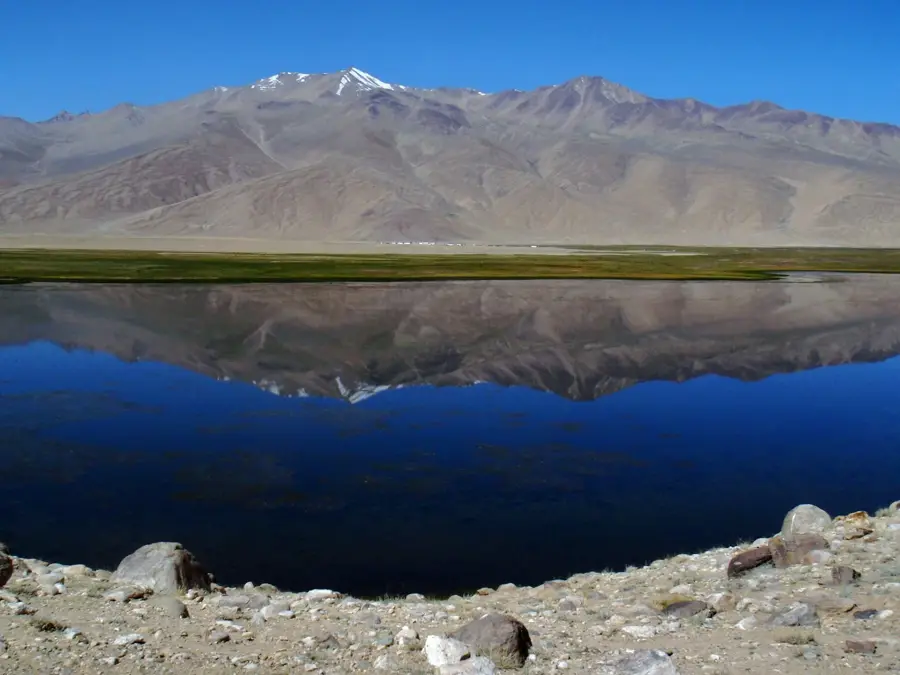
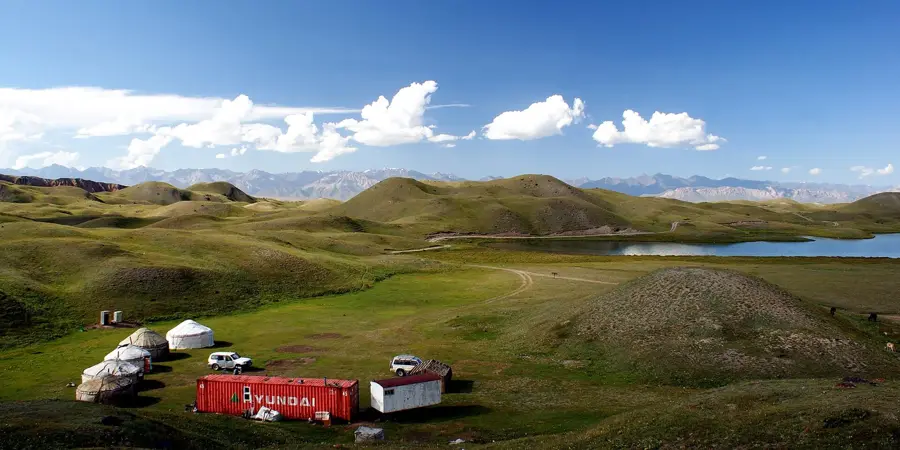
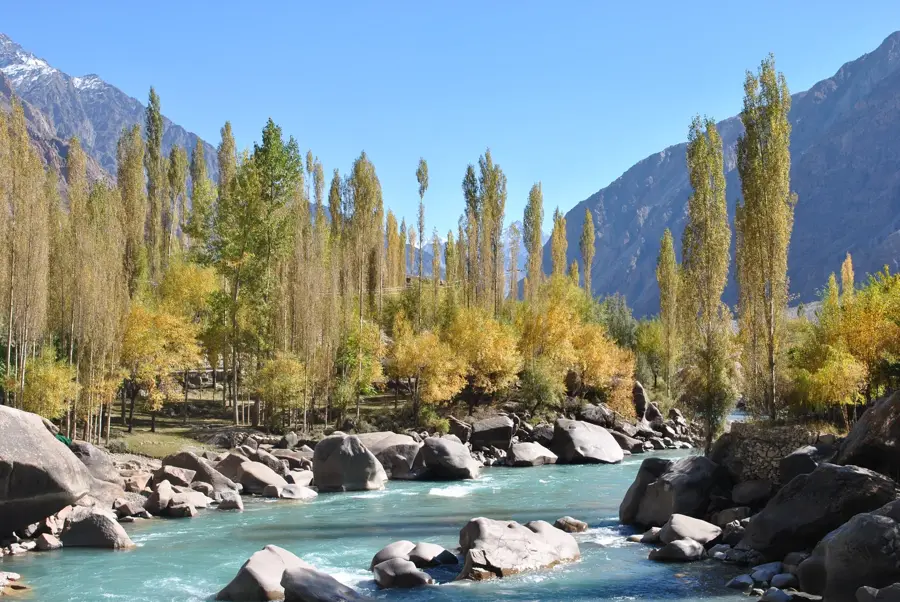
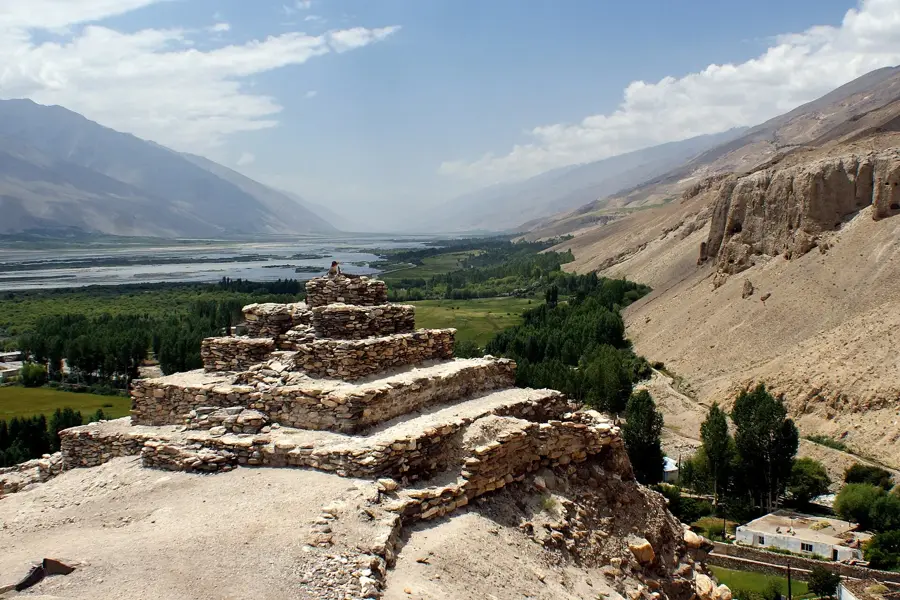
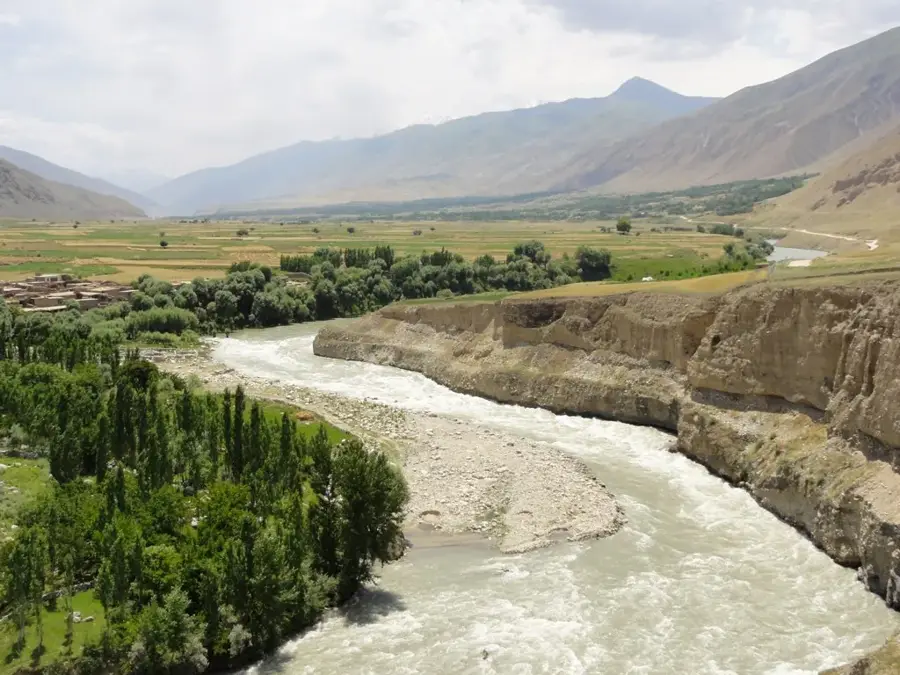
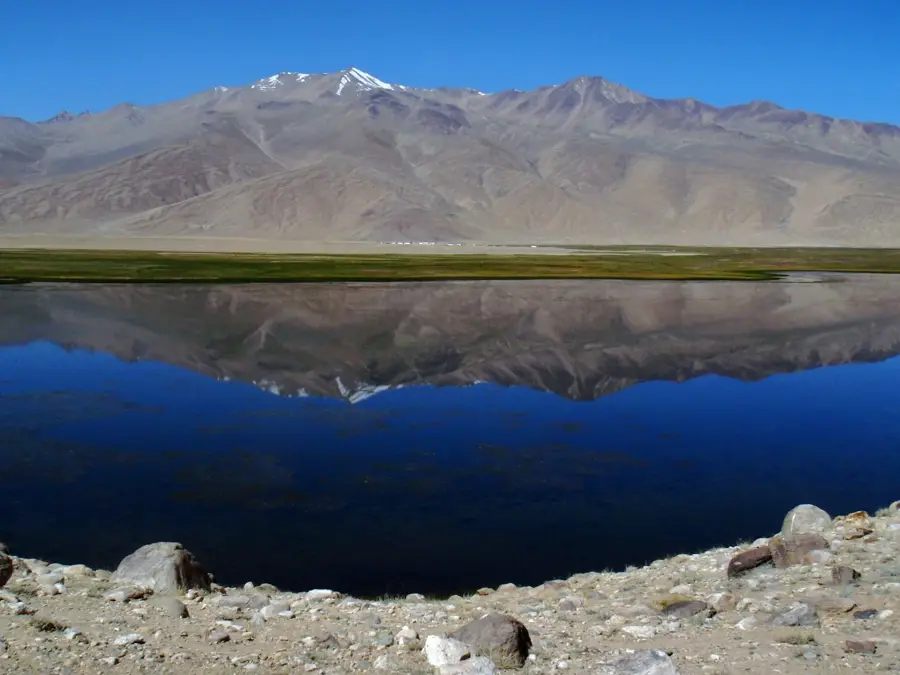
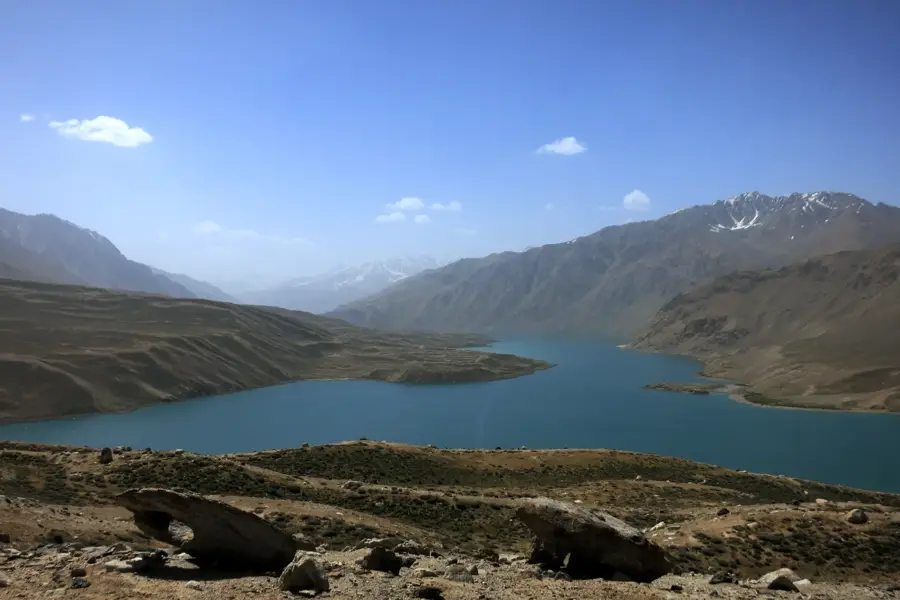
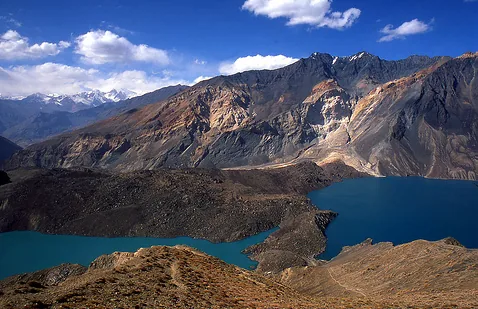
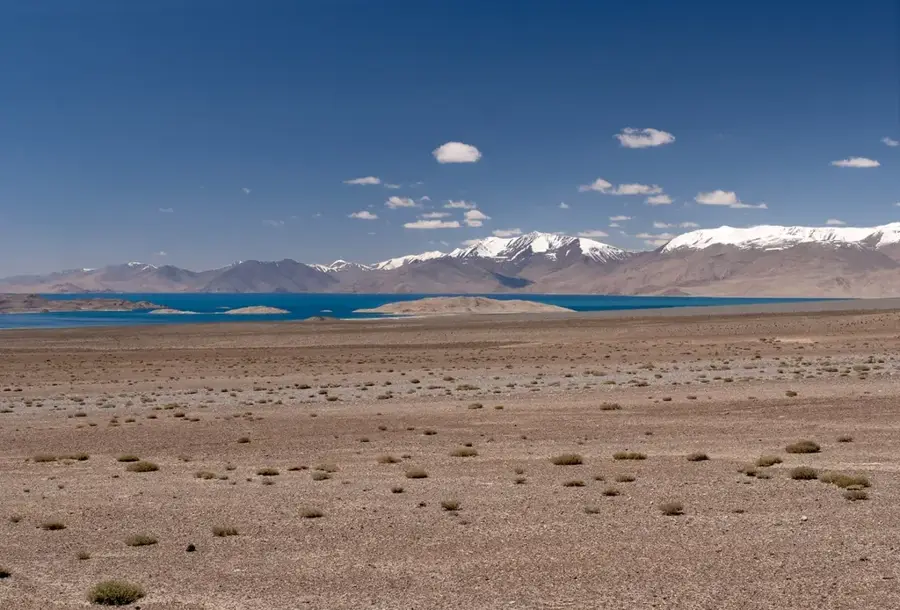
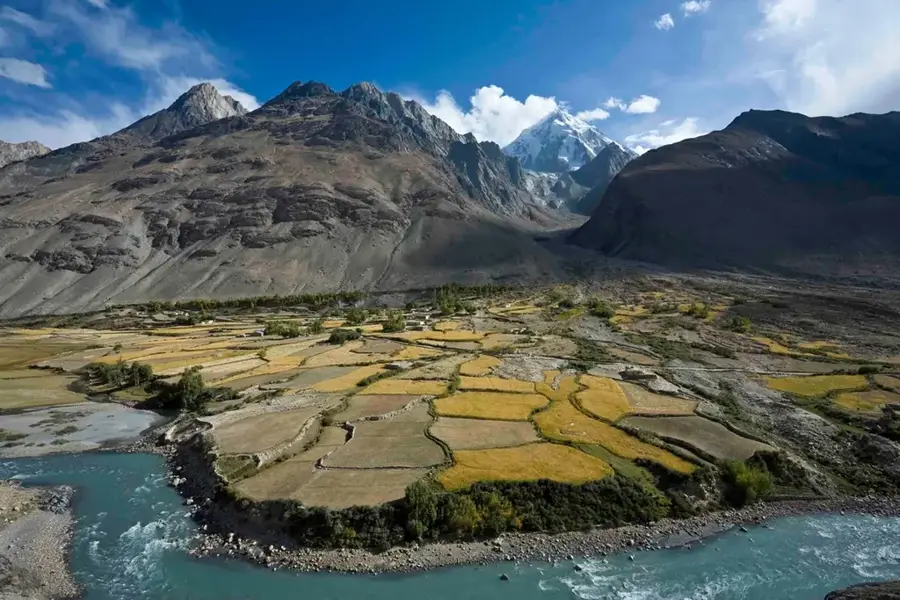
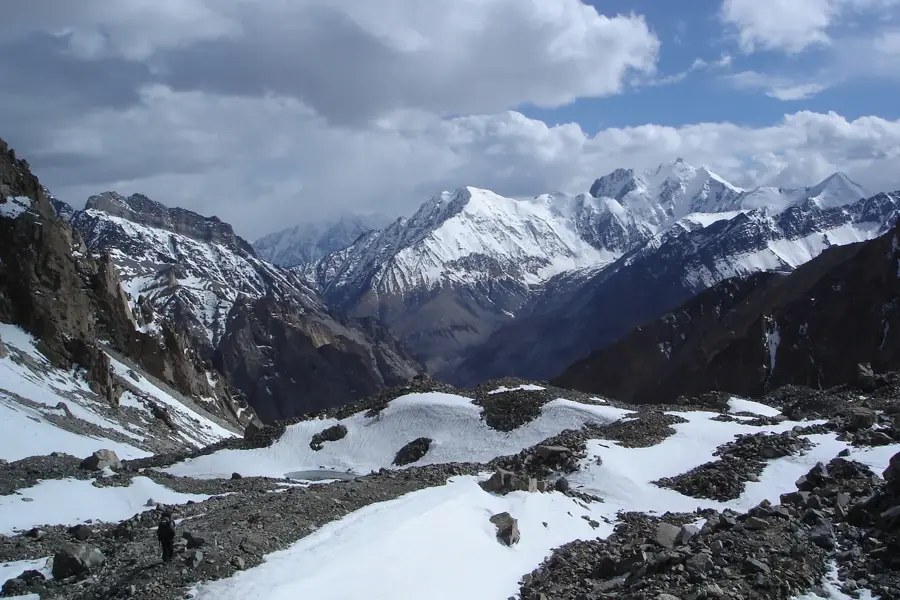
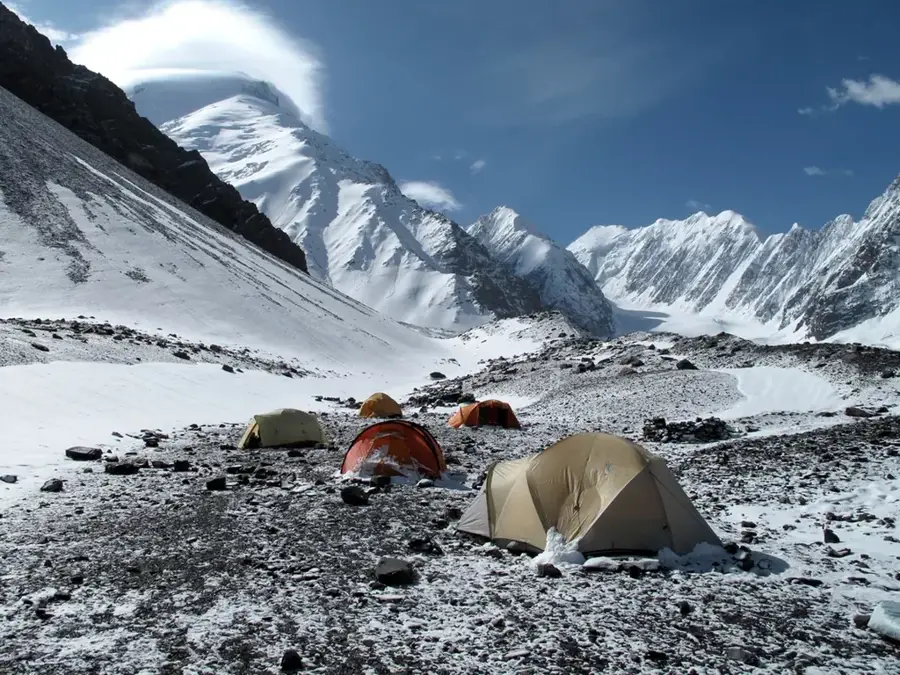
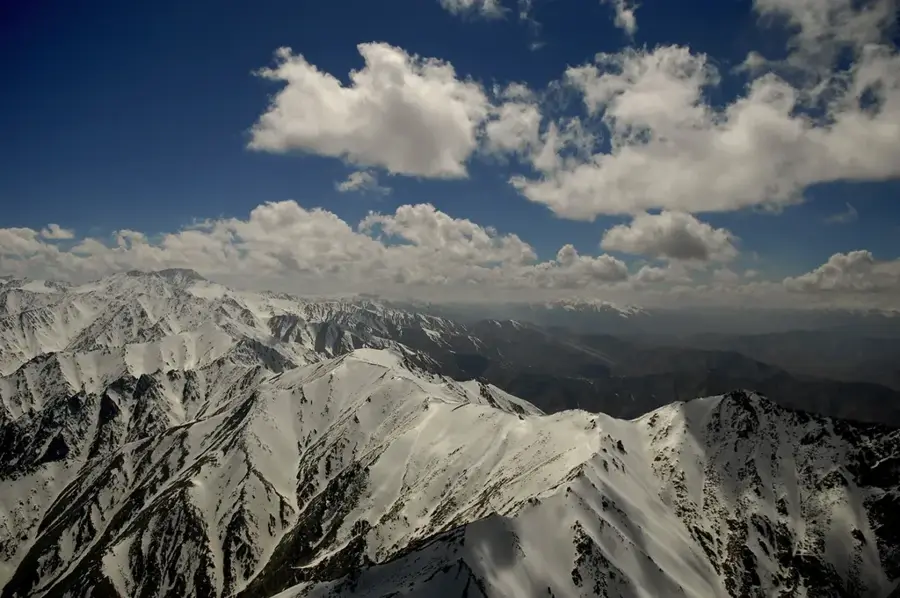
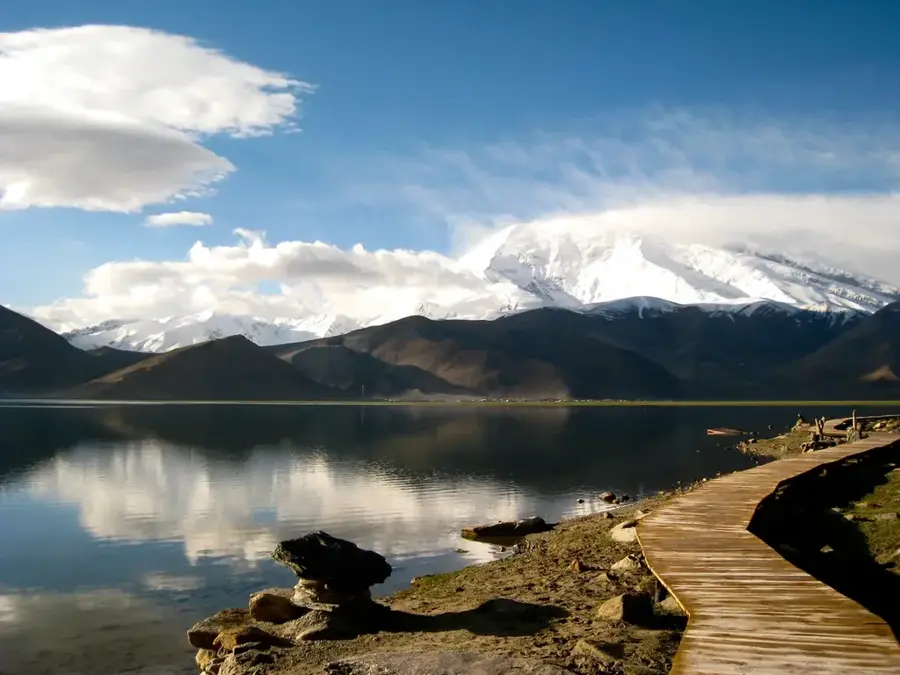
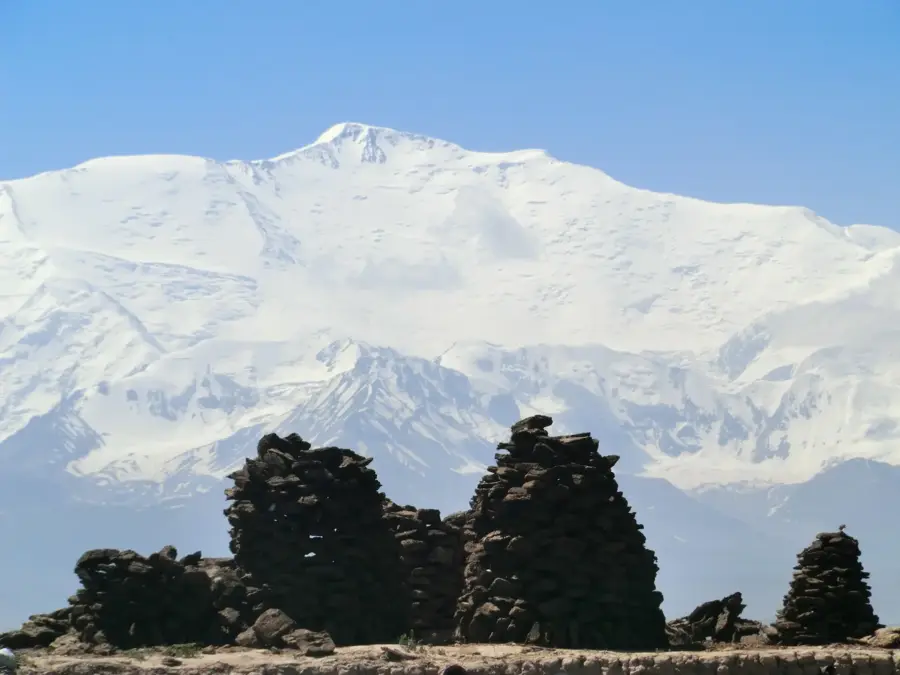
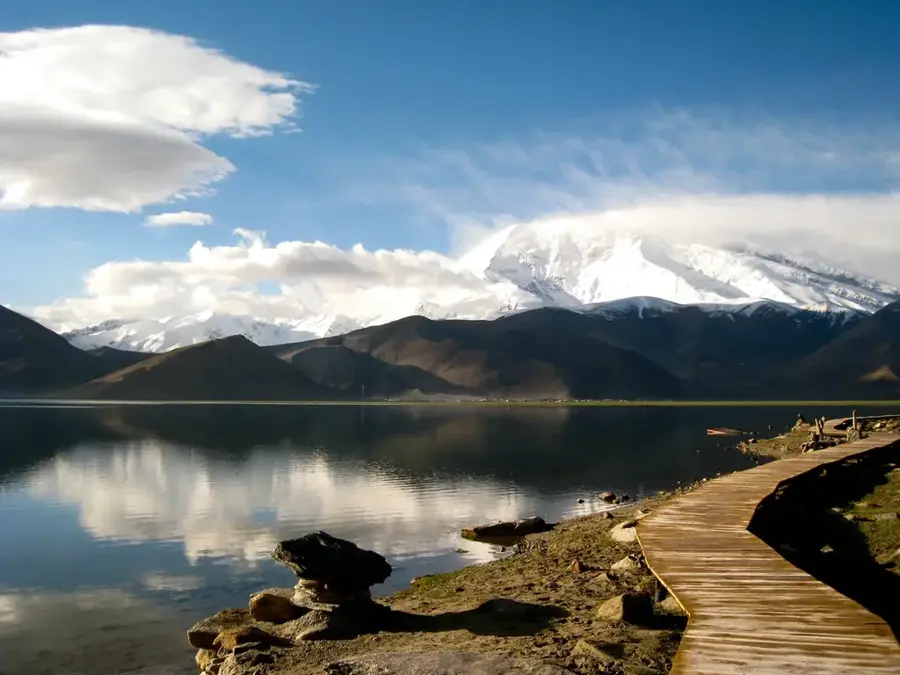
The Pamir Mountains, often referred to as the "Roof of the World," form one of the highest and most remote mountain systems on Earth. In Afghanistan, the Pamir range extends primarily through the narrow Wakhan Corridor in the northeast, where it converges with the Hindu Kush. The landscape is defined by barren high-altitude plateaus and glaciated peaks that reach elevations exceeding 6,000 meters. Historically, the range served as a critical junction on the Silk Road, where traders and explorers like Marco Polo navigated its challenging mountain passes. Geologically, the Pamirs were formed by the collision of the Indian and Eurasian tectonic plates, resulting in a complex orogenic structure. Ecologically, the Afghan Pamir provides a sanctuary for rare wildlife, including the Marco Polo sheep and the elusive snow leopard. Despite the harsh climate and grueling winters, the region has been home to semi-nomadic Kyrgyz herders for centuries.

Best time to visit & climate

The most pleasant time to visit is Jun–Aug.

JanFebMarAprMayJunJulAugSepOctNovDec
Avg °C-19-17-12-6-13661-5-11-17
Rain mm1111131695432499

📋 Practical info

🧭
Getting there
Entering this legendary mountain range is exclusively done through the rugged Wakhan Corridor, typically starting from Ishkashim. The journey requires arranging specialized 4x4 transport for the initial days, followed by hiring local Kyrgyz guides and pack animals for the high-altitude tracks.
📅
Best season
The strictly limited trekking season occurs only in July and August, offering a brief respite from the otherwise constant deep freeze. For the rest of the year, massive snowdrifts, freezing winds, and sub-zero temperatures effectively seal off the high passes to outsiders.
⛰️
Terrain & paths
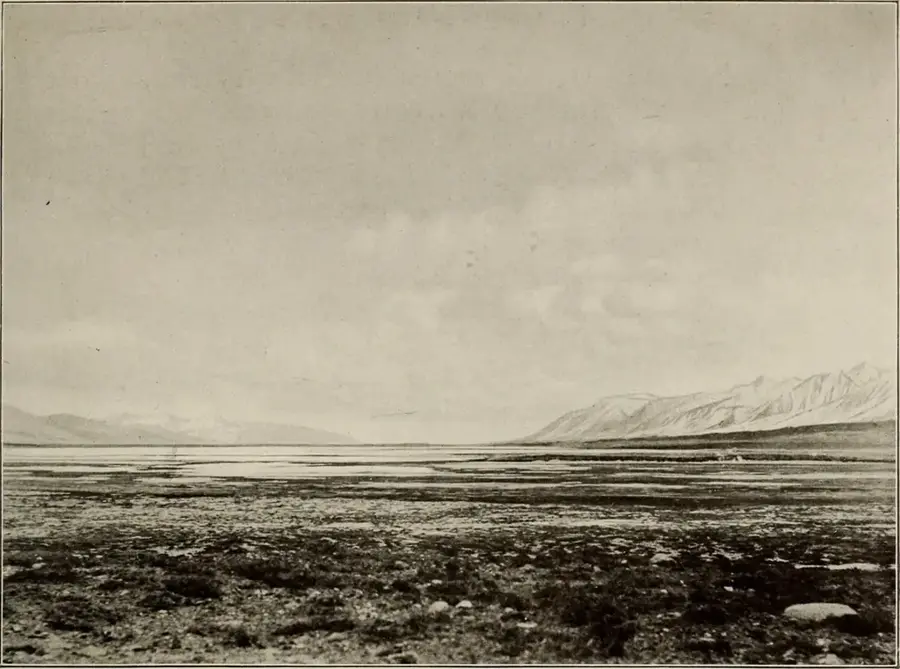
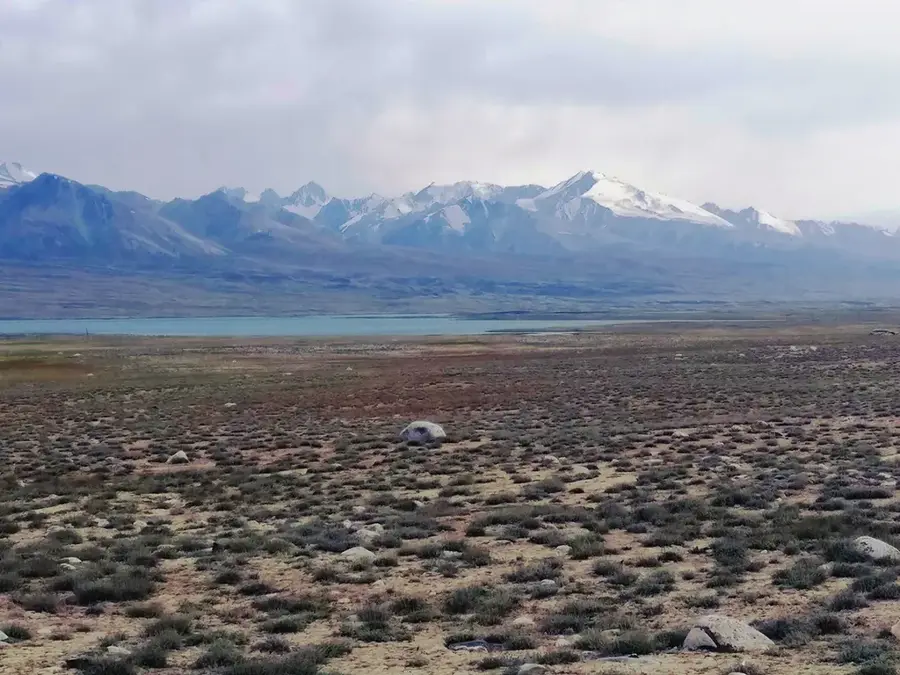
Travelers must navigate a dramatic but unforgiving high-altitude desert featuring barren valleys, glacial moraines, and icy river crossings. The trails are often barely perceptible, requiring surefootedness on loose scree and the stamina to hike consistently above four thousand meters.
🎒
What to bring
Uncompromising extreme-cold expedition gear is absolutely critical, including thick down jackets and four-season sleeping bags, even in mid-summer. Visitors must be completely self-sufficient, carrying comprehensive medical kits, high-calorie expedition food, and satellite communication devices.
🅿️
Parking
Motorized transport ends near the final permanent settlements at the edge of the corridor, where vehicles are left with local families for weeks. From this informal basecamp, the vast wilderness is explored entirely on foot or riding robust local yaks and horses.
⚠️
Safety
Acute mountain sickness is a severe and highly common risk; meticulous acclimatization is vital as medical rescue is virtually impossible. The profound isolation also means travelers must be exceptionally cautious during river crossings, as an injury here can quickly become life-threatening.
⏱️
Time needed
Venturing into this majestic landscape requires an immense time commitment, usually a minimum of three weeks including travel to the trailhead. Simply reaching the inner alpine valleys demands days of relentless high-altitude trekking away from any civilization.

Geography

Coordinates
38.00000, 73.00000

Facts

  • The Pamir is a mountain knot where the Himalayas, Karakoram, Hindu Kush, and Tian Shan meet.
  • The average elevation of the Pamir plateau is over 4,000 meters above sea level.
  • The Panj River, a major headwater of the Amu Darya, originates in this mountain range.
  • Marco Polo documented the region in the 13th century during his travels across Asia.
  • The Marco Polo sheep is famous for its spiraling horns, which can grow up to 1.9 meters long.
  • Winter temperatures in the Afghan Pamir can plummet to below -40 degrees Celsius.

Explore nearby

Notable places around

Route planner — Car & Motorhome

Where do you start? We build the route here, with stops and country notes along the way.

Vehicle
Only stops with (optional):

© OpenStreetMap contributors · OpenRouteService

Sights in the town Pamir Mountains (1)

Gorno-Badakhshan📍 landmark

Gorno-Badakhshan is an autonomous region in Tajikistan, located in the Pamir Mountains.

Sights nearby

Frequently asked questions

What is the Pamir Mountains?
The Pamir Mountains are an extremely high mountain range in Central and South Asia. They are known for glaciers, passes, and remote highland valleys.
When is the best time to travel there?
Summer is usually best, because passes are more likely open and the weather is milder. Spring and autumn can already be cold and changeable.
Is the mountain range suitable for beginners?
Not really, because altitude, distance, and weather make it demanding. Anyone going should travel with good gear and ideally local support.
What is the Pamir known for scenically?
For wide high valleys, snow-covered peaks, and very clear long-distance views. It is one of the region’s most impressive high-mountain landscapes.
Do you need a lot of time?
Yes, it is more of a multi-day trip than a short excursion. Travel time, acclimatization, and weather all require generous planning.
Pamir Mountains: where is it located?
Pamir Mountains is located in Afghanistan.
Pamir Mountains: when is the best time to visit?
The most pleasant time to visit is Jun, Aug.
Pamir Mountains: why is it worth visiting?

The Pamir Mountains, often referred to as the "Roof of the World," form one of the highest and most remote mountain systems on Earth.
View on map → The Top 50 Attractions → OpenStreetMap →
Asia
Explore with Plizio Discover more places in Asia
More places in Afghanistan →

Nearby cities

History & landmarks
Nature
More places