Plizio Visual Lab

Band-e-Amir National Park
Plizio editorial teamData Sources
tourist-attraction
—°2
Band-e-Amir National Park (Afghanistan)

Weather…

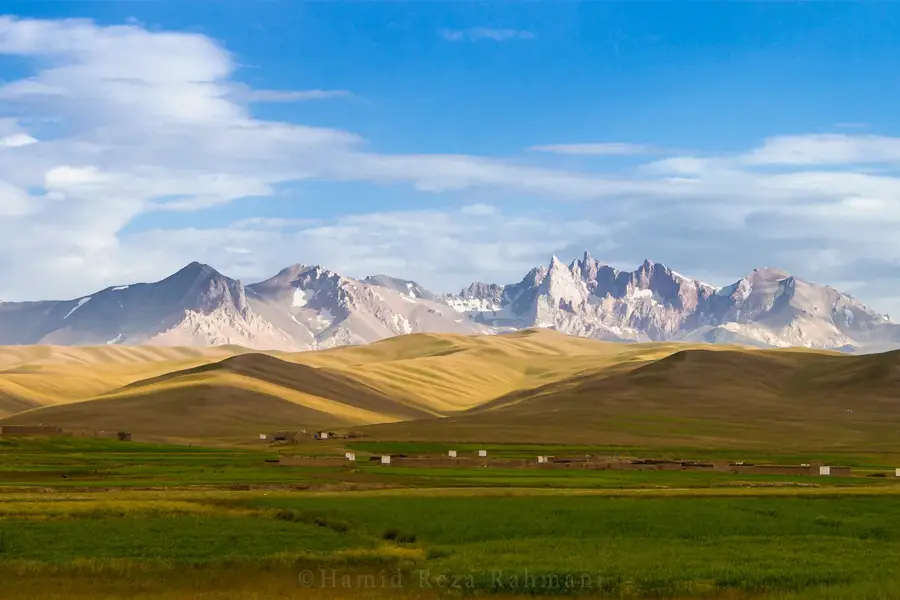
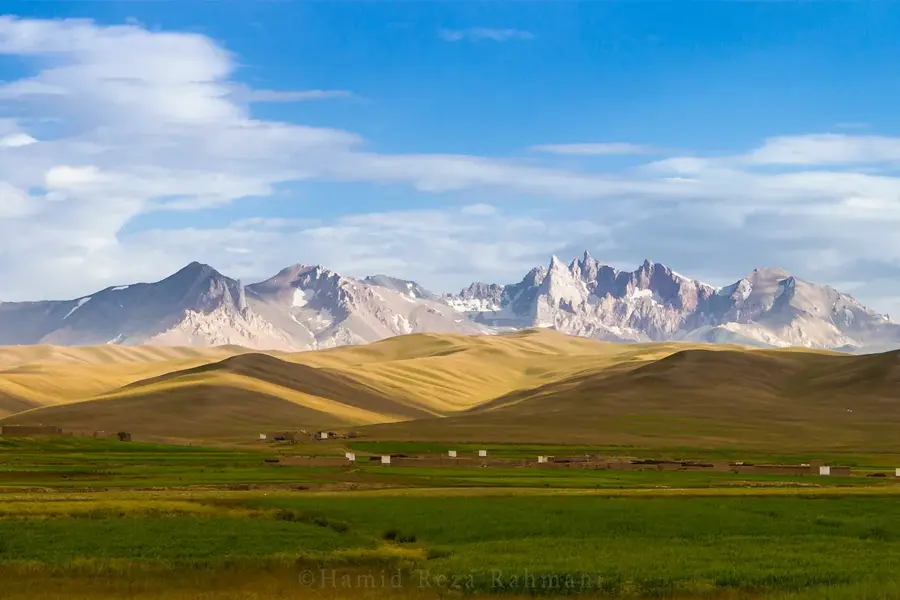
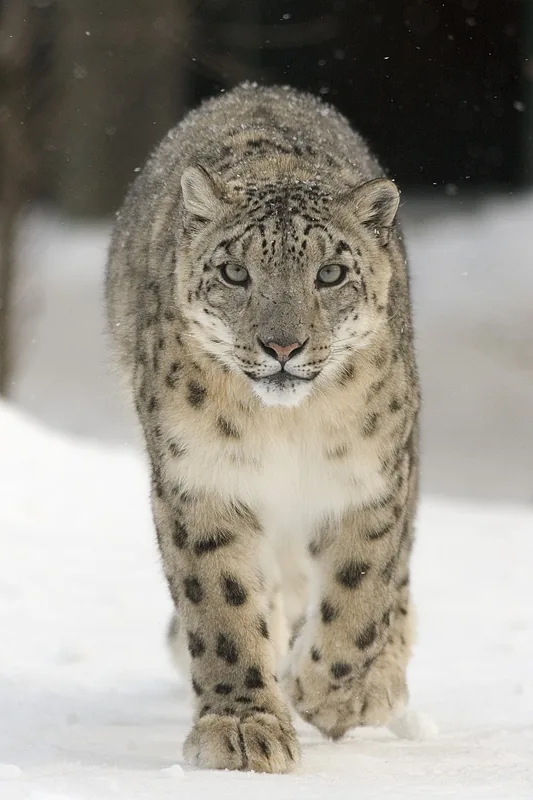
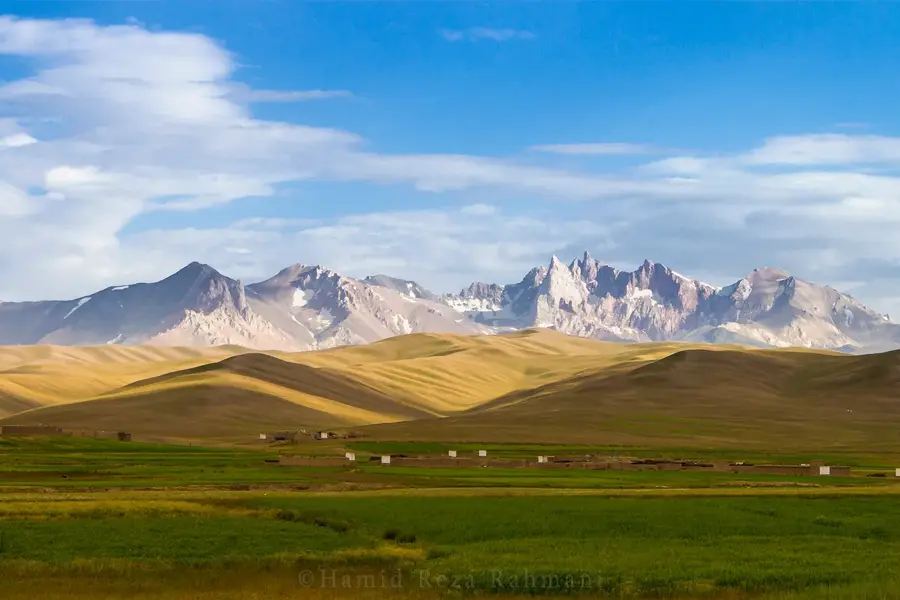
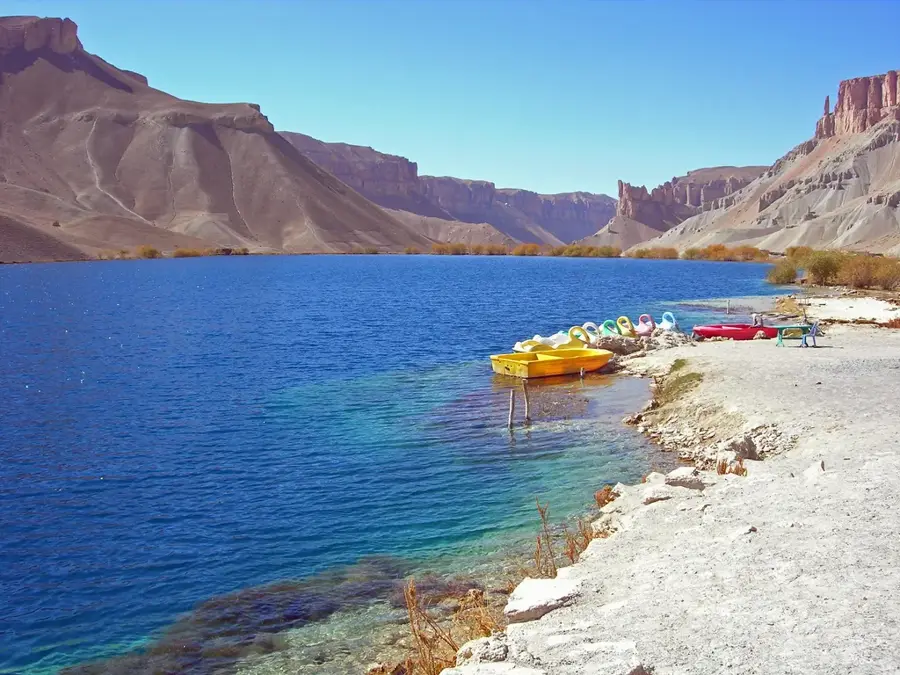
Band-e-Amir National Park, located in the central highlands of Afghanistan, was officially established as the nation's first national park in 2009. It consists of a series of six deep blue lakes separated by natural dams made of travertine, a form of limestone deposited by mineral-rich waters. These unique geological formations were created over thousands of years, resulting in one of the few natural dam systems of its kind in the world. Situated in Bamiyan Province at an elevation of approximately 3,000 meters, the lakes are surrounded by towering reddish limestone cliffs that create a dramatic contrast with the sapphire waters. The park covers an area of about 590 square kilometers and provides a critical habitat for endangered wildlife, such as the snow leopard and various endemic bird species. Beyond its ecological significance, the site holds deep cultural and religious importance for the local population, with many local legends attributed to its origins. Despite the challenges of accessibility and political instability, Band-e-Amir stands as a beacon for environmental conservation and a testament to Afghanistan's natural heritage.

Best time to visit & climate

The most pleasant time to visit is Jun–Aug.

JanFebMarAprMayJunJulAugSepOctNovDec
Avg °C-11-9-23711131294-2-8
Rain mm3136433719544582923

📋 Practical info

🚪
Visiting
Visitors can hike along the memorable natural trails that connect the panoramic sequence of deep blue lakes amidst the stark mountainous terrain. The experience is almost entirely outdoors, focusing on dramatic landscapes and sweeping geological formations.
🕒
Typical hours
The vast park is technically a natural open space accessible during daylight hours, though services and local facilities operate primarily during the main summer tourist season. Winter conditions typically render the roads completely impassable and visiting practically impossible.
📷
Photography
The dramatic contrast between the vivid lapis lazuli waters and the towering reddish-brown limestone cliffs provides truly unparalleled landscape photography opportunities. Using a polarizing filter is highly recommended to beautifully capture the intense color of the lakes without surface glare.
⏱️
Time needed
To truly appreciate the scale and rugged beauty of the main lakes and their surroundings, visitors typically plan for at least a half-day excursion. Given the remote location, many travelers choose to spend a full day or camp overnight in designated areas to maximize the experience.
Combine with
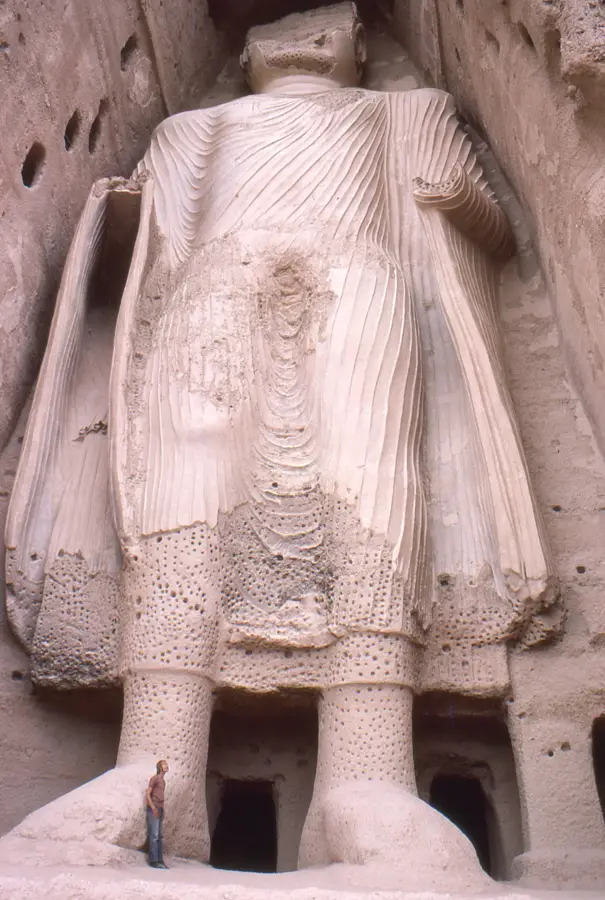
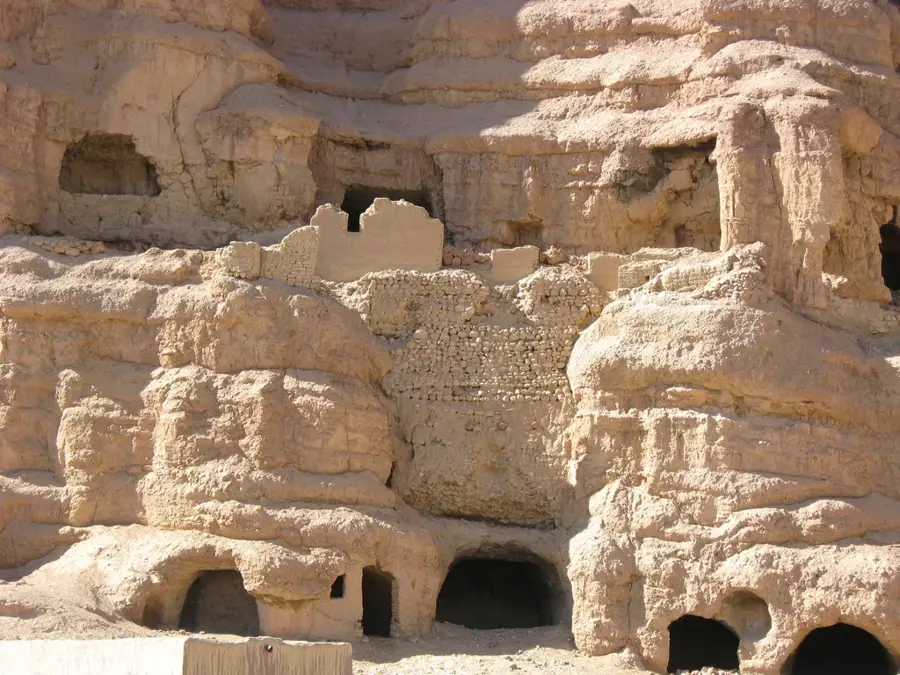
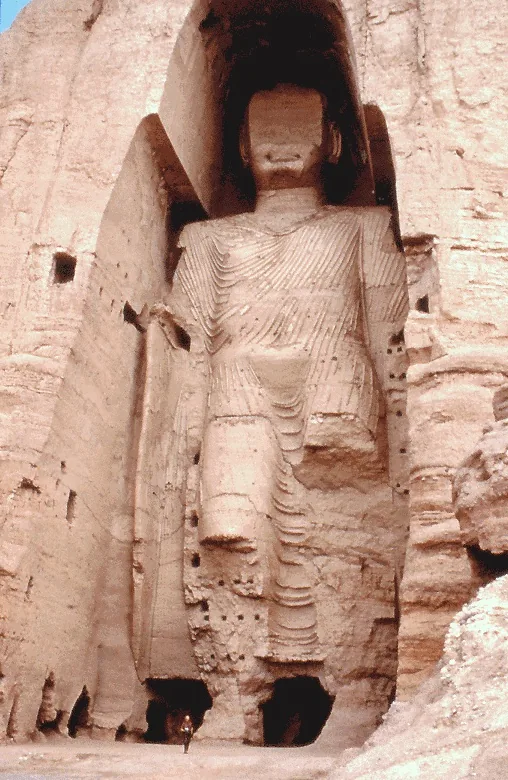
This remarkable natural wonder is most logically combined with a cultural visit to the famous Bamiyan Valley, which is located relatively close by. Exploring the ancient Buddha niches in Bamiyan provides a striking historical contrast to the raw geological beauty of the national park.
🧭
Getting there
Reaching the park requires a dedicated overland journey, usually beginning from the town of Bamiyan via hired local transport or a sturdy private 4x4 vehicle. The rugged, unpaved approach roads demand careful navigation, making a knowledgeable local driver an invaluable asset.
💡
Insider tip
The high altitude means that even during the warmest summer months, the winds can be incredibly harsh and the evening temperatures drop drastically. Always pack multiple warm layers of clothing and sturdy hiking boots, as the rocky trails require good grip and solid ankle support.

Geography

Coordinates
34.83300, 67.20000

Facts

  • Band-e-Amir was designated as Afghanistan's first national park in 2009.
  • The park features six major lakes, with Band-e Haibat being the deepest.
  • The lakes are situated at an average elevation of 3,000 meters above sea level.
  • The natural travertine dams reach heights of up to 10 meters.
  • The total protected area of the park spans 590 square kilometers.
  • The maximum depth of Band-e Haibat lake is roughly 150 meters.

Explore nearby

Notable places around
Route planner — Car & Motorhome

Where do you start? We build the route here, with stops and country notes along the way.

Vehicle
Only stops with (optional):

© OpenStreetMap contributors · OpenRouteService

Sights in the town Band-e-Amir National Park (2)

Band-e Amir National Park🌿 nature

Band-e Amir National Park features a memorable series of six deep blue lakes separated by natural travertine dams high in the Hindu Kush.

Hazrat Ali Mosque📍 landmark

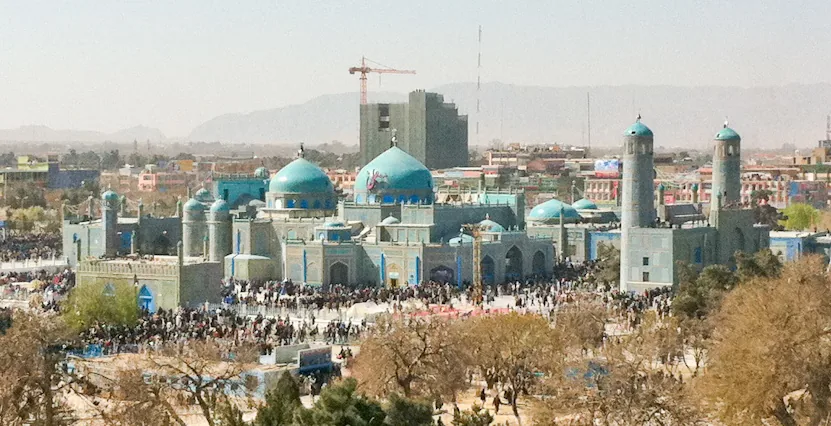
The Hazrat Ali Mosque serves as an Islamic place of worship for pilgrims and visitors arriving at the scenic Band-e Amir lakes.

Sights nearby

Frequently asked questions

How many days should I plan for Band-e-Amir?
At least half a day to a full day is worthwhile. With travel and multiple lakes, an overnight stay often makes sense.
What is the best time to visit?
Late spring through early autumn is usually convenient. Roads are better then, and the water looks especially beautiful.
How difficult is a visit?
The walking itself is usually easy, but getting there can be challenging. Always check weather and road conditions.
Are there toilets and food on site?
Yes, but facilities are often basic and seasonal. It is best to bring water and small snacks.
Is Band-e-Amir photogenic?
Very much so. The turquoise water and limestone edges are especially striking in clear weather and in the morning.
Band-e-Amir National Park: where is it located?
Band-e-Amir National Park is located in Afghanistan.
Band-e-Amir National Park: what is there to see?
Highlights include Band-e Amir National Park, Hazrat Ali Mosque.
Band-e-Amir National Park: when is the best time to visit?
The most pleasant time to visit is Jun, Aug.
Band-e-Amir National Park: why is it worth visiting?

Band-e-Amir National Park, located in the central highlands of Afghanistan, was officially established as the nation's first national park in 2009.
View on map → The Top 50 Attractions → OpenStreetMap →
Asia
Explore with Plizio Discover more places in Asia
More places in Afghanistan →

Nearby cities

More places