Plizio Visual Lab

Kokcha River
Plizio editorial teamData Sources
River
—°2
Kokcha River (Afghanistan)

Weather…

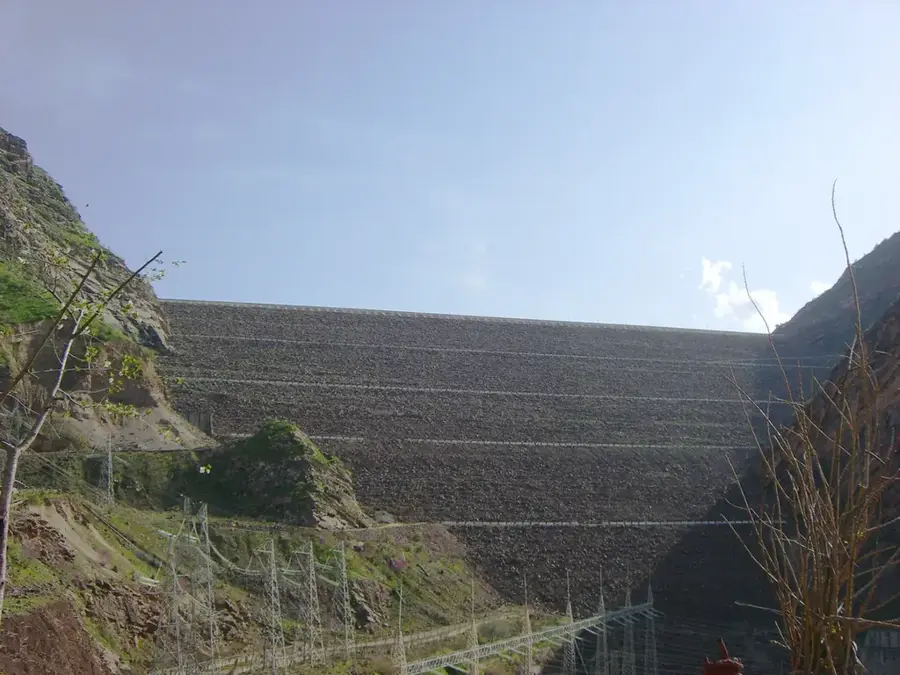
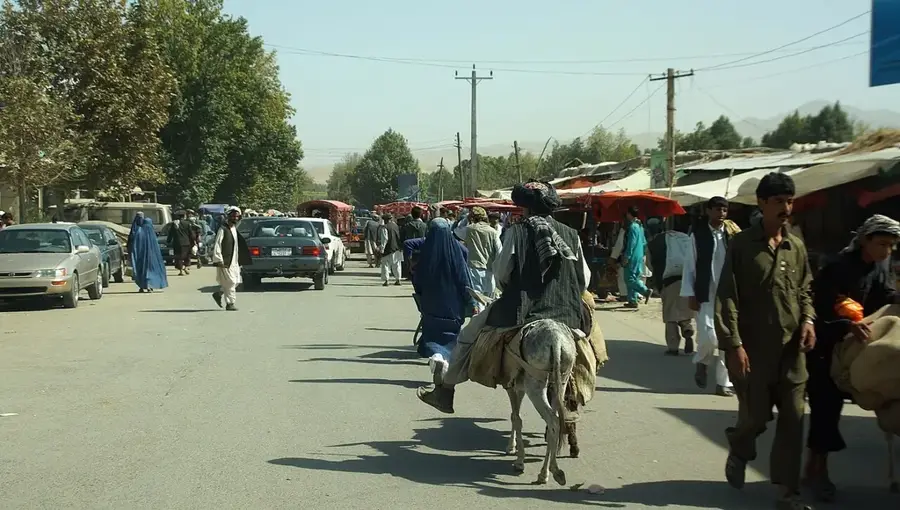
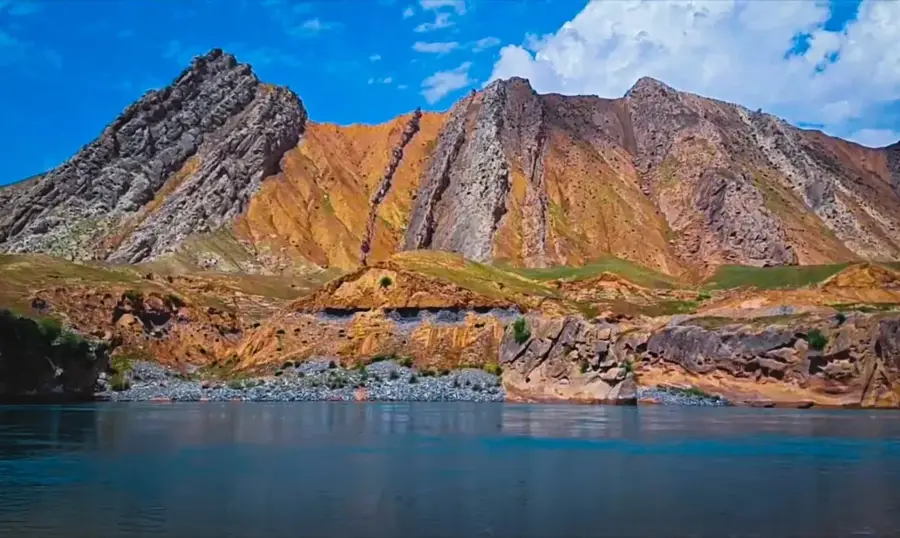
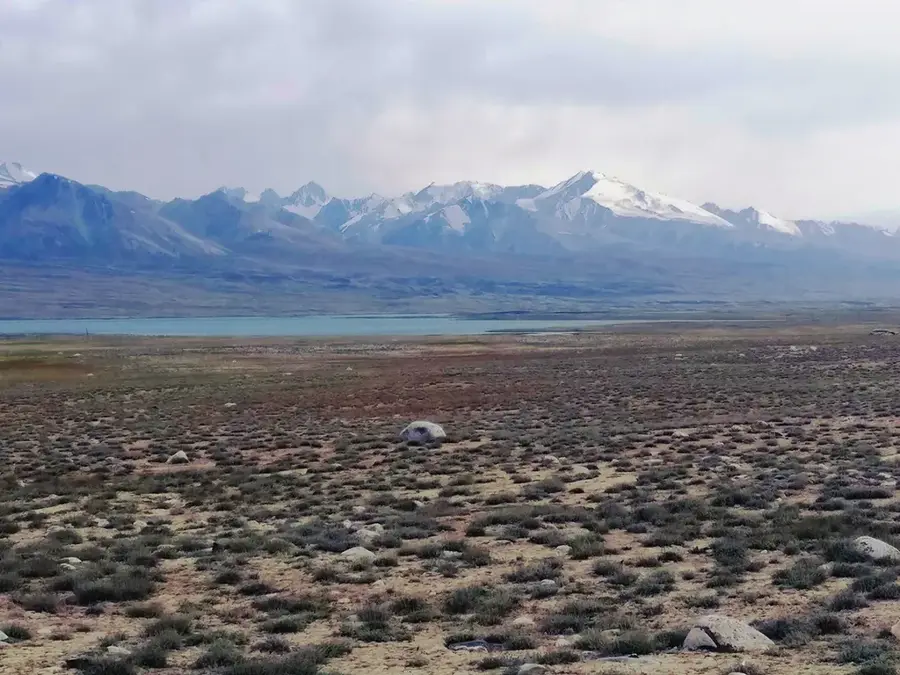
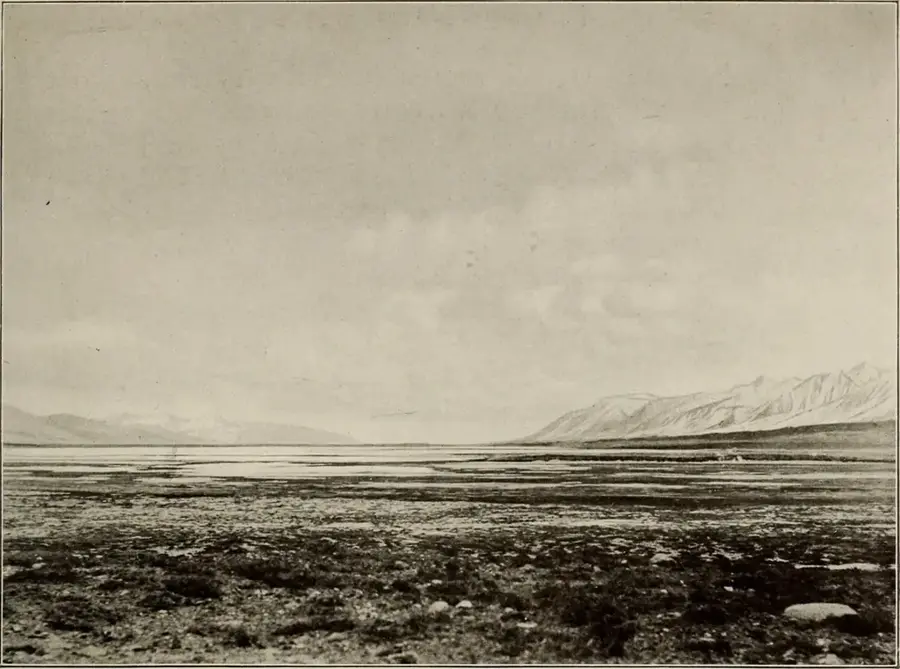
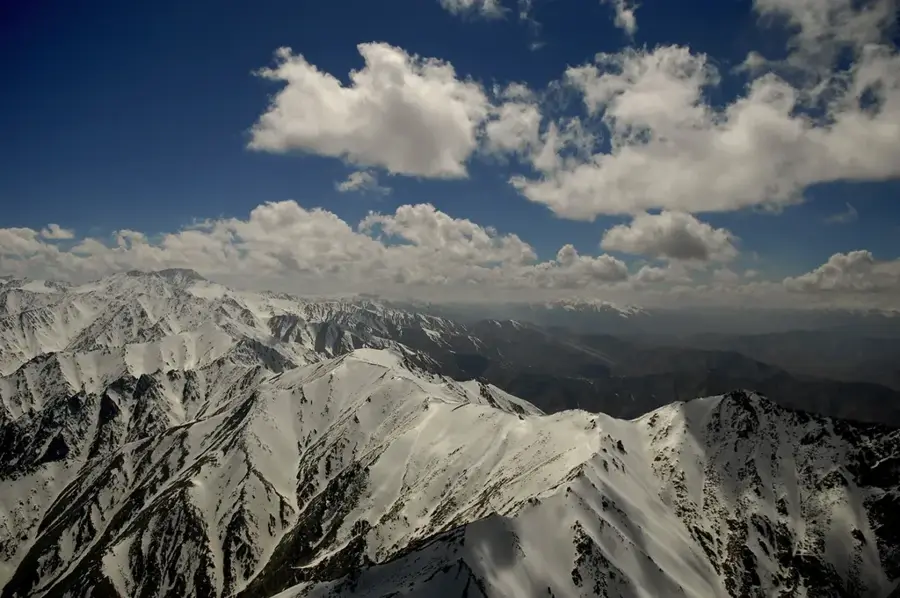
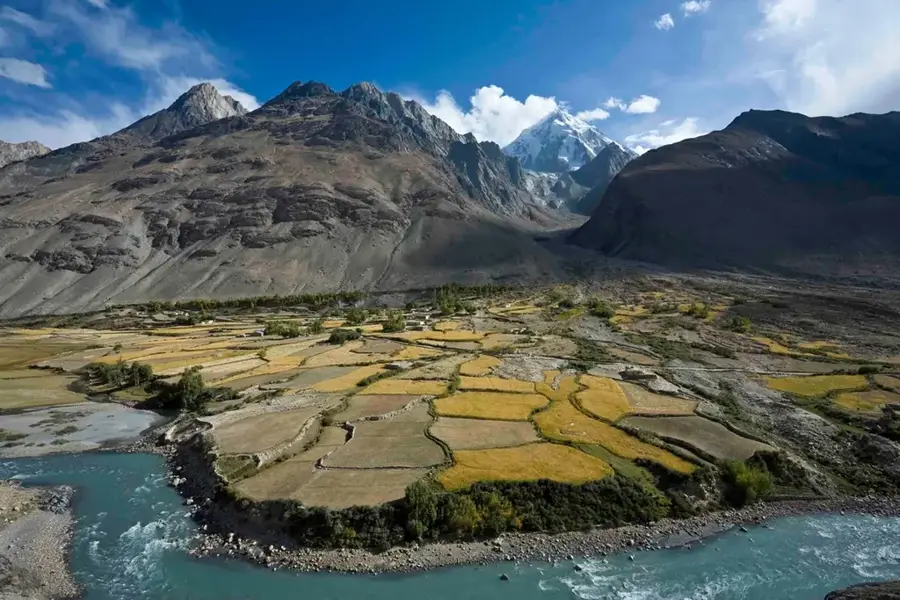
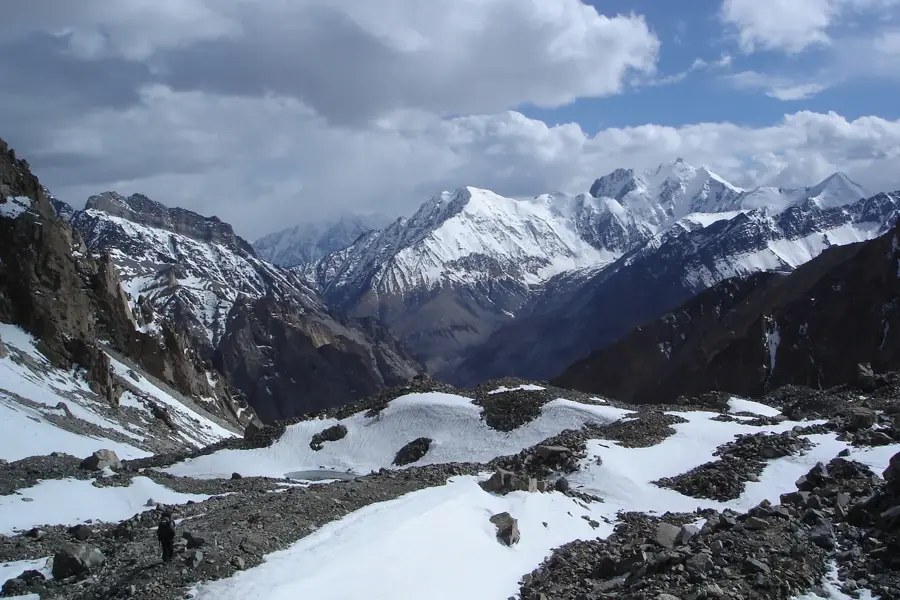
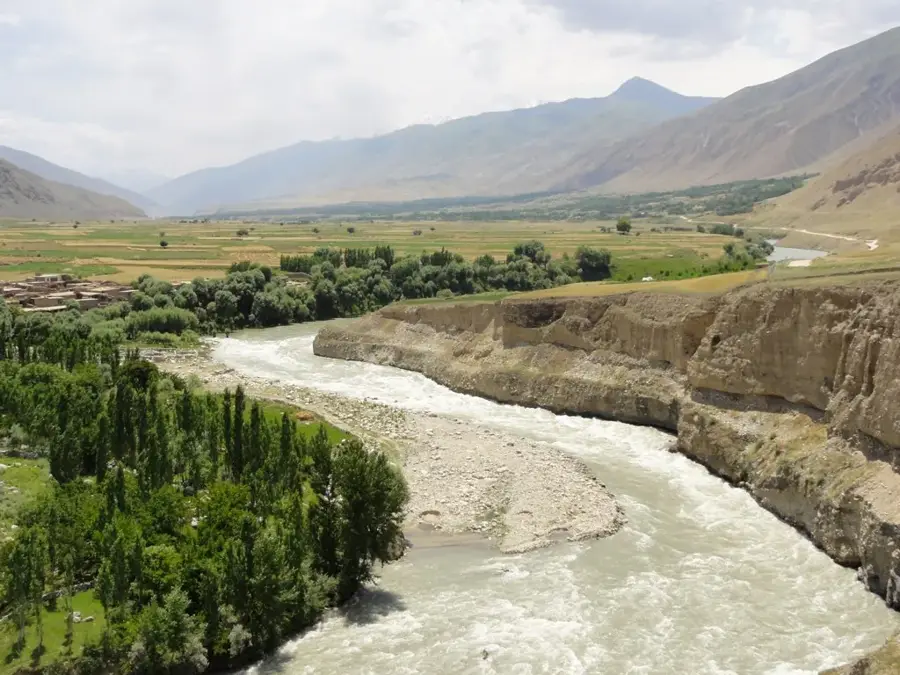
The Kokcha River is a significant right-bank tributary of the Amu Darya in northeastern Afghanistan, primarily flowing through the Badakhshan province. Originating in the glaciated peaks of the Hindu Kush, it traverses a course of approximately 360 kilometers. The river is world-renowned for the lapis lazuli mines located in its valley, particularly the Sar-e Sang mine, which has been producing one of the world's most prized blue gemstones for over 7,000 years. Faizabad, the capital of Badakhshan province, is situated on its banks and relies on the river for its water supply. The landscape along the Kokcha is defined by deep gorges and rugged mountains, making many parts of the valley difficult to access. Geologically, the region is highly significant due to its wealth of gemstones and minerals. The river also holds substantial potential for small-scale hydroelectric projects aimed at improving power access in this remote mountainous region.

Best time to visit & climate

The most pleasant time to visit is May, Sep, Oct.

JanFebMarAprMayJunJulAugSepOctNovDec
Avg °C571318242931292418116
Rain mm3143373217410152626

📋 Practical info

🧭
Getting there
Reaching this remote valley in Badakhshan province typically requires hiring rugged off-road vehicles and local drivers accustomed to precarious mountain routes. The journey usually starts from the regional capital, Faizabad, winding along treacherous cliffside roads for many hours.
📅
Best season
The brief summer period from July to early September gives the most reliable conditions for traveling through the gorge. During spring, massive snowmelt causes the river to become dangerously torrential, frequently washing out the rudimentary dirt access roads.
⛰️
Terrain & paths
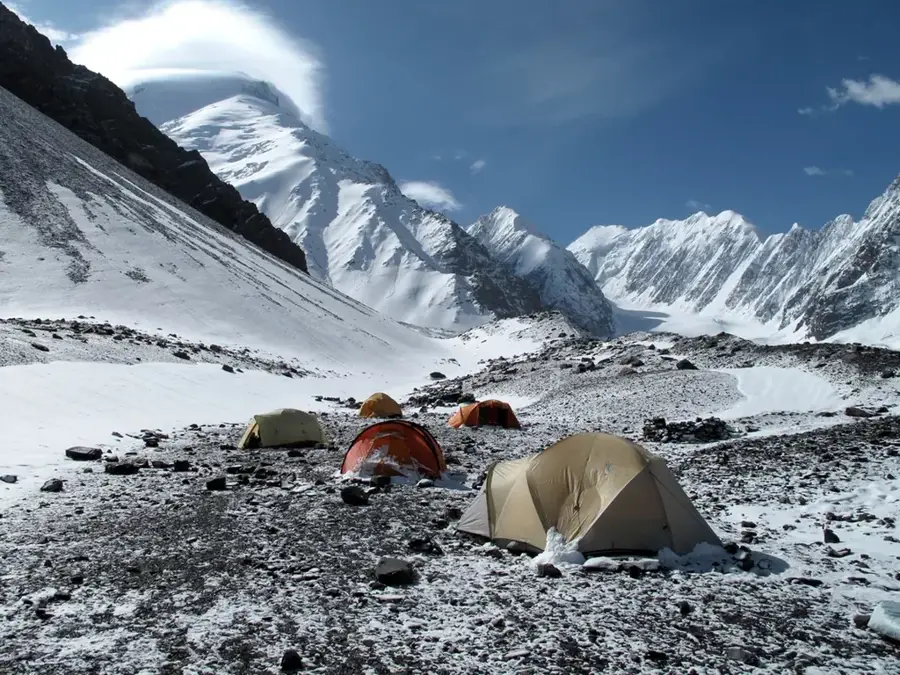
The environment is characterized by an extremely steep, narrow gorge cut deep into the mountains, with roaring turquoise water rushing below. Visitors will navigate loose scree, extremely narrow footpaths, and highly exposed ledges where a fear of heights could be problematic.
🎒
What to bring
Sturdy hiking boots with excellent ankle support are strictly necessary for negotiating the uneven, rocky trails alongside the river. Warm layering is vital even in summer, as the deep valley receives limited direct sunlight and temperatures drop sharply at night.
🅿️
Parking
Formal parking spaces are completely non-existent in this wild gorge; vehicles are usually parked at small settlements or trailheads along the main dirt track. Drivers often stay with their vehicles or arrange to pick up hikers days later at a different designated point.
⚠️
Safety
The sheer drop-offs along the access roads and hiking paths pose the most significant physical danger in this valley. Furthermore, travelers must secure reliable local knowledge to safely avoid active lapis lazuli mining areas and navigate the complex local social dynamics.
⏱️
Time needed
Getting to and from the river valley from major centers takes several days of arduous travel alone. A thorough exploration of the gorge and its surrounding historic landscapes typically requires committing at least one to two weeks to the journey.

Geography

Coordinates
37.10000, 69.40000

Facts

  • The lapis lazuli mines of Sar-e Sang were already being exploited by ancient Egypt and Mesopotamia.
  • The river flows into the Amu Darya near the archaeological site of Ai Khanoum.
  • Ai Khanoum was an ancient Greco-Bactrian city located at the confluence of the Kokcha and Amu Darya.
  • Faizabad serves as the primary commercial and administrative hub in the Kokcha Valley.
  • The river is noted for its clear, cold water originating from Hindu Kush glaciers.
  • There are historical and geological reports of gold deposits found within the river's sediments.

Explore nearby

Notable places around
Route planner — Car & Motorhome

Where do you start? We build the route here, with stops and country notes along the way.

Vehicle
Only stops with (optional):

© OpenStreetMap contributors · OpenRouteService

Sights in the town Kokcha River (2)

Ai Khanoum🏺 historical

Ai Khanoum is a fascinating archaeological site detailing the remains of an ancient Greco-Bactrian city on the Kokcha River.

Imam Azam Mosque(Haji Dana Mosque)📍 landmark

The Imam Azam Mosque serves as a local Muslim spiritual center near the Kokcha River.

Sights nearby

Frequently asked questions

What is the Kokcha River?
The Kokcha River is an important river in northeastern Afghanistan and feeds several valleys and farmland areas. It is strongly tied to mountain scenery.
When is it most scenic?
In spring and early summer, the landscape is often greenest and water levels are higher. The valleys then feel especially alive.
Is the river good for a road trip?
Yes, if you like mountain valleys and river scenery. The route is more scenic than comfortable and takes time.
Why is it important in the region?
For water, farmland, and settlements in the northeast. The river shapes daily life and agriculture along its course.
How long is a visit worth?
For a scenic stop, 1 to 2 hours is often enough. For valley and river routes, it is better to plan a full day.
Kokcha River: where is it located?
Kokcha River is located in Afghanistan.
Kokcha River: what is there to see?
Highlights include Ai Khanoum, Imam Azam Mosque(Haji Dana Mosque).
Kokcha River: when is the best time to visit?
The most pleasant time to visit is May, Sep, Oct.
Kokcha River: why is it worth visiting?

The Kokcha River is a significant right-bank tributary of the Amu Darya in northeastern Afghanistan, primarily flowing through the Badakhshan province.
View on map → The Top 50 Attractions → OpenStreetMap →
Asia
Explore with Plizio Discover more places in Asia
More places in Afghanistan →

Nearby cities

Nature

More places