Plizio Visual Lab

Koh-e Baba
Plizio editorial teamData Sources
Mountain
—°
Koh-e Baba (Afghanistan)

Weather…

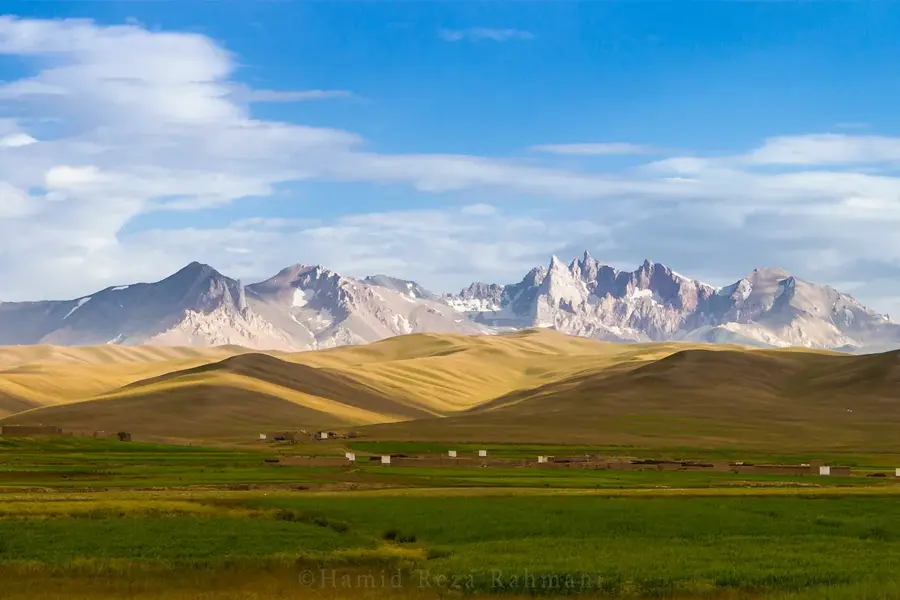
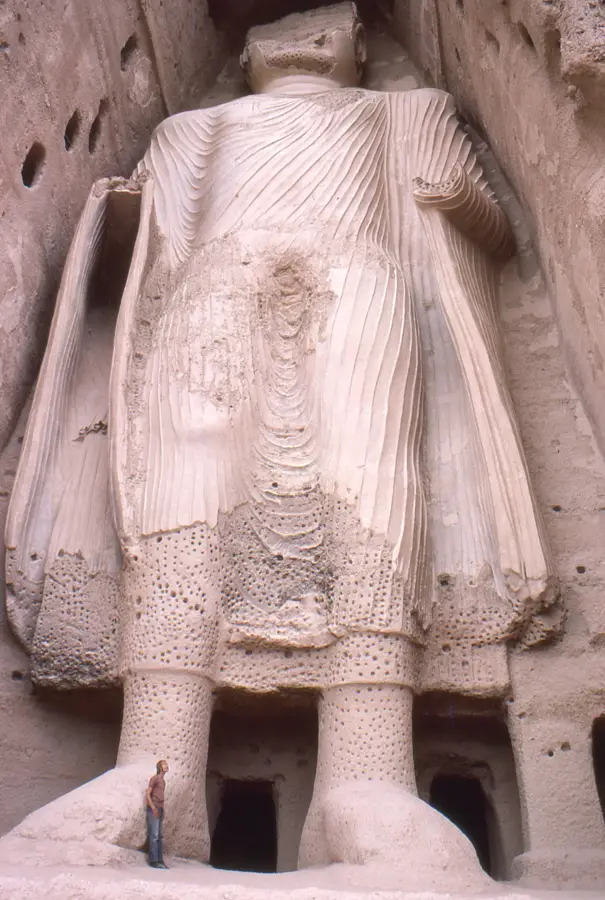
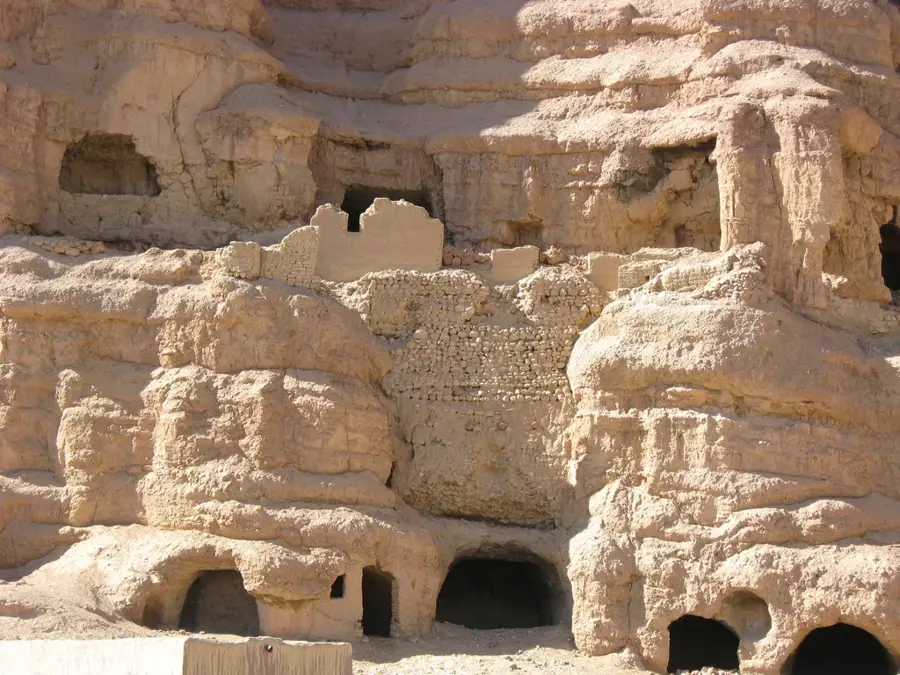
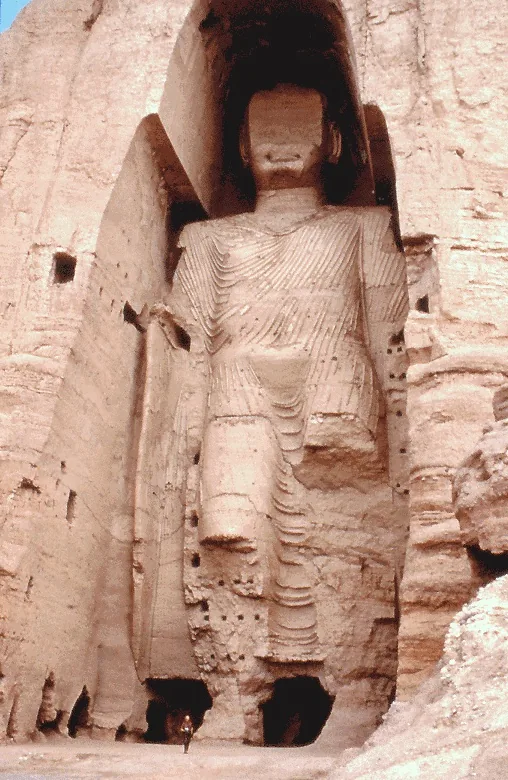
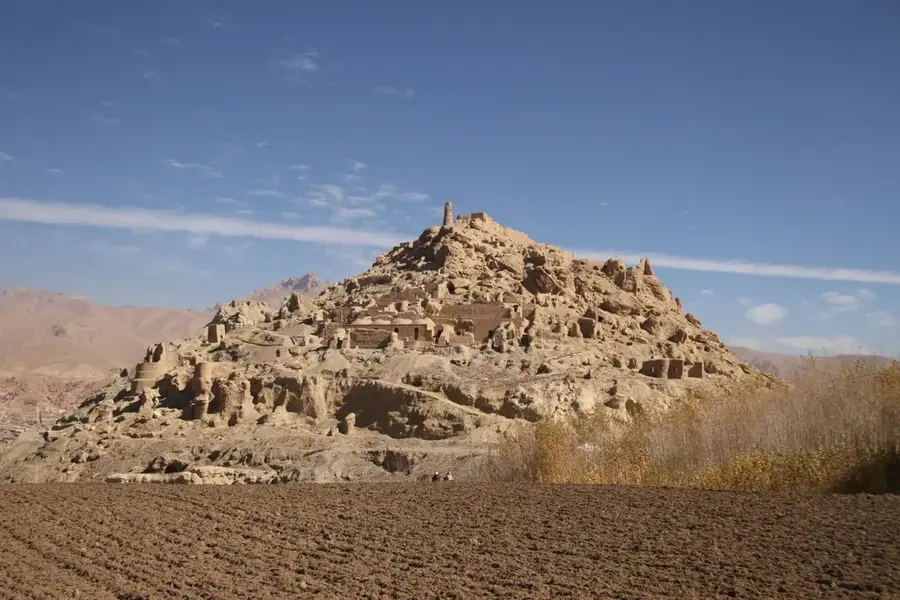
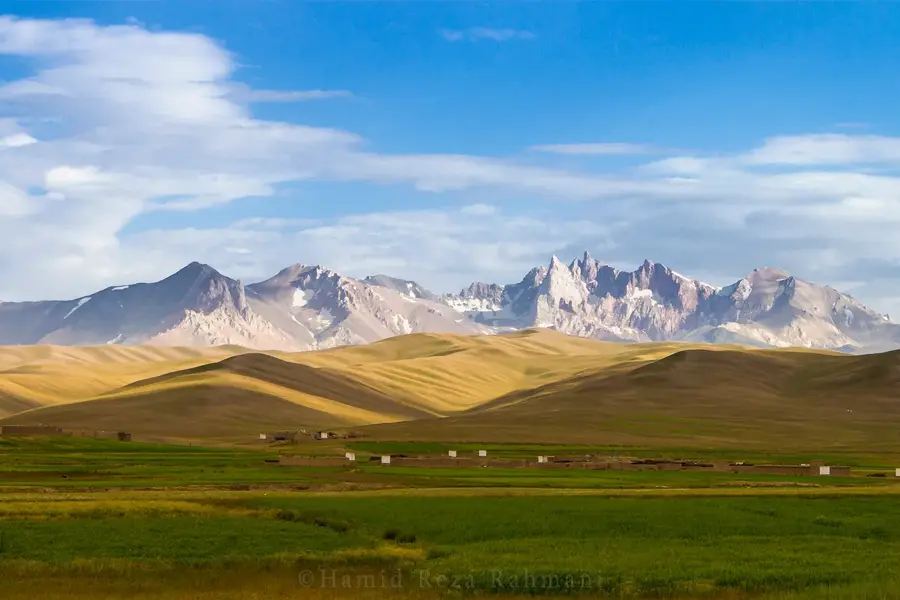
The Koh-e Baba range is a central mountain massif in Afghanistan, extending west of the capital Kabul and forming a crucial watershed for the country. It serves as a link between the massive Hindu Kush to the east and the western plateaus. Its highest peak, Shah Foladi, rises to 4,951 meters. The mountains are known for their rugged peaks, deep gorges, and the absence of dense vegetation in higher elevations. Koh-e Baba is geologically diverse and hosts significant mineral deposits. For Afghanistan's hydrology, the range is indispensable, as it contains the sources of major rivers such as the Helmand, Hari Rud, and Kabul River. Meltwater from glaciers and snowfields supplies vast portions of the dry lowlands with vital water. The Bamiyan region, situated at the foot of the mountains, is world-famous for its archaeological sites. The rugged beauty of Koh-e Baba makes it a symbol of the endurance and geographical identity of the Afghan heartland.

Best time to visit & climate

The most pleasant time to visit is Jun–Aug.

JanFebMarAprMayJunJulAugSepOctNovDec
Avg °C-10-9-238121414104-2-7
Rain mm384763643820181919162922

📋 Practical info

🧭
Getting there
Approaching this towering mountain range usually starts from the central Bamyan valley, using rugged local transport options. Mountaineers and trekkers typically rely on hired mules or porters to carry gear beyond the last drivable dirt tracks into the remote alpine valleys.
📅
Best season
The optimal window for high-altitude trekking here is tightly restricted to the summer months, from late June to early September. Throughout the long winter and spring, heavy snowfall and severe avalanche risks make the higher passes strictly unnavigable.
⛰️
Terrain & paths
The mountains feature classic alpine environments with jagged peaks, deep valleys, scree slopes, and icy streams forming the headwaters of major rivers. Trekkers face grueling ascents on poorly defined trails that require excellent physical endurance and surefootedness.
🎒
What to bring
Full expedition-grade alpine gear is essential, including insulated sleeping bags, sturdy trekking boots, and reliable windproof outerwear. Because there are no mountain huts or supply points, visitors must carry comprehensive camping setups, sufficient food, and water purifiers.
🅿️
Parking
Vehicles are generally left behind at designated guesthouses or secure compounds in the main Bamyan valley before beginning the trek. There are absolutely no parking facilities in the high mountains; the wilderness begins where the dirt roads end.
⚠️
Safety
Severe altitude sickness, rapid weather changes, and extreme isolation are the primary dangers when venturing into this high range. Hiring a highly experienced local guide is strongly recommended to navigate the terrain safely and avoid areas with unexploded ordnance from past conflicts.
⏱️
Time needed
A minor trek into the foothills can take two to three days, originating from the valley base. Reaching the higher peaks or undertaking major crossings usually demands a serious expedition lasting one to two weeks, heavily dependent on acclimatization schedules.

Geography

Coordinates
34.60000, 67.70000

Facts

  • Highest peak: Shah Foladi (4,951 m)
  • Location: Central Highlands of Afghanistan
  • Watershed: Separates the drainage basins of northern and southern river systems
  • Geology: Composed of metamorphic and volcanic rock
  • Climate: Alpine conditions with permanent snow at high altitudes
  • Specialty: Western continuation of the Hindu Kush range

Explore nearby

Notable places around
Route planner — Car & Motorhome

Where do you start? We build the route here, with stops and country notes along the way.

Vehicle
Only stops with (optional):

© OpenStreetMap contributors · OpenRouteService

Sights nearby

Frequently asked questions

How hard is the tour up Koh-e Baba?
Usually moderate to strenuous; higher sections call for good fitness, sturdy boots, and often a local guide.
When is the best time to go?
Late spring to early autumn is best; in winter there is often snow and blocked roads.
How do you get there?
You usually need a 4x4 or a local driver; parking is basic and only possible at informal pull-offs.
Are there food stalls or toilets on site?
Restrooms, food, and shops are often absent; bring your own water and snacks.
What should I watch for in the weather?
Mountain weather changes fast, so layers, rain protection, and sun protection are recommended.
Koh-e Baba: where is it located?
Koh-e Baba is located in Afghanistan.
Koh-e Baba: when is the best time to visit?
The most pleasant time to visit is Jun, Aug.
Koh-e Baba: why is it worth visiting?
The Koh-e Baba range is a central mountain massif in Afghanistan, extending west of the capital Kabul and forming a crucial watershed for the country.
View on map → The Top 50 Attractions → OpenStreetMap →
Asia
Explore with Plizio Discover more places in Asia
More places in Afghanistan →

Nearby cities

More places