Plizio Visual Lab

Hari Rud
Plizio editorial teamData Sources
River
—°1
Hari Rud (Afghanistan)

Weather…

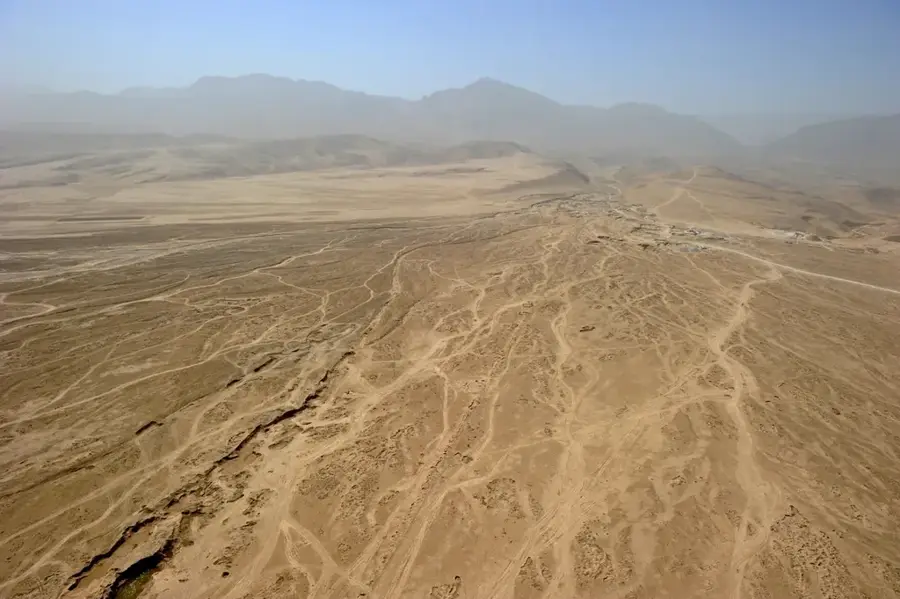
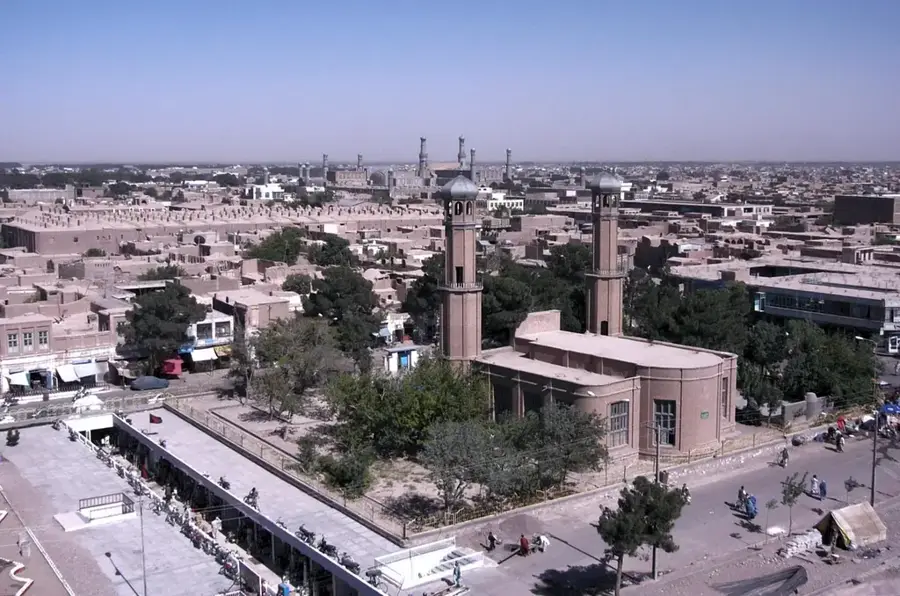
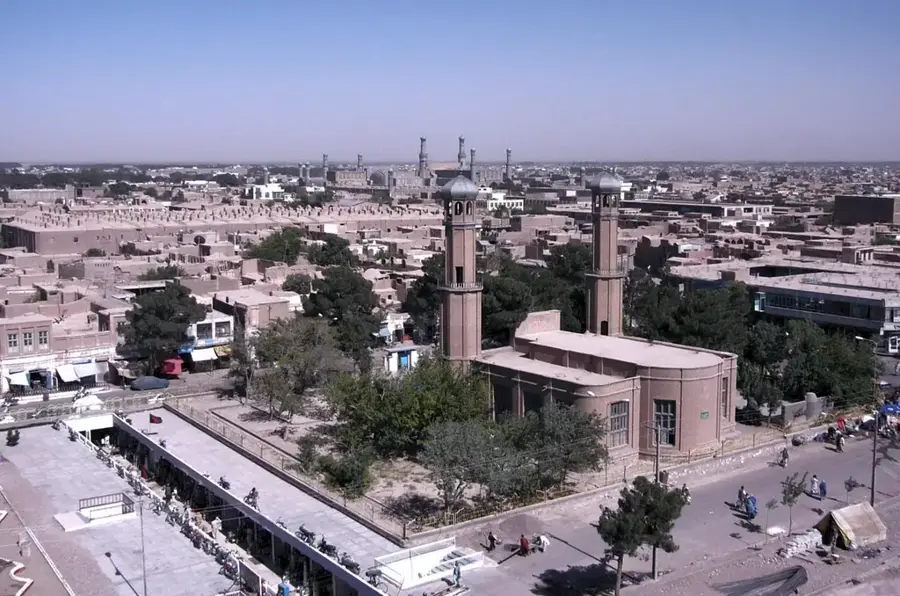
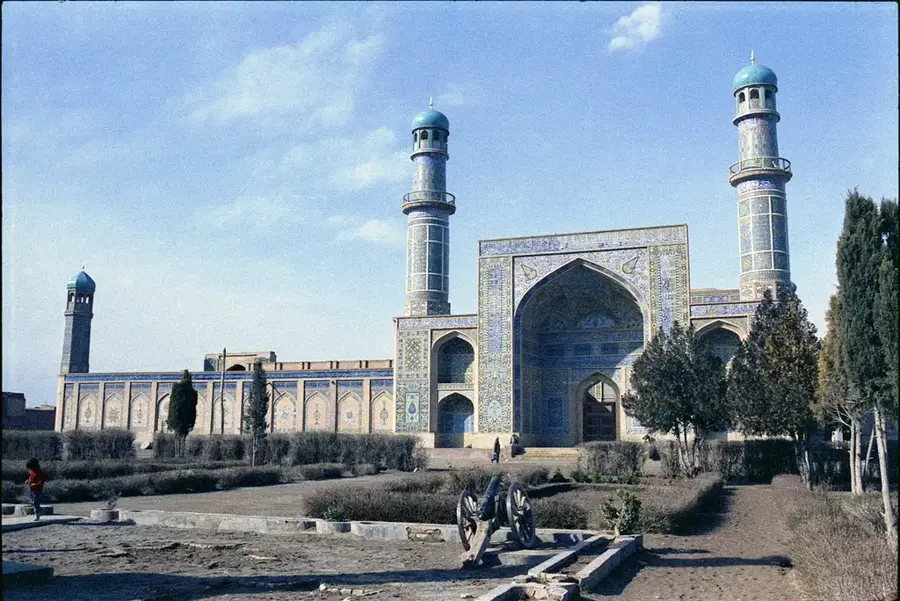
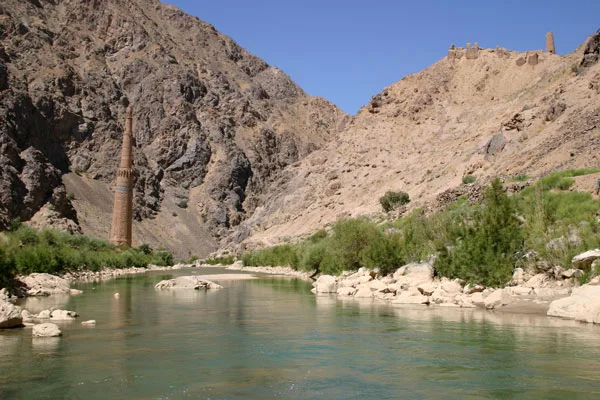
The Hari Rud originates in the central mountains of Afghanistan, specifically within the Koh-i-Baba range, and flows approximately 1,100 kilometers westward through Herat province into Turkmenistan. In Turkmenistan, the river is known as the Tejen and eventually dissipates into the Karakum Desert. The Hari Rud is of paramount economic significance to western Afghanistan, providing essential irrigation for the fertile oases surrounding the city of Herat. A major infrastructure landmark on the river is the Salma Dam, renamed the Afghan-India Friendship Dam, which has provided hydroelectric power and improved irrigation since its inauguration in 2016. Historically, the Hari Rud valley has been a vital cultural corridor; the famous Minaret of Jam, a UNESCO World Heritage site, stands in a remote valley along one of its tributaries. The river also serves as a natural border between Afghanistan and Iran for about 95 kilometers. Like many rivers in the region, the Hari Rud faces ongoing challenges regarding transboundary water management with neighboring countries.

Best time to visit & climate

The most pleasant time to visit is May, Aug, Sep.

JanFebMarAprMayJunJulAugSepOctNovDec
Avg °C35101621252725201584
Rain mm3745423510100033239

📋 Practical info

🧭
Getting there
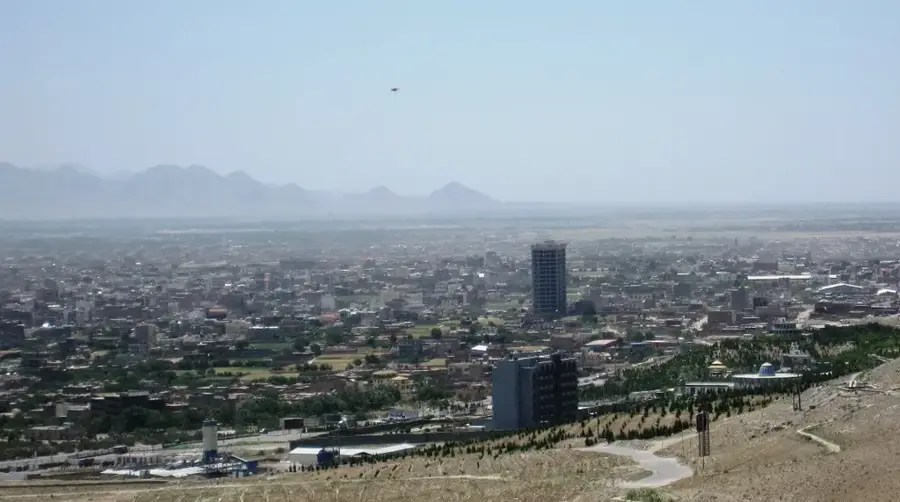
Accessing the banks of this historic river is most commonly done near the city of Herat, where the surrounding infrastructure is relatively developed. Reaching the more remote mountain sources typically involves hiring local drivers and navigating rugged, unpaved terrain.
📅
Best season
The most pleasant conditions for observing the river usually occur during the spring months when the water volume is high from melting mountain snow. Summer can be intensely hot in the western regions, causing the water levels to drop significantly as it approaches the desert.
⛰️
Terrain & paths
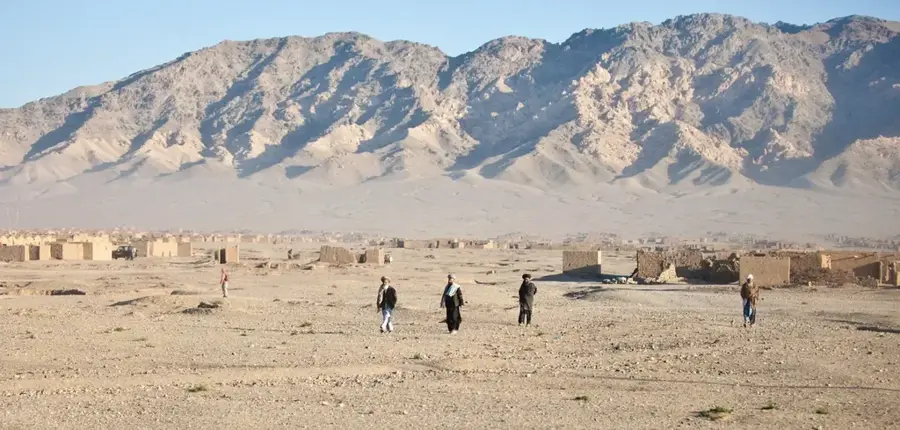
The landscape transitions dramatically from deep mountain gorges in central Afghanistan to broad, cultivated valleys around the historic settlements. Exploring the riverbanks often means walking on soft sand, loose gravel, and uneven agricultural borders.
🎒
What to bring
Practical clothing that respects local cultural norms is required, along with excellent sun protection to guard against the intense regional heat. Sturdy walking shoes and sufficient personal hydration are essential for any extensive walks along the sun-exposed riverbanks.
🅿️
Parking
In urban areas like Herat, visitors can usually find informal parking spots near bridges or designated spaces near major cultural landmarks. In rural sections, drivers typically park simply on the shoulder of dirt roads, ensuring they do not block local agricultural traffic.
⚠️
Safety
Travelers must remain vigilant regarding regional security situations and always consult with knowledgeable local guides before venturing outside city limits. Additionally, one should be cautious of swift currents during the spring melt and respect private agricultural land boundaries.
⏱️
Time needed
A typical visit to enjoy the river views near urban centers might take only an hour or two as part of a broader cultural tour. However, following the river's course deeper into the central mountains usually requires a multi-day itinerary with dedicated transport.

Geography

Coordinates
34.30000, 62.00000

Facts

  • The name 'Hari' is derived from the Old Persian 'Harayu', meaning 'water-rich'.
  • The Minaret of Jam, located near the river, is over 60 meters tall and dates back to the 12th century.
  • The Salma Dam has the capacity to irrigate approximately 75,000 hectares of farmland.
  • In Turkmenistan, the river terminates in the Tejen oasis.
  • The city of Herat owes its historical prosperity to the water supplied by the Hari Rud.
  • The river reaches its maximum flow during the spring snowmelt in the mountains.

Explore nearby

Notable places around
Route planner — Car & Motorhome

Where do you start? We build the route here, with stops and country notes along the way.

Vehicle
Only stops with (optional):

© OpenStreetMap contributors · OpenRouteService

Sights in the town Hari Rud (1)

Qal`ah-ye Kumah📍 landmark

Qal`ah-ye Kumah is a weathered fortress ruin overlooking the dramatic landscapes of the Hari Rud river valley.

Sights nearby

Frequently asked questions

What is the Hari Rud?
The Hari Rud is an important river in western Afghanistan, especially for Herat and the surrounding farmland. It contributes heavily to regional water supply.
When is the best time to see it?
Spring and early summer are usually handy, when the river carries more water. In summer the landscape can look drier.
Is the bank easy to access?
Only in certain spots. Many sections are agricultural or left natural, so explore them carefully.
What is Hari Rud known for?
For irrigation, the Herat landscape, and its importance in the west of the country. It is more a working river than a tourist attraction.
How long is a stop worth?
For photos, 30 to 60 minutes is often enough. With a picnic or a drive along the bank, it can become a half-day outing.
Hari Rud: where is it located?
Hari Rud is located in Afghanistan.
Hari Rud: when is the best time to visit?
The most pleasant time to visit is May, Aug, Sep.
Hari Rud: why is it worth visiting?
The Hari Rud originates in the central mountains of Afghanistan, specifically within the Koh-i-Baba range, and flows approximately 1,100 kilometers westward through Herat province into Turkmenistan.
View on map → The Top 50 Attractions → OpenStreetMap →
Asia
Explore with Plizio Discover more places in Asia
More places in Afghanistan →

Nearby cities

More places