Plizio Visual Lab

Murghab
Plizio editorial teamData Sources
River
—°1
Murghab (Afghanistan)

Weather…

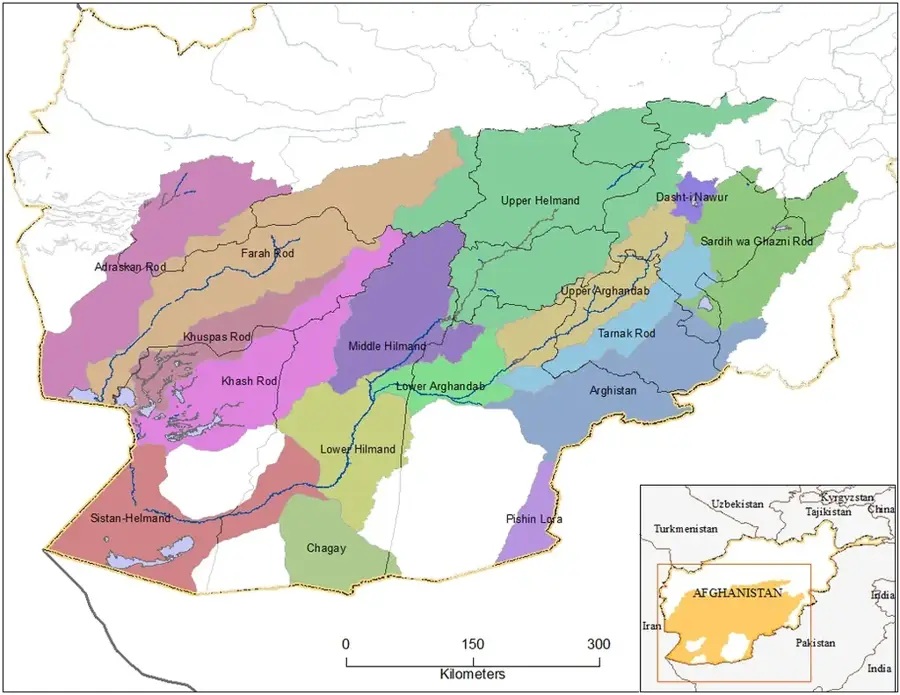
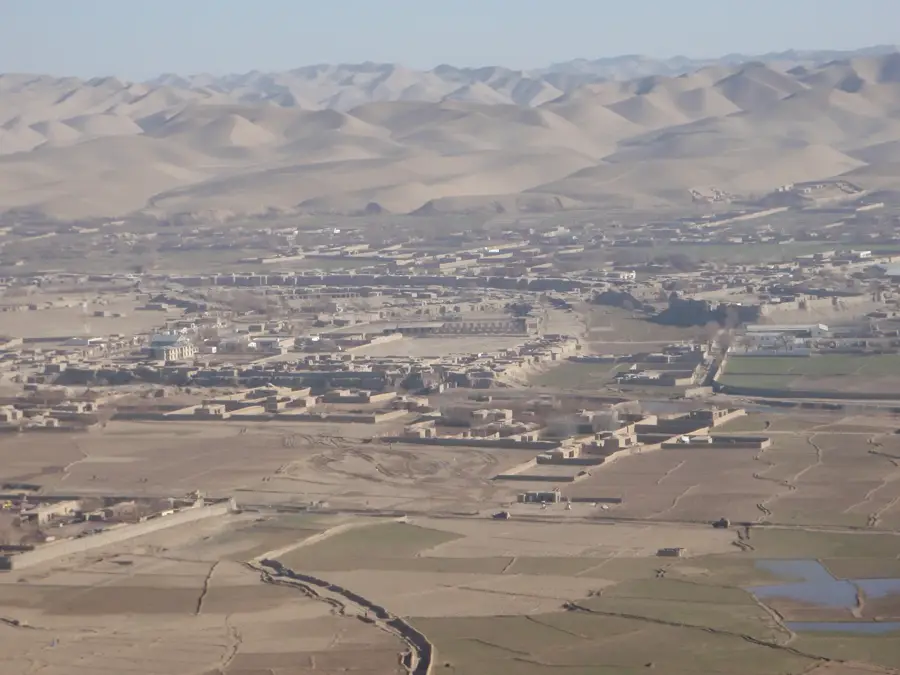
The Murghab River is a major waterway in Central Asia, originating in the western Hindu Kush mountains of Afghanistan. Spanning a total length of approximately 850 kilometers, it flows northwest through the Badghis province before crossing the border into Turkmenistan. In Turkmenistan, the river creates a vital oasis in the arid lowlands and eventually dissipates into the sands of the Karakum Desert, never reaching the sea. The Murghab is indispensable for agricultural irrigation in the region, particularly for the cultivation of cotton and cereals. Historically, the Murghab delta was the center of the ancient Margiana civilization, whose ruins are located near the city of Mary. The river's water flow is largely determined by snowmelt in the Afghan highlands, resulting in significant seasonal fluctuations. Due to intensive use for irrigation projects, ecosystem protection and equitable water distribution are critical issues in the relations between the riparian states.

Best time to visit & climate

The most pleasant time to visit is May, Aug, Sep.

JanFebMarAprMayJunJulAugSepOctNovDec
Avg °C1391420242523191473
Rain mm364442278100042831

📋 Practical info

🧭
Getting there
The river is usually accessed by road travel heading northwest from major Afghan cities into the rural agricultural zones. The roads parallel to the river can be rough, and getting deep into the agricultural oases typically requires a reliable 4x4 and local guidance.
📅
Best season
Spring is exceptionally beautiful as the river feeds the spirited green oases before the fierce heat arrives. Summer and early autumn become intensely arid and hot as the river approaches the vast Karakum Desert, making travel during midday particularly exhausting.
⛰️
Terrain & paths
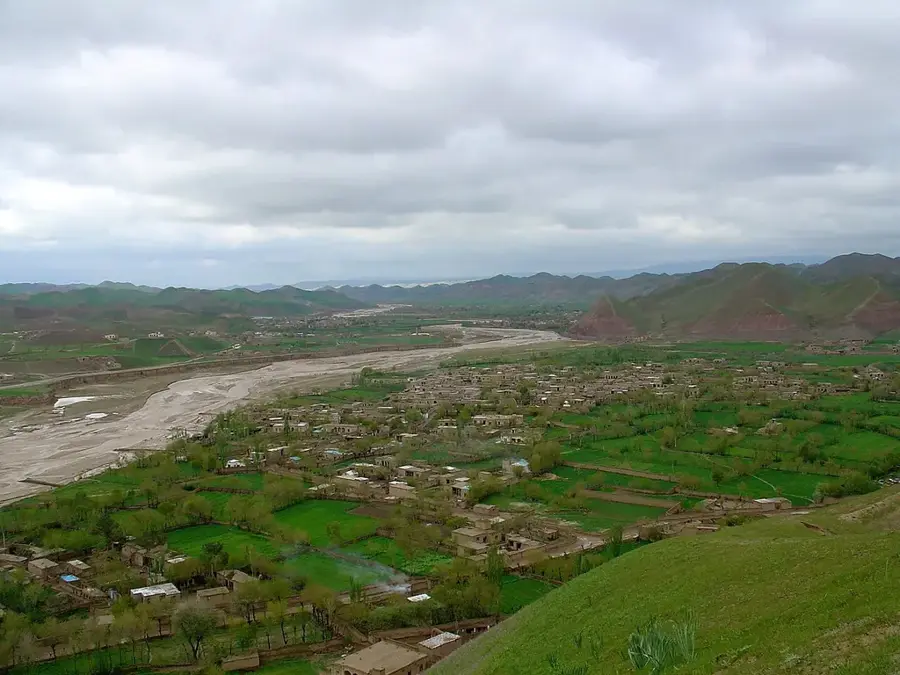
The landscape transitions from mountainous origins into sprawling, flat agricultural plains dotted with irrigation canals. Visitors will mainly encounter dusty rural tracks, dense vegetation near the water, and increasingly sandy environments heading northwest.
🎒
What to bring
Lightweight, modest clothing that protects against severe sun exposure is absolutely essential in this environment. Bringing a robust supply of personal drinking water and effective dust masks is recommended for the long journeys along unpaved rural routes.
🅿️
Parking
Informal parking is widely available in the numerous agricultural villages scattered along the river's path. Drivers typically leave vehicles within the walled compounds of local guesthouses to ensure safety while visitors explore the surrounding oases on foot.
⚠️
Safety
Extreme heat and dehydration are major risks, meaning travel plans must respect the harsh midday sun. As in many rural regions, securing reliable advice from trusted locals regarding the current security situation is paramount before initiating any travel.
⏱️
Time needed
A brief exploration of a single oasis community might only require an afternoon during a transit trip. Following the river's transformation towards the desert border is a much larger undertaking, typically requiring three to five days of dedicated overland travel.

Geography

Coordinates
35.30000, 63.50000

Facts

  • Total length of the river: approx. 850 km
  • Drainage basin covers about 46,880 km²
  • Mouth: Ends blindly in the Karakum Desert
  • Most important tributary: The Kashkan River
  • Average discharge: approx. 52 m³/s at the border
  • Historical context: Core of the ancient Merv oasis

Explore nearby

Notable places around

Route planner — Car & Motorhome

Where do you start? We build the route here, with stops and country notes along the way.

Vehicle
Only stops with (optional):

© OpenStreetMap contributors · OpenRouteService

Sights in the town Murghab (1)

Kohneh Rabat🏺 historical

Kohneh Rabat is an ancient archaeological site positioned along the historical banks of the Murghab River.

Sights nearby

Frequently asked questions

What is the Murgab?
The Murgab is a river in northwestern Afghanistan that supplies water to dry landscapes. It matters regionally for agriculture and settlements.
When is the river most photogenic?
In spring or after better water flow, when the banks and fields are greener. In dry months, the surroundings look much barer.
Is this a good place for a short stop?
Yes, especially as a break on a longer northwest route. It is more of a scenic stop than a destination with lots of infrastructure.
What is the Murgab known for?
For providing water in a dry region, riverside scenery, and supporting small farming zones. It is more functional than tourist-oriented.
How much time do you need?
For a quick look at the river, 30 to 60 minutes is often enough. If you want to explore the area, plan at least half a day.
Murghab: where is it located?
Murghab is located in Afghanistan.
Murghab: when is the best time to visit?
The most pleasant time to visit is May, Aug, Sep.
Murghab: why is it worth visiting?
The Murghab River is a major waterway in Central Asia, originating in the western Hindu Kush mountains of Afghanistan.
View on map → The Top 50 Attractions → OpenStreetMap →
Asia
Explore with Plizio Discover more places in Asia
More places in Afghanistan →

Nearby cities

More places