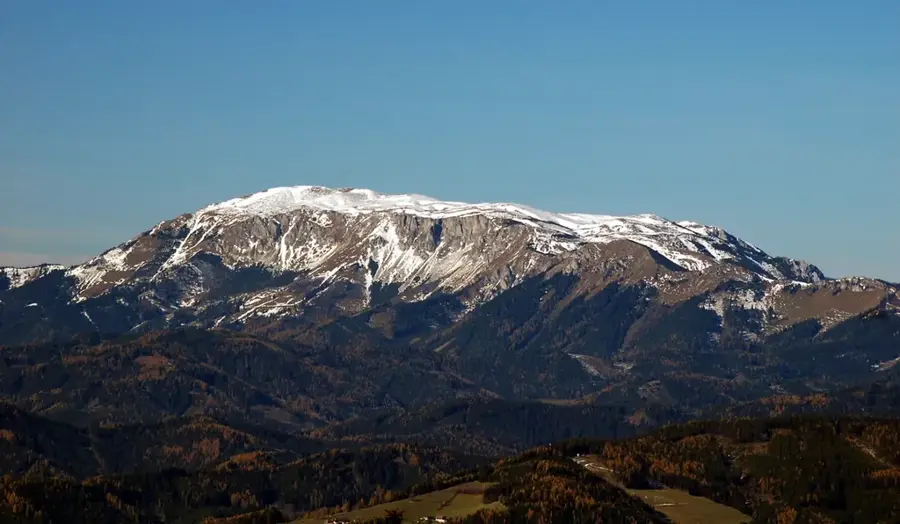
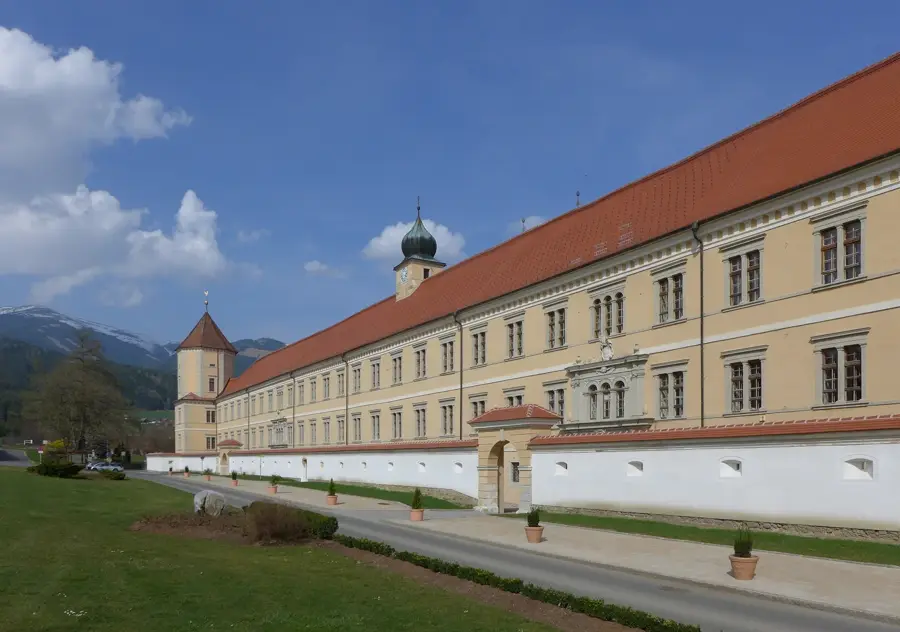
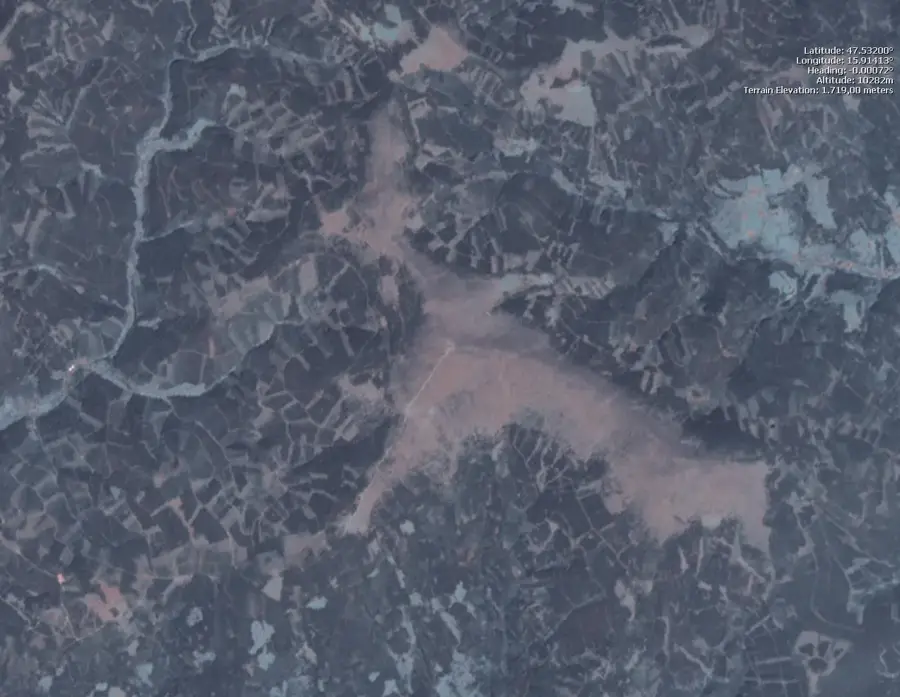
Plizio Visual Lab

Salza River
Plizio editorial teamData Sources
River
—°5
Salza River (Austria)

Weather…

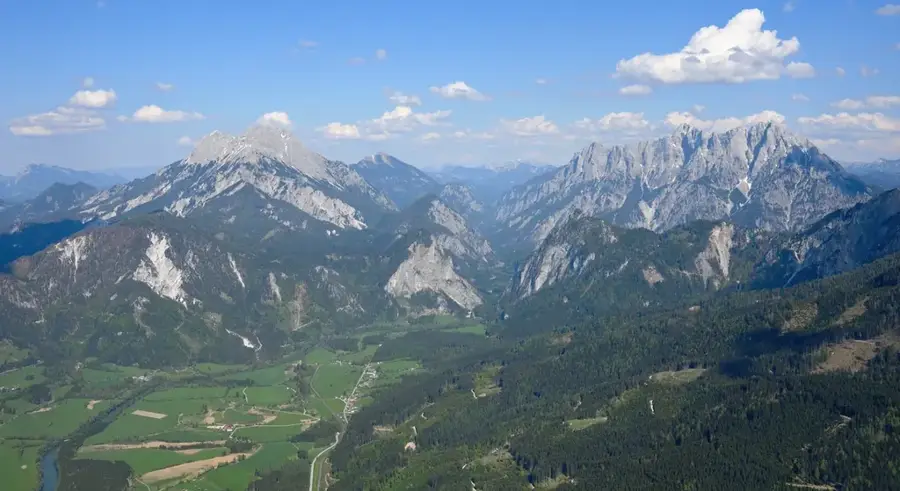
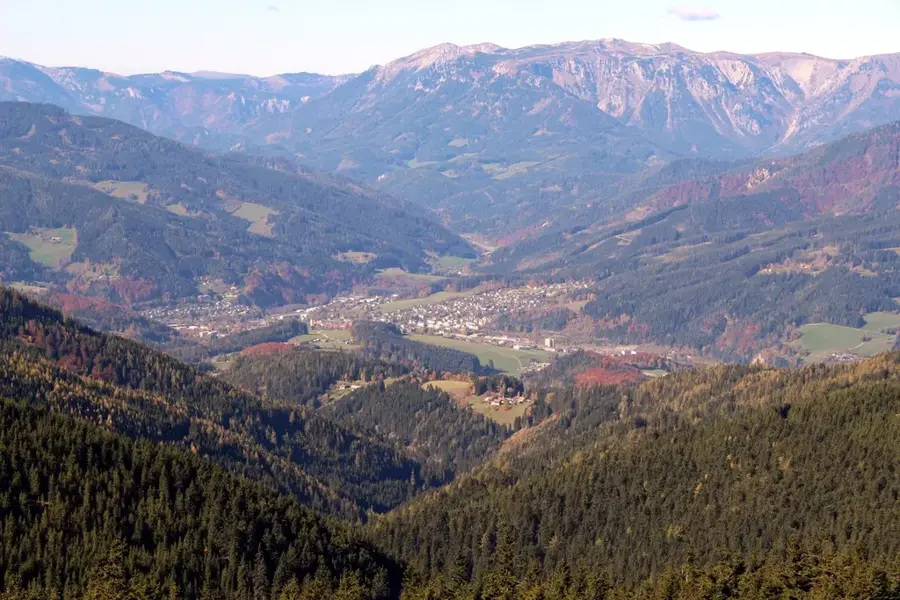
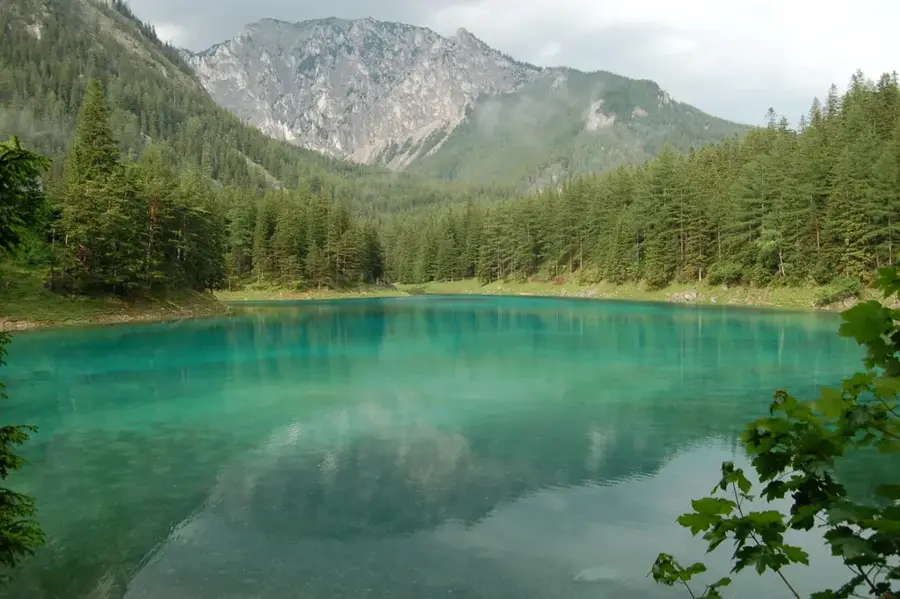
The Salza is an 88-kilometer-long river in Styria, widely regarded as one of the most pristine wild rivers in the Eastern Alps. It originates near Traisenberg in Lower Austria but flows primarily through the Styrian Limestone Alps before joining the Enns River at Großreifling. The Salza is famous for its crystal-clear turquoise water and its largely undeveloped riverbanks. It is an internationally renowned destination for whitewater sports, including rafting and kayaking. A significant portion of its water is diverted into the Second Vienna Mountain Spring Pipeline to provide high-quality drinking water to the city of Vienna. The Salza carves through impressive conglomerate gorges and provides a vital habitat for sensitive fish species such as brown trout and grayling. The untouched nature along its course, particularly within the Eisenwurzen Nature Park, makes the region a key destination for eco-tourism and outdoor enthusiasts.

Best time to visit & climate

The most pleasant time to visit is Jun–Aug.

JanFebMarAprMayJunJulAugSepOctNovDec
Avg °C-4-316101416161172-3
Rain mm58536160118142149152113796256

📋 Practical info

🧭
Getting there
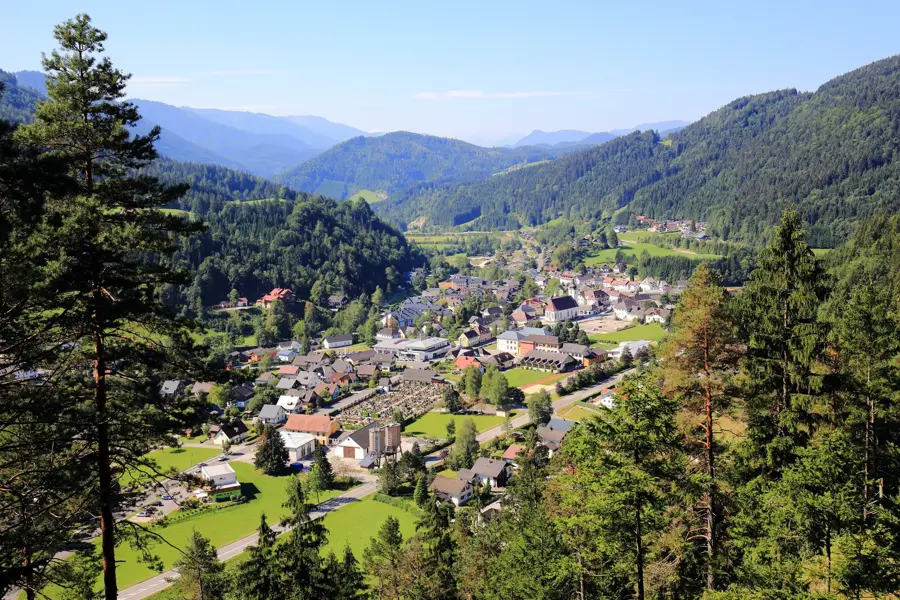
The Salza River is most delightfully accessed via the scenic Salzatal valley, with villages such as Wildalpen or Palfau frequently serving as primary staging areas for water activities. All along the riverfront road, visitors will find numerous put-in points for paddlers as well as trailheads for riverside walks.
📅
Best season
The peak season for engaging in whitewater sports and enjoying the riverbanks generally runs from May through September, offering comfortable temperatures and usually optimal water levels. In the spring, shortly after the alpine snowmelt, the river typically runs highest, which primarily attracts highly experienced paddlers.
⛰️
Terrain & paths
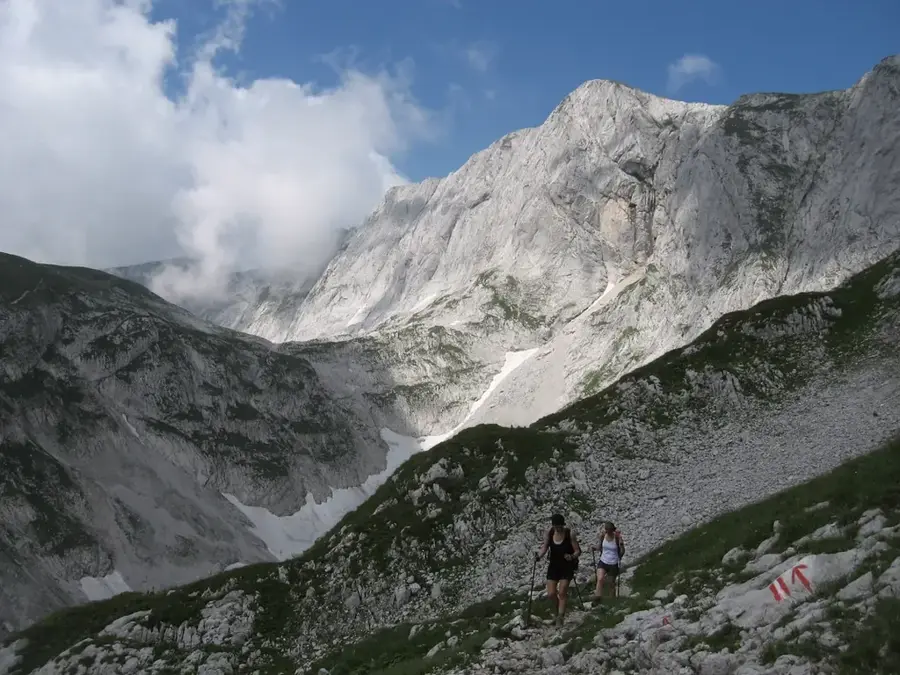
The untamed riverbed winds its way dramatically through deep, impressive gorges, bordered by steep, sheer rock faces and dense, spirited forests. For hikers, the shoreline paths are typically narrow and rustic, while paddlers on the water must navigate diverse rapids, deep pools, and sections of rocky riverbed.
🎒
What to bring
For leisurely hikes tracing the river's edge, comfortable, slip-resistant footwear and weather-appropriate outdoor clothing are generally quite sufficient. Conversely, anyone venturing onto the whitewater absolutely must wear a well-fitting wetsuit, a sturdy helmet, a certified buoyancy aid, and use appropriate watercraft.
🅿️
Parking
Designated parking areas are typically available scattered along the main valley road and specifically near well-known entry and exit points for rafts and kayaks. Furthermore, commercial whitewater rafting outfitters located in the main valley towns usually provide dedicated parking facilities for their paying guests.
⚠️
Safety
The powerful currents, recirculating eddies, and submerged rocky obstacles of the Salza can be incredibly deceptive and demand constant vigilance while on the water. Inexperienced individuals should strictly only attempt navigating the river as part of a professionally guided tour to safely minimize any potential risks.
⏱️
Time needed
A commercially guided rafting or kayaking excursion, completely factoring in equipment fitting and comprehensive safety briefings, usually takes up a solid half day. Those who wish to additionally explore the surrounding shoreline trails or simply relax by the water can easily make a full, enjoyable day trip out of it.

Geography

Coordinates
47.65000, 14.95000

Facts

  • The total length of the Salza is approximately 88 kilometers.
  • The river originates at Göller/Traisenberg in Lower Austria.
  • The Salza has supplied the Second Vienna Mountain Spring Pipeline since 1910.
  • The river confluence with the Enns is located at Großreifling.
  • It is considered the longest unobstructed wild river in Central Europe.
  • The water temperature rarely exceeds 12 degrees Celsius, even in summer.

Explore nearby

Notable places around
Route planner — Car & Motorhome

Where do you start? We build the route here, with stops and country notes along the way.

Vehicle
Only stops with (optional):

© OpenStreetMap contributors · OpenRouteService

Sights in the town Salza River (5)

Großer Geiger📍 landmark

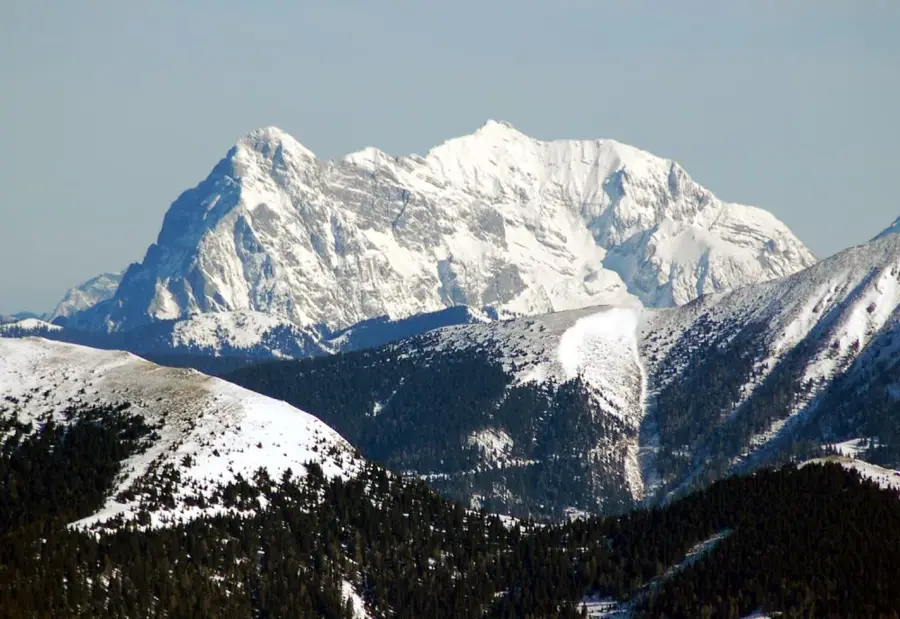
Großer Geiger is a peak in the Styrian Salza valley.

Großer Torstein📍 landmark

Großer Torstein is a gate-shaped rock in the Styrian Salza valley.

Siebenbürgerkogel📍 landmark

Siebenbürgerkogel is a hill in the Styrian Salza valley named after Transylvania.

Waldsauna🎡 recreation

A wellness and swimming facility located in the scenic forest area near the Salza River.

Sights nearby

Frequently asked questions

What is the Salza particularly famous for?
It is considered one of the most beautiful whitewater rivers in Europe for rafting.
Where is the best place to enter the water?
Wildalpen is the center for all water sports activities on the Salza.
Is the water of the Salza drinkable?
Yes, the river has excellent water quality and feeds Vienna's mountain spring pipelines.
Are there hiking trails along the Salza?
Yes, the Wasserlochklamm near Palfau is particularly spectacular.
When is the rafting season?
The main season for whitewater sports is from May to September.
Salza River: where is it located?
Salza River is located in Styria, Austria.
Salza River: what is there to see?
Highlights include Museum HochQuellenWasser, Großer Geiger, Großer Torstein.
Salza River: when is the best time to visit?
The most pleasant time to visit is Jun, Aug.
Salza River: why is it worth visiting?
The Salza is an 88-kilometer-long river in Styria, widely regarded as one of the most pristine wild rivers in the Eastern Alps.
View on map → The Top 50 Attractions → OpenStreetMap →
Europe
Explore with Plizio Discover more places in Europe
More places in Austria →

Nearby cities

History & landmarks
Nature
More places