Plizio Visual Lab

Gesäuse National Park
Plizio editorial teamData Sources
park
—°3
Gesäuse National Park (Austria)

Weather…

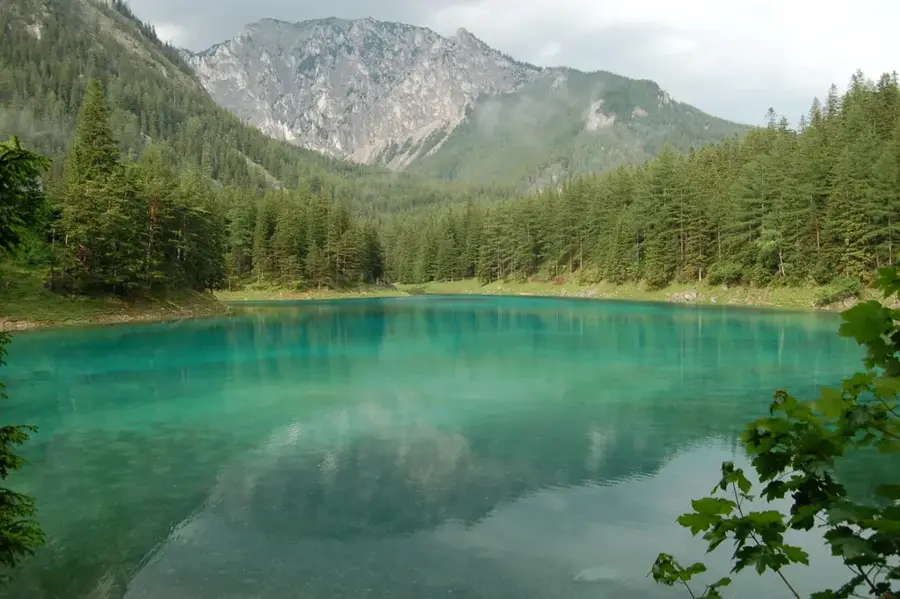
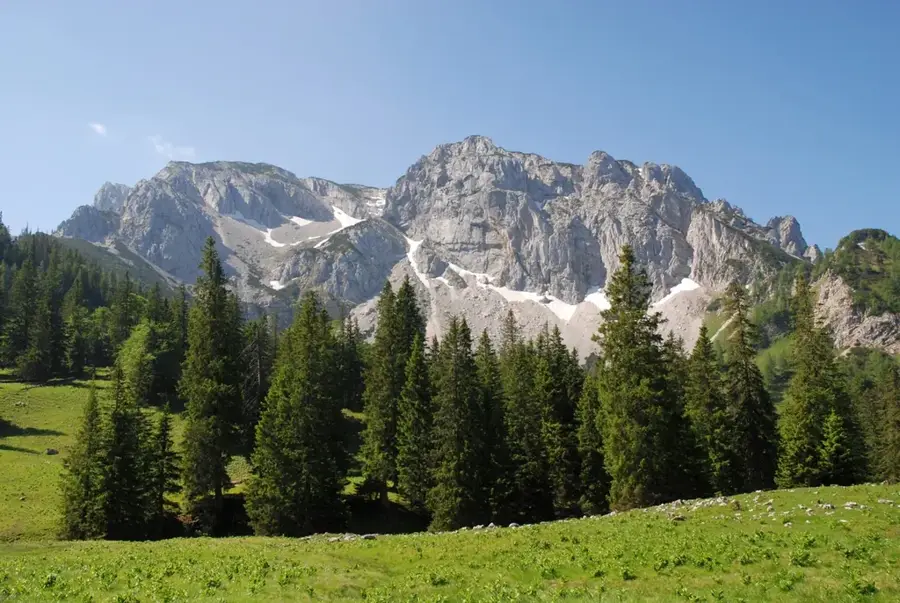
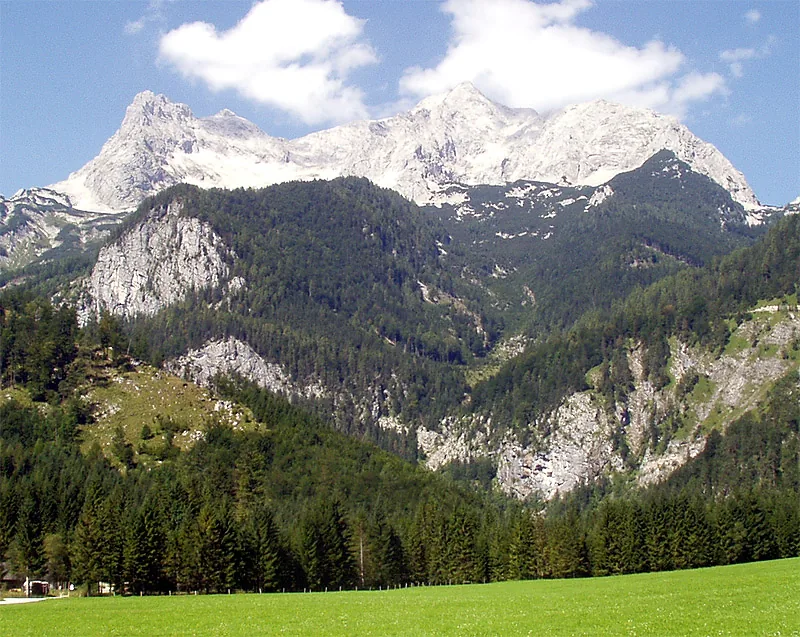
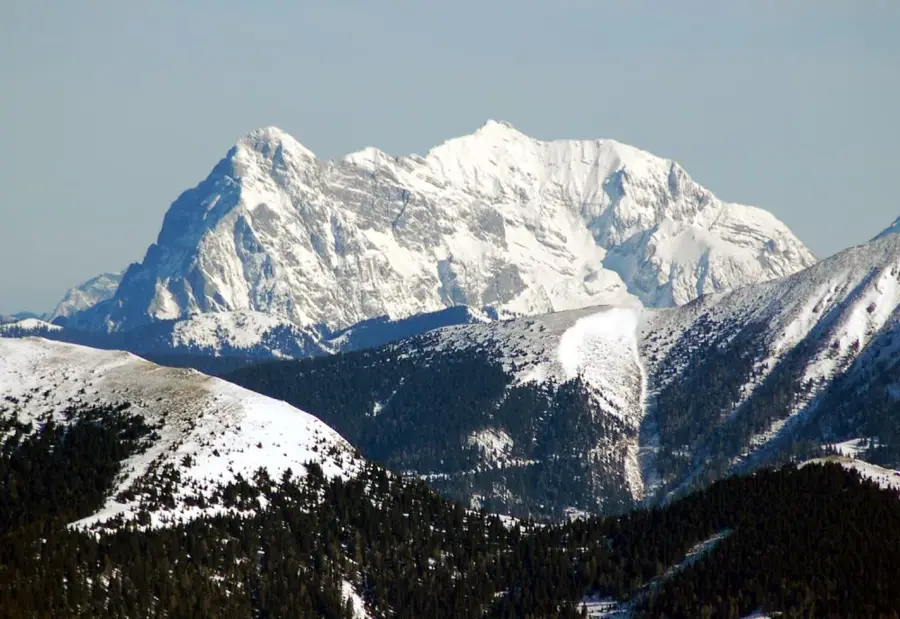
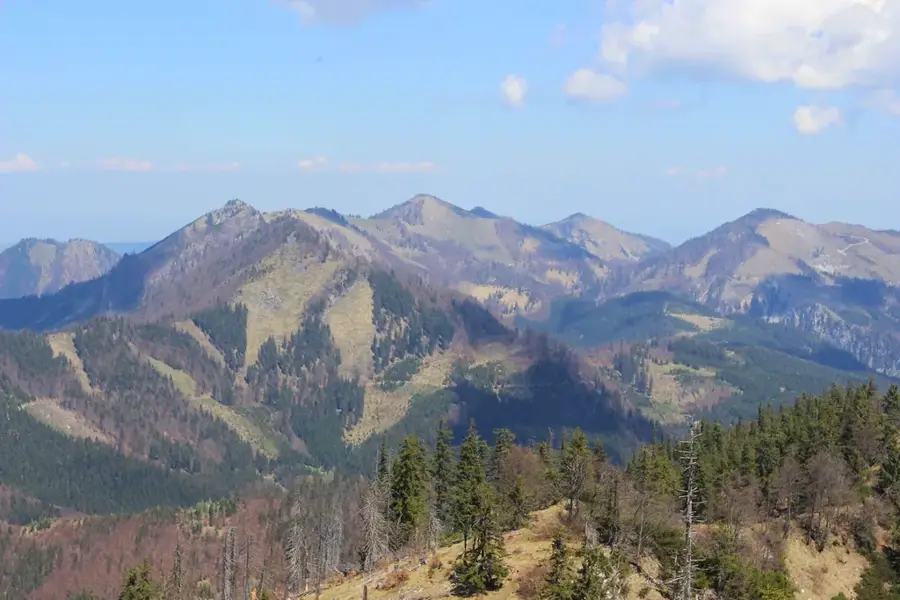
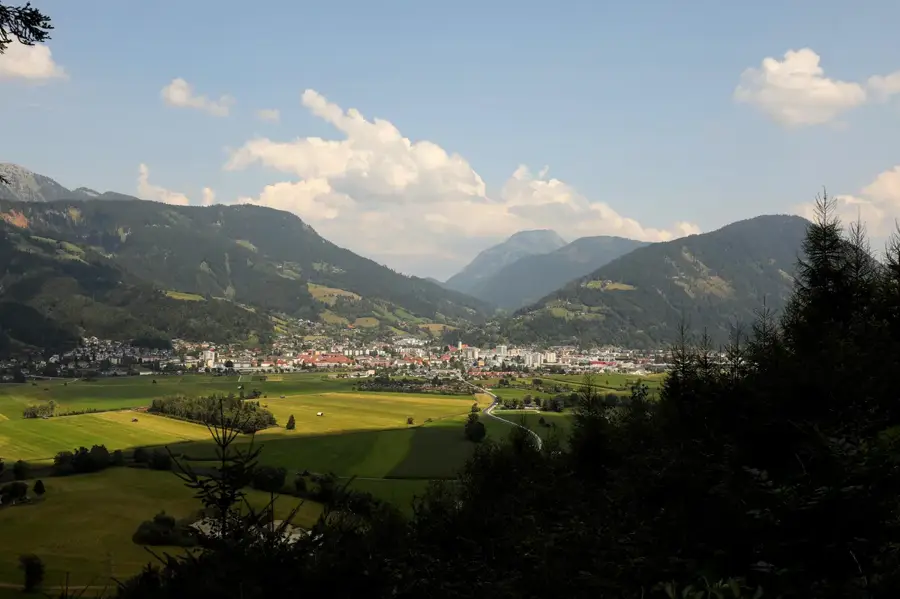
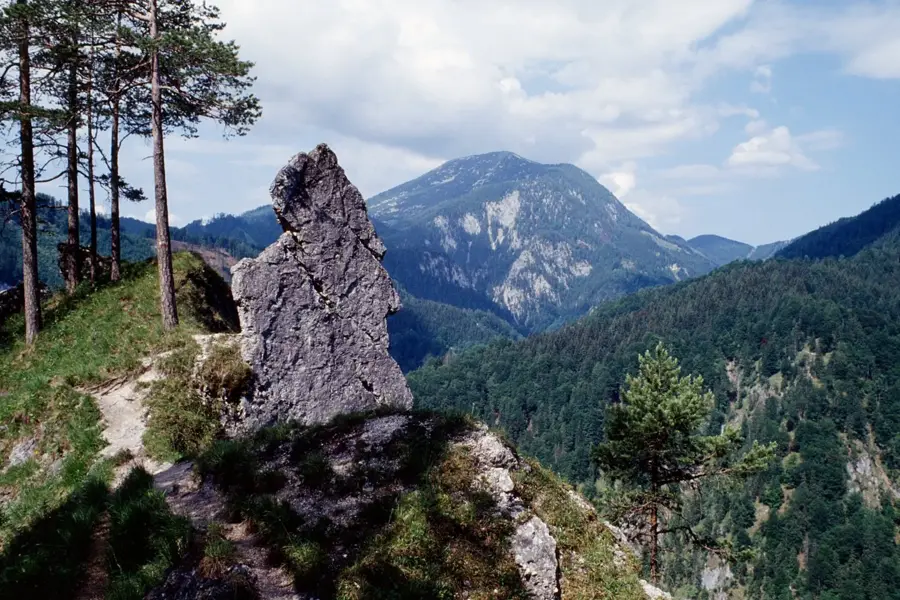
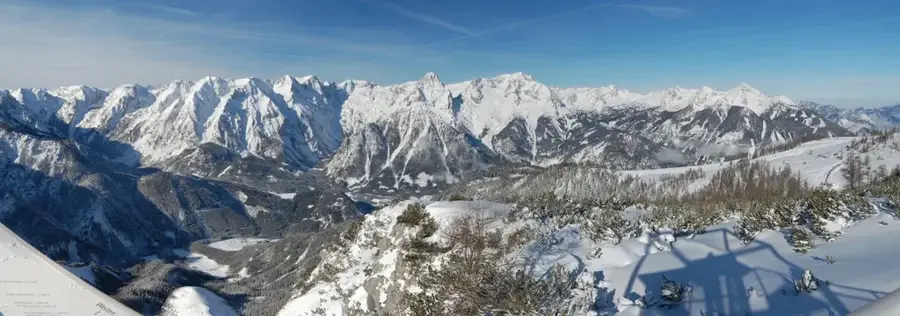
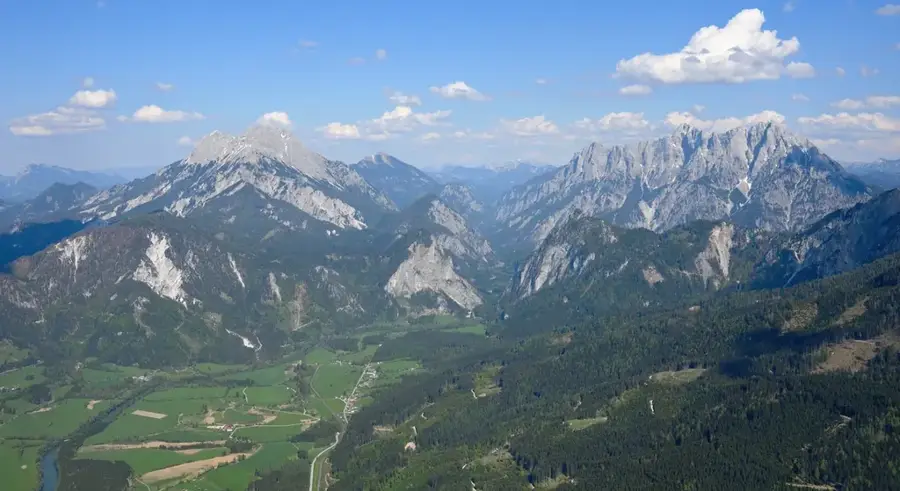
Gesäuse National Park, established in 2002, is the youngest of Austria's six national parks and is located in the province of Styria. It covers an area of approximately 110 square kilometers, encompassing the dramatic gorge of the Enns River and the towering limestone massifs of the Ennstal Alps. The park takes its name from the rushing sound of the water ('Gesäuse') as it breaks through the narrow valley. The region is celebrated for its extraordinary biodiversity, including numerous endemic plant and animal species that are found exclusively in this area. Beyond its ecological significance, Gesäuse is a historic center for alpinism with a long tradition of mountaineering and rock climbing. The visitor center in Admont and the unique 'Willow Dome' (Weidendom) provide extensive information on the park's geology and ecology. Through targeted conservation efforts, the natural dynamics of the river landscape and primeval forests are preserved, making the park a sanctuary for endangered species such as the European otter and the golden eagle.

Best time to visit & climate

The most pleasant time to visit is Jun–Aug.

JanFebMarAprMayJunJulAugSepOctNovDec
Avg °C-5-40591315151061-3
Rain mm69597168129156166166125886865

📋 Practical info

🧭
Getting there
The dramatically steep, wonderfully wild landscapes of this spectacular Styrian national park are most commonly accessed securely via winding roads intimately threading completely through the incredibly deep Enns Valley. Several official, highly informative visitor pavilions and clearly marked entry points perfectly provide highly structured, educational gateways directly into the rigidly protected wilderness.
📅
Best season
The absolute primary hiking and massive exploration season consistently runs from roughly late May firmly through October, definitively offering the safest possible conditions on the notoriously sheer, intimidatingly steep trails. Early spring is also remarkably, heavily popular among highly specialized, incredibly brave whitewater enthusiasts fiercely facing the violently raging Enns river.
⛰️
Terrain & paths
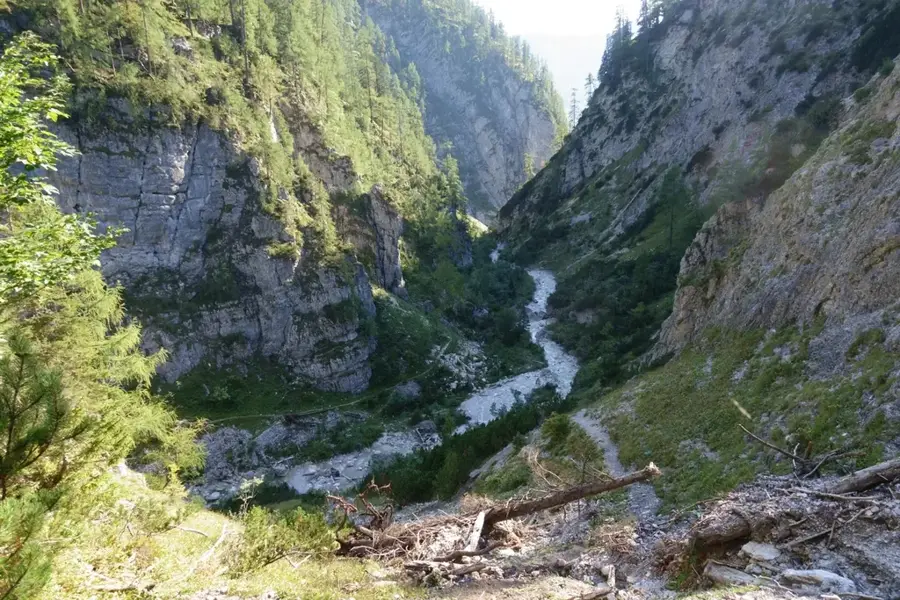
This profoundly protected area is globally famously characterized strictly by an exceptionally deeply carved river gorge majestically flanked by towering, near-vertical sheer limestone cliffs of astonishing height. Trails very often demand navigating wildly uneven, intensely root-filled, extremely dense forest paths and violently steep, frequently wet rocky ascents.
🎒
What to bring
Exceedingly high-quality, wildly rugged hiking boots featuring absolutely phenomenal traction are completely non-negotiable for safely tackling the notoriously, relentlessly steep local mountain trails. Visitors simply must also carry totally comprehensive, heavy rain gear and incredibly sufficient hydration, as the trapped summer valley heat can be overwhelmingly intense.
🅿️
Parking
Officially designated, heavily regulated national park parking zones are strategically, carefully placed directly near major crucial trailheads, informational safety centers, and specifically authorized riverside rest areas. To aggressively protect the extremely fragile, pristine local environment, visitors absolutely must strictly avoid all illegal parking completely outside these specific authorized lots.
⚠️
Safety
The spectacularly wild, utterly unregulated freezing waters of the violently rushing Enns river strongly pose a highly significant, often deadly hazard, and visitors should truly never ever underestimate the insanely powerful invisible currents. Additionally, hikers inherently must be highly proficient, intensely physically fit, and incredibly surefooted when constantly ascending the severe, heavily exposed steep rock faces.
⏱️
Time needed
Fully and genuinely experiencing the profound, astonishing scale and biodiversity of this gorge usually forcefully demands at least one entire, exhausting full day of highly dedicated, intense exploration. Many truly passionate nature lovers wisely choose to enthusiastically spend multiple consecutive full days boldly tackling highly different, uniquely challenging sections of the notoriously difficult terrain.

Geography

Coordinates
47.57560, 14.65420

Facts

  • The national park was officially established on October 26, 2002.
  • The total protected area covers about 11,050 hectares.
  • The highest peak, Hochtor, reaches an elevation of 2,369 meters.
  • Approximately 50% of the park's territory is covered by forest.
  • The Enns River drops 150 meters in altitude within the park boundaries.
  • There are over 500 kilometers of marked hiking trails available.

Explore nearby

Notable places around

Route planner — Car & Motorhome

Where do you start? We build the route here, with stops and country notes along the way.

Vehicle
Only stops with (optional):

© OpenStreetMap contributors · OpenRouteService

Sights in the town Gesäuse National Park (3)

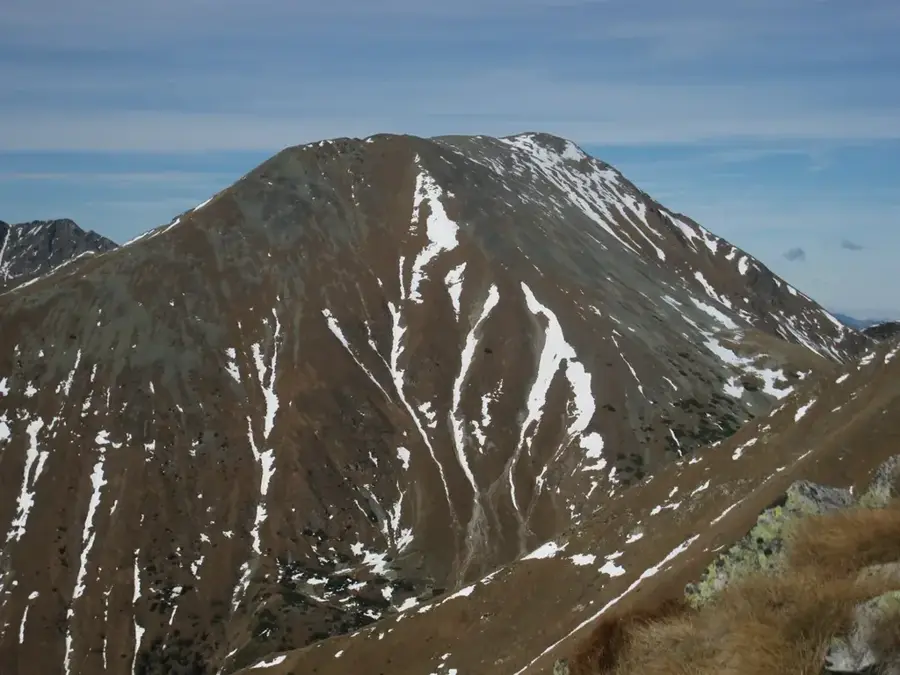
Hochtor📍 landmark

The highest summit of the Ennstaler Alps, known for its challenging climbing routes.

Hochzinödl📍 landmark

A mountain peak in the Gesäuse range offering panoramic views of the Enns valley.

Planspitze📍 landmark

A striking limestone peak popular for alpine hiking and rock climbing.

Sights nearby

Frequently asked questions

Where is the Gesäuse National Park located?
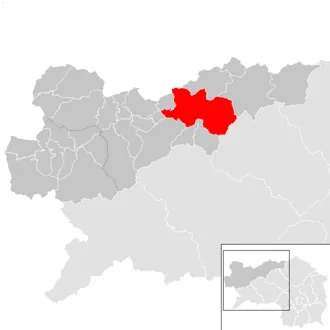
It is located in Upper Styria, between Admont and Hieflau along the Enns river.
Can you go rafting in Gesäuse?
Yes, the Enns and Salza rivers offer well-suited conditions for rafting and kayaking.
Is there a visitor center?
Yes, the Weidendom National Park Center features information and nature experiences.
How difficult are the hiking trails?
There is everything from easy valley paths to high alpine climbing tours.
Is admission to the national park free?
Entry to the park is free, though fees may apply for parking and special programs.
Gesäuse National Park: where is it located?
Gesäuse National Park is located in Upper Austria, Austria.
Gesäuse National Park: what is there to see?
Highlights include Hochtor, Hochzinödl, Planspitze.
Gesäuse National Park: when is the best time to visit?
The most pleasant time to visit is Jun, Aug.
Gesäuse National Park: why is it worth visiting?

Gesäuse National Park, established in 2002, is the youngest of Austria's six national parks and is located in the province of Styria.
View on map → The Top 50 Attractions → OpenStreetMap →
Europe
Explore with Plizio Discover more places in Europe
More places in Austria →

Nearby cities

Nature
More places