Attractions in Argentina
The finest attractions in Argentina at a glance: castles, natural wonders, historic old towns and more. Each place links to a detailed page with map, tips and photos.
Culture & History
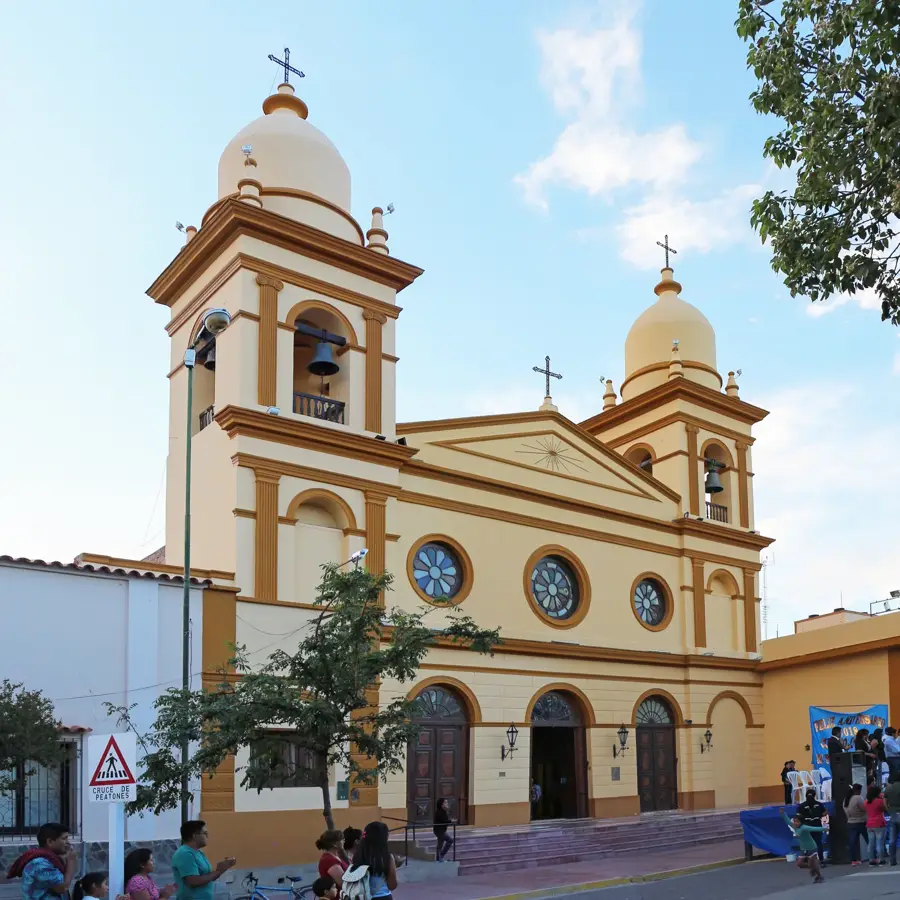
Cafayate
Cafayate is a town in the Calchaquí Valleys, famous for its high-altitude vineyards producing Torrontés wine and the nearby red rock formations of Qu…
Learn more →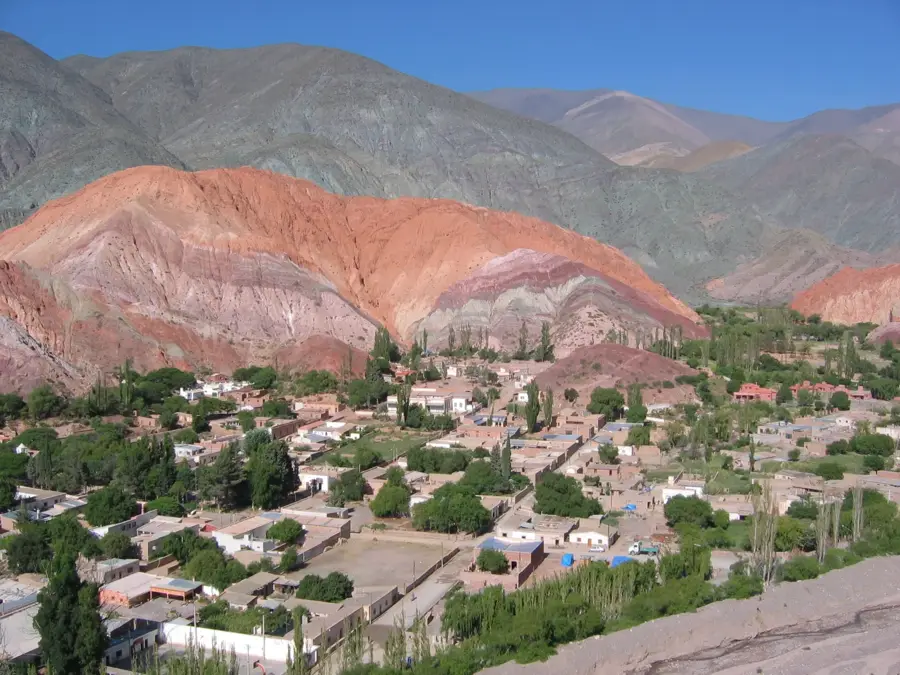
Purmamarca
Purmamarca is a small Andean village at the base of the Hill of Seven Colors, featuring traditional adobe architecture and a well-known artisanal mar…
Learn more →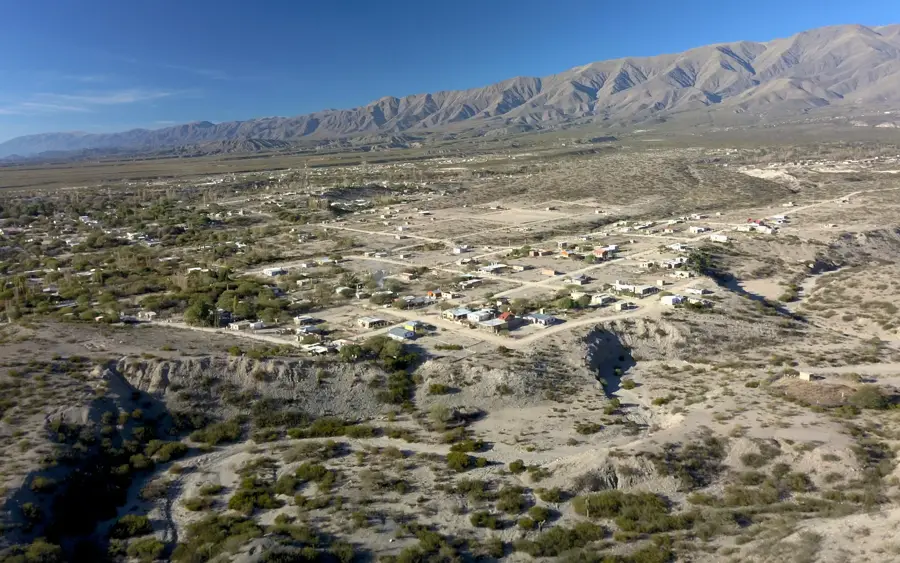
Amaicha del Valle
A deeply rooted indigenous community known for its stunning Pachamama Museum, 360 days of sunshine, and proximity to Quilmes ruins.
Learn more →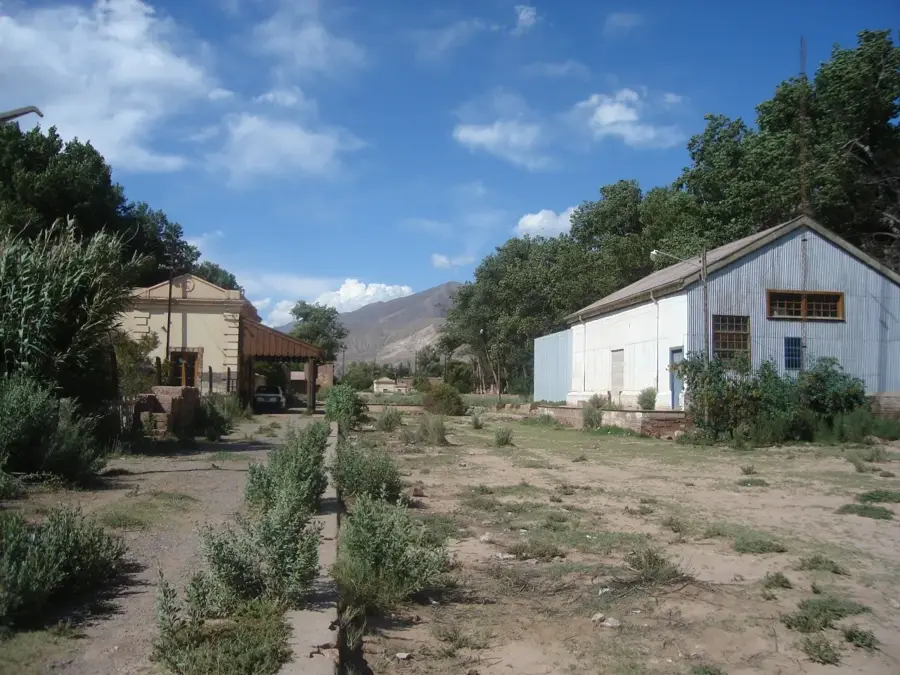
San José de Tilcara
San José de Tilcara is an archaeologically significant town in the Quebrada de Humahuaca, famous for the Pucará fortress ruins.
Learn more →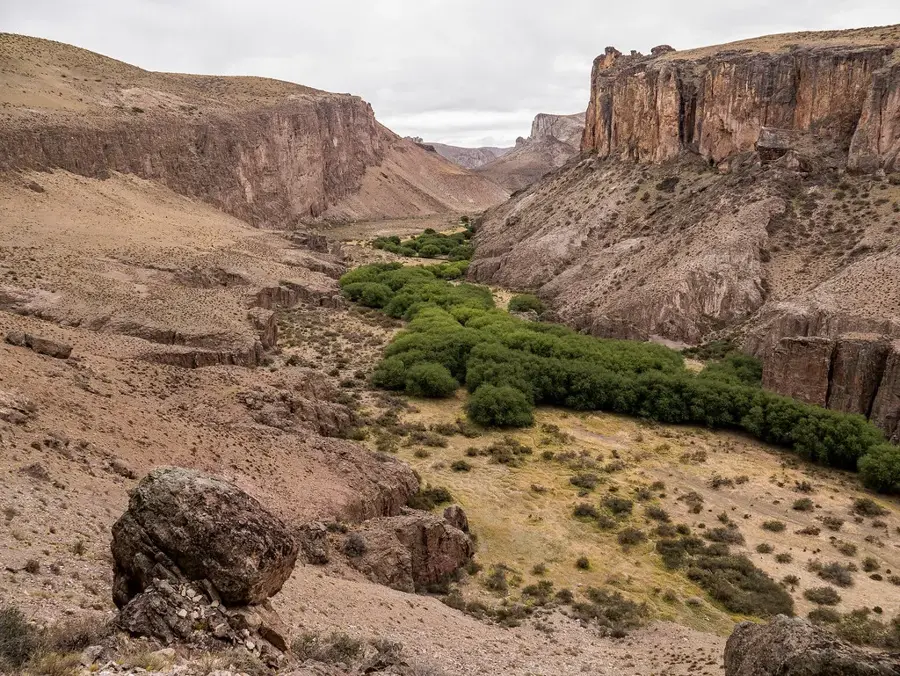
Perito Moreno (Town)
A small town in northwestern Santa Cruz province, serving as the main base for exploring the prehistoric Cueva de las Manos.
Learn more →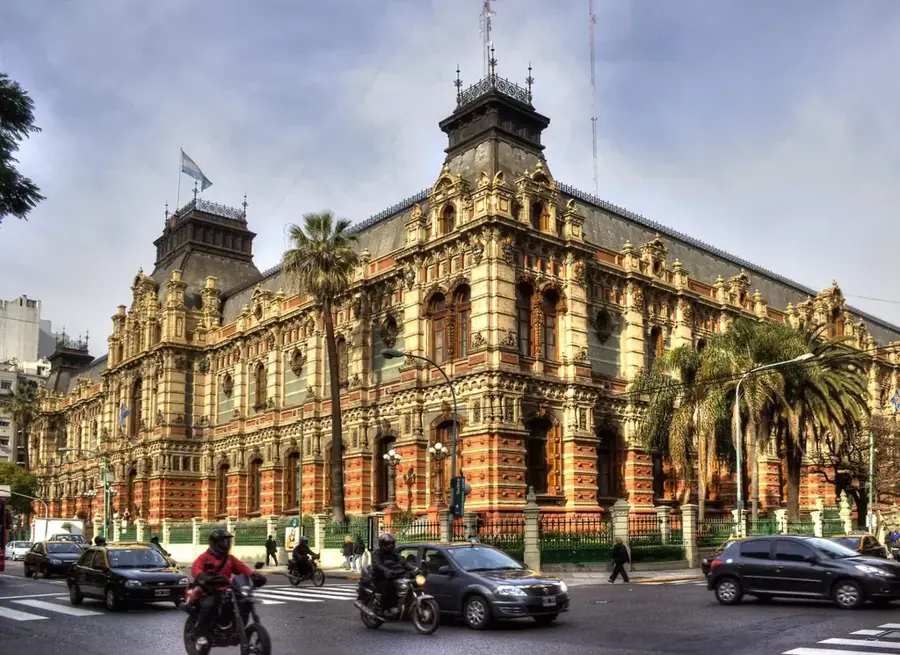
Palace of Running Waters
A visually stunning building that once served as a major water pumping station, known for its facade.
Learn more →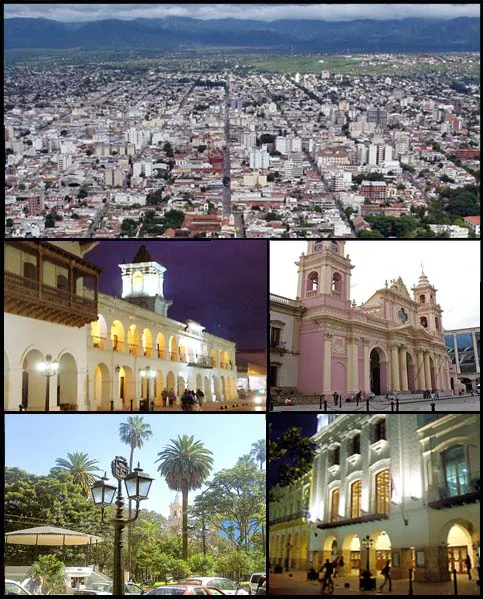
San Francisco Church of Salta
A famous church in Salta, known for its striking red and yellow facade and colonial beauty.
Learn more →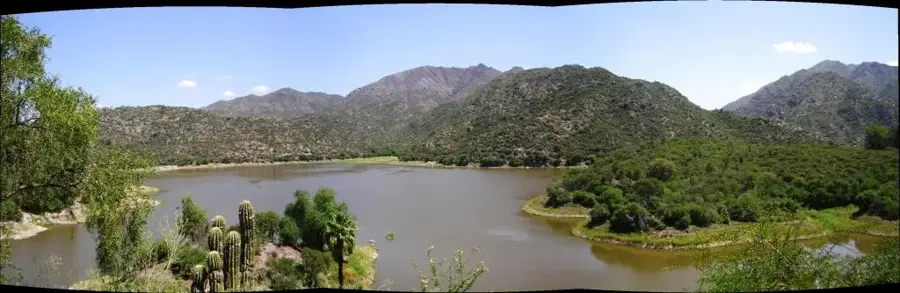
San Agustín de Valle Fértil
A tranquil town serving as the primary basecamp for exploring the dinosaur fossils and alien landscapes of Ischigualasto.
Learn more →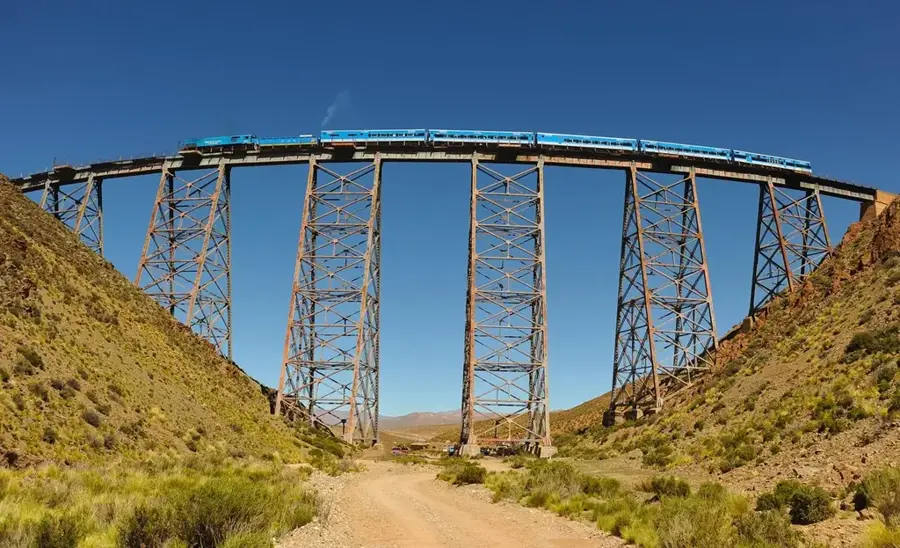
La Polvorilla Viaduct
A famous high-altitude railway viaduct, a marvel of engineering on the Train to the Clouds route.
Learn more →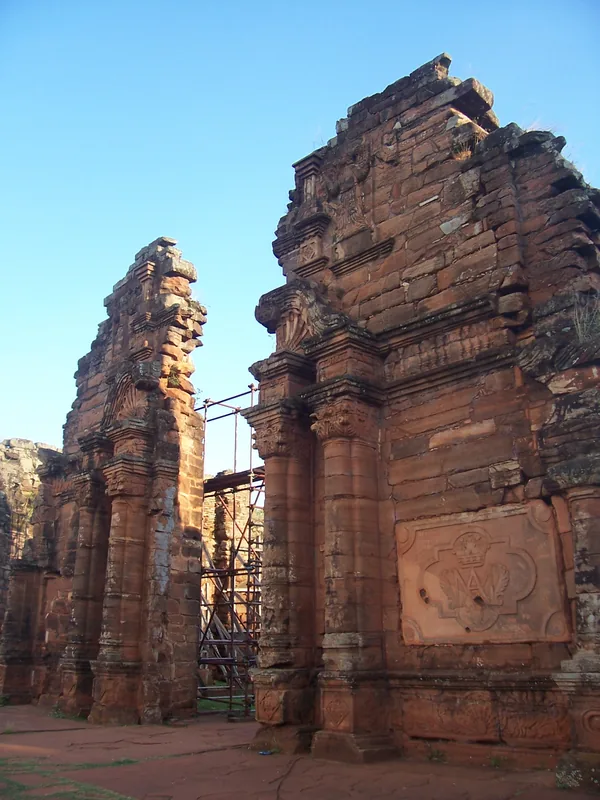
San Ignacio Miní
Well-preserved remains of a Jesuit mission, providing insight into 17th-century missionary life.
Learn more →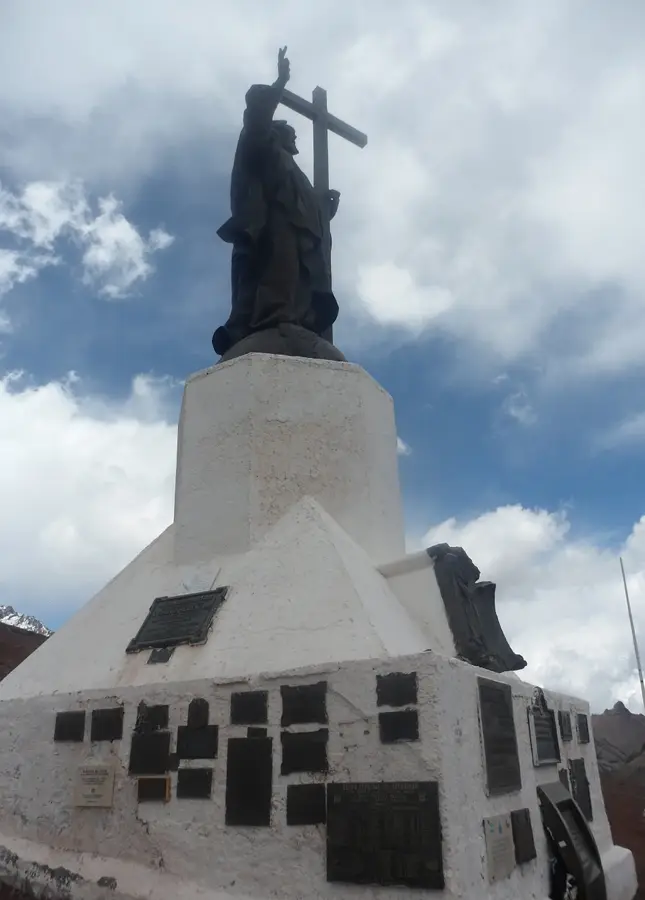
Christ the Redeemer of the Andes
A symbolic statue on the border with Chile, representing peace between the two nations.
Learn more →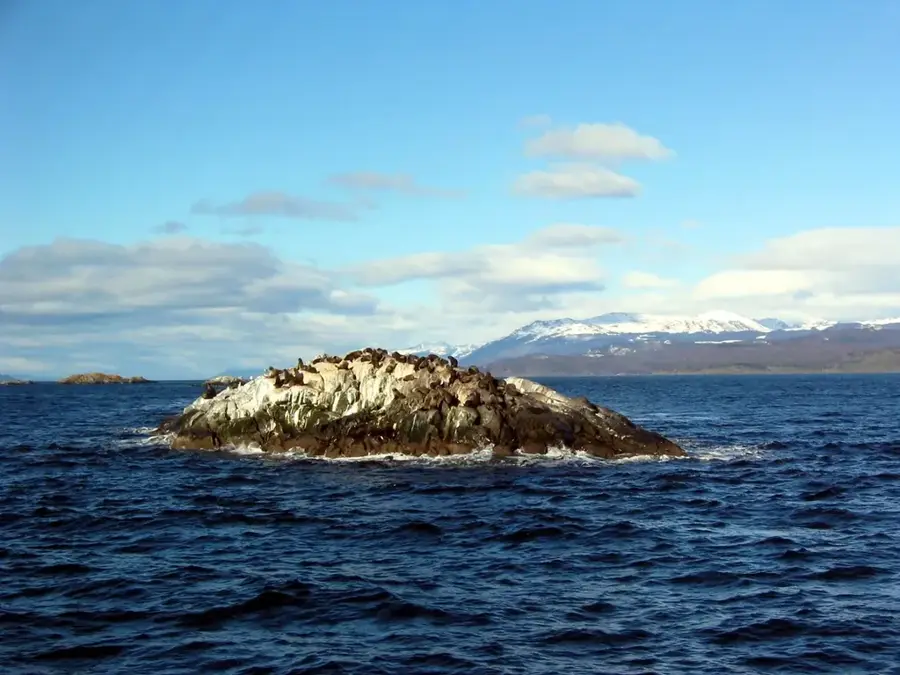
Les Éclaireurs Lighthouse
A scenic lighthouse in the Beagle Channel, often called the lighthouse at the end of the world.
Learn more →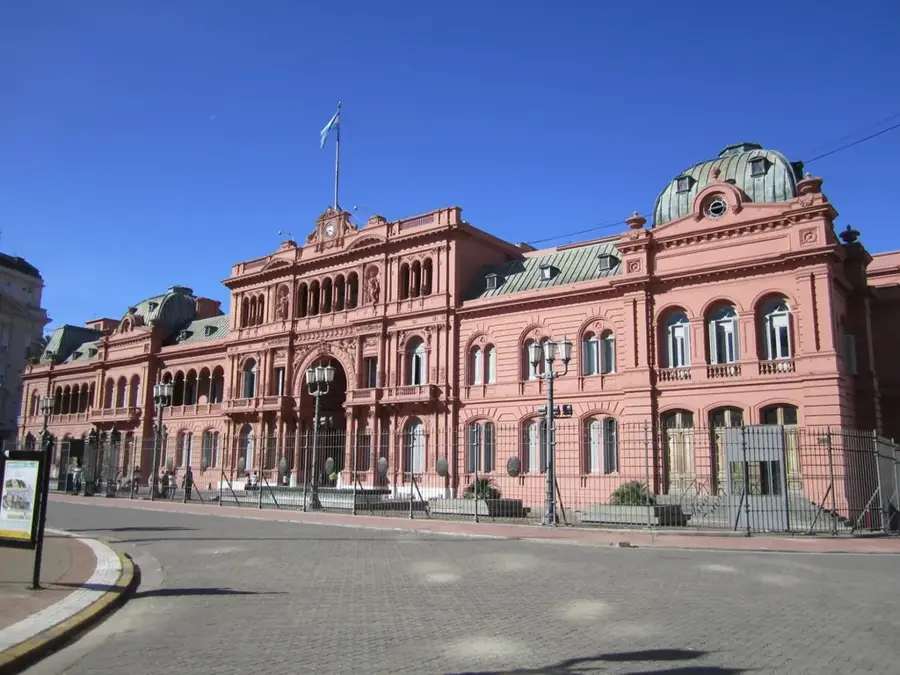
Casa Rosada
The executive mansion and office of the President of Argentina, famous for its pink exterior.
Learn more →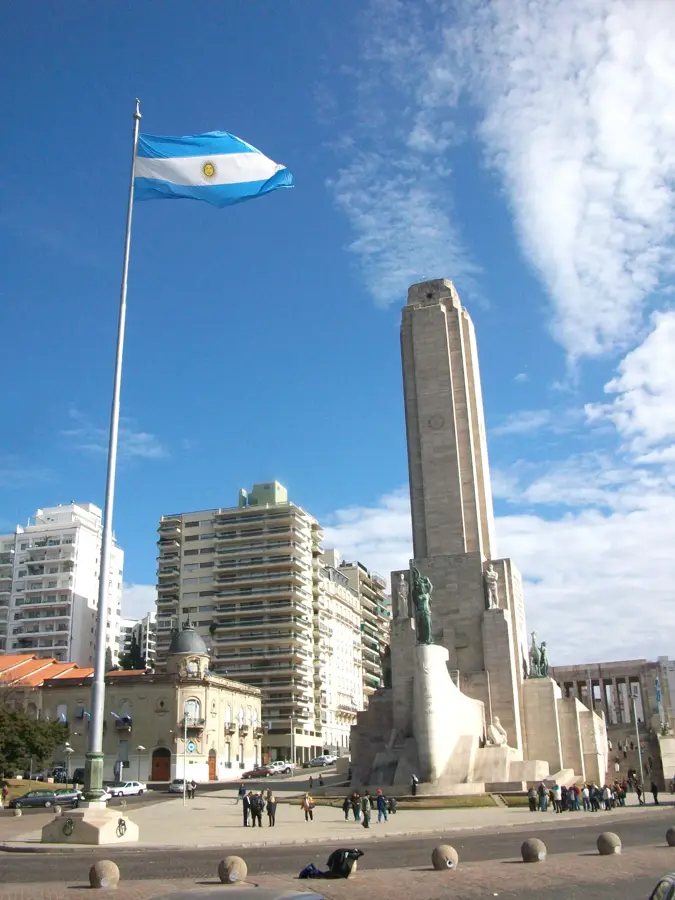
National Flag Memorial
An imposing monument in Rosario, dedicated to the creation of the Argentine flag.
Learn more →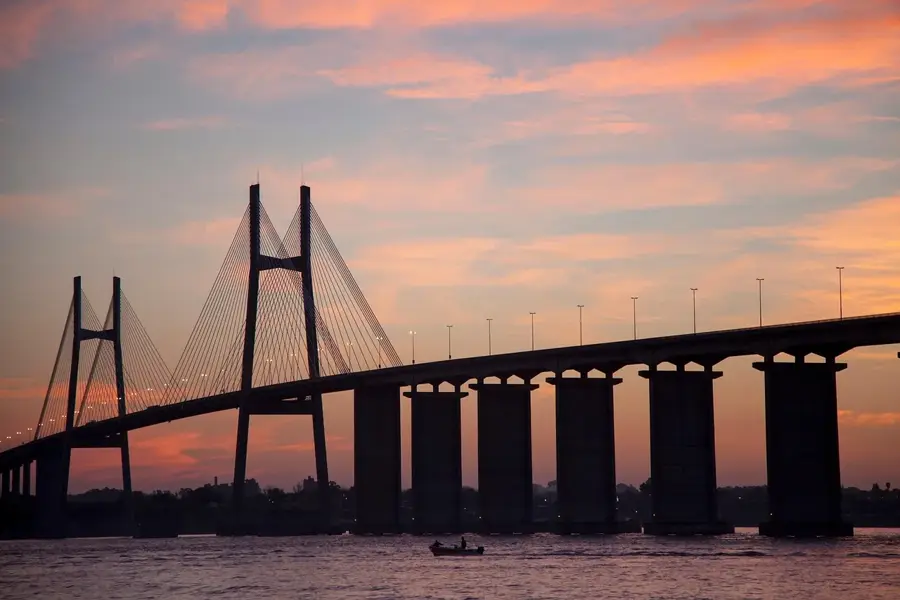
Rosario-Victoria Bridge
A long cable-stayed bridge spanning the Paraná River, connecting the provinces of Santa Fe and Entre Ríos.
Learn more →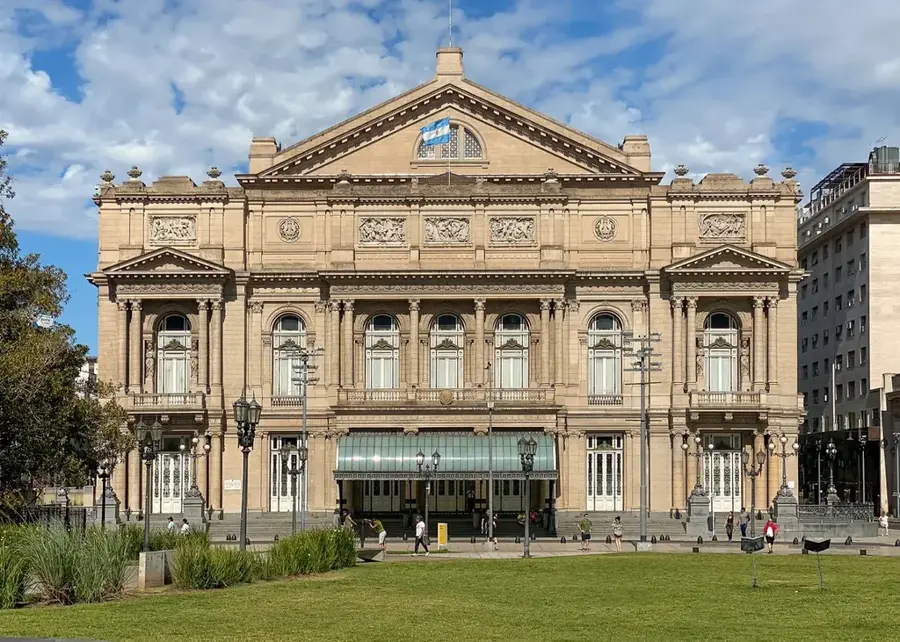
Teatro Colón
One of the world's most acclaimed opera houses, known for its incredible acoustics and beauty.
Learn more →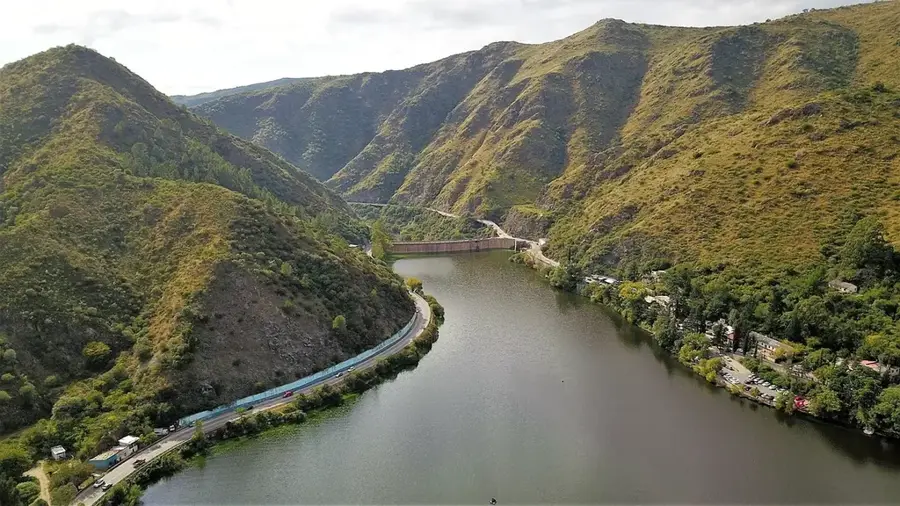
San Roque Dam
A large dam in the Córdoba province, significant for its role in energy and tourism.
Learn more →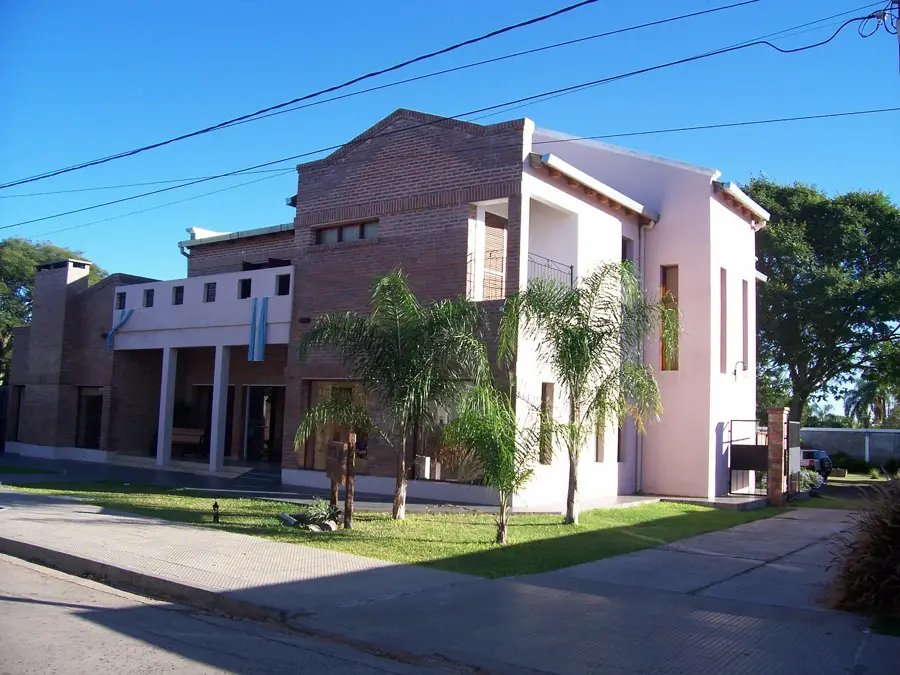
Esteros del Iberá - Mercedes
Mercedes is the main gateway to the Esteros del Iberá, one of the world's largest wetlands teeming with wildlife.
Learn more →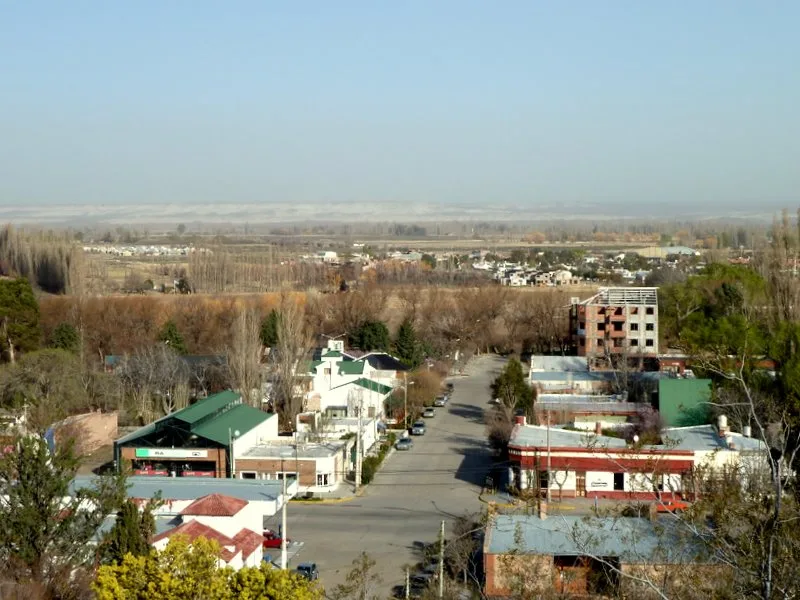
Gaiman
A charming Patagonian town famous for its Welsh heritage, historic chapels, and traditional tea houses.
Learn more →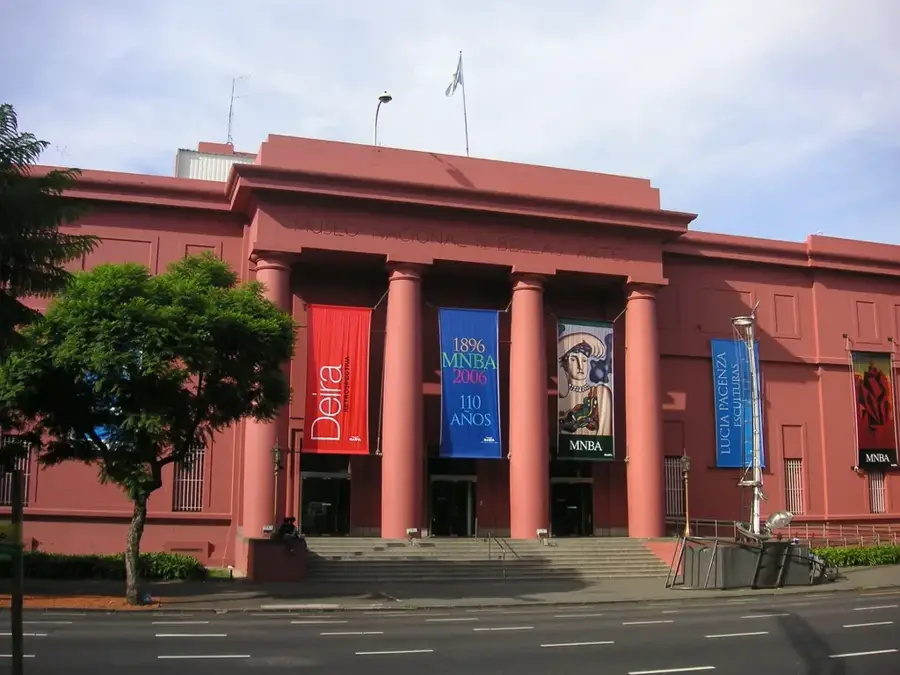
National Museum of Fine Arts
The National Museum of Fine Arts, housing a vast collection of Argentine and international art.
Learn more →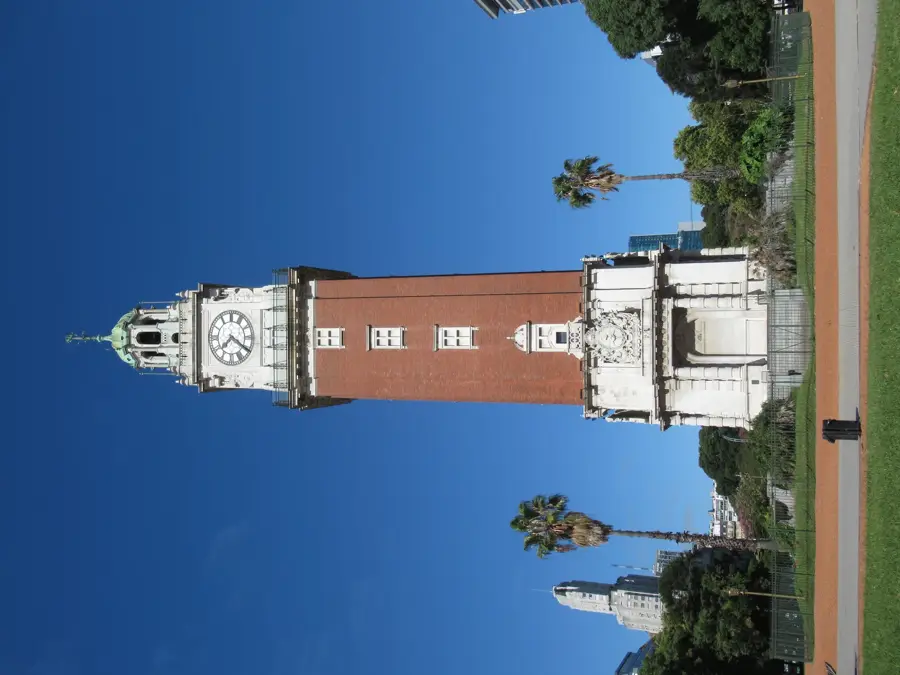
Torre Monumental
A historic clock tower in Buenos Aires, formerly known as the Torre de los Ingleses.
Learn more →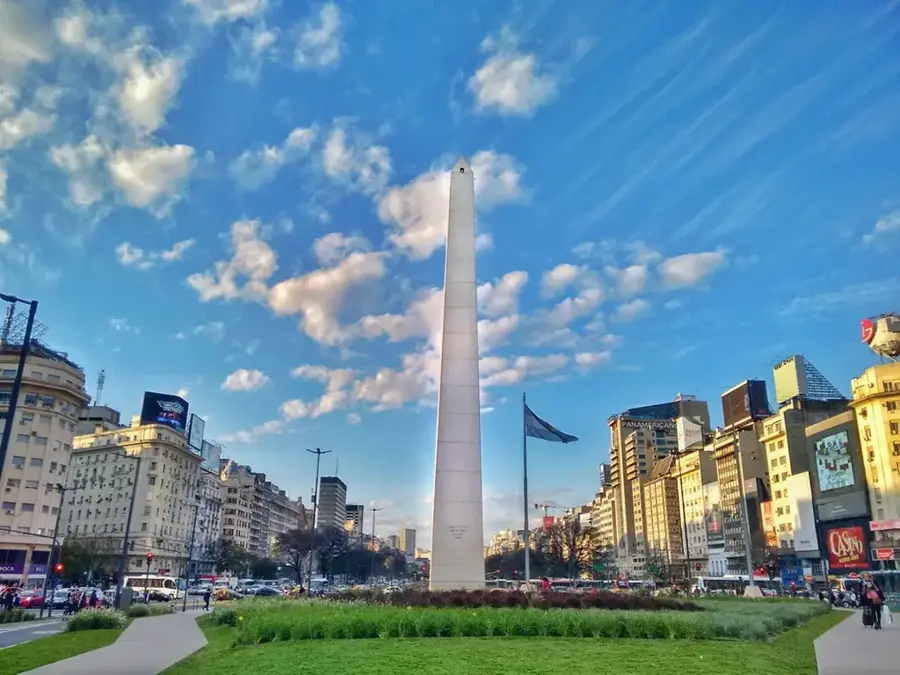
Obelisco de Buenos Aires
An iconic monument located in the center of Buenos Aires, symbolising the city's identity.
Learn more →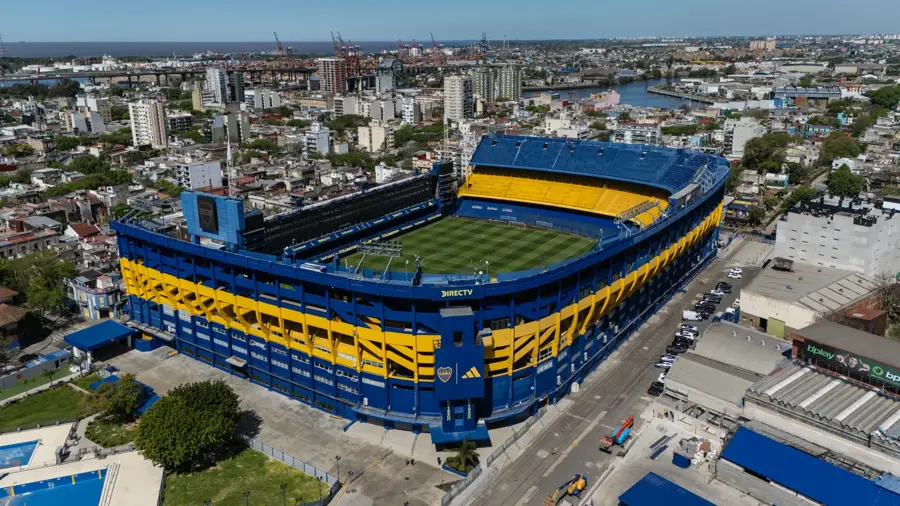
La Bombonera
The legendary home stadium of Boca Juniors, known for its unique shape and fan atmosphere.
Learn more →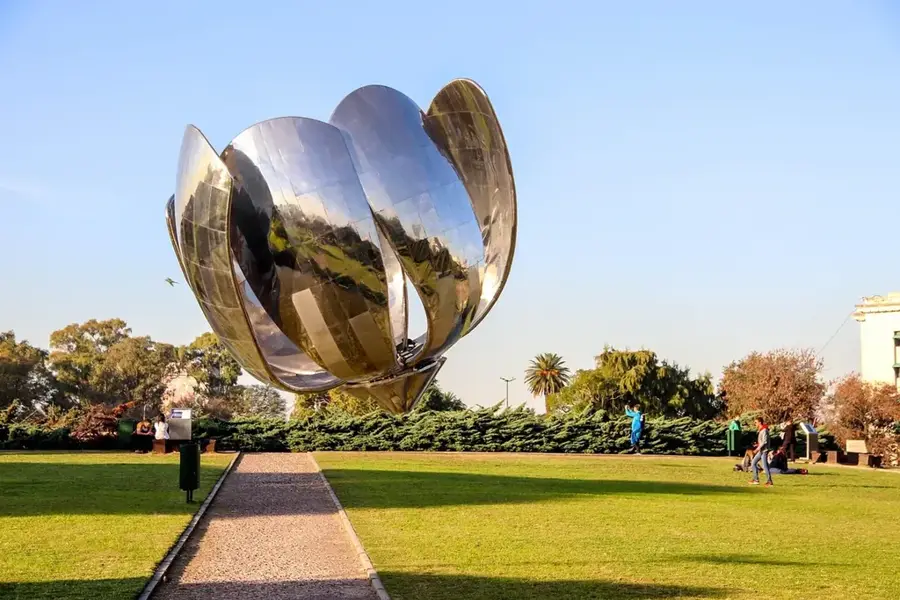
Floralis Genérica
A giant metal flower sculpture that opens and closes throughout the day.
Learn more →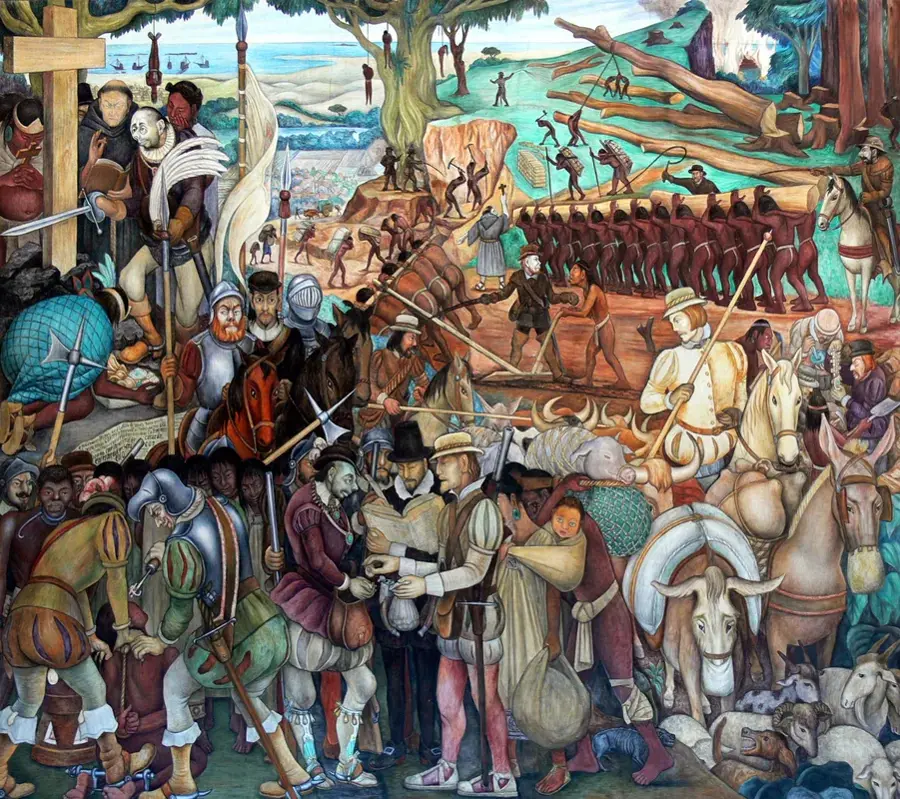
Monumento al Indio
A tribute monument celebrating the indigenous roots and heritage of Argentina's northwestern region.
Learn more →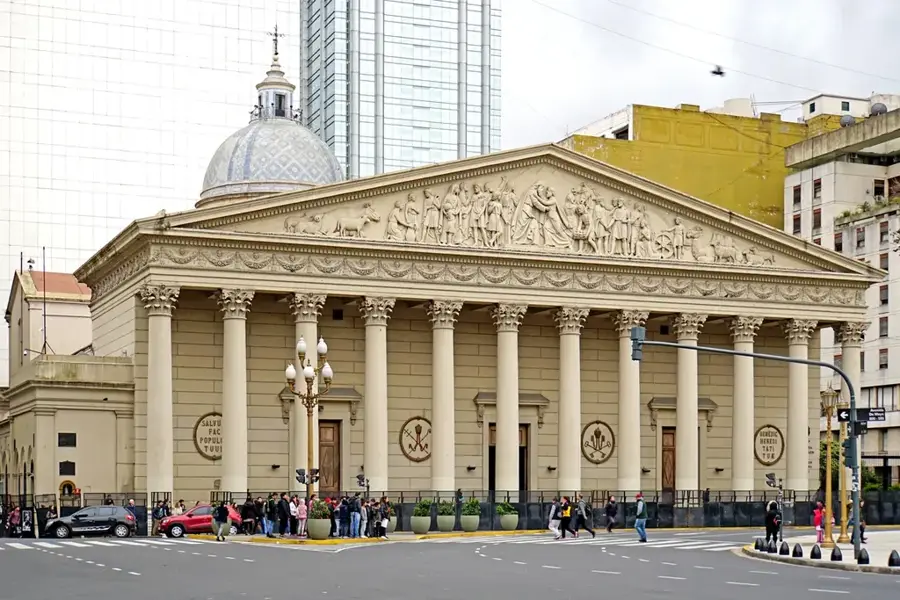
Buenos Aires Metropolitan Cathedral
The main Catholic church in Buenos Aires, reflecting neoclassical architecture and history.
Learn more →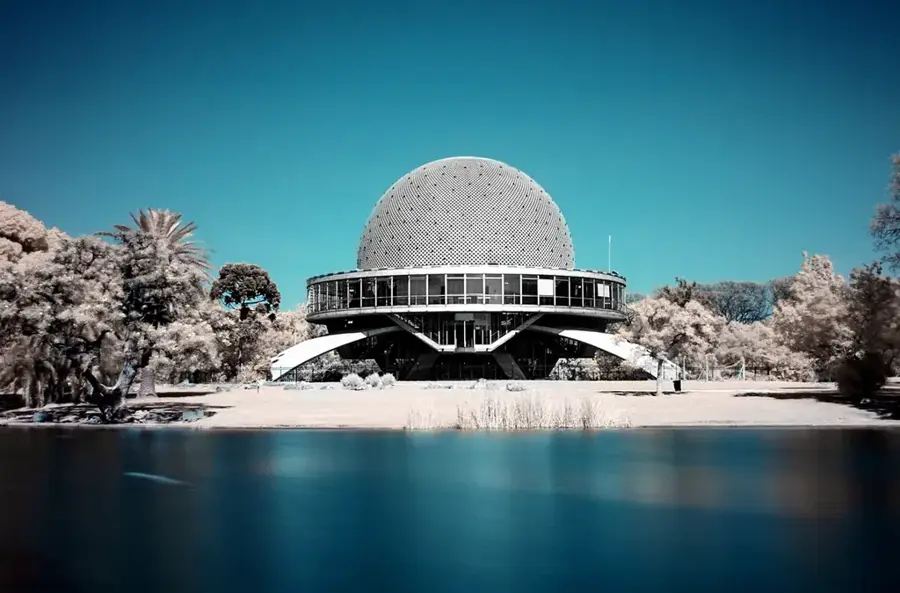
Galileo Galilei Planetarium
A popular planetarium in Buenos Aires, recognized for its distinctive modern design.
Learn more →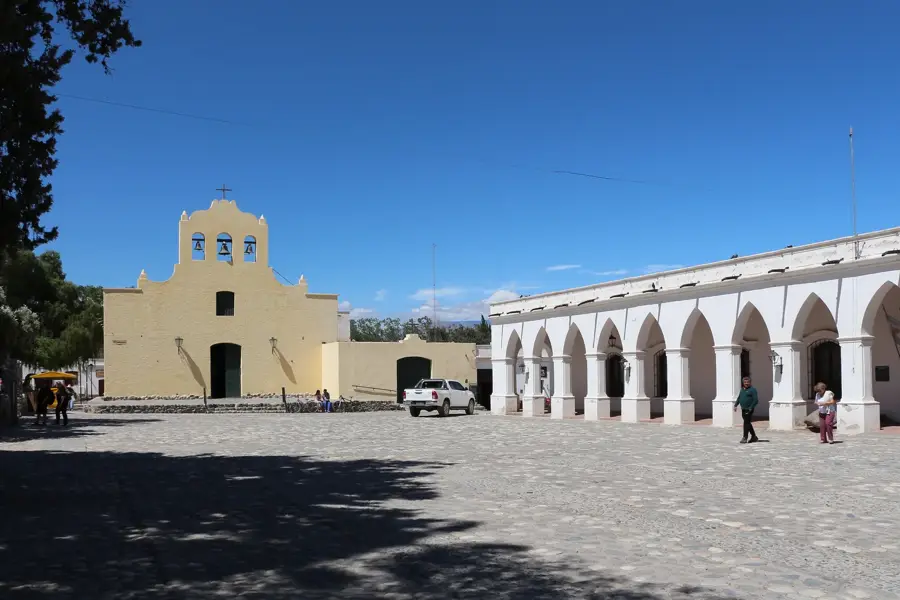
Cachi
A picturesque colonial village in the Calchaquí Valleys surrounded by towering Andean peaks and cactus forests.
Learn more →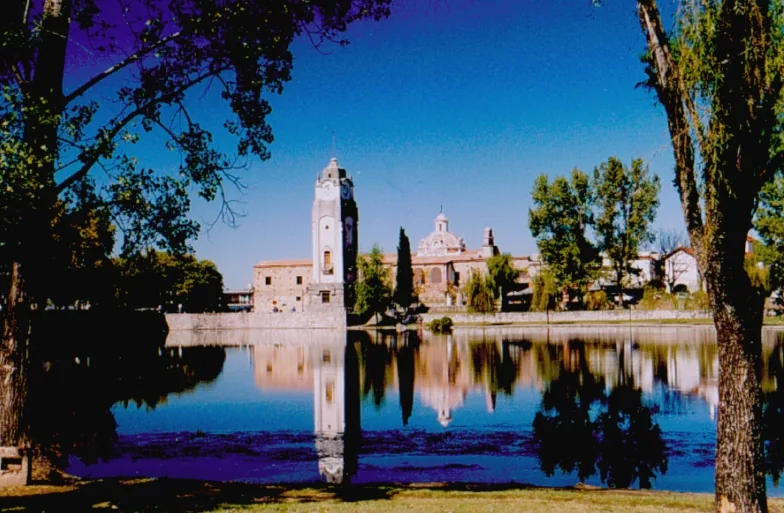
Jesuit Block of Córdoba
A collection of historic Jesuit buildings in Córdoba, listed as a world heritage site.
Learn more →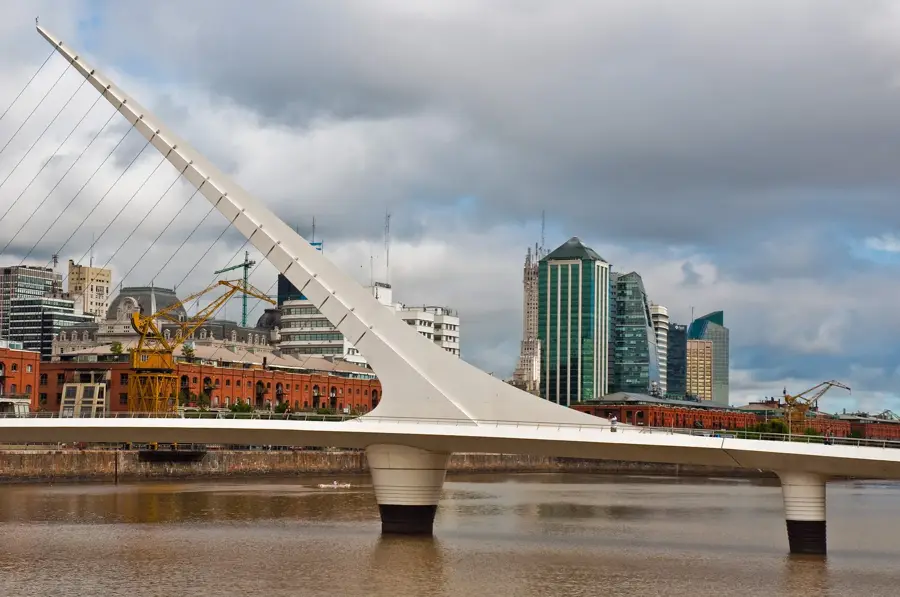
Puente de la Mujer
A modern, rotating footbridge in the Puerto Madero district, symbolising female grace.
Learn more →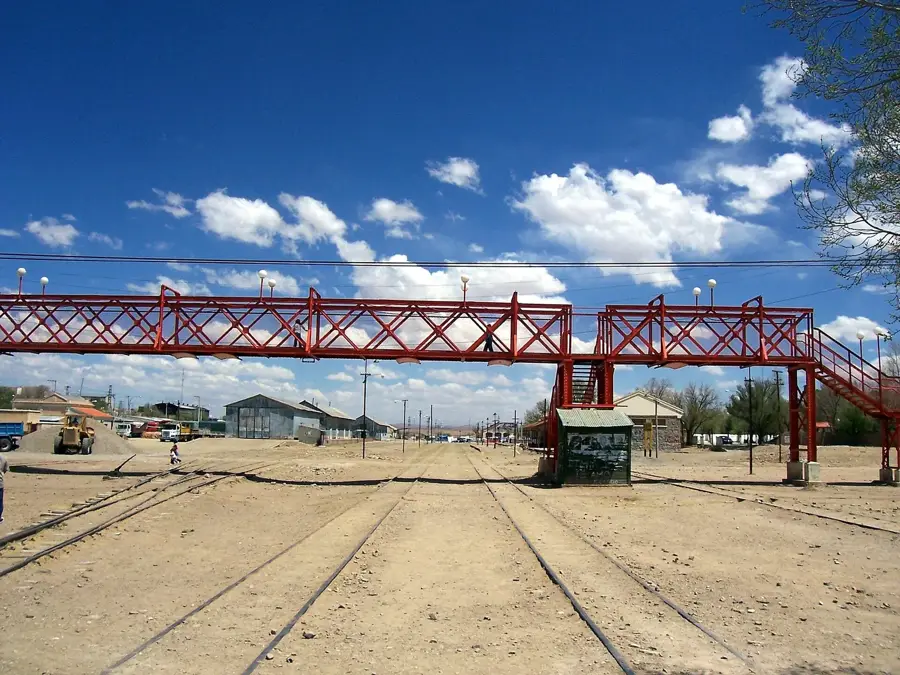
La Quiaca
La Quiaca is a border town with Bolivia in the Puna region, marking the northern end of National Route 40.
Learn more →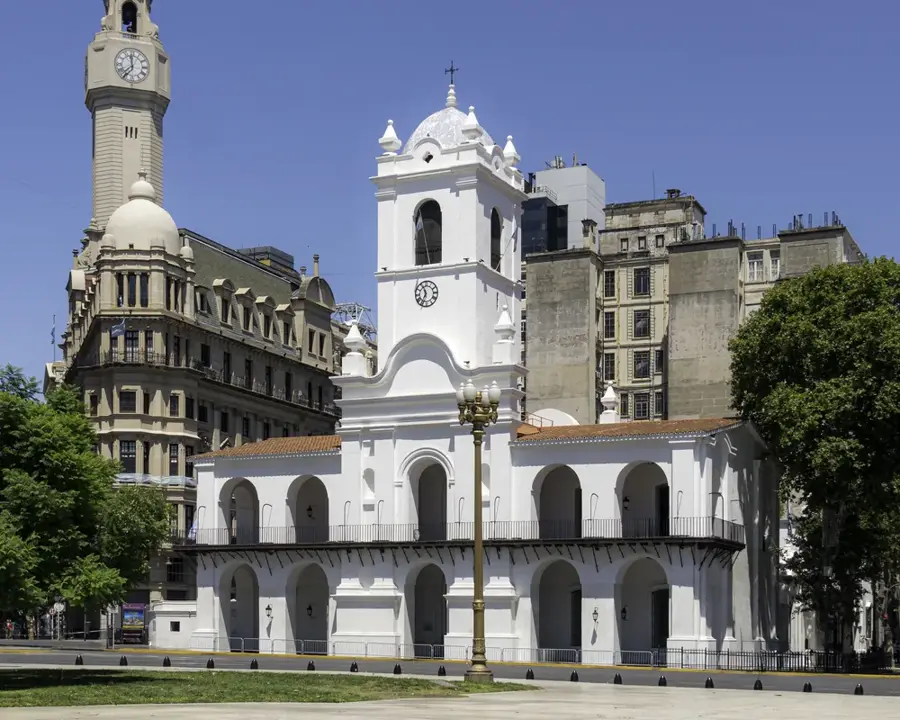
Cabildo of Buenos Aires
The site of the May Revolution, representing the birth of Argentine independence.
Learn more →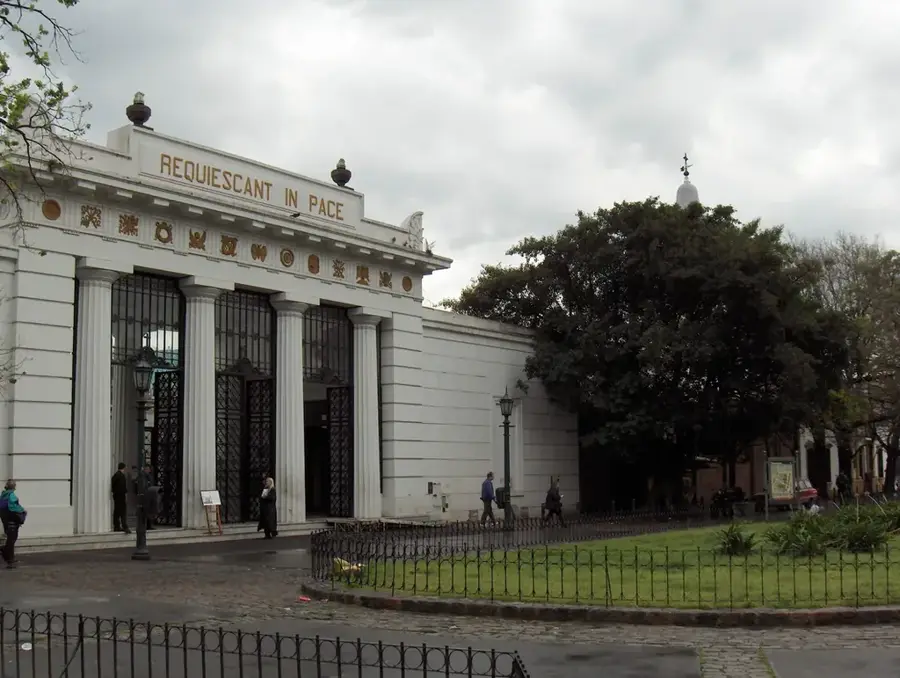
Recoleta Cemetery
A historic cemetery featuring elaborate mausoleums, including the grave of Eva Perón.
Learn more →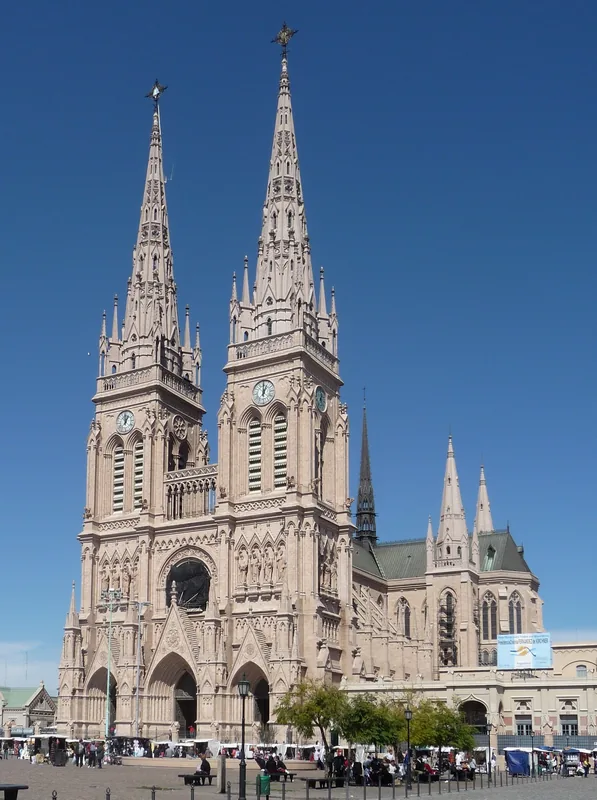
Basilica of Luján
A massive Neo-Gothic basilica and a major pilgrimage site for Catholics in Argentina.
Learn more →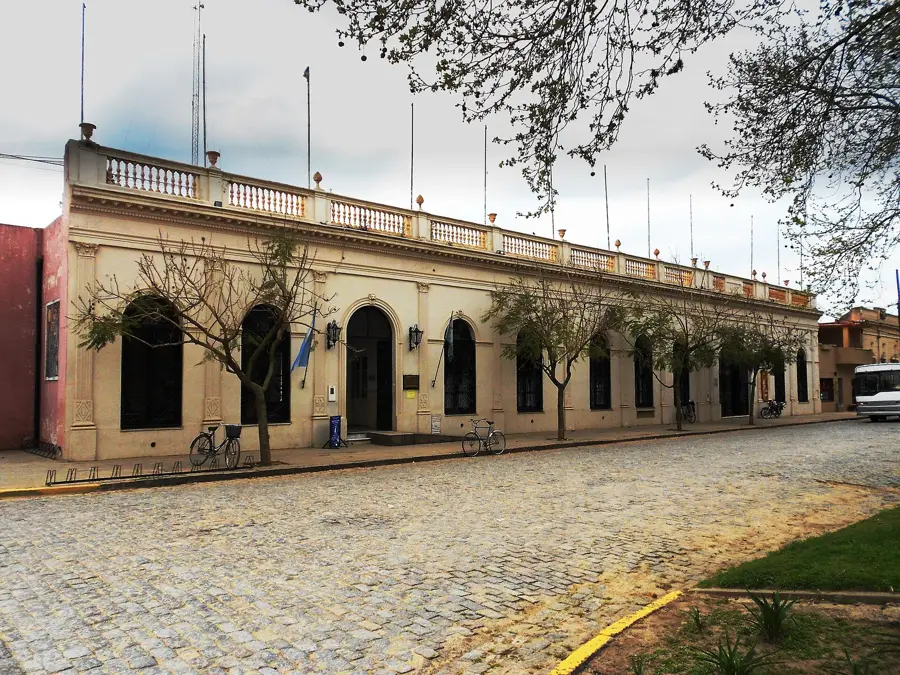
San Antonio de Areco
The heart of Argentine gaucho culture, famous for its estancias, traditions, and silversmithing.
Learn more →Nature
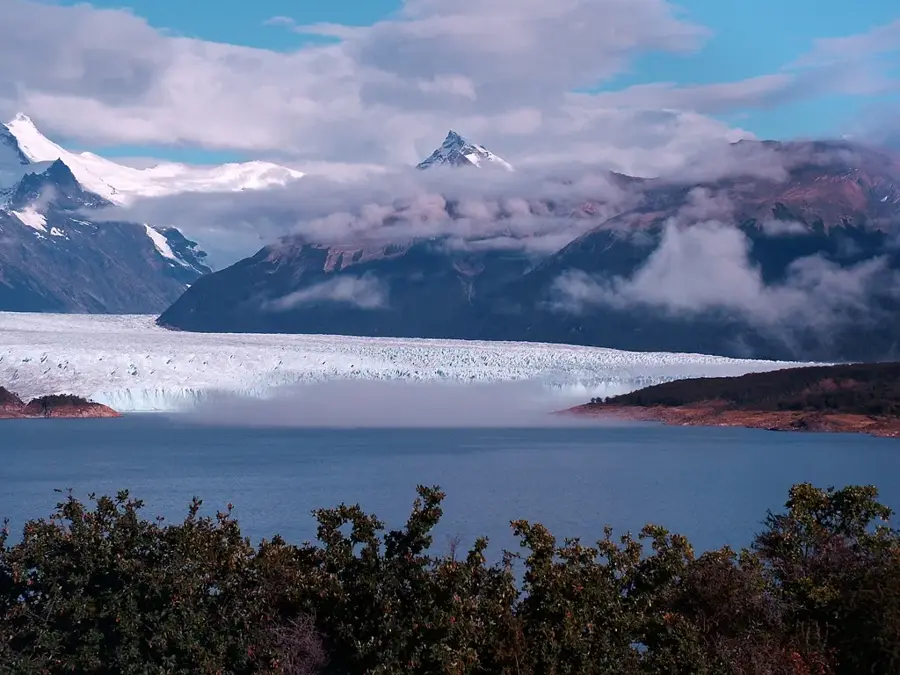
Argentino Lake
The largest freshwater lake in Argentina, into which the famous Perito Moreno Glacier calves.
Learn more →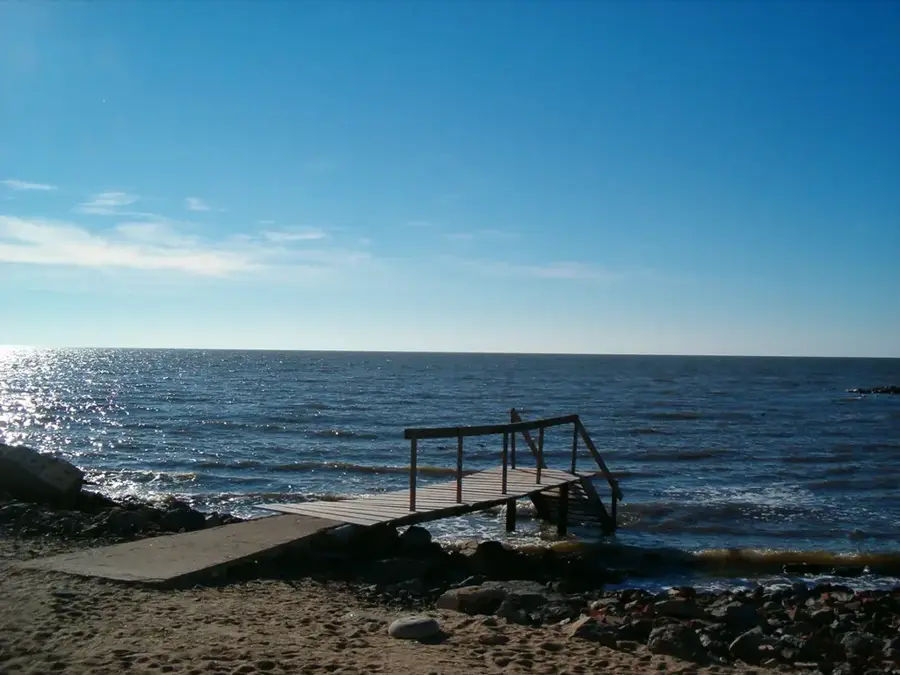
Mar Chiquita
A large endorheic salt lake in Córdoba Province, important for migratory birds.
Learn more →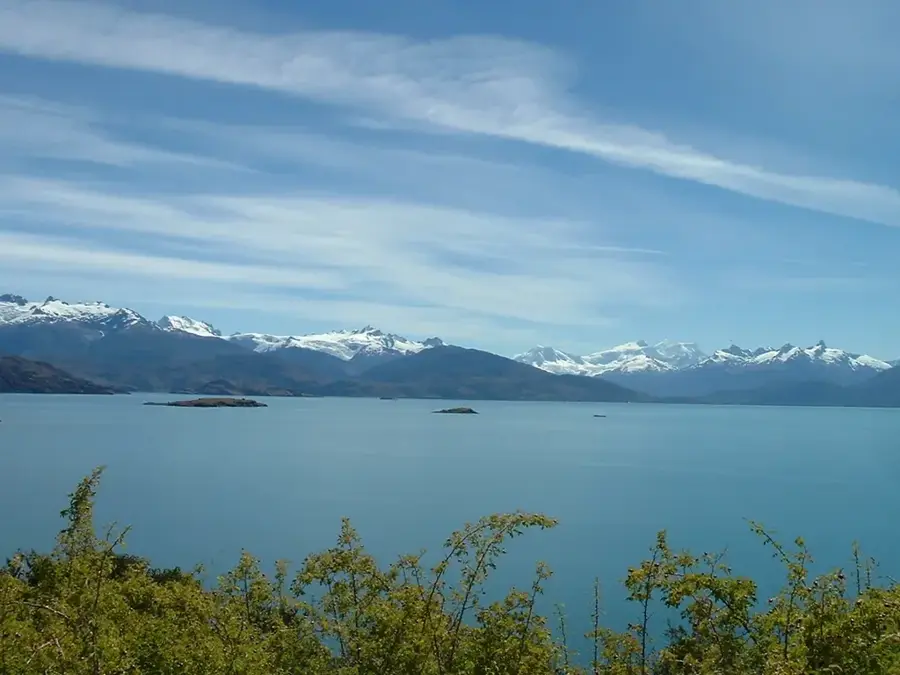
Buenos Aires Lake
A large lake in Patagonia, known in Chile as General Carrera Lake.
Learn more →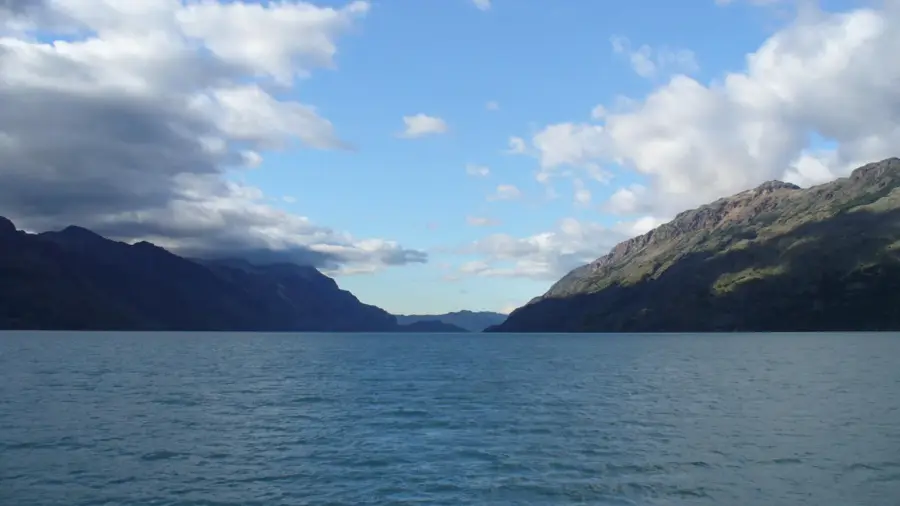
San Martín Lake
The deepest lake in South America, notable for its irregular shape.
Learn more →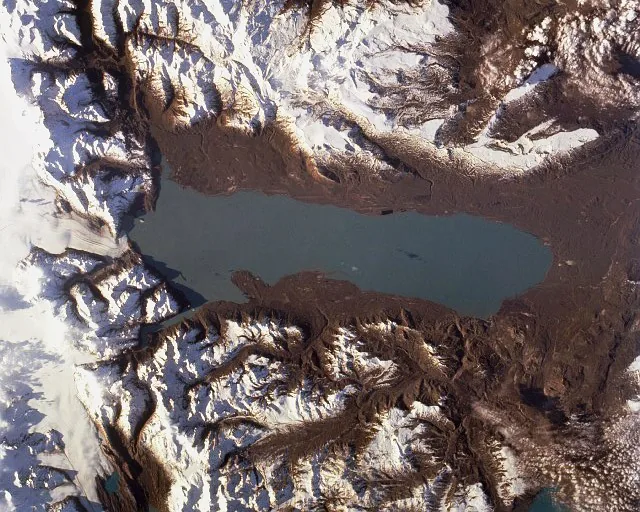
Viedma Lake
A lake fed by melting glaciers in the Patagonian Andean foothills.
Learn more →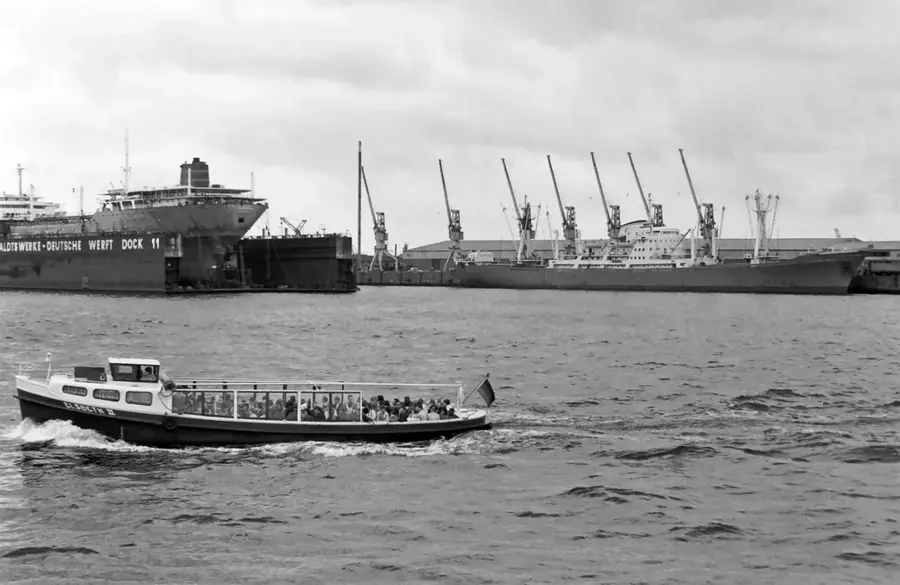
Traful Lake
A picturesque lake in Patagonia, known for its submerged forest.
Learn more →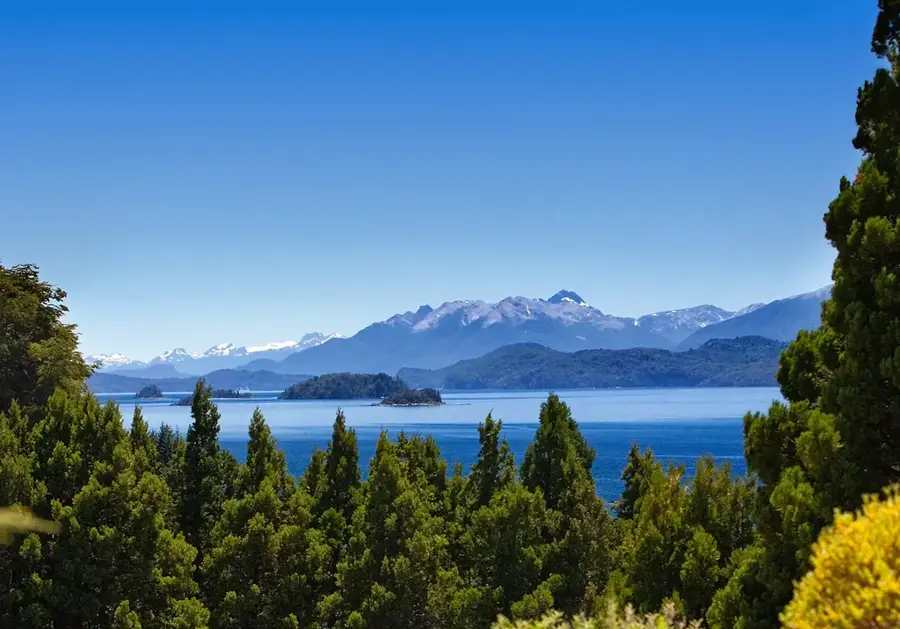
Nahuel Huapi Lake
A large, deep glacial lake in the lake district of northern Patagonia.
Learn more →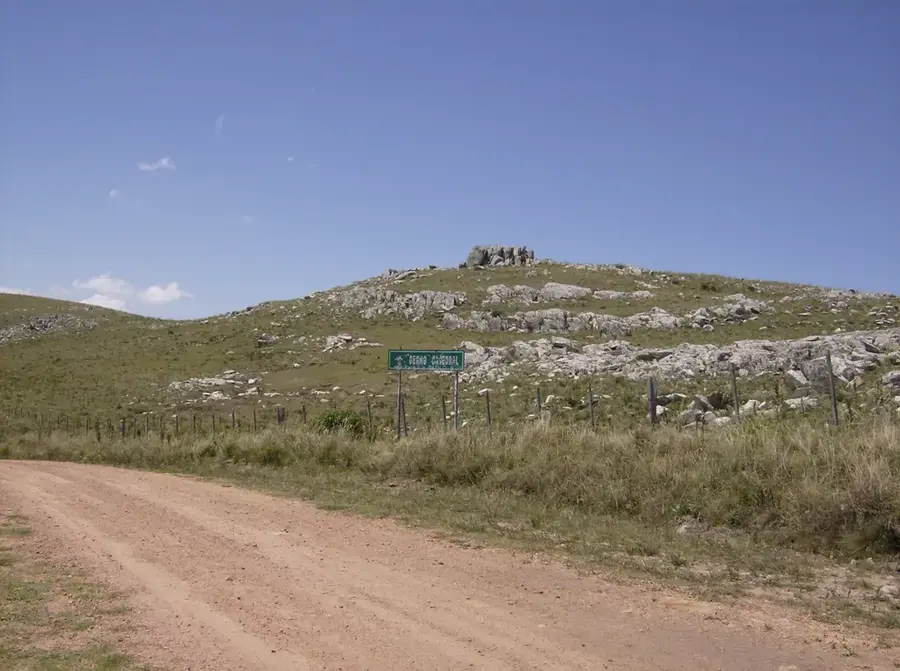
Cerro Catedral
A famous mountain in Patagonia, whose pointed, needle-like peaks resemble the Gothic towers of a medieval cathedral.
Learn more →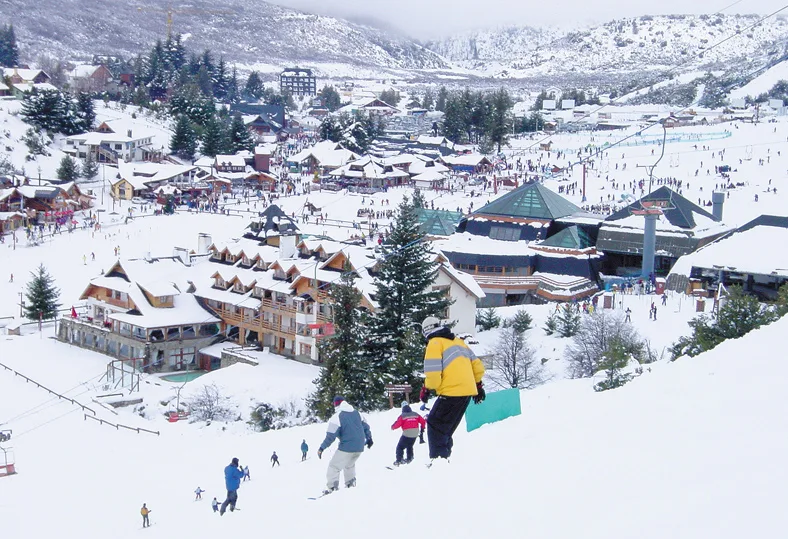
Cerro Campanario
A prominent hill in Bariloche, world-famous for its panoramic views of deep lakes and snow-capped Andean peaks.
Learn more →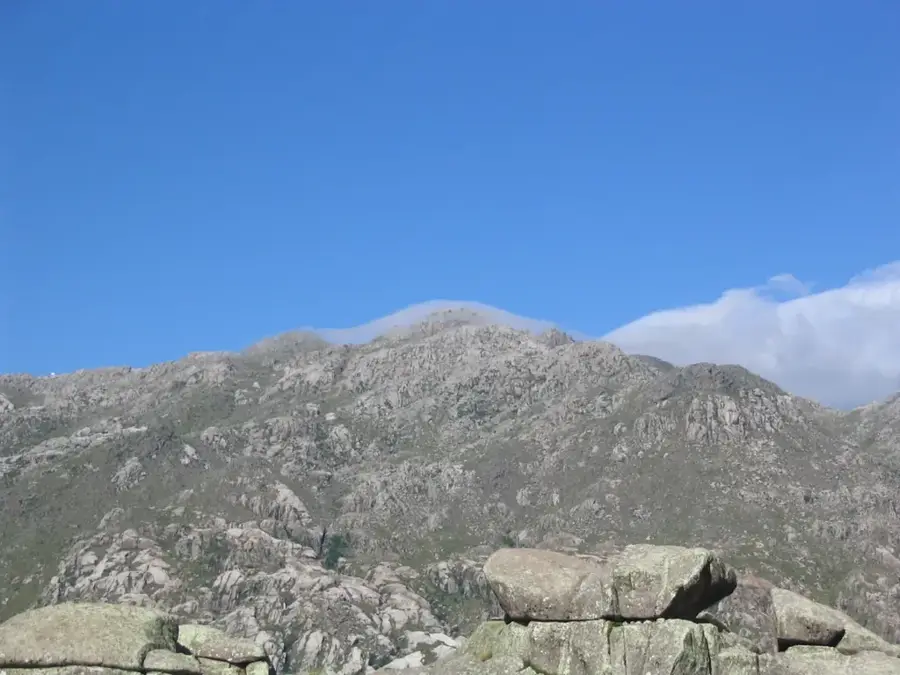
Cerro Champaquí
The highest peak in the Sierras de Córdoba, known for its rough granite rocks and small mountain lakes on the plateau.
Learn more →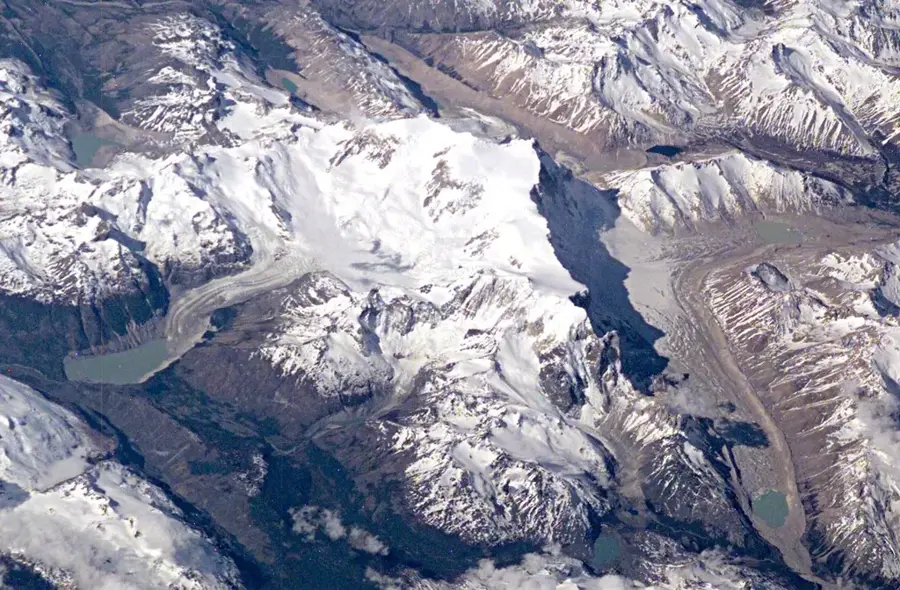
Monte San Lorenzo
A massive, glaciated mountain on the southern border with Chile, dominating the landscape of the Patagonian Andes.
Learn more →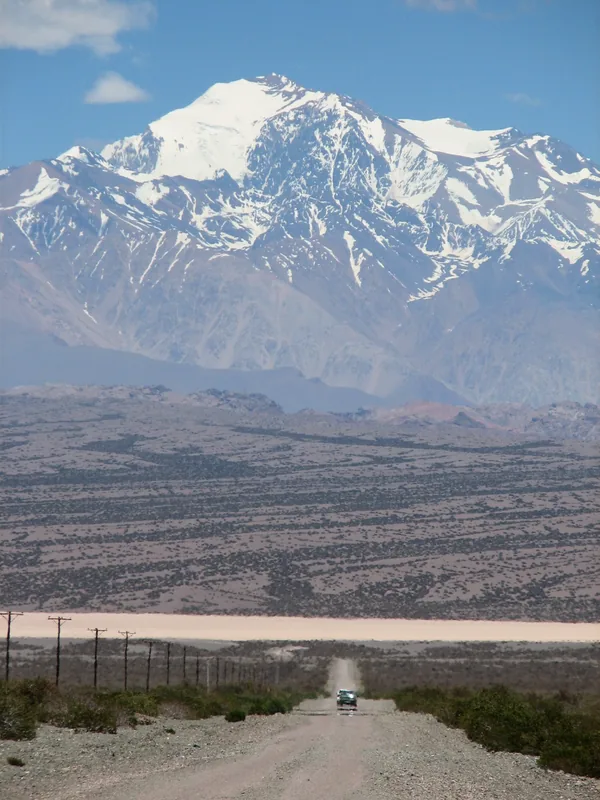
Cerro Mercedario
One of the highest mountains in the Andes, located in the San Juan Province, highly popular among mountaineers.
Learn more →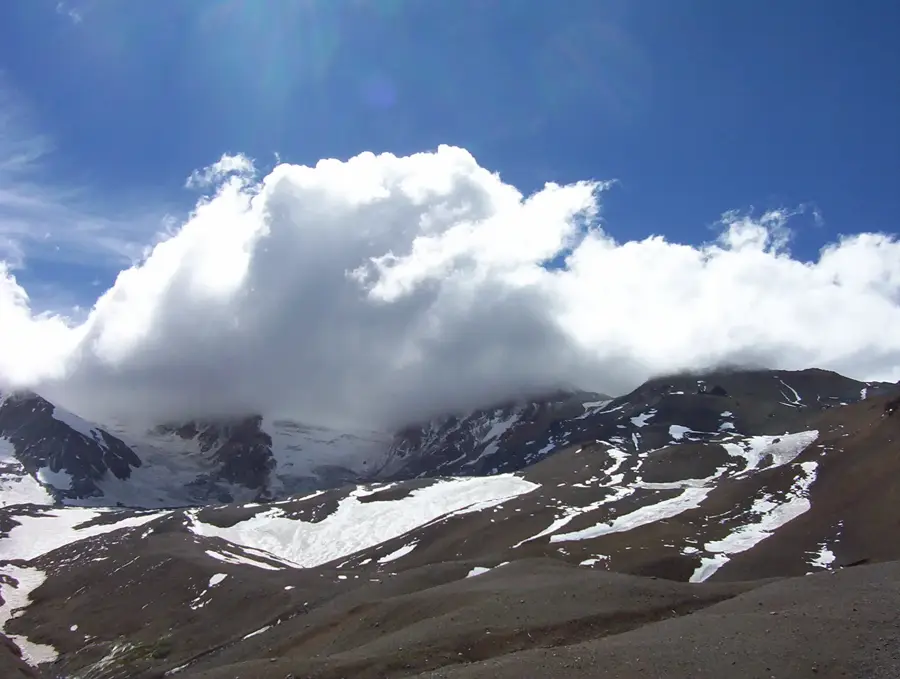
Domuyo Volcano
The highest peak in Patagonia, often called the roof of Patagonia, known for its geothermal activity.
Learn more →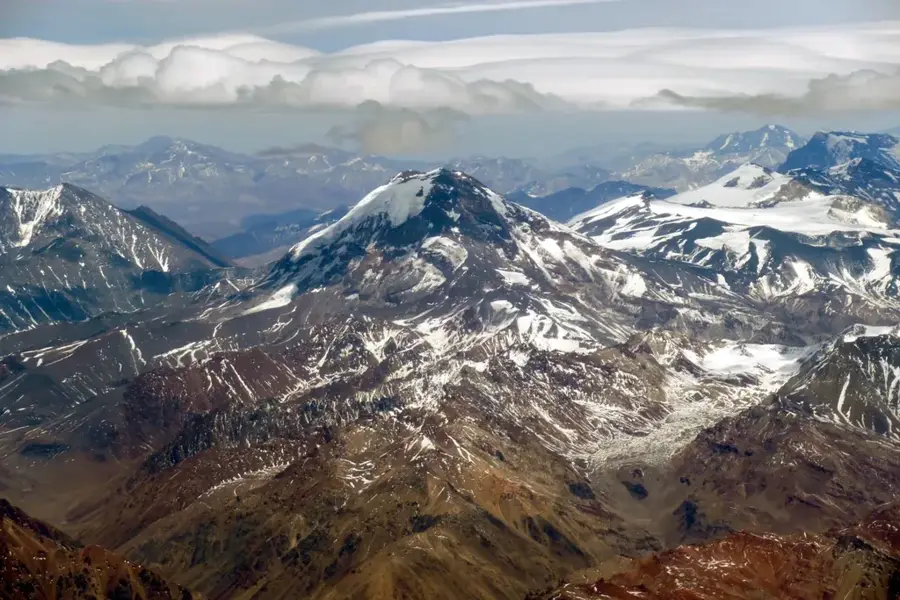
Tupungato
One of the highest volcanoes on Earth, dominating the landscape of the Central Andes and sporting an ice cap.
Learn more →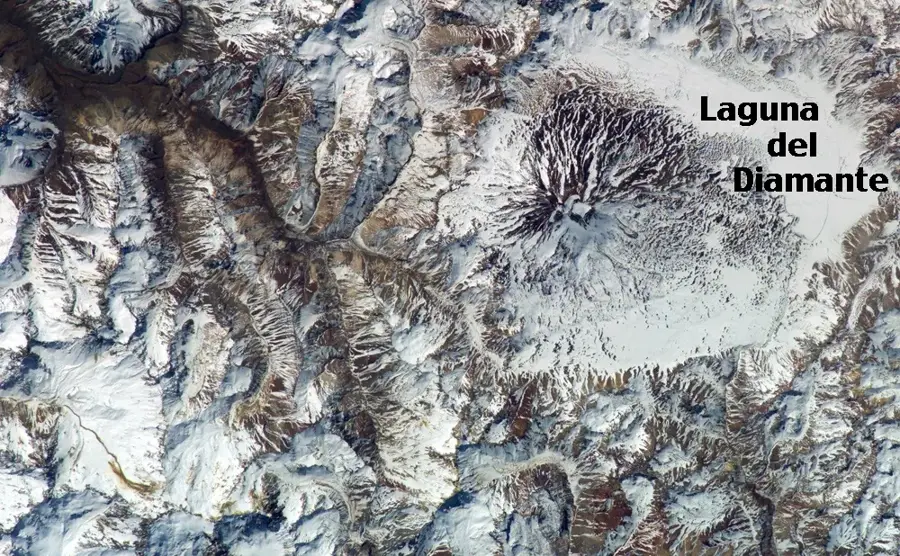
Maipo Volcano
An impressive stratovolcano on the border between Argentina and Chile, famous for its perfect conical shape.
Learn more →Frequently asked questions
What are the top attractions in Argentina?
Among the most popular are Cafayate, Purmamarca, Amaicha del Valle, San José de Tilcara, Perito Moreno (Town) and many more – the full top 50 list is on this page.
When is the best time to visit Argentina?
May to October offers the most pleasant weather; July and August are warmest and busiest.