Plizio Visual Lab
Monte San Lorenzo
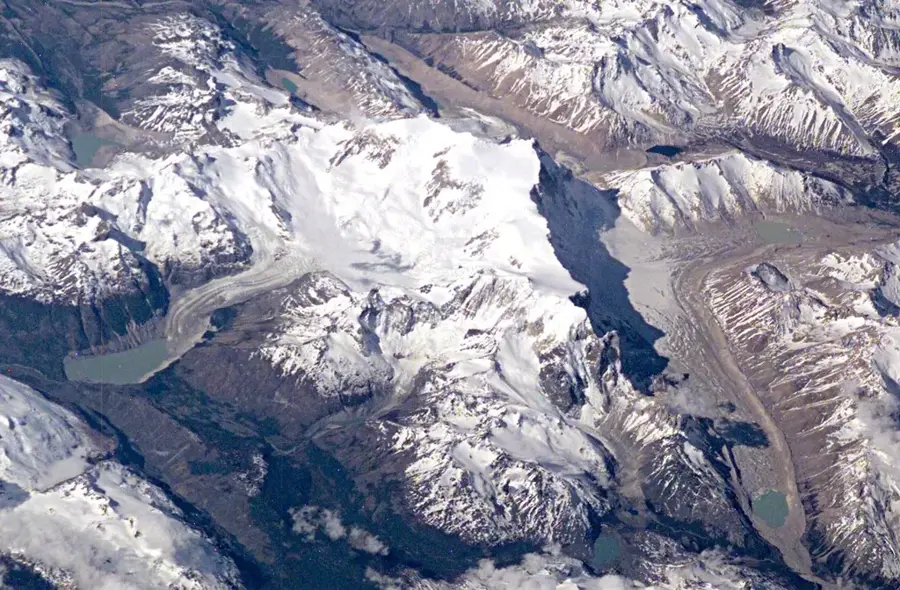
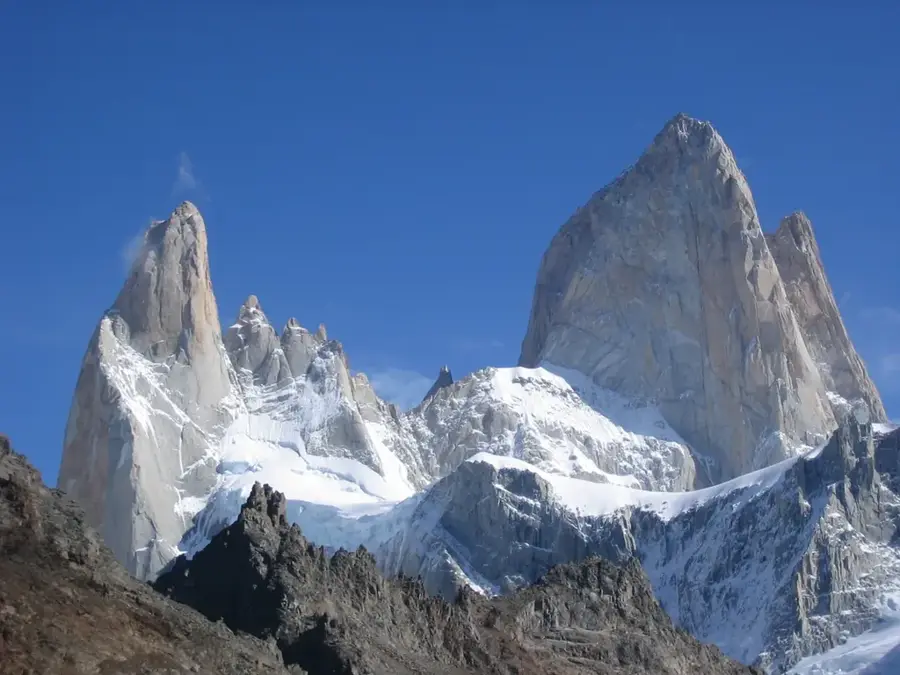
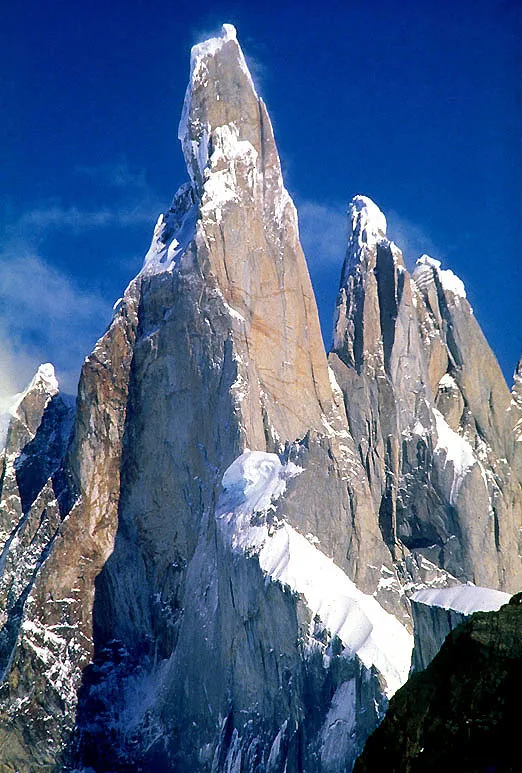
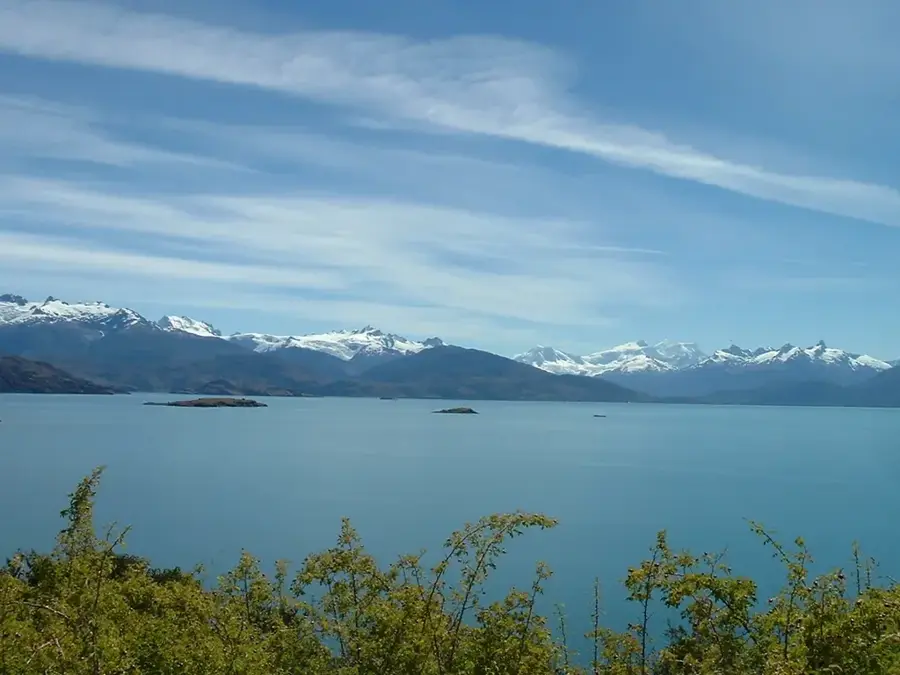
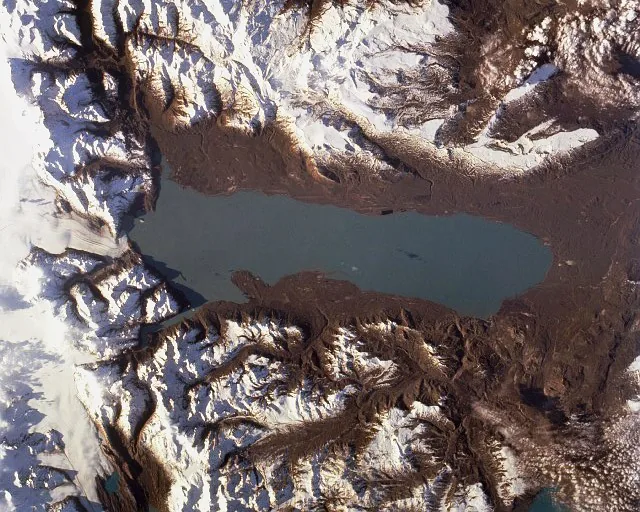
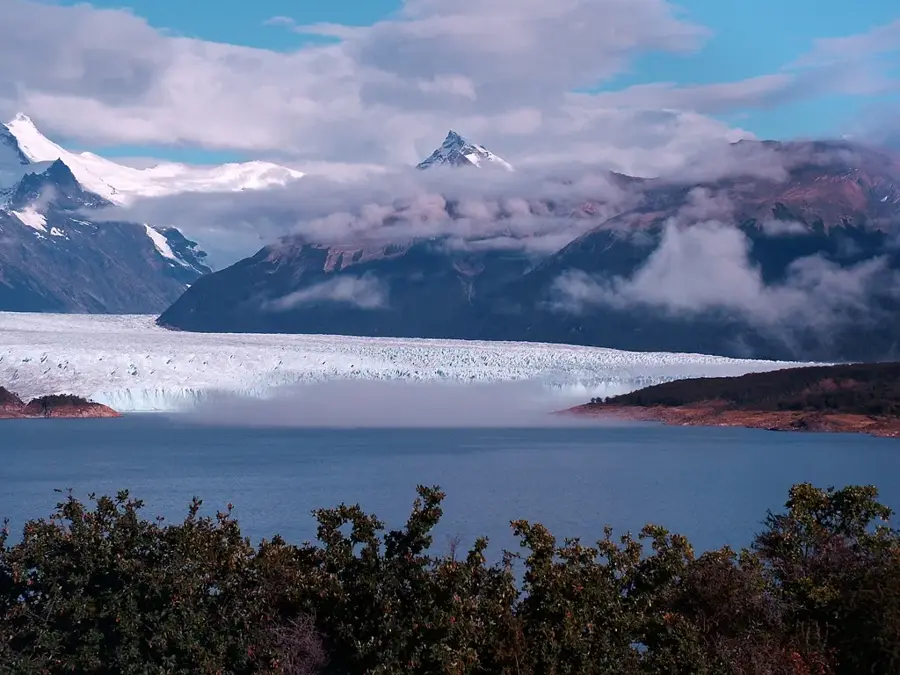
Monte San Lorenzo, also known as Mount Cochrane, is the second highest peak in the Patagonian Andes, reaching 3,706 meters. Located on the border between the province of Santa Cruz and Chile, this massive mountain is surrounded by imposing glaciers that descend into deep valleys. San Lorenzo is considered the 'Everest of Patagonia' by climbers, due to the extreme technical difficulty of its ascent, brutal weather, and geographical isolation. The massif consists of three main peaks and is surrounded by a landscape of wild beauty, with hardy deciduous forests and rivers of glacial milk. The first ascent was made by the legendary priest and explorer Alberto De Agostini in 1943, and the mountain remains a symbol of elite mountaineering and pure adventure to this day.
Best time to visit & climate
The most pleasant time to visit is Jan, Feb, Dec.
| Jan | Feb | Mar | Apr | May | Jun | Jul | Aug | Sep | Oct | Nov | Dec | |
|---|---|---|---|---|---|---|---|---|---|---|---|---|
| Avg °C | 12 | 12 | 9 | 6 | 2 | -1 | -2 | 0 | 3 | 6 | 8 | 11 |
| Rain mm | 14 | 19 | 20 | 26 | 36 | 35 | 28 | 29 | 19 | 27 | 23 | 18 |
📋 Practical info
Geography
Facts
- The official height is 3,706 meters.
- It is the highest mountain in the province of Santa Cruz.
- Its glaciers feed Lake Pueyrredón and the Oro River.
- The first successful ascent was led by Alberto Maria De Agostini.
- Located in a very sparsely populated border area.
- The massif is composed of volcanic and granitic rocks.
- The name was given in honor of Saint Lawrence.
Explore nearby
Notable places around
Route planner — Car & Motorhome
Where do you start? We build the route here, with stops and country notes along the way.
© OpenStreetMap contributors · OpenRouteService
Sights nearby
Frequently asked questions
Is Monte San Lorenzo developed for tourism?
Do I need a permit?
What equipment do I need?
What is the weather like there?
Are there rescue services?
Monte San Lorenzo: where is it located?
Monte San Lorenzo: when is the best time to visit?
Monte San Lorenzo: why is it worth visiting?
History & landmarks
Nature
More places